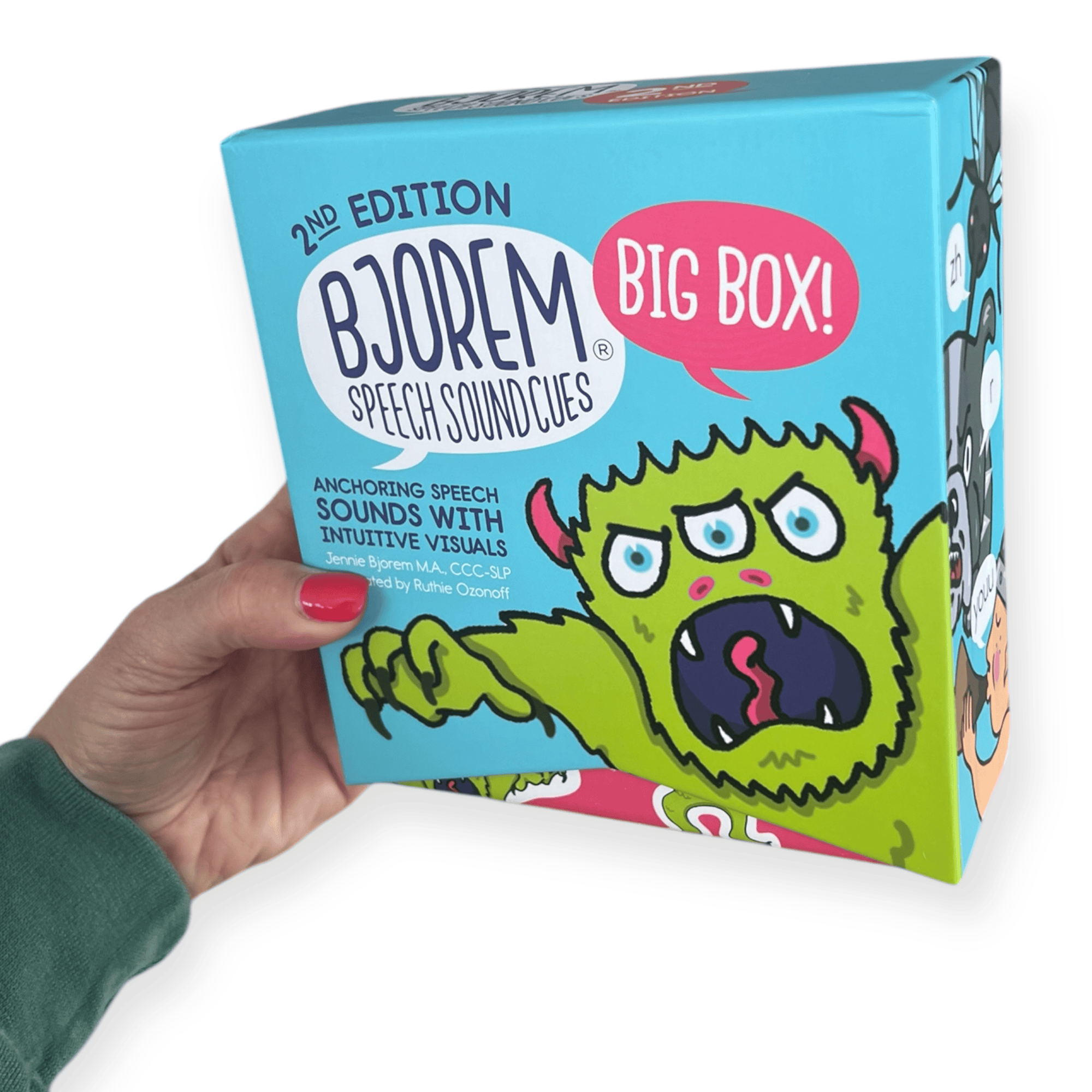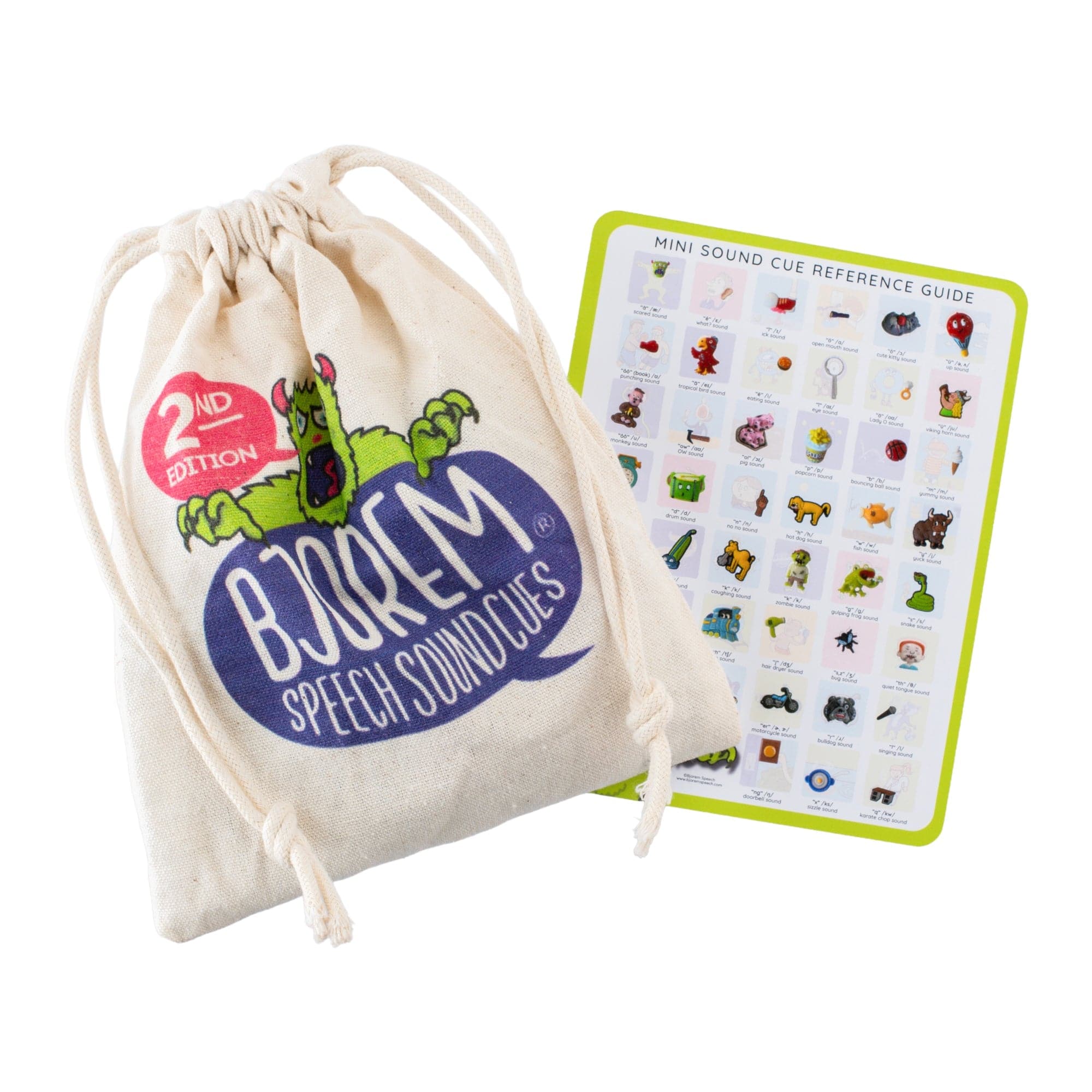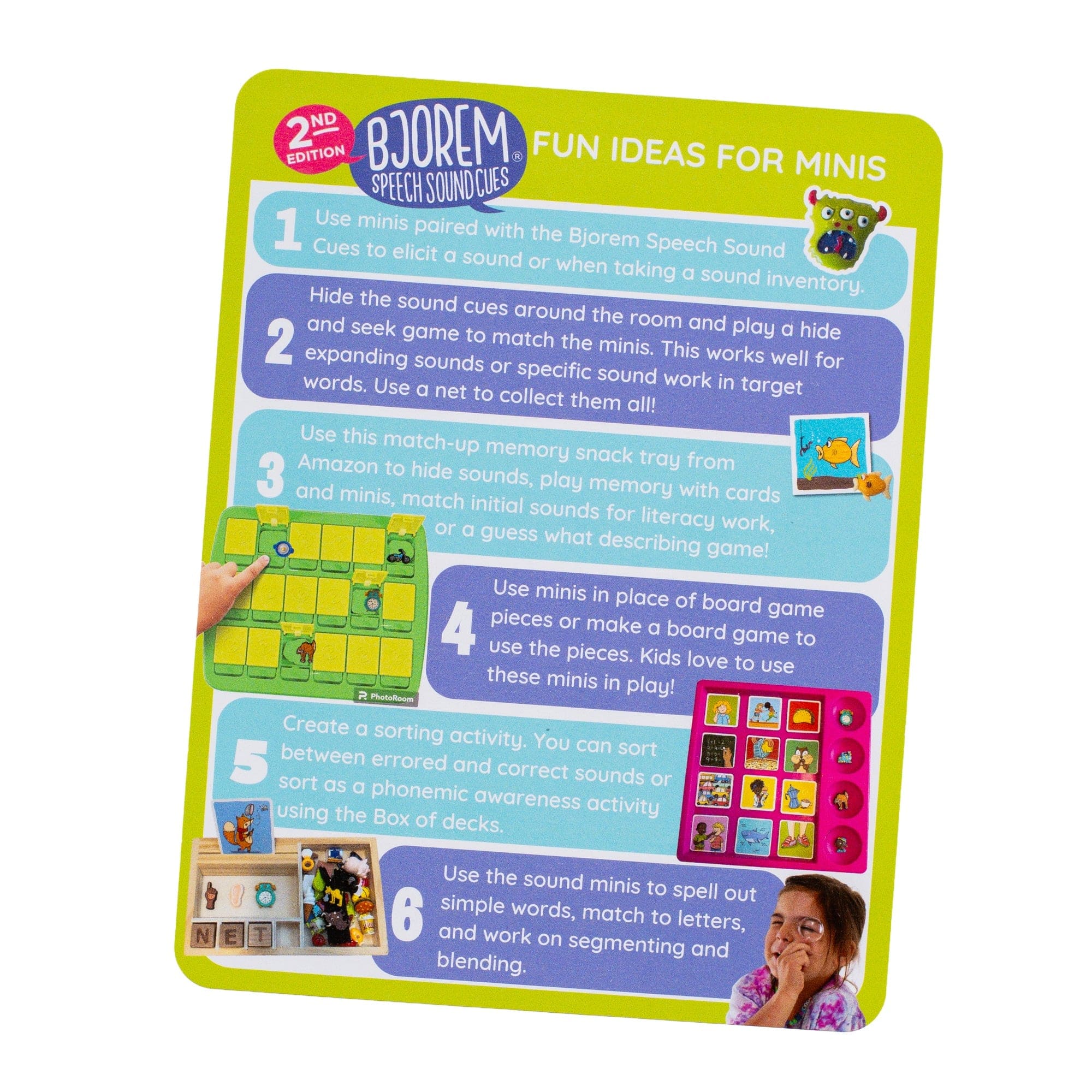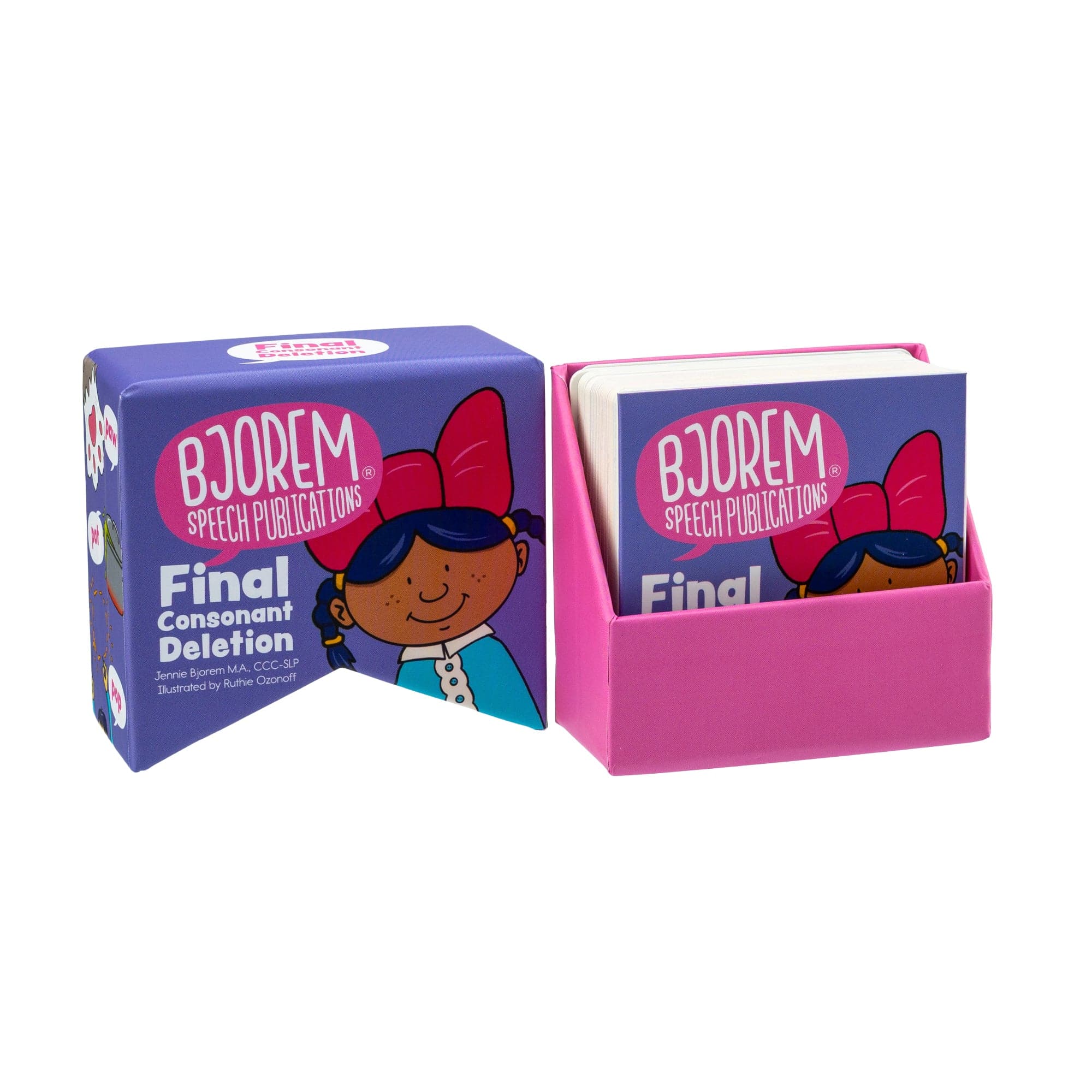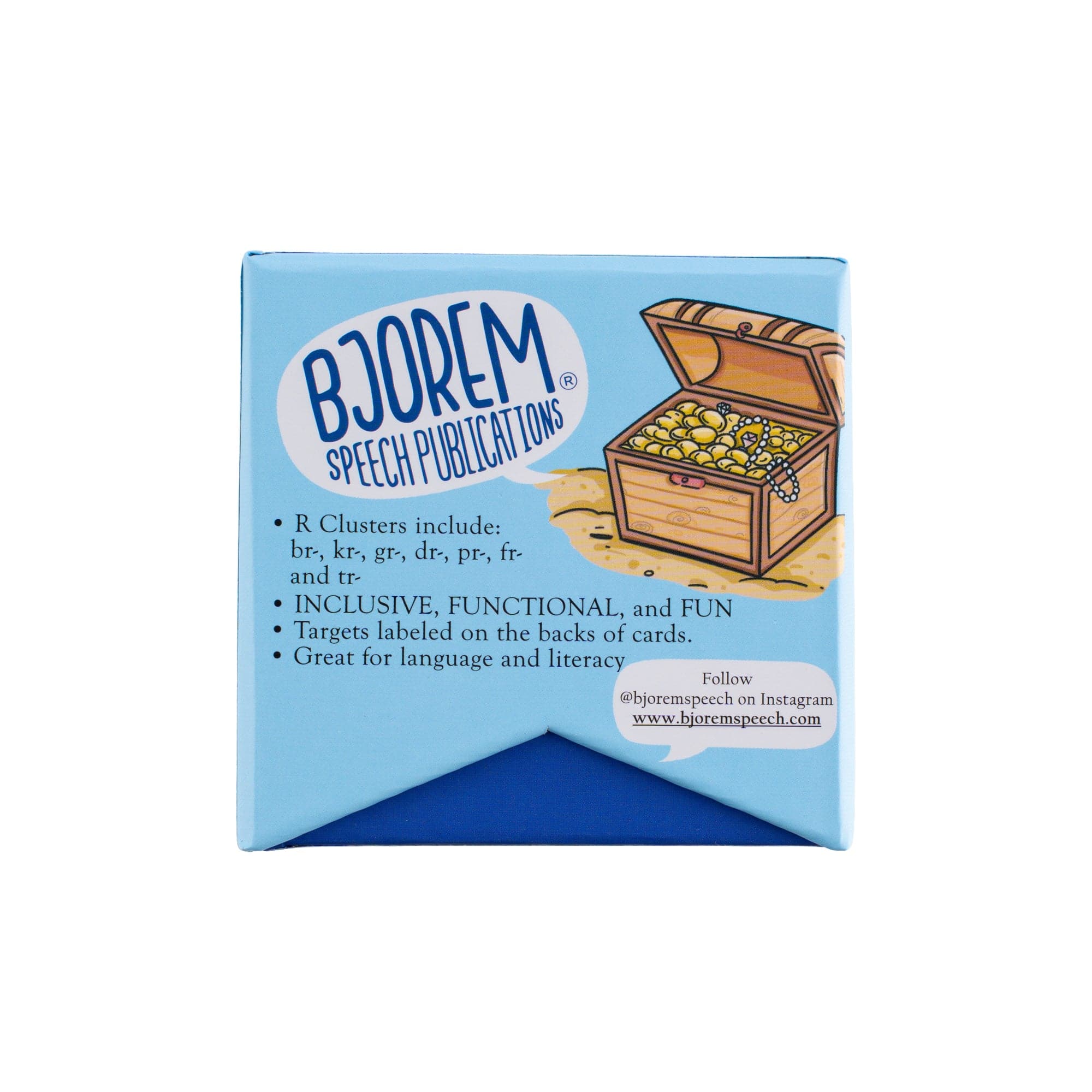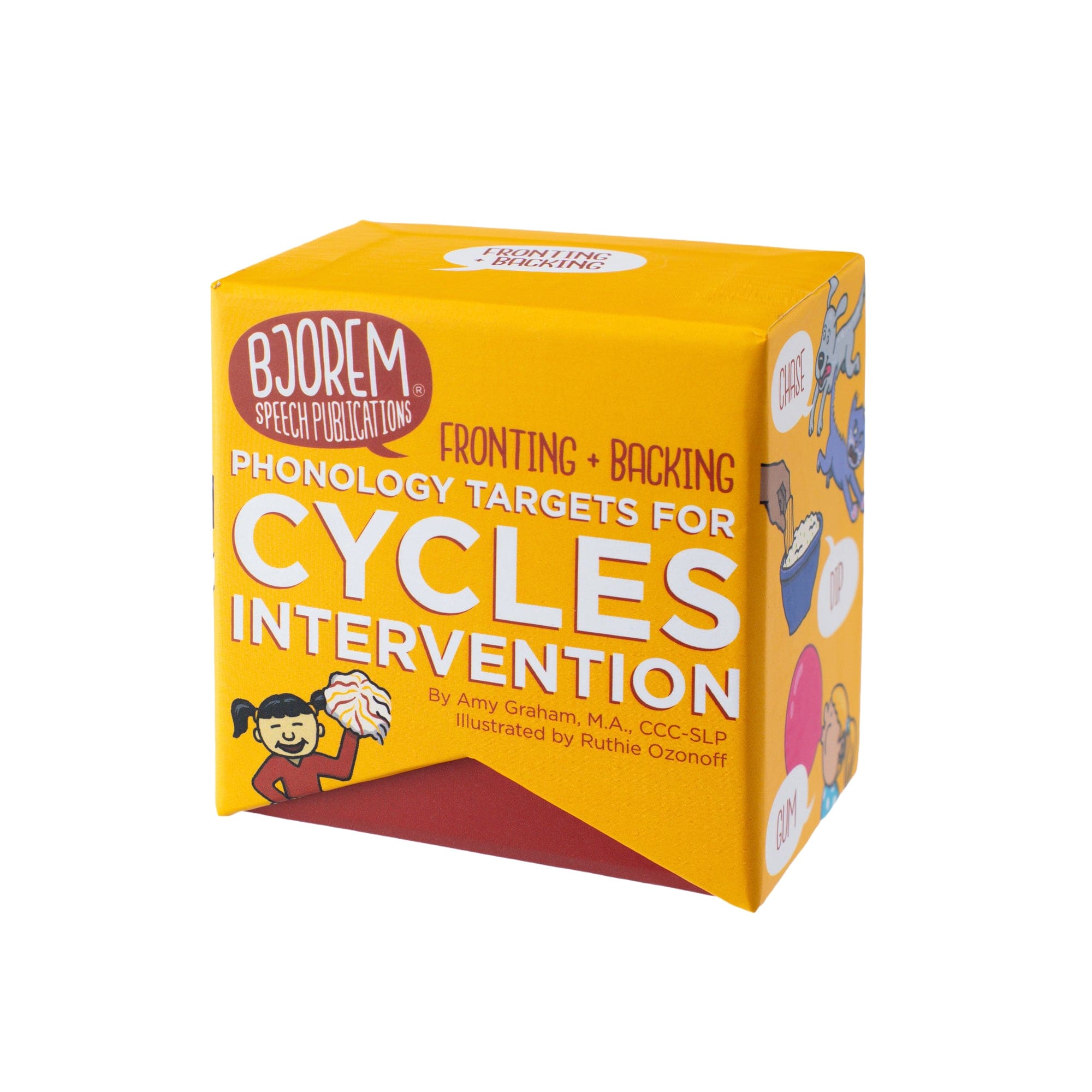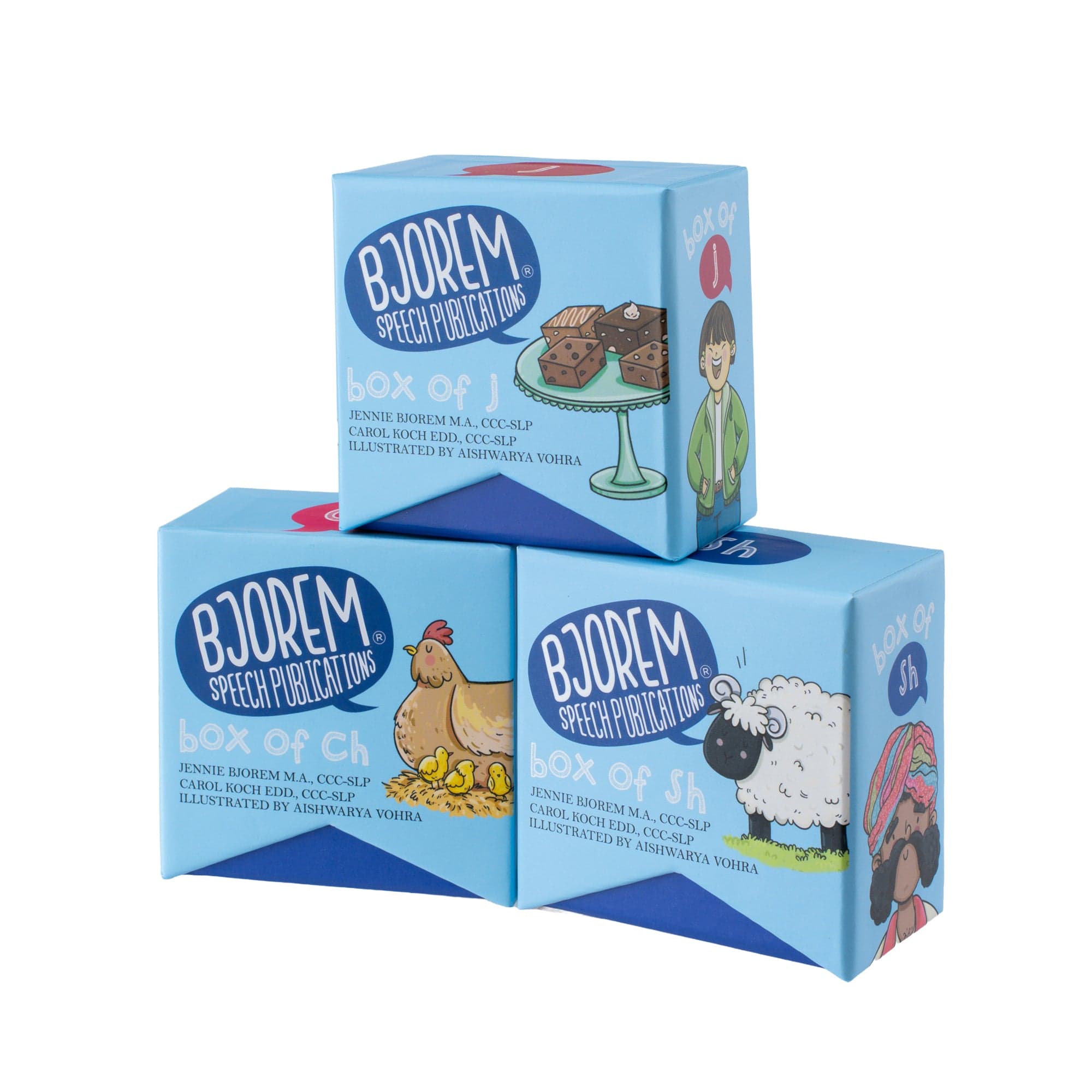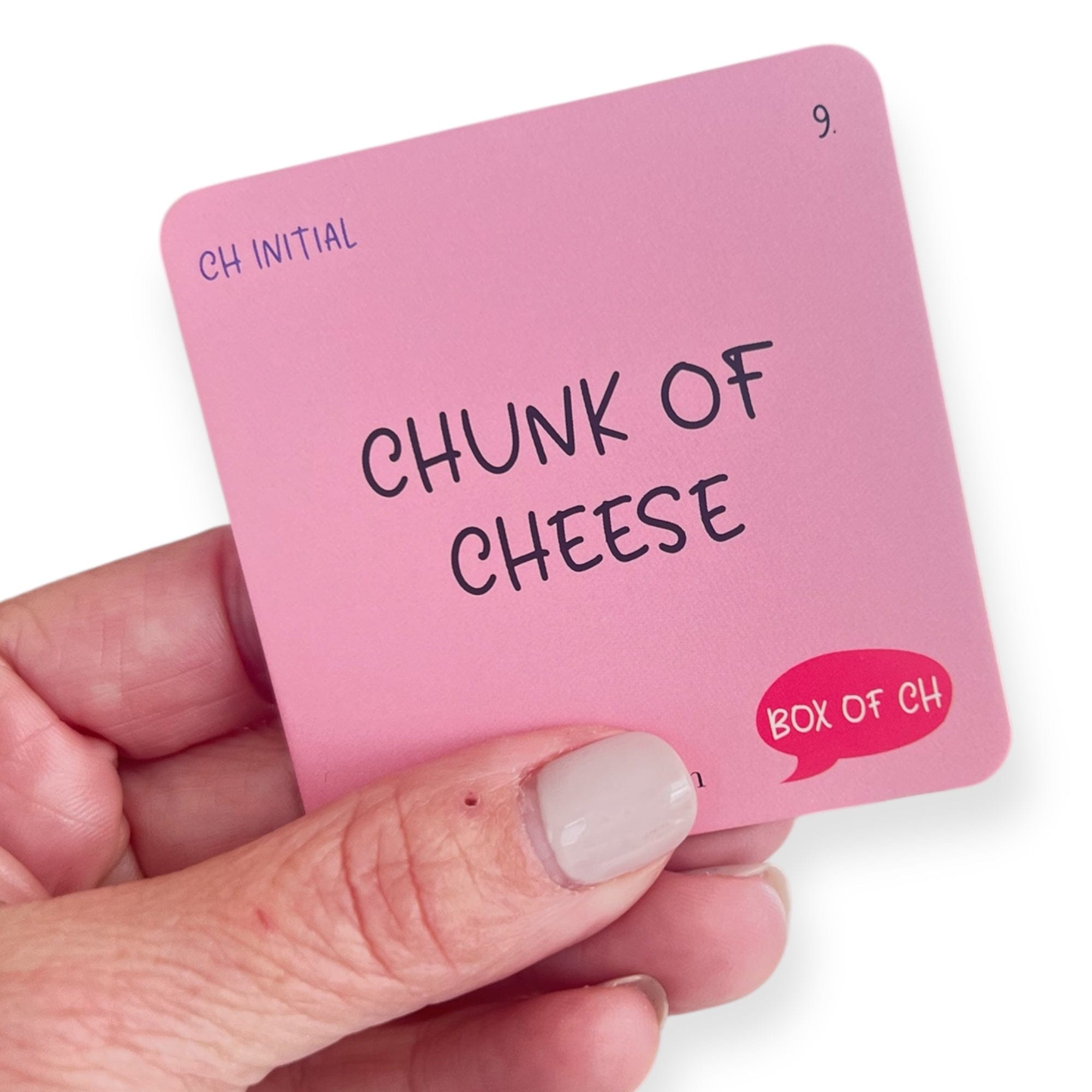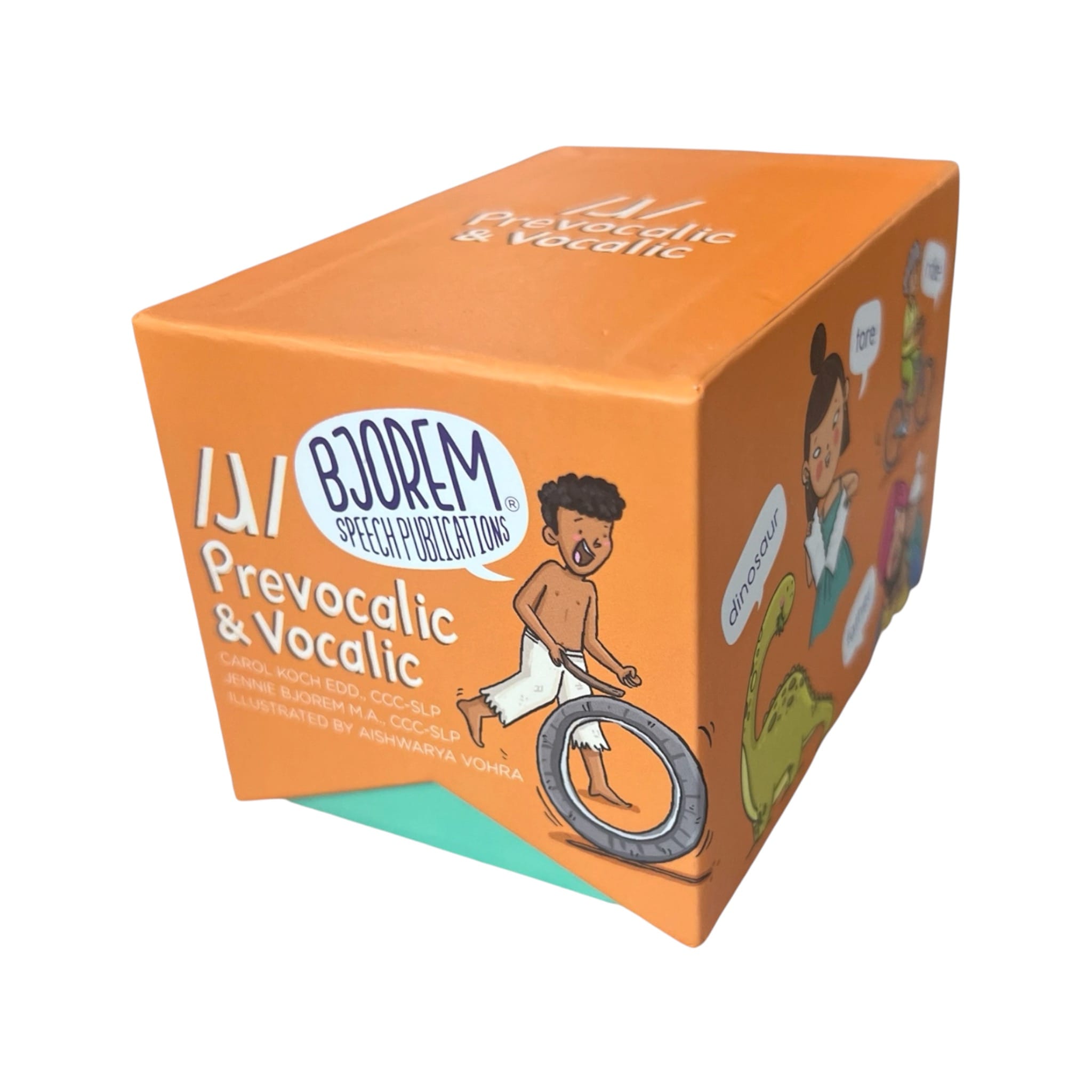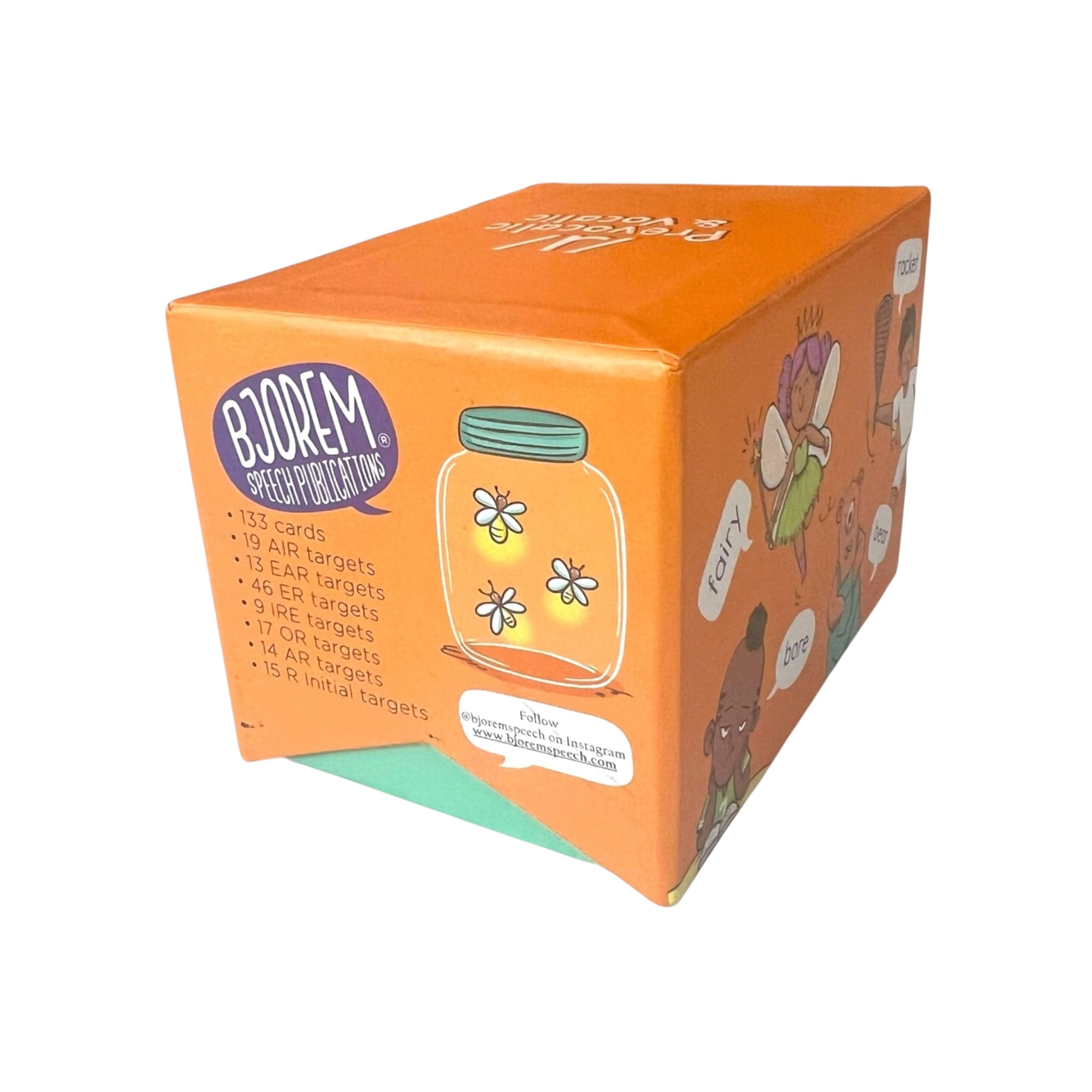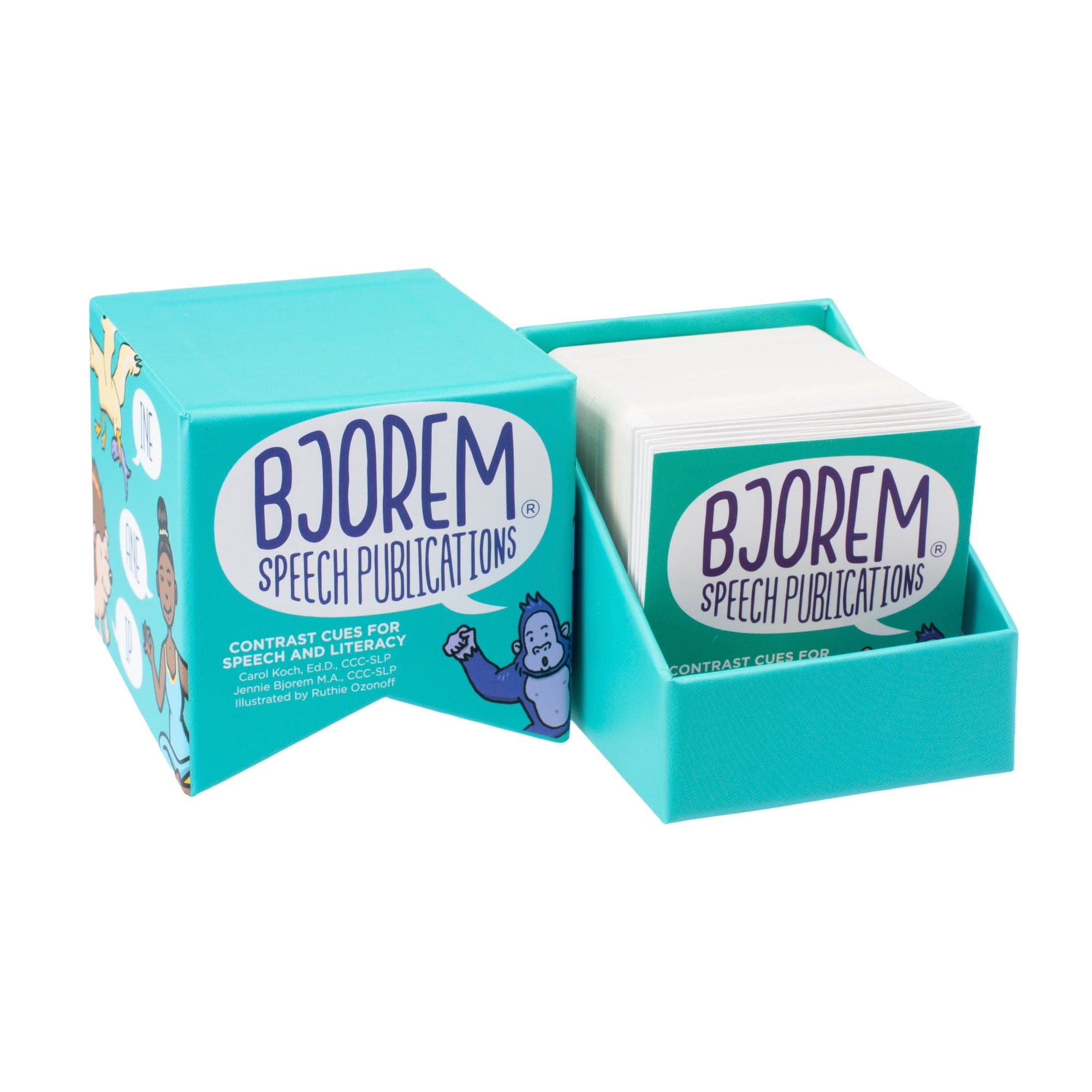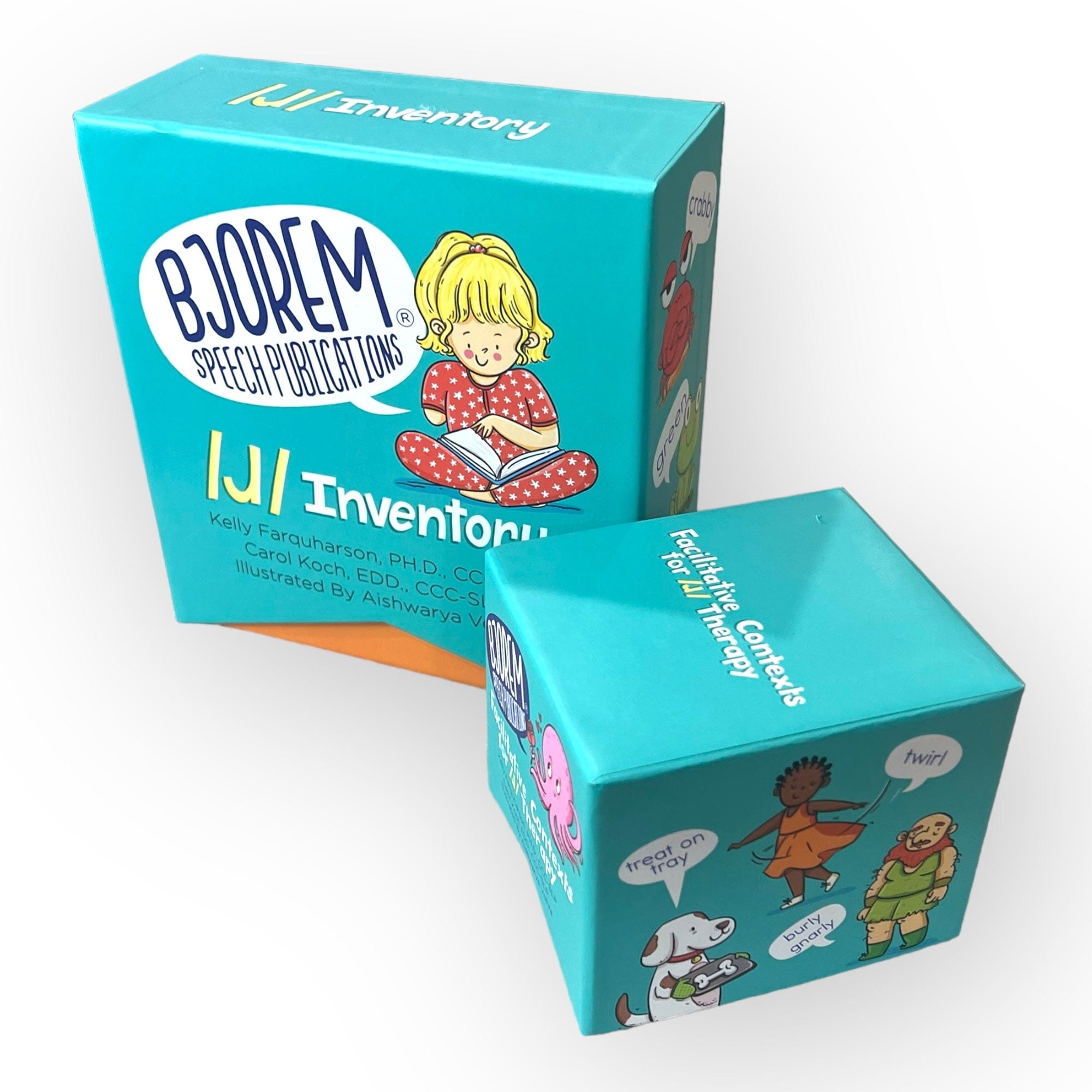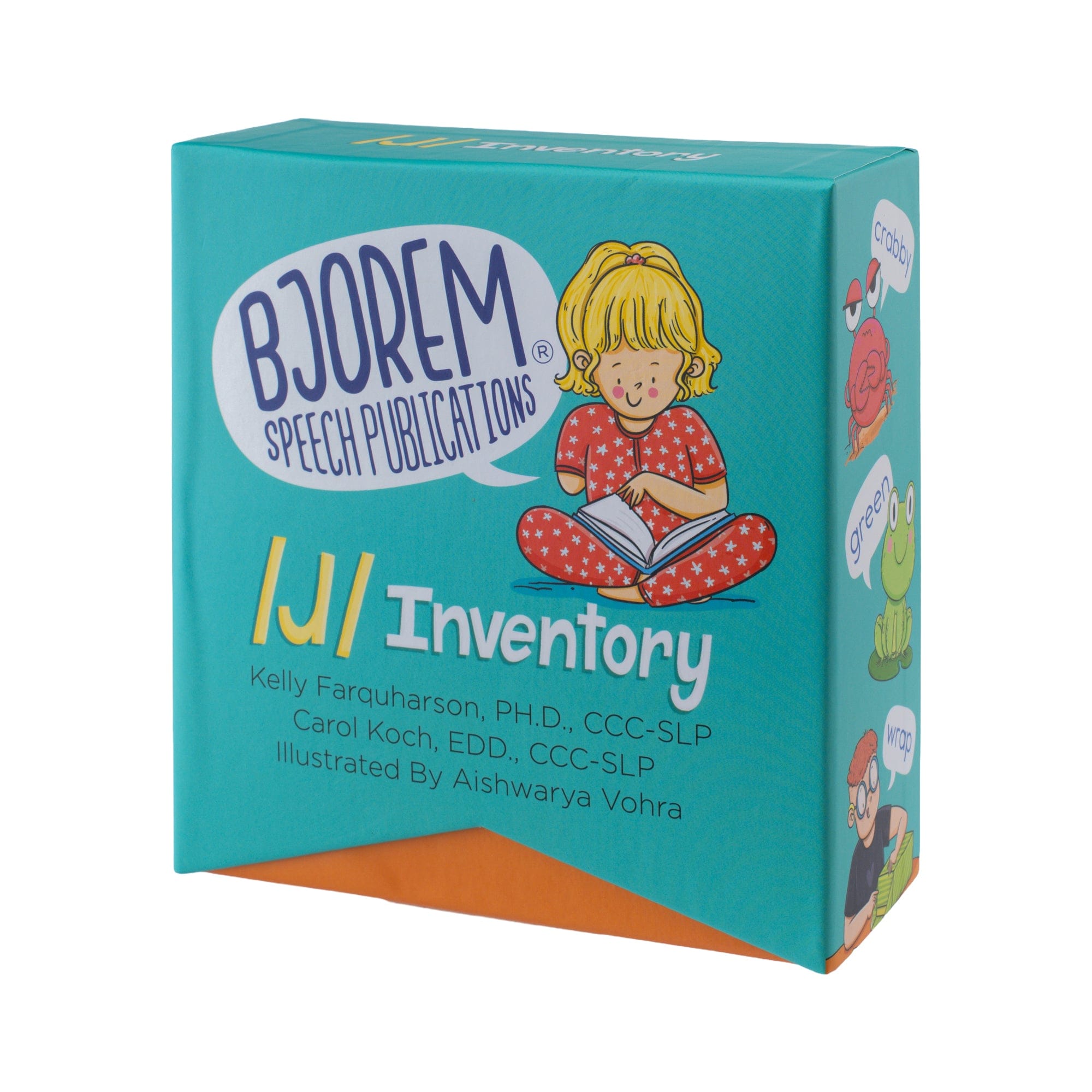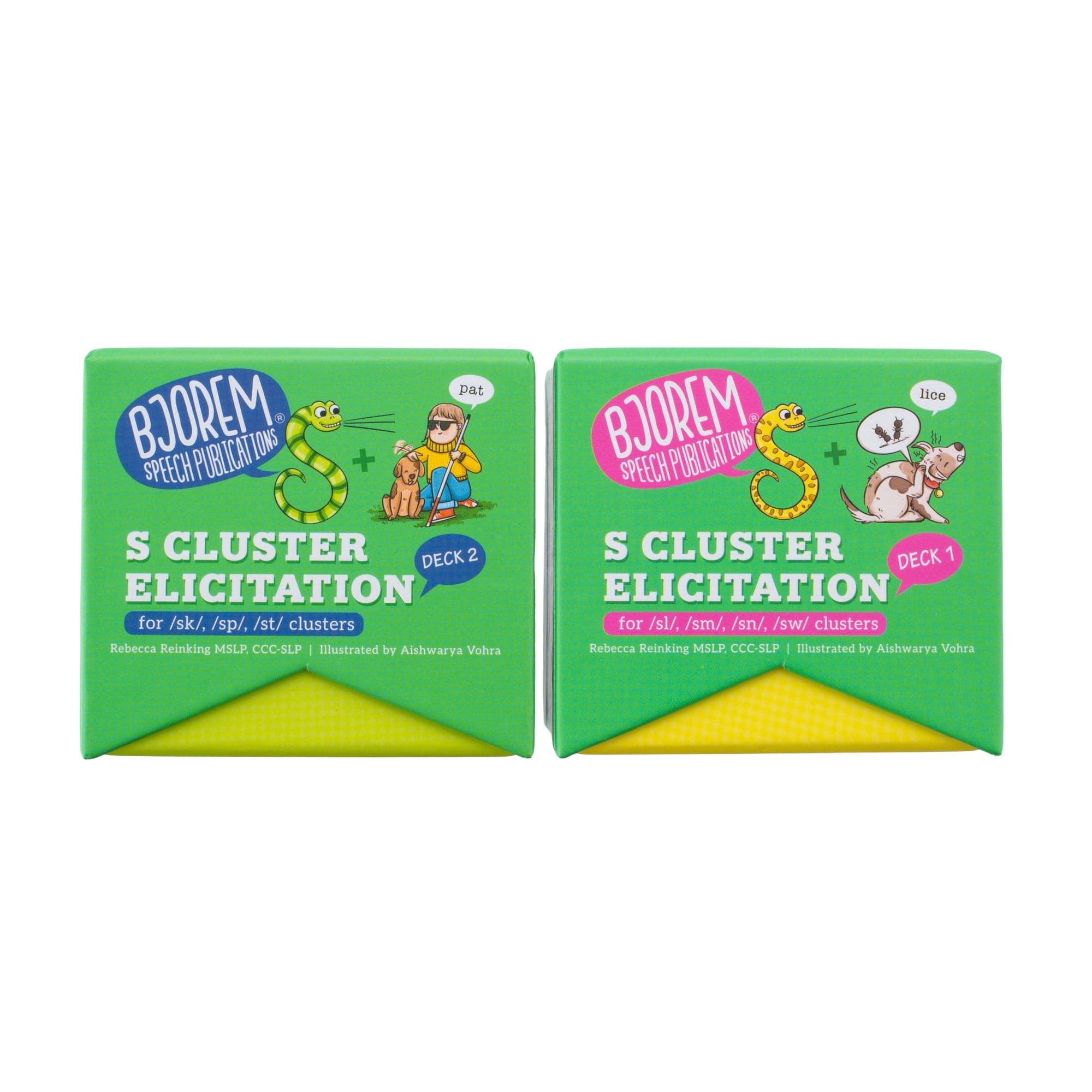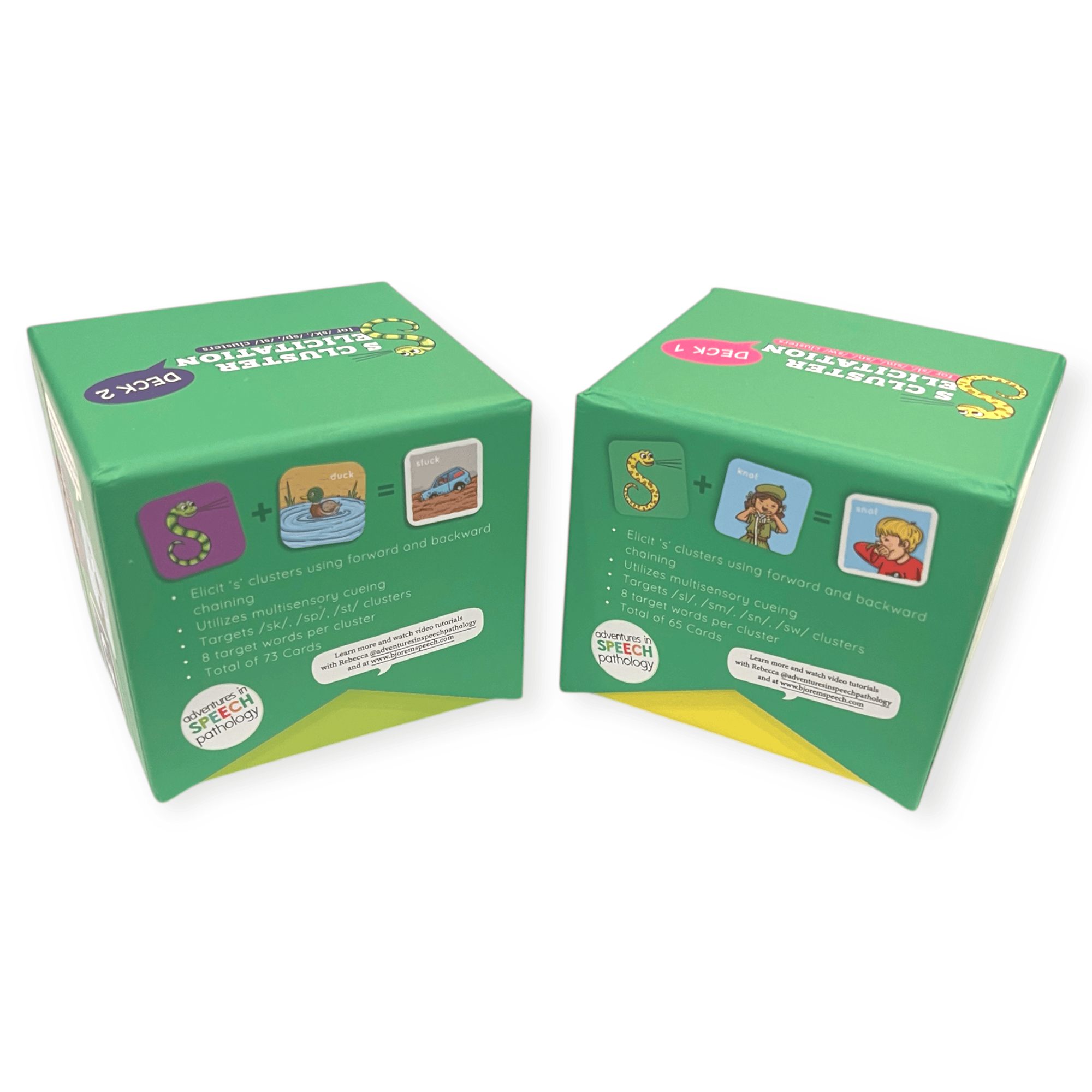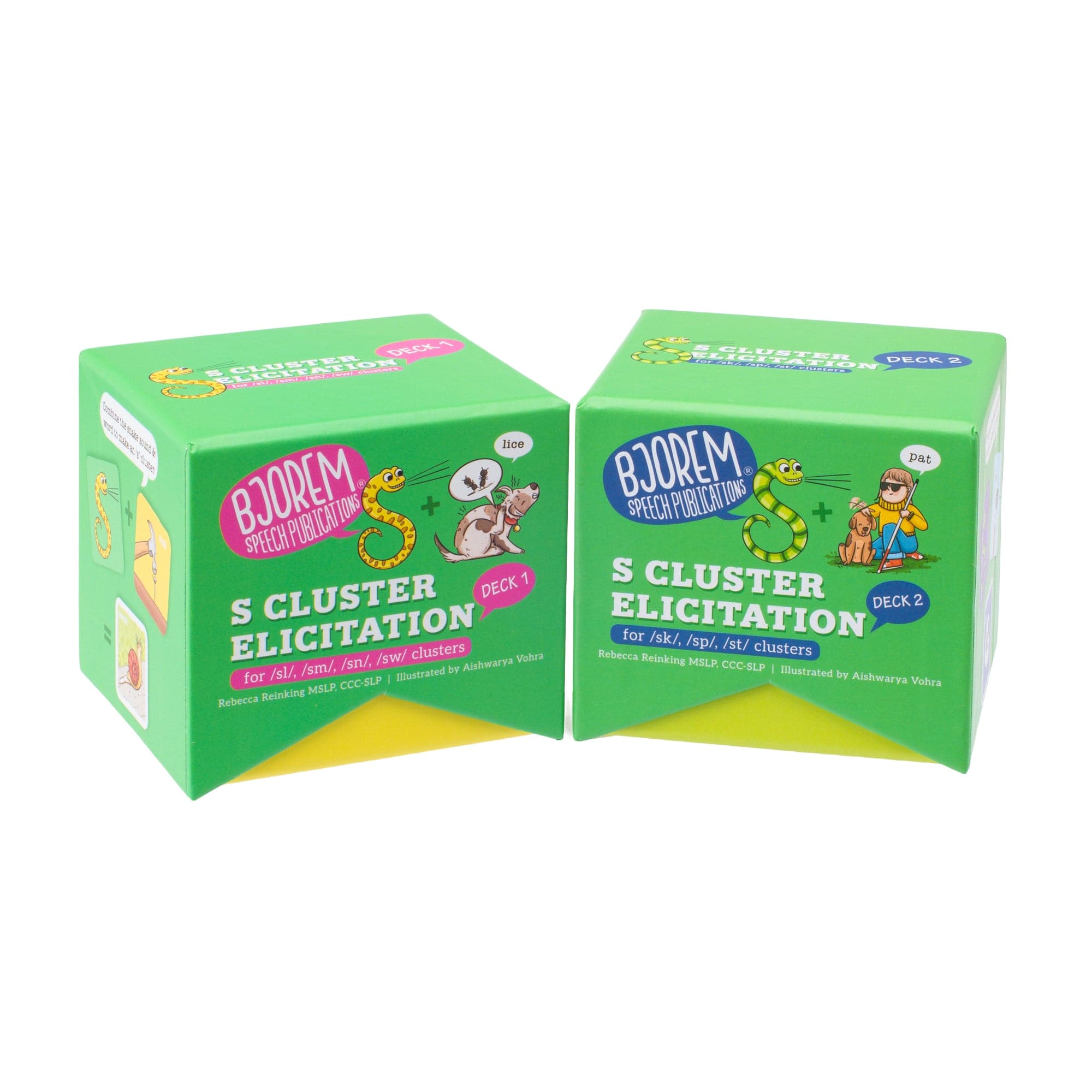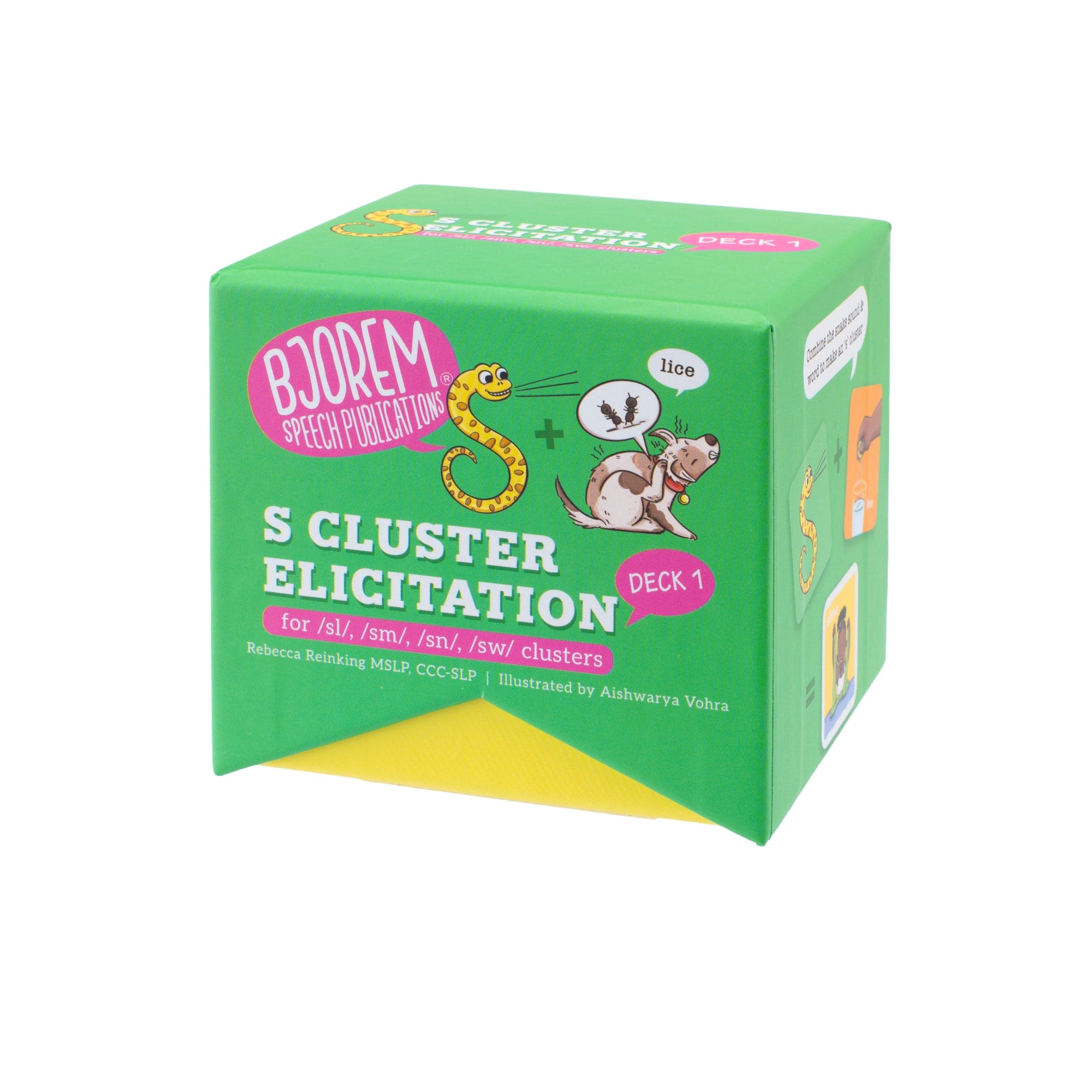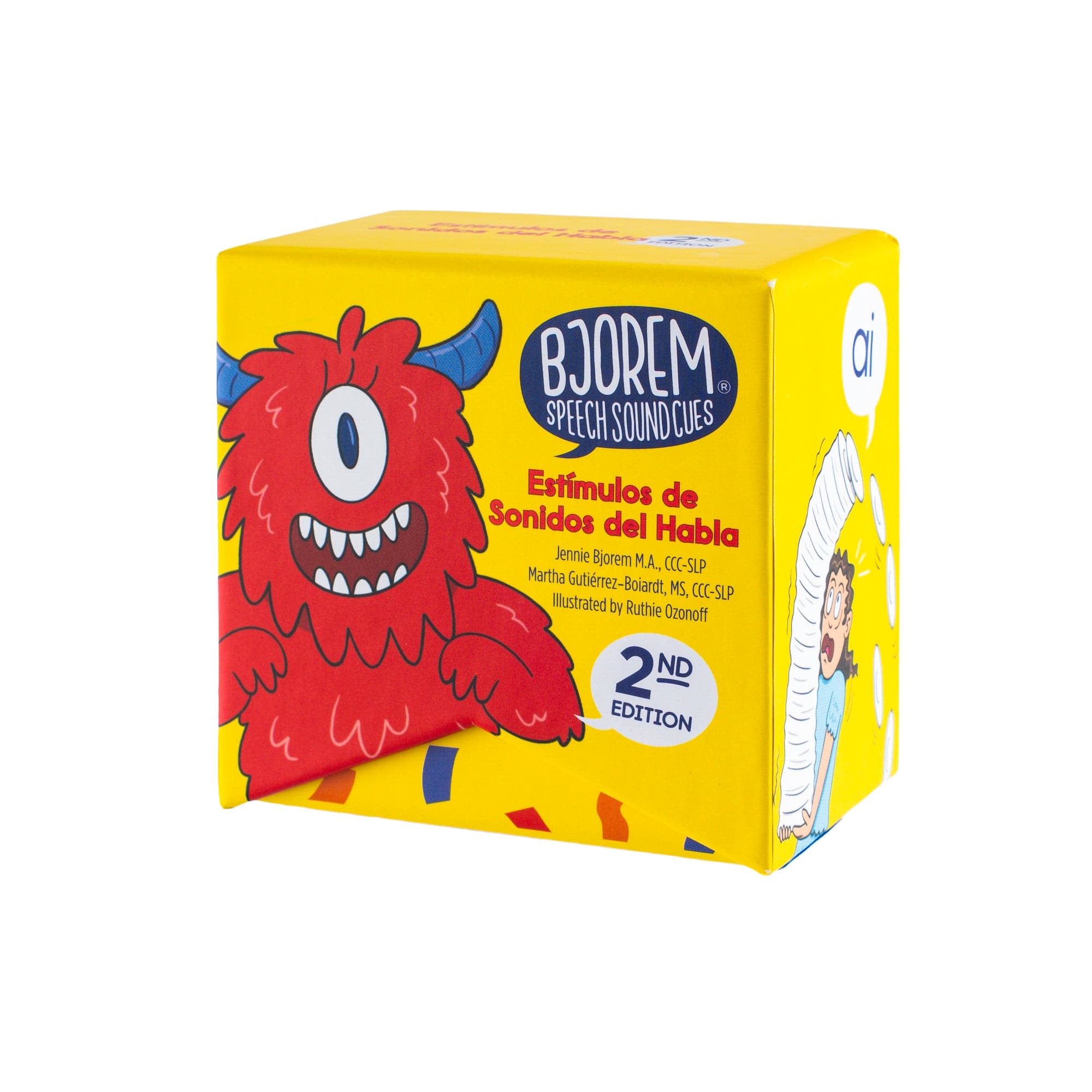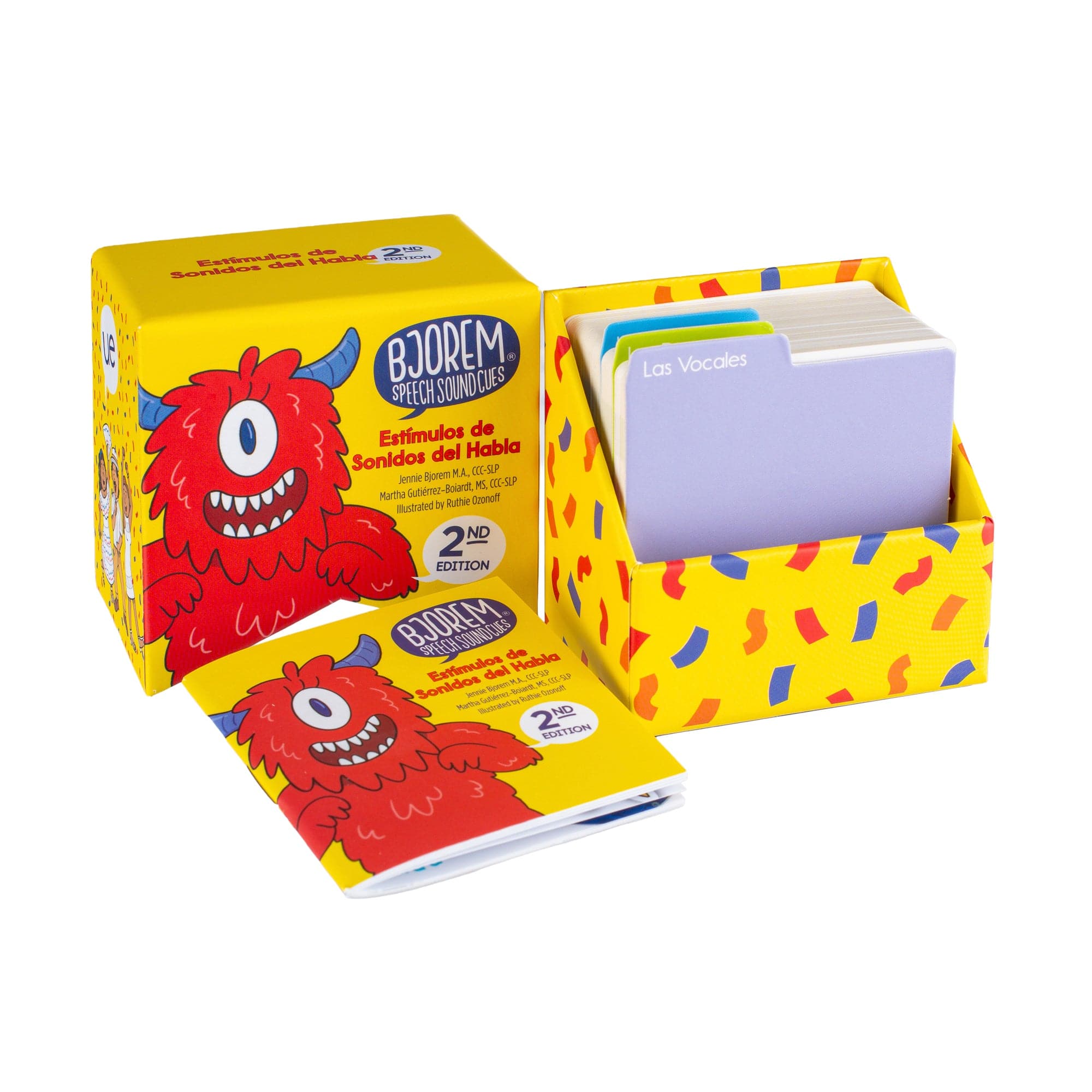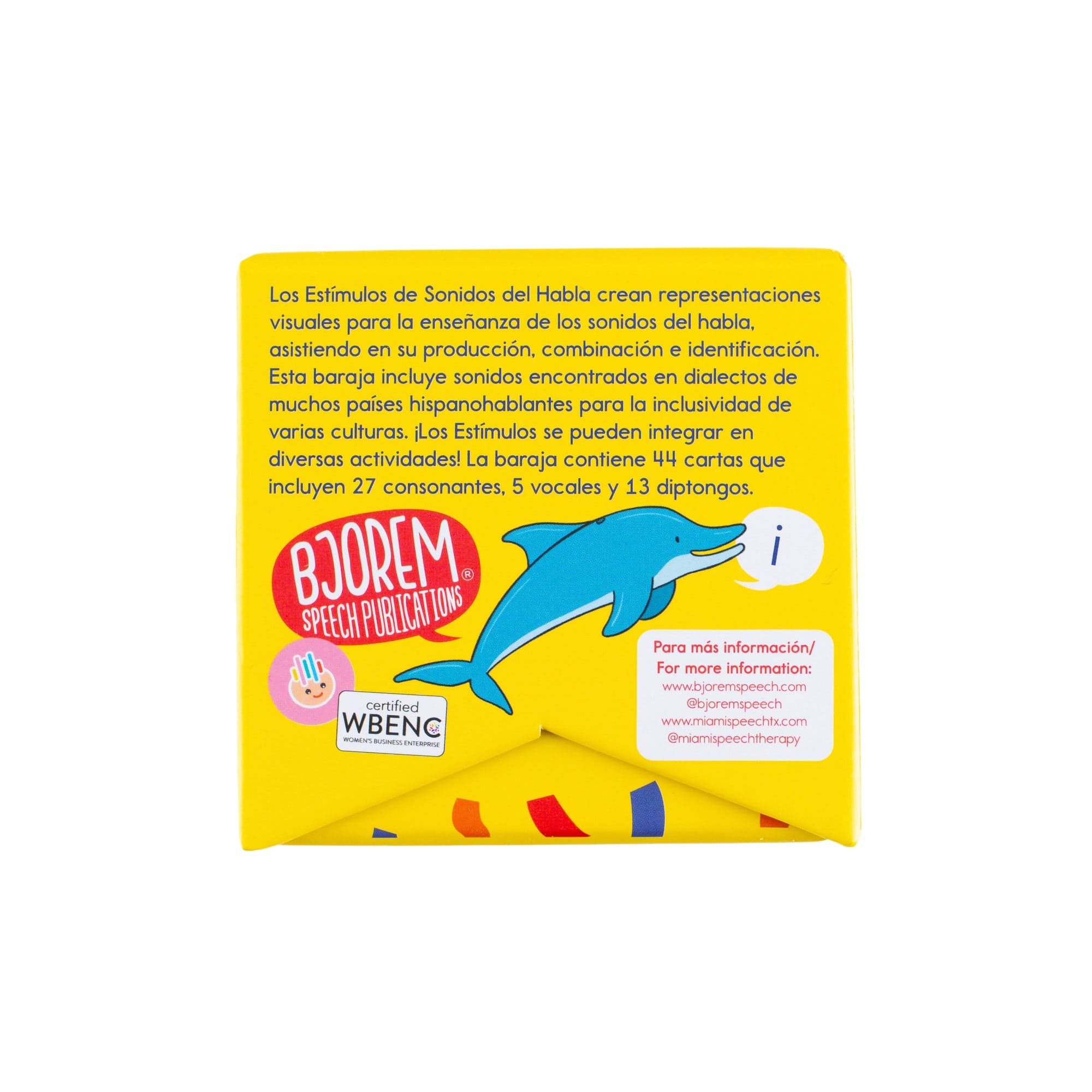
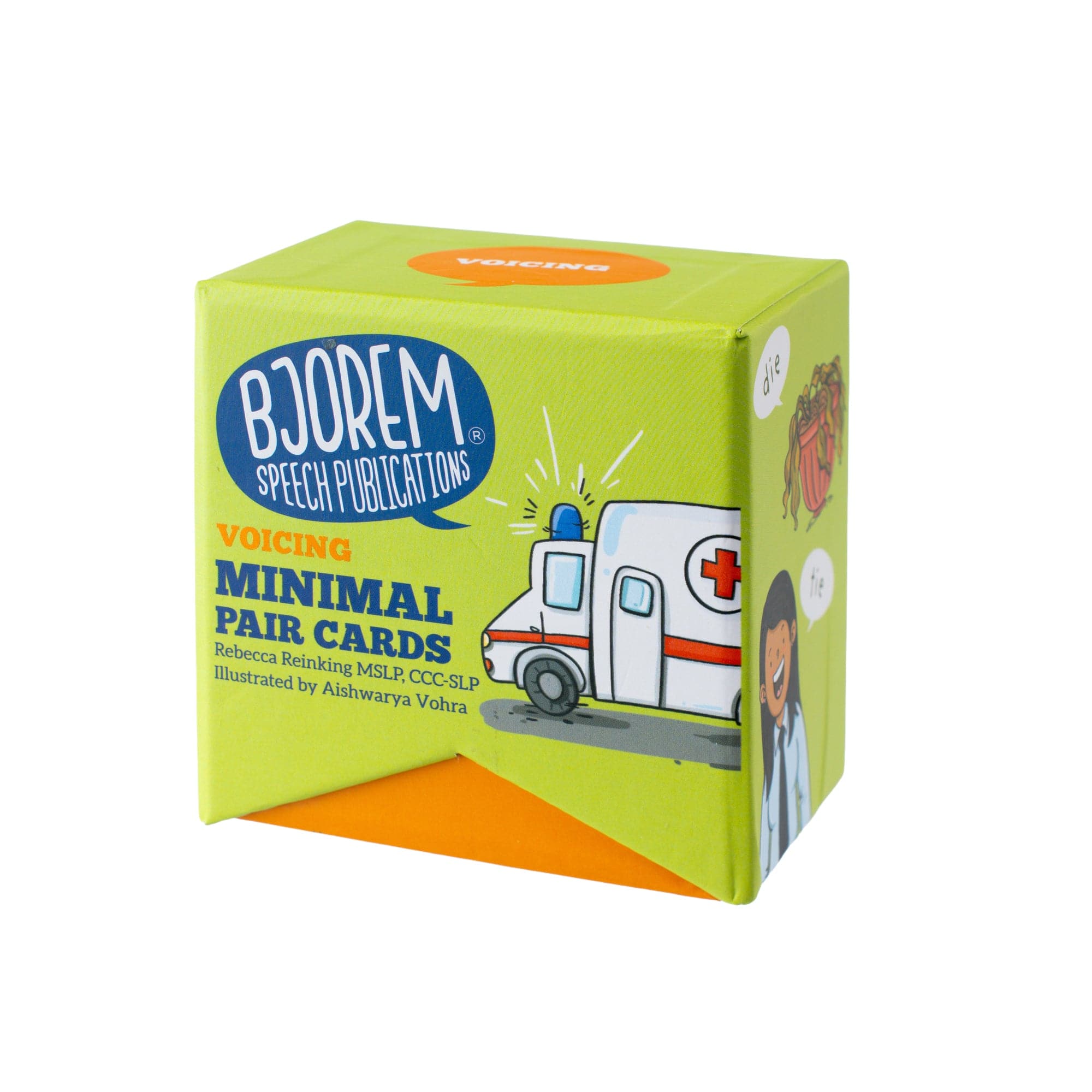
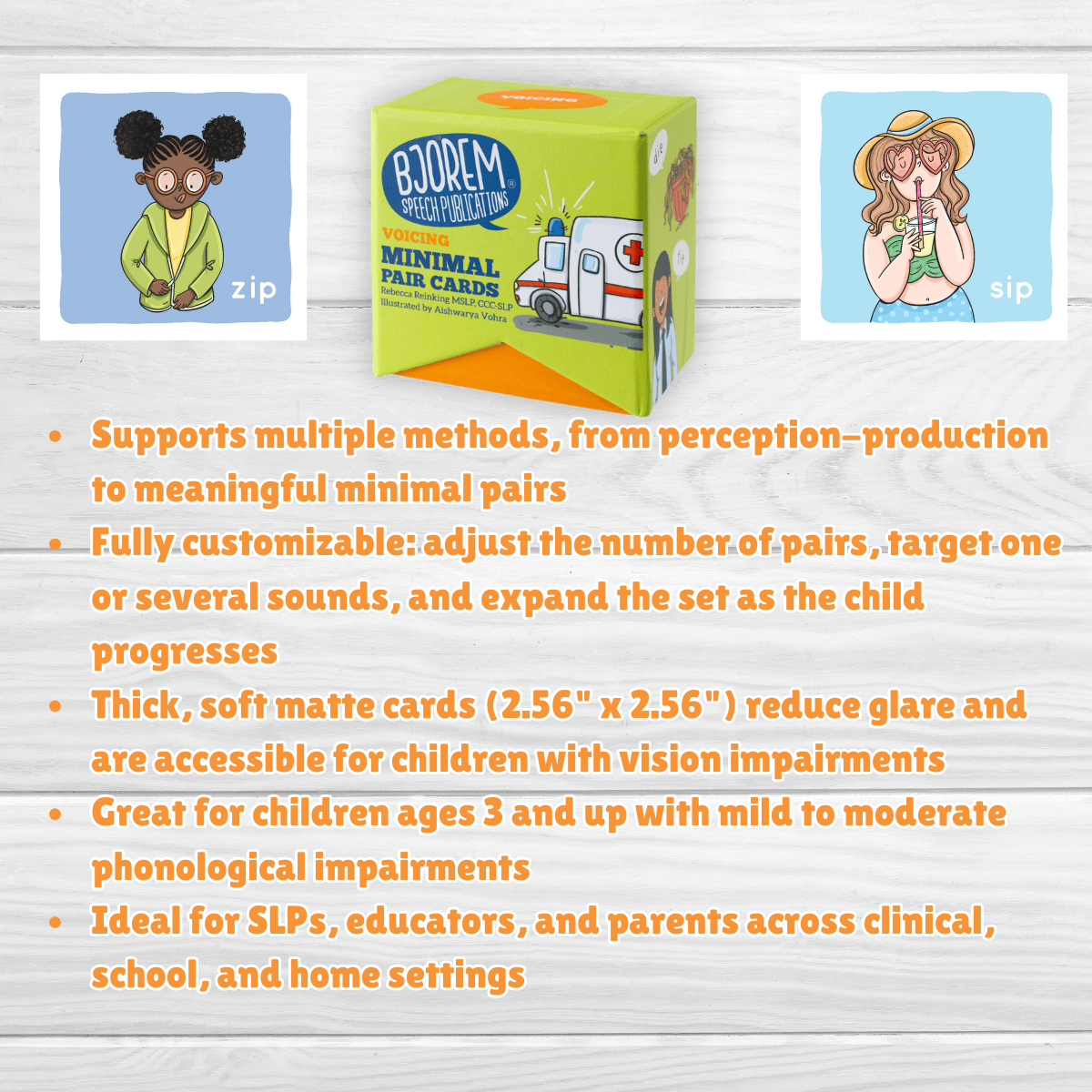
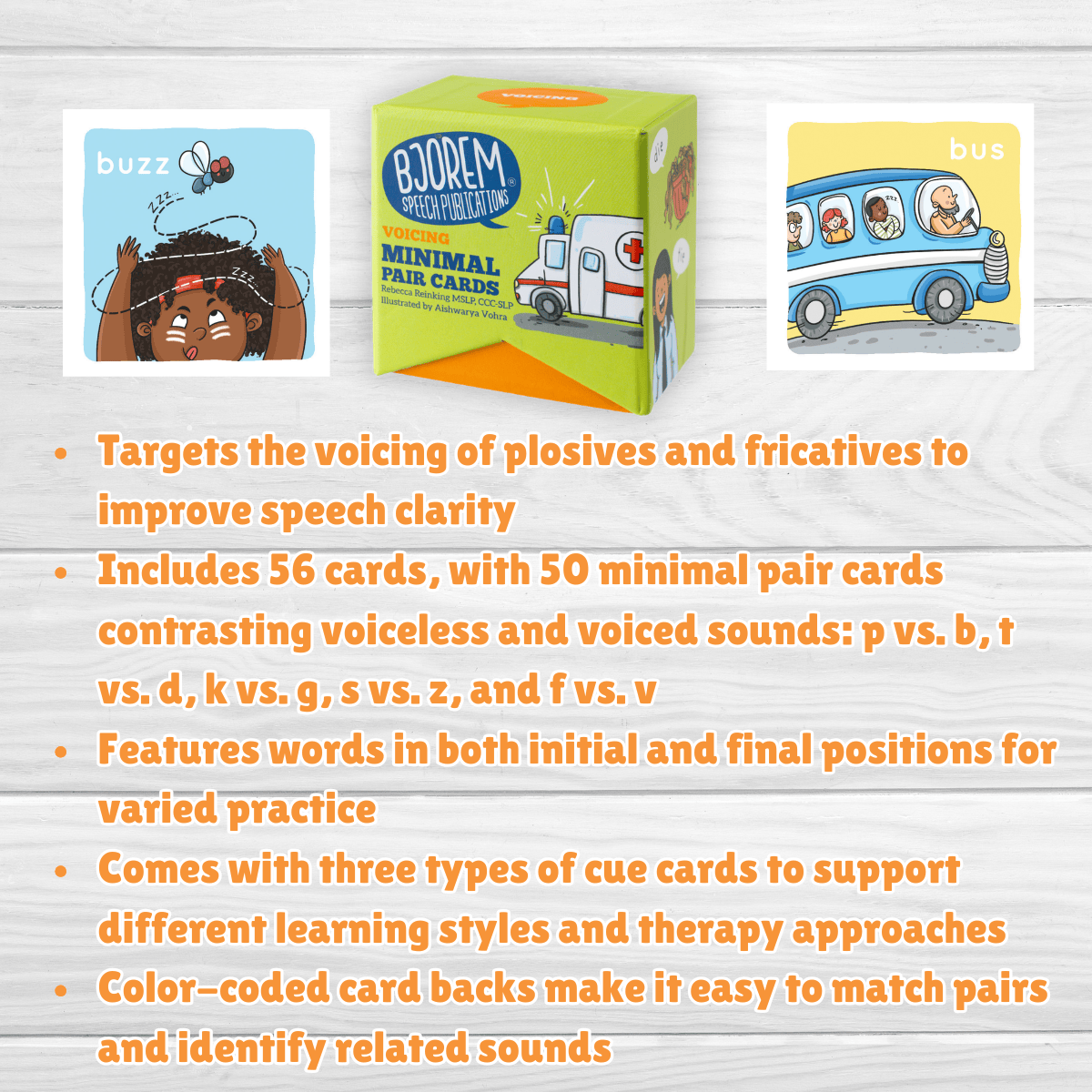

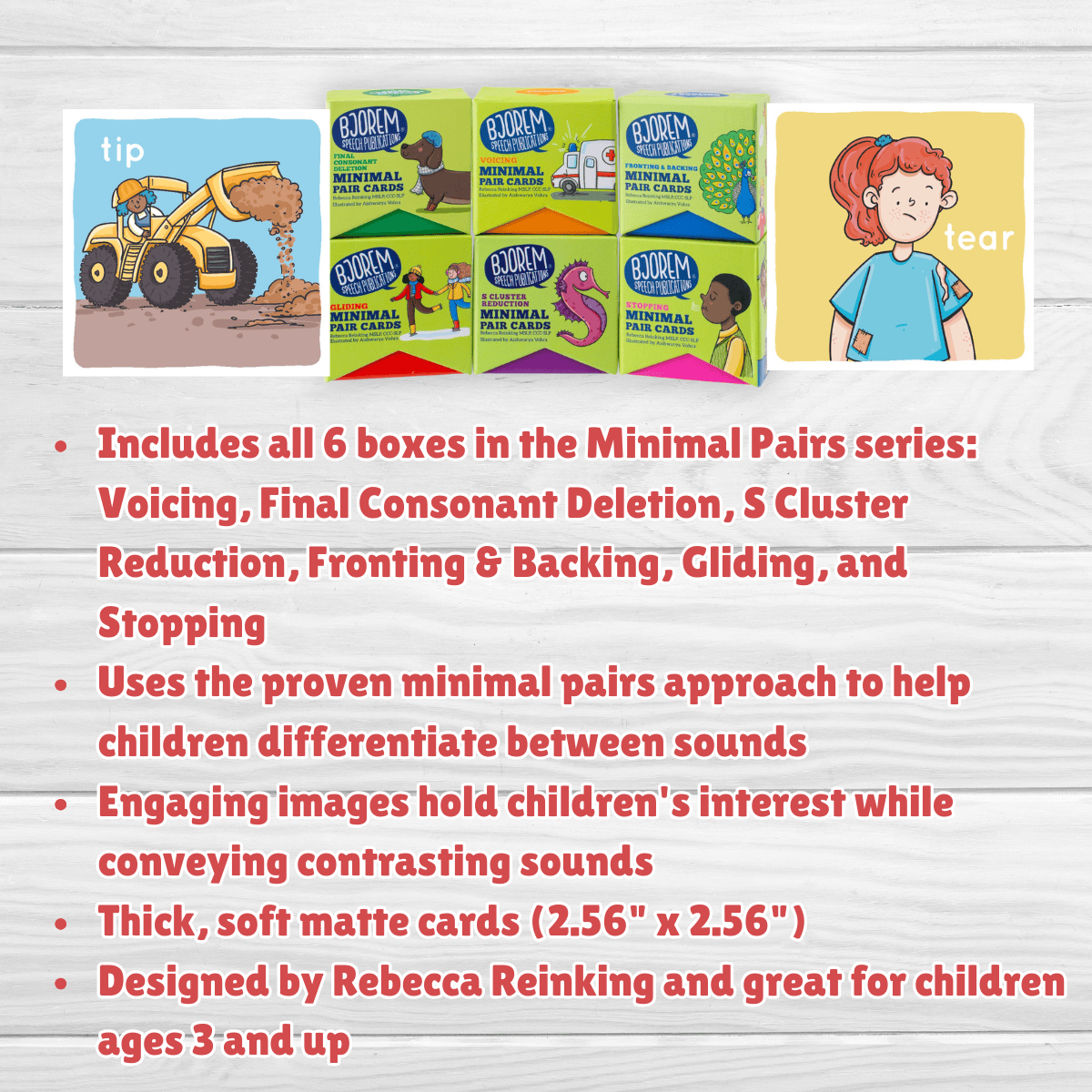
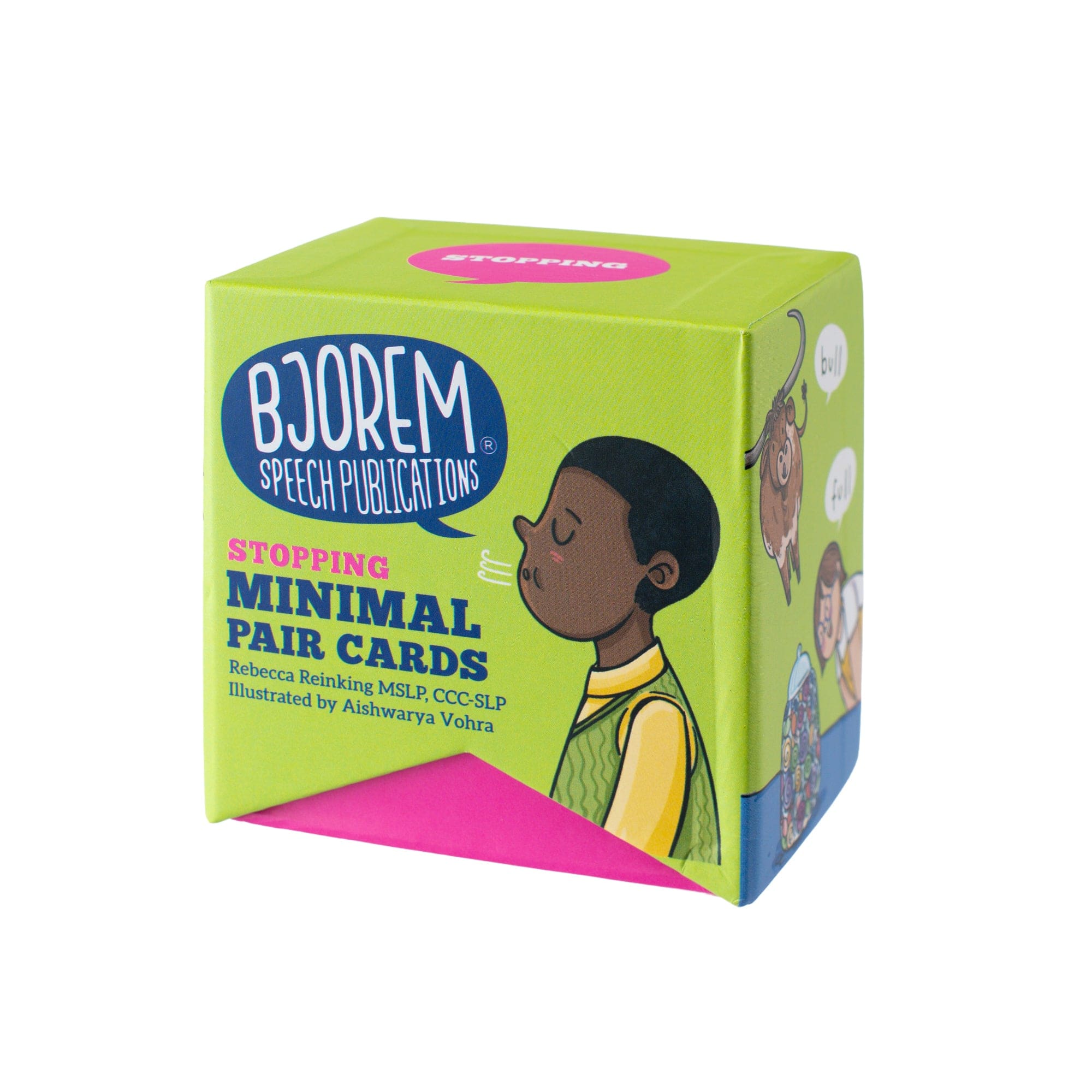
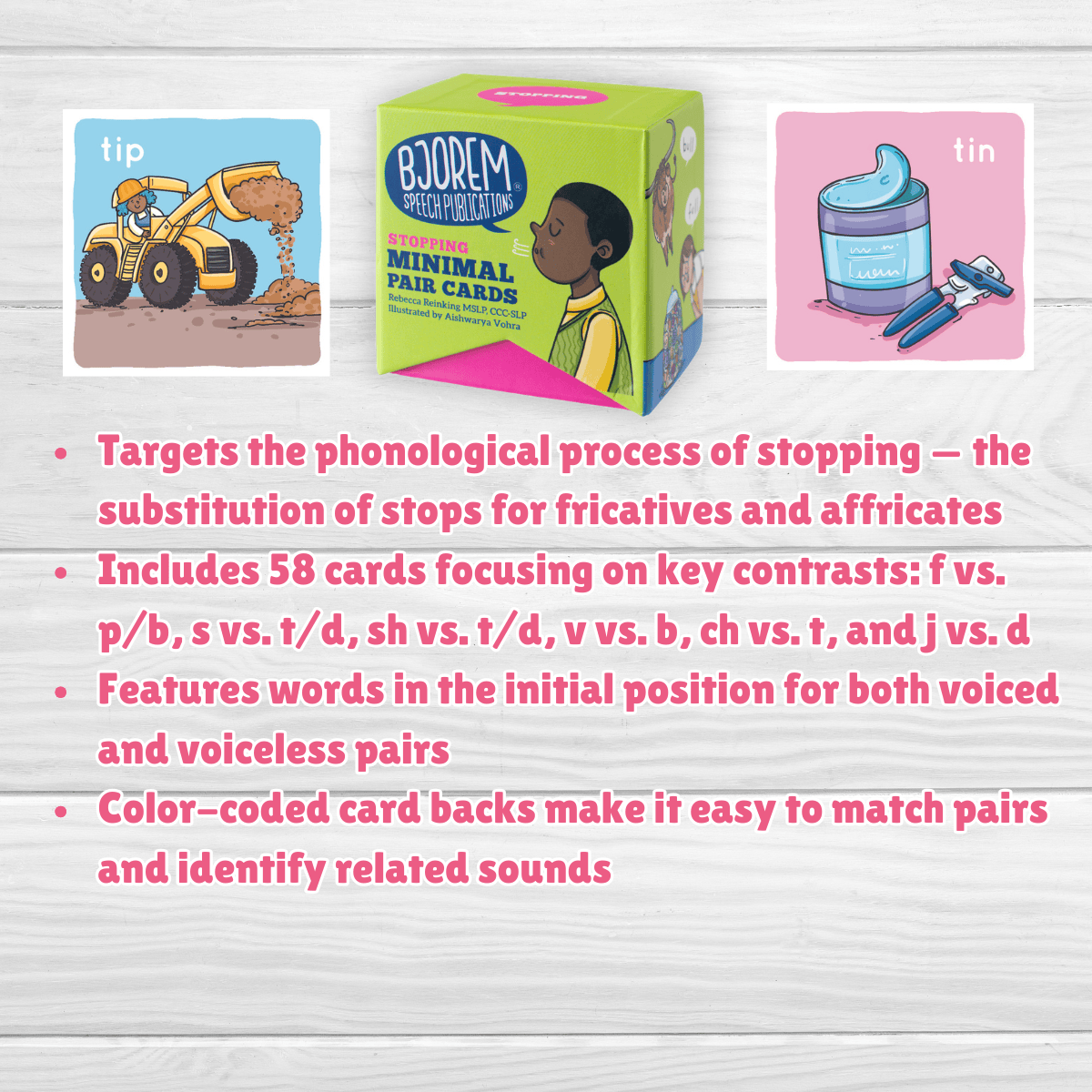
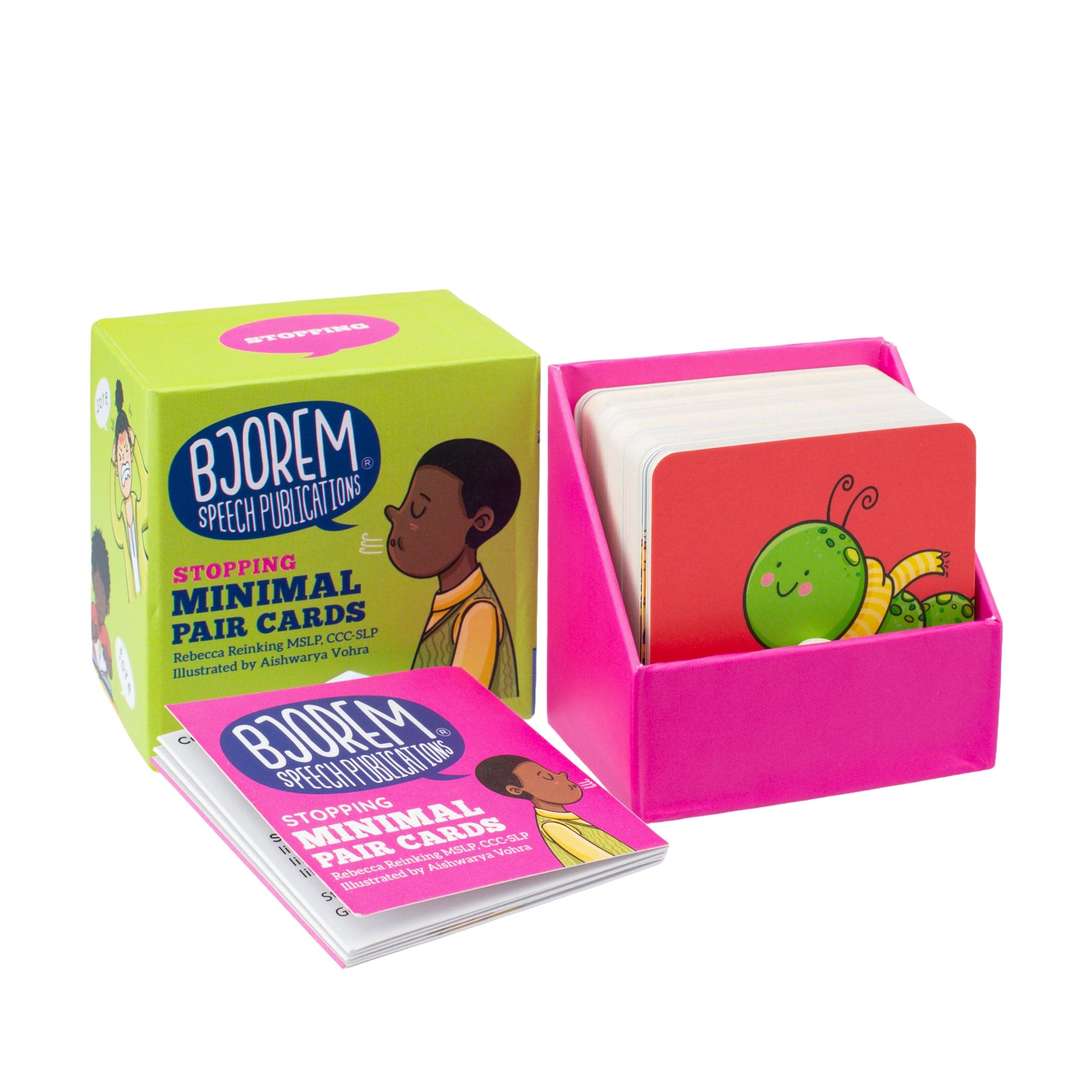
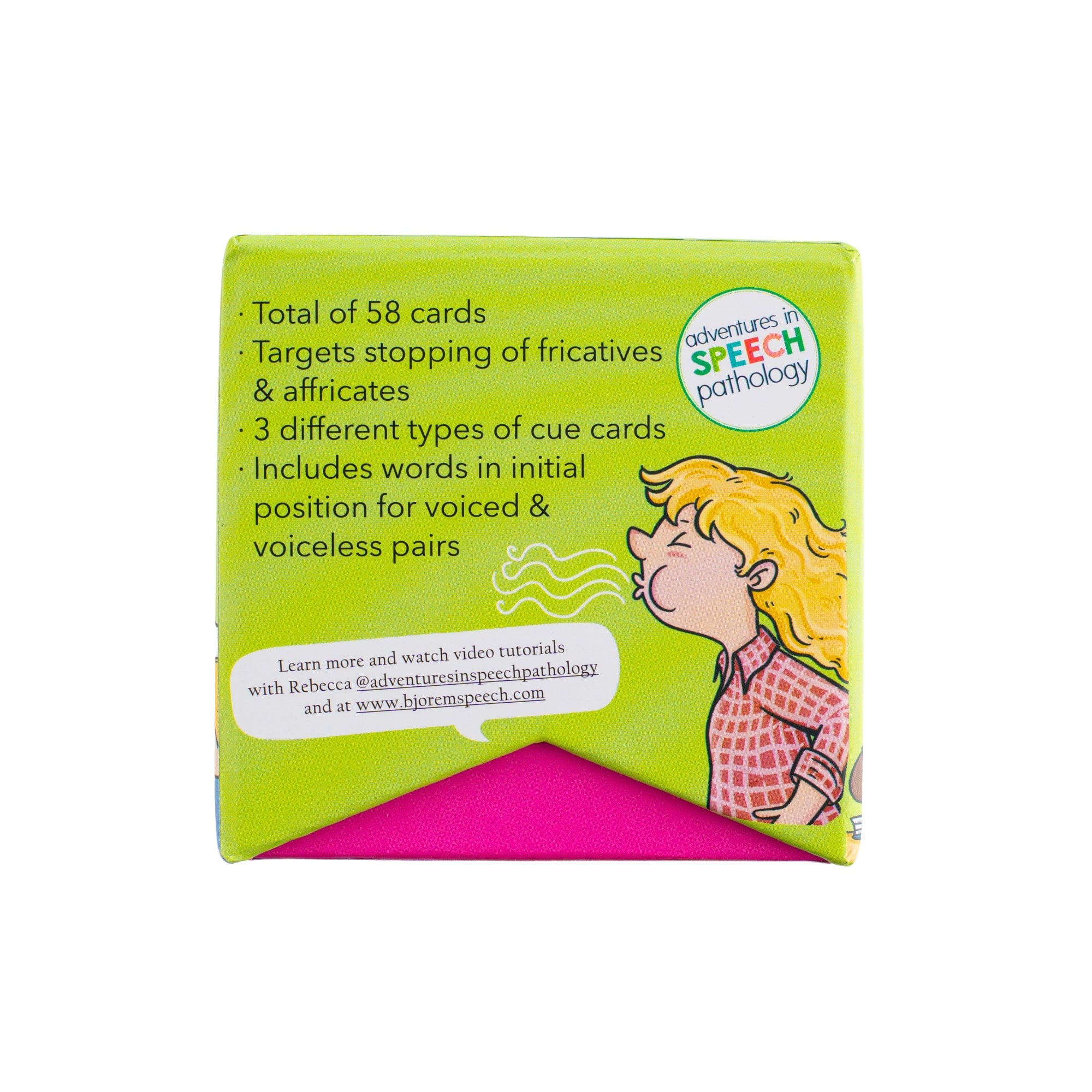
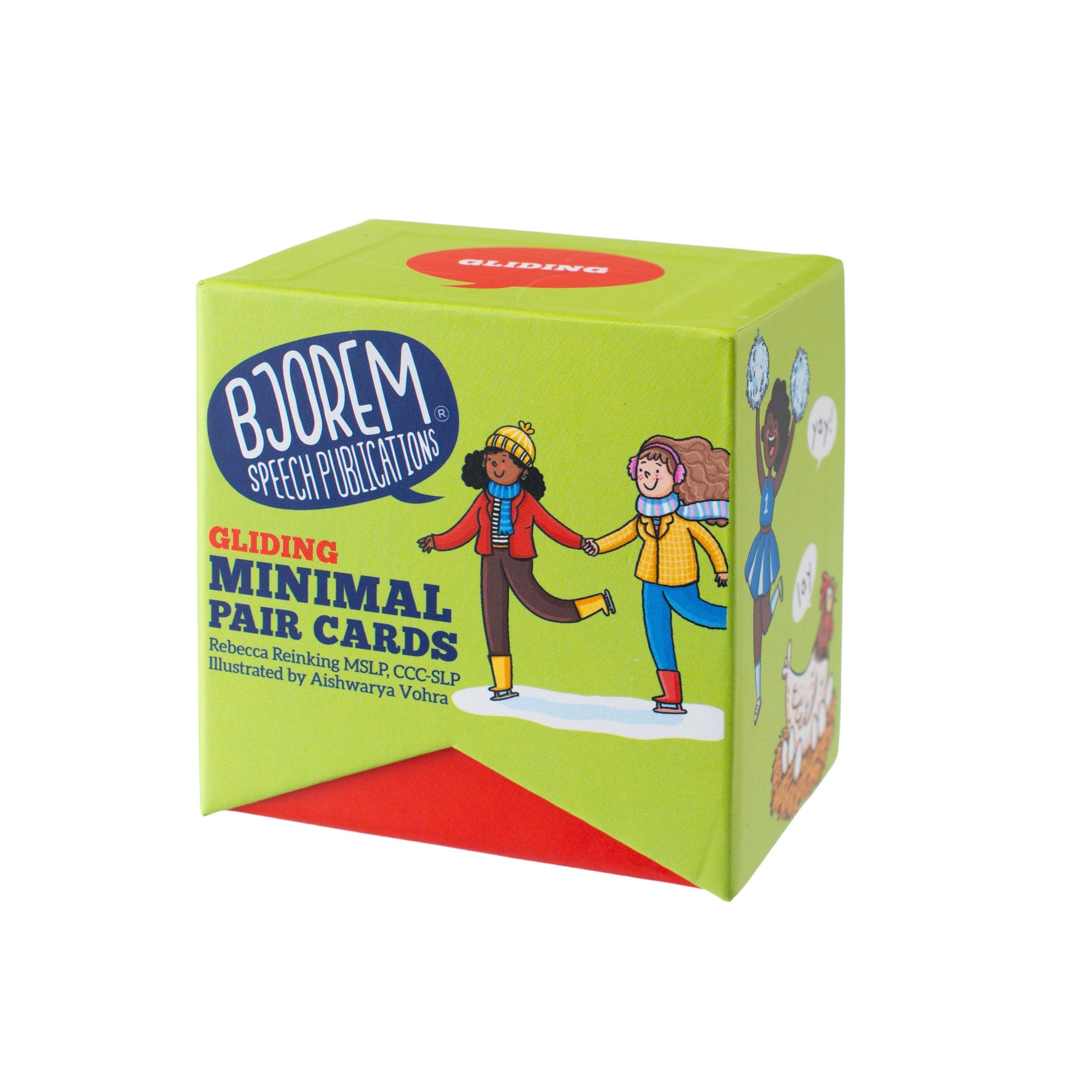
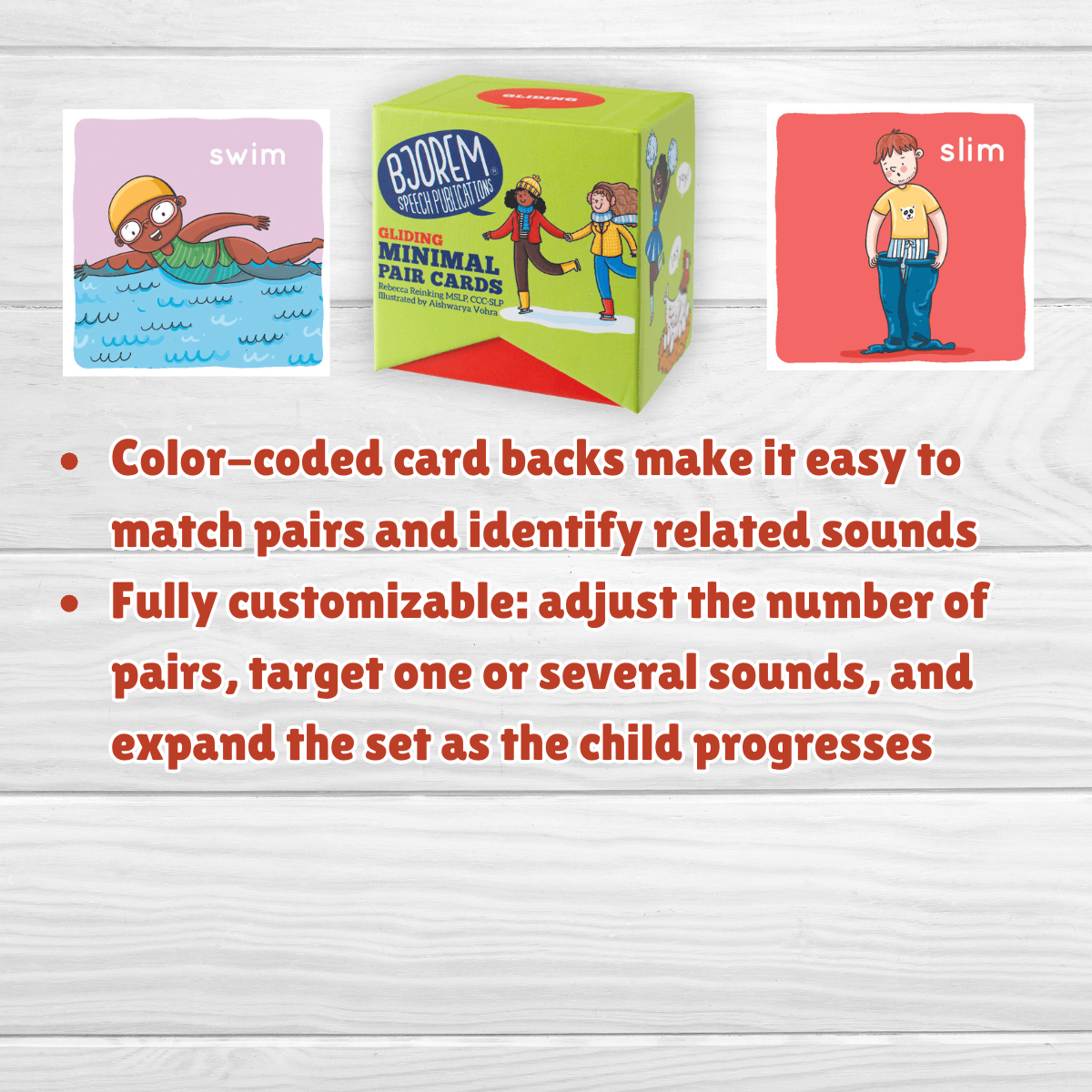
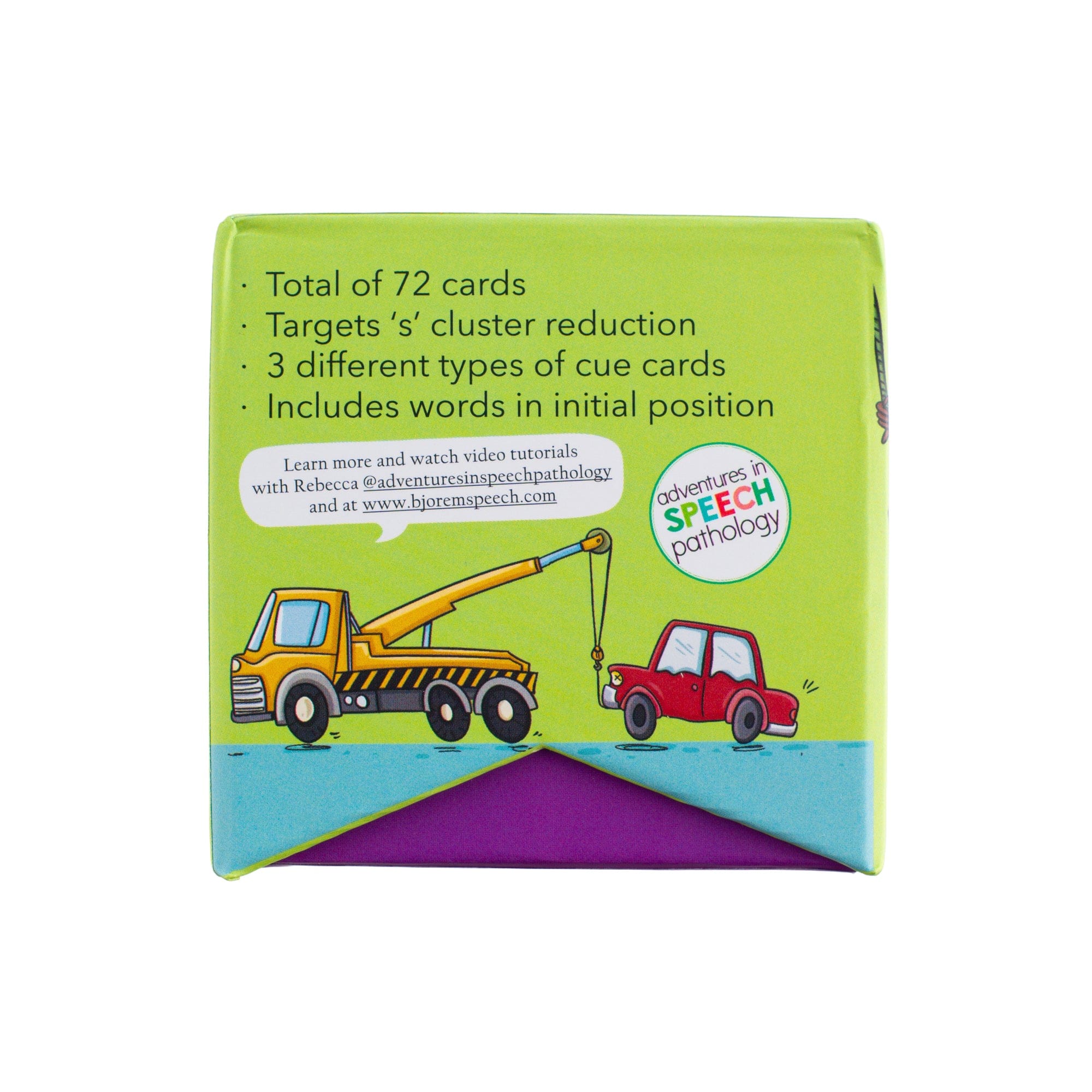
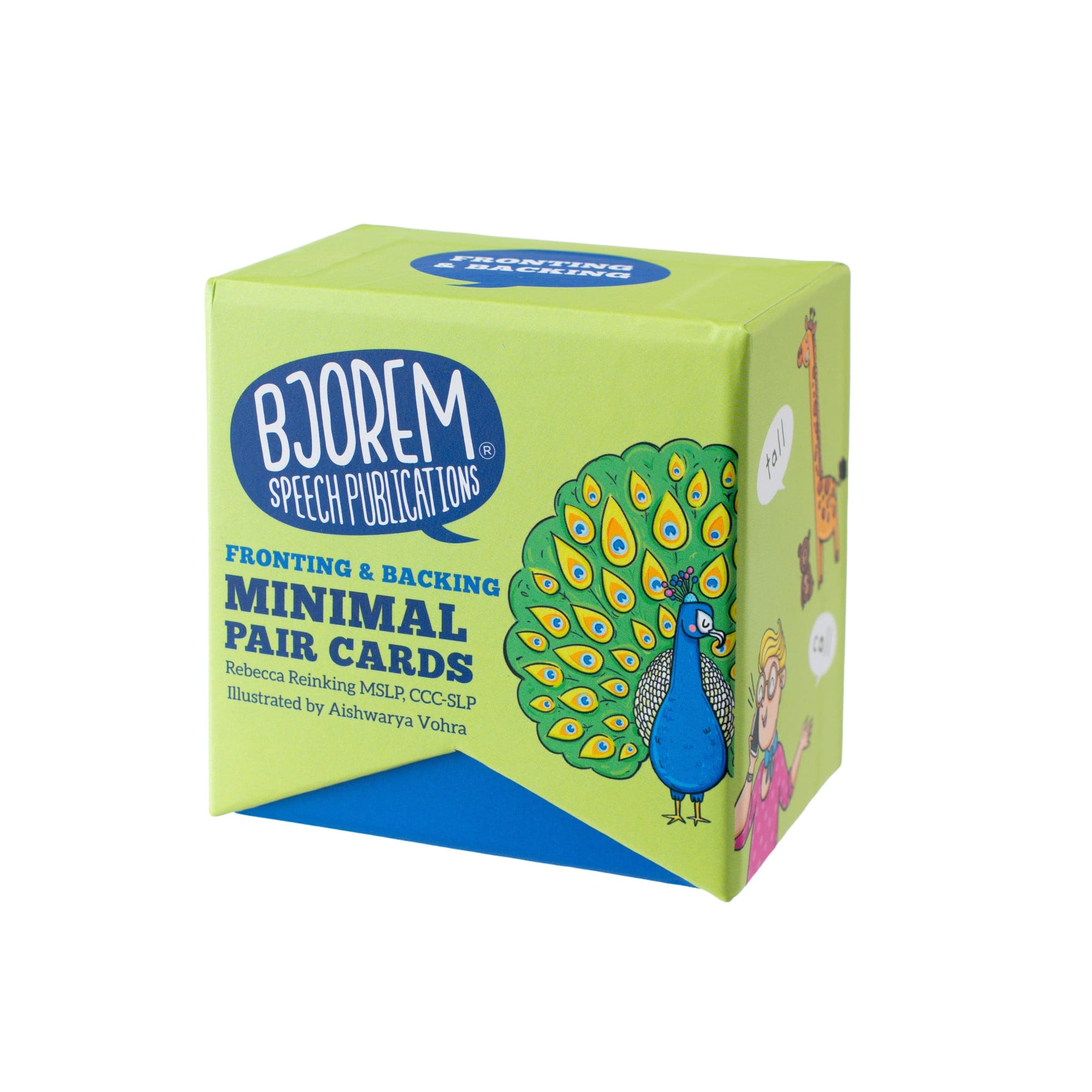
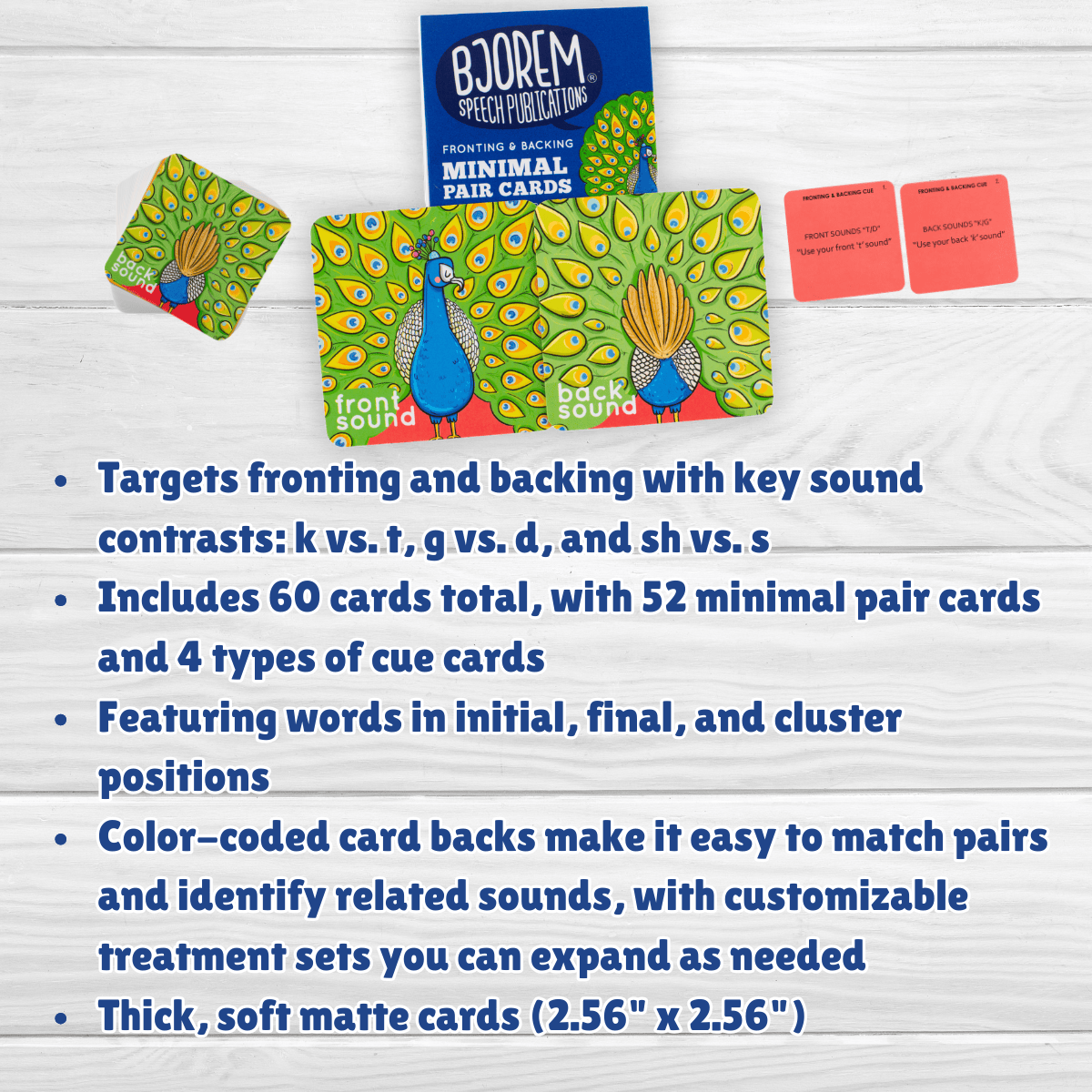
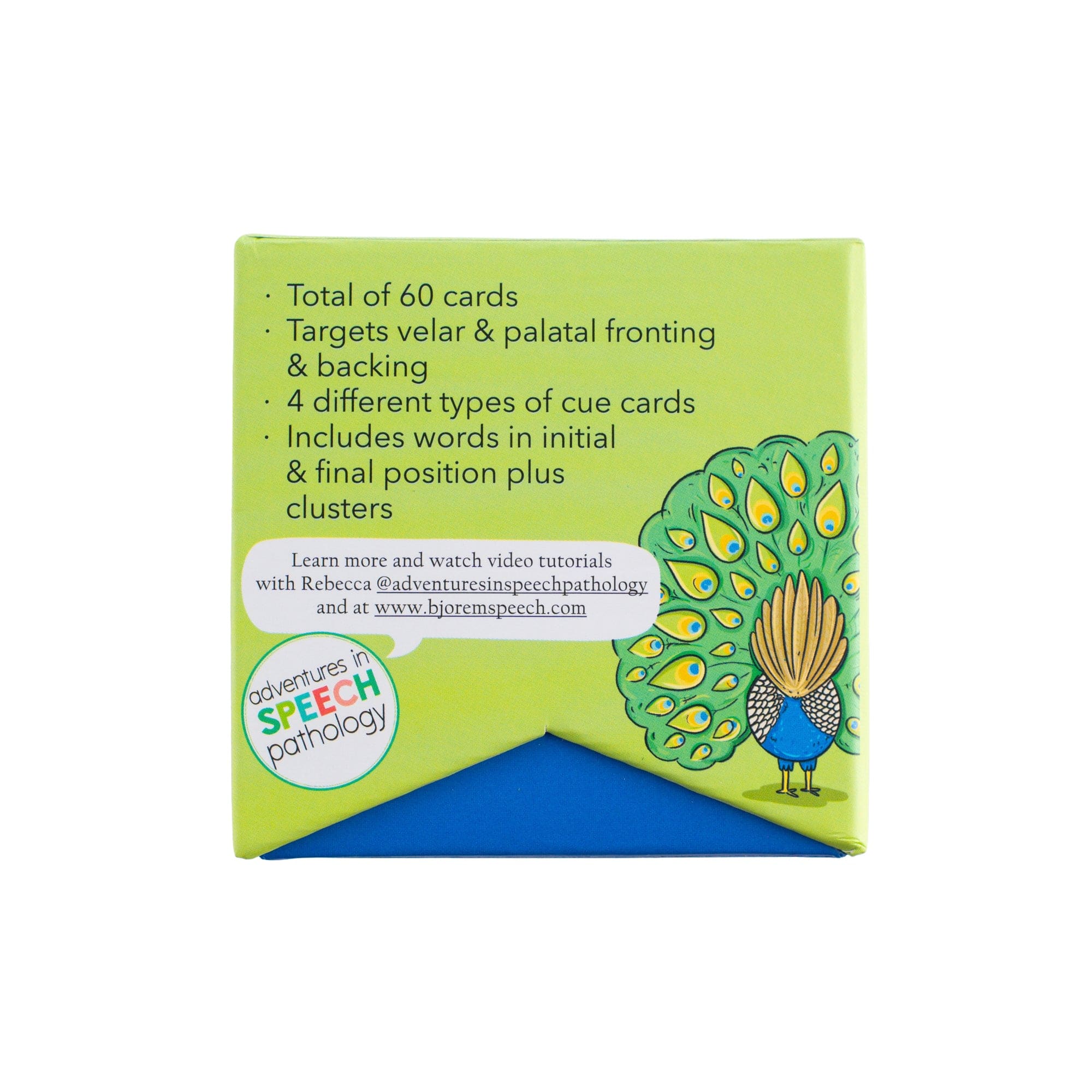
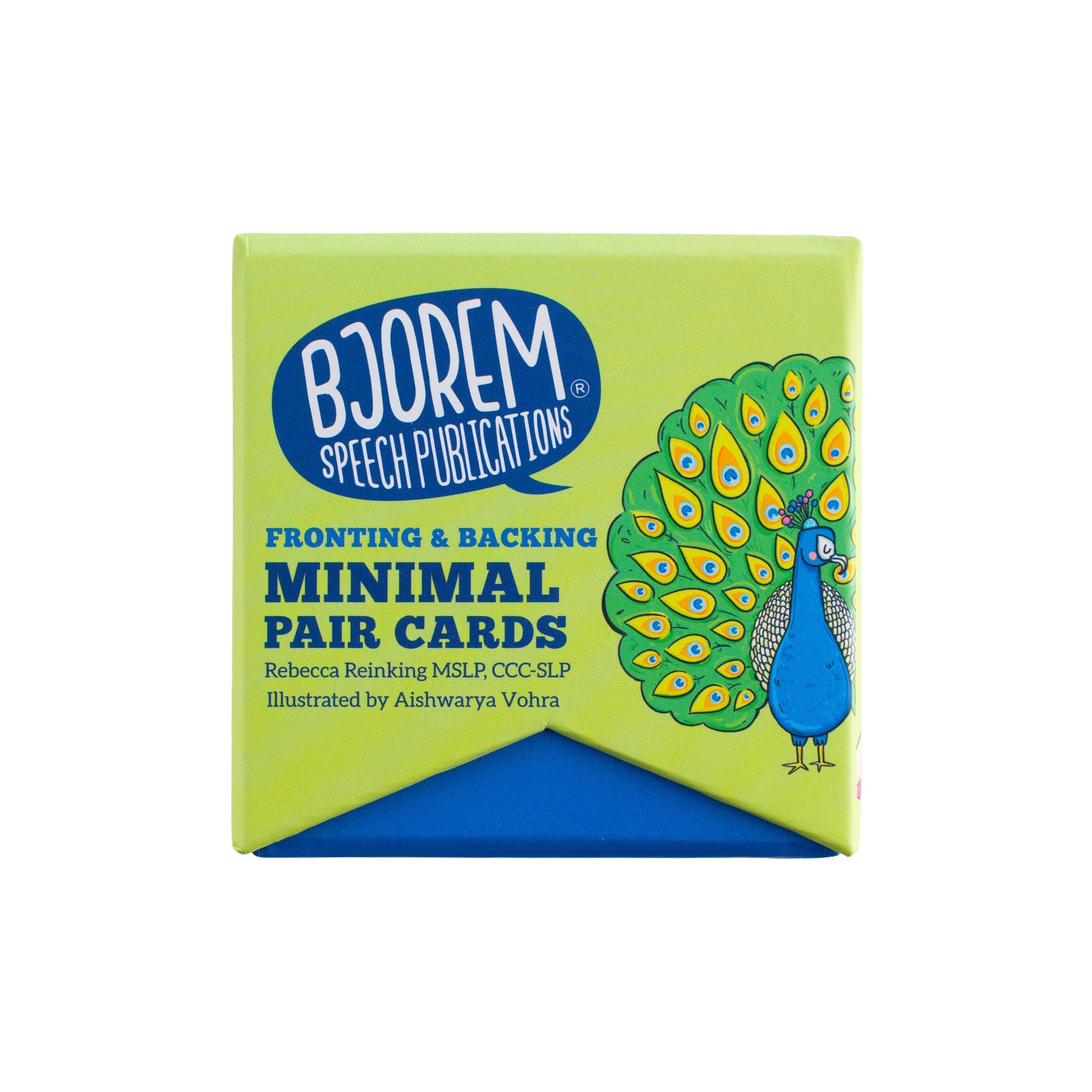
Minimal Pairs Bundle - 6 Box Set Minimal Pairs Bundle - 6 Box Set for Phonological Errors Best Speech Language Therapy Tools
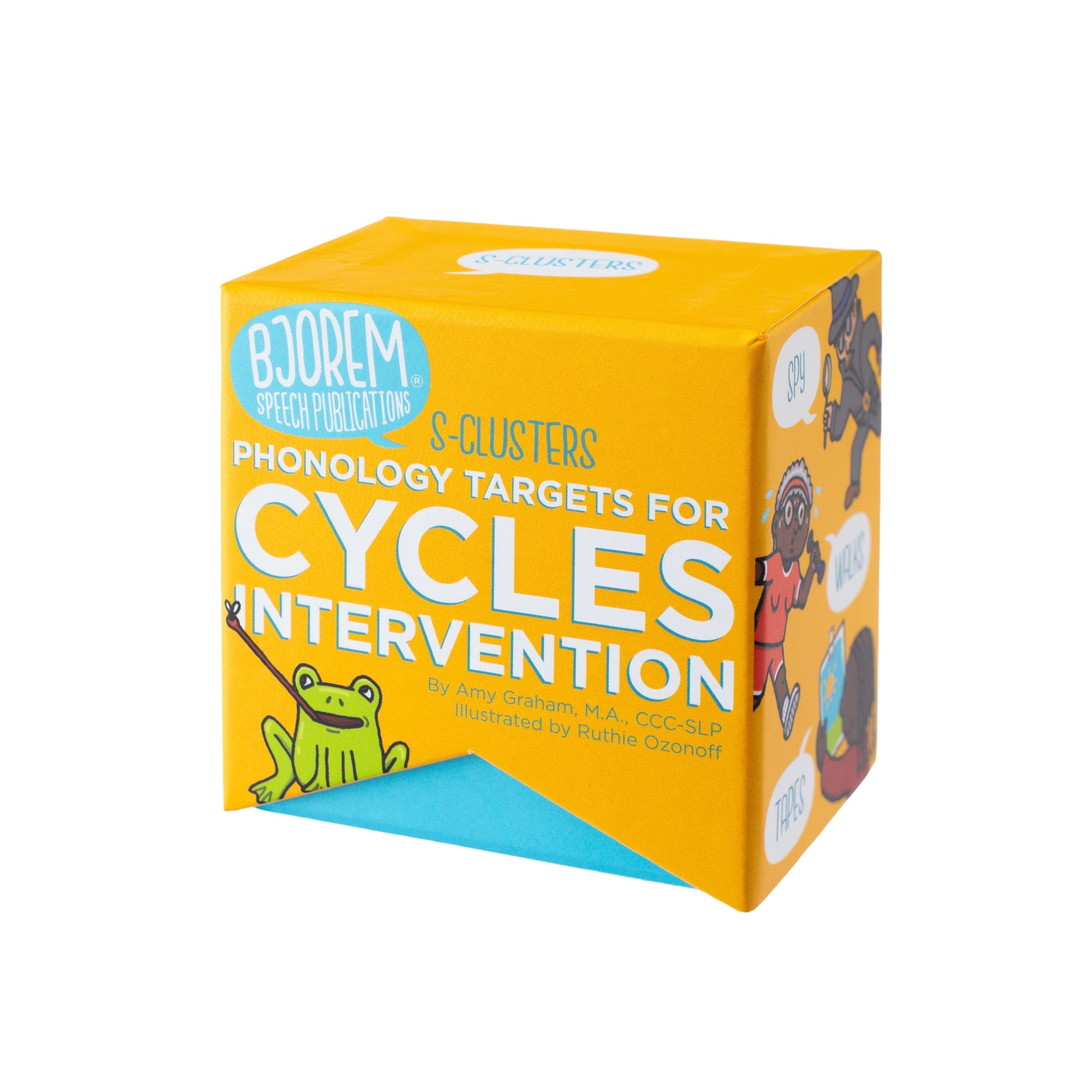
Image in .svg format (icon-star.svg)
Popular

Item

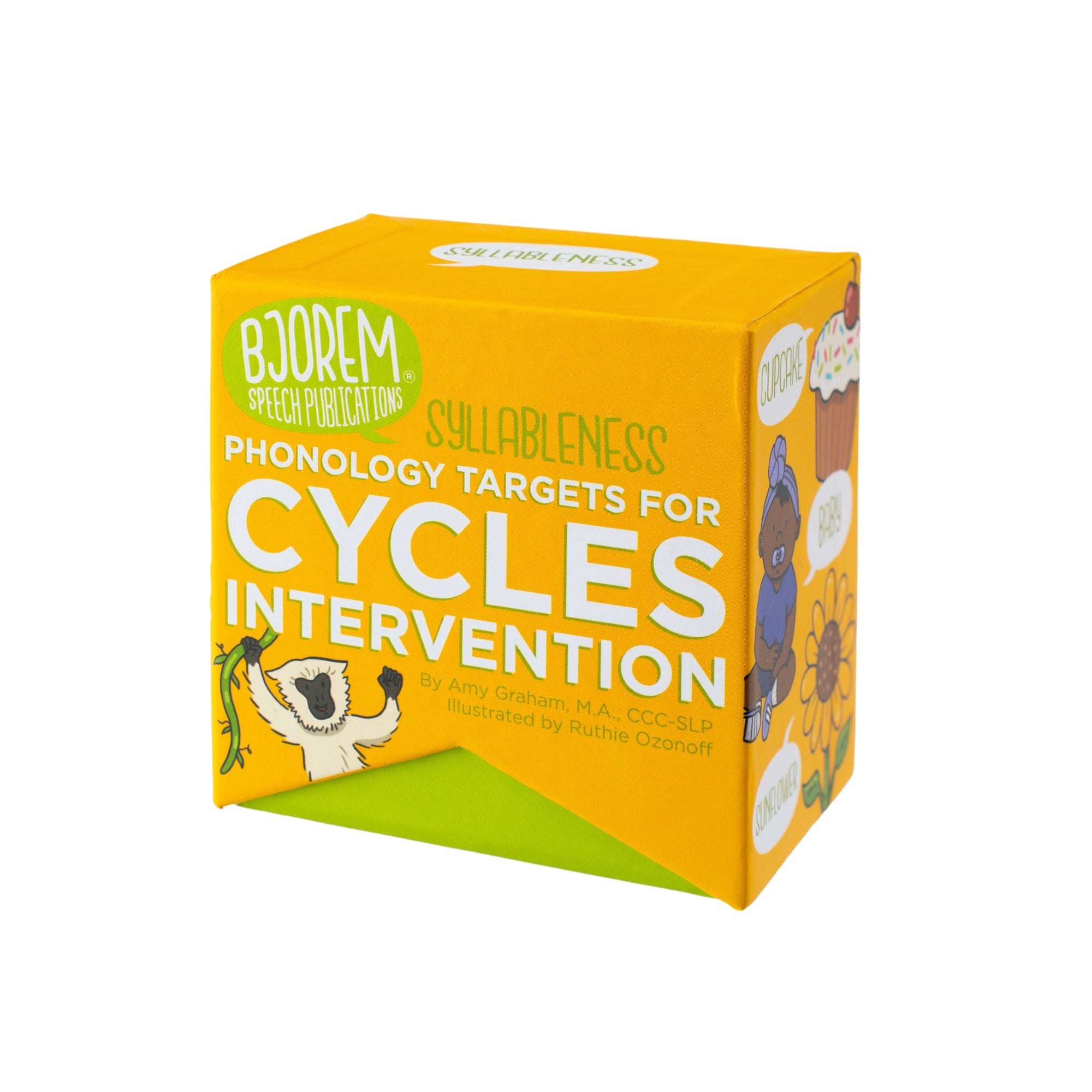
Complete Cycles Bundle Cycles Bundle for Developmentally Appropriate Practice Best Speech Language Therapy Tools
Complete Cycles Bundle

Sale price$243.99Regular price $256.50
Image in .svg format (icon-star.svg)
Popular

Item

Stacked layers
Bundle

Option

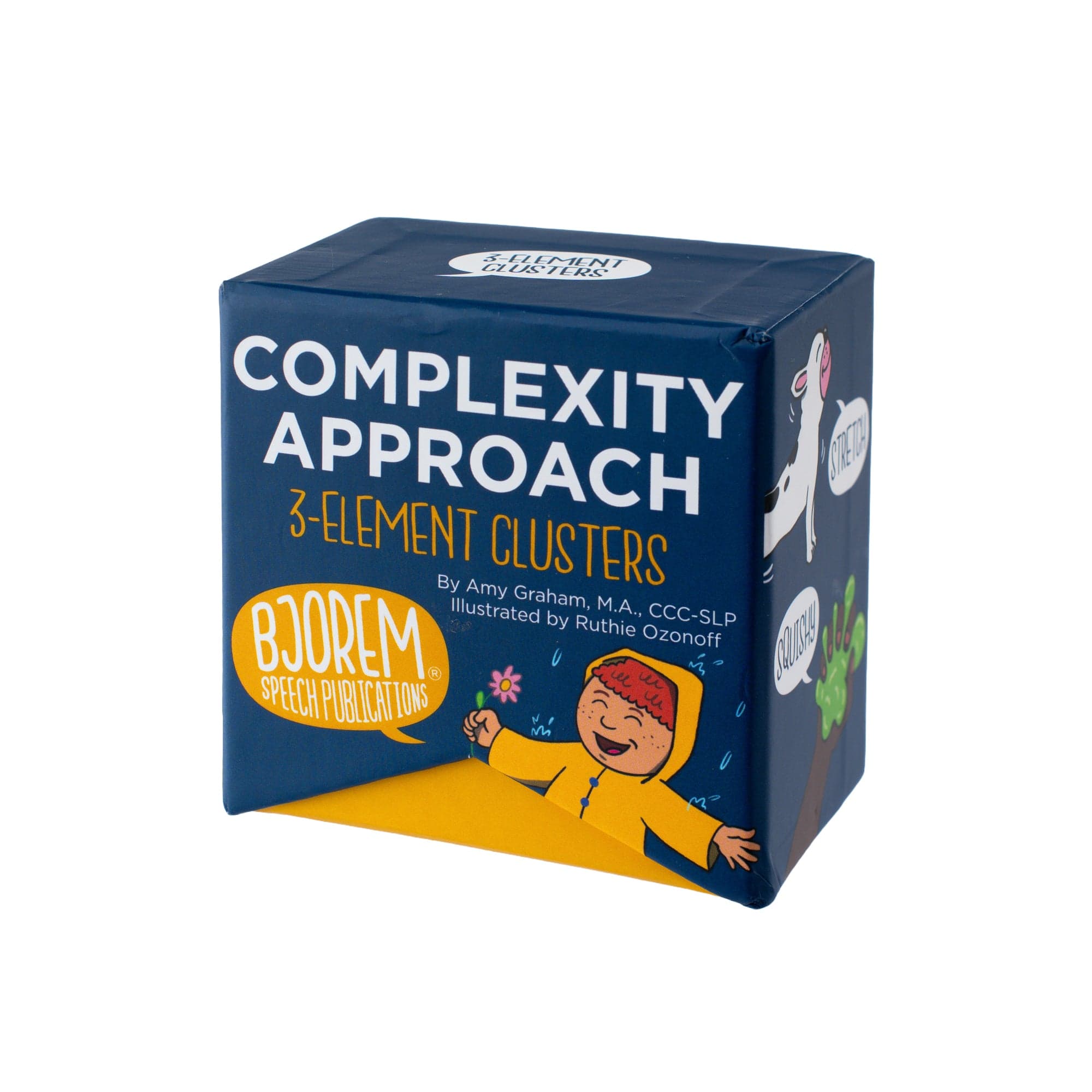
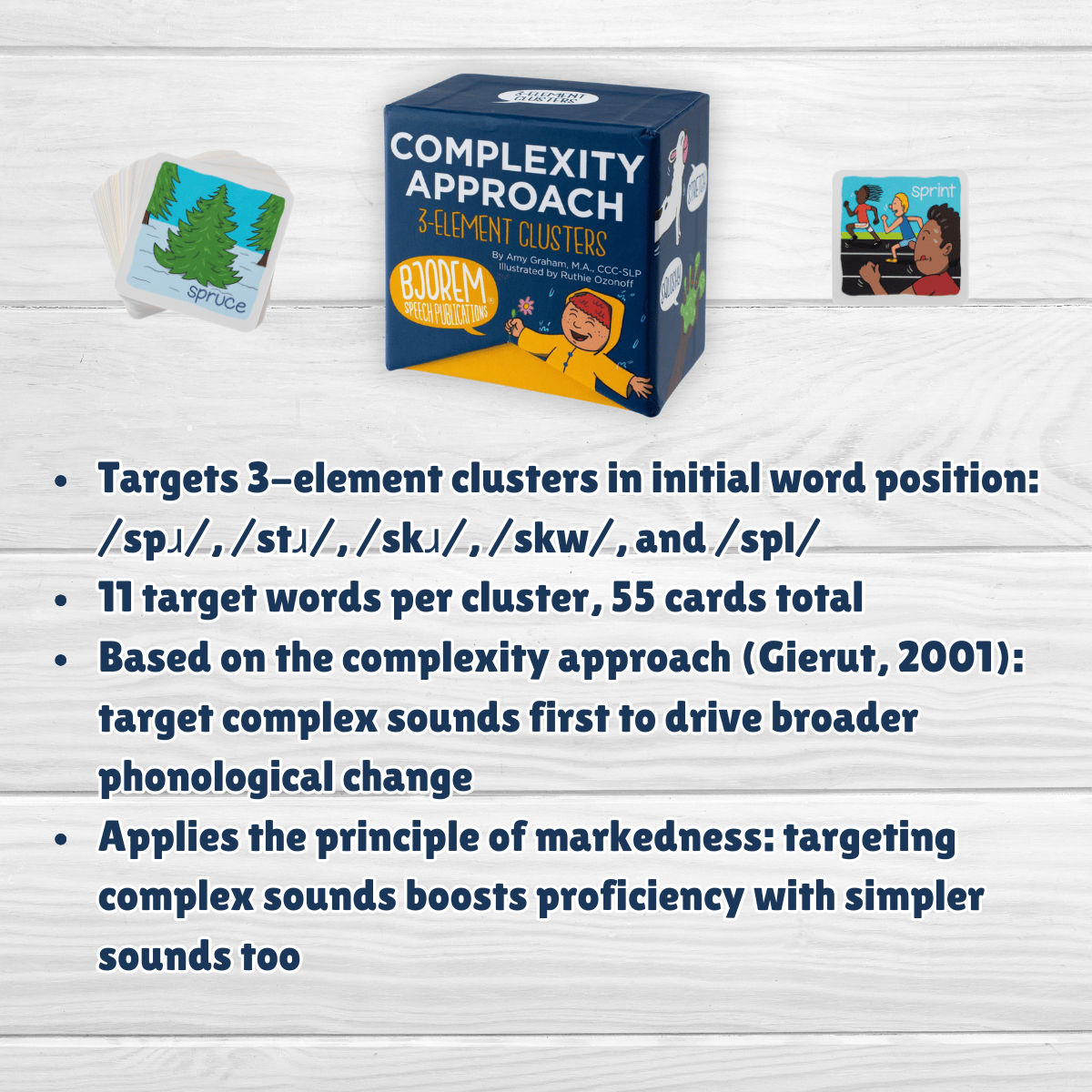
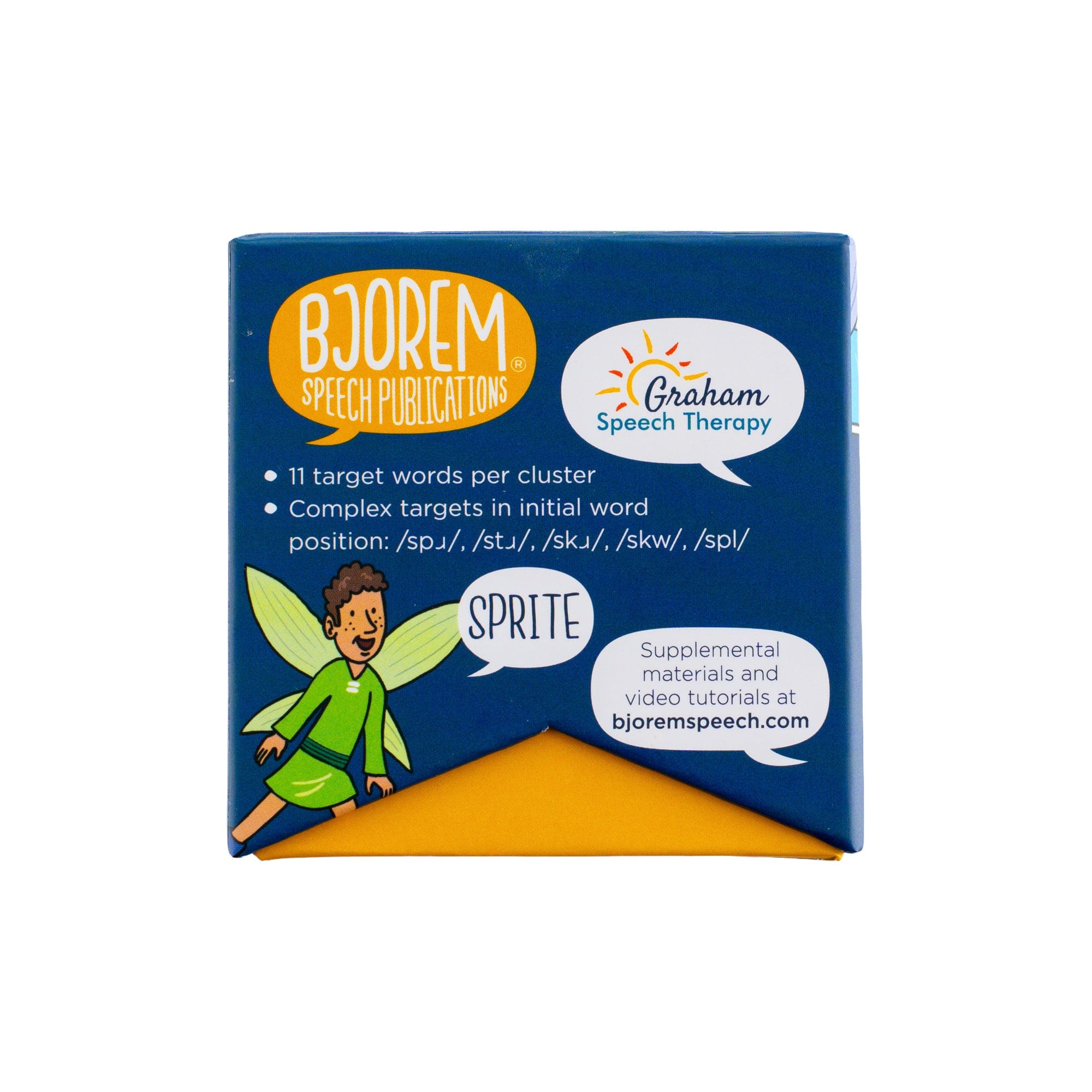
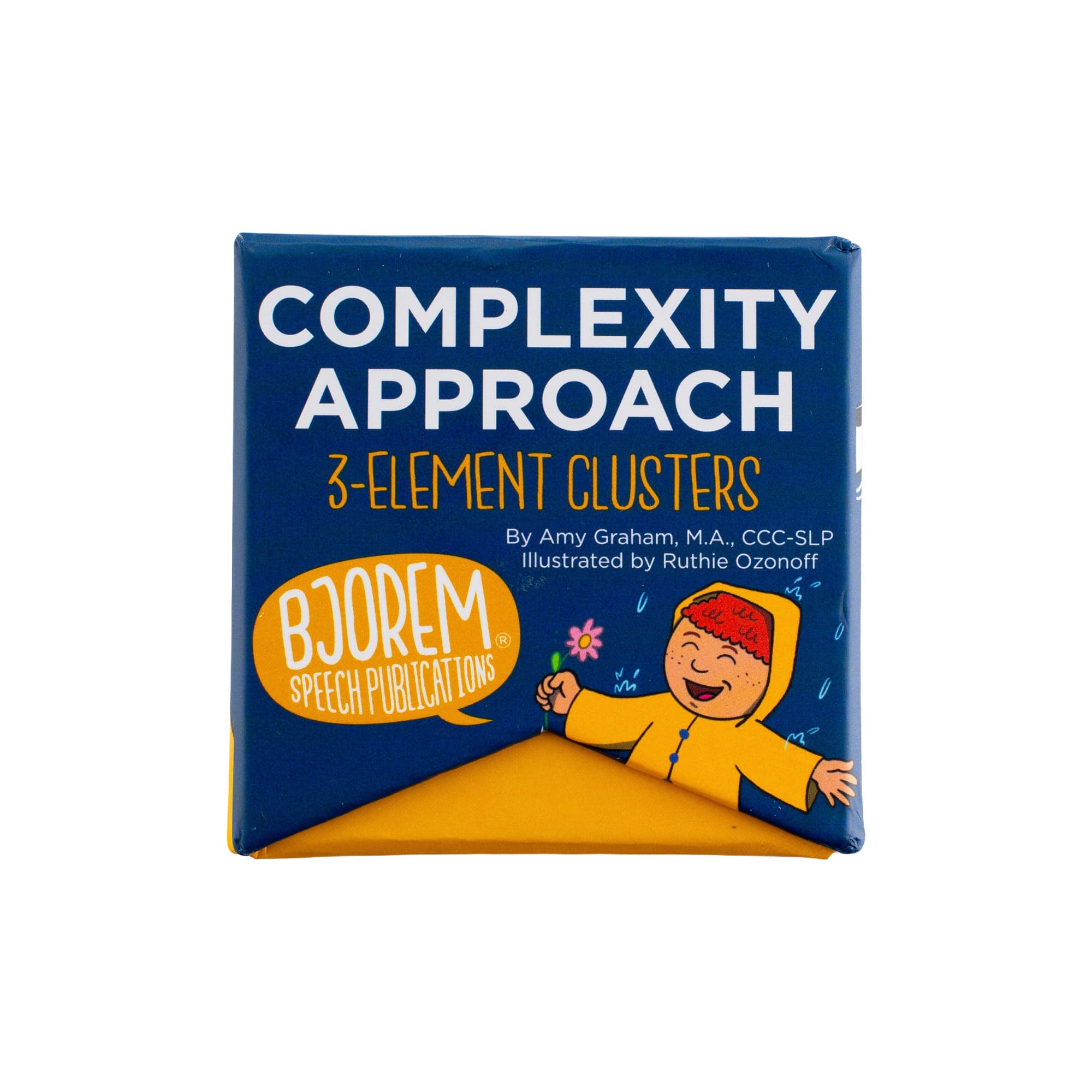
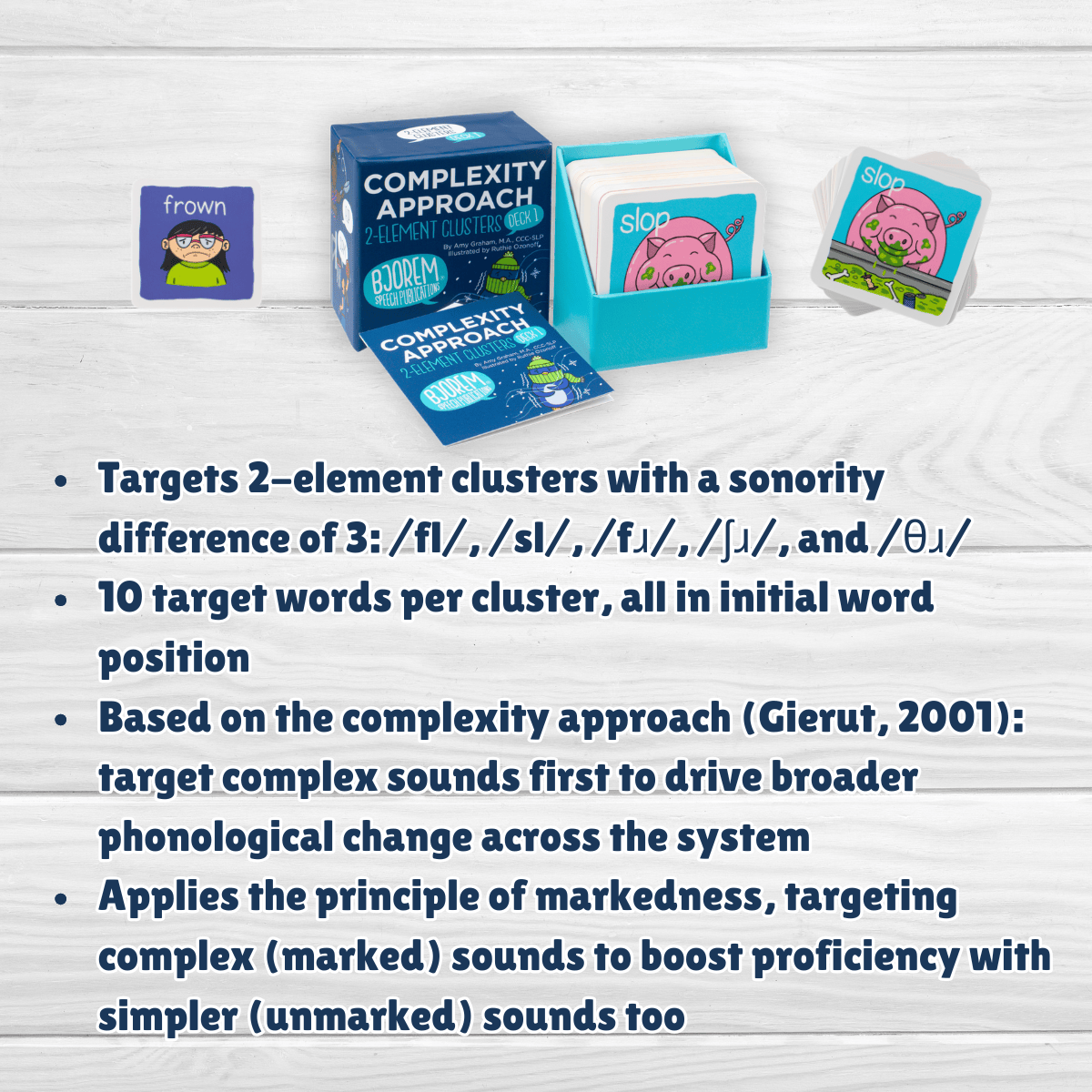
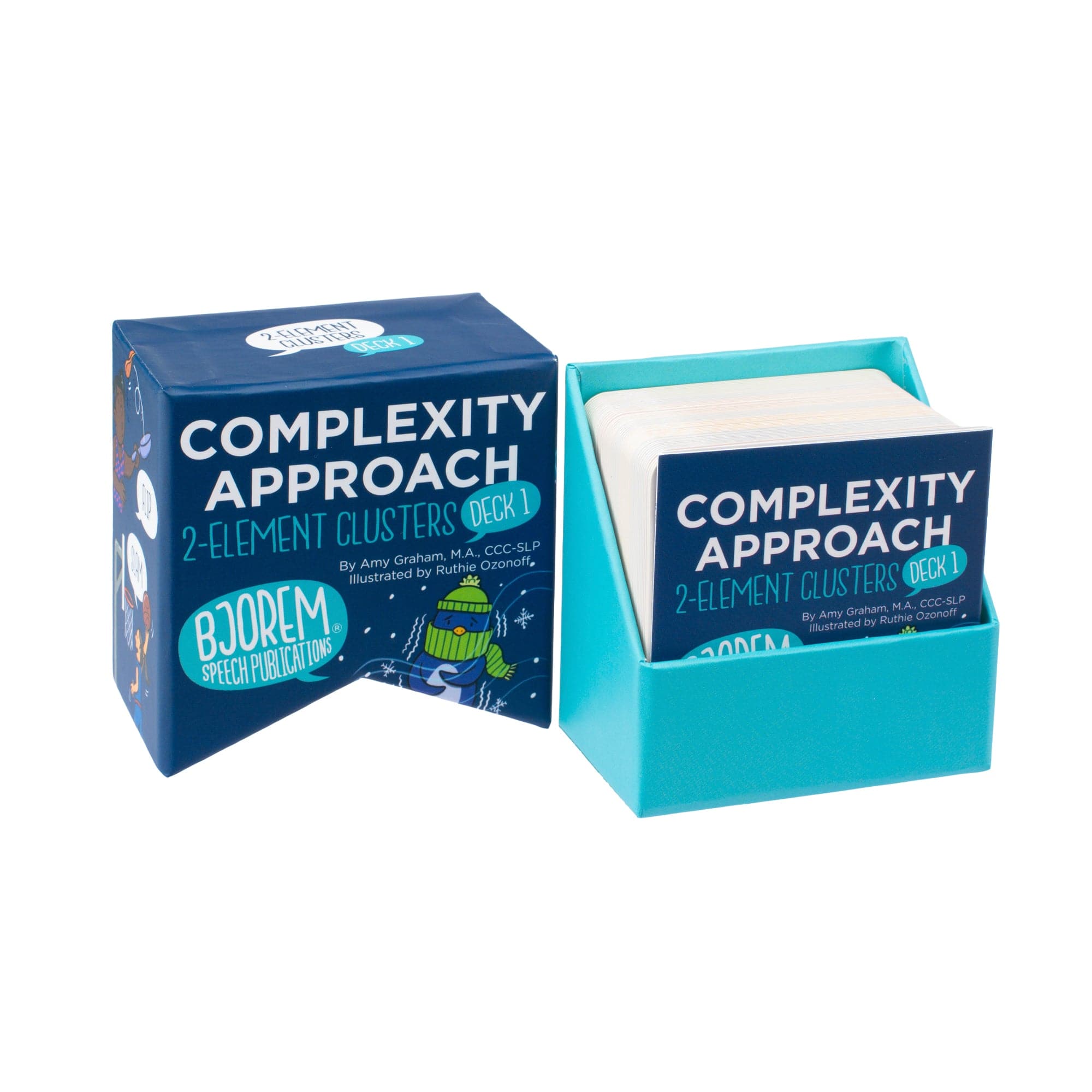
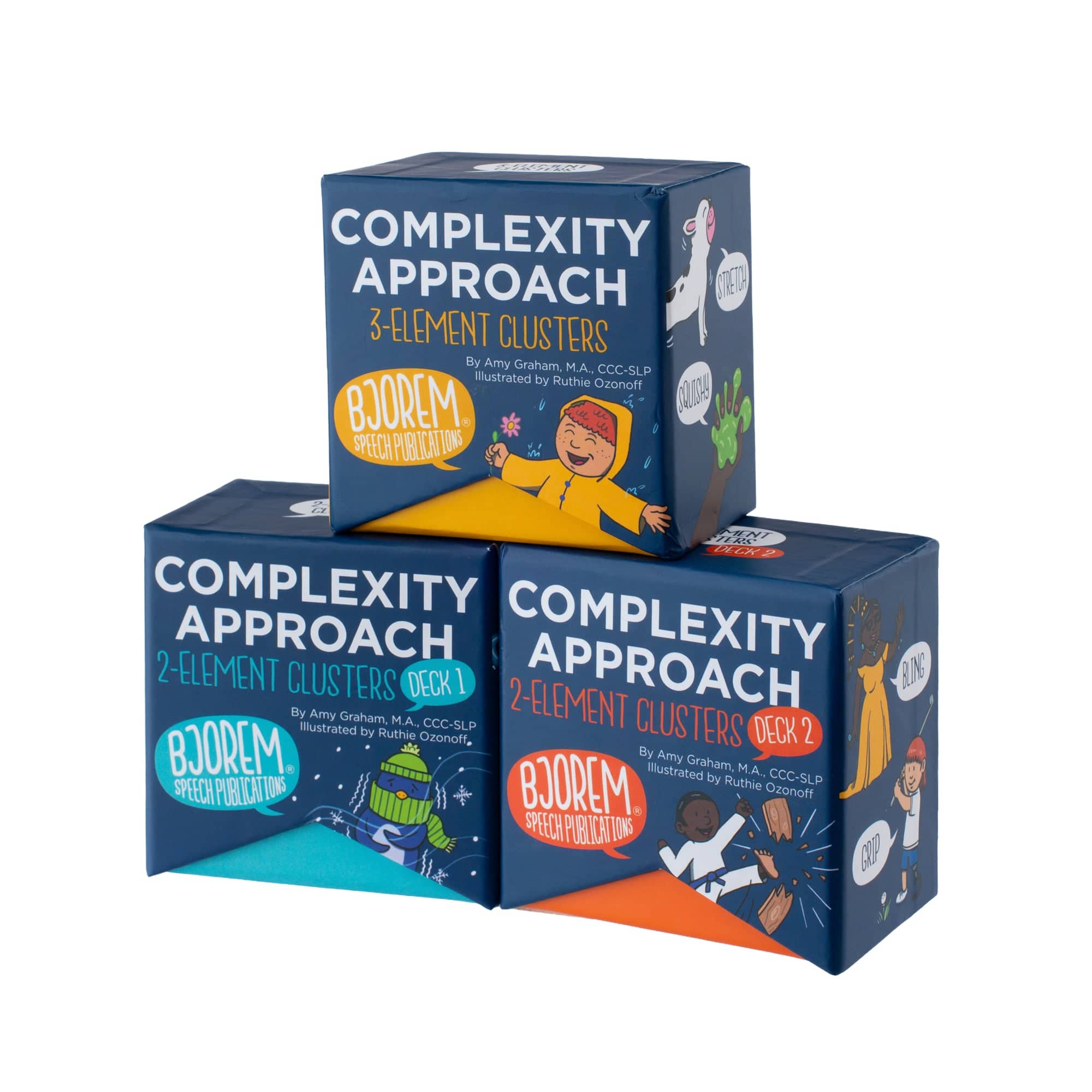
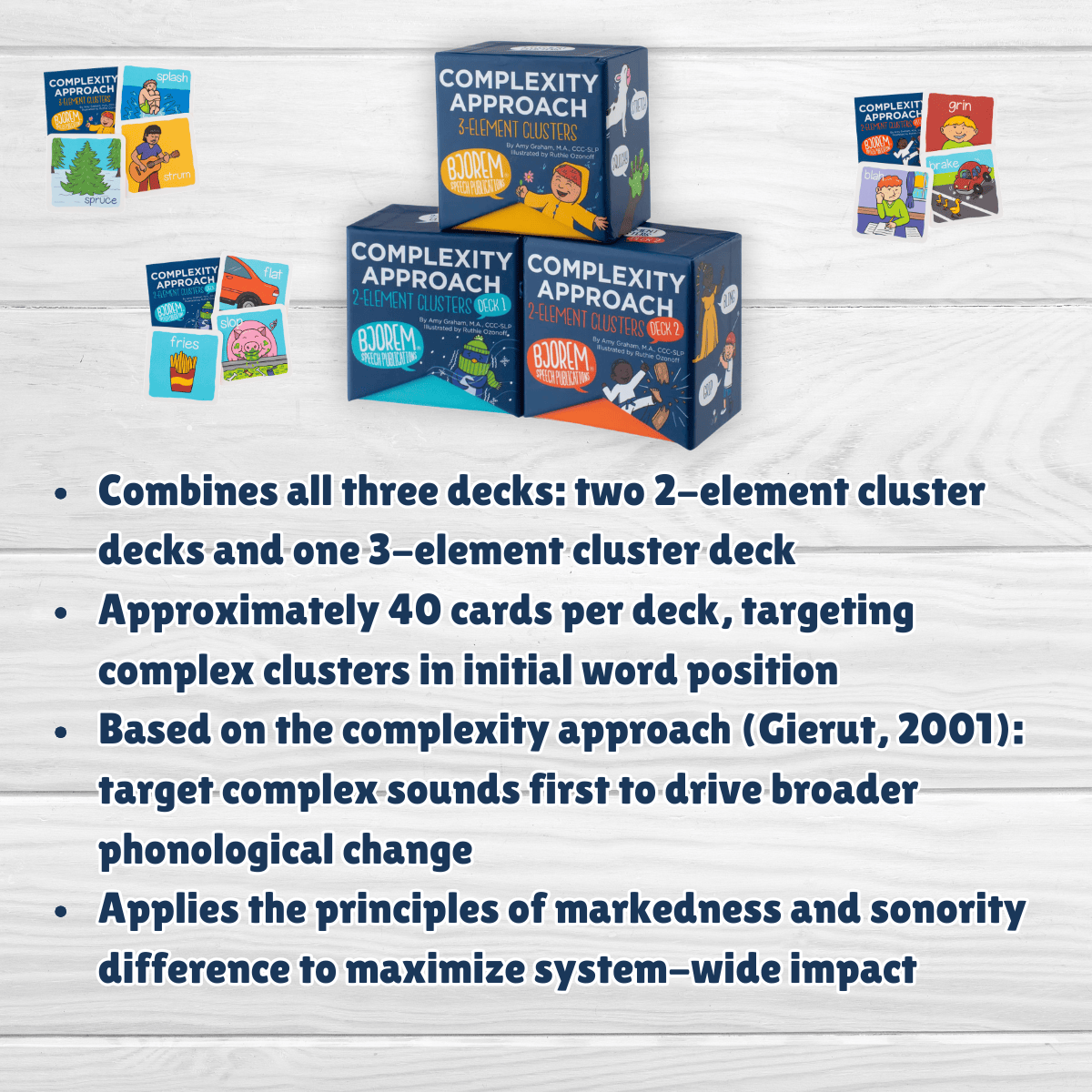
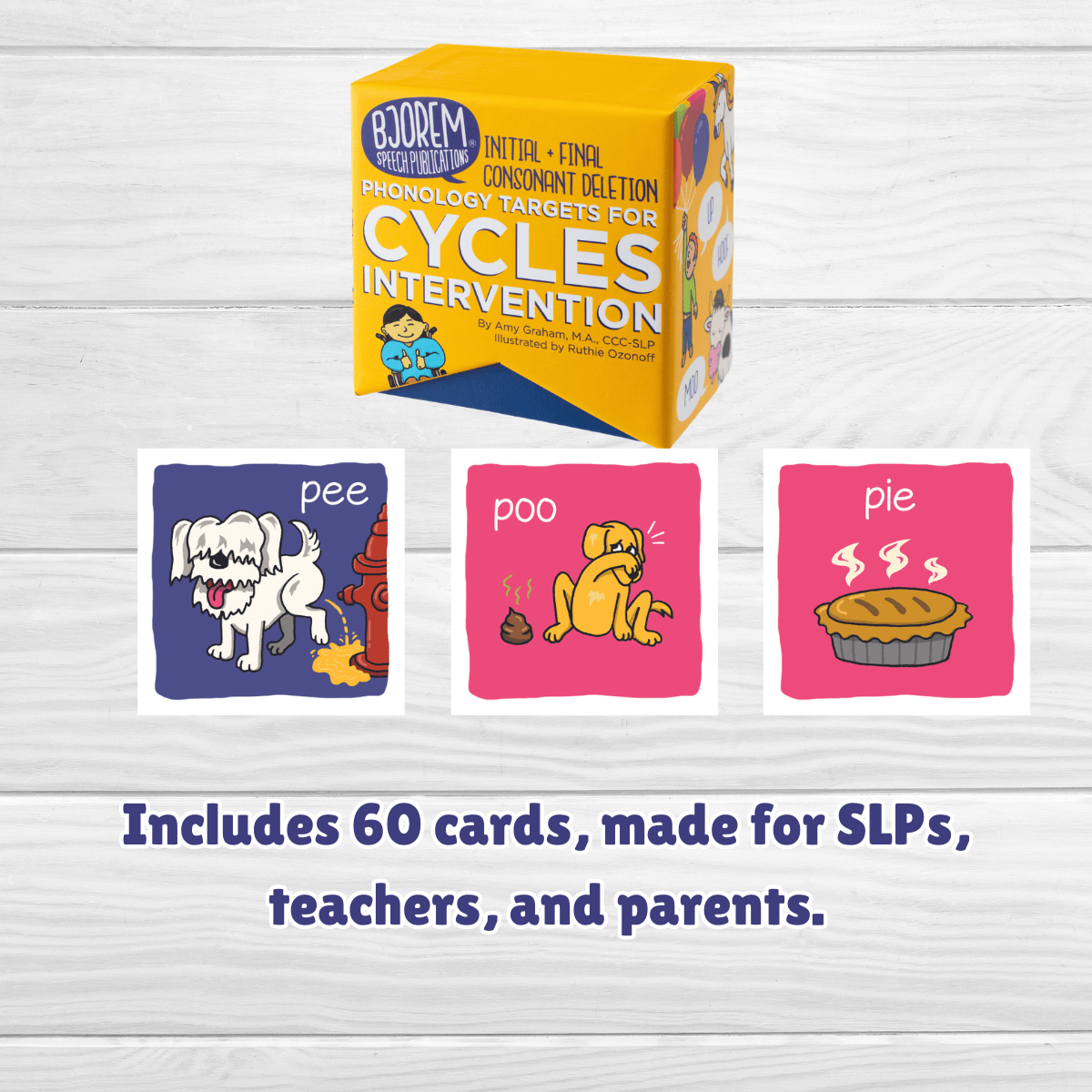
2-3 Element Clusters Complexity Approach Bundle Phonological Element Clusters Complexity Approach Bundle Best Speech Language Therapy Tools
Stacked layers
Bundle

Option

Image in .svg format (icon-star.svg)
Popular

Item

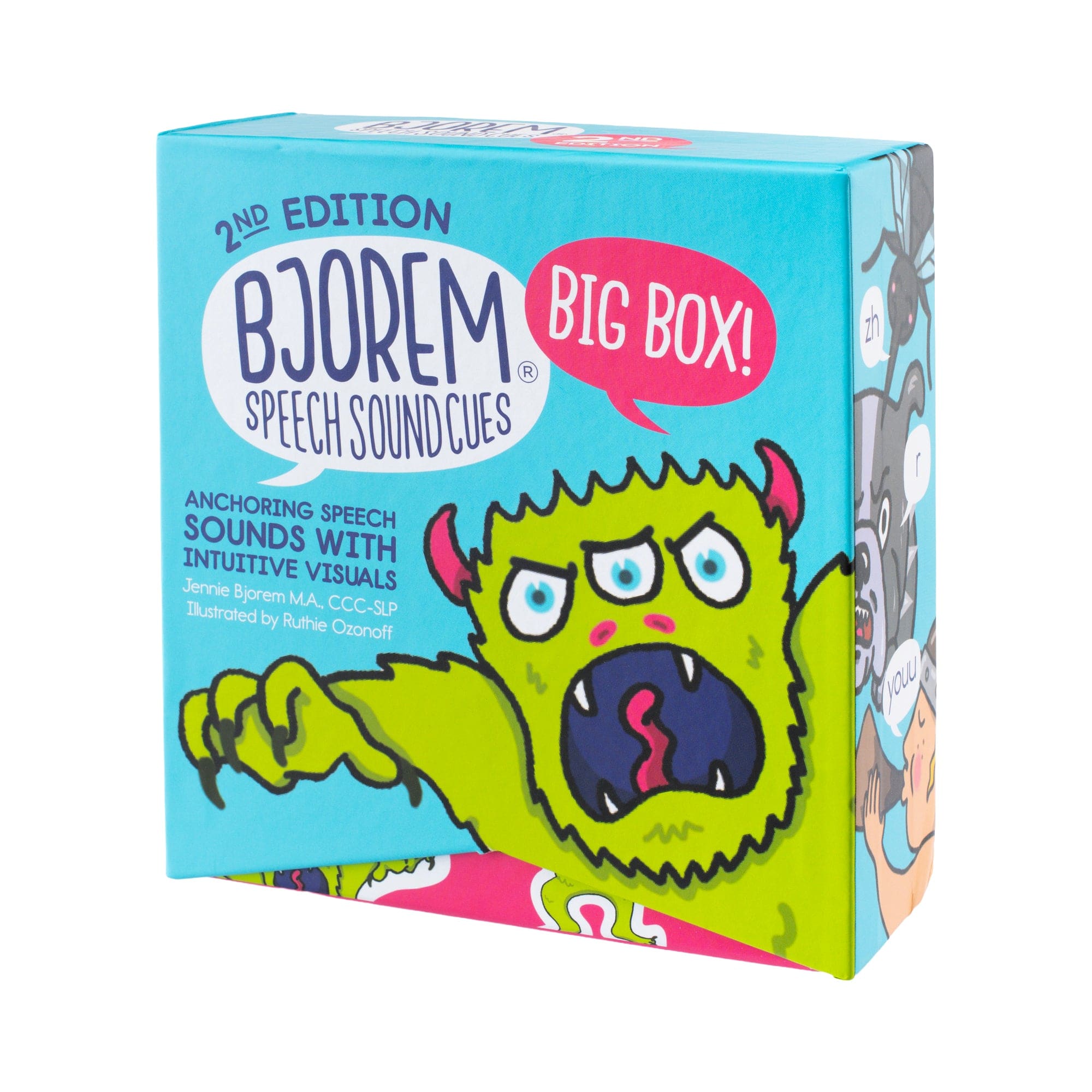
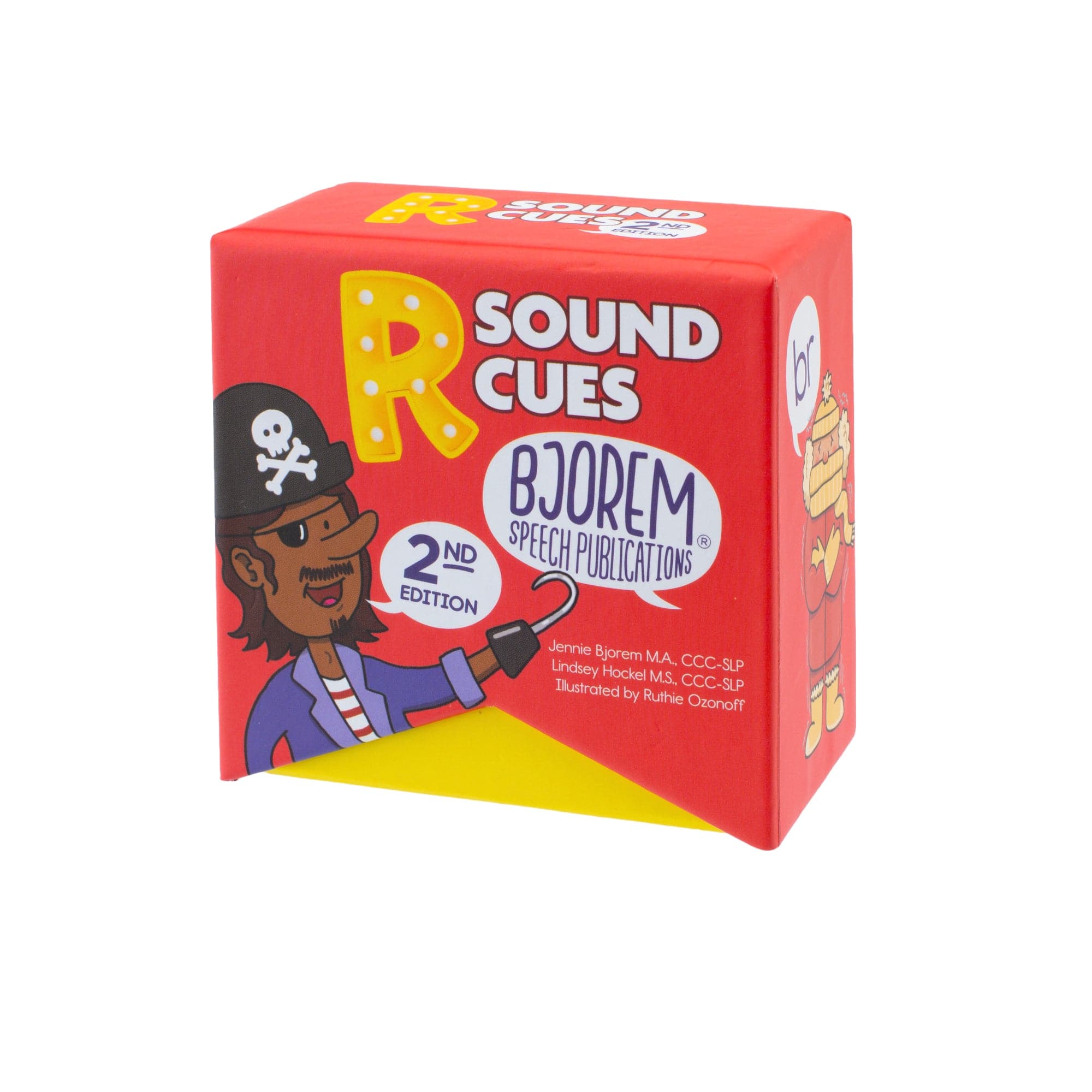
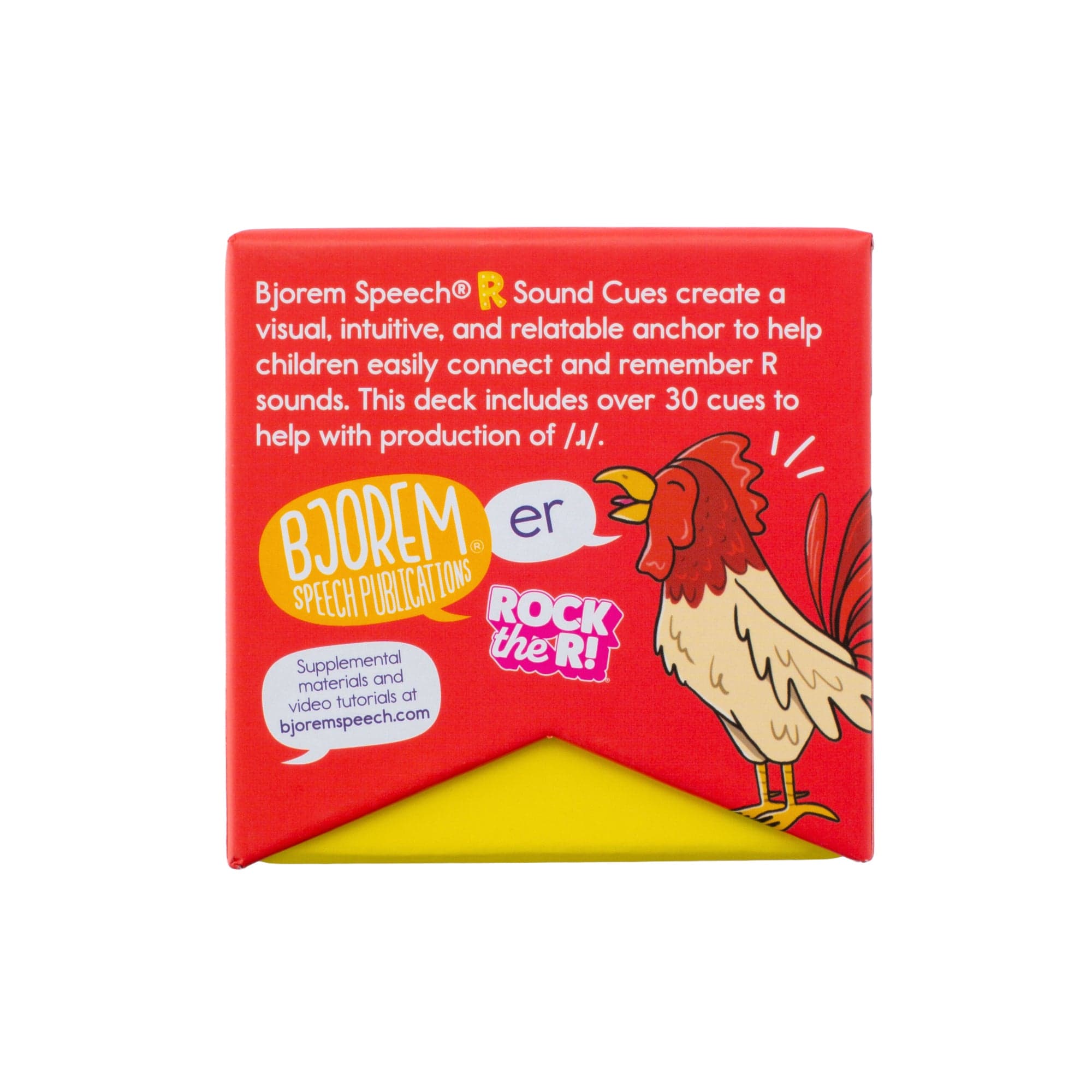
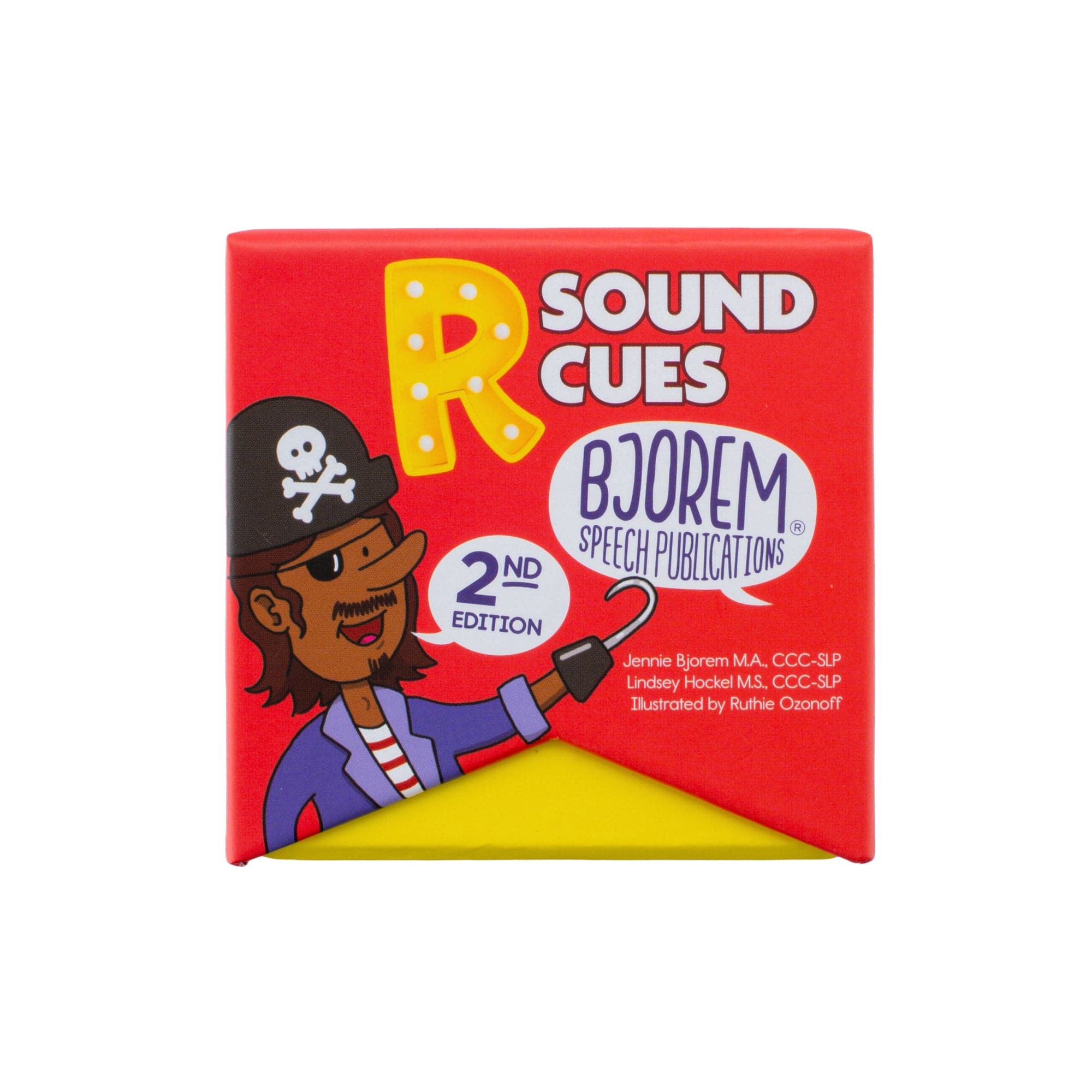
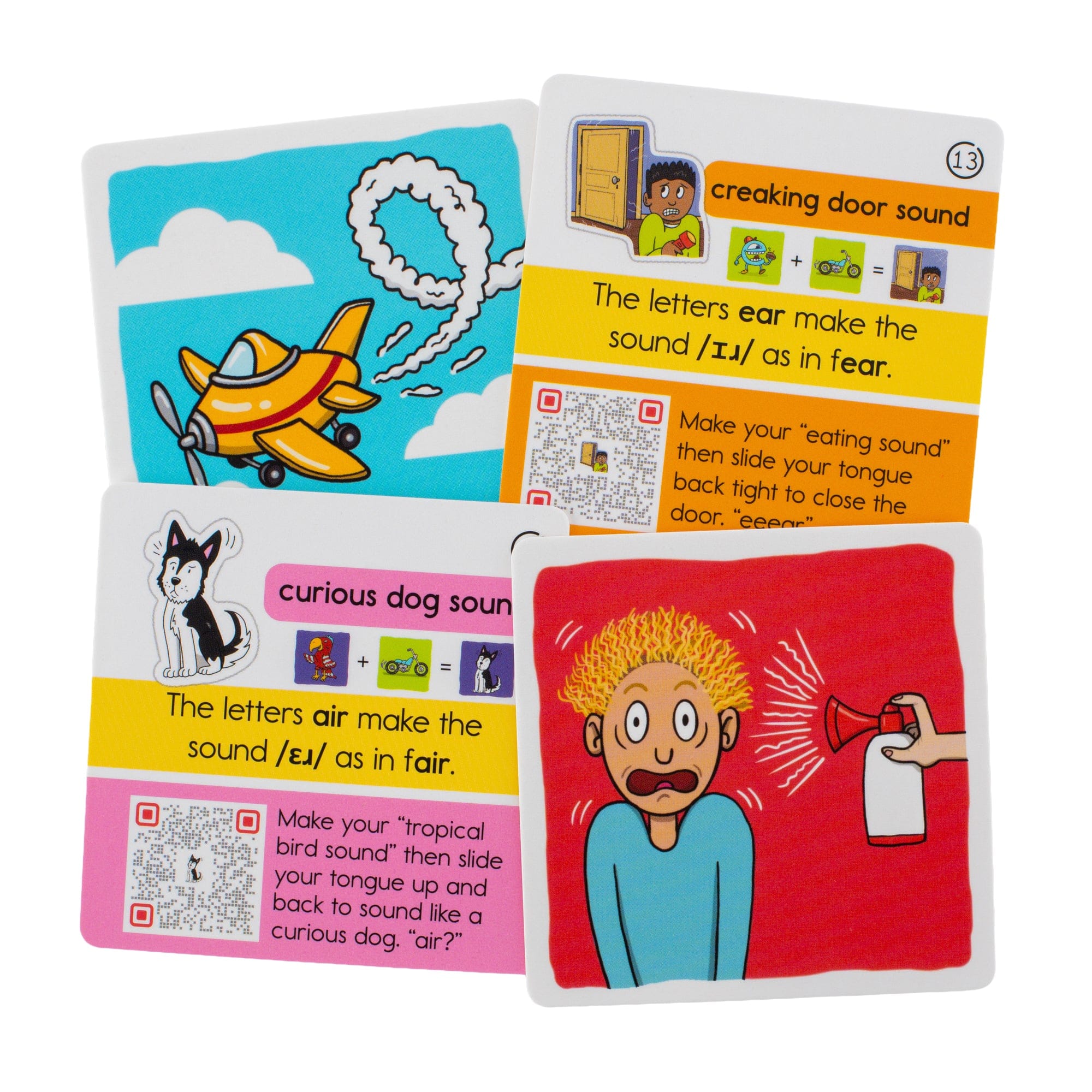
2nd Edition R Sound Cues Effective R Sound Speech Therapy Tools  Best Speech Language Therapy Tools
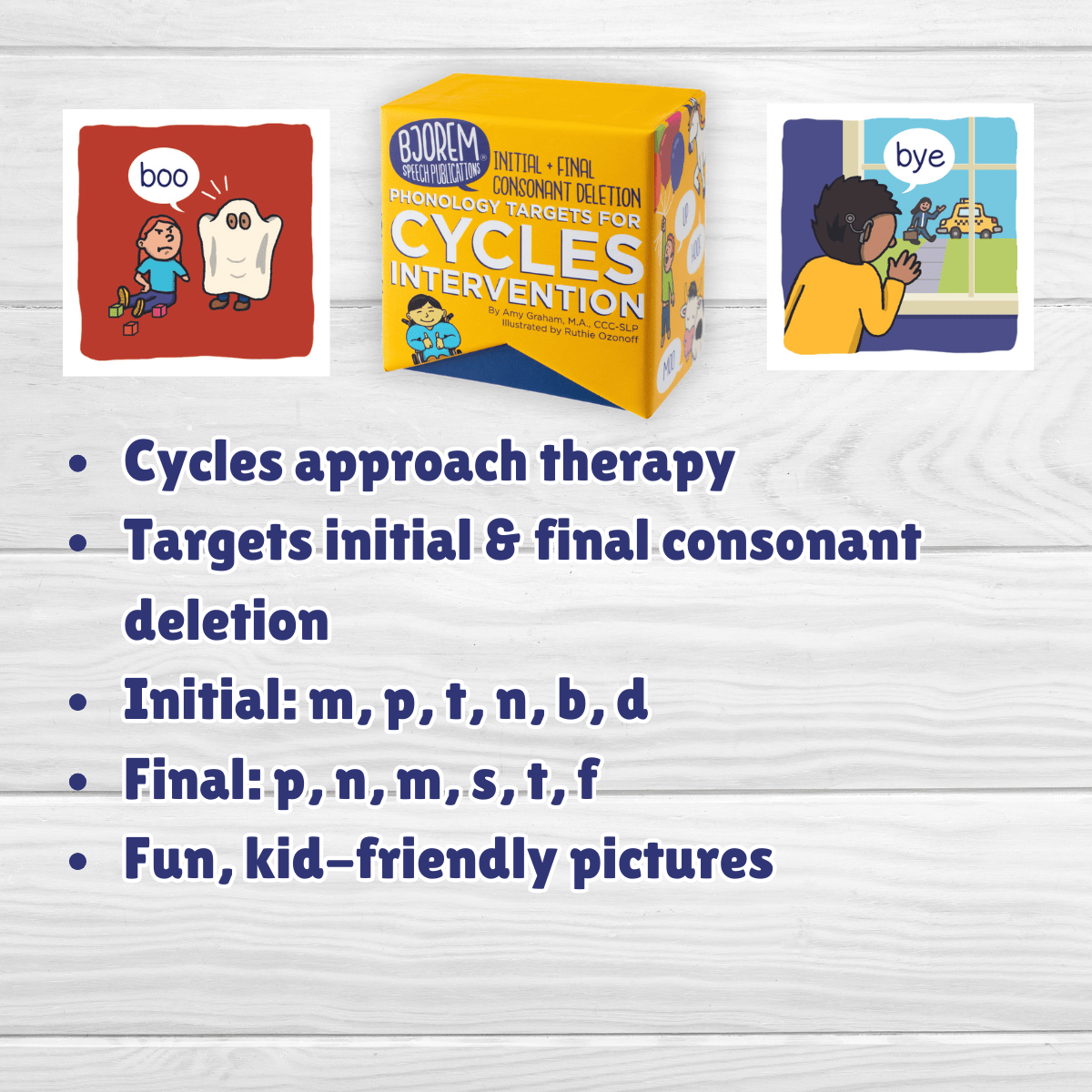
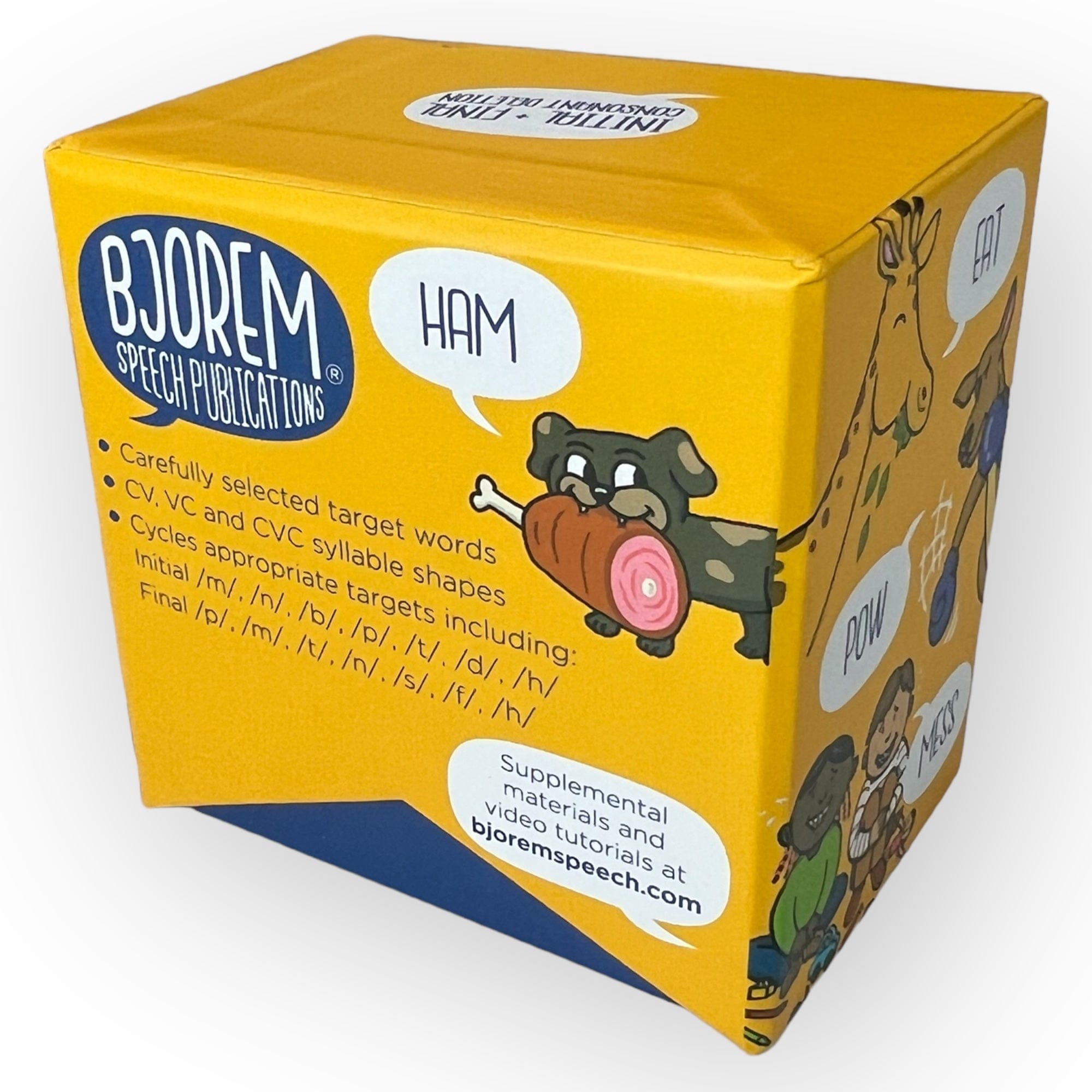
Image in .svg format (icon-star.svg)
Popular

Item

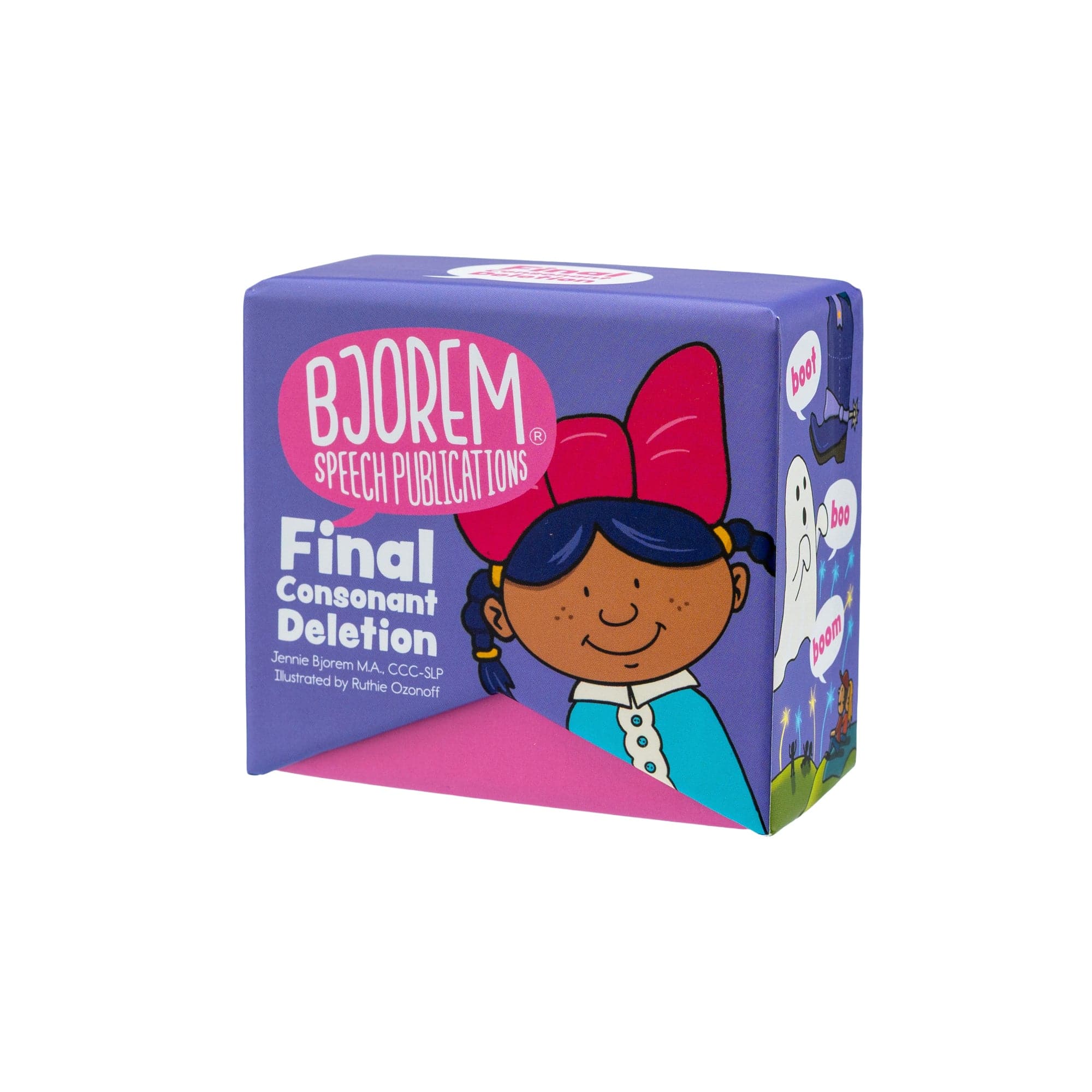
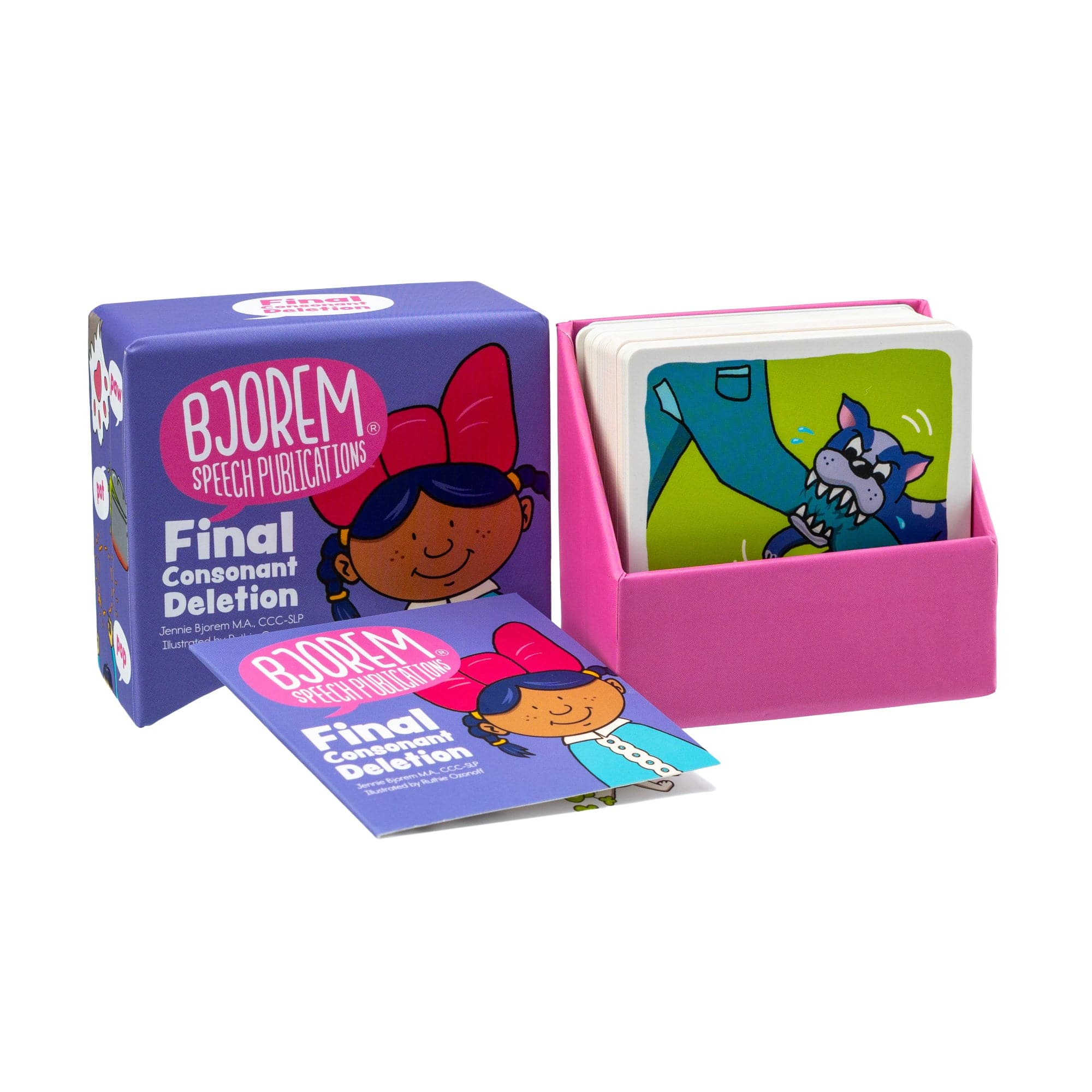
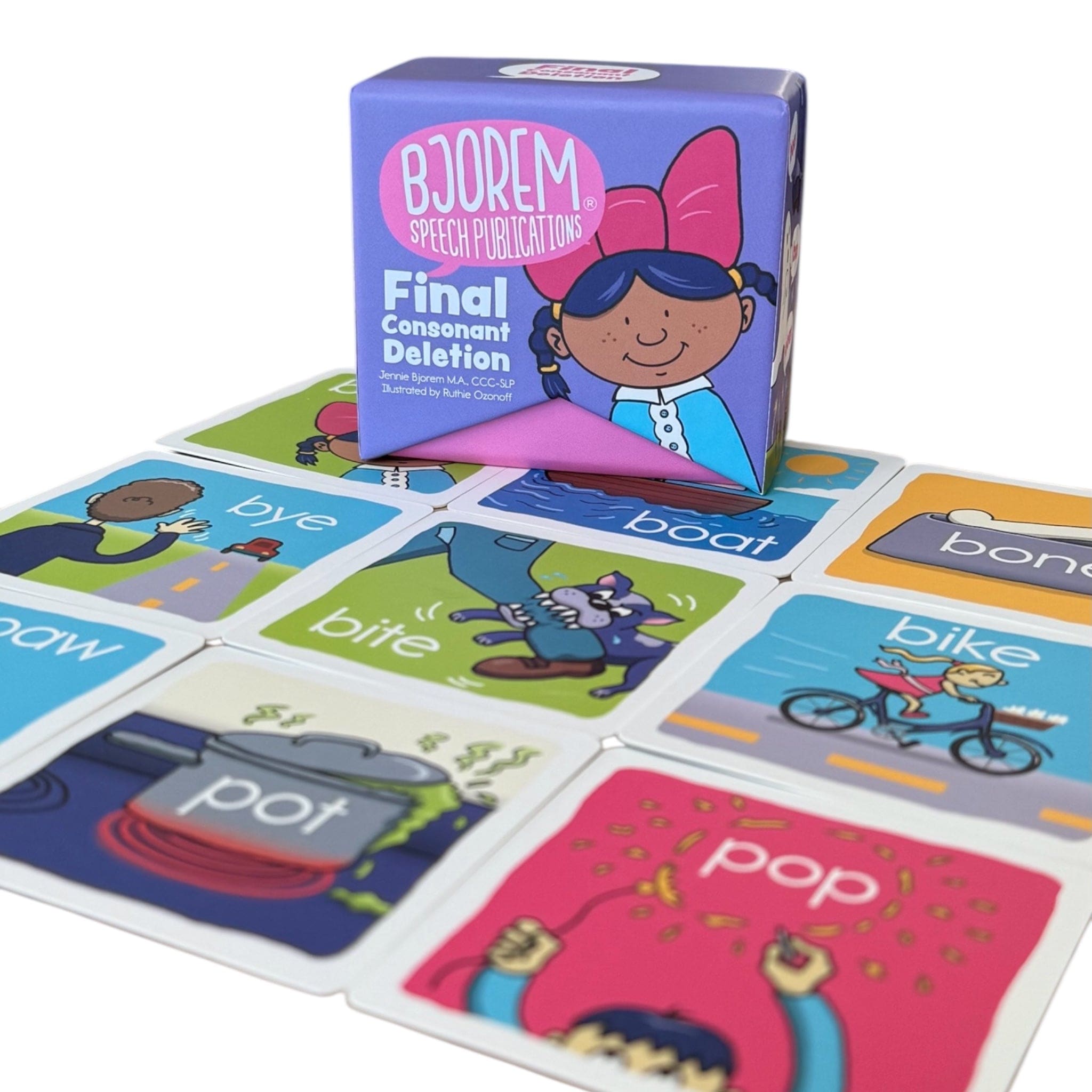
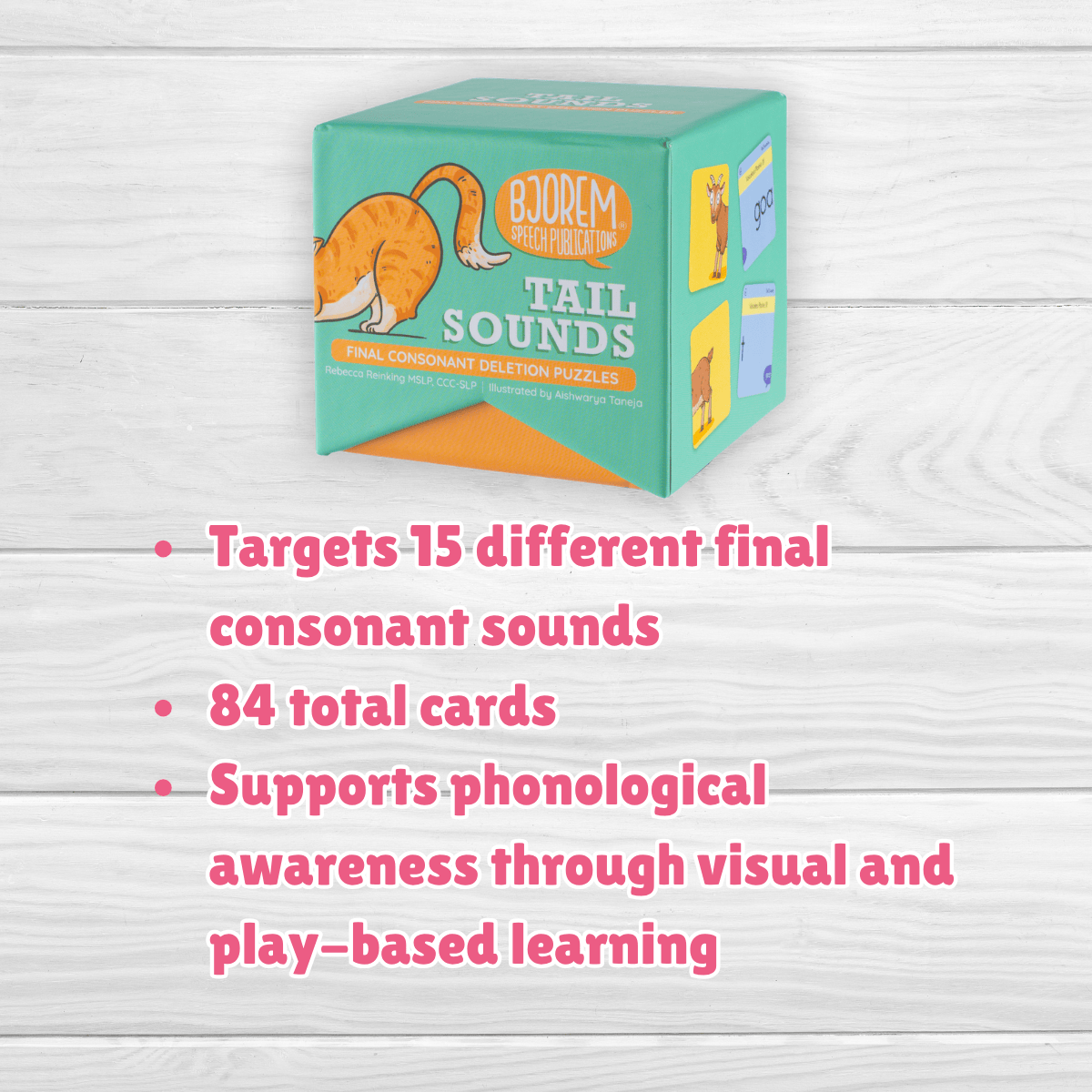
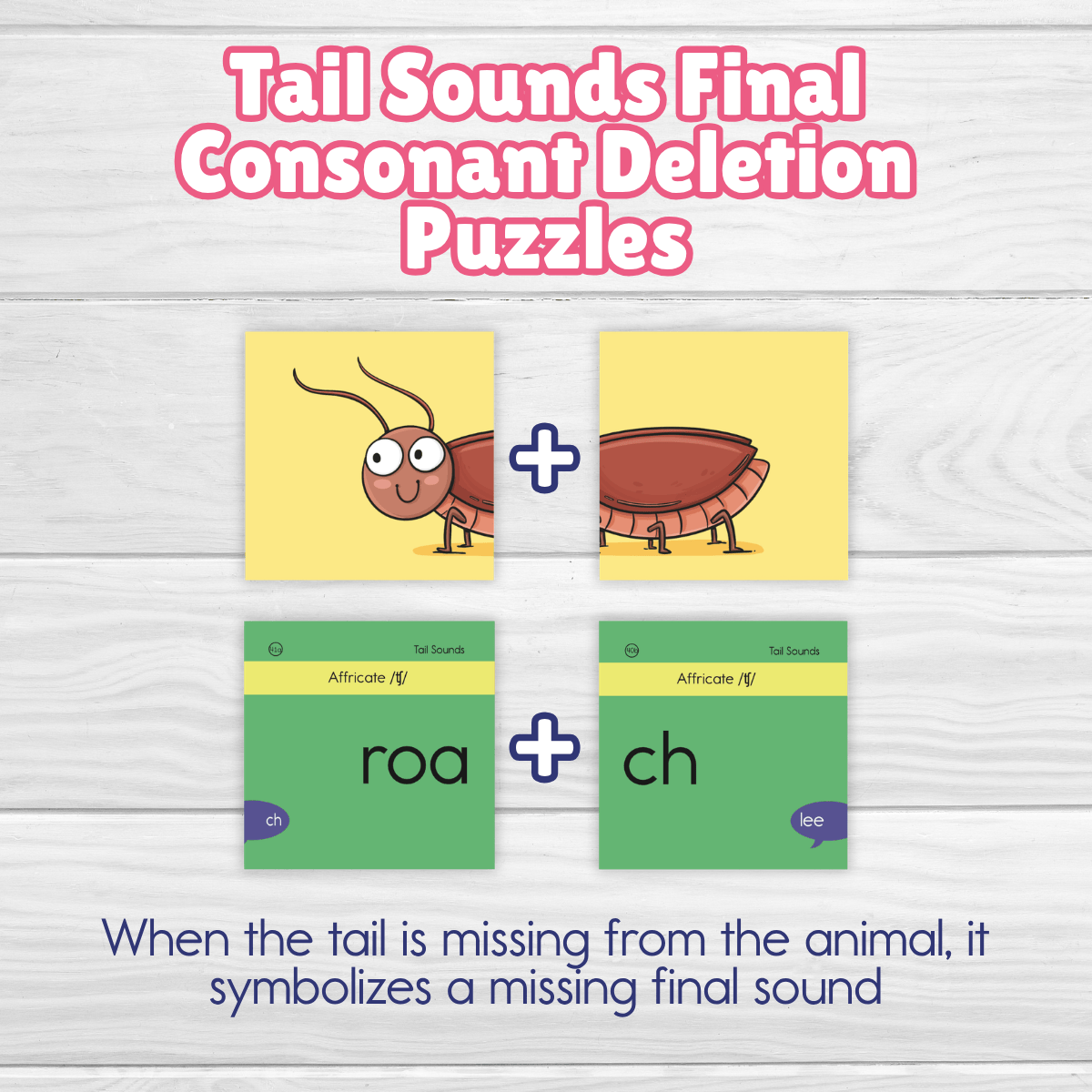
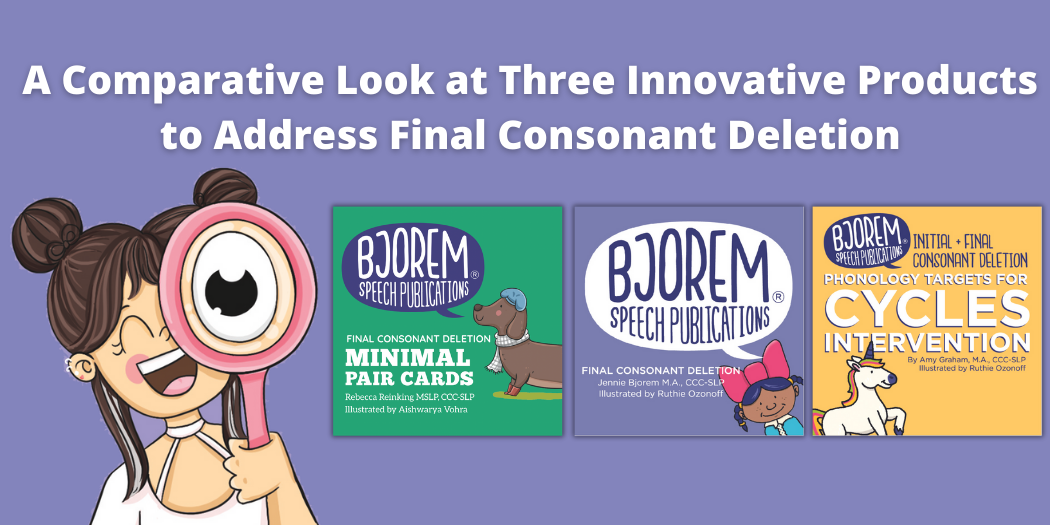
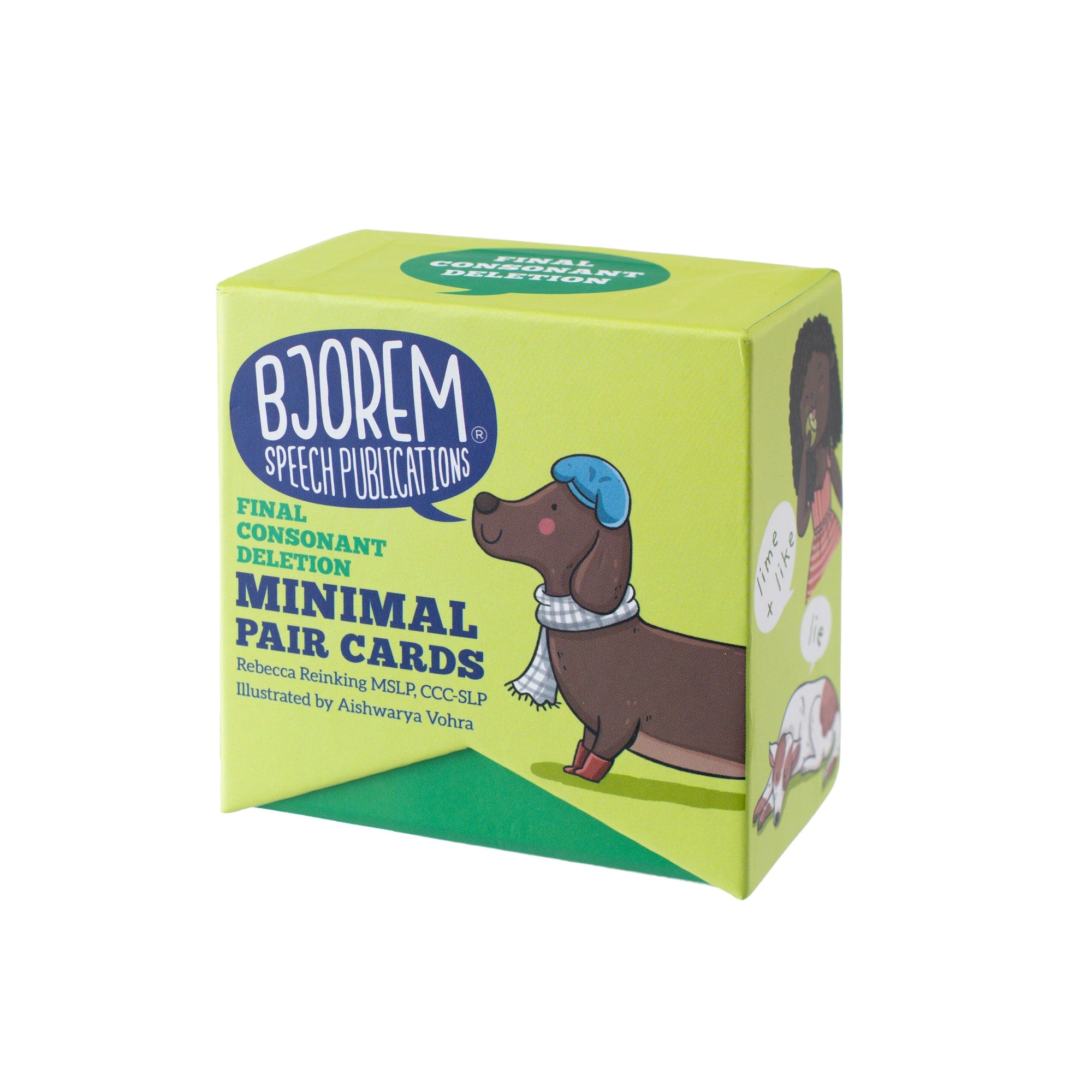
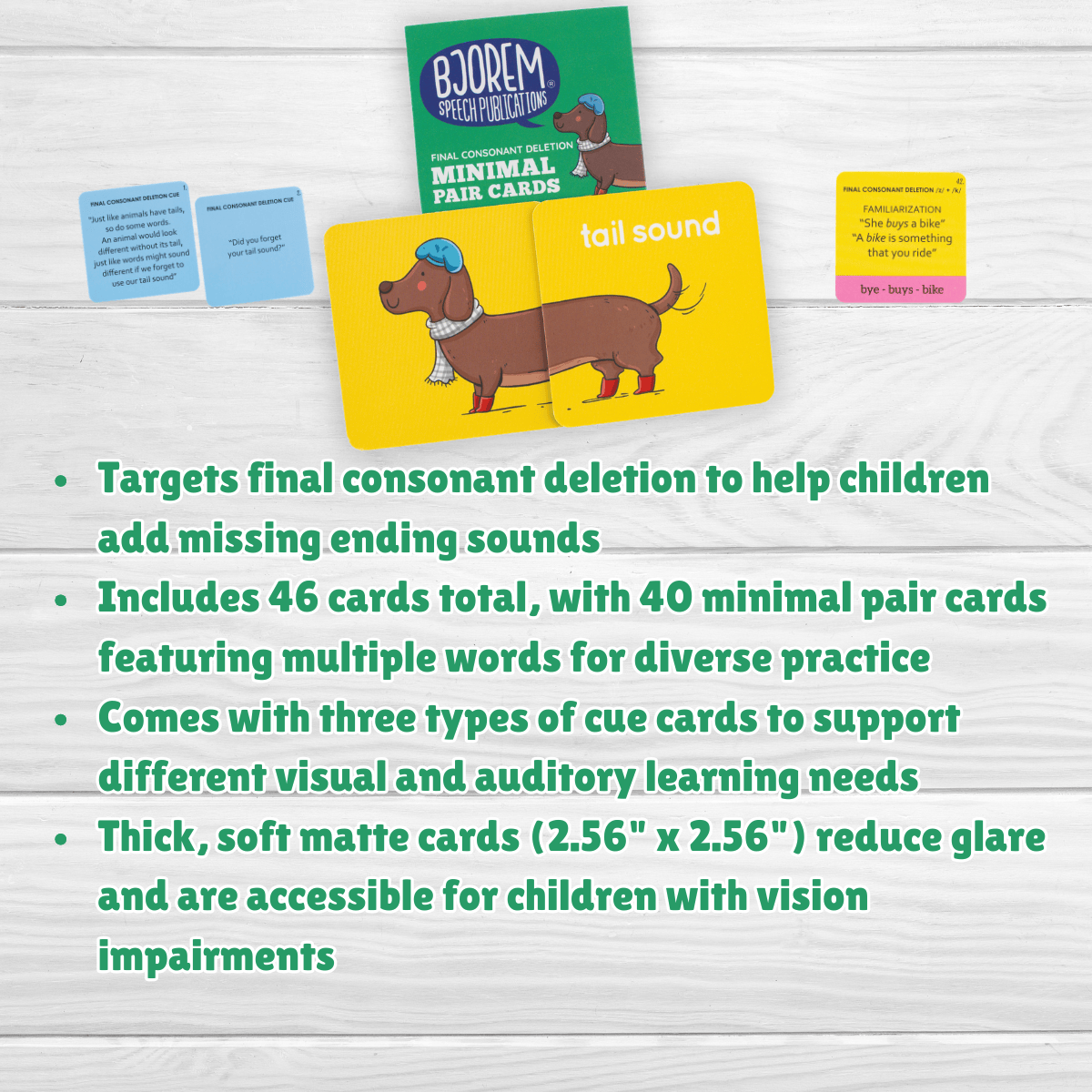
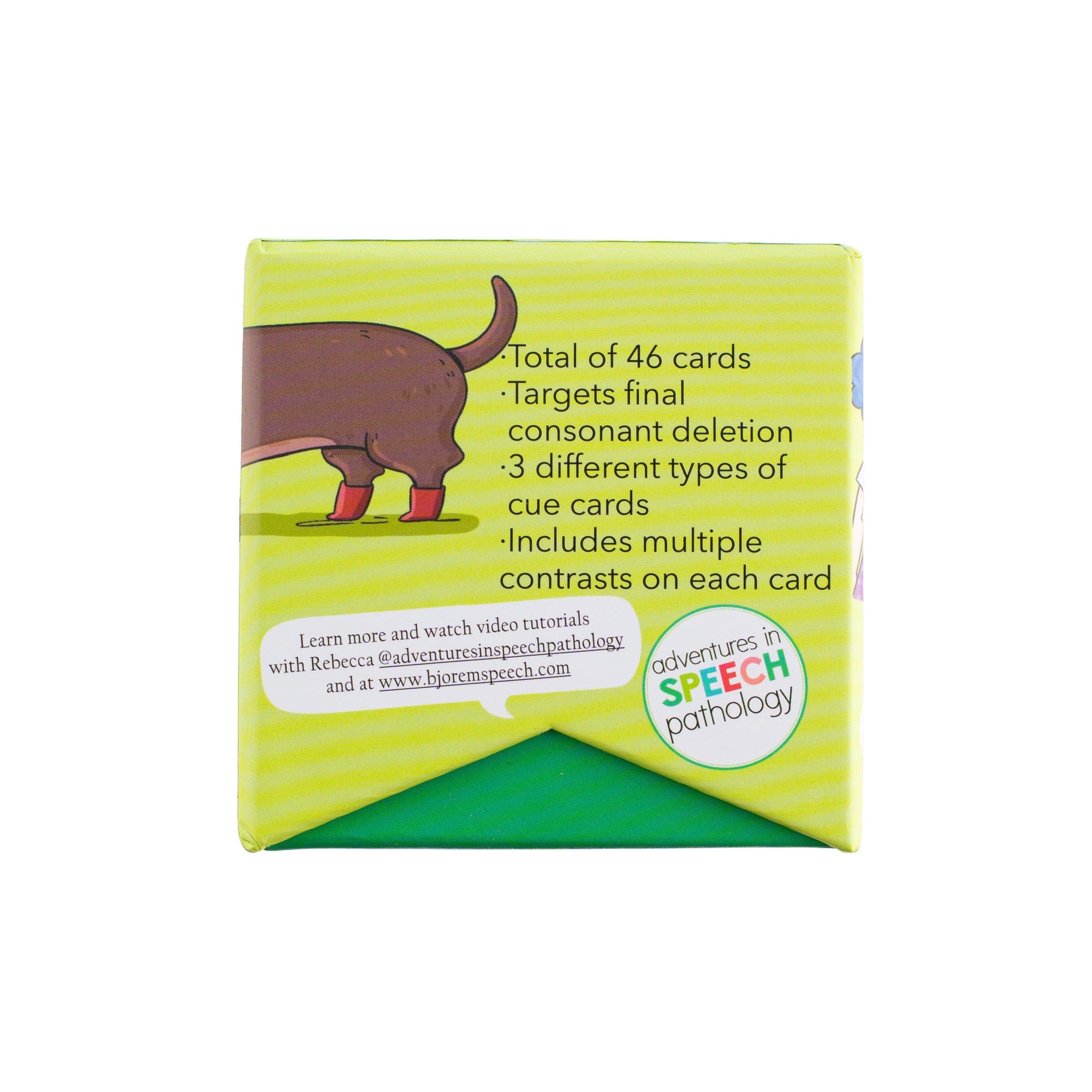
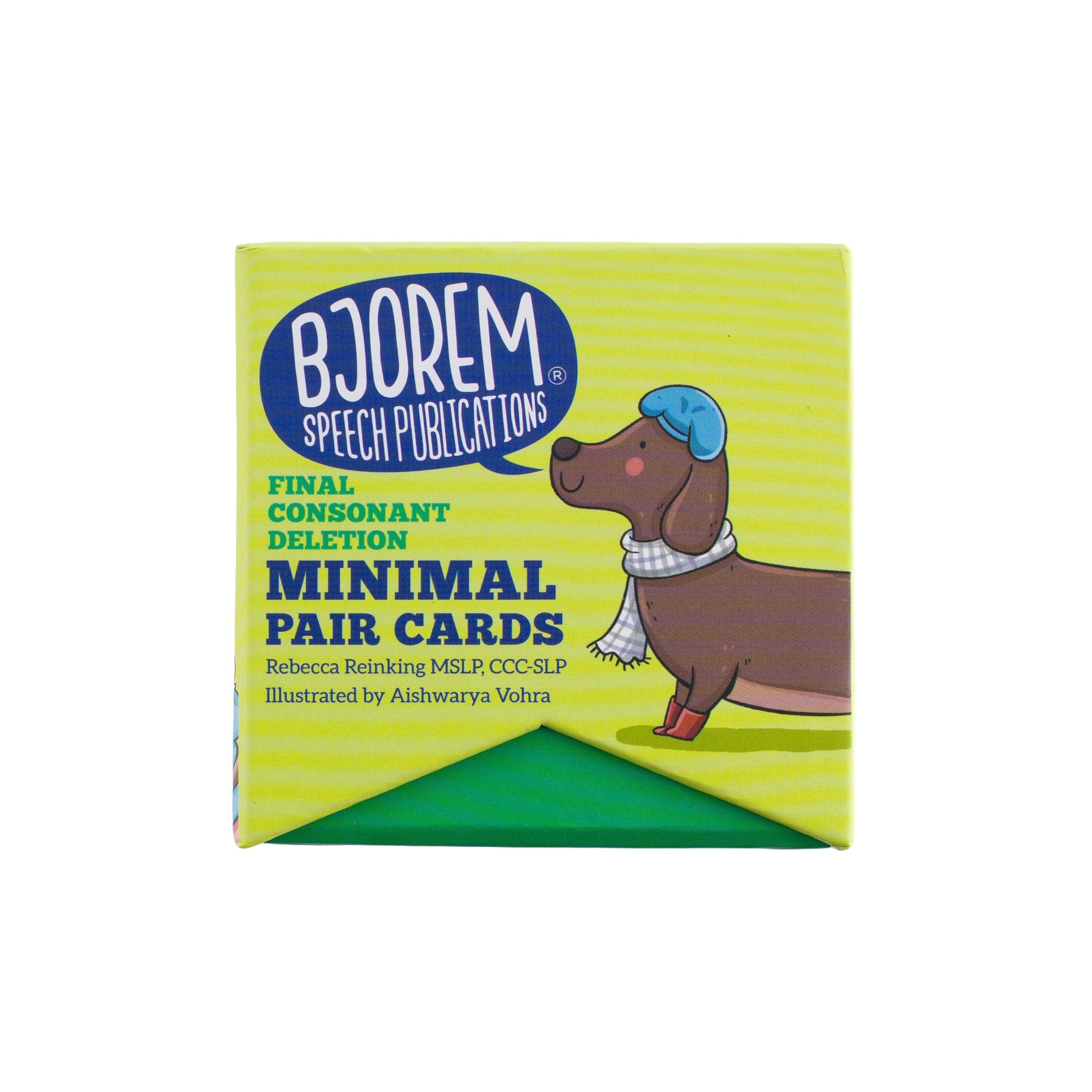
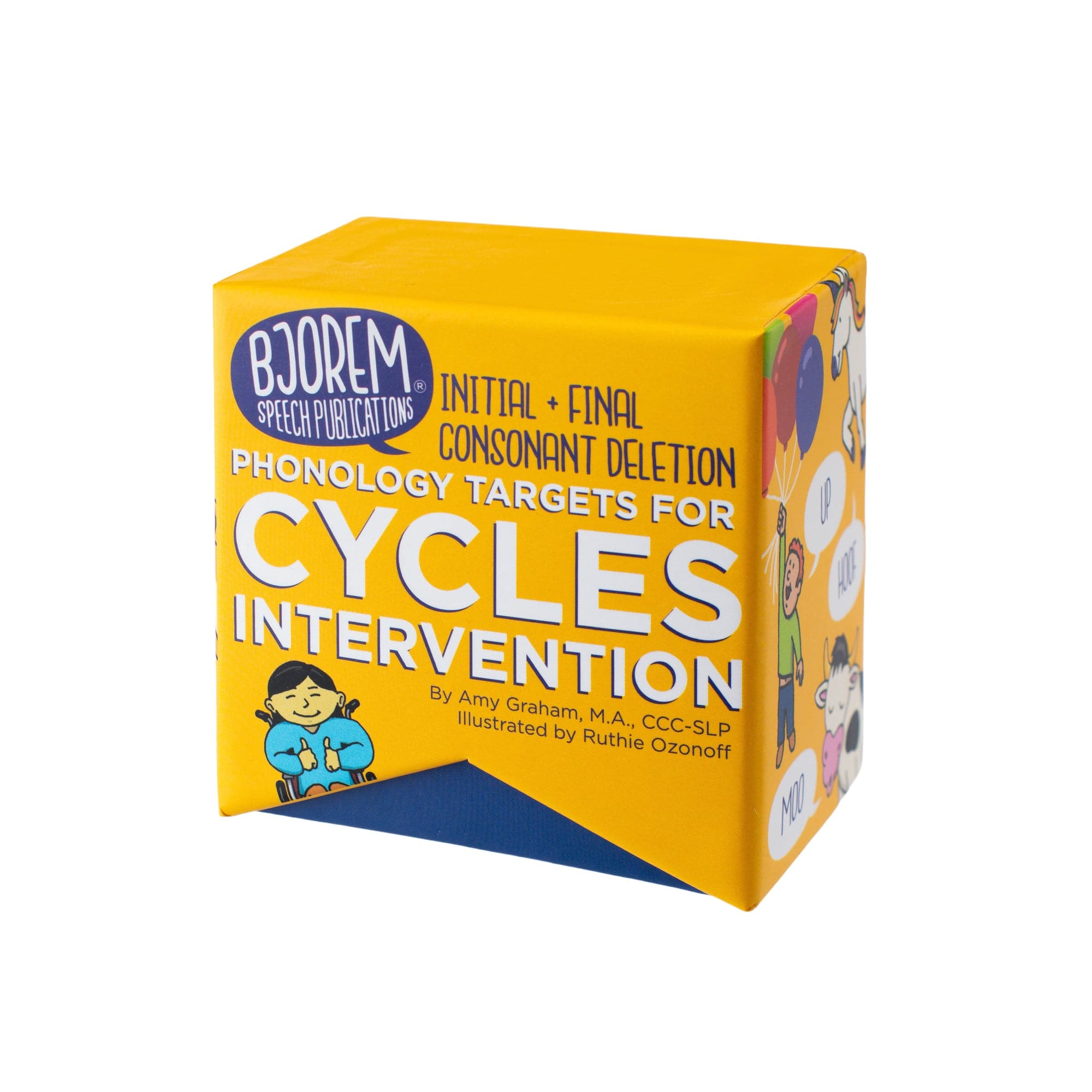
Final Consonant Deletion Improve Final Consonant Deletion with Minimal Pairs Best Speech Language Therapy Tools
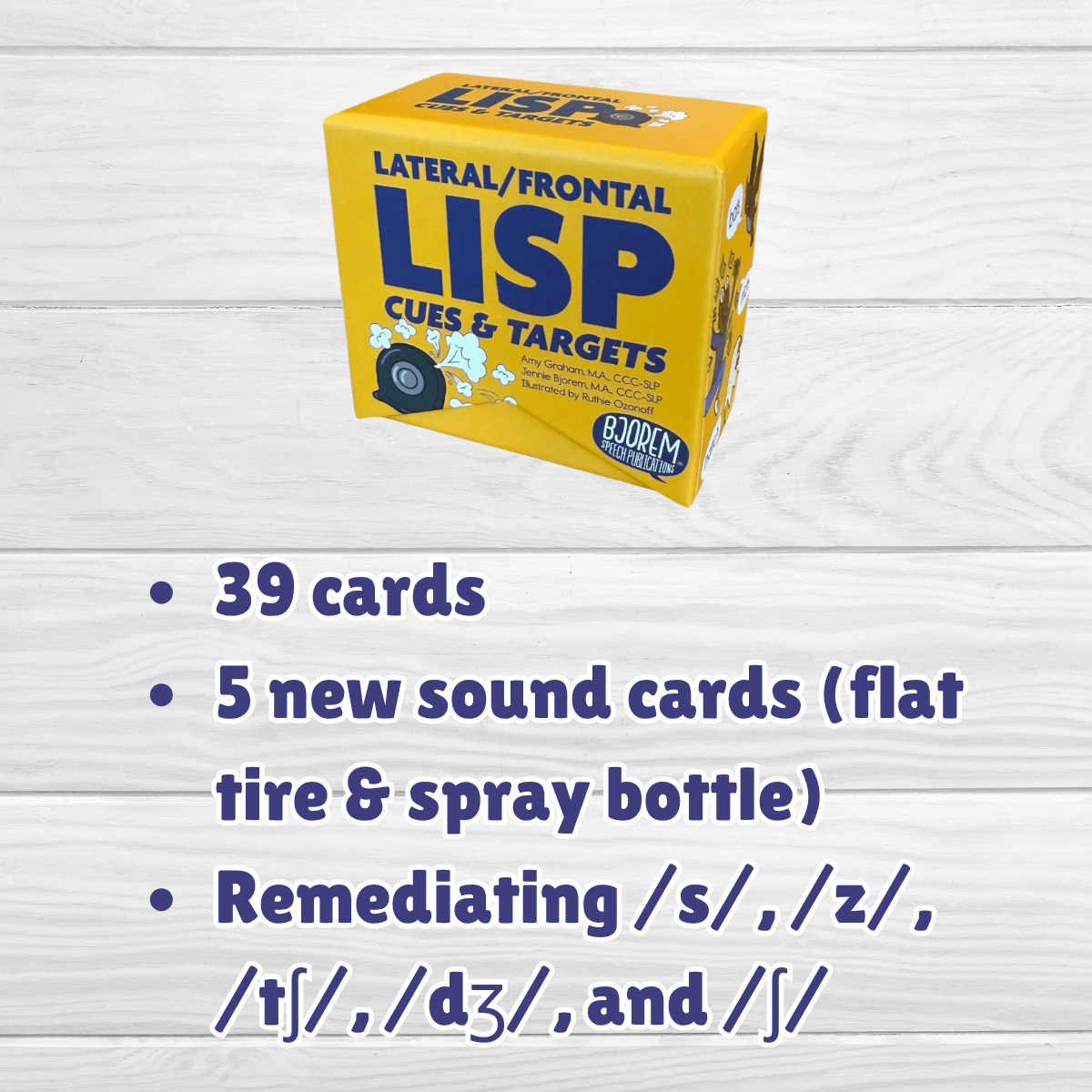
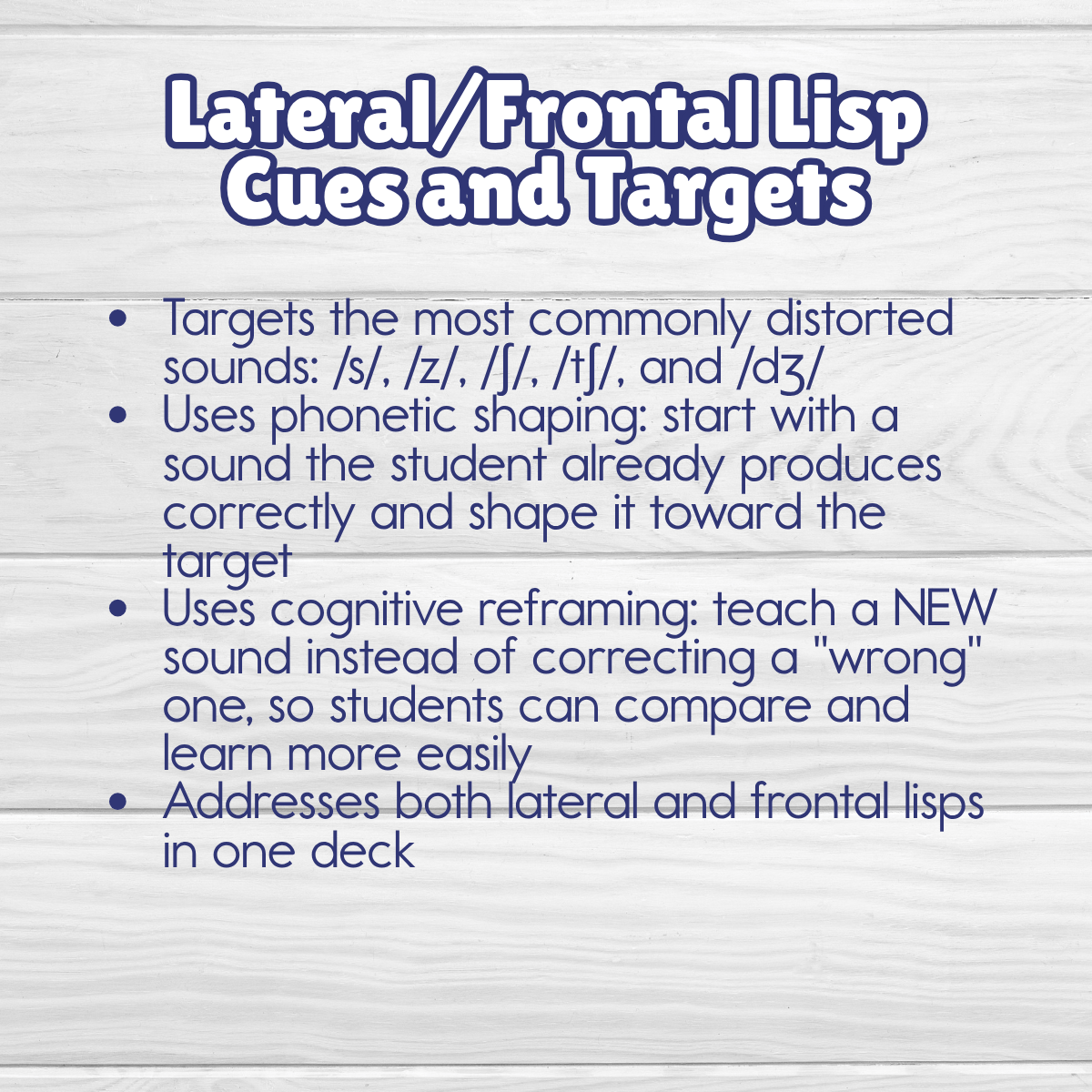
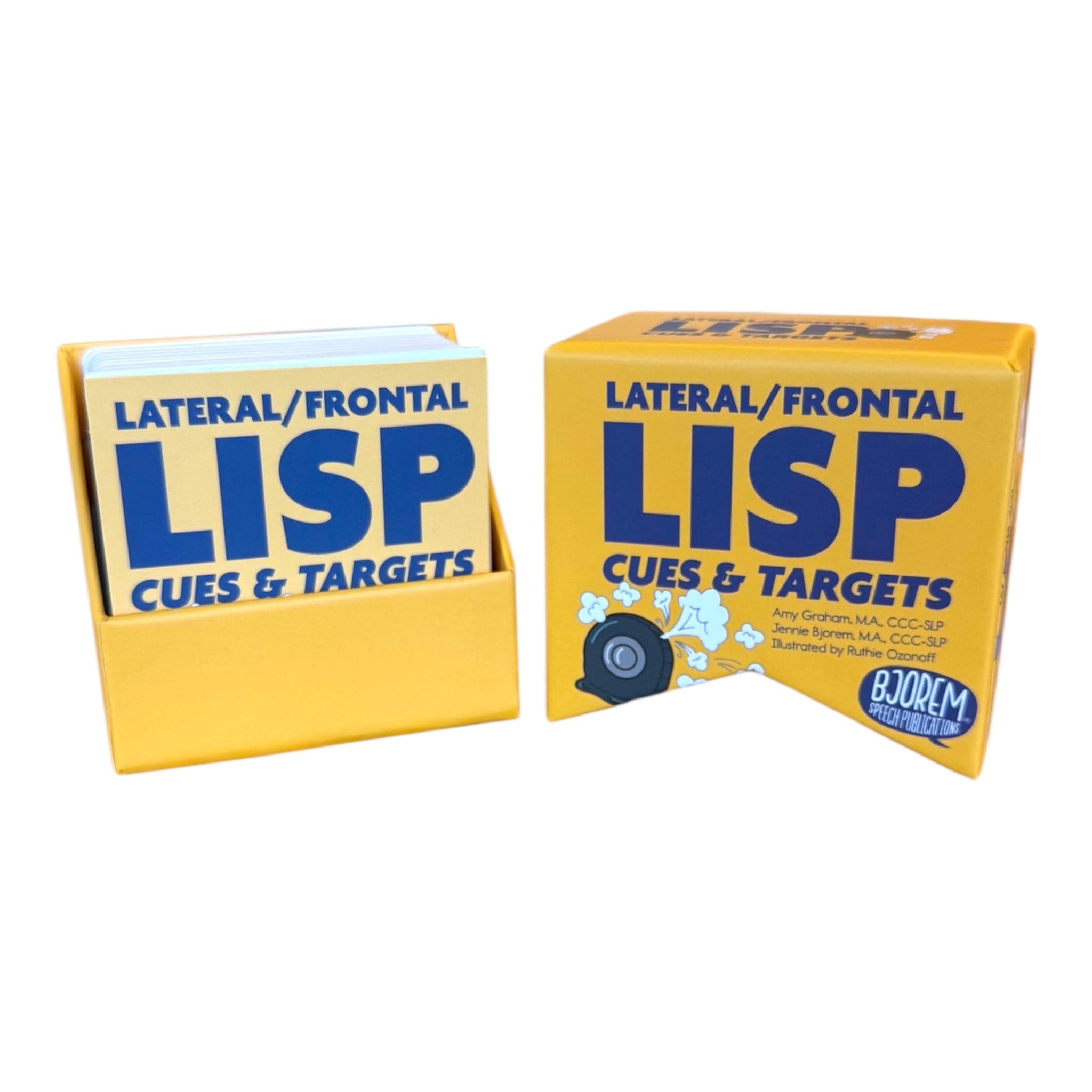
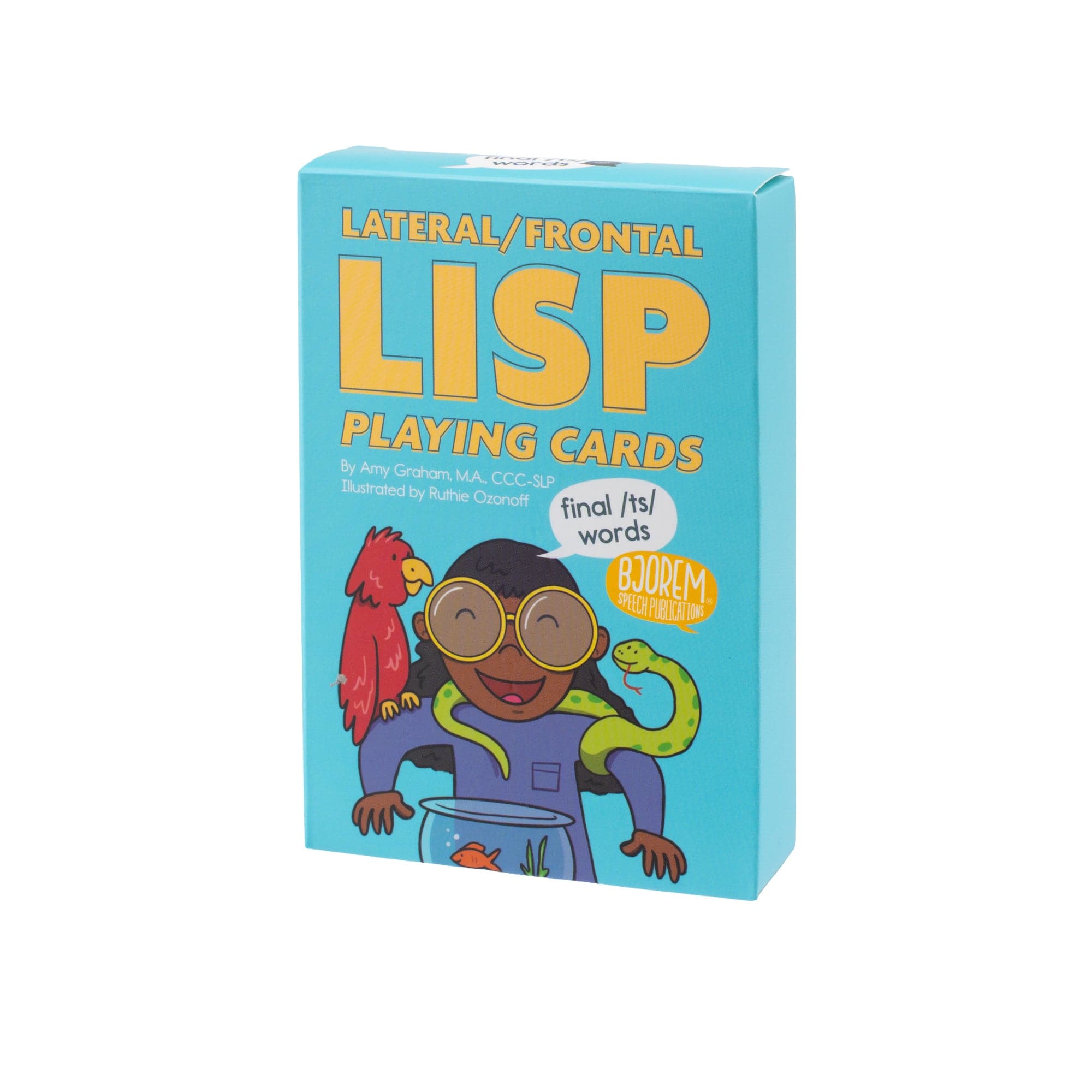
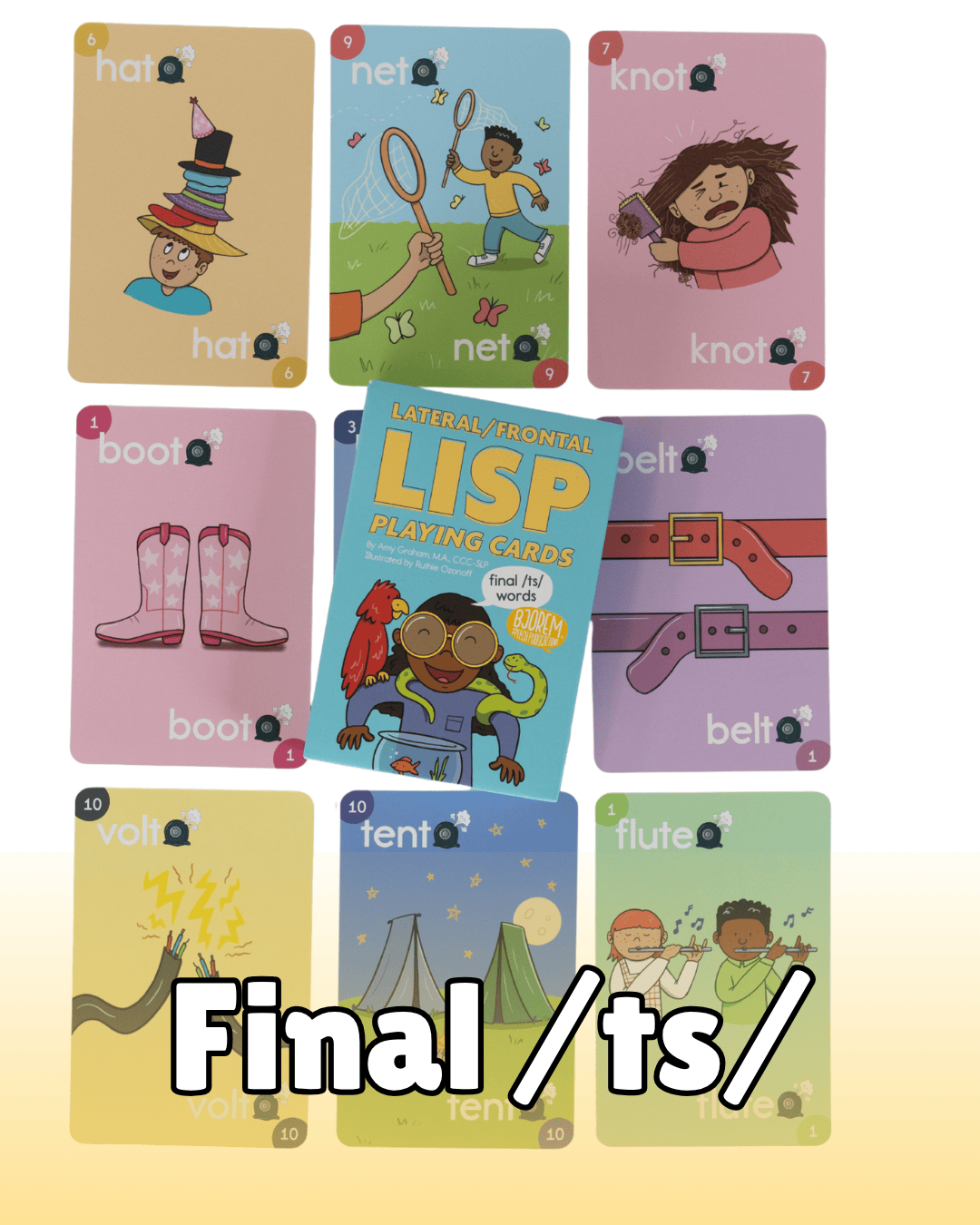
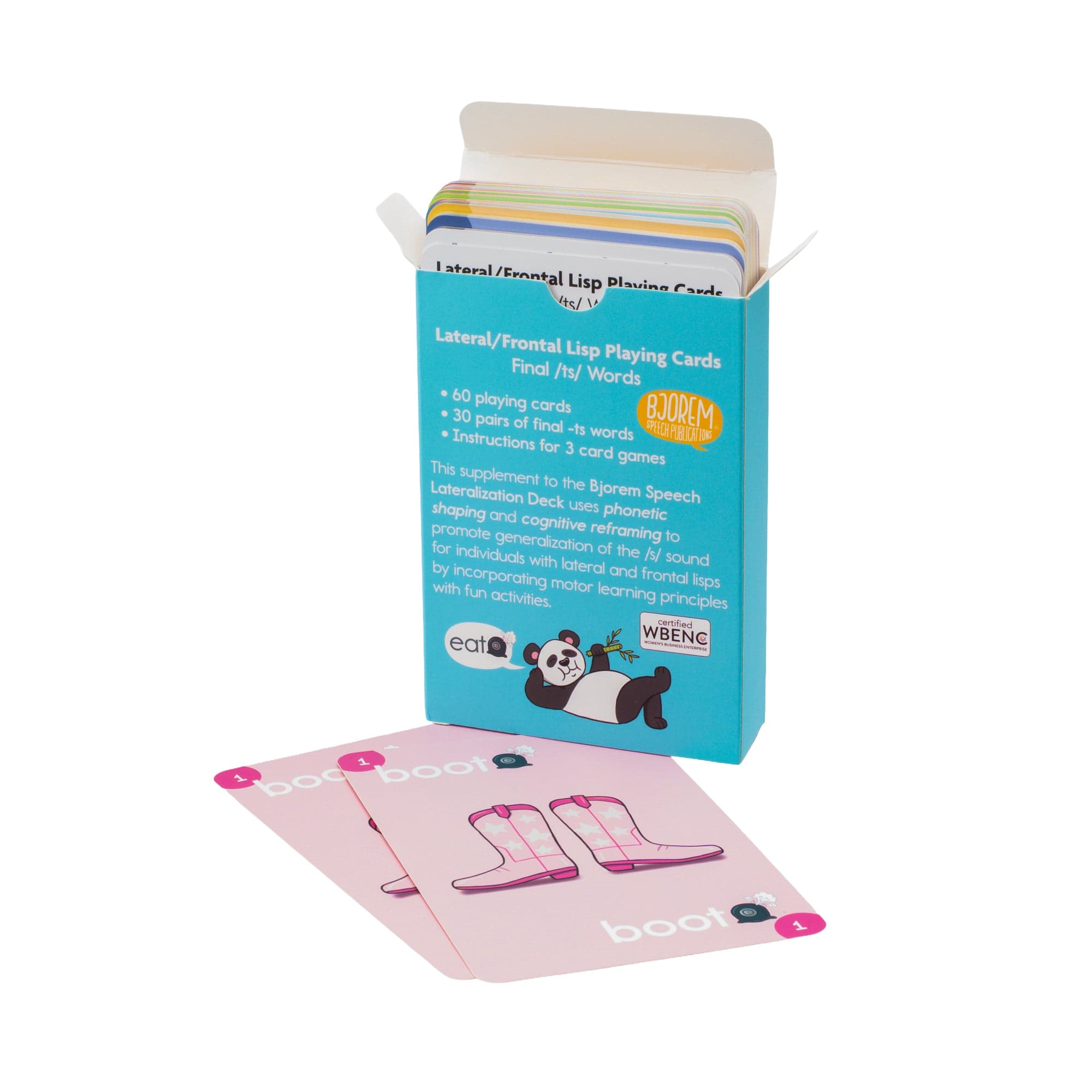
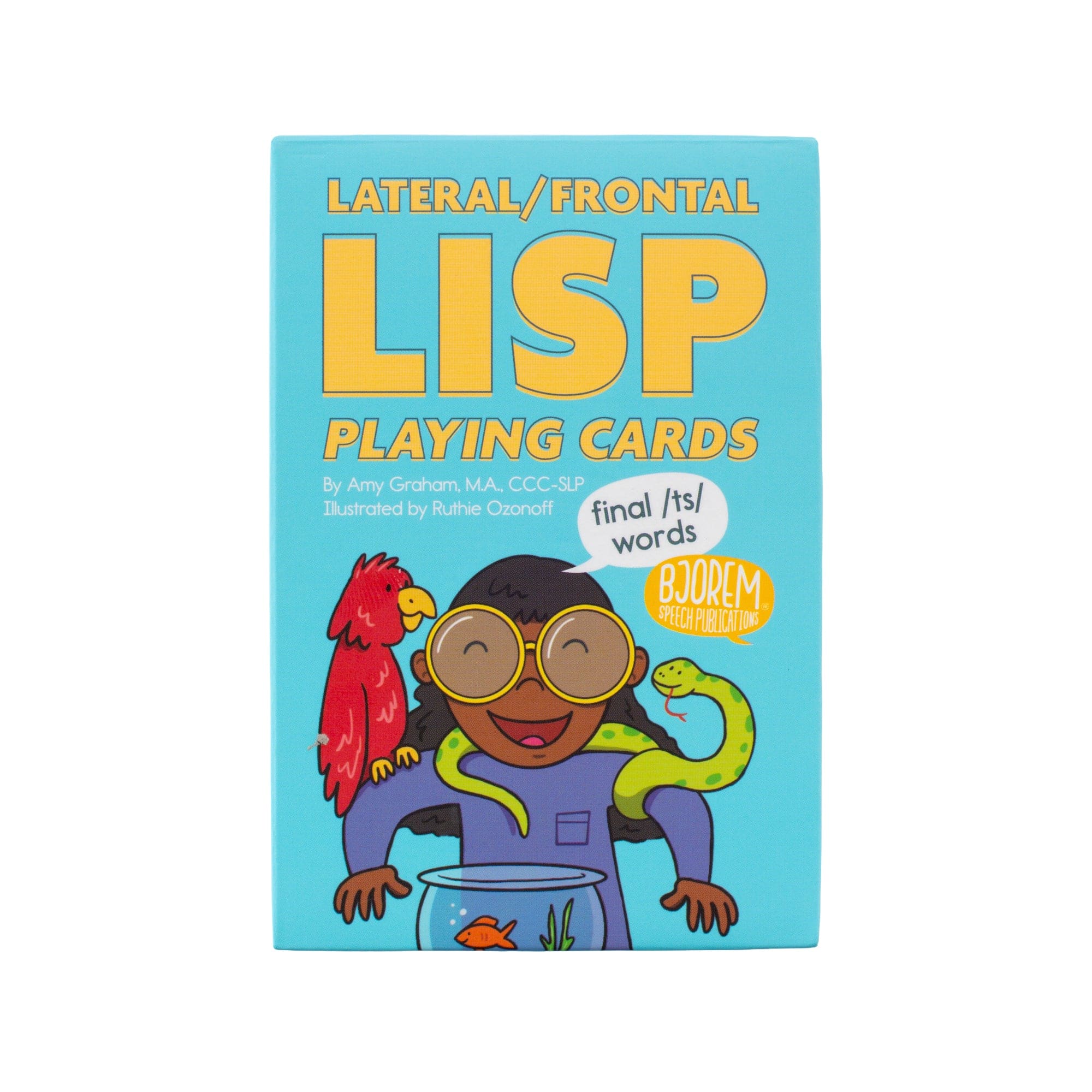
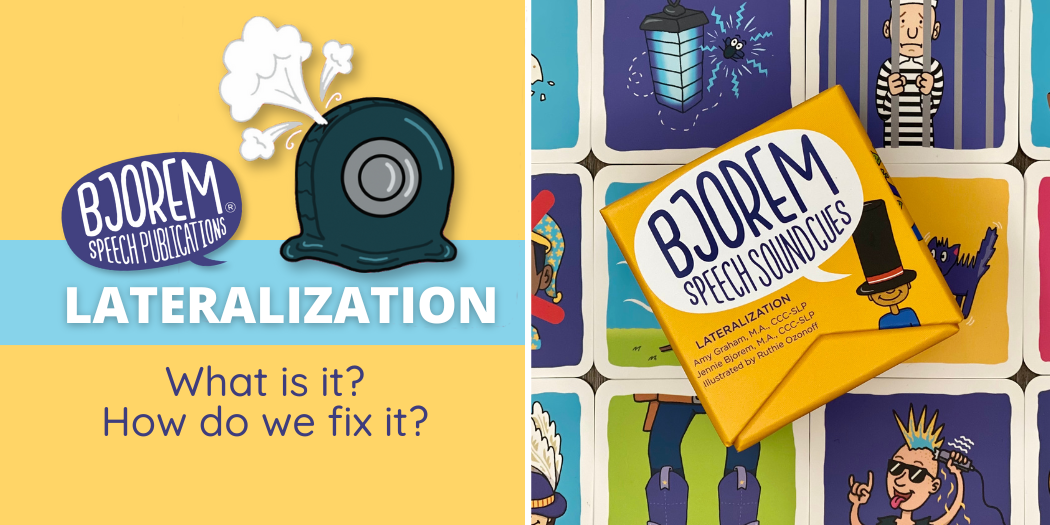
Lateral/Frontal Lisp Cues & Targets Bjorem Speech Sound Cues Lateralization | Speech Therapy Tools Best Speech Language Therapy Tools
Image in .svg format (icon-star.svg)
Popular

Item

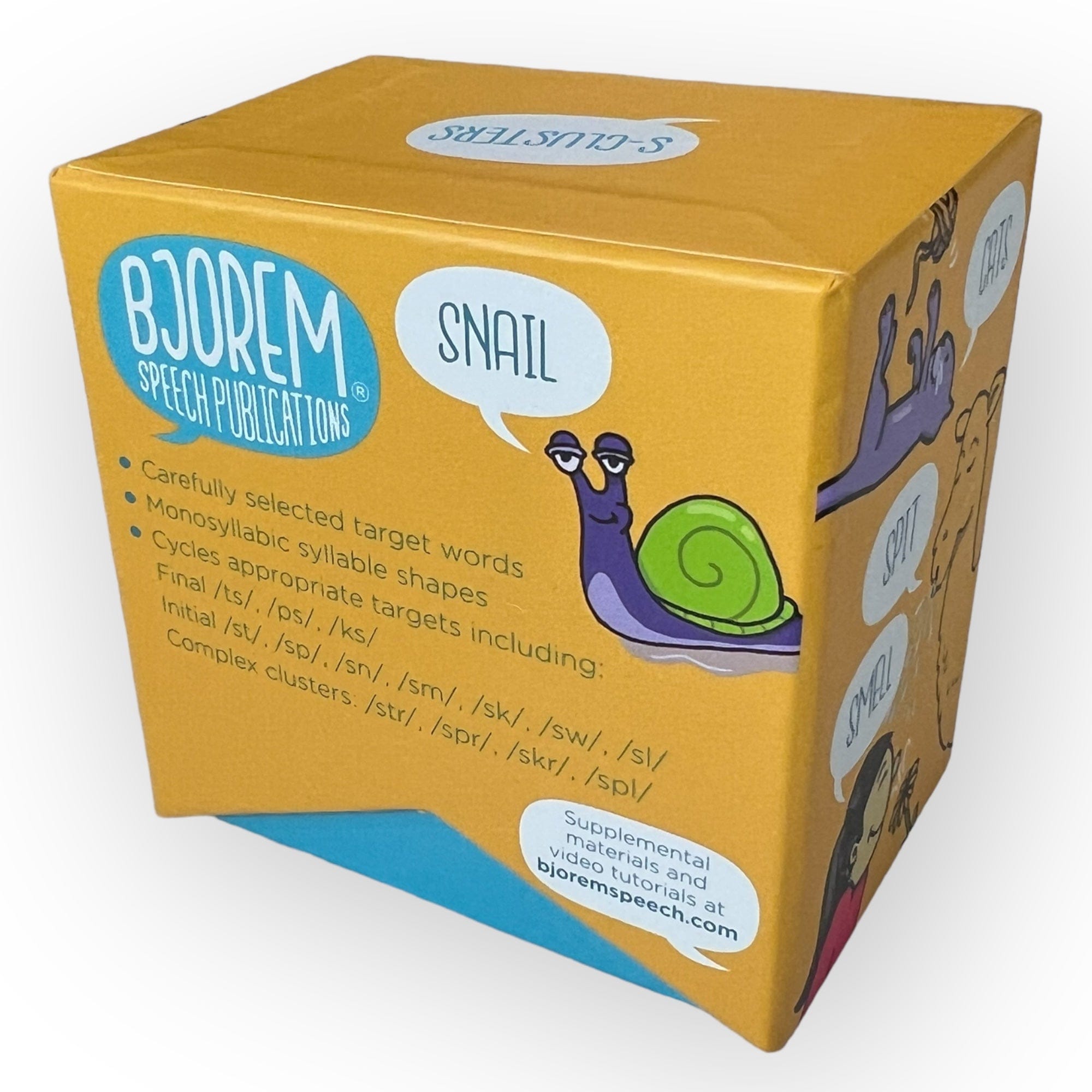
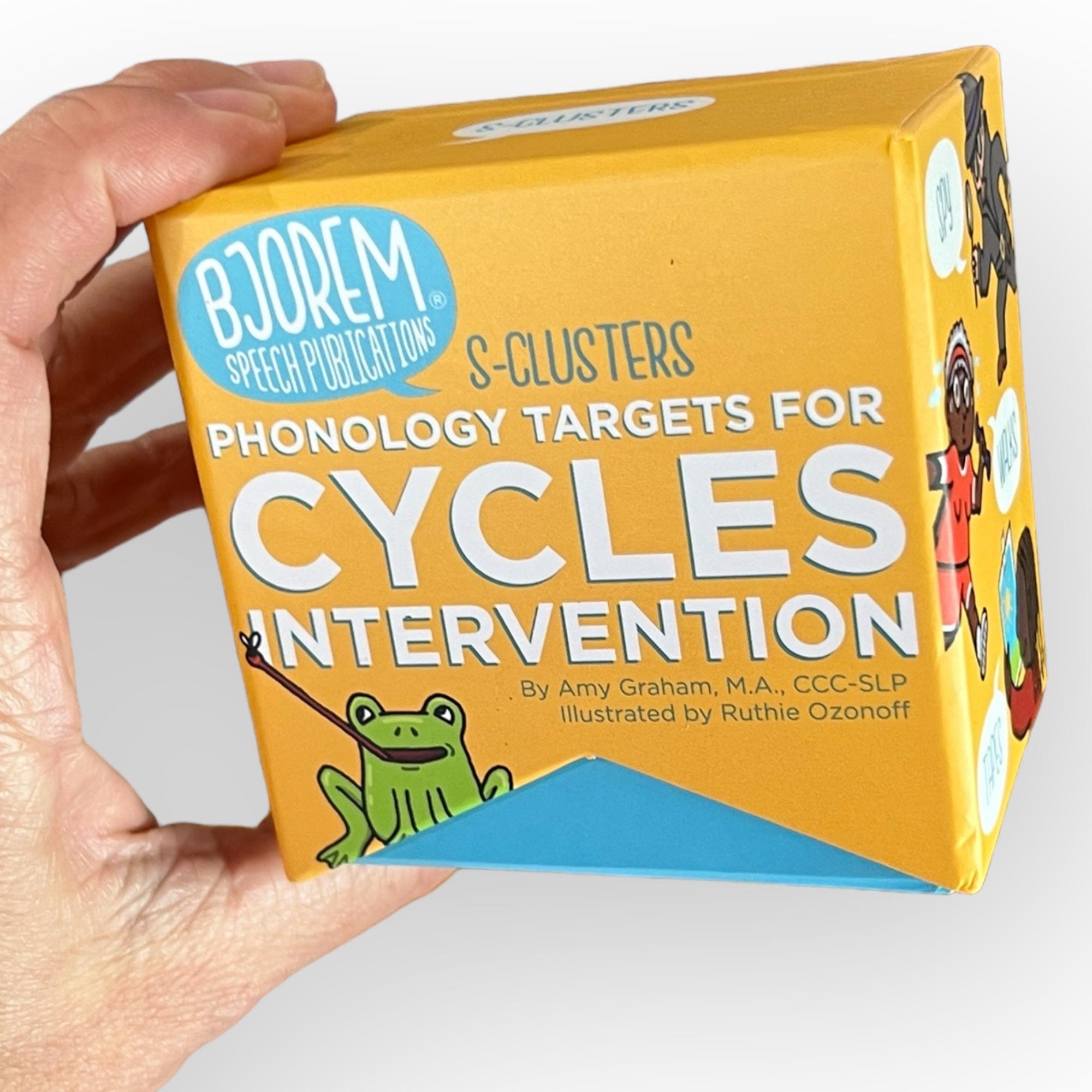
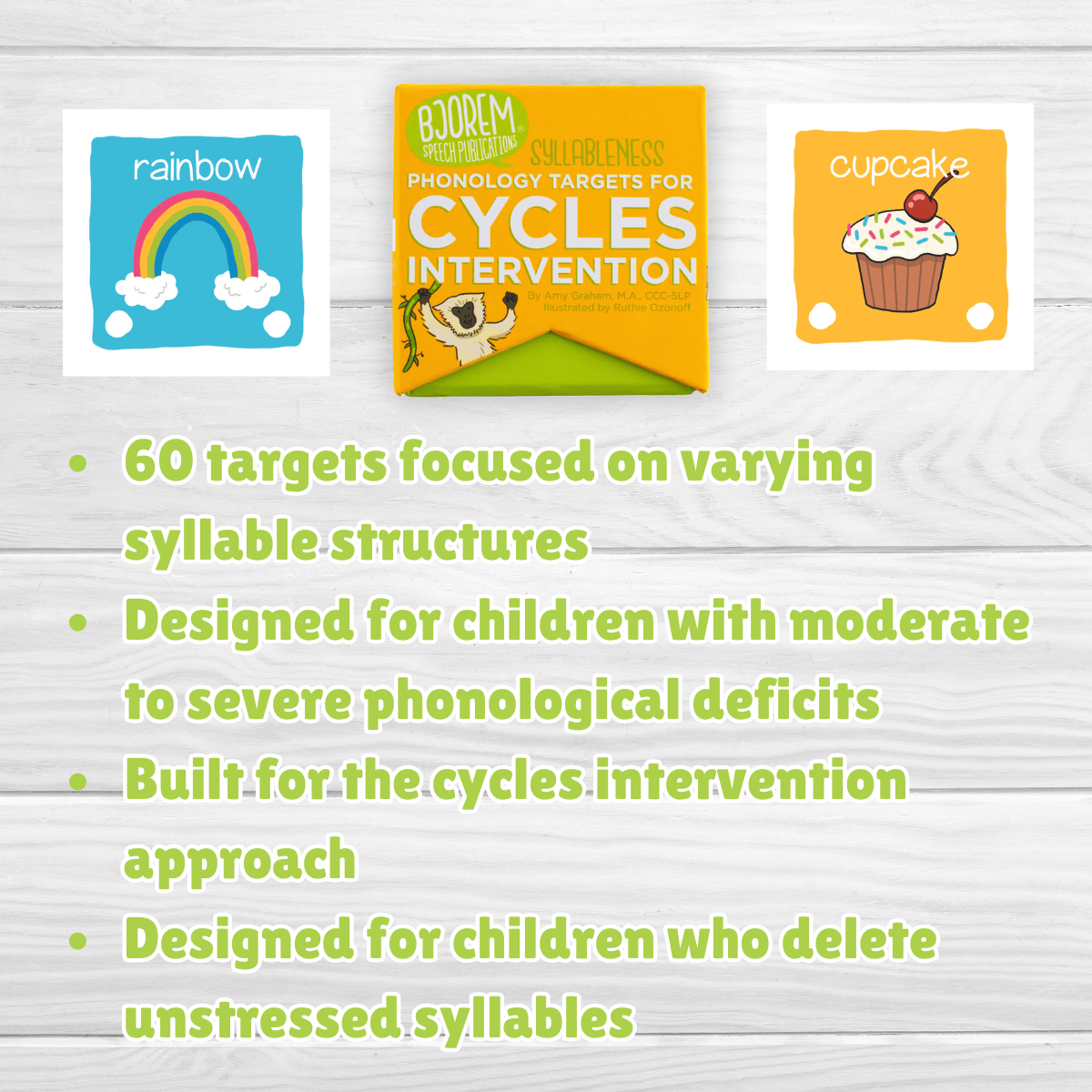
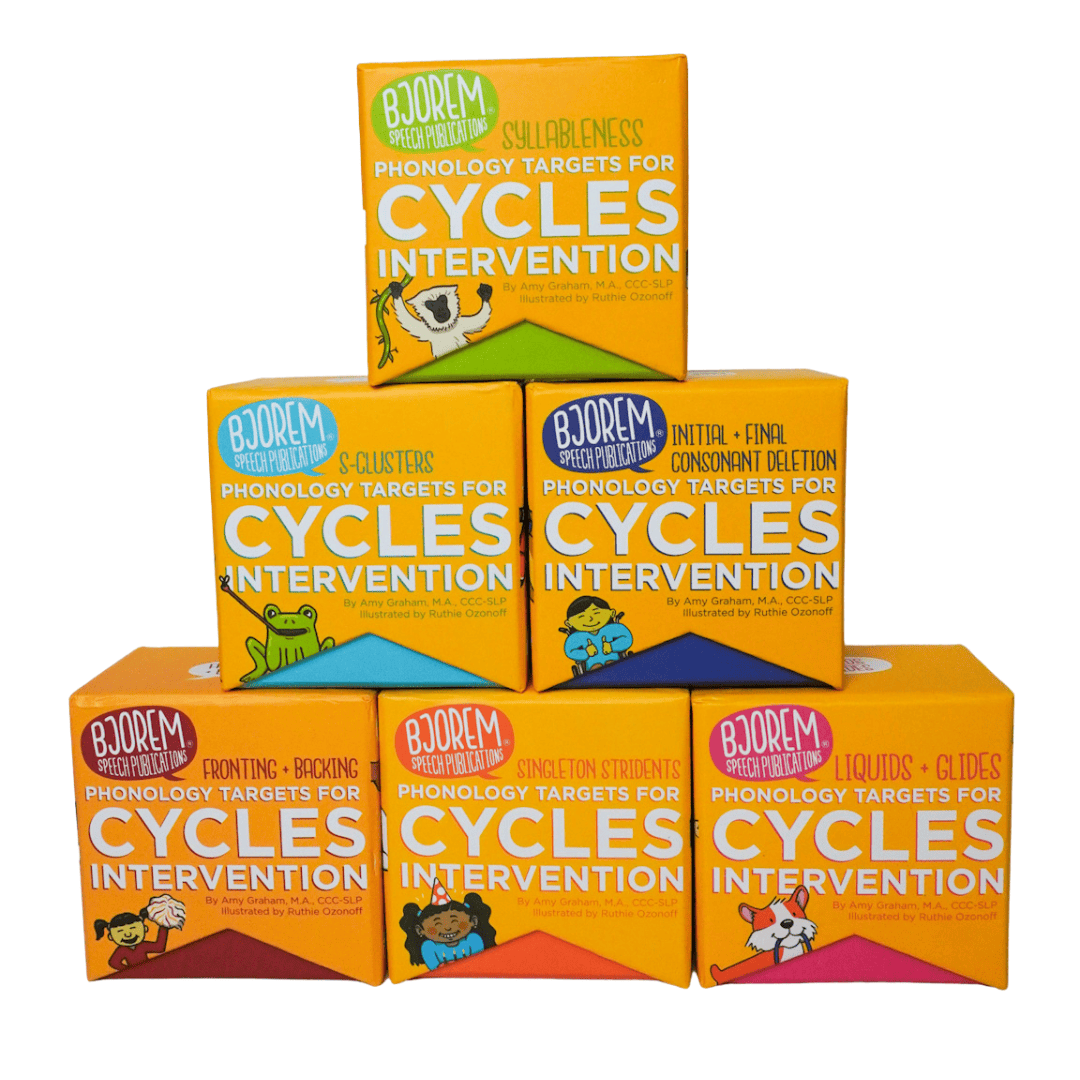
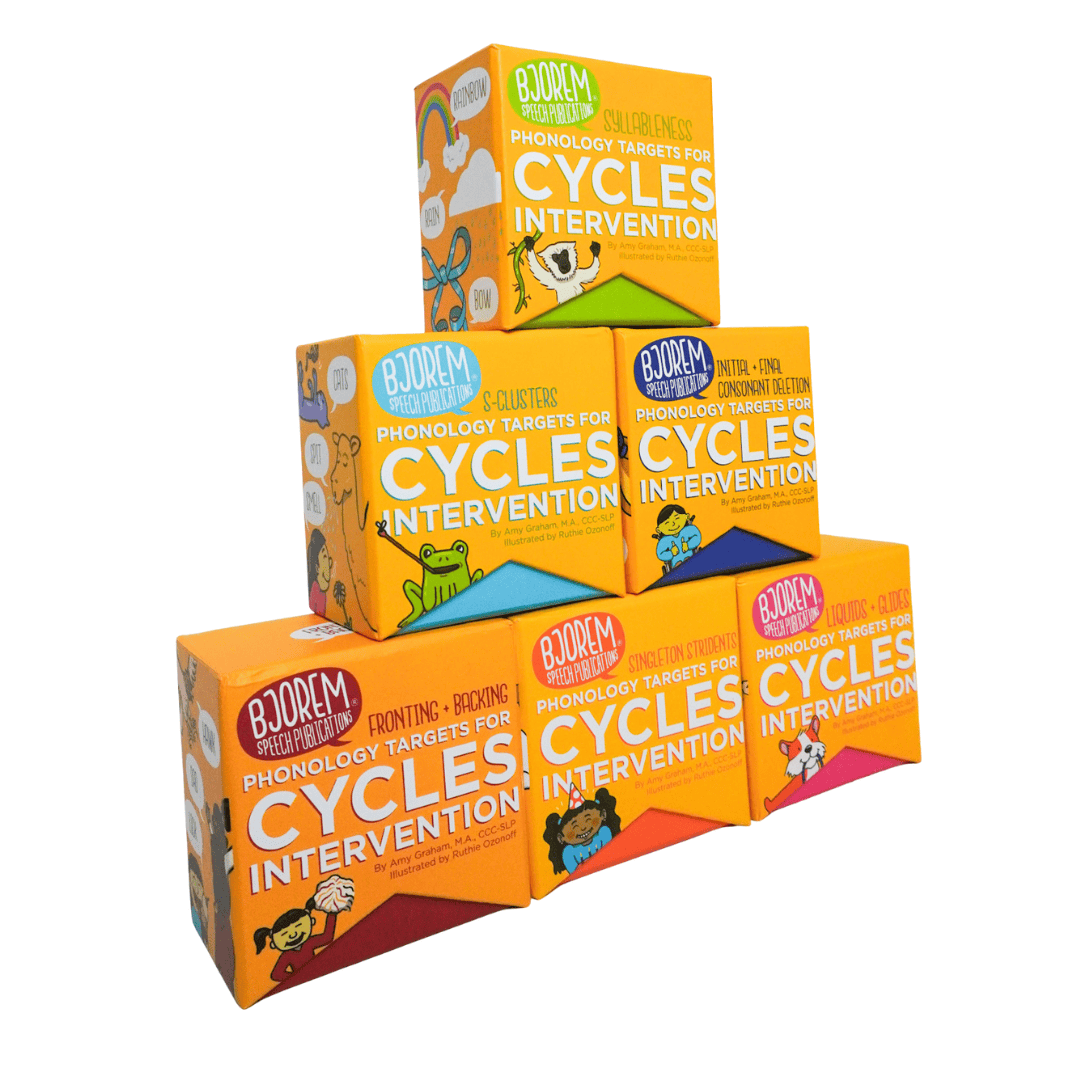
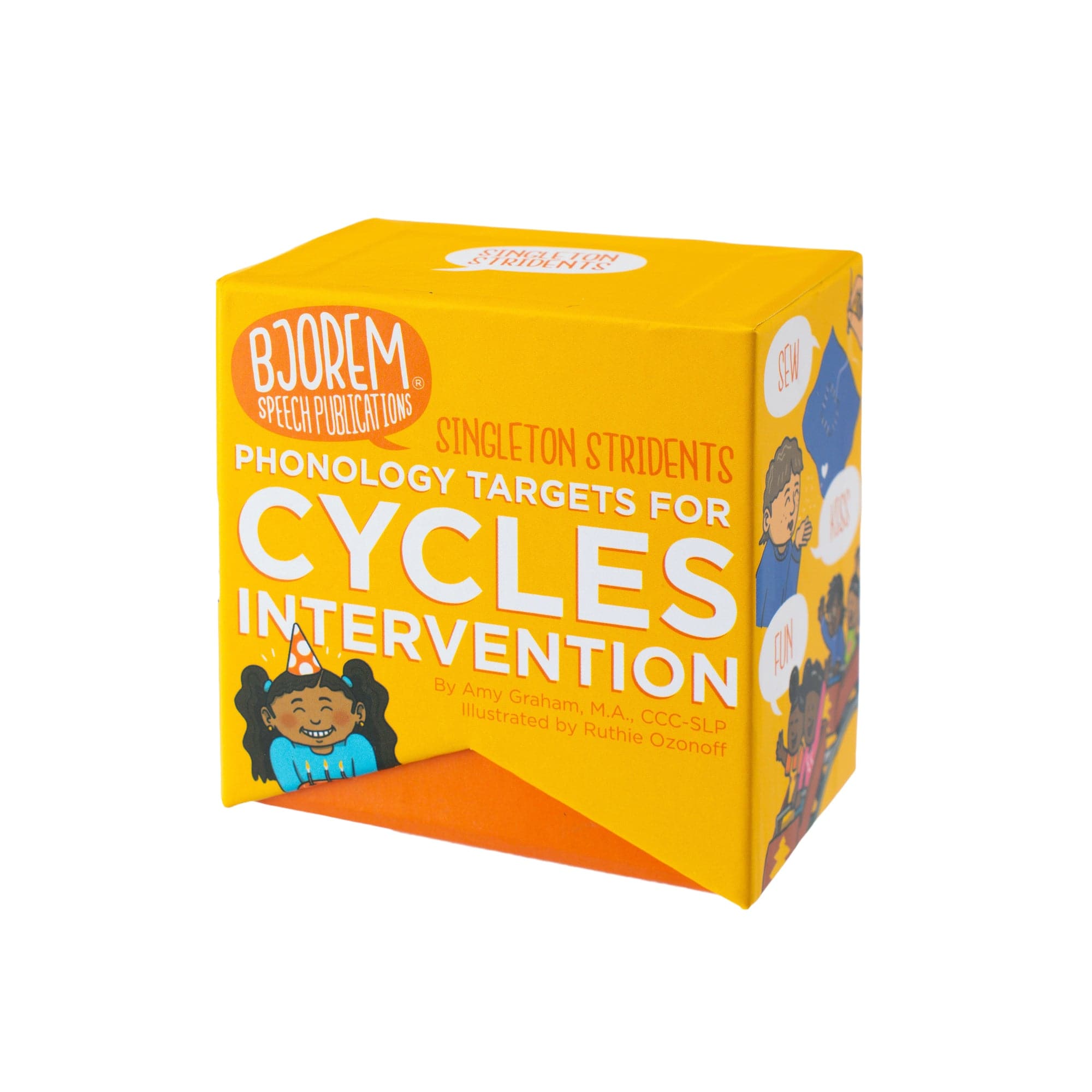
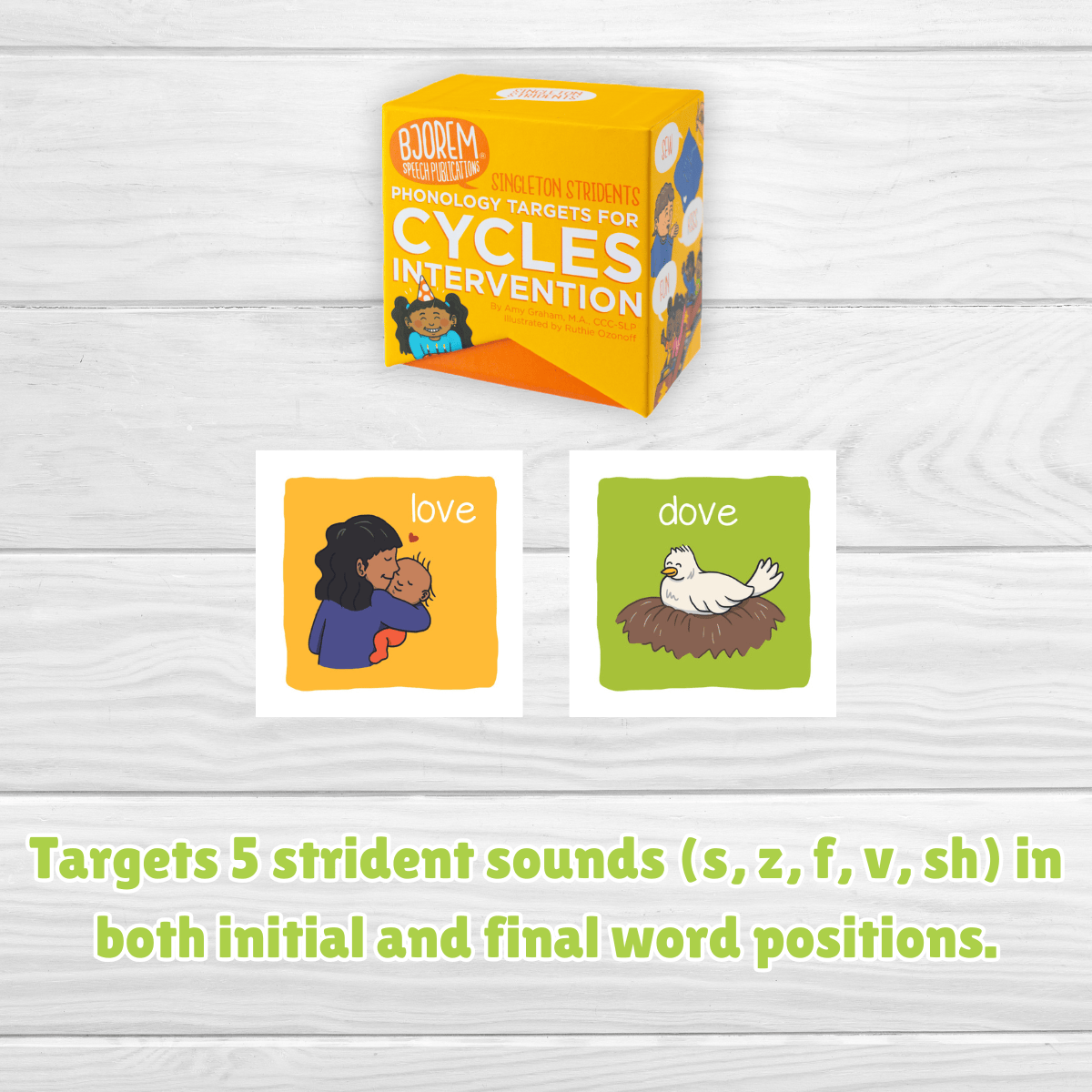
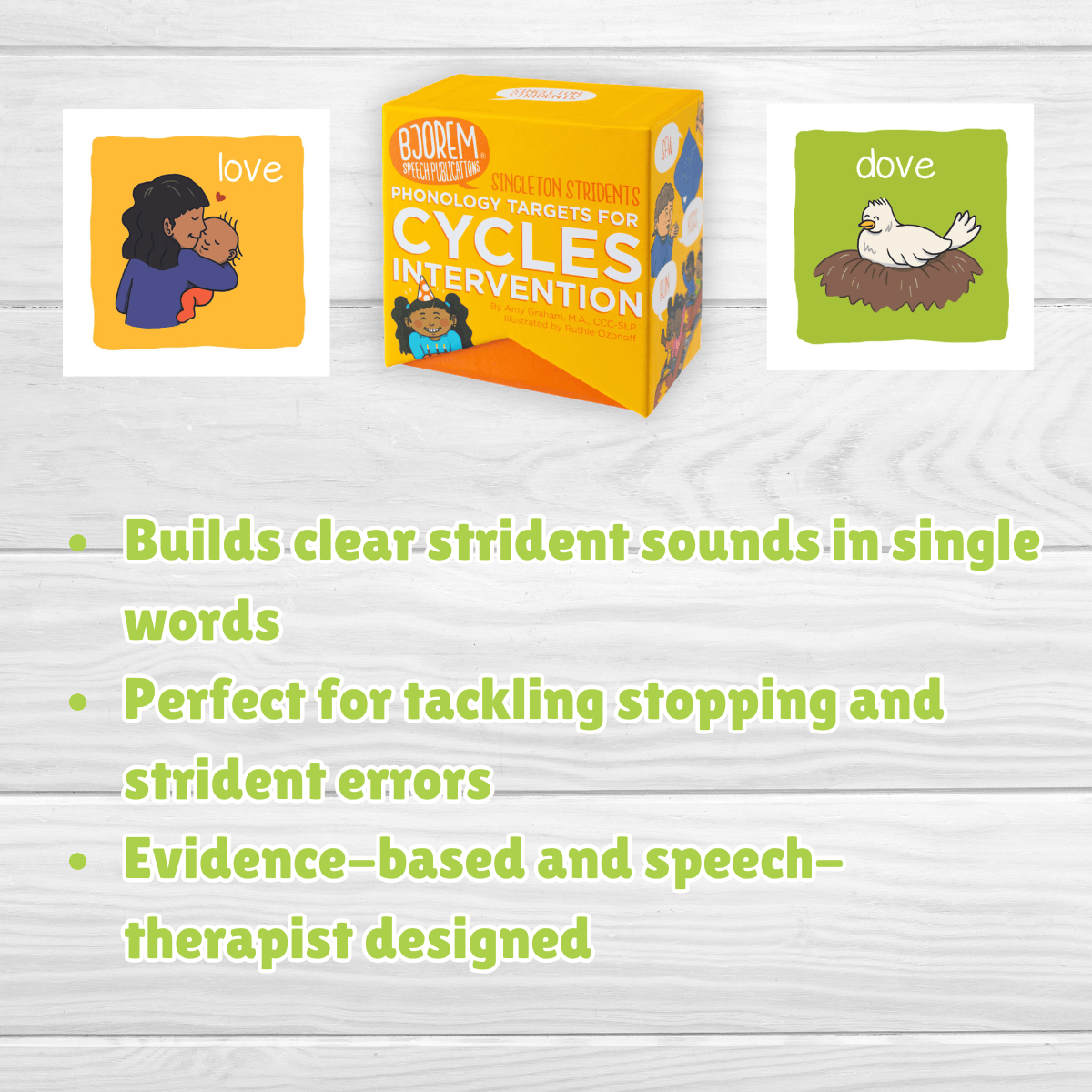
Cycles Intervention Bundle #1 Cycles Intervention Bundle #1 with 60 Phonology Targets Best Speech Language Therapy Tools

Cycles Intervention Bundle #1

Sale price$128.25Regular price $135.00
Image in .svg format (icon-star.svg)
Popular

Item

Cycles Intervention Bundle #2 Cycles Intervention Bundle #2 for Phonological Targets Best Speech Language Therapy Tools

Cycles Intervention Bundle #2

Sale price$128.25Regular price $135.00
Image in .svg format (icon-star.svg)
Popular

Item

Phonology

Watch Videos

Phonology
Bjorem Publications logo (purple)
Happy child playing, image 7C2633E0-CAB9-456B-BF53-2B775D00F79F

What It Is

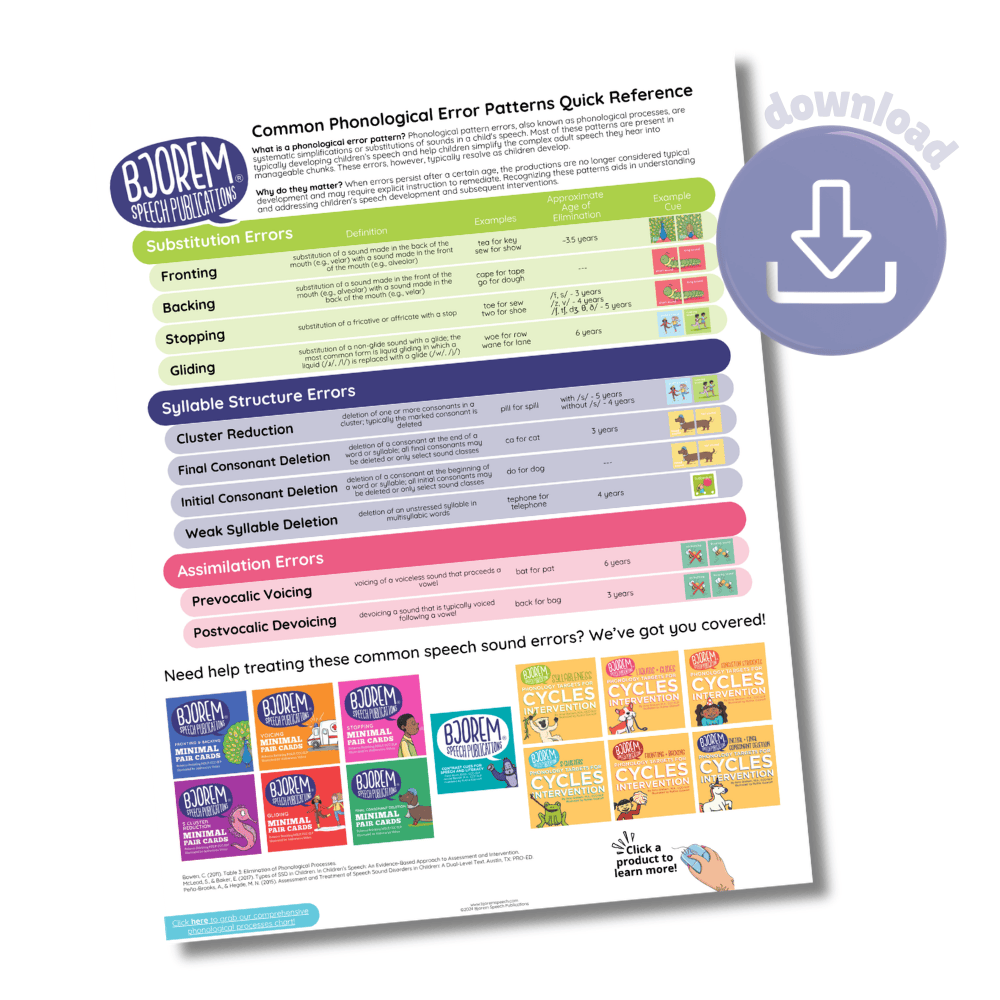
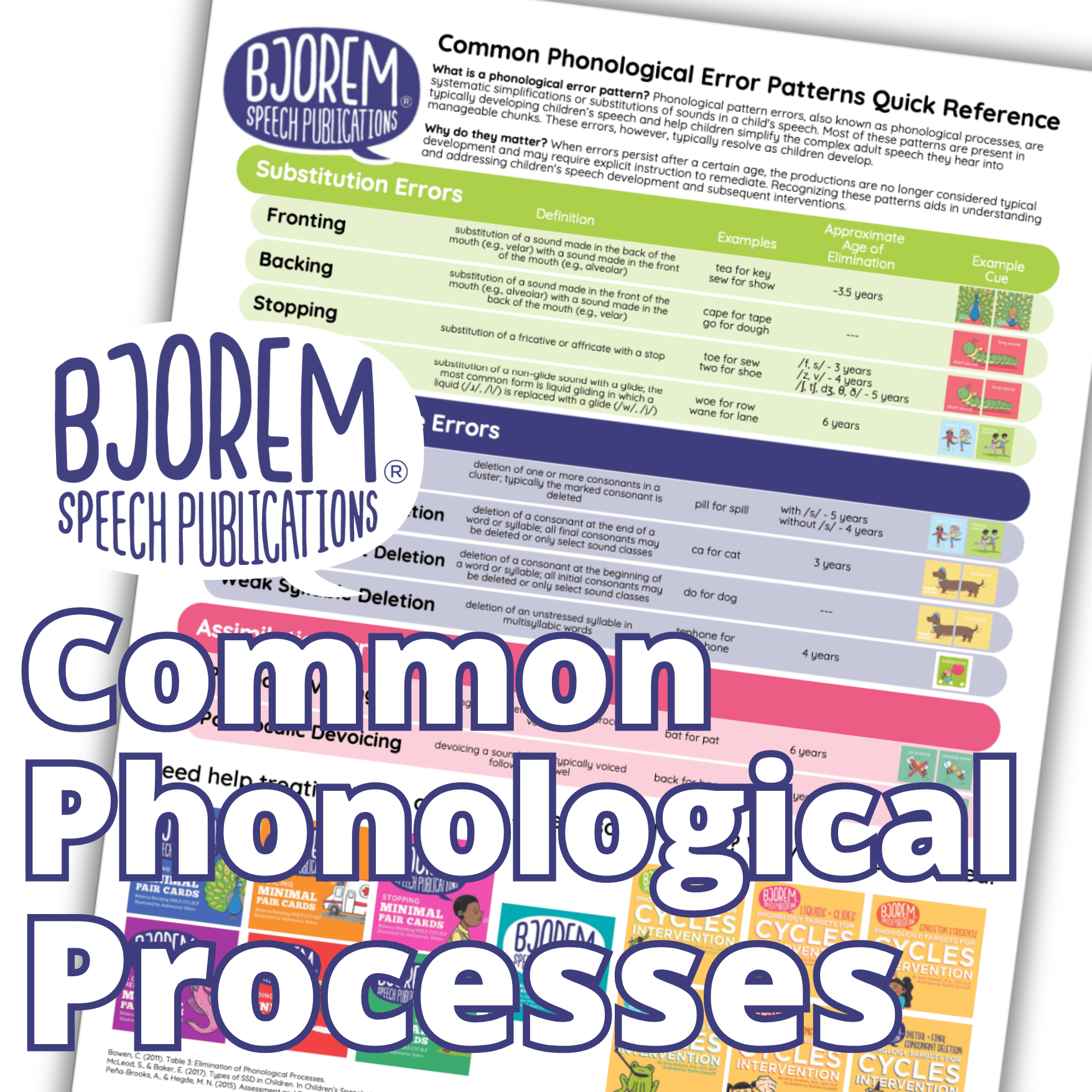
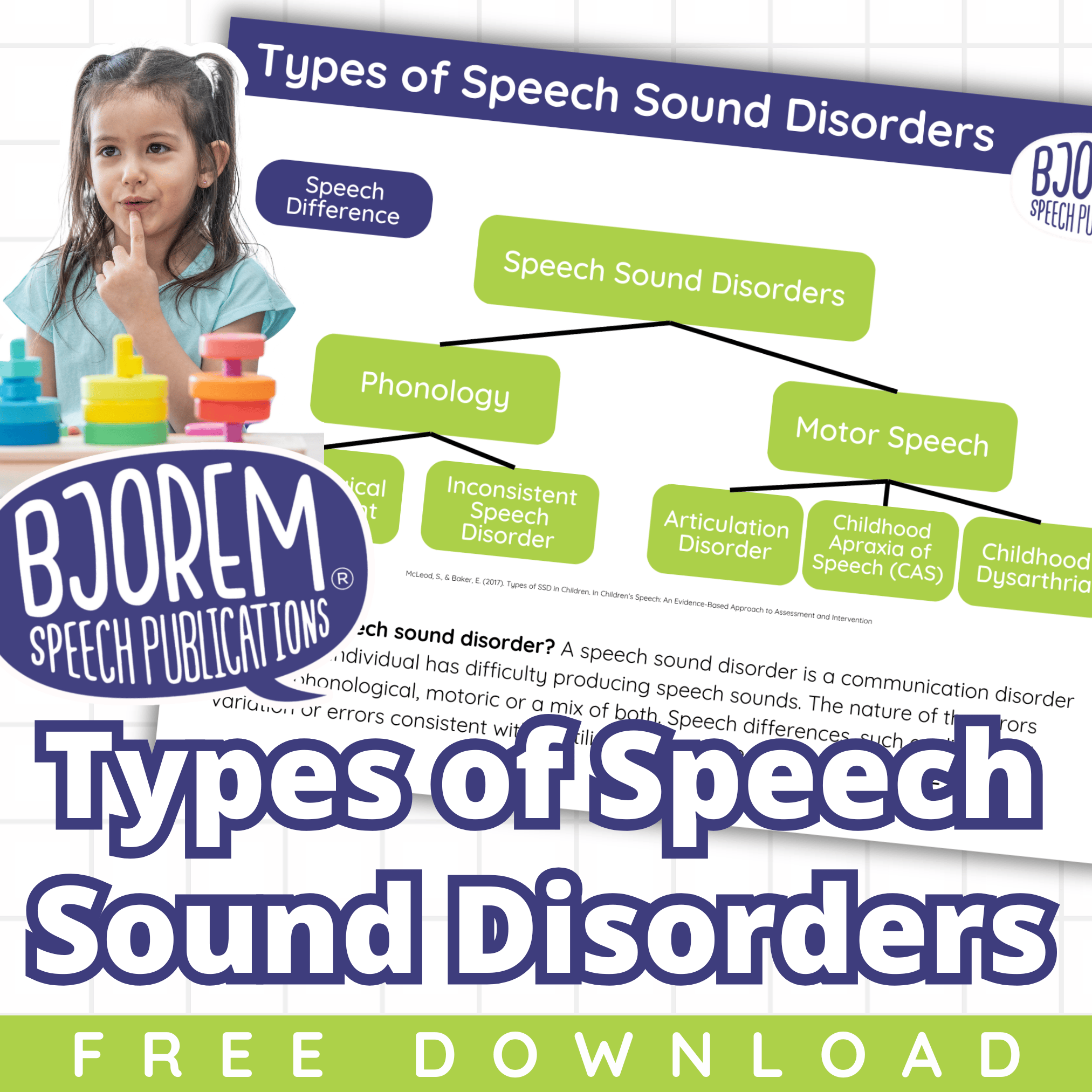
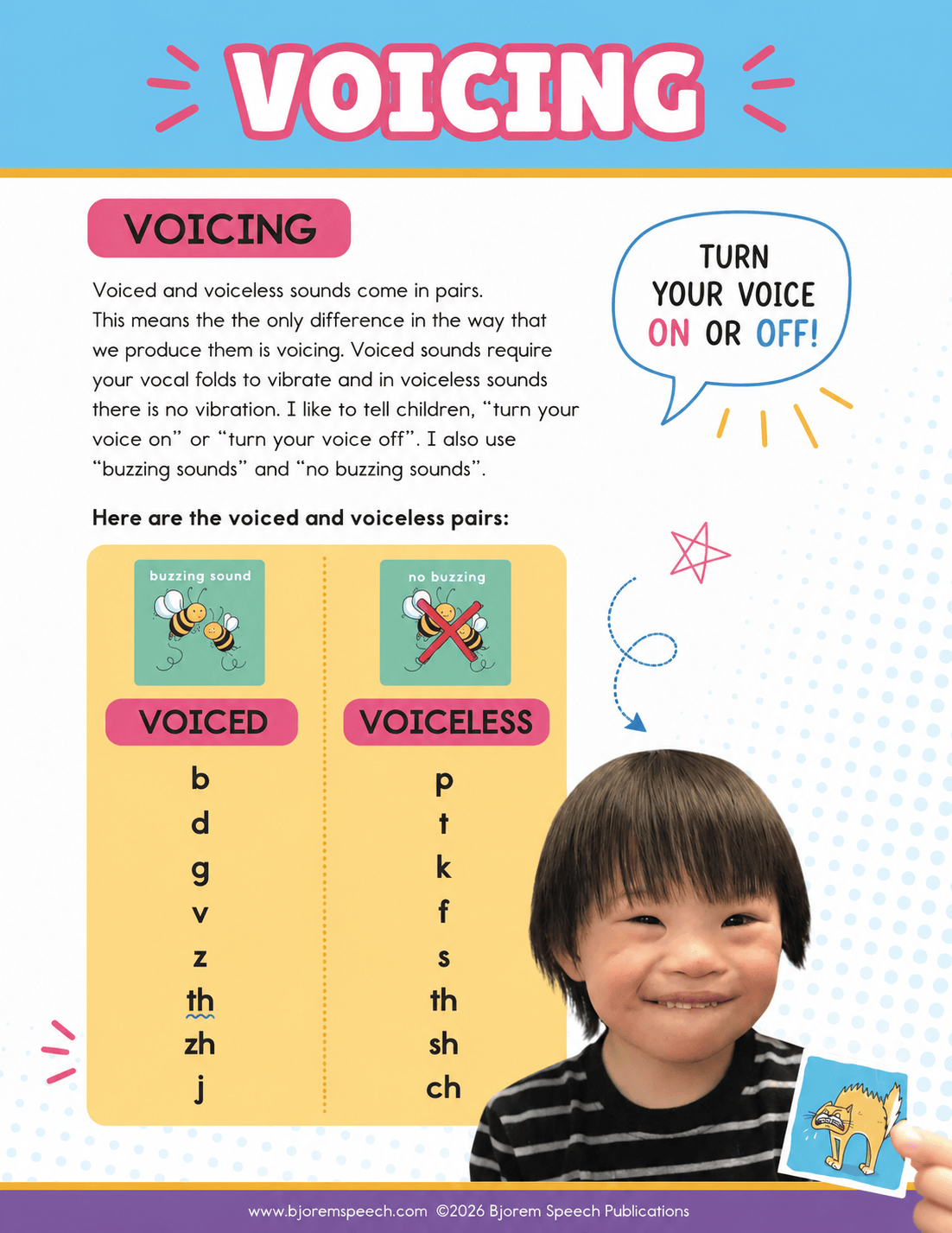
Phonology refers to the rules that govern the sound system of a language, including how speech sounds are organized, combined, and used for meaningful communication (ASHA, 2023a). A phonological disorder occurs when a child uses predictable patterns of sound errors that affect multiple sounds or classes of sounds, even if they can say individual sounds correctly in other contexts.

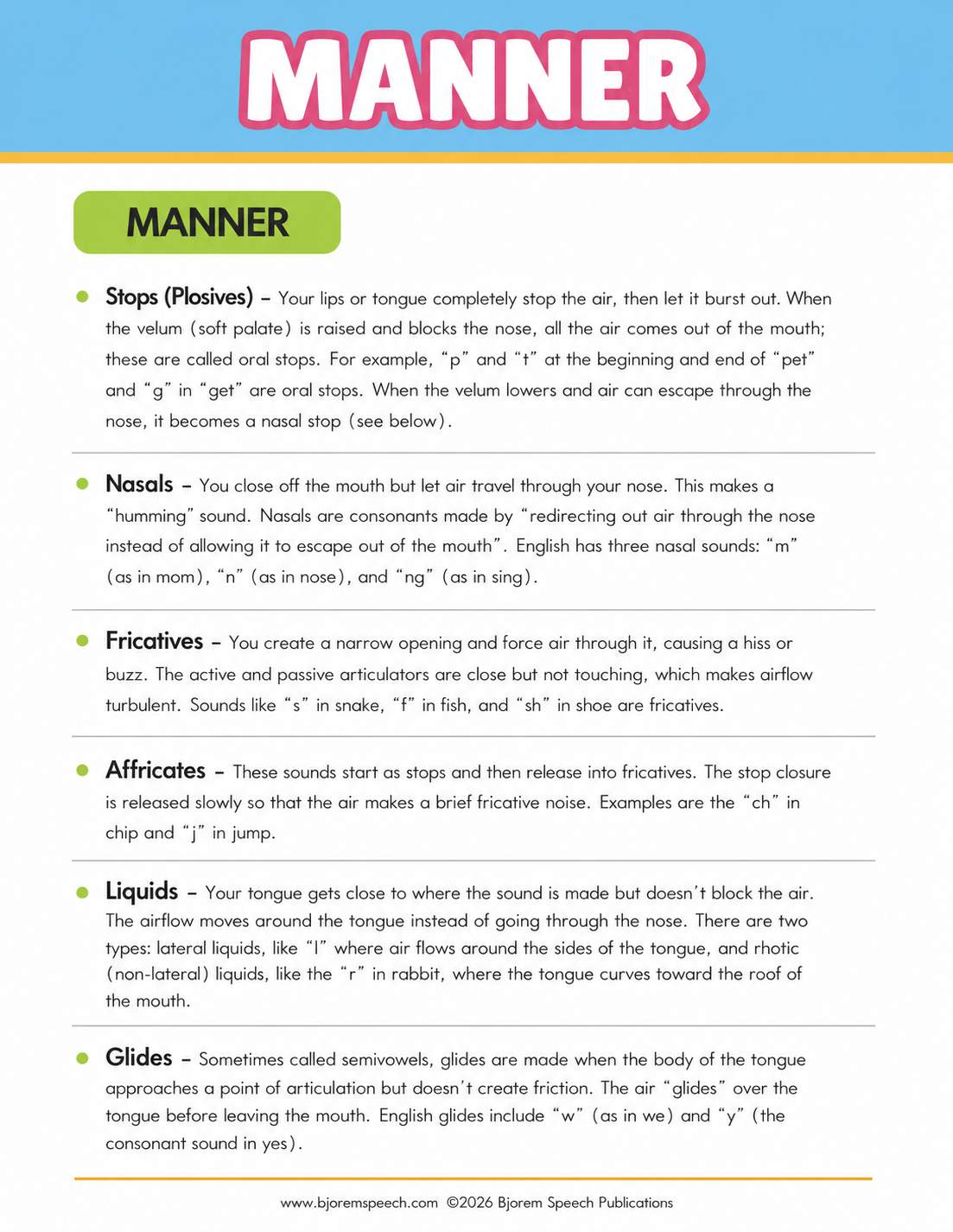
Examples of phonological patterns include:

  • Fronting – “tat” for “cat”
  • Stopping – “tun” for “sun”
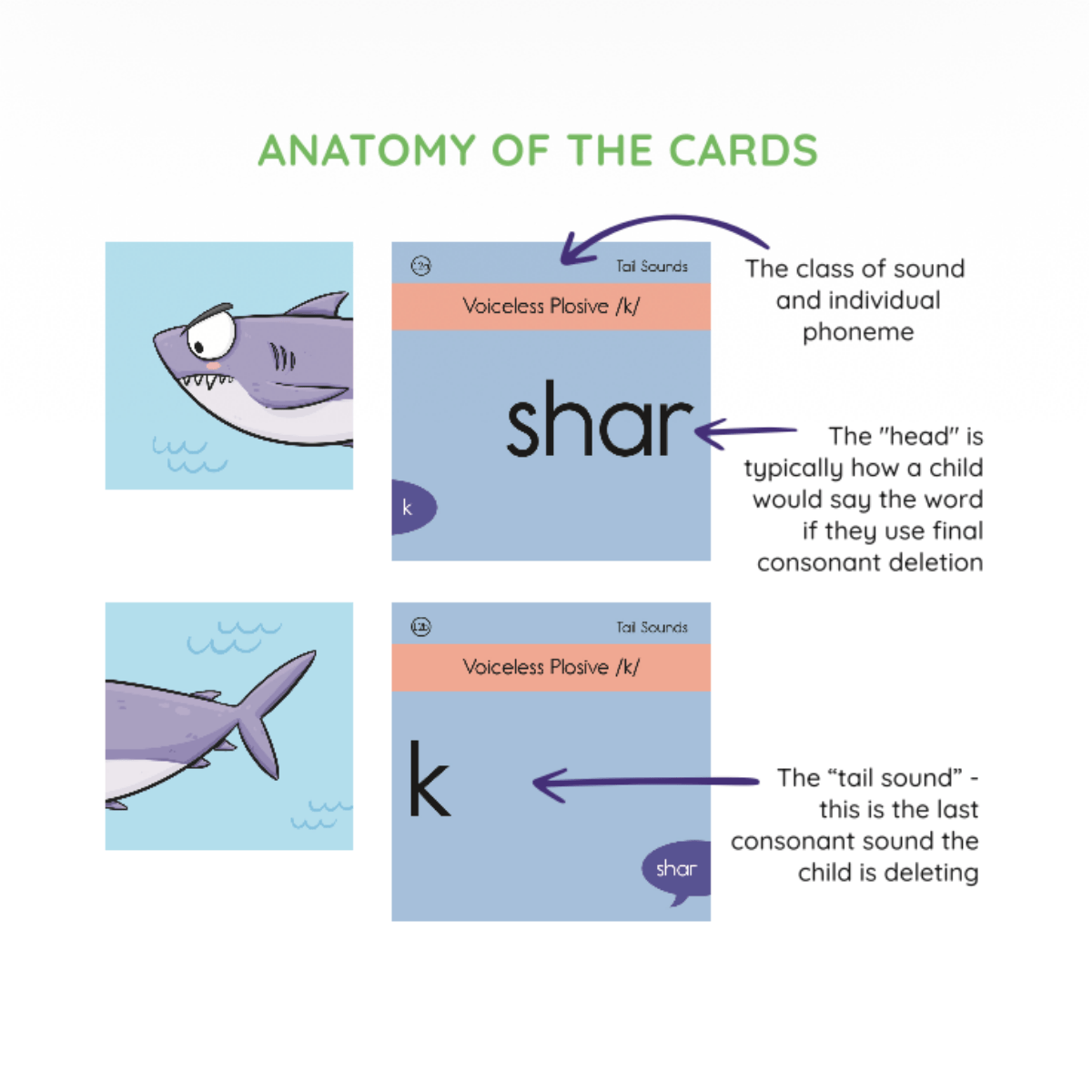
  • Final consonant deletion – “ca” for “cat”
  • Cluster reduction – “pane” for “plane”
  • Assimilation – “gog” for “dog”

Phonological disorders are not due to problems with physical sound production but rather with how sounds are used and understood within the language. These patterns are typically developmental but may persist beyond the expected age, reducing speech intelligibility and affecting phonemic awareness and early literacy skills (ASHA, 2023a).

Image in unsupported format format (IMG_5229_d9ccfd49-fb8c-43af-8df7-4d8a3c40ff9c.heic)

Identifying Issues

Phonological disorders can be harder to recognize at first because the child may be able to produce individual sounds correctly but use them incorrectly across words due to consistent error patterns. These patterns, such as leaving off final sounds or replacing groups of sounds with a single sound, can make a child’s speech difficult to understand. Unlike articulation errors, which affect individual sounds, phonological processes impact how sounds function together in a language system. Children with phonological disorders often demonstrate reduced speech intelligibility and may have difficulty developing early literacy skills. An SLP can evaluate the presence, type, and frequency of these patterns and determine if they are developmental or in need of therapy (ASHA, 2023).

Image in unsupported format format (IMG_3868.heic)

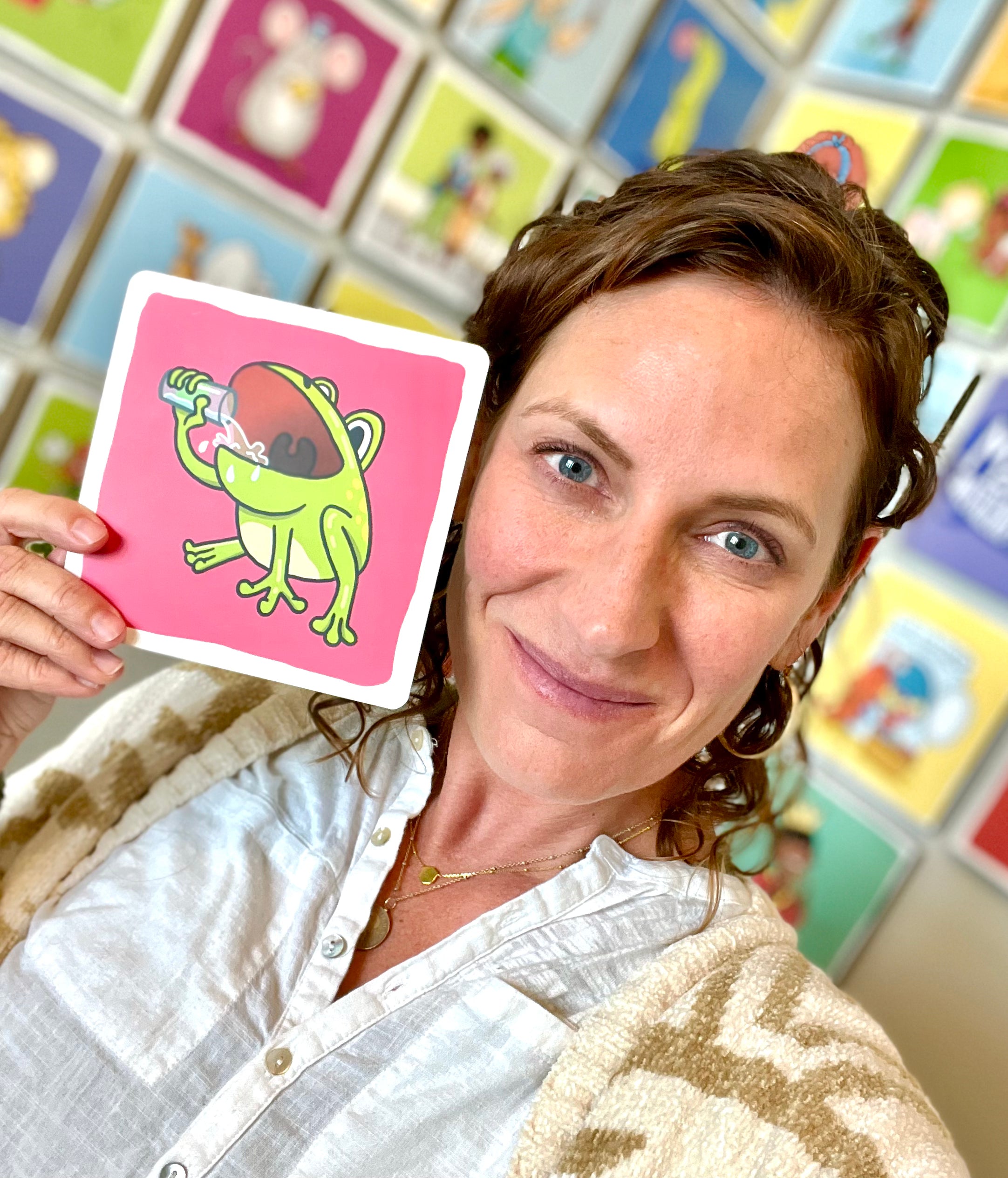
How We Can Help

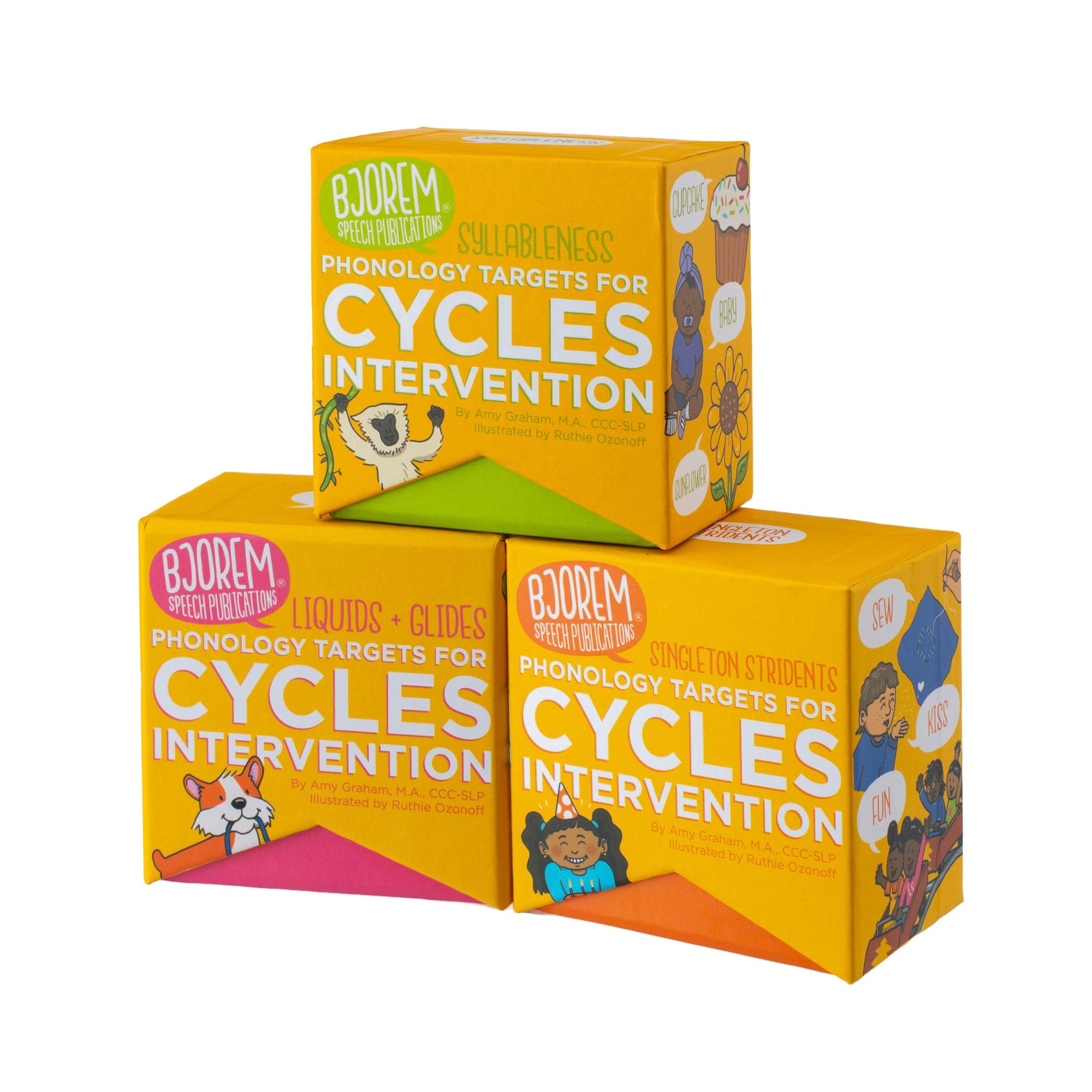
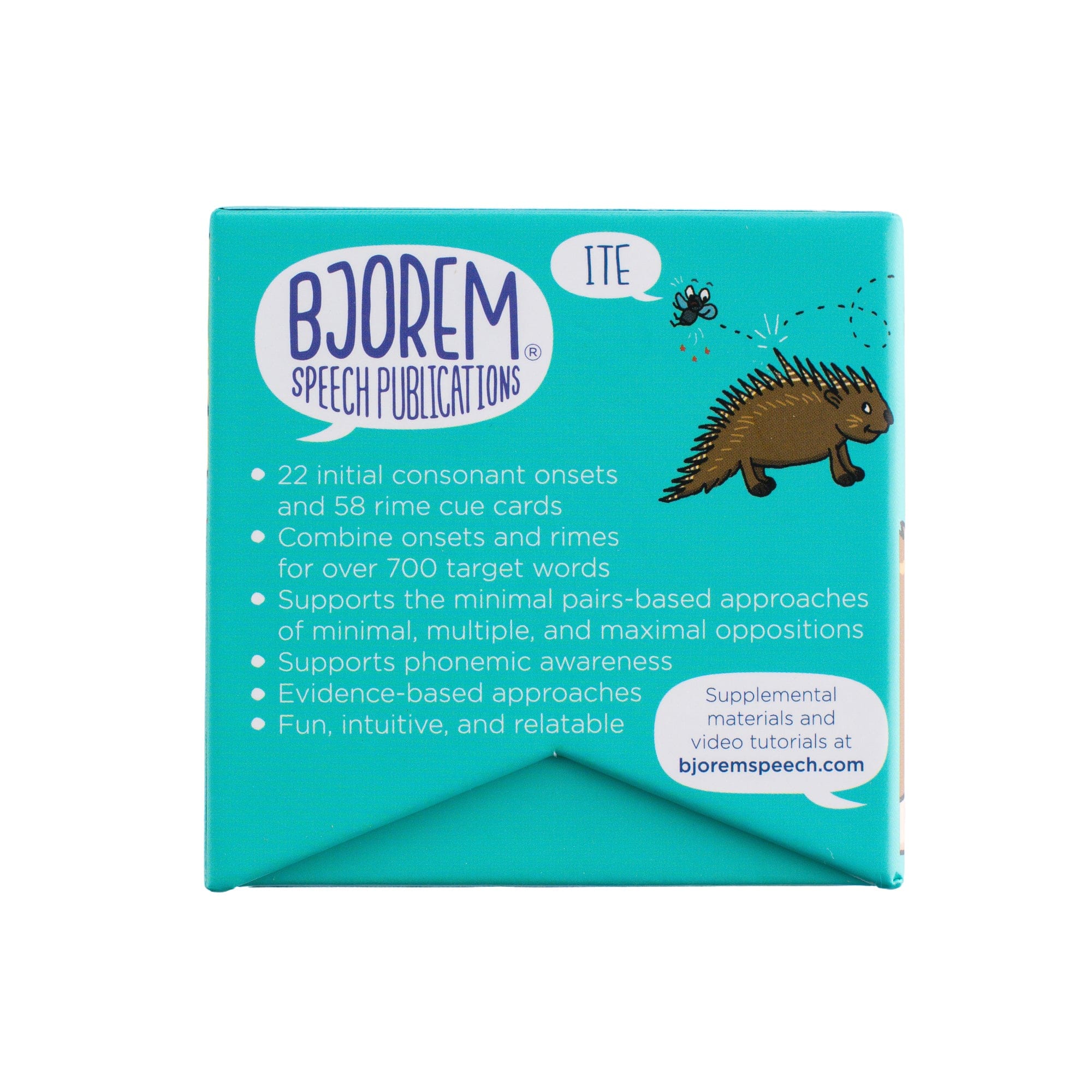
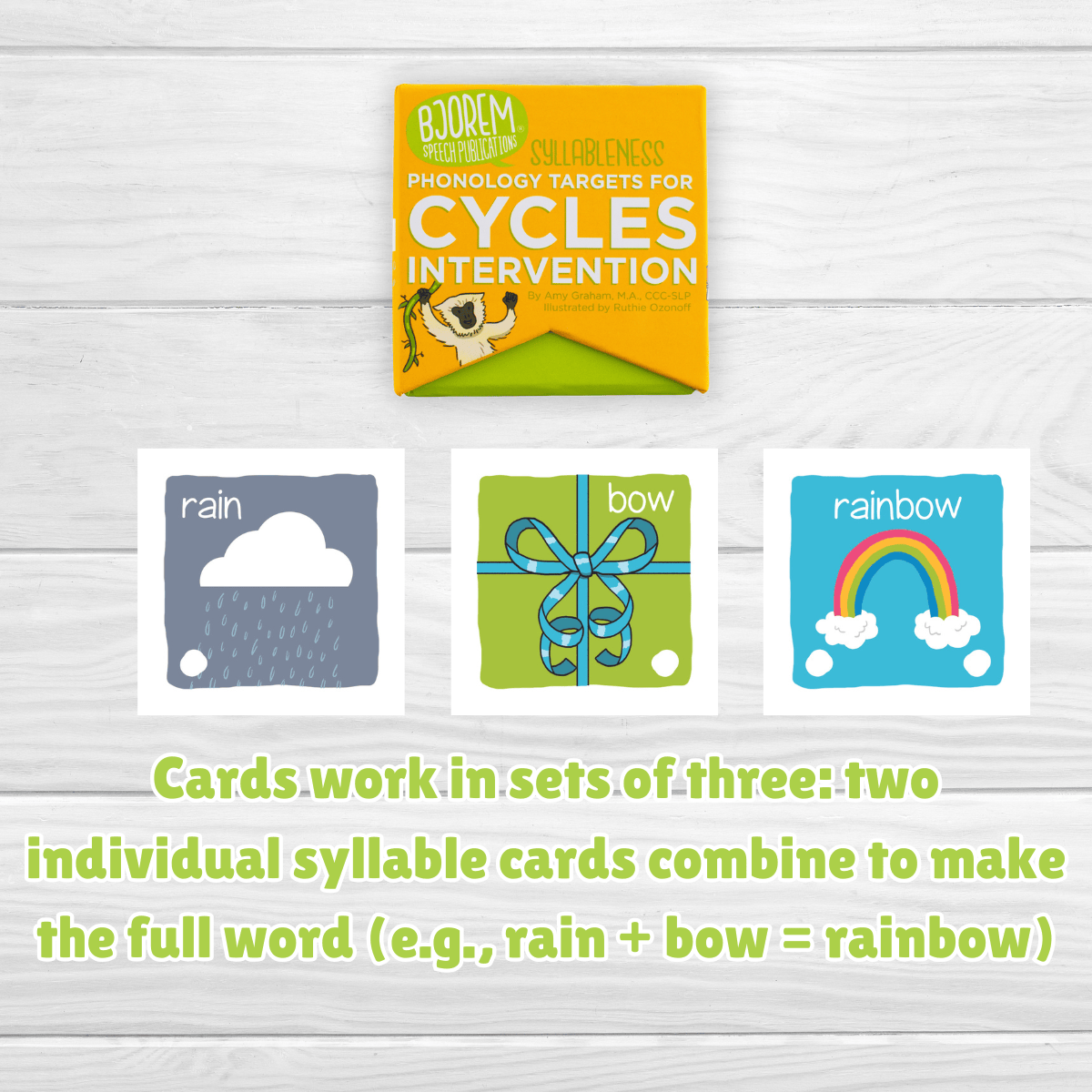
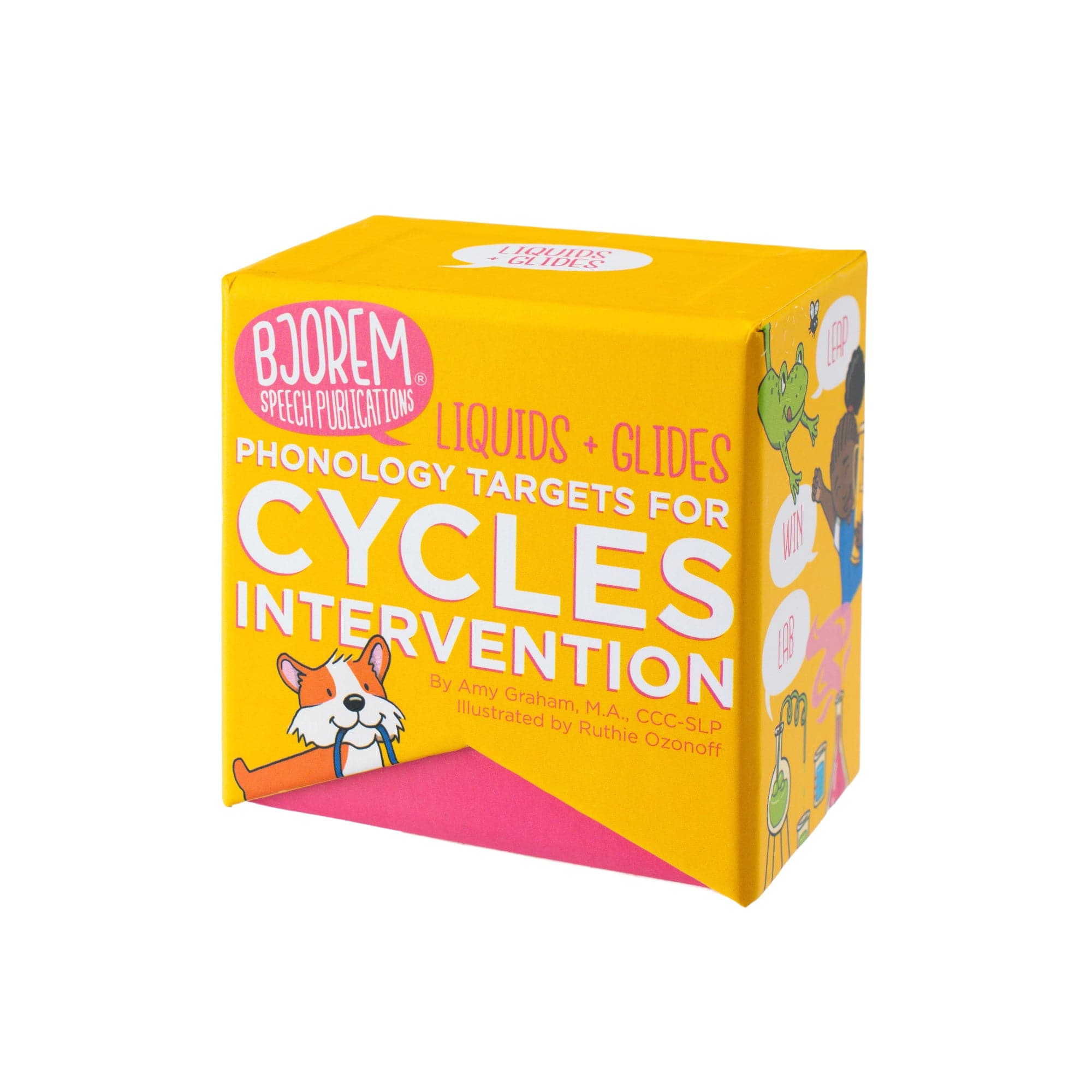
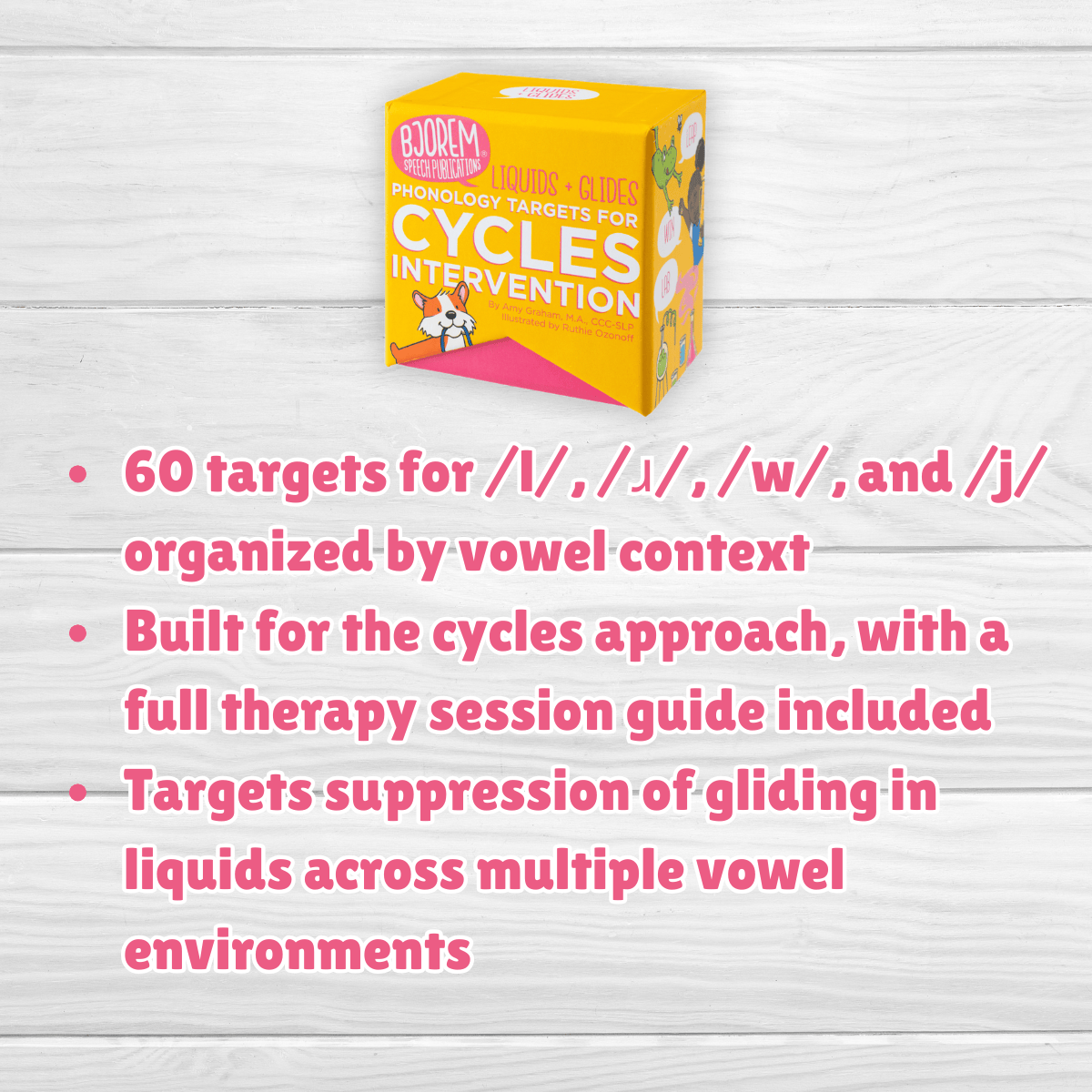
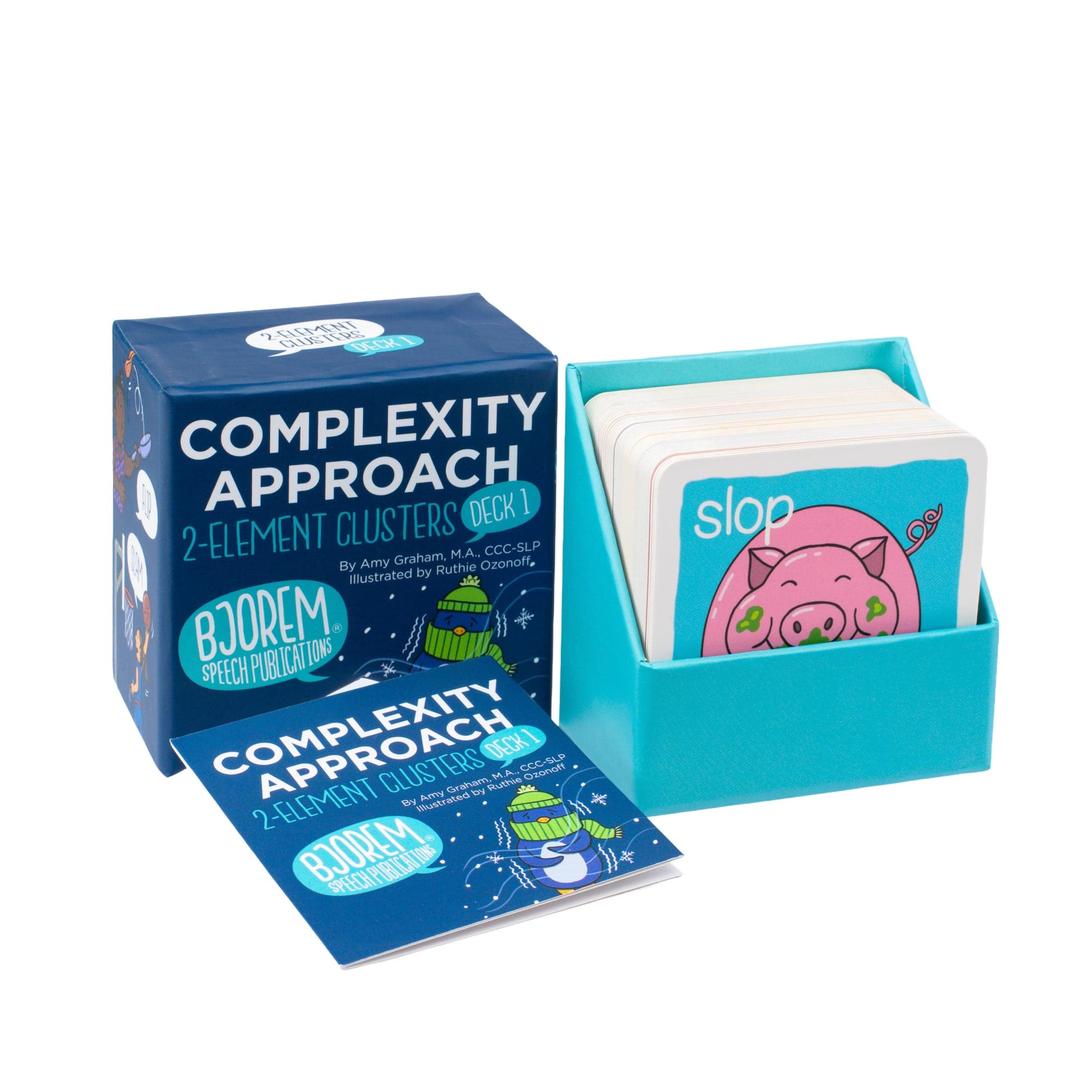
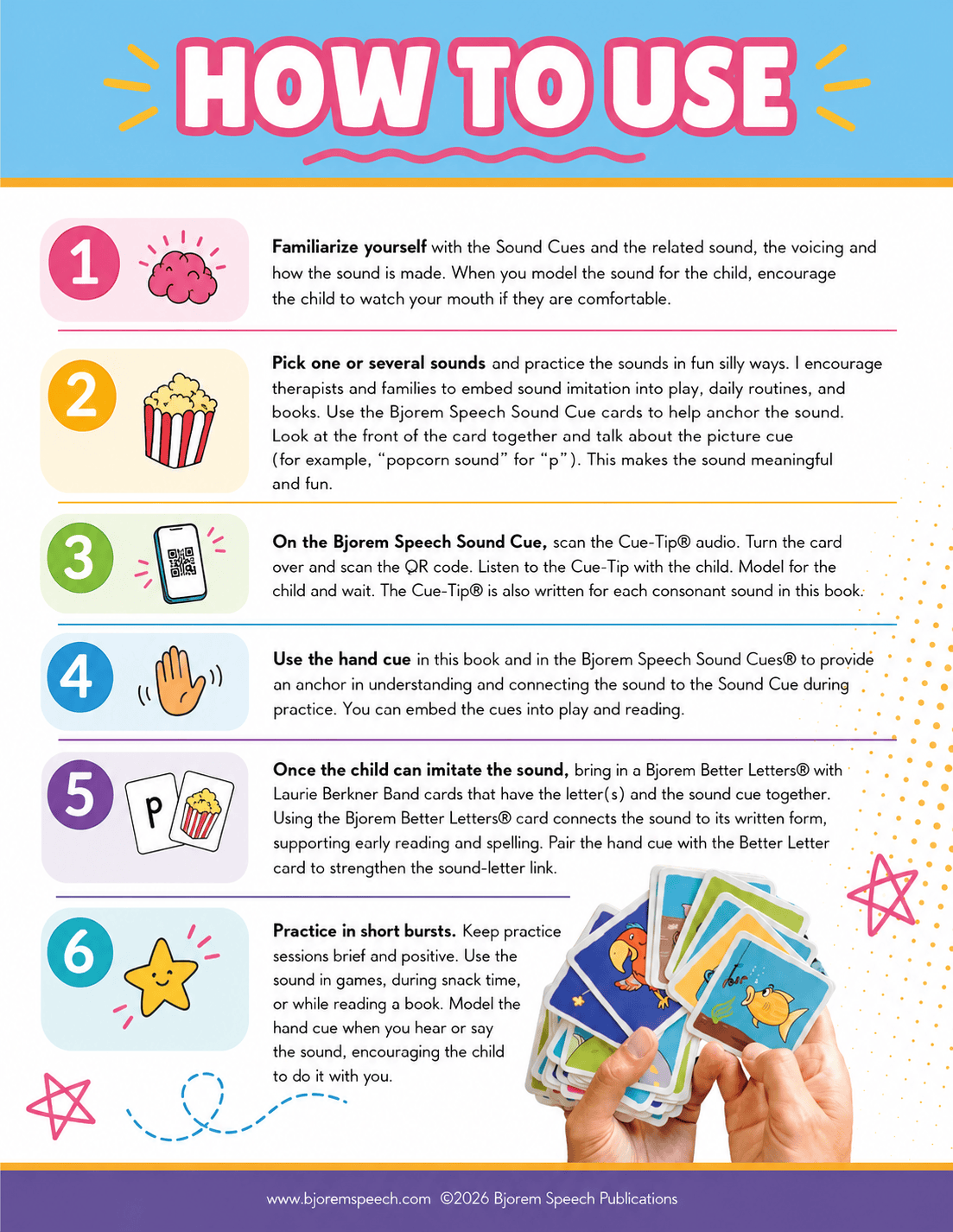
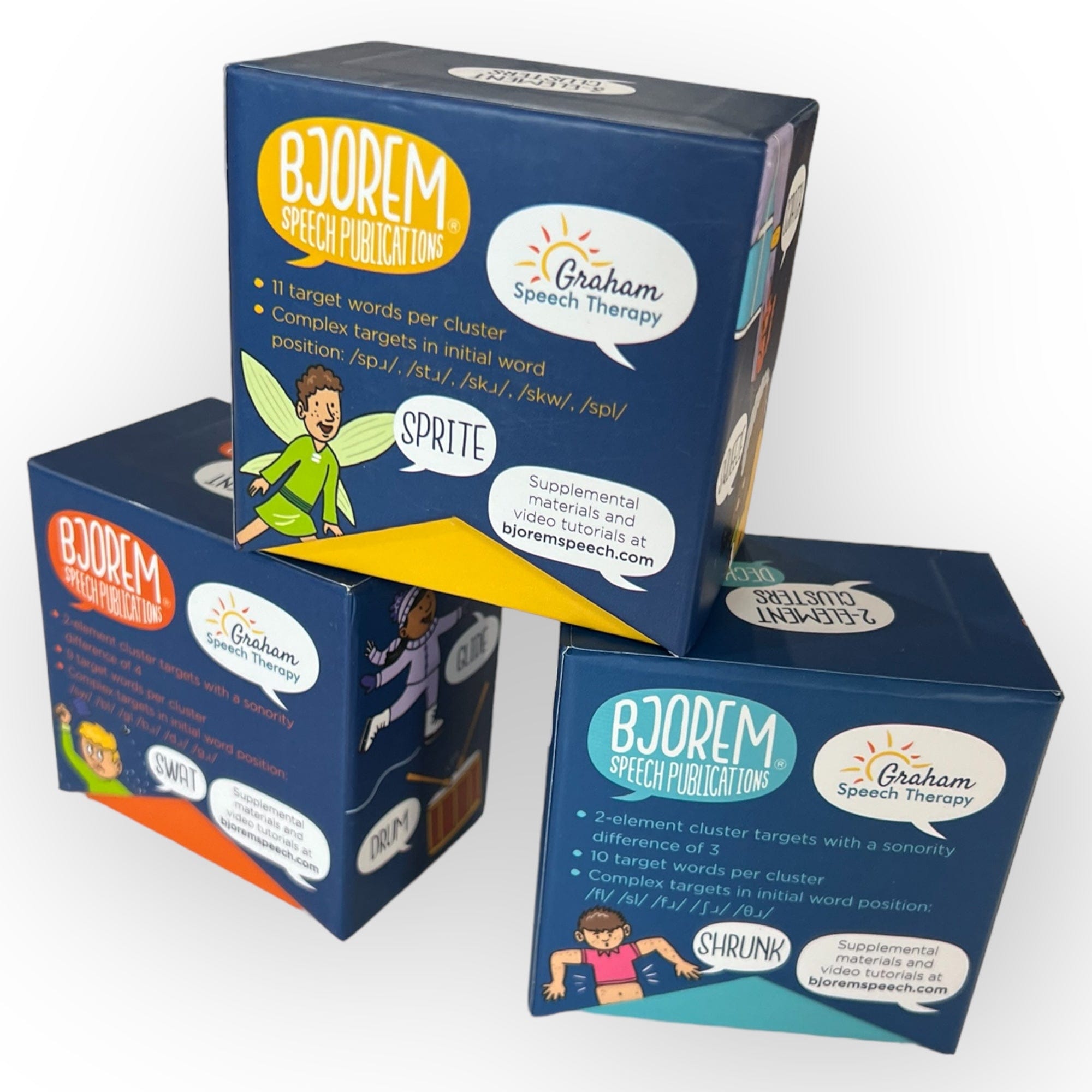
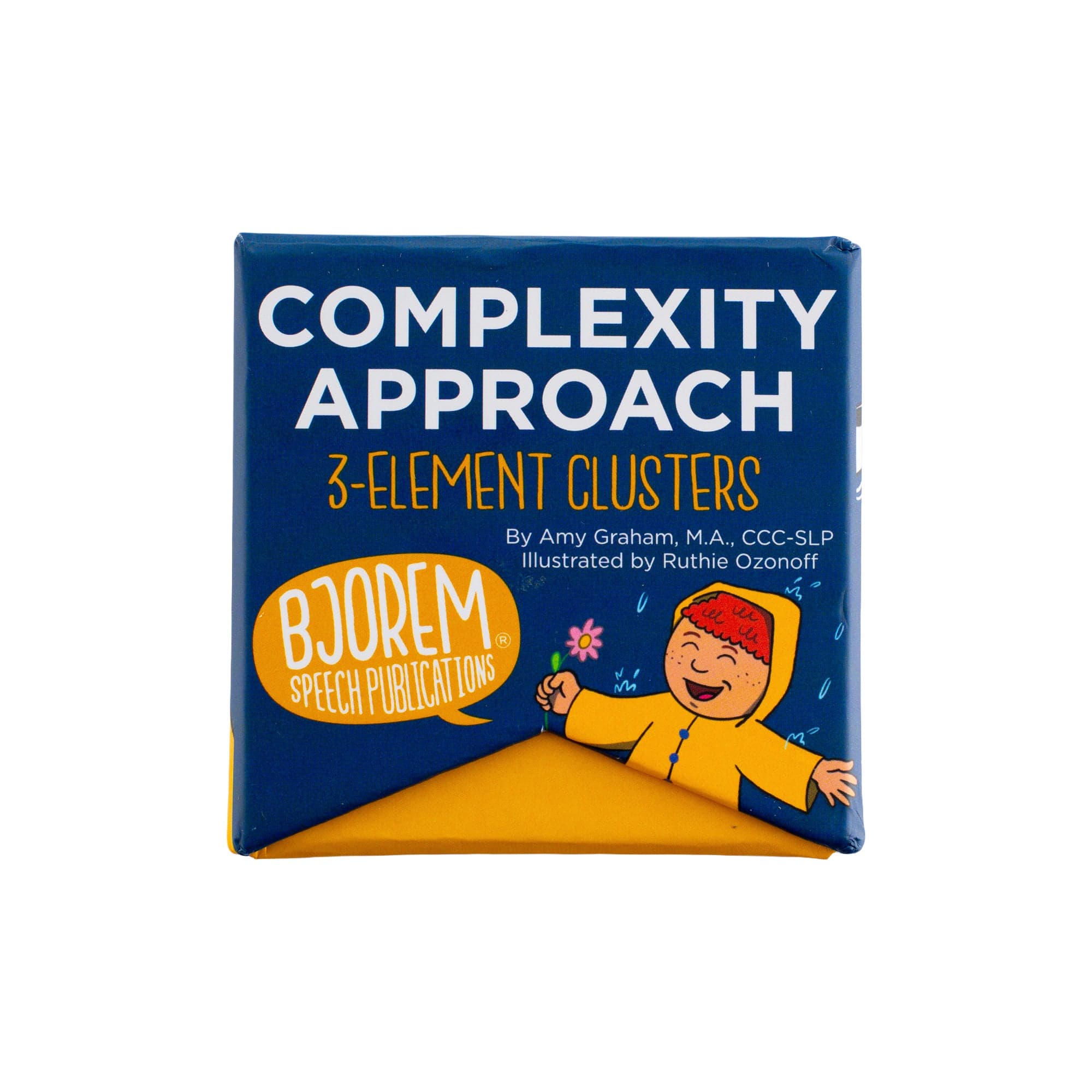
Bjorem Speech® offers a wide range of phonology-based products to help children build stronger sound systems. Our tools use evidence-based approaches like Minimal Pairs, Cycles Intervention, and Complexity to make learning interactive, functional, and fun.

Whether you're just getting started or looking to deepen your intervention, you’ll find resources to meet children where they are, and move them forward.

Start Shopping
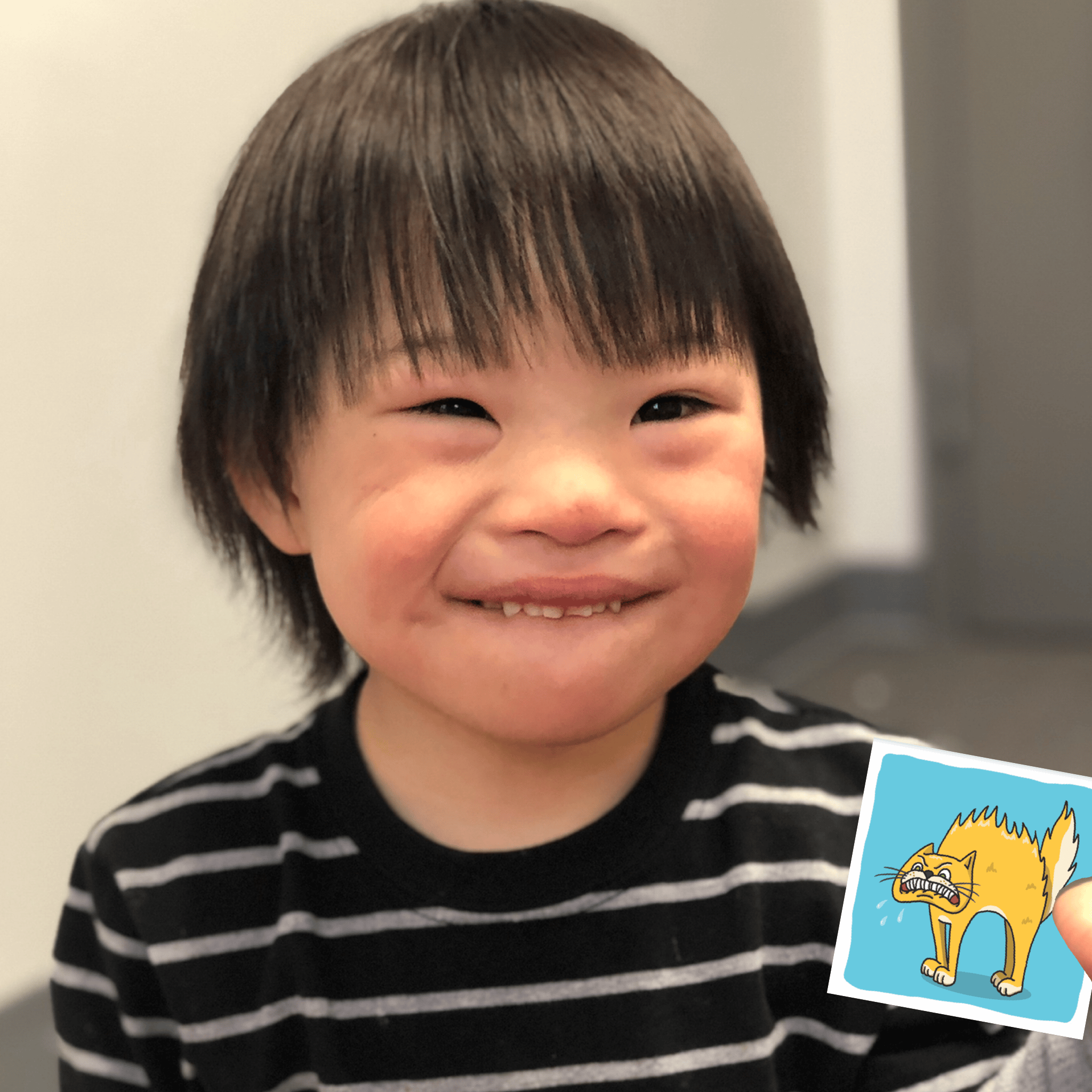
Smiling child with short dark hair and a cartoon cat image.

The Research