Bjorem® Language Processing Hierarchy Series

Explore Resources

Select a category below to begin:

Products & Tools

Research

Language Processing Hierarchy Series
Bjorem Publications logo (purple)

What It Is

The Language Processing Hierarchy (LPH) is a framework for understanding how language skills build and interact.

At the bottom of the hierarchy are more concrete language skills — skills that are observable, literal, and grounded in direct meaning. These skills require less cognitive flexibility and serve as the foundation for all higher-level language tasks.

As students move up the hierarchy:

  • Language becomes less concrete and more abstract
  • The demand for cognitive flexibility increases
  • Students are expected to shift meanings, make connections, and reason about language in deeper ways

Higher-level language skills depend on the strength of the foundational skills below them. The Language Processing Hierarchy focuses the following language skills to develop that strong foundation:

  • Labeling
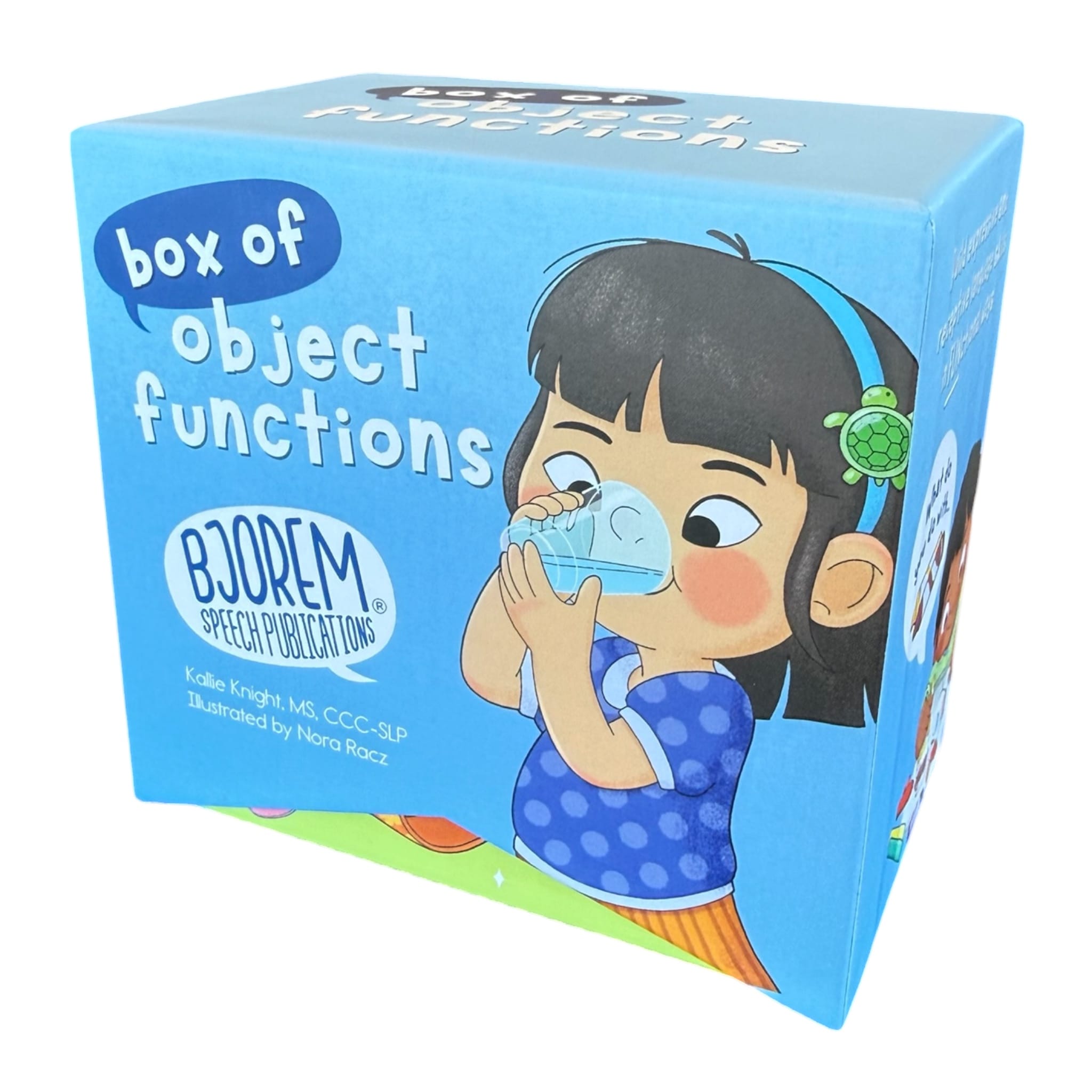
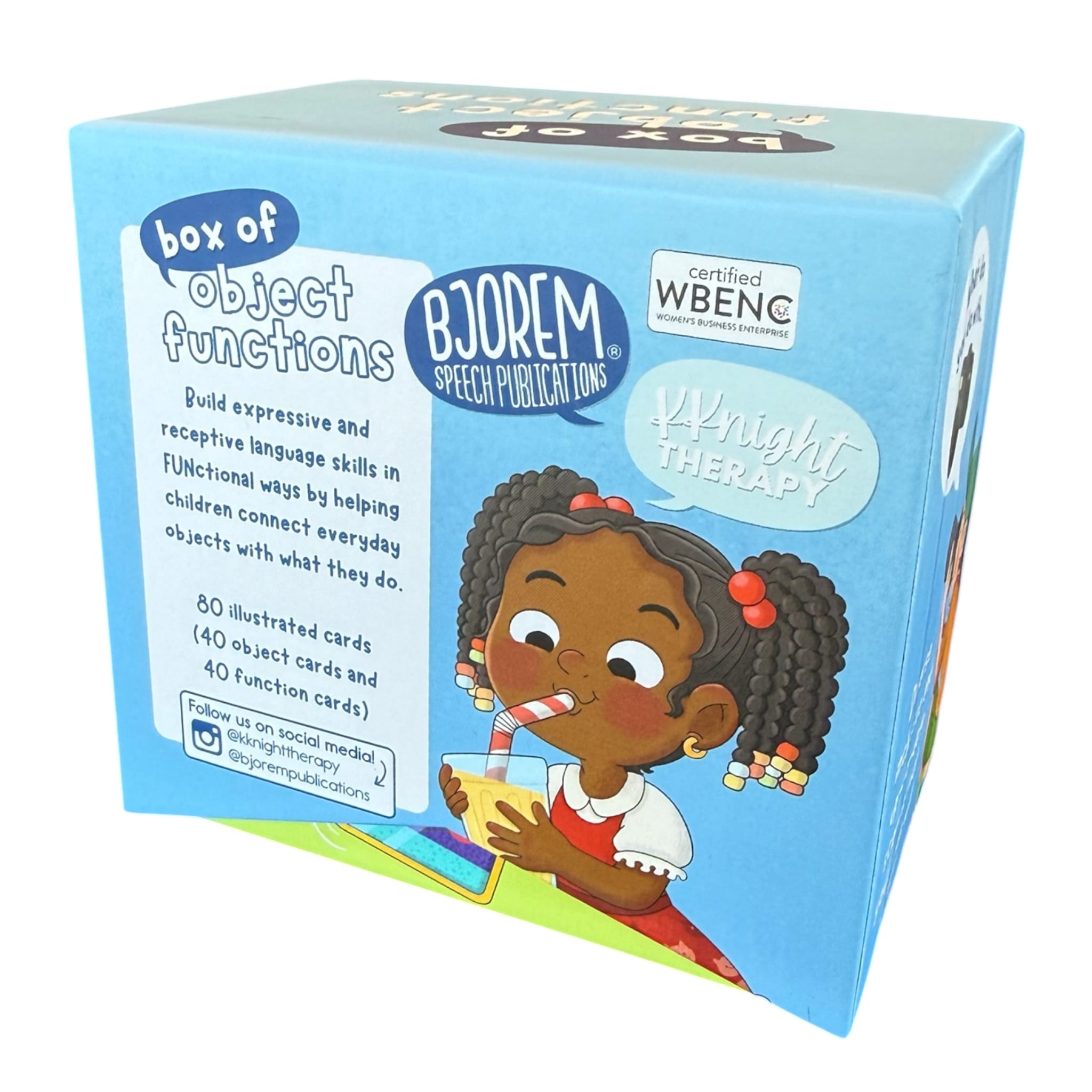
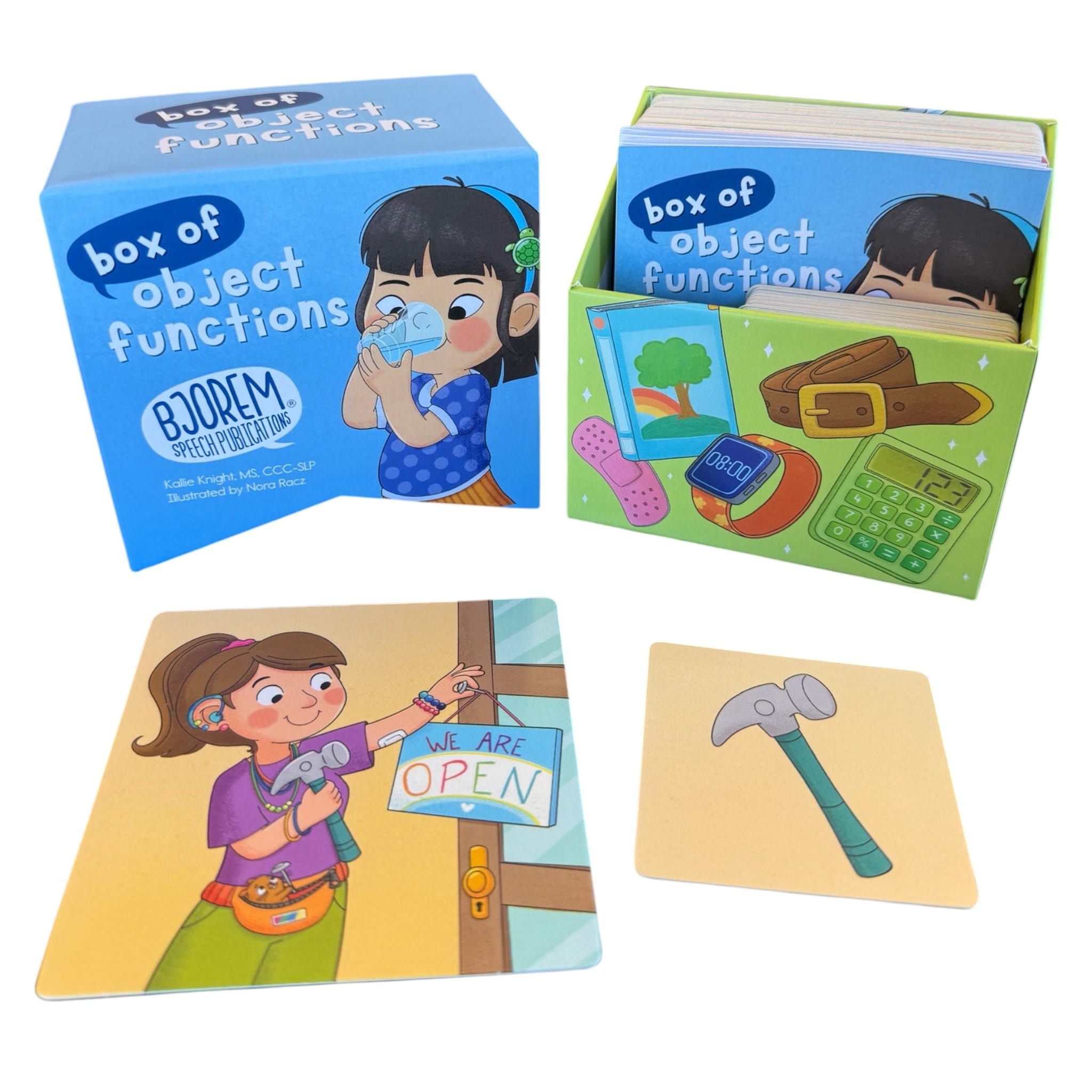
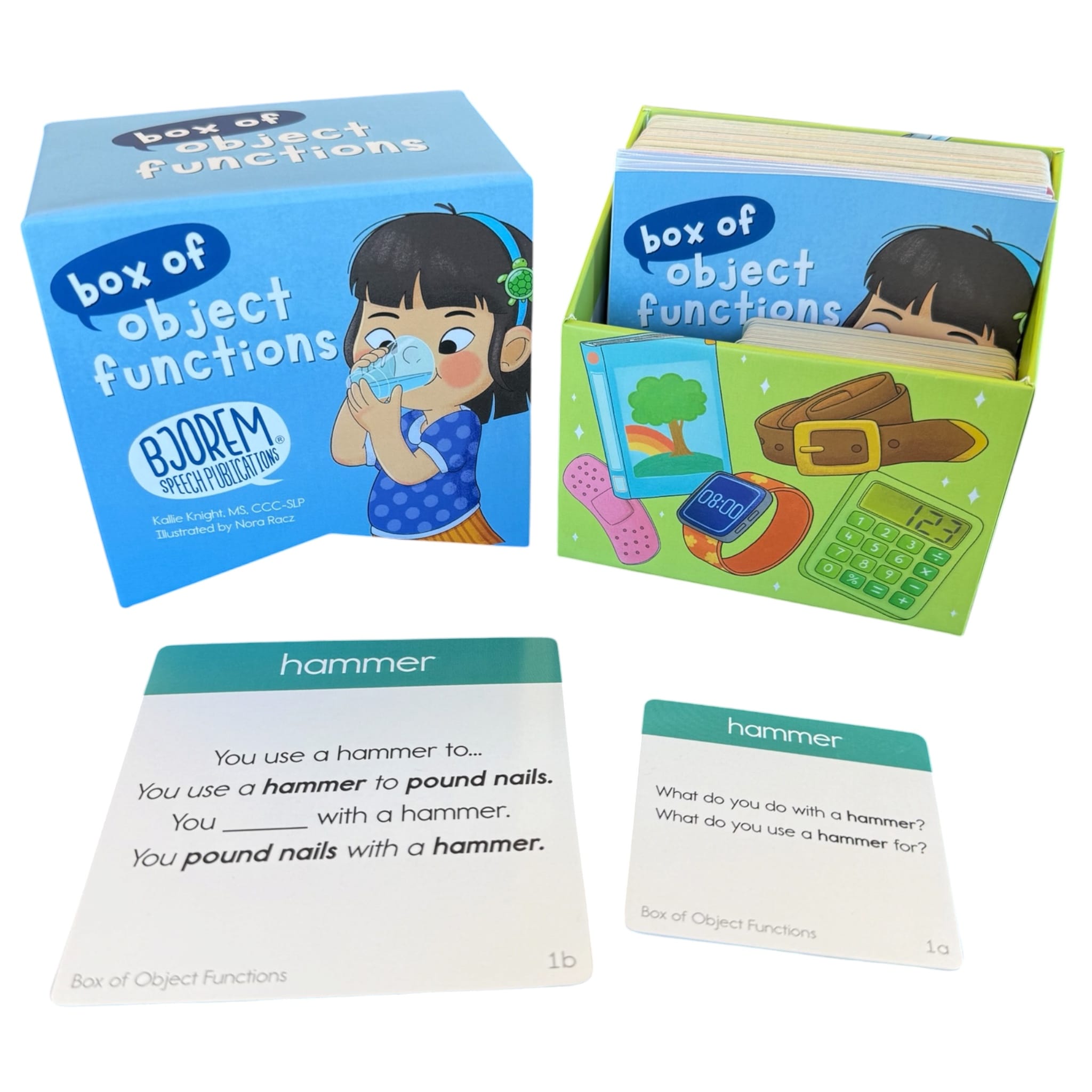
  • Object Functions
  • Associations
  • Basic Concepts
  • Categories
  • Synonyms & Antonyms
  • Compare & Contrast
  • Multiple Meaning Words
  • Idioms
  • Analogies
'-ge/dge, -k/-ck, -ch/tch Spelling Sort Bundle Spelling Sort Bundle: Ge, Dge, K, Ck, Ch, Tch Patterns Best Speech Language Therapy Tools

How It Works

Higher-level language tasks — such as interpreting nonliteral language, understanding multiple meanings, or reasoning through analogies — require students to:

  • Hold multiple meanings in mind
  • Shift perspectives or interpretations
  • Recognize relationships beyond what is directly stated

When these cognitive-linguistic demands exceed a student’s current skill level, language breaks down.

The LPH helps clinicians match instruction to a student’s processing level, ensuring foundational skills are solid before increasing abstraction and cognitive flexibility demands.

Better Outcomes

By organizing language targets from concrete to abstract, the Language Processing Hierarchy allows clinicians to:

  • Teach skills in a logical, developmentally supportive order
  • Identify why a student is struggling — not just what they’re missing
  • Reduce frustration by strengthening foundations before moving up

This leads to more efficient therapy, clearer clinical decision-making, and stronger carryover into real-world language use.

Start Shopping
Bjorem® Stack of Dogs: Dog Themed Picture Vocabulary Cards Bjorem® Stack of Dogs: Dog Themed Picture Vocabulary Cards Best Speech Language Therapy Tools

The Research

The Language Processing Hierarchy, conceptualized by Gail J. Richard, PhD, CCC-SLP, is based on decades of research in language development, cognitive-linguistics, and educational psychology showing that complex language skills depend on the strength of underlying foundational processes.

This hierarchical model organizes language skills from more concrete to more abstract, reflecting increasing demands for cognitive flexibility and linguistic processing. Skills such as figurative language, inference, and analogical reasoning place greater demands on abstraction and cognitive flexibility, and are built upon more concrete language knowledge such as vocabulary meaning, categorization, and semantic relationships.

Working on these skills while implementing systematic scaffolding from concrete to abstract skills is both effective and recommended for language learning and intervention.

Language Processing Hierarchy Model

  • Richard, G. J. (2017). The SourceⓇ Processing Disorders (2nd ed.). Austin, TX: PRO-ED.

Language Development, Language Abstraction & Cognitive Flexibility

  • Anderson, J. D., Wagovich, S. A., & Ofoe, L. (2020). Cognitive flexibility for semantic and perceptual information in preschool children. Frontiers in Psychology, 11, 588040.
  • Bloom, P. (2001). How children learn the meanings of words. Behavioral and Brain Sciences, 24(6), 1095–1103.
  • Deák, G. O., & Narasimham, G. (2014). Young children’s flexible use of semantic cues to word meanings: Converging evidence of individual and age differences. Journal of Child Language, 41(3), 511–542.
  • Diamond, A. (2013). Executive functions. Annual Review of Psychology, 64, 135–168.