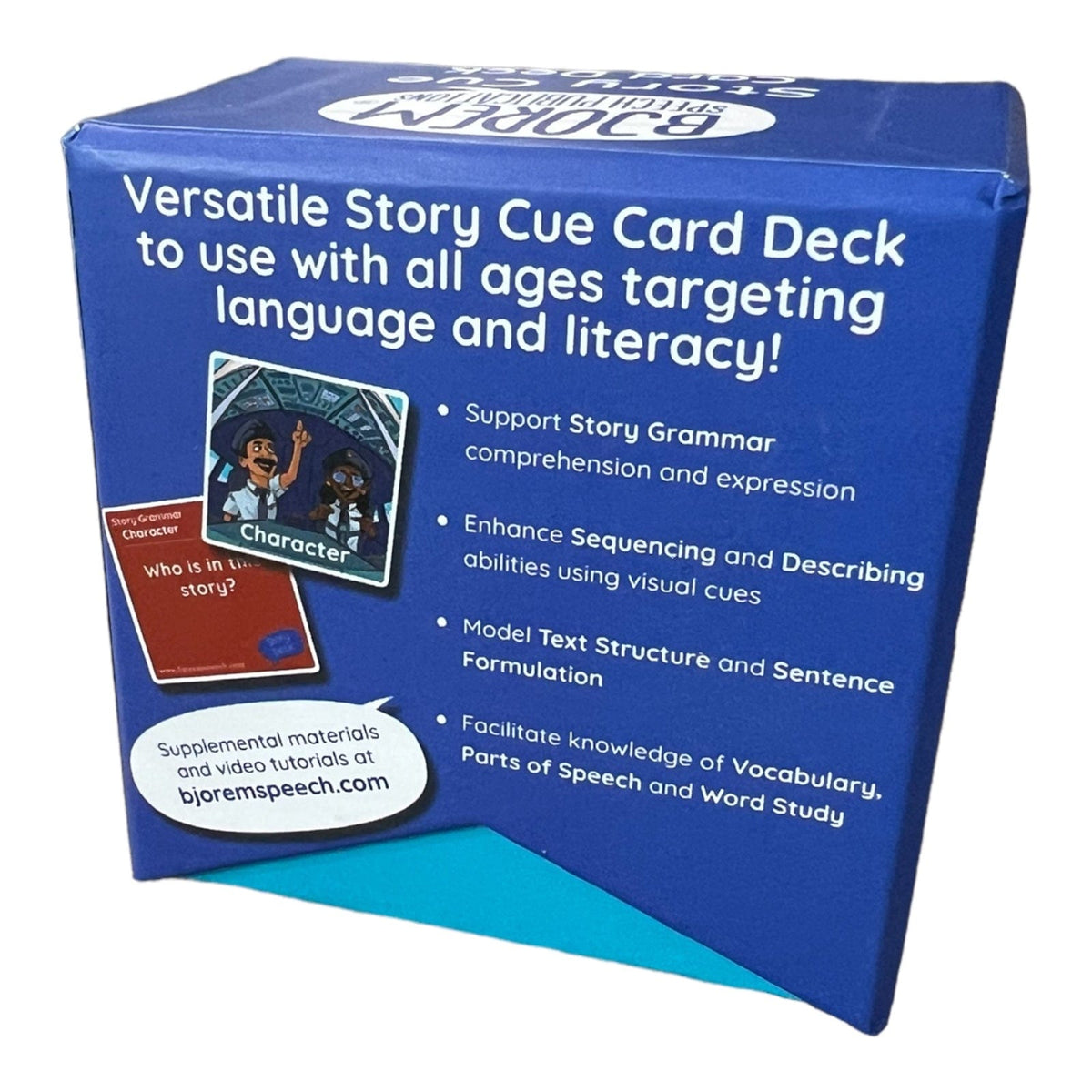
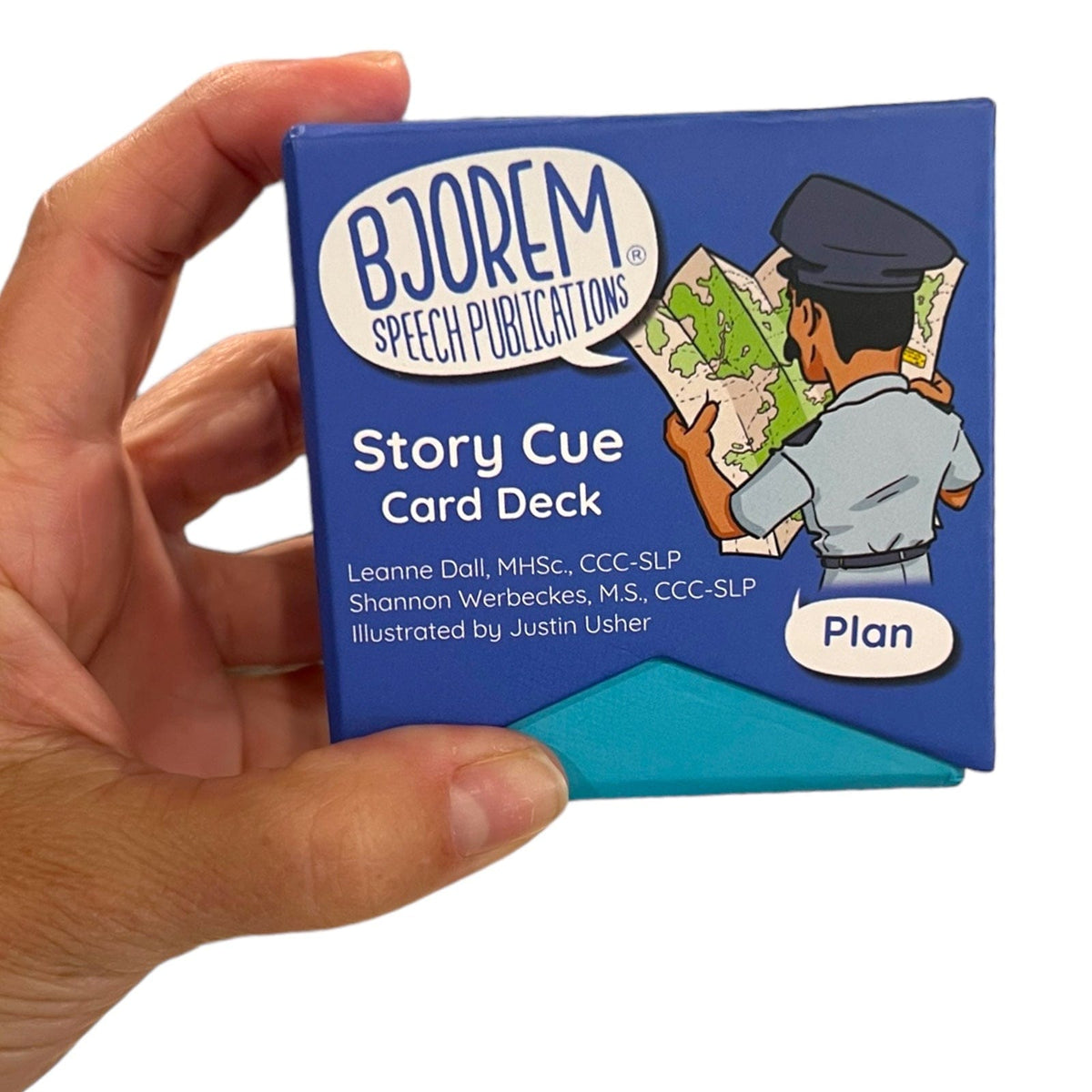
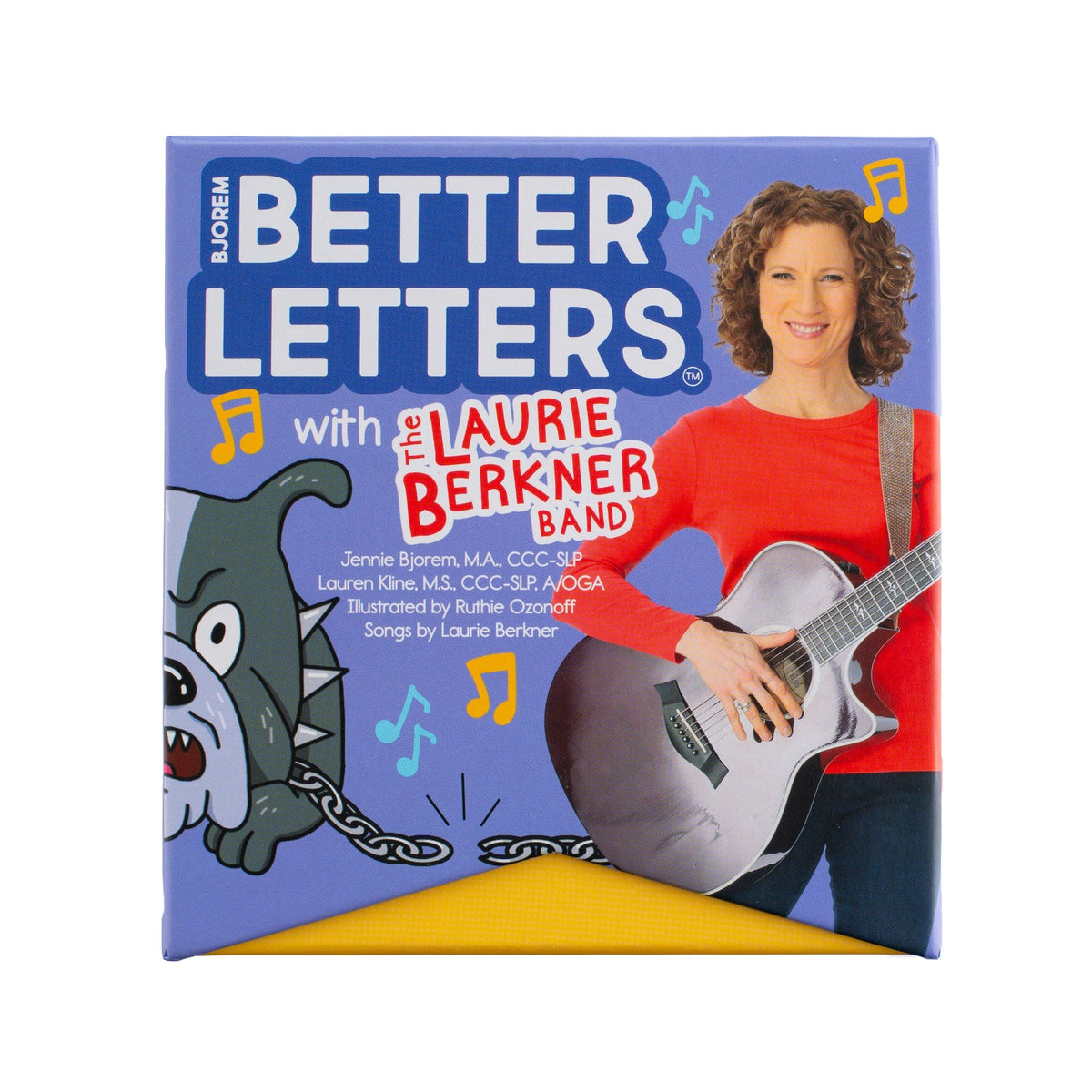
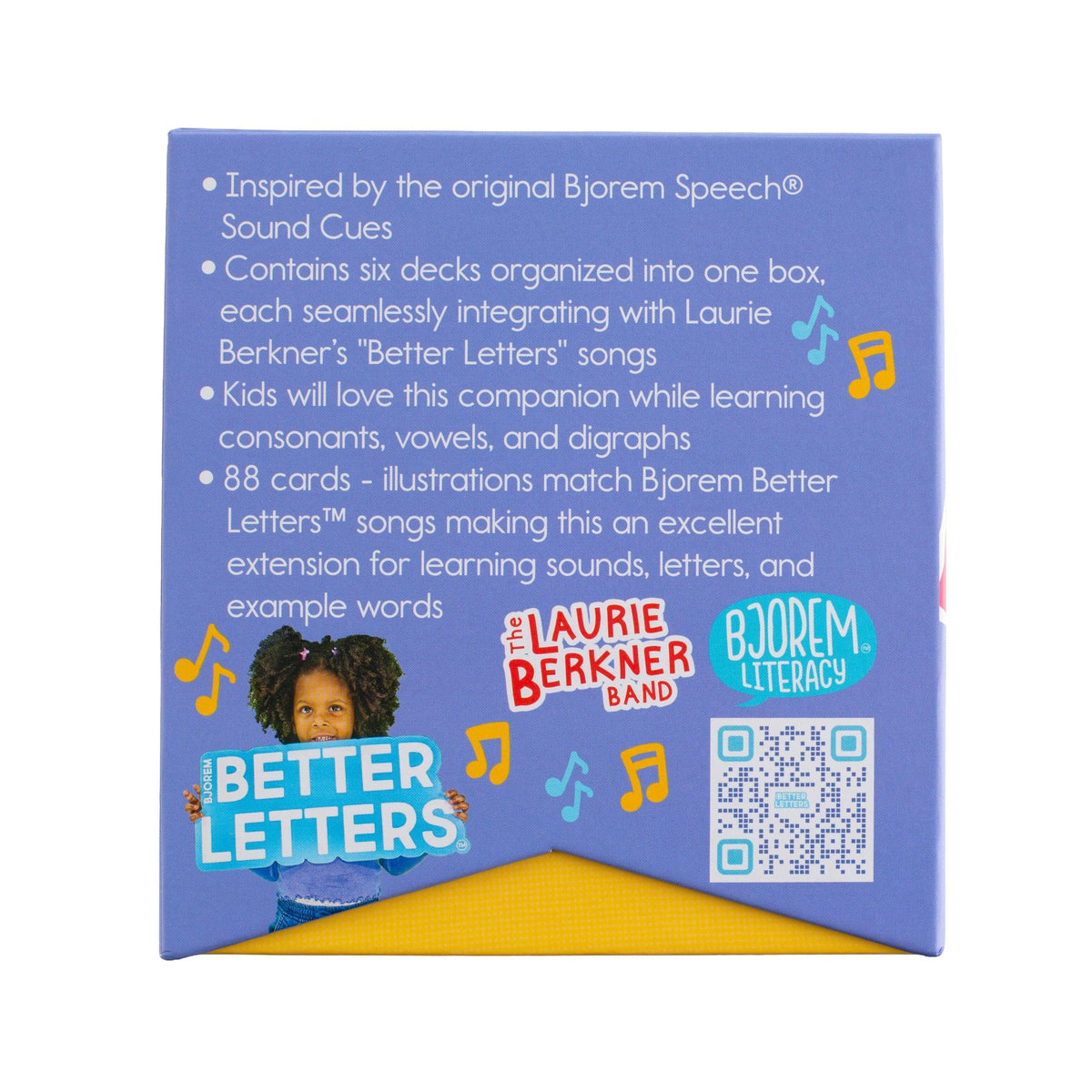

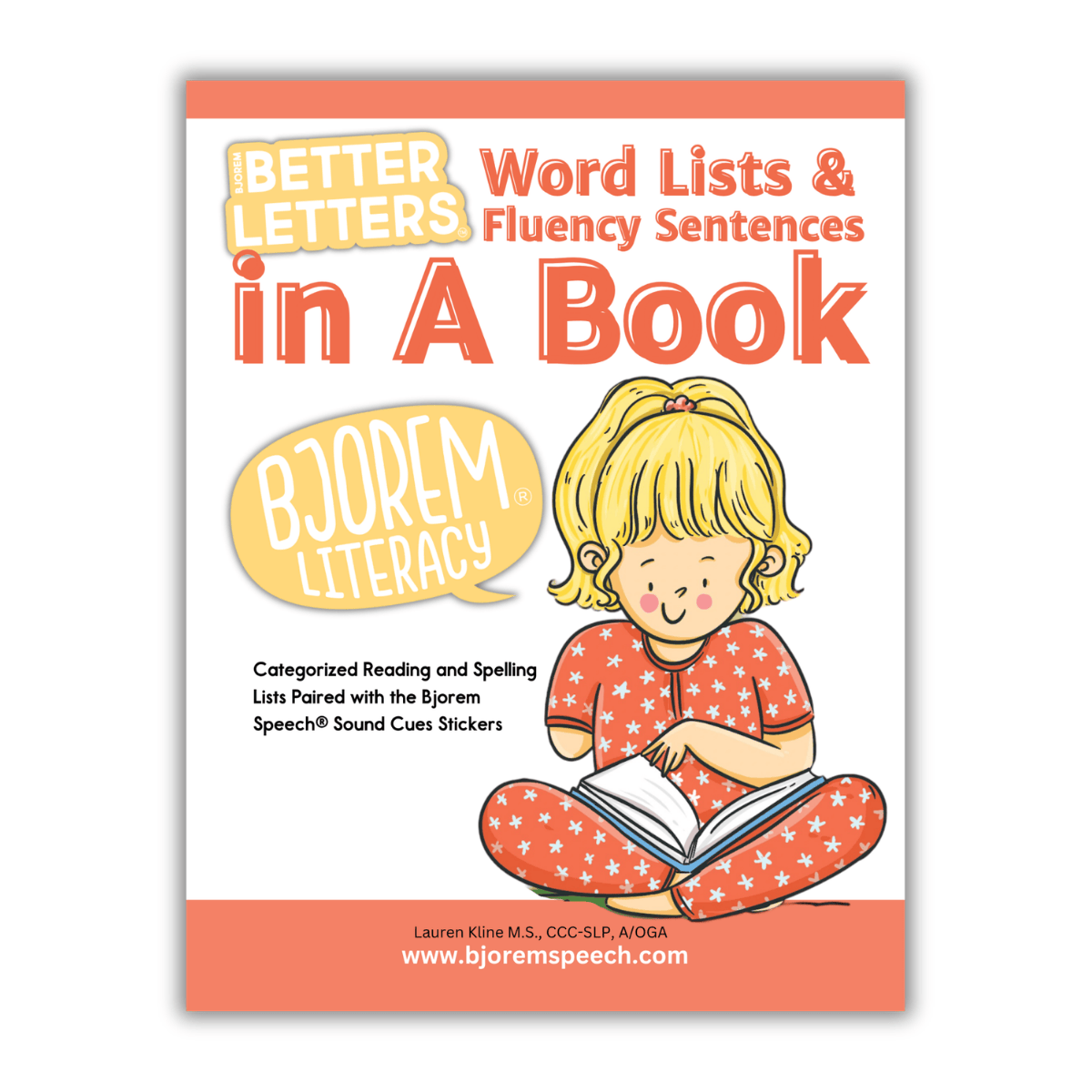
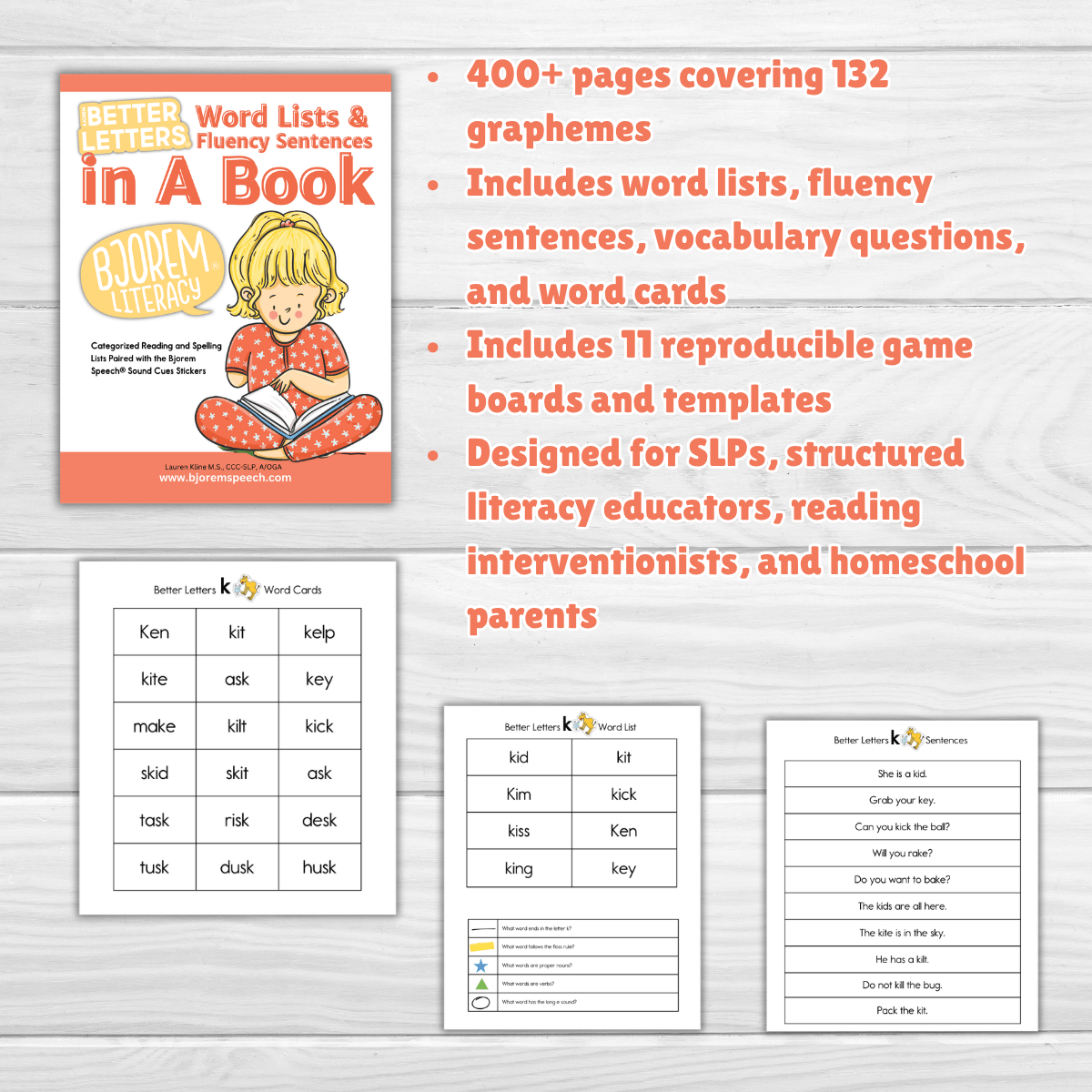
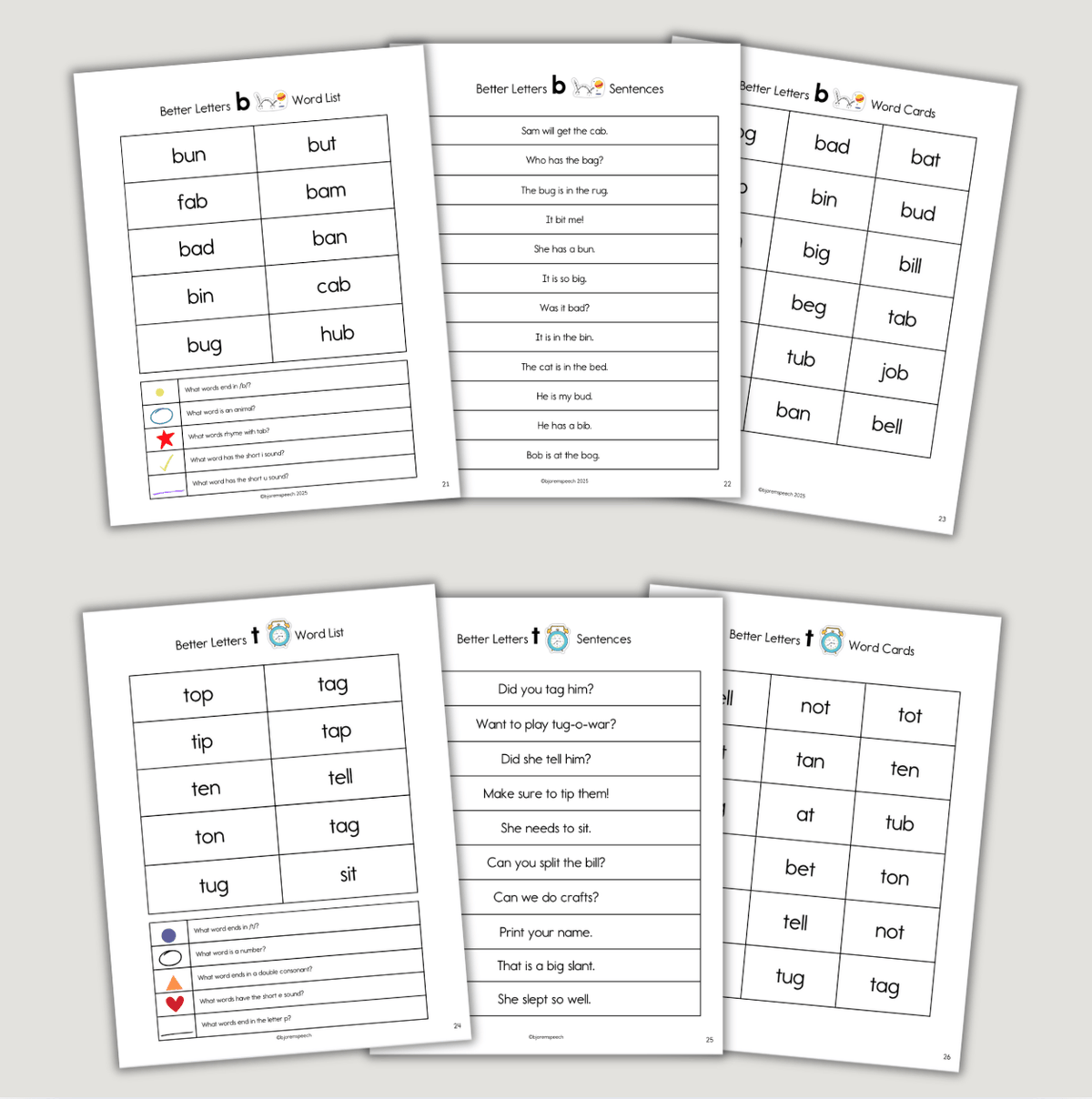
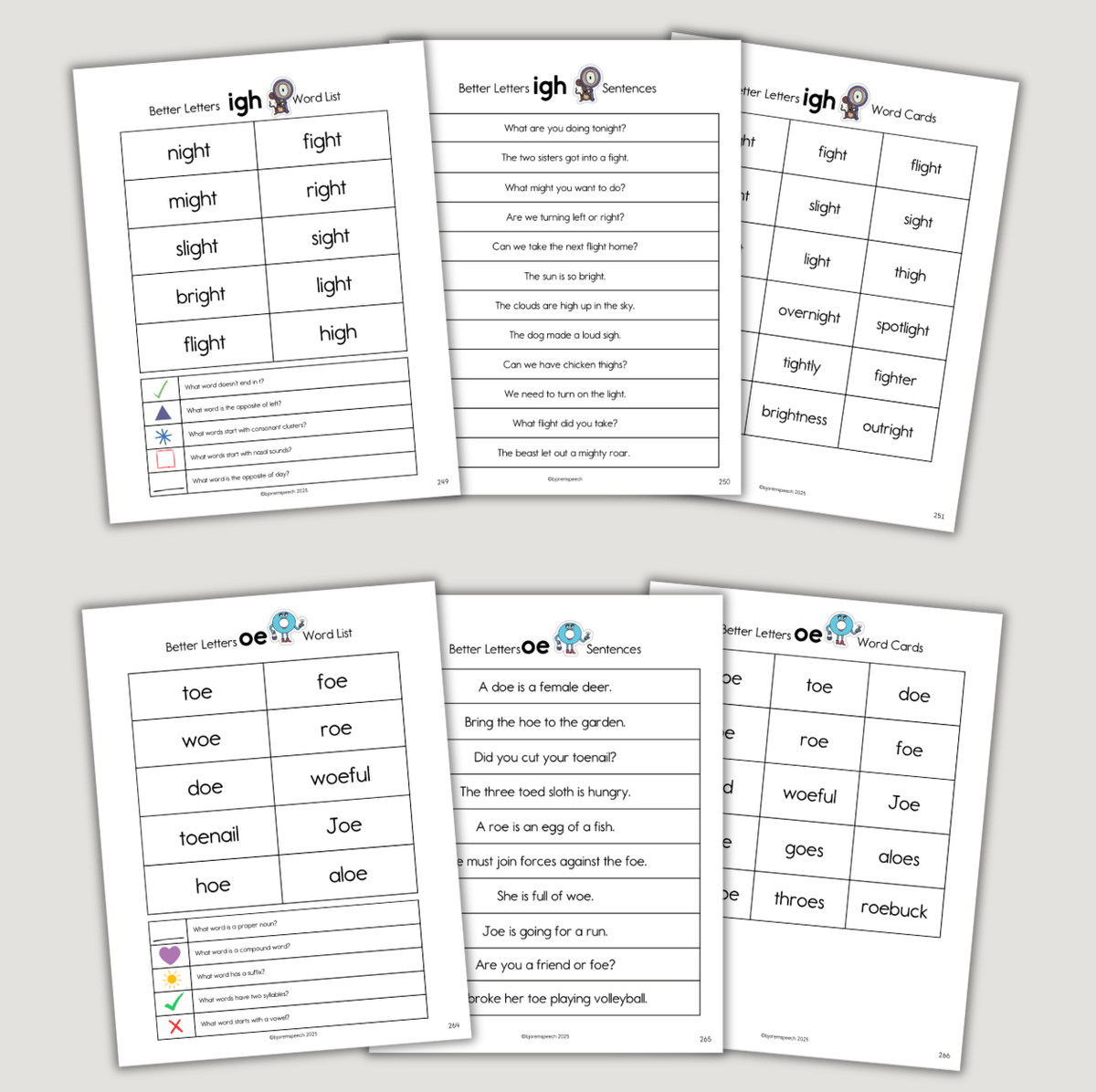
Story Cue Card Deck Shop the Best Cue Cards Decks - Bjorem Speech Products Best Speech Language Therapy Tools
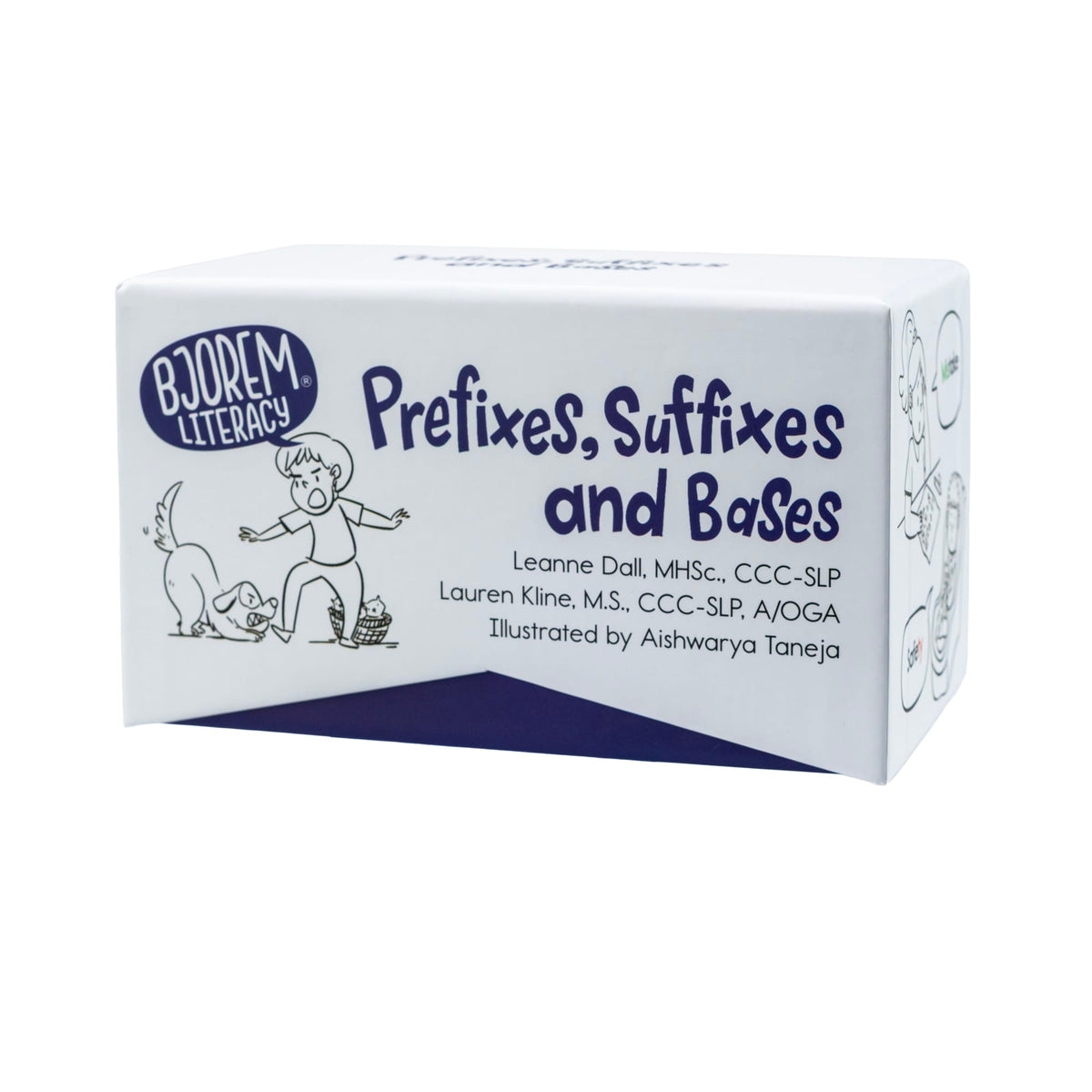
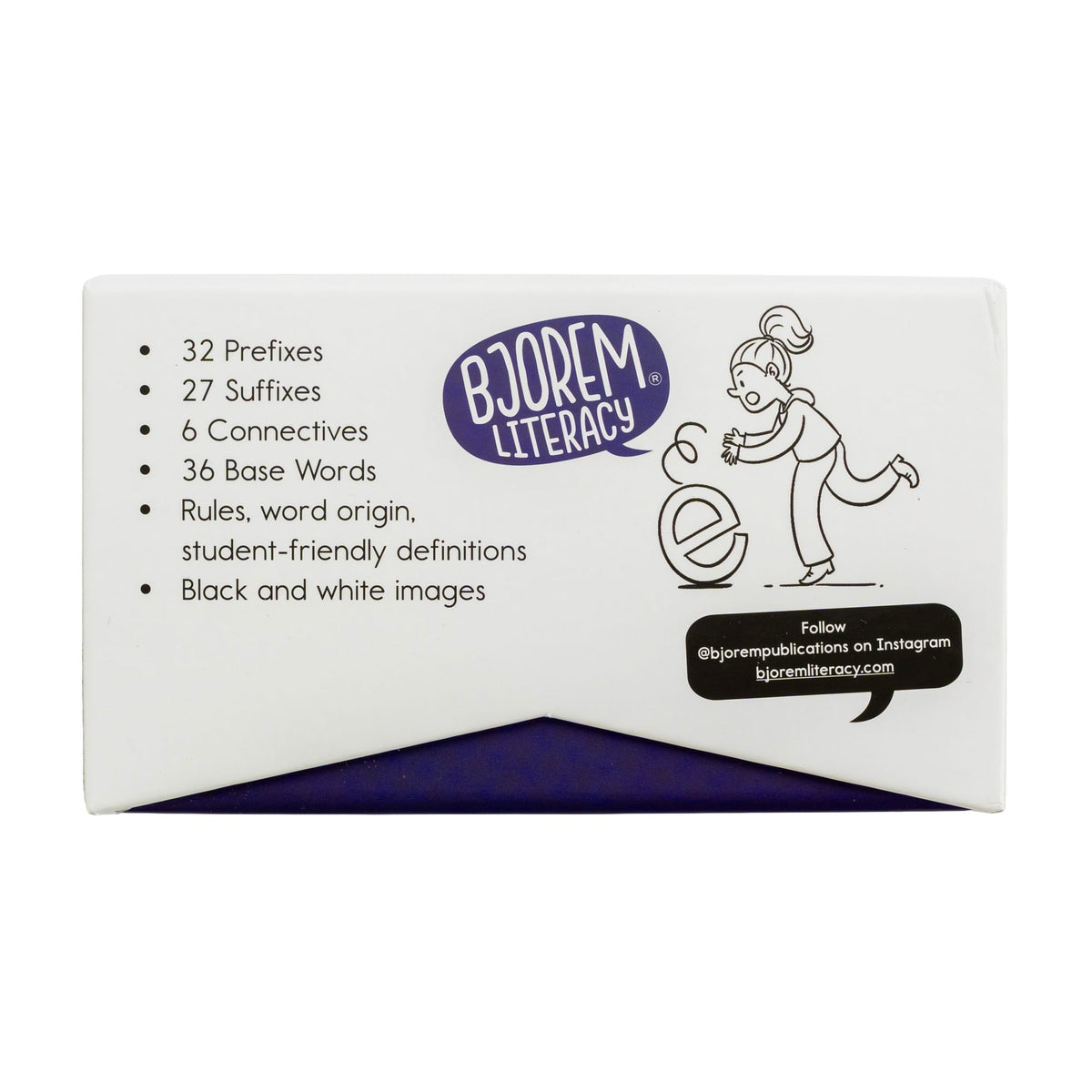
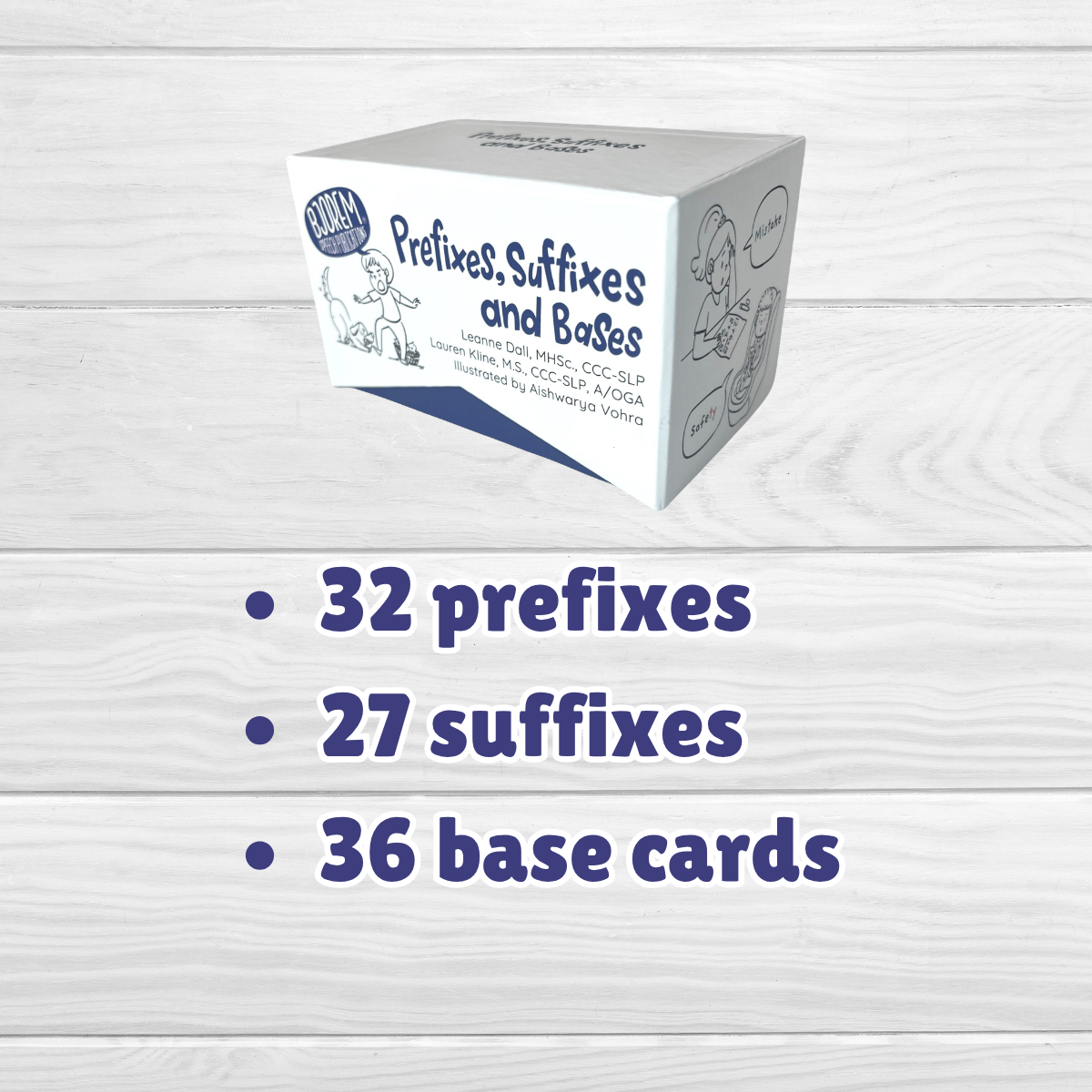
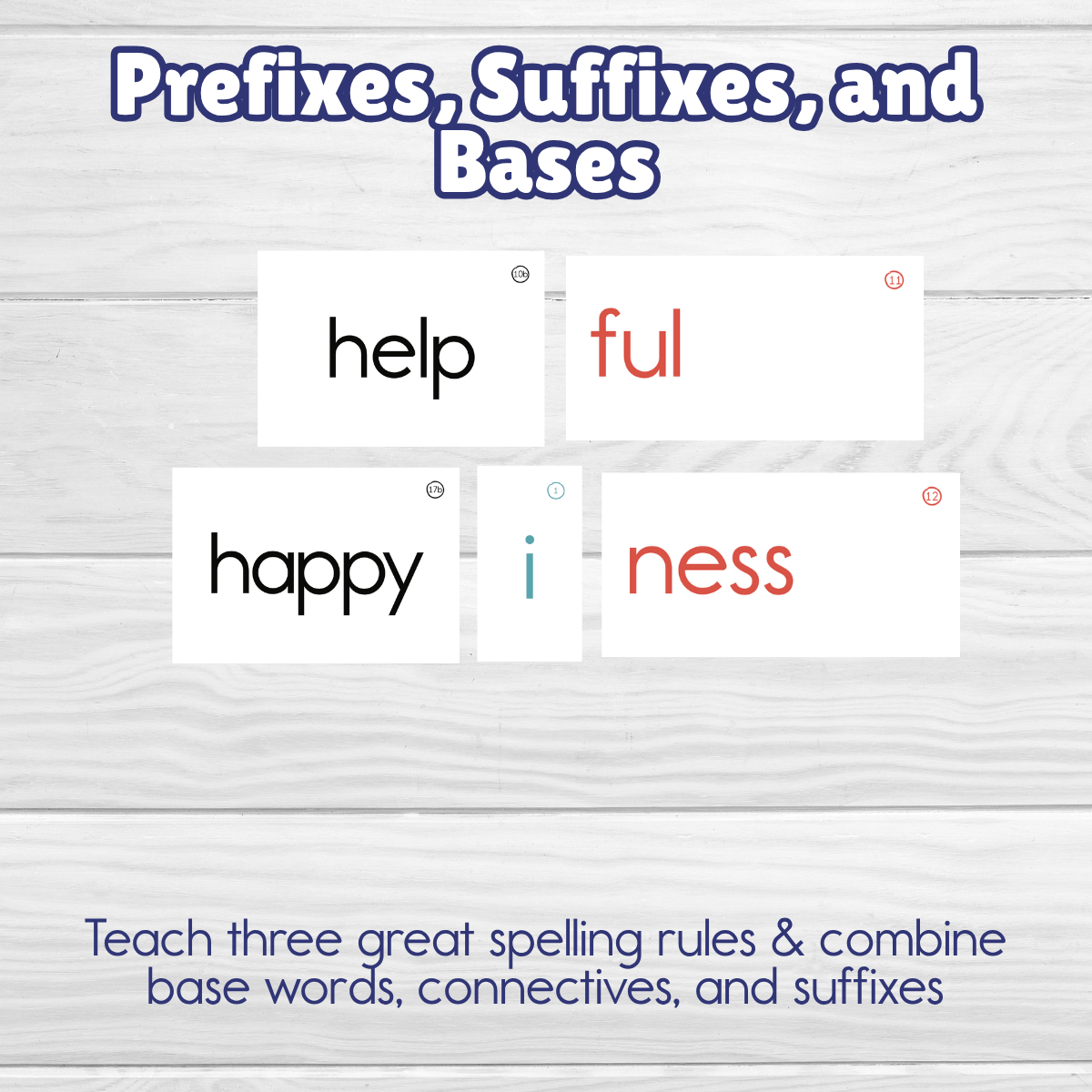
Prefixes, Suffixes and Bases Prefixes, Suffixes & Bases - Bjorem Speech® Literacy & Vocabulary Best Speech Language Therapy Tools
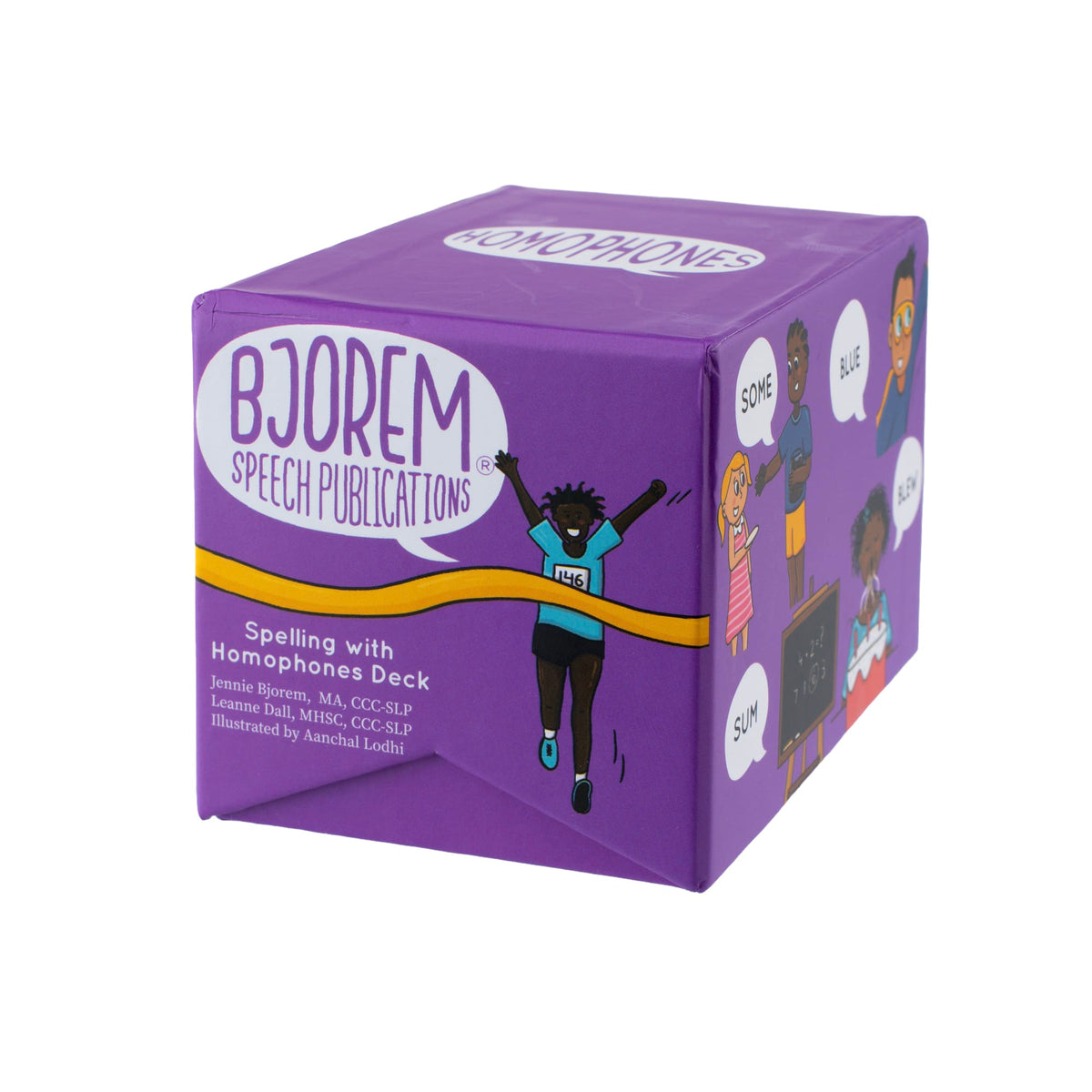
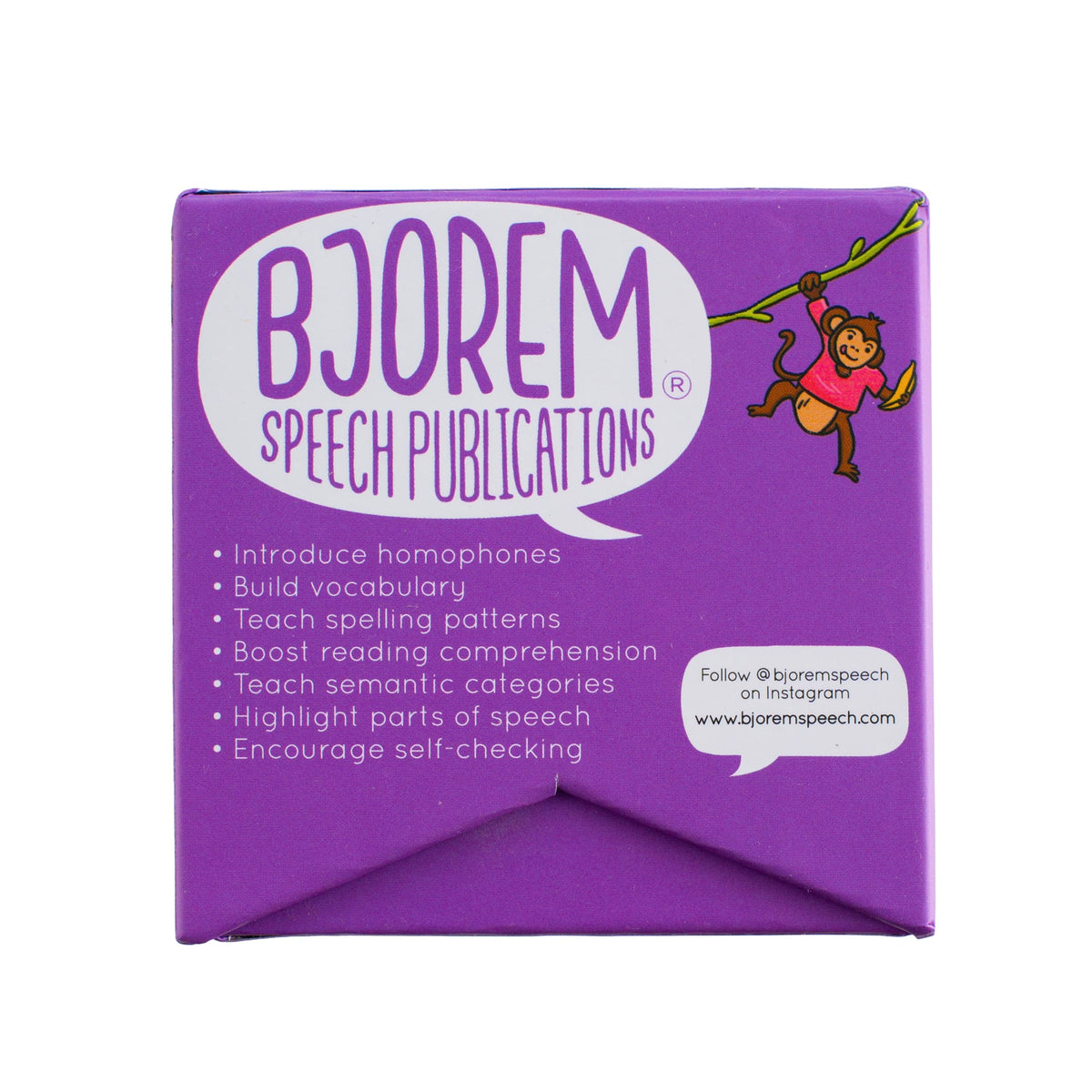
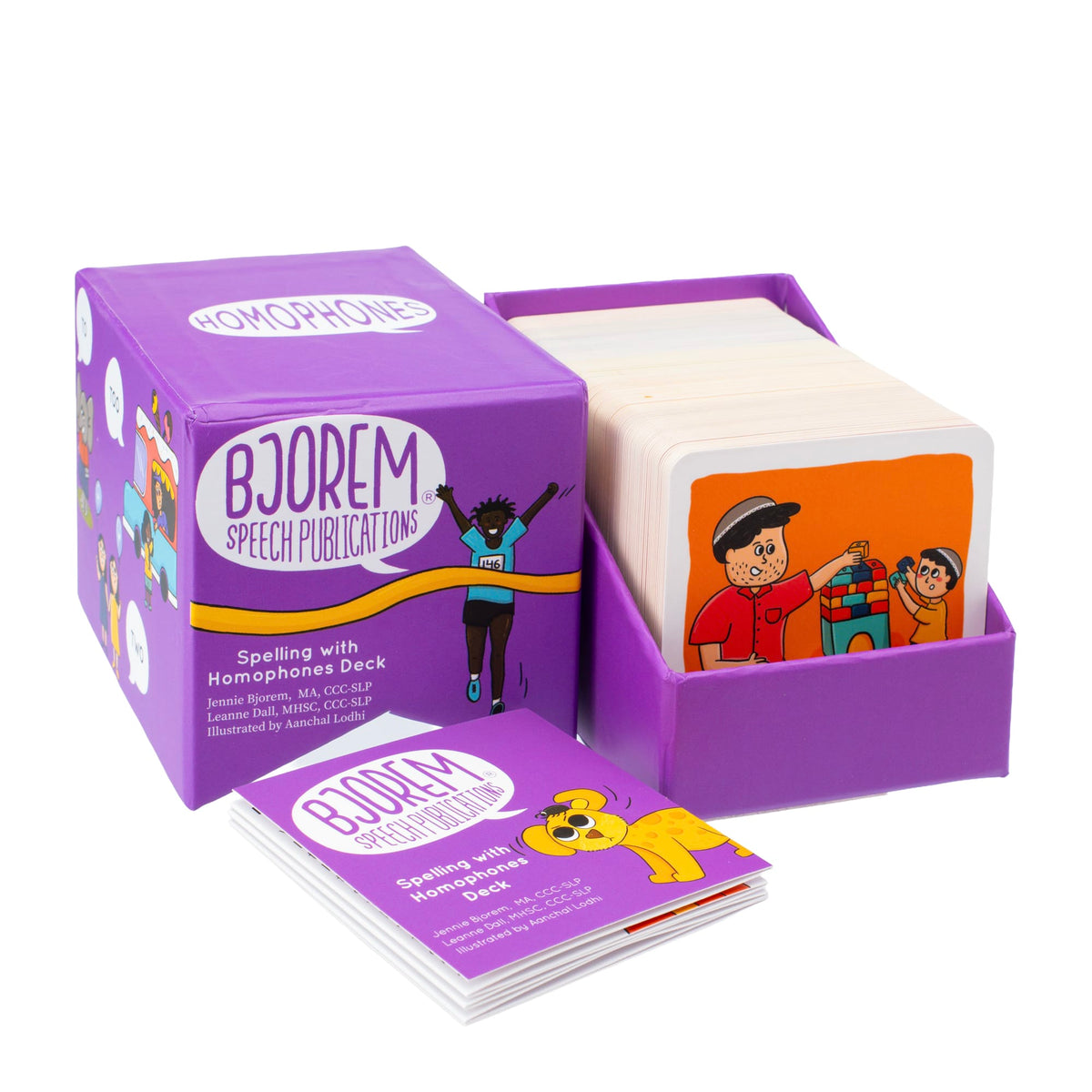
Homophones Bjorem Speech® Homophones - Same Sound Different Meaning Best Speech Language Therapy Tools

Homophones

$19.99
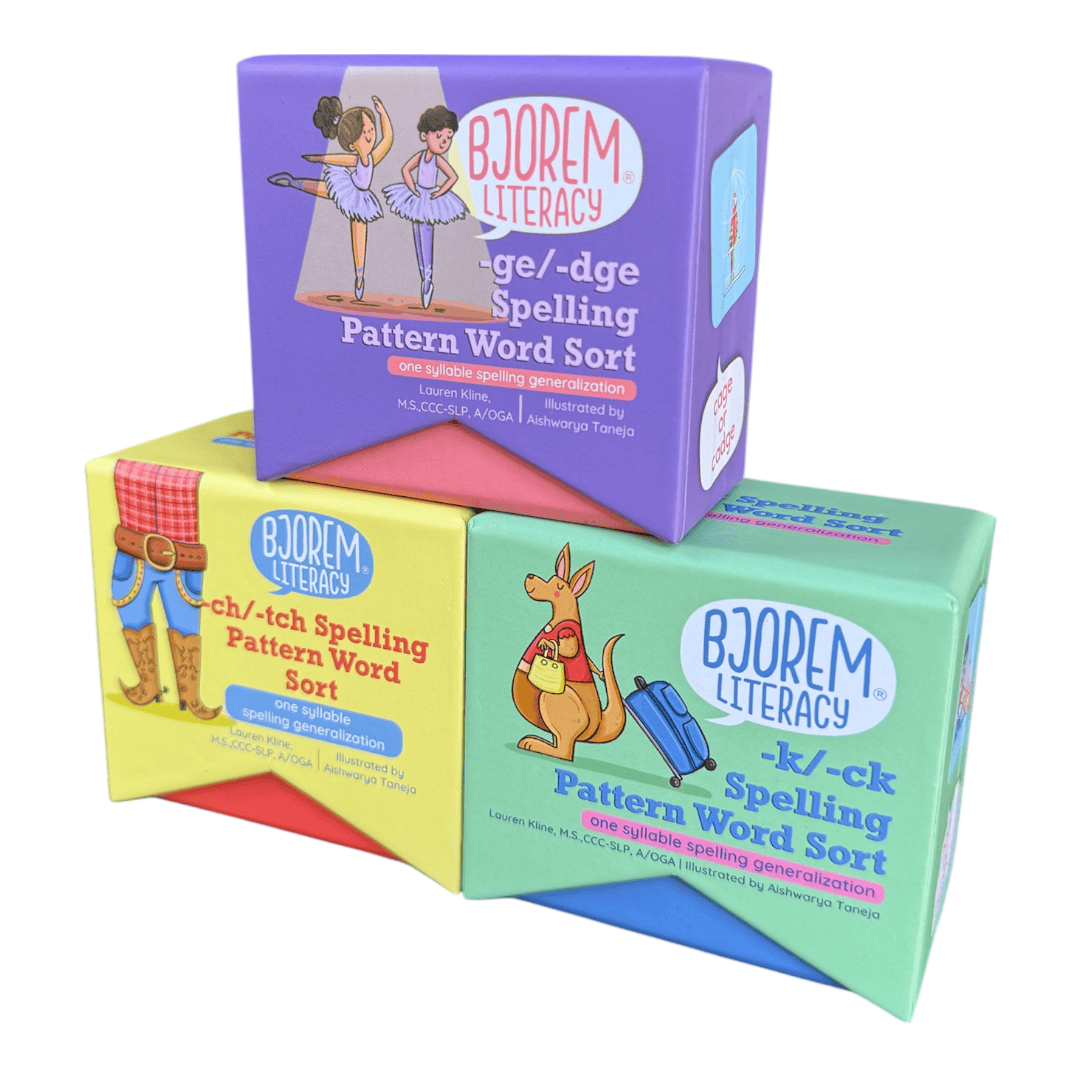
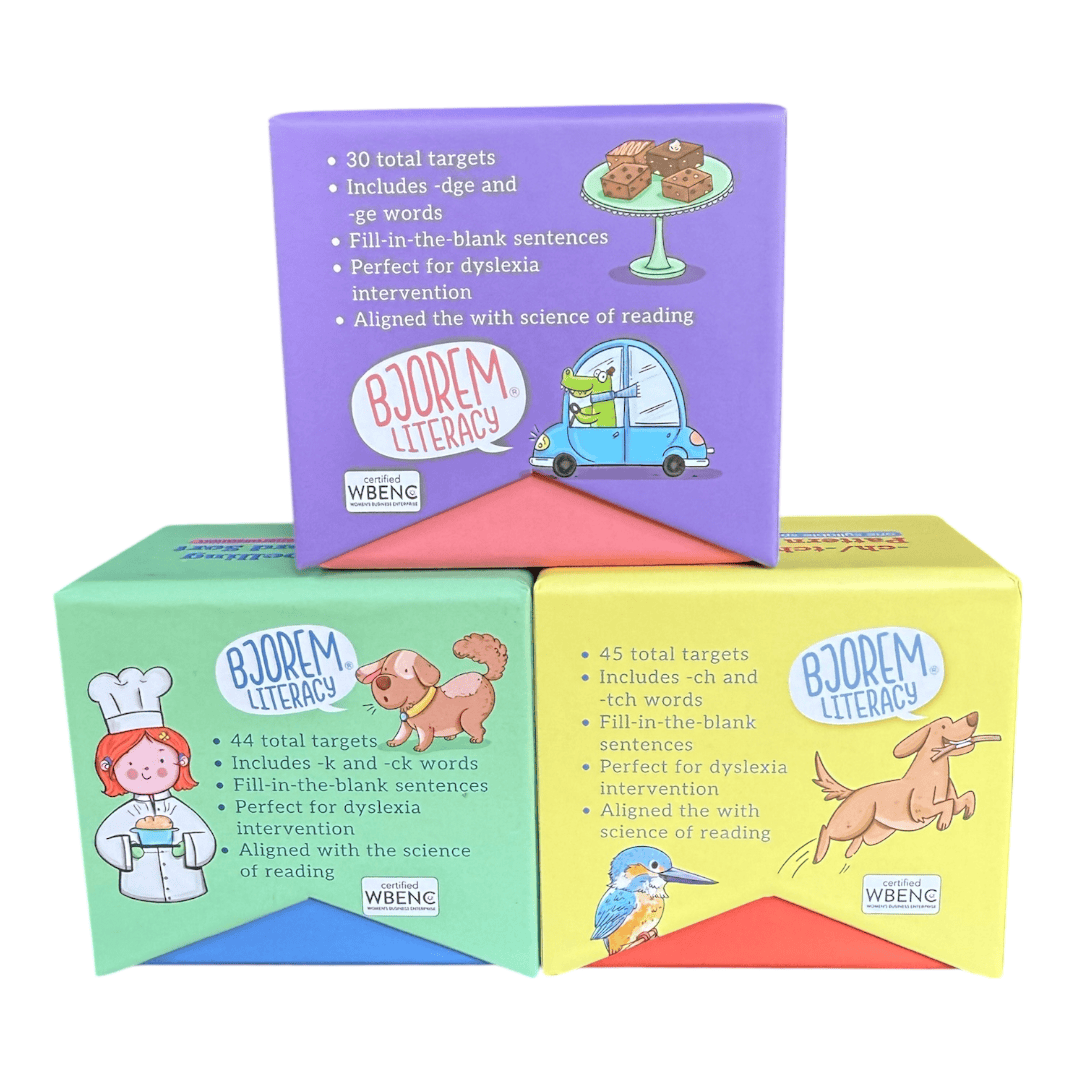
'-ge/dge, -k/-ck, -ch/tch Spelling Sort Bundle Spelling Sort Bundle: Ge, Dge, K, Ck, Ch, Tch Patterns Best Speech Language Therapy Tools
Stacked layers
Bundle

Option

Image in .svg format (icon-new.svg)
New

Arrival

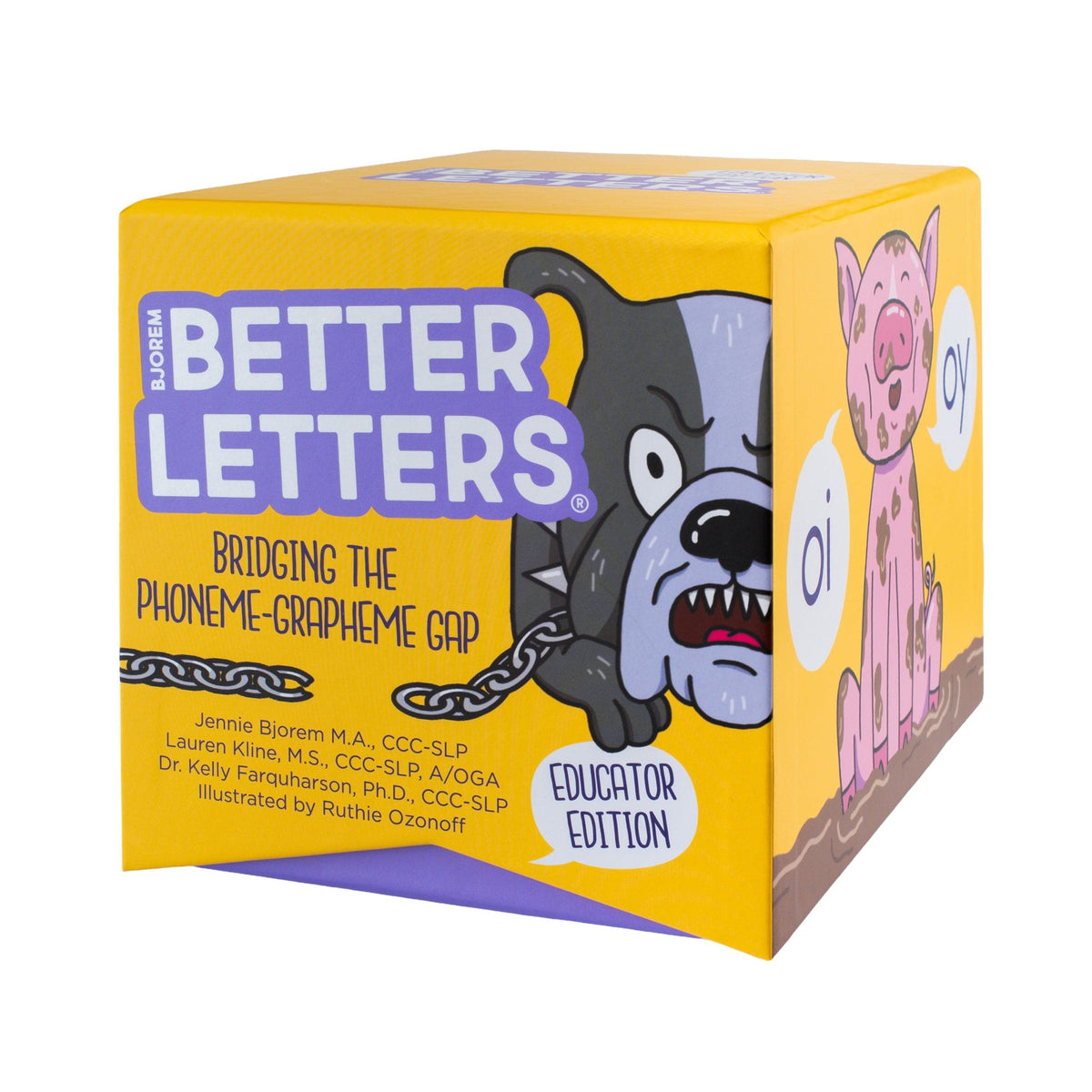
Bjorem Better Letters® Educator Edition Handbook - Download Bjorem Better Letters Educator Edition Handbook - Download Best Speech Language Therapy Tools
Image in .svg format (icon-download_95b3ce2d-d121-4dcc-82b1-9b2bb4391eea.svg)
Digital

Download

Stacked layers
Bundle

Option

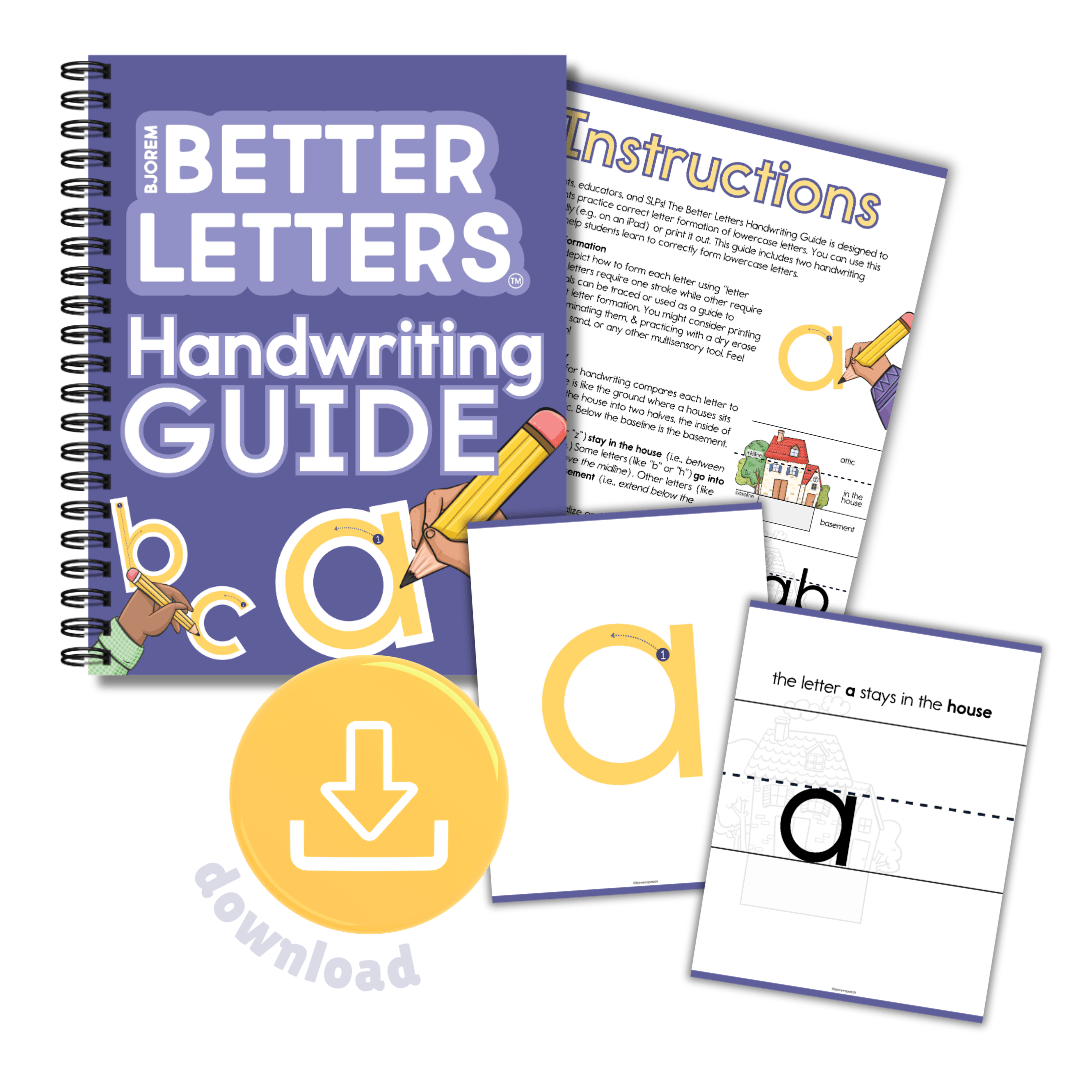
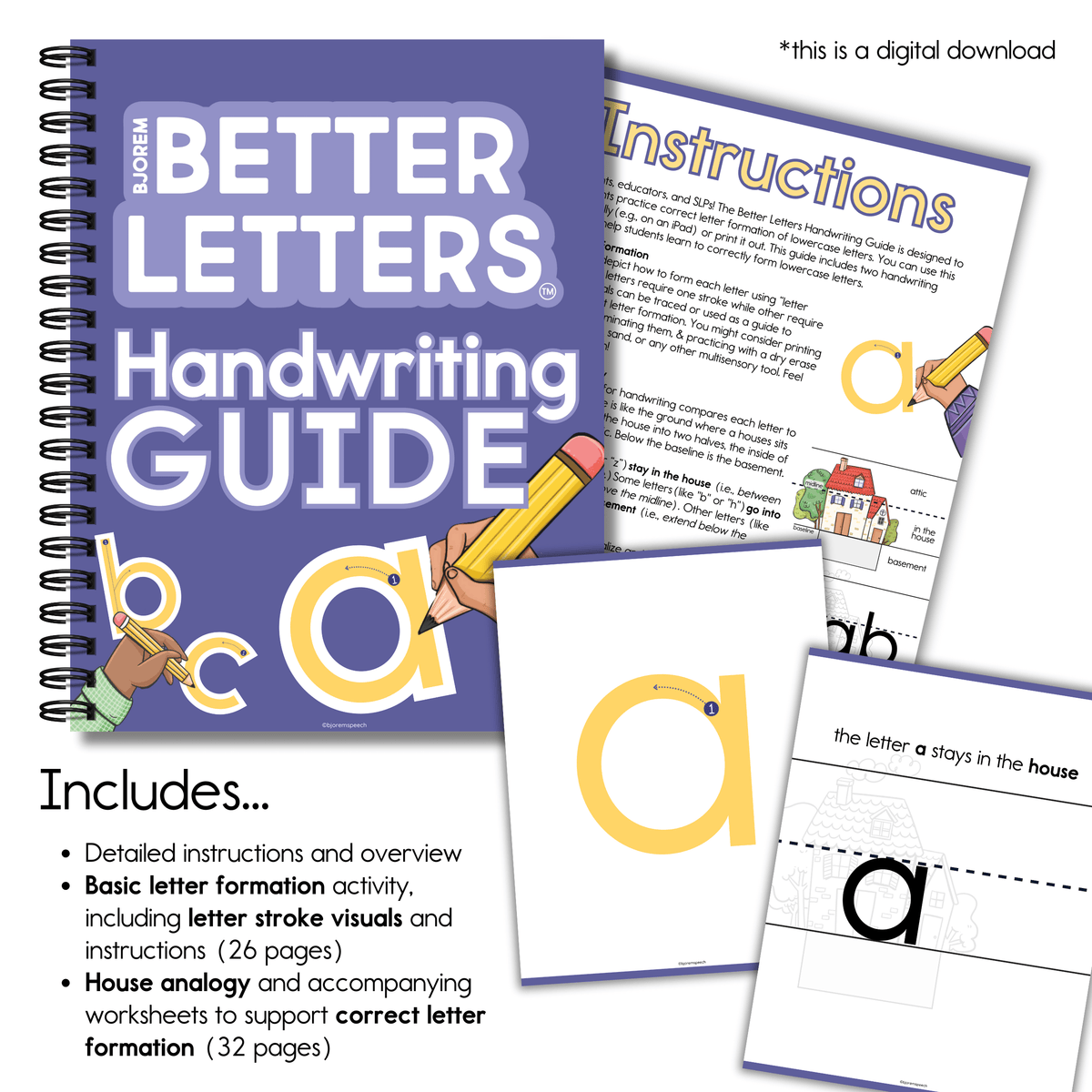
Handwriting Guide - Bjorem Speech Better Letters - Digital Download Bjorem Speech Better Letters Handwriting Guide - Early Literacy Download Best Speech Language Therapy Tools
Image in .svg format (icon-download_95b3ce2d-d121-4dcc-82b1-9b2bb4391eea.svg)
Digital

Download

Circle check icon
Included

w/Subscription

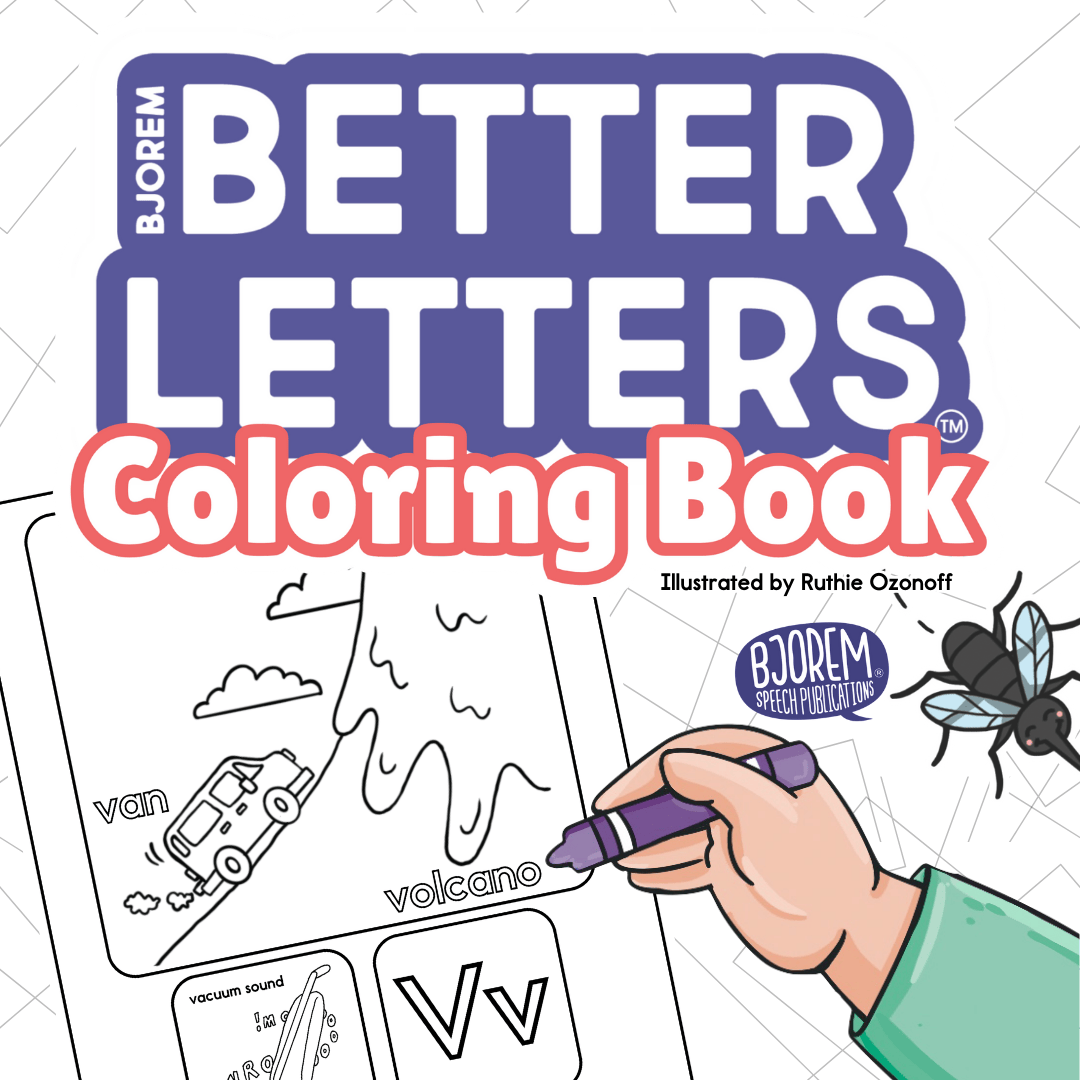
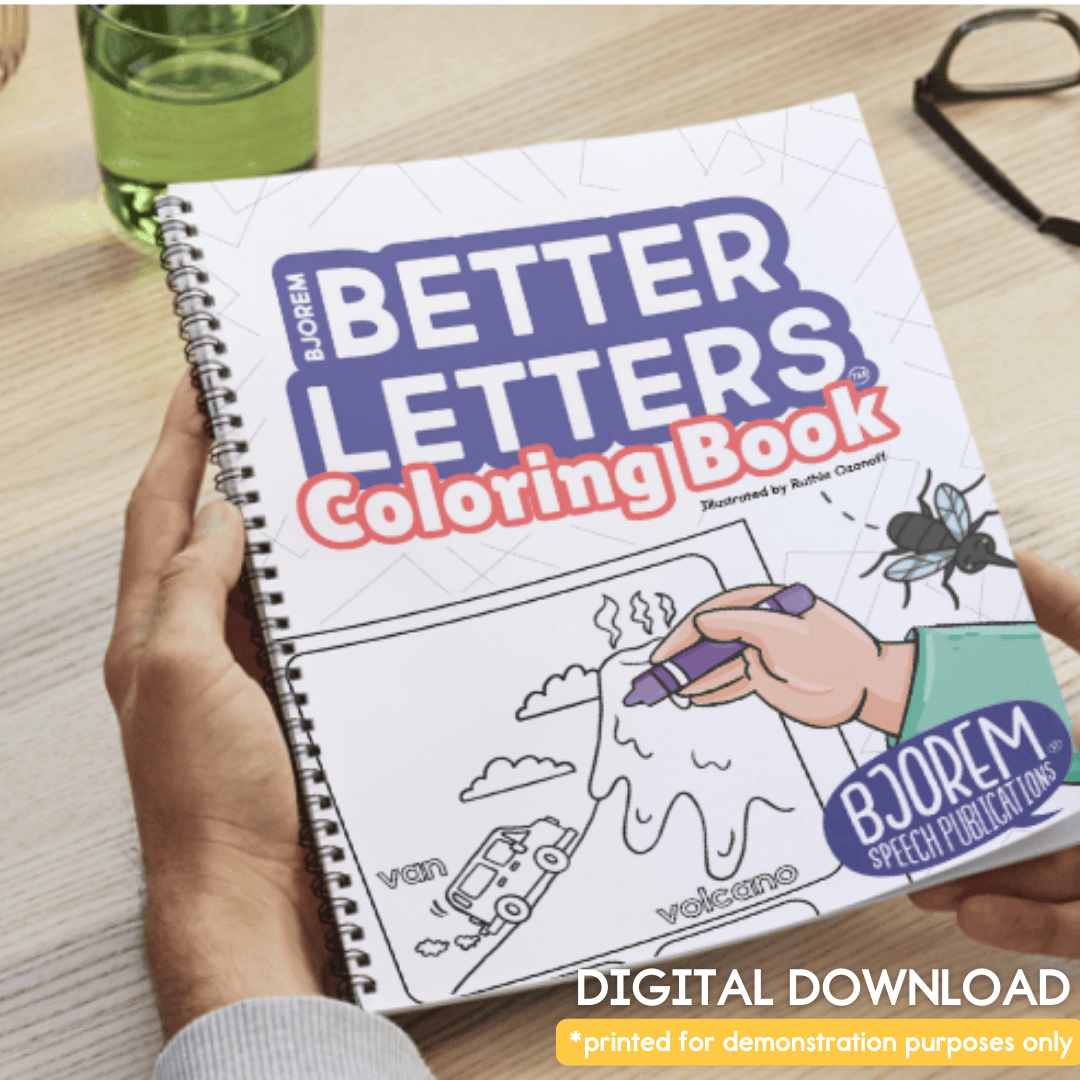
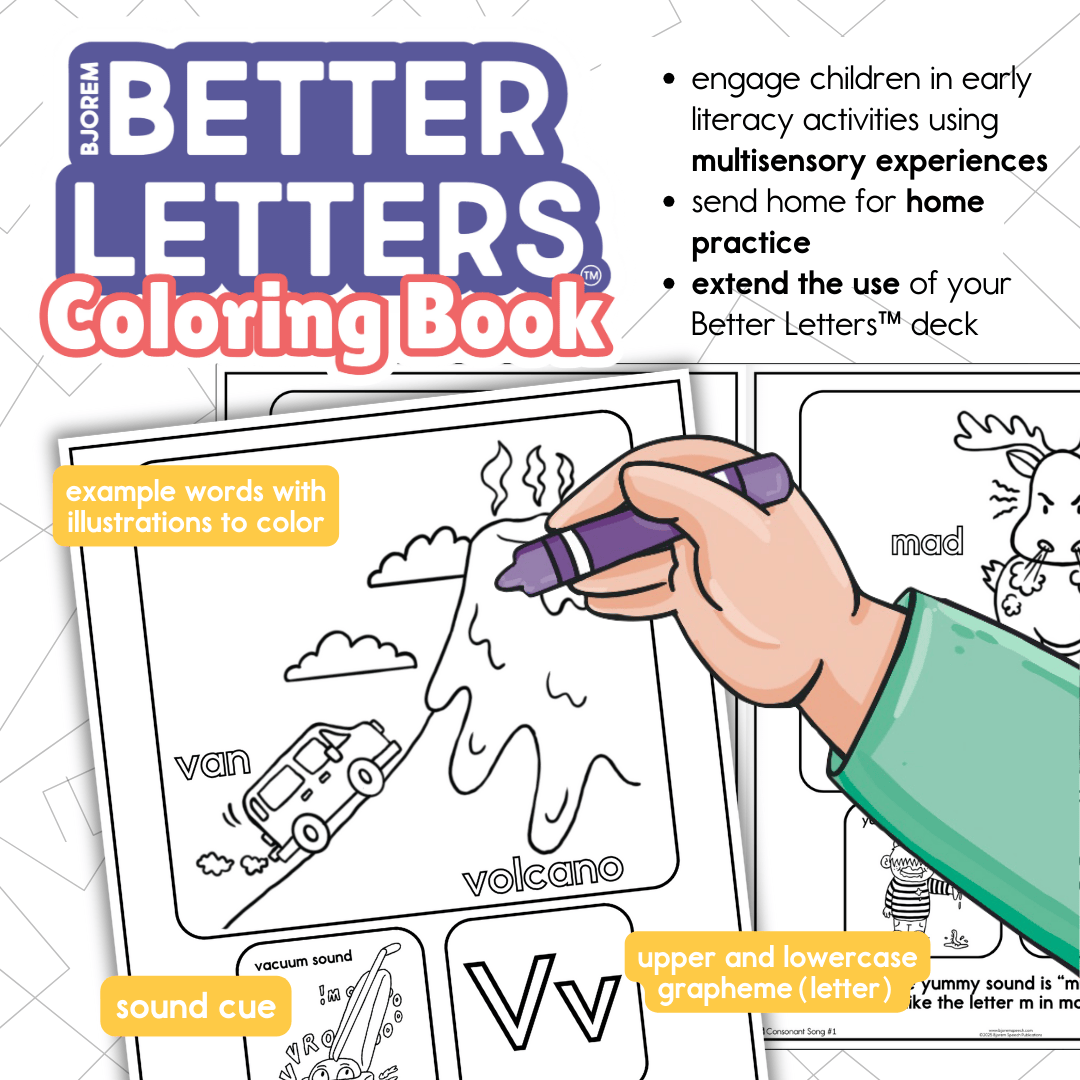
Better Letters Coloring Book by Bjorem Speech Coloring Book: Better Letters by Bjorem Speech Best Speech Language Therapy Tools
Image in .svg format (icon-download_95b3ce2d-d121-4dcc-82b1-9b2bb4391eea.svg)
Digital

Download

Circle check icon
Included

w/Subscription

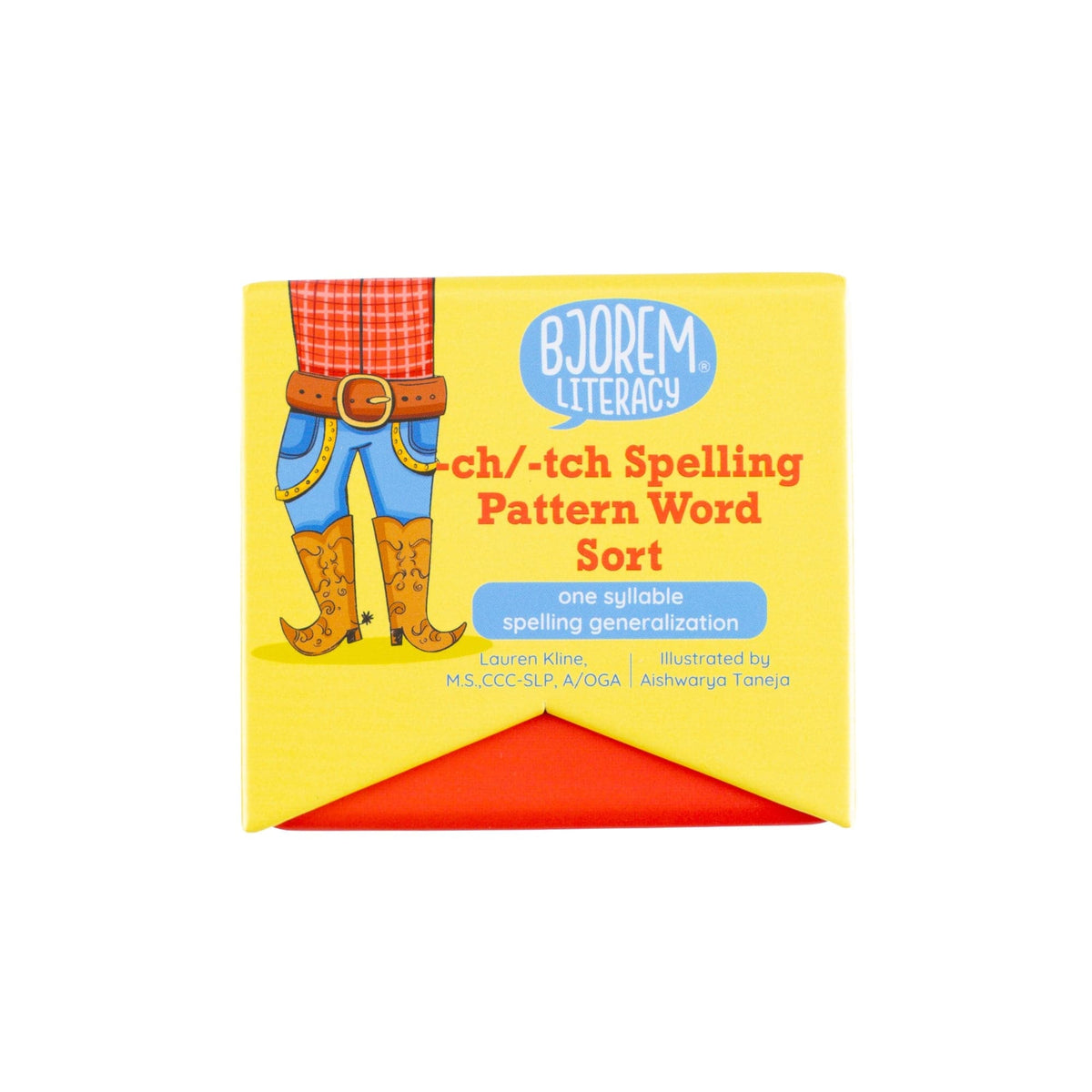
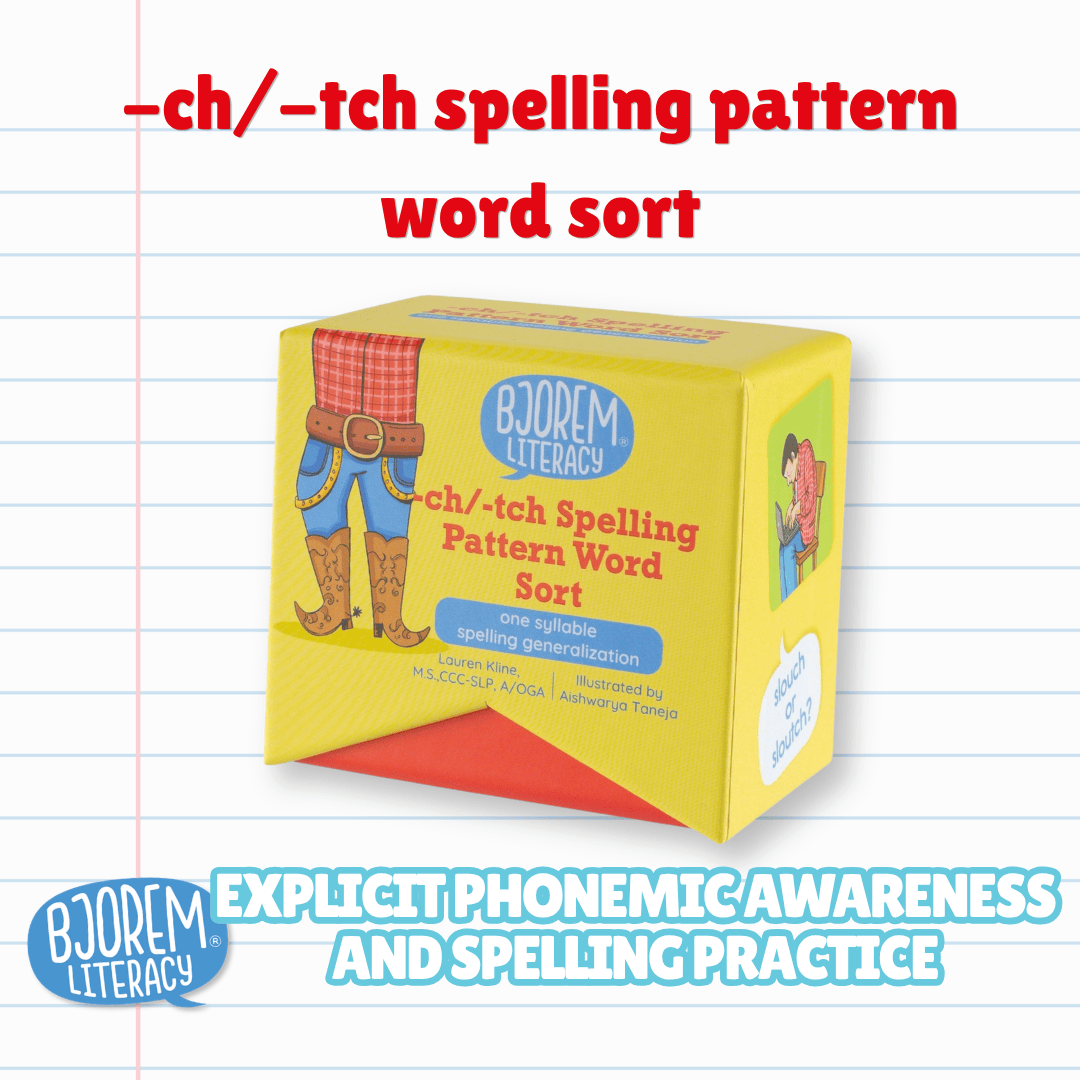
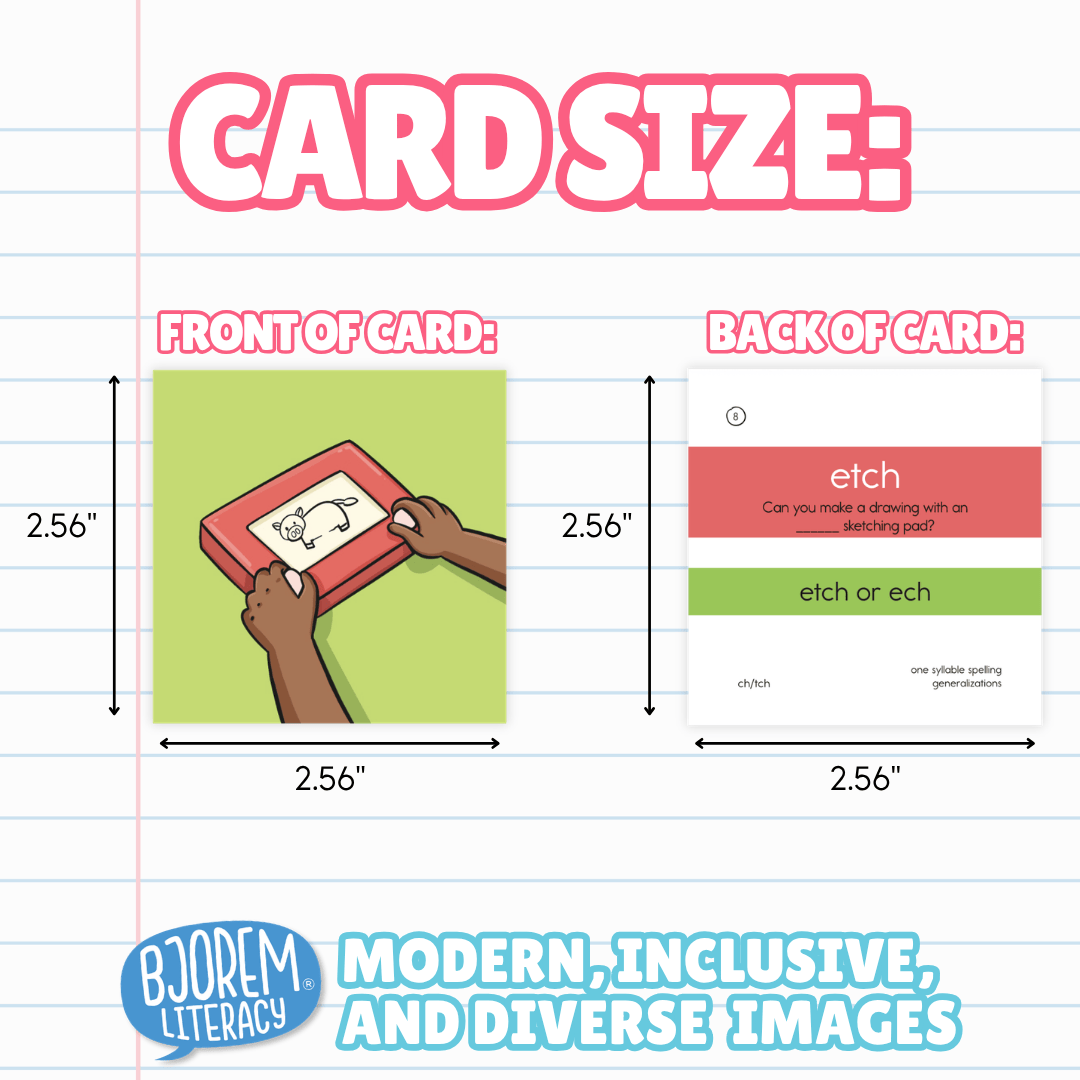
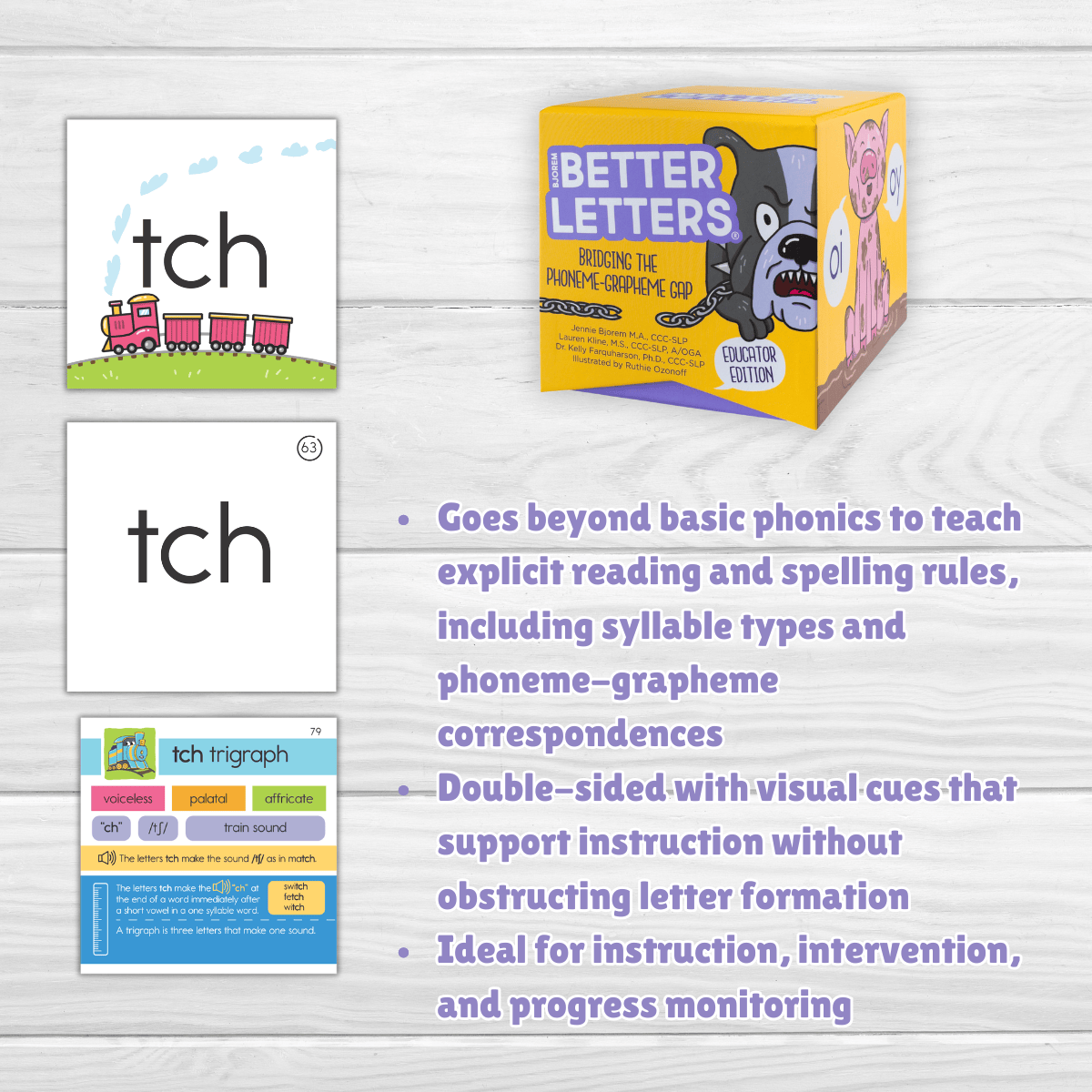
'-ch/-tch Spelling Pattern Word Sort Ch Tch Spelling Pattern Word Sort for Literacy Students Best Speech Language Therapy Tools
Stacked layers
Bundle

Option

Image in .svg format (icon-new.svg)
New

Arrival

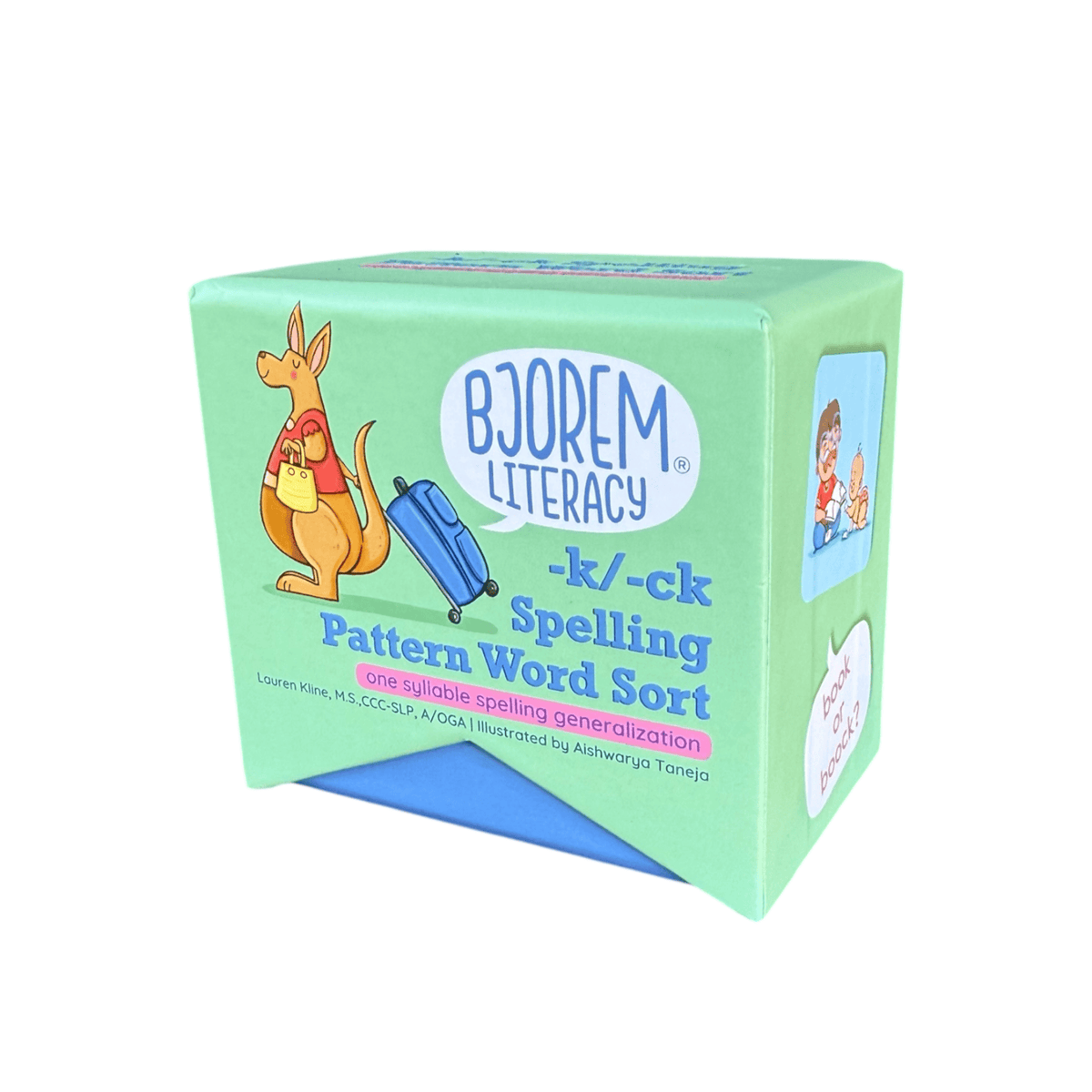
'-k/-ck Spelling Pattern Word Sort ck Spelling Pattern Word Sort for Dyslexia Intervention Best Speech Language Therapy Tools
Stacked layers
Bundle

Option

Image in .svg format (icon-new.svg)
New

Arrival

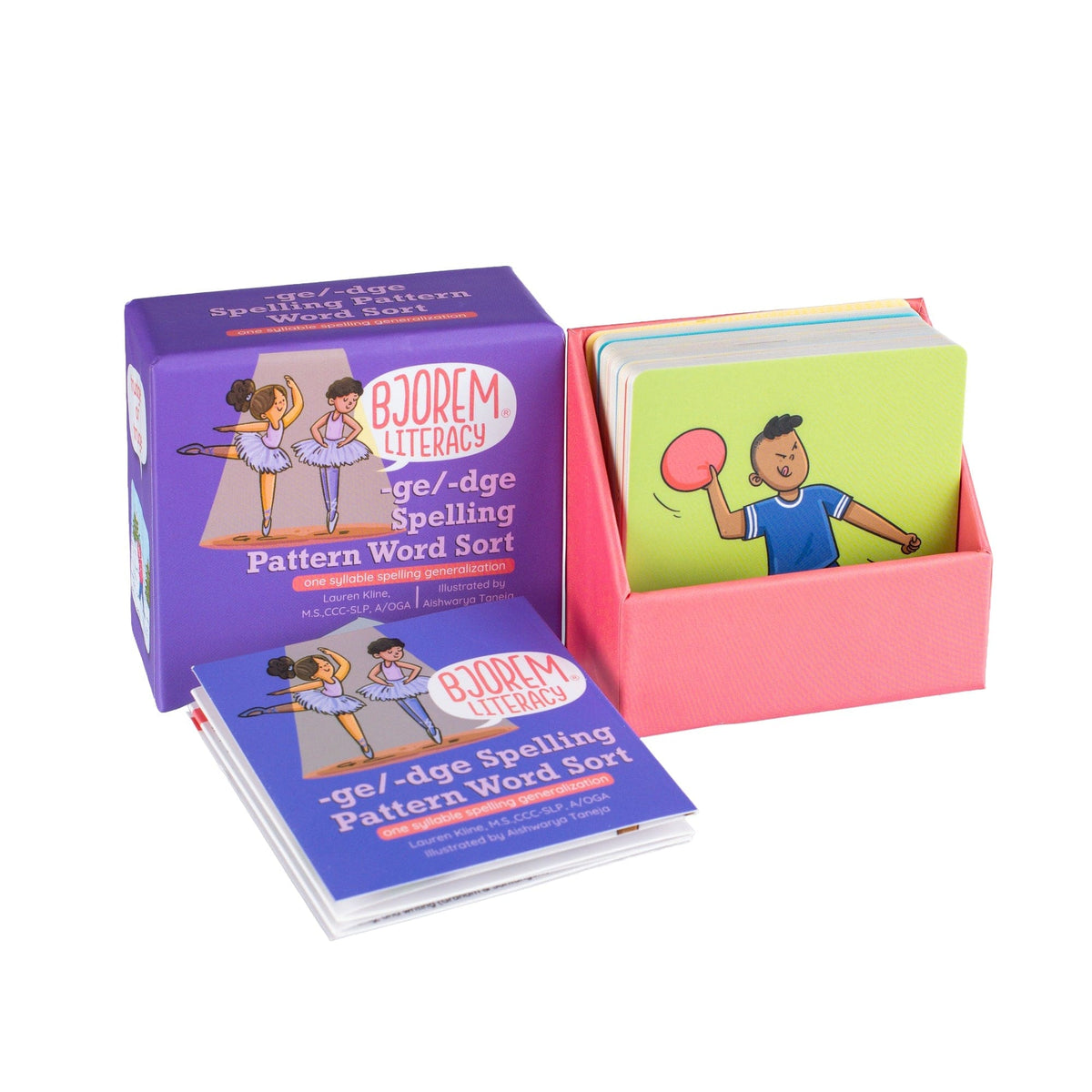
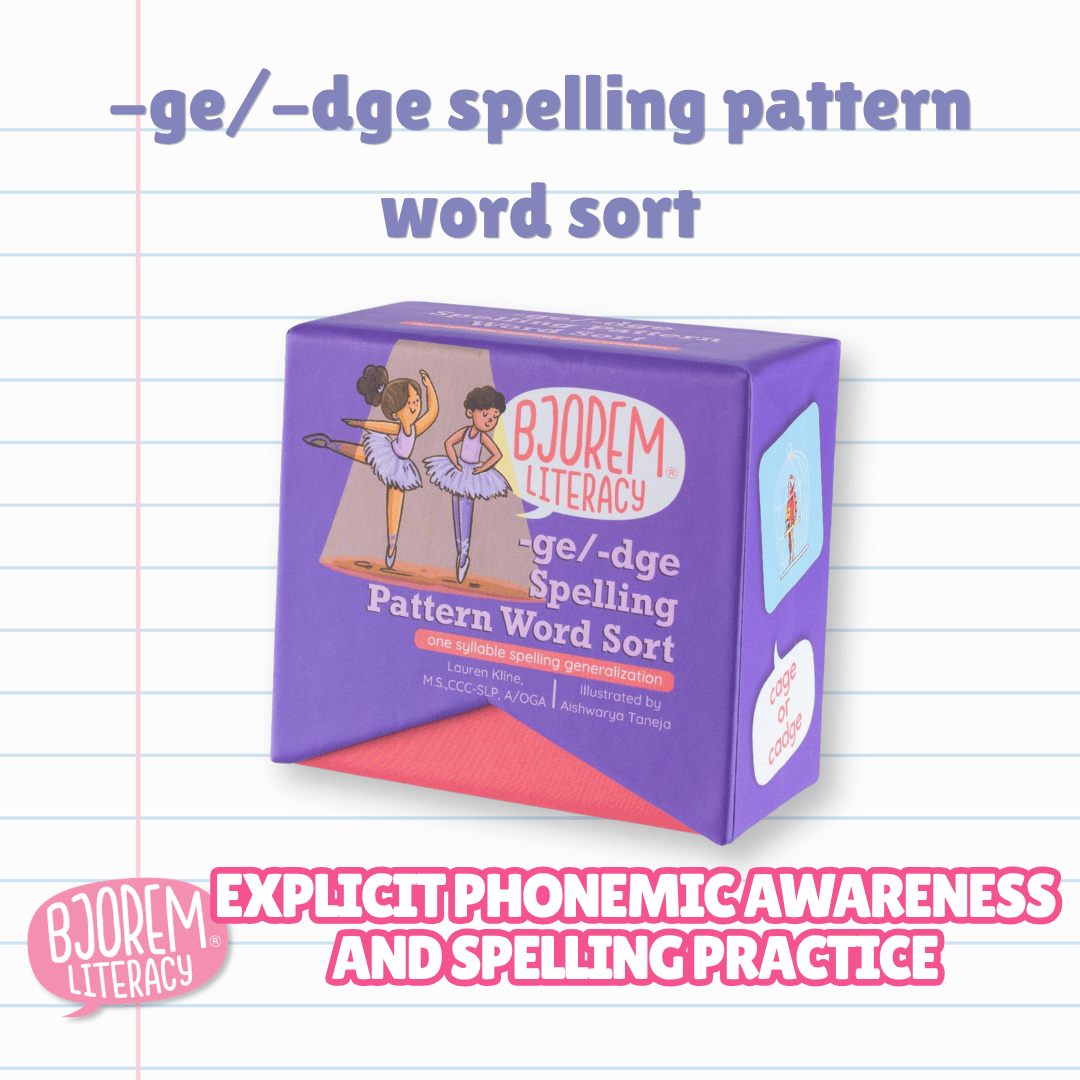
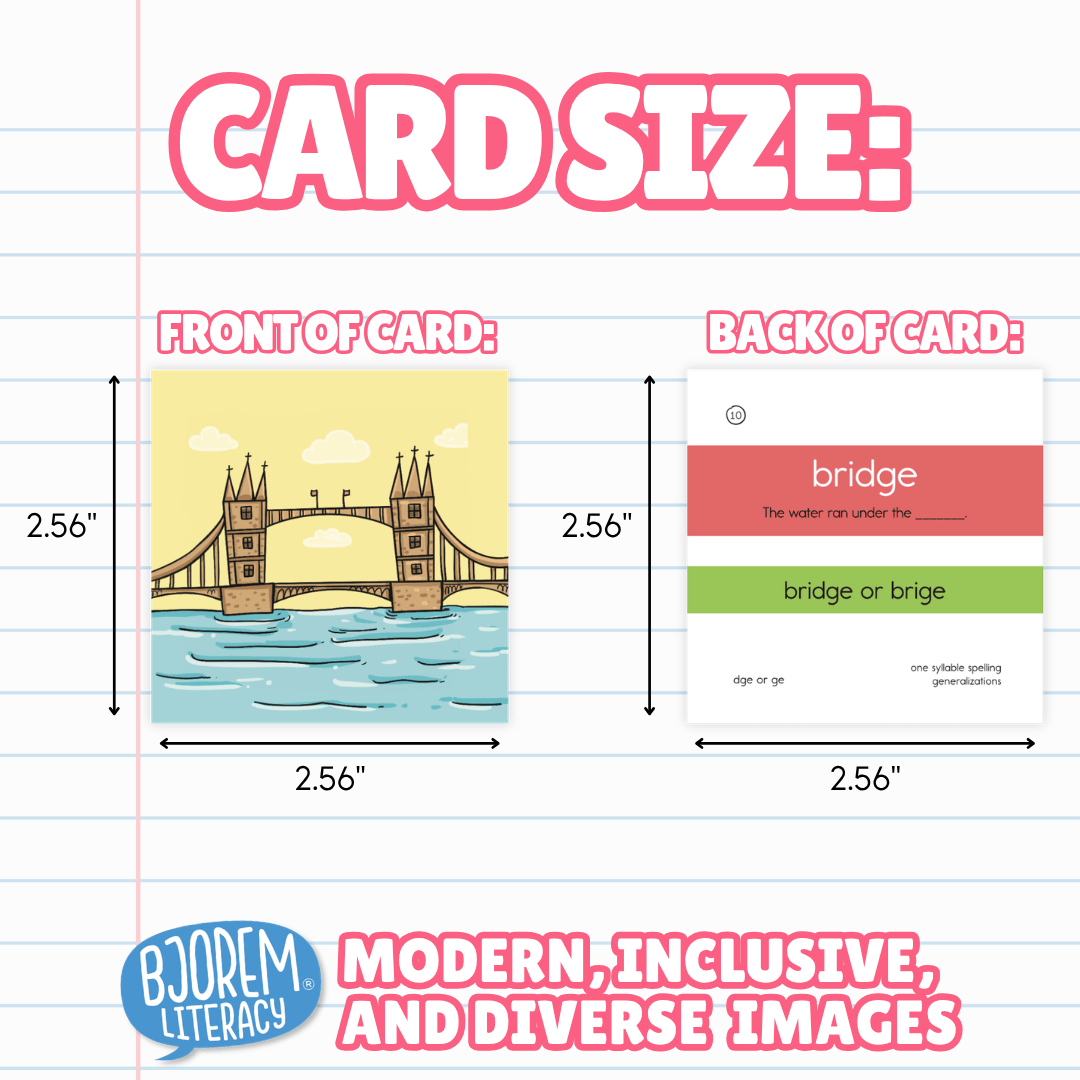
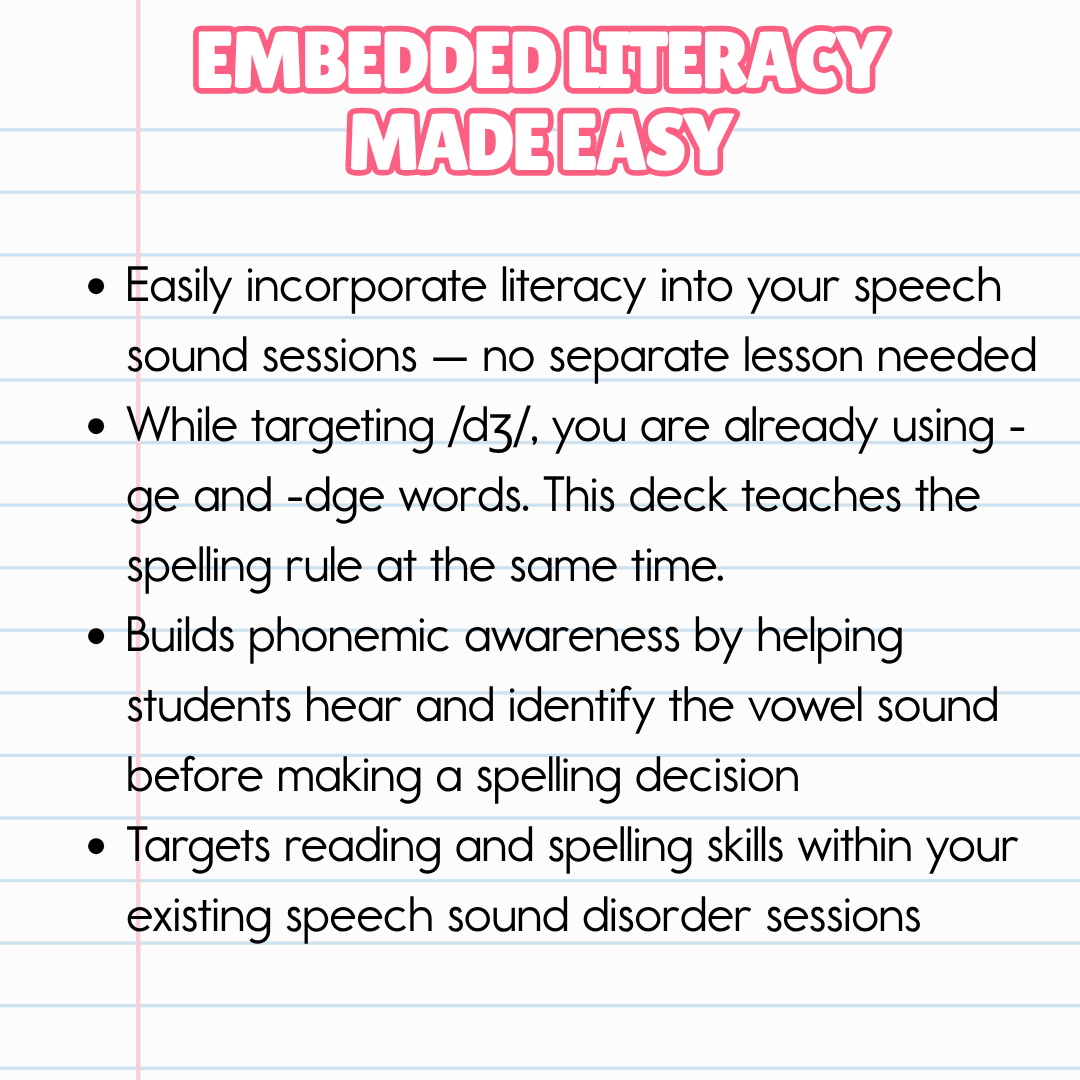
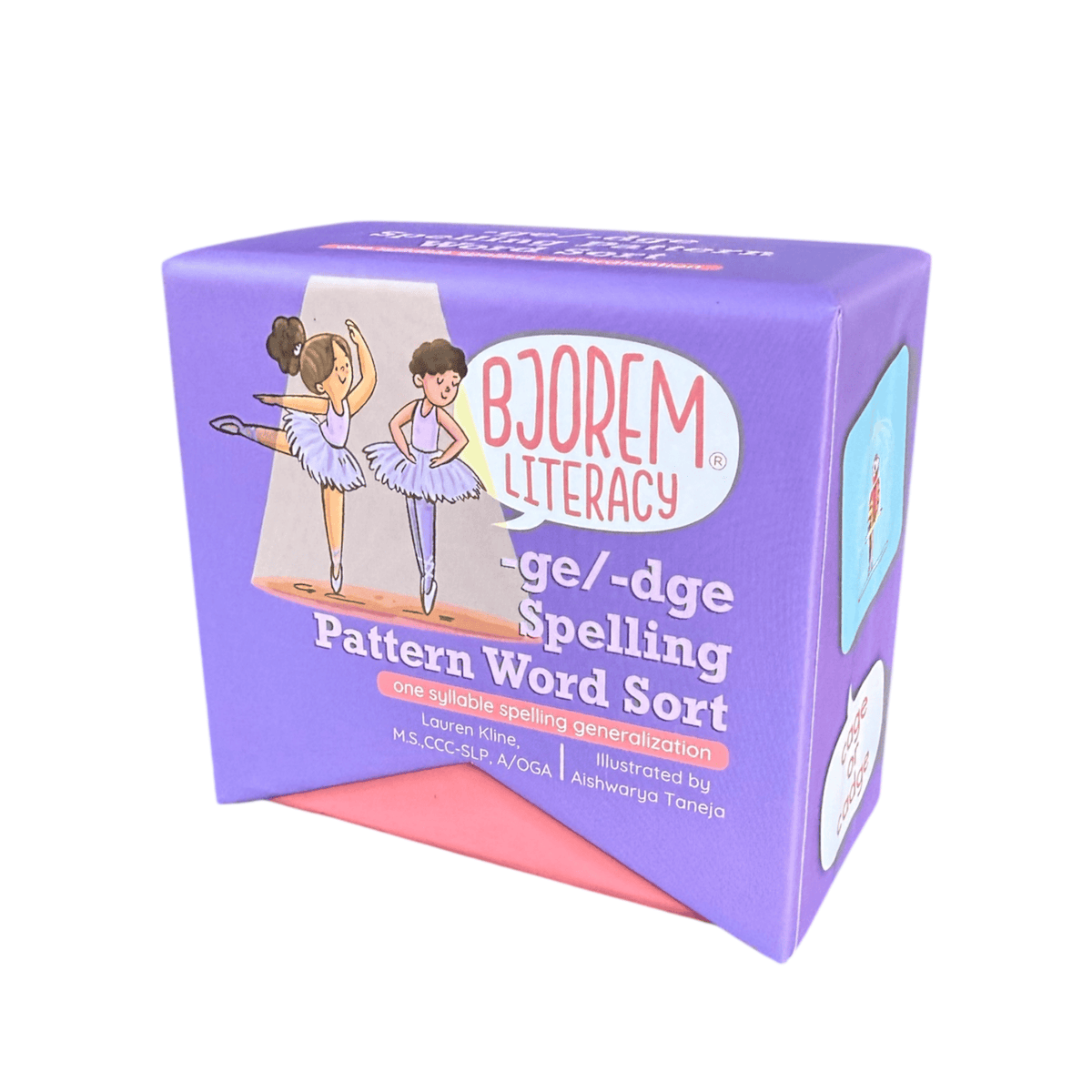
'-ge/-dge Spelling Pattern Word Sort Ge Dge Spelling Pattern Word Sort for Structured Literacy Best Speech Language Therapy Tools
Stacked layers
Bundle

Option

Image in .svg format (icon-new.svg)
New

Arrival

What else do I need to know about Phonics for Reading?

Phonics for Reading That Feels Clear, Practical, and Kid-Friendly

At Bjorem Speech & Literacy, we believe learning to read should feel empowering, not confusing or overwhelming. Our resources for phonics for reading are designed by speech-language pathologists and built with literacy experts, educators, and illustrators to support the skills that matter most: sound awareness, sound-symbol connections, and confident decoding. When children can connect what they see (letters) to what they hear and say (sounds), they begin to unlock reading in a way that truly sticks.

We keep things research-informed, but never overly academic. These tools are meant to be used in real-life therapy sessions, classrooms, homeschool routines, and quick practice at the kitchen table. Because progress happens in small, steady moments.

Phonics in Reading Starts With Strong Sound Awareness

Phonics in reading isn’t just about memorizing letter names or racing through word lists. It’s about building a strong foundation where children can notice sounds, map them to letters, and blend them into words they can actually read. Our approach supports that foundation by making speech sounds and letters easier to understand through clear visuals, predictable routines, and engaging practice that feels achievable.

For many children (especially those with speech sound disorders or childhood apraxia of speech), speech and literacy development are closely connected. When sound production or sound discrimination is challenging, decoding can be harder too. That’s why we build resources that support both speech clarity and early literacy skills working together, not separately.

Phonics Reading Tools That Bridge Speech Therapy and Literacy Instruction

If you’re an SLP, teacher, or parent looking for phonics reading supports that don’t feel like “more work,” you’re in the right place. Our materials help you model sounds clearly, practice blending and segmenting, and reinforce sound-letter mapping in a way kids can repeat. Think of it as the bridge from phonics to reading: the moment when a child goes from recognizing letters to actually decoding words with growing confidence.

  • Visual supports that make phonemes easier to remember
  • Activities that strengthen phonemic awareness for decoding and spelling
  • Functional, repeatable routines that work across settings
  • Inclusive, engaging design that keeps kids participating

Reading Phonics Practice That Builds Confidence Over Time

Reading phonics skills develop through consistent, meaningful practice, not quick fixes. We design resources that help adults cue consistently and help children understand the “why” behind the work. When kids can successfully blend sounds, decode a word, and recognize that they did it, motivation grows. That confidence matters just as much as the mechanics.

Whether you’re supporting early readers, reinforcing decoding in intervention, or strengthening spelling through sound awareness, these tools help keep practice focused, friendly, and effective.

Reading With Phonics at School and at Home

Reading with phonics becomes more powerful when it carries over beyond the lesson. That’s why our resources are designed to be easy for families to use, too. Parents and caregivers can follow simple routines, practice sounds and words during everyday moments, and support their child without needing a graduate-level background in literacy instruction.

Some learners thrive with short daily check-ins. Others do best with playful practice woven into phonics books, games, and movement. However you do it, the goal is the same: help kids read with phonics in a way that feels steady, supportive, and achievable.

Phonic Reading Call to Action: Start Building Strong Readers Today

Ready to strengthen decoding, sound-letter mapping, and early reading confidence? Explore our collection designed for phonics reading success and choose tools that fit your students’ needs. 

Add your favorites to the cart and start supporting phonics for reading with resources that make learning clearer, more engaging, and more consistent, one sound and one word at a time.


Frequently Asked Questions about Phonics for Reading

What is the connection between phonics and learning to read?
Phonics is the system that connects spoken sounds (phonemes) to written letters and letter patterns (graphemes). Reading research consistently shows that children who develop strong phonemic awareness and decoding skills become more fluent, accurate readers. Our phonics-for-reading collection is built around that science, giving children explicit, structured practice with the sound-letter relationships that English readers need to crack the code. The goal isn't memorizing words by sight; it's constructing the decoding system that makes any unfamiliar word accessible
How is this phonics for reading collection different from a standard phonics workbook?
Workbooks tend to be passive, paper-and-pencil experiences that can feel like a chore. Our phonics-for-reading tools are interactive, multi-sensory, and designed to be touched, moved, and played with. Many of the products were created in collaboration with literacy specialists and dyslexia therapists, so they reflect structured literacy principles rather than guess-and-check methods. The result is something you can pull off the shelf and use in a tutoring session, classroom small group, or after-school routine without printing or laminating anything.
Is this phonics collection appropriate for kids with dyslexia or other reading differences?
Yes, the collection was developed with neurodivergent learners firmly in mind. Several products were designed specifically with structured literacy and Orton-Gillingham-aligned methods in the background, which research supports for learners with dyslexia. That said, every learner is different. If your child has a diagnosed reading disability, we recommend pairing these tools with guidance from a trained literacy therapist or reading specialist who can sequence instruction appropriately.
At what age or grade level should I start using phonics for reading tools?
Early phonemic awareness work can begin as early as preschool with rhyming, sound matching, and blending games. Explicit phonics instruction typically kicks in around kindergarten and first grade, then continues to deepen through second and third grade as children encounter more complex spelling patterns. We carry tools across that full developmental arc, and the collection page notes each product's recommended grade or skill band so you can find the right fit.
How do I know if my child actually needs phonics support or is just a late reader?
Some children take a little longer for reading to click, and that's normal. The signs worth paying attention to include difficulty hearing and manipulating sounds in words, persistent guessing at words by the first letter, mixing up letter sounds well past kindergarten, and avoidance of reading tasks at home or school. If those patterns continue past the first half of first grade, it's worth talking with the school or a reading specialist about a screening. Phonics-based tools tend to help across the board, but a structured screening tells you whether you're dealing with a developmental window or a deeper reading difference.