
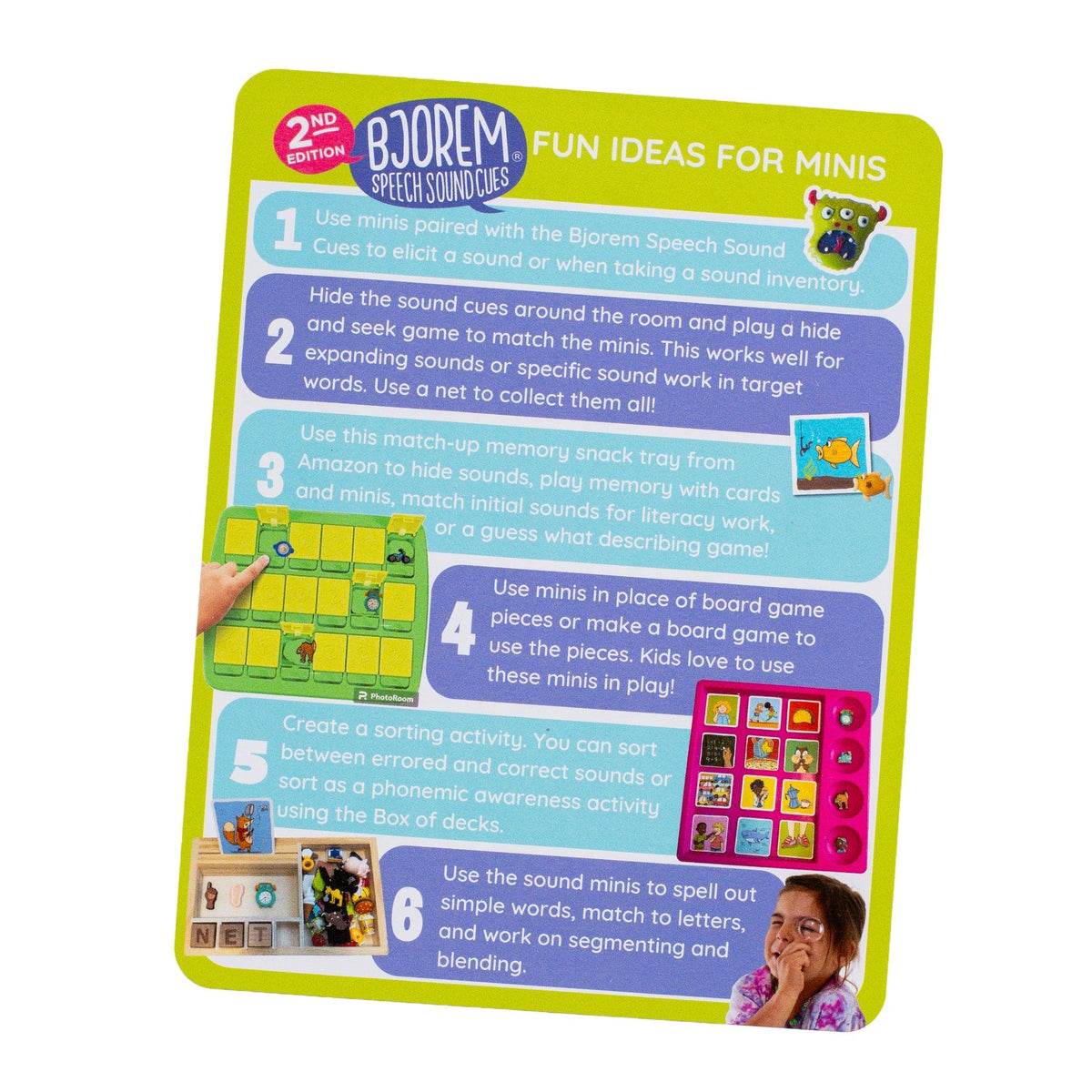


Contrast Cues for Speech & Literacy
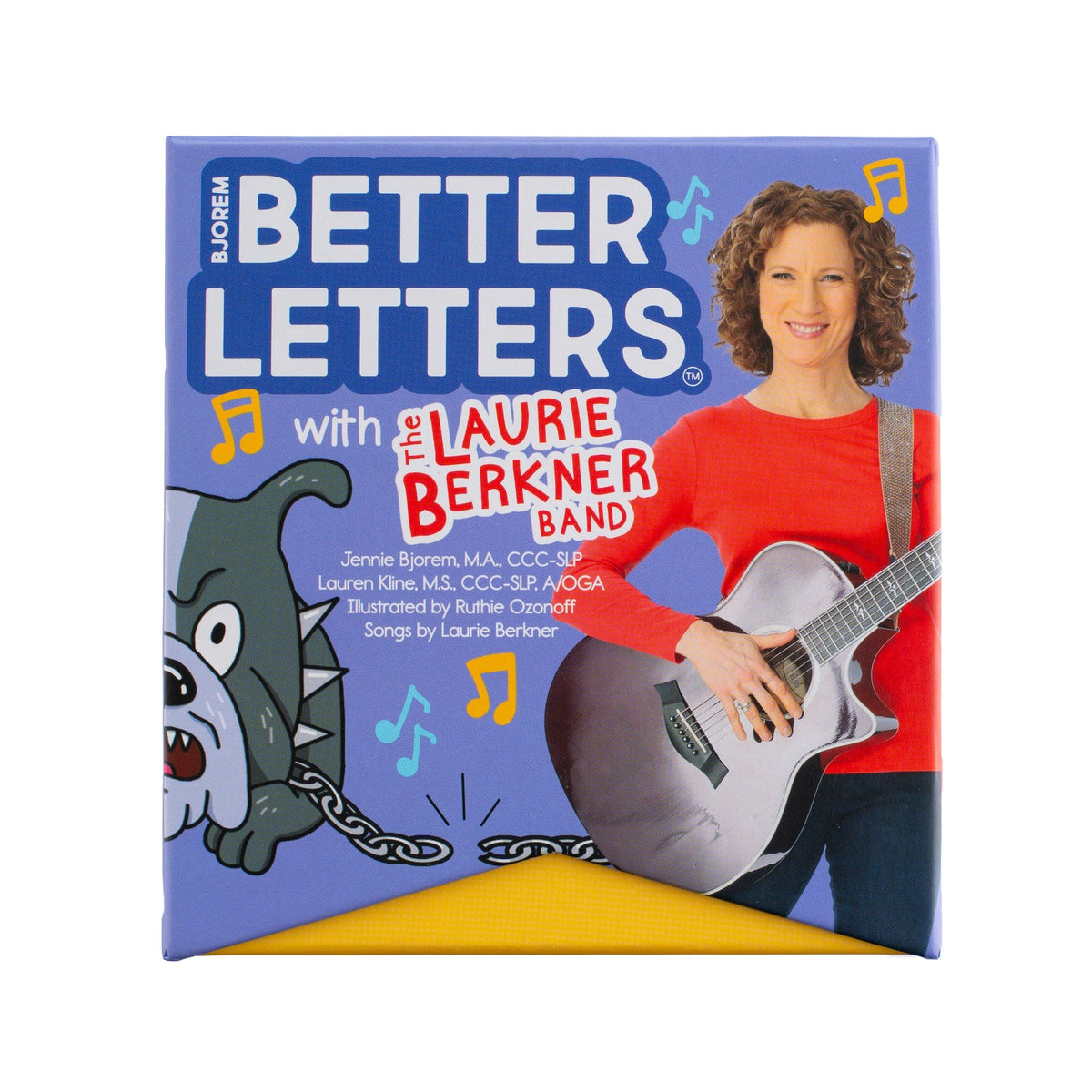
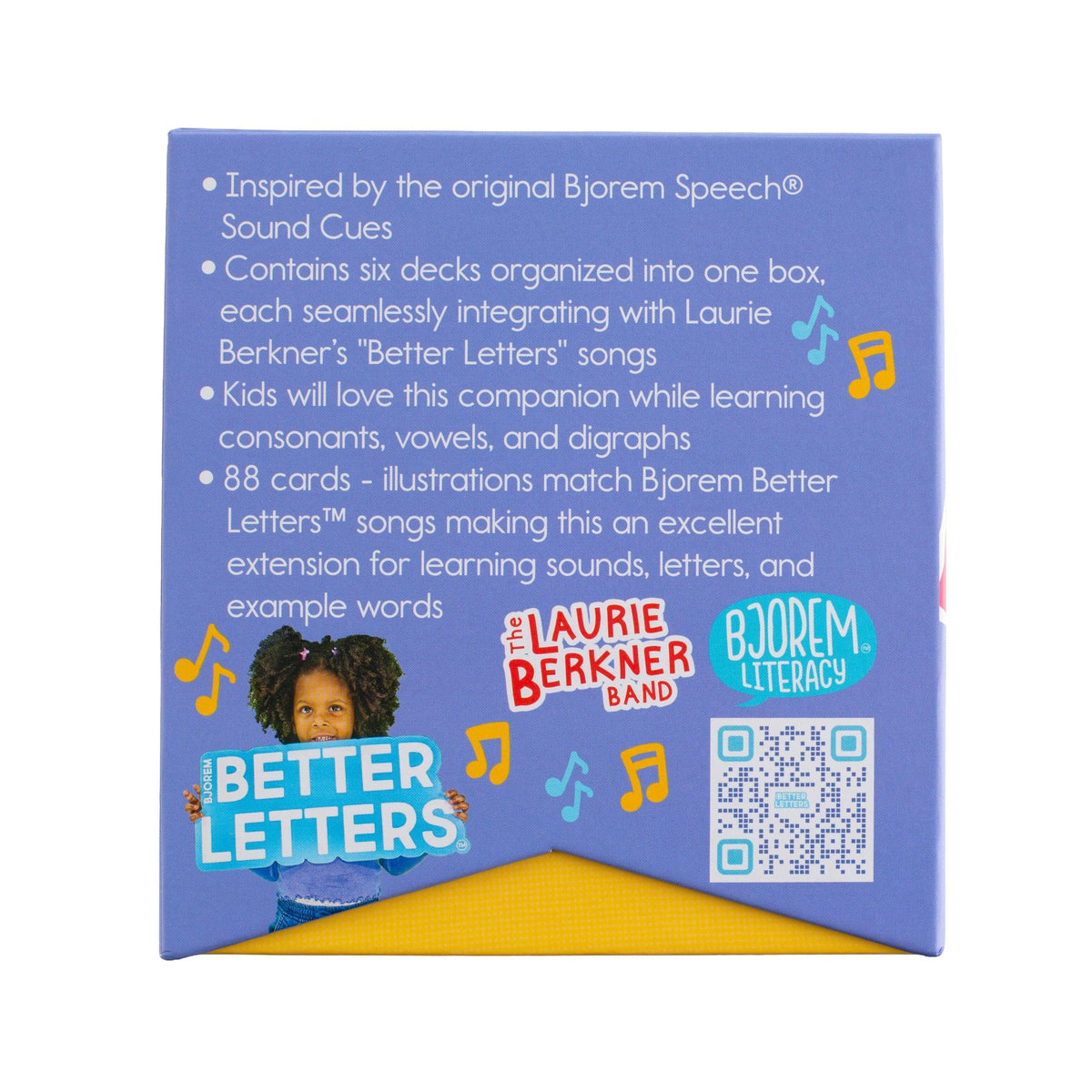
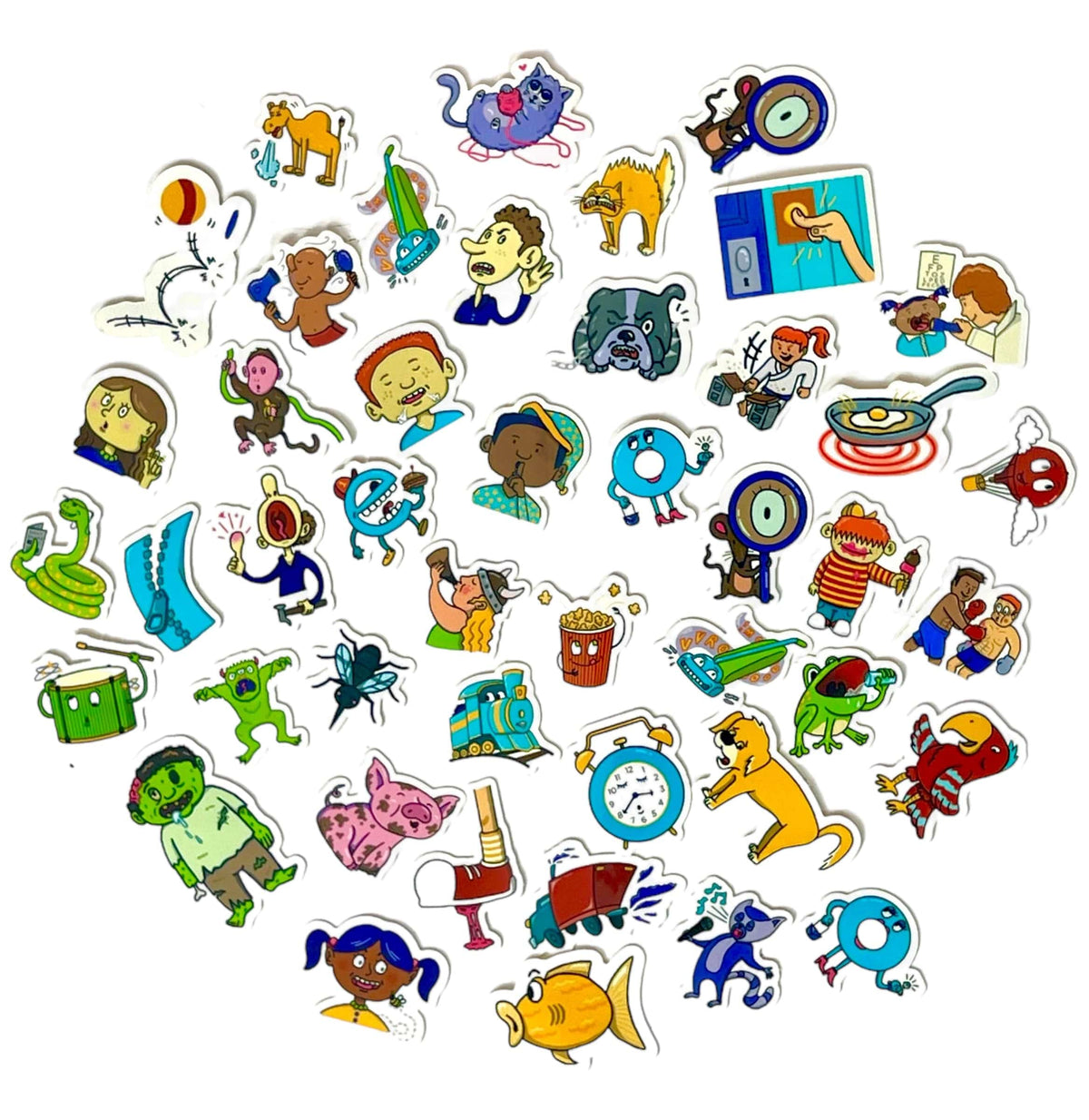
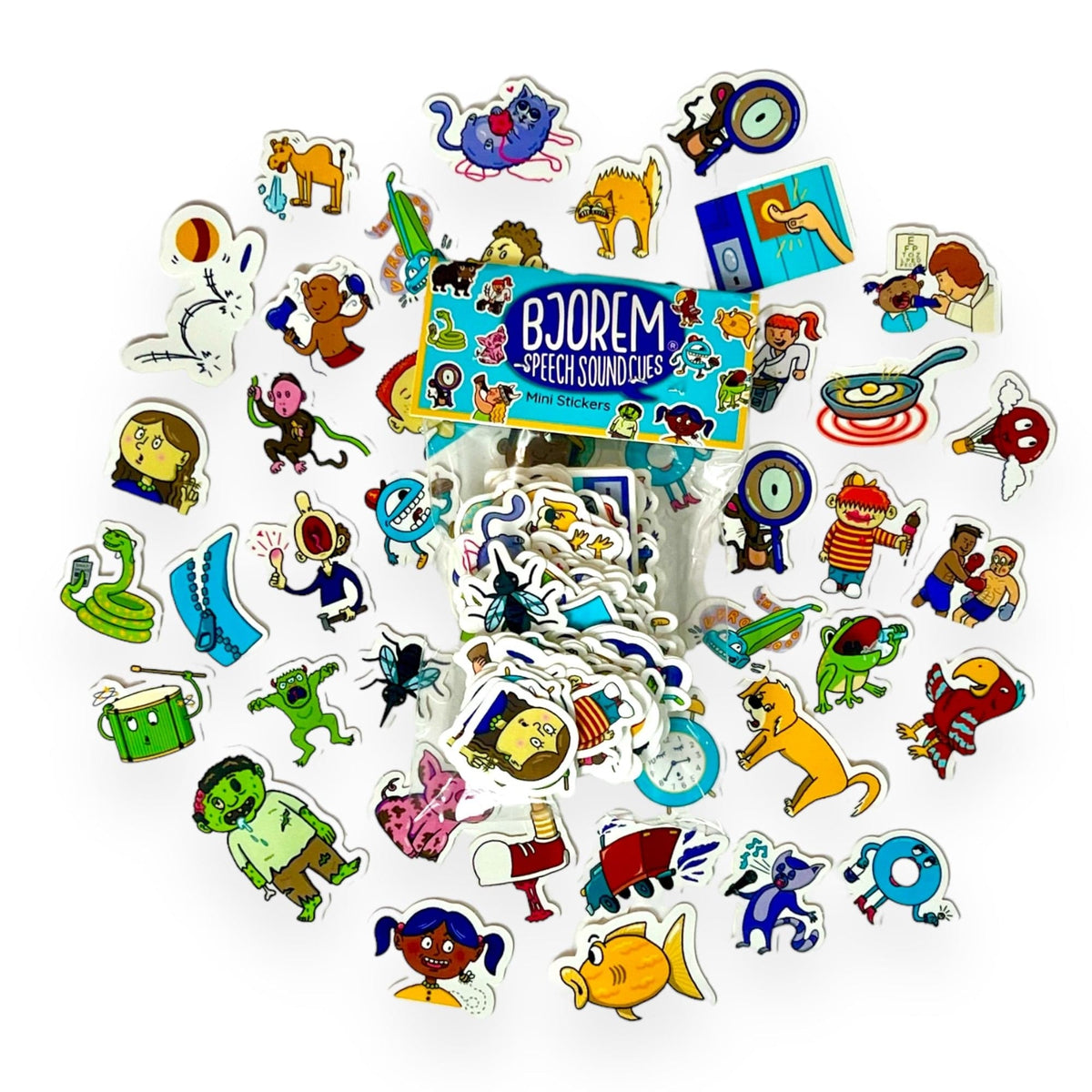
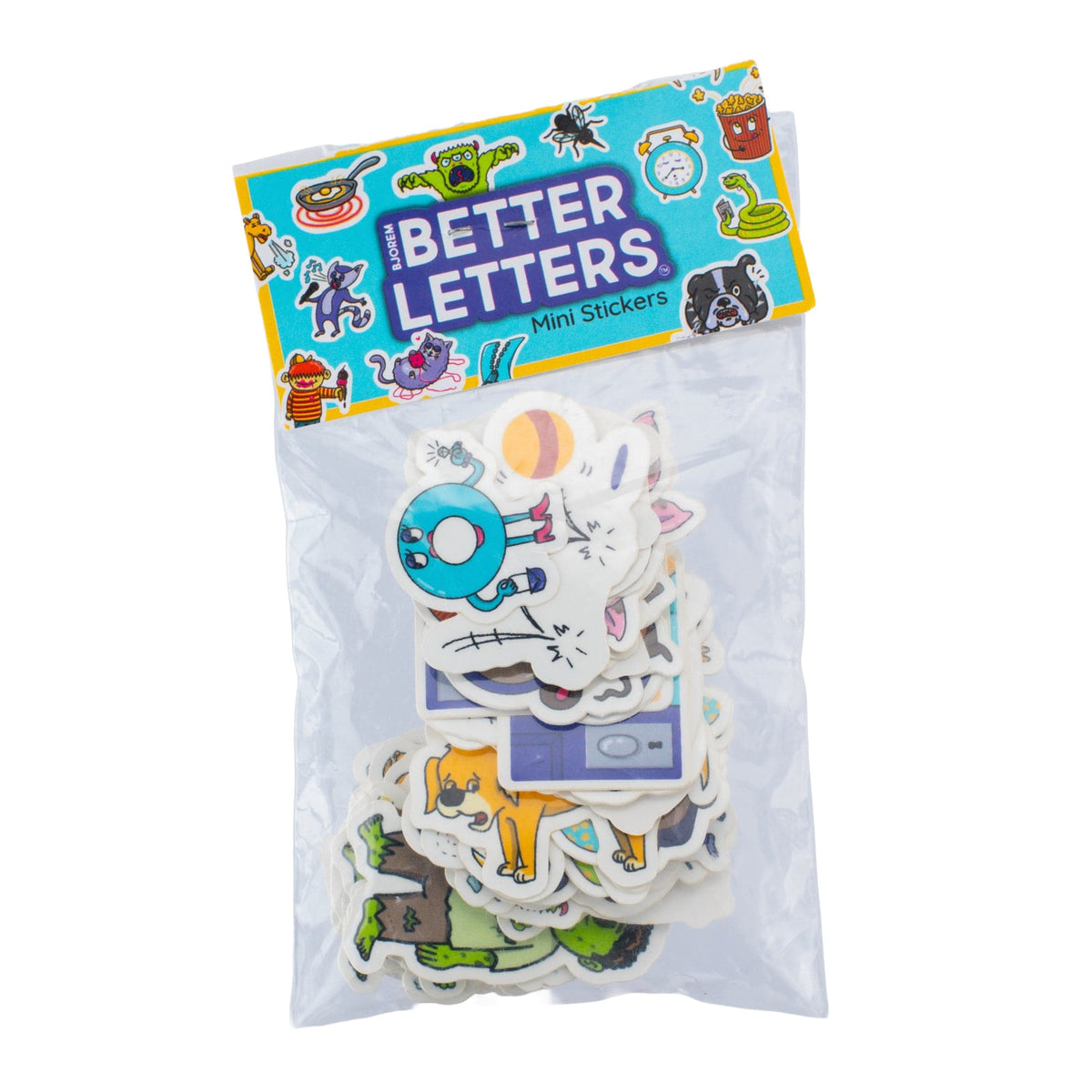
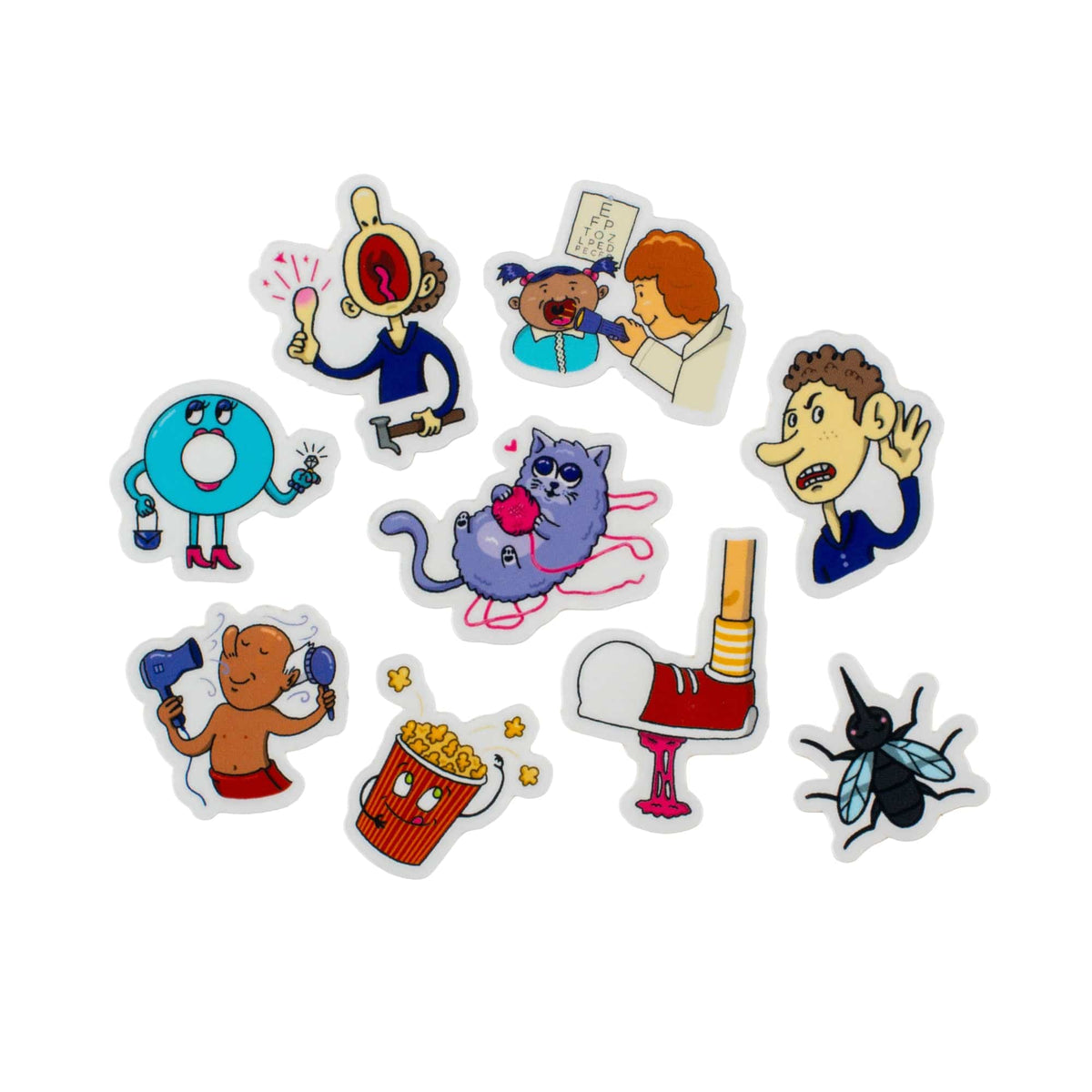
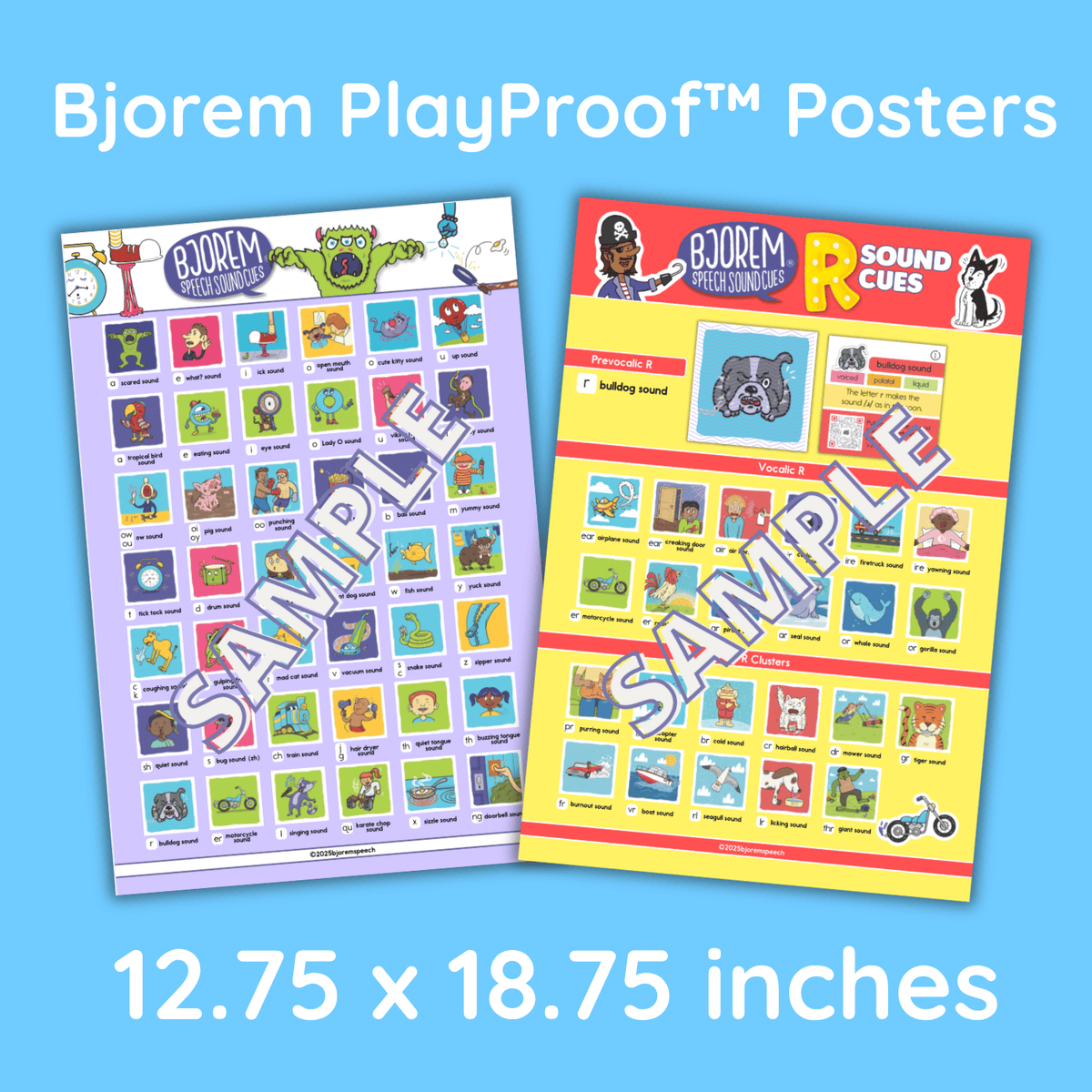
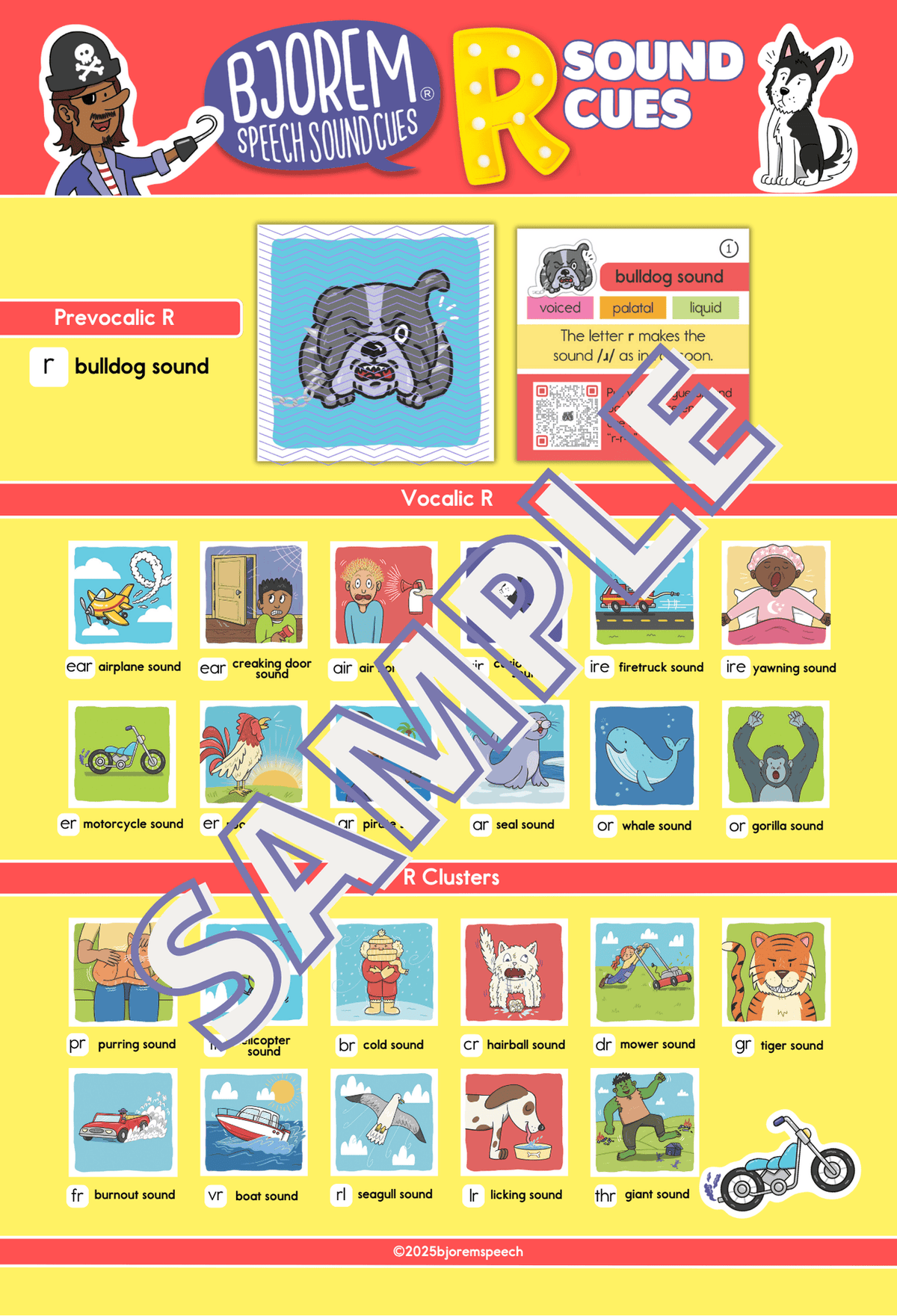
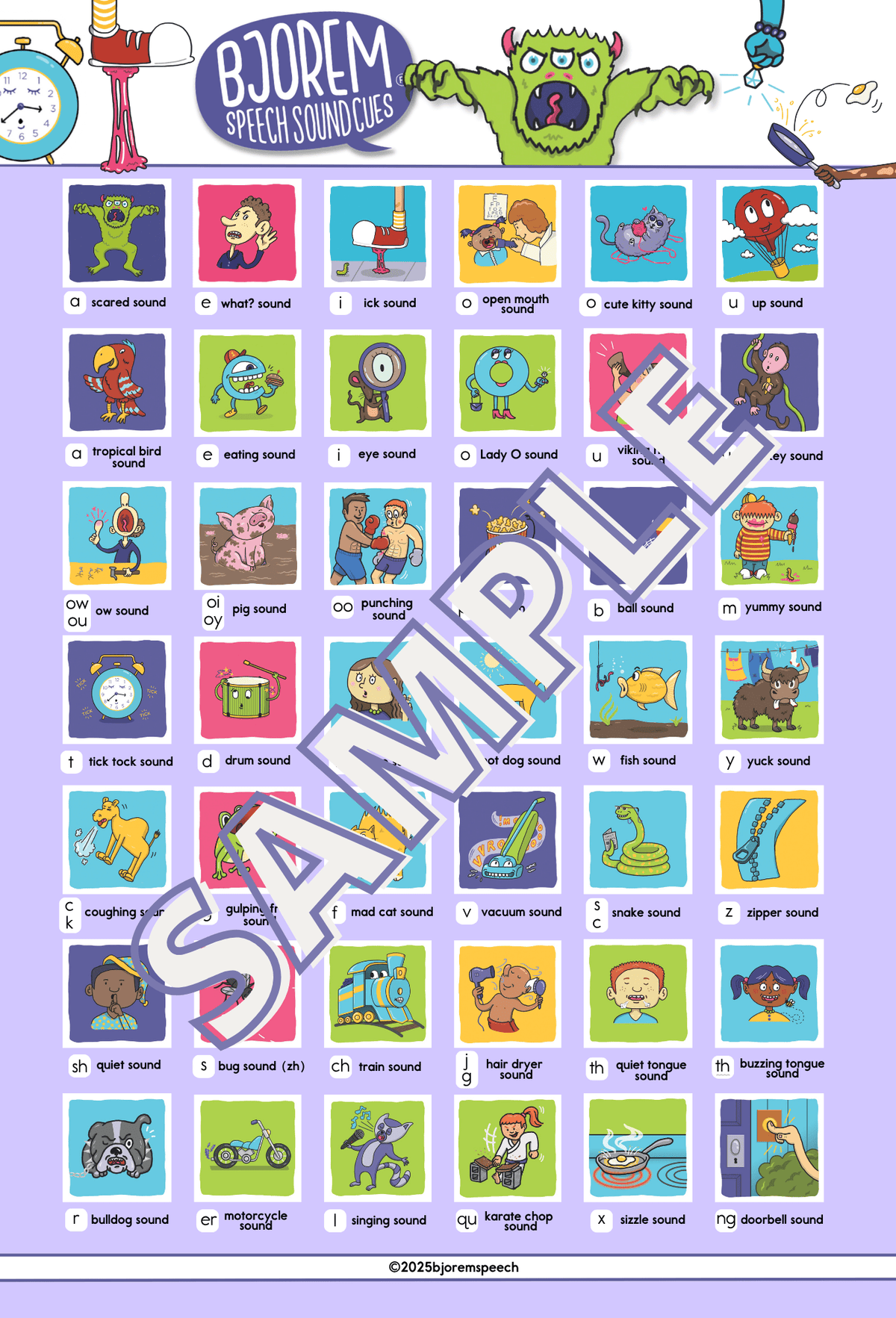
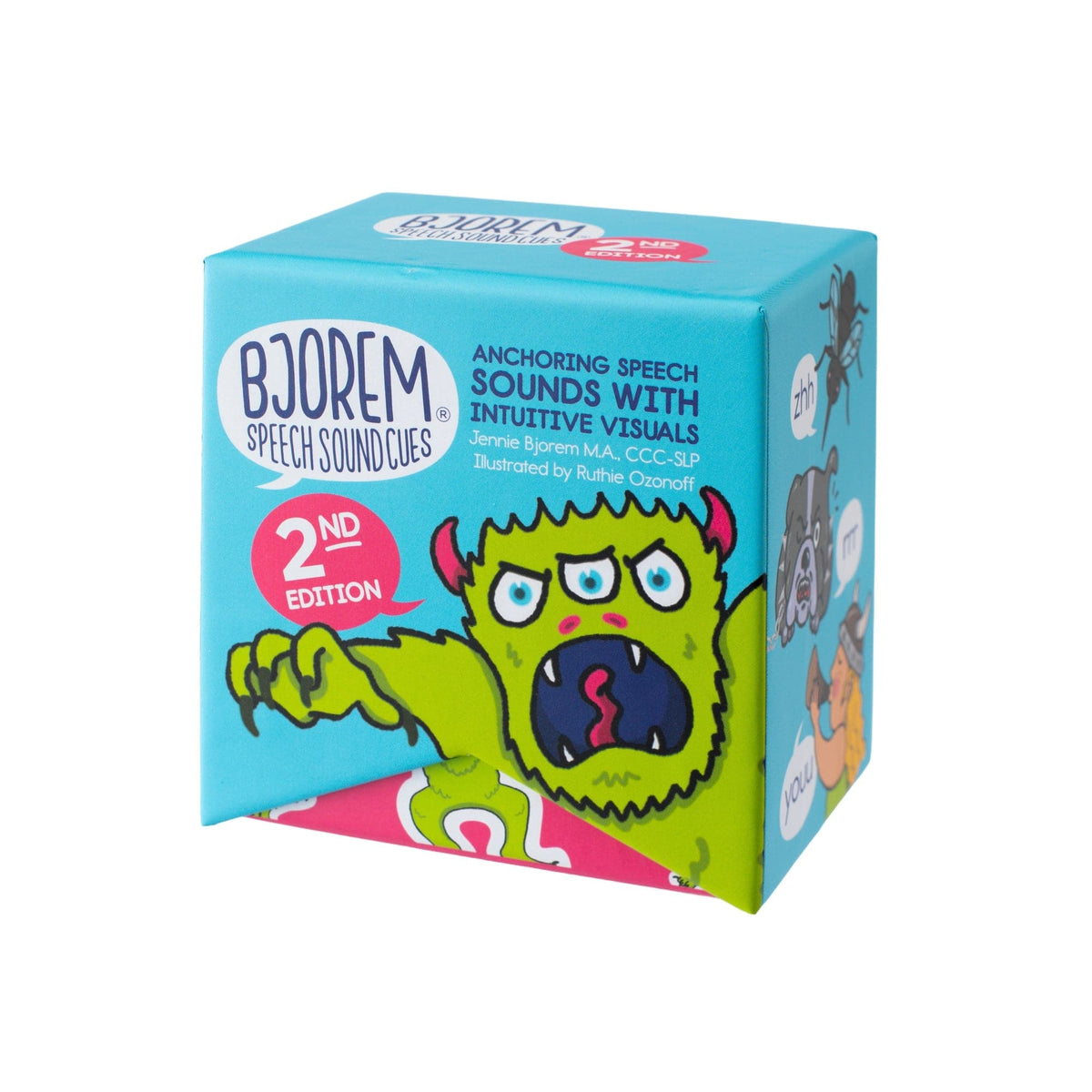
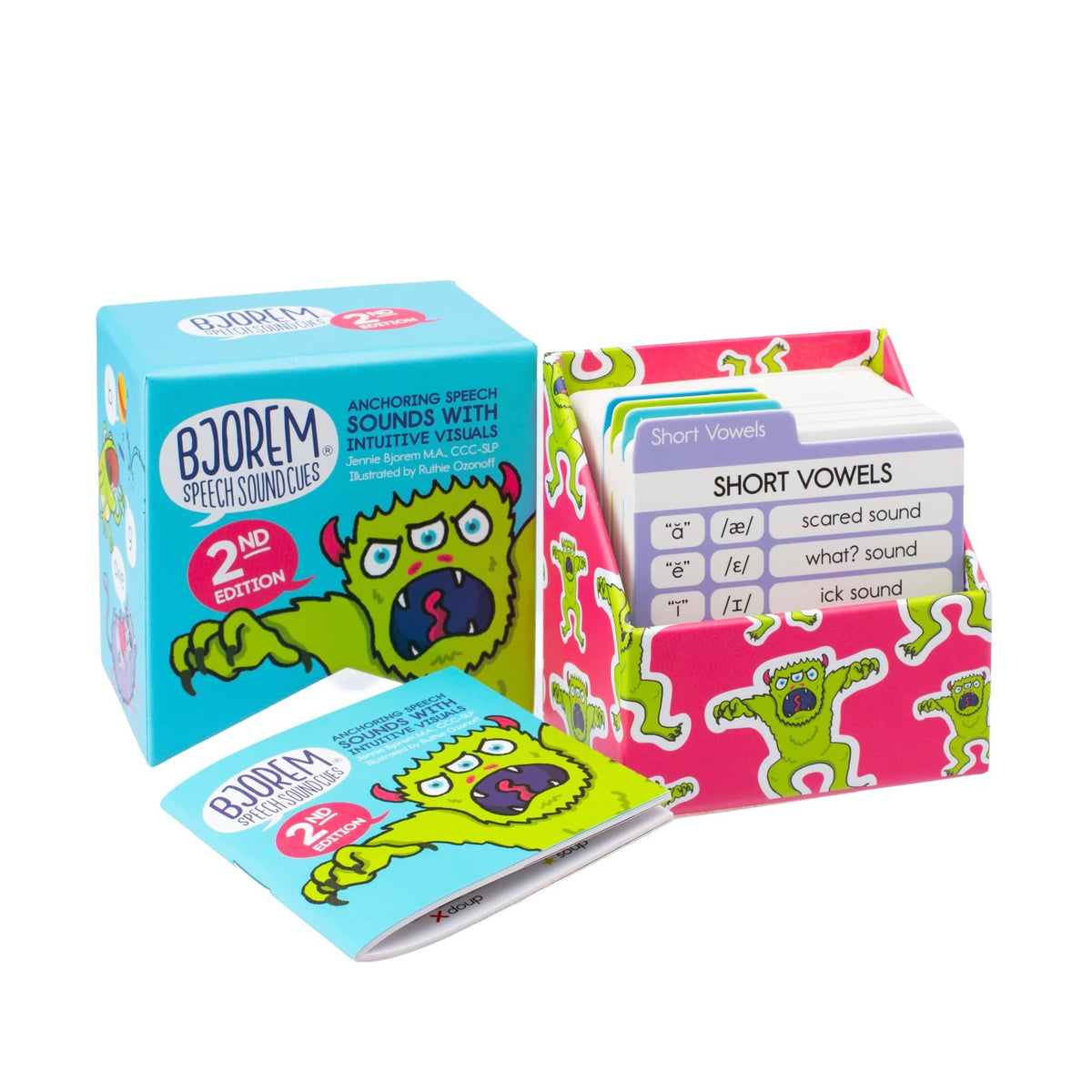
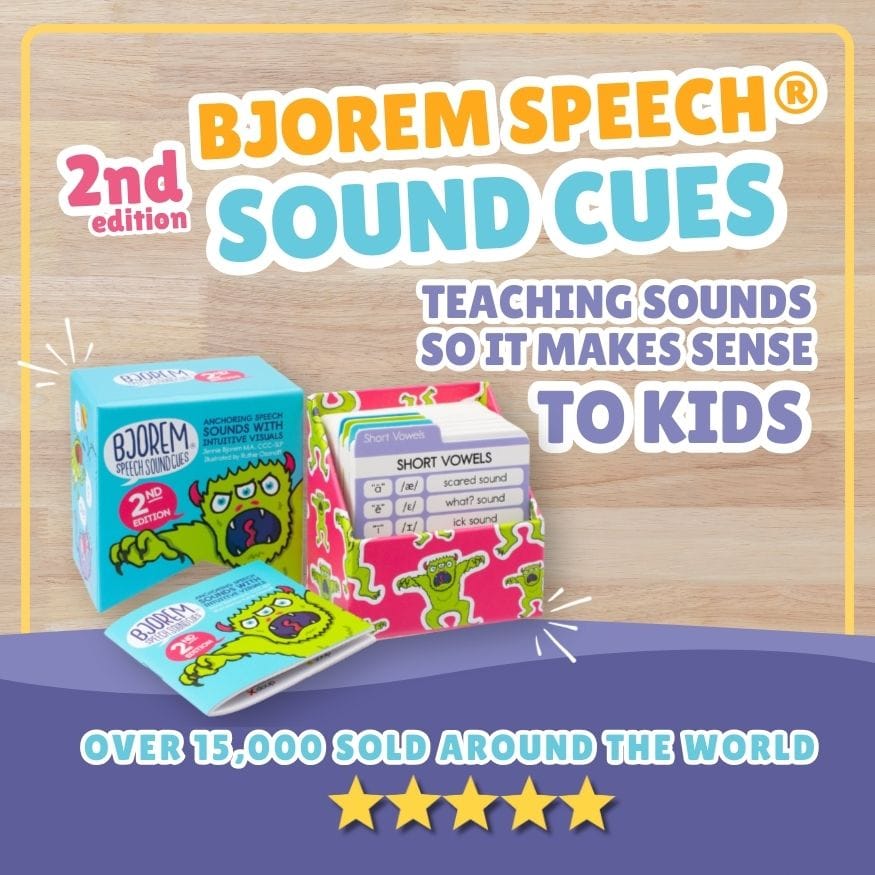
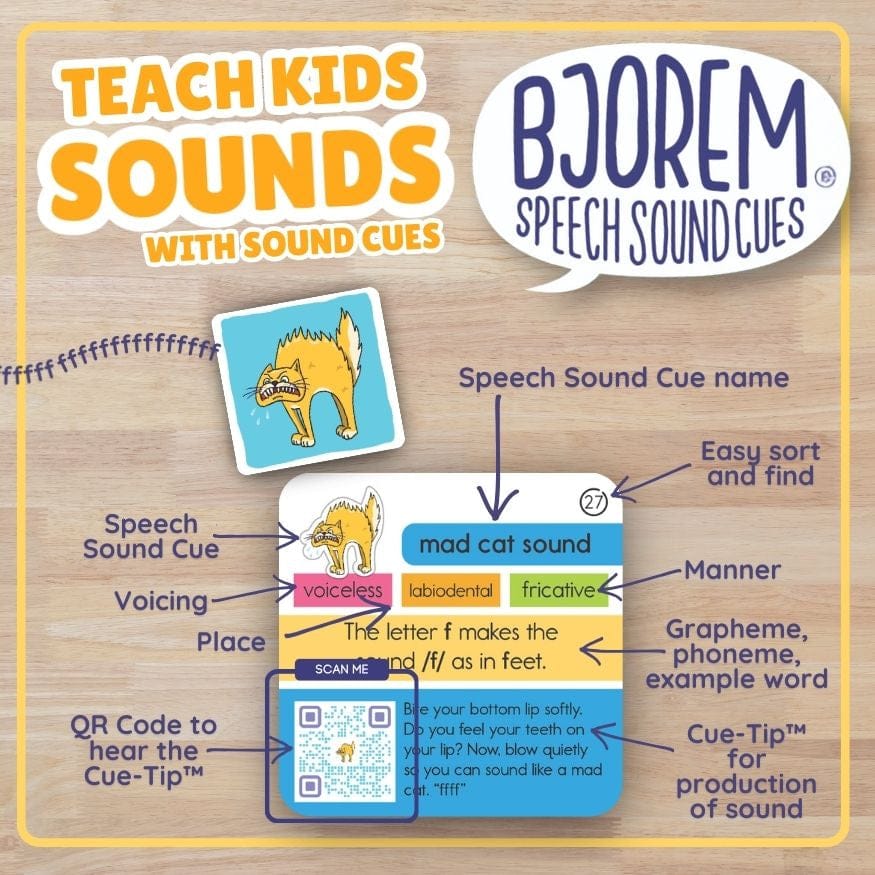
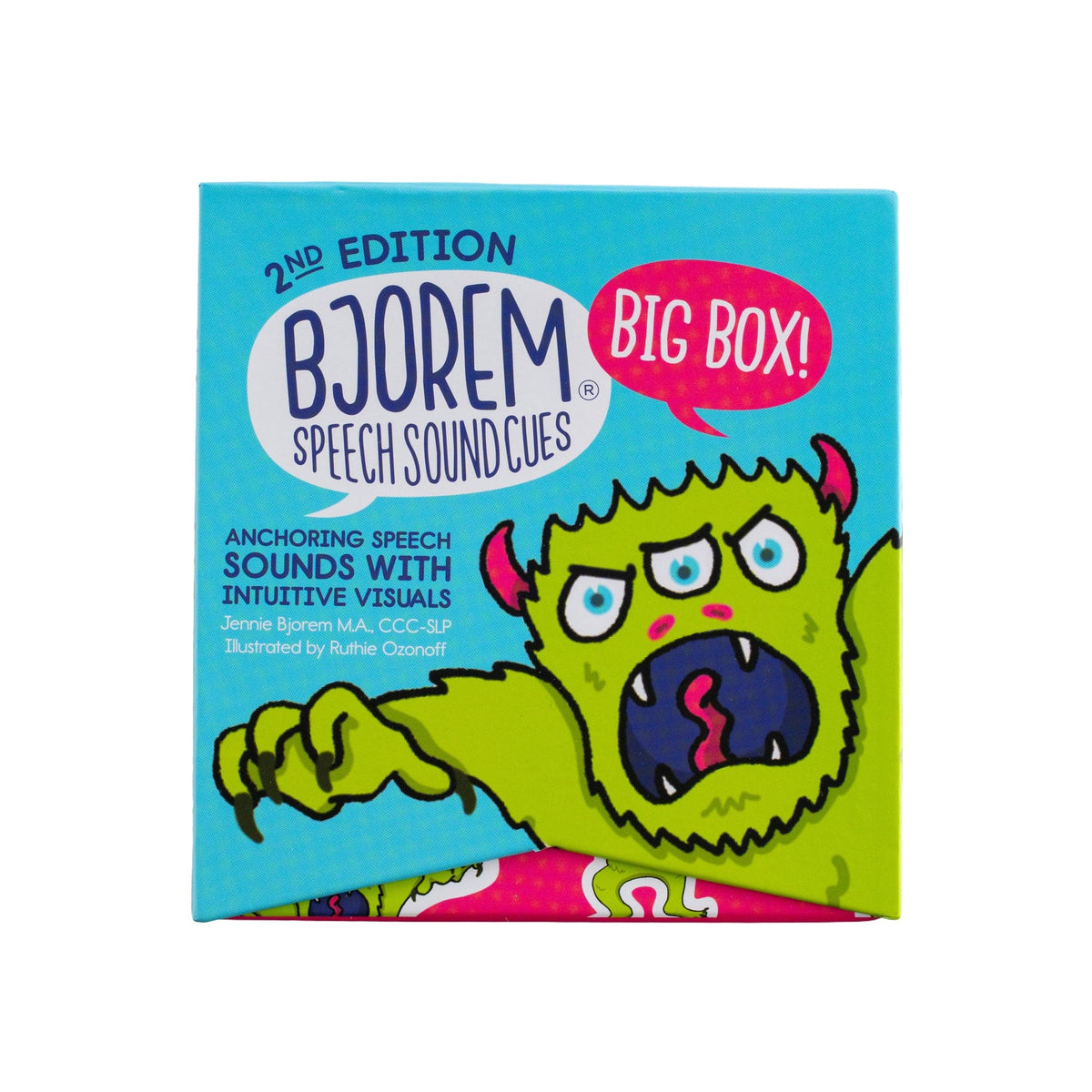
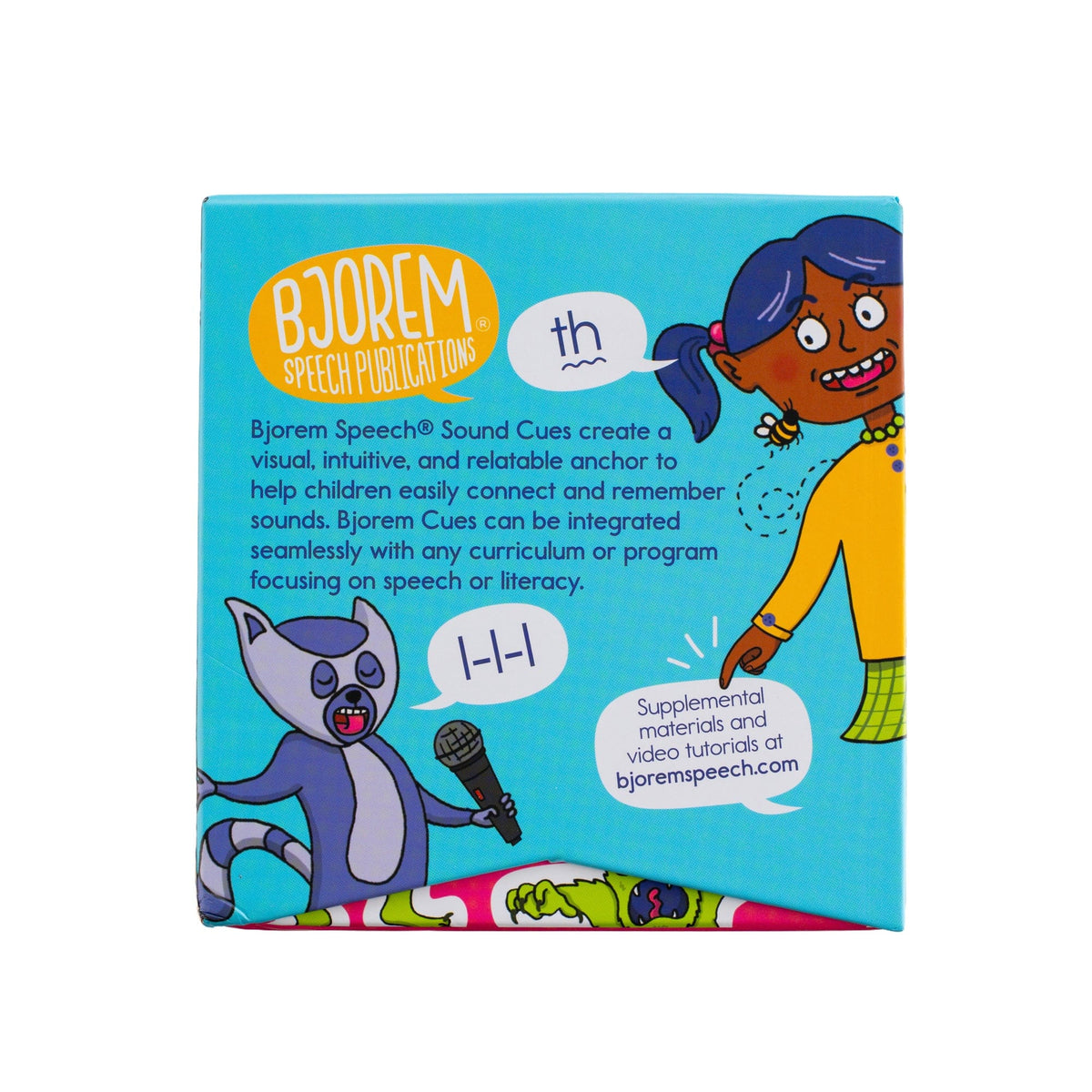
Bjorem PlayProof™ Poster: Bjorem Speech Sound Cues

Item

Arrival
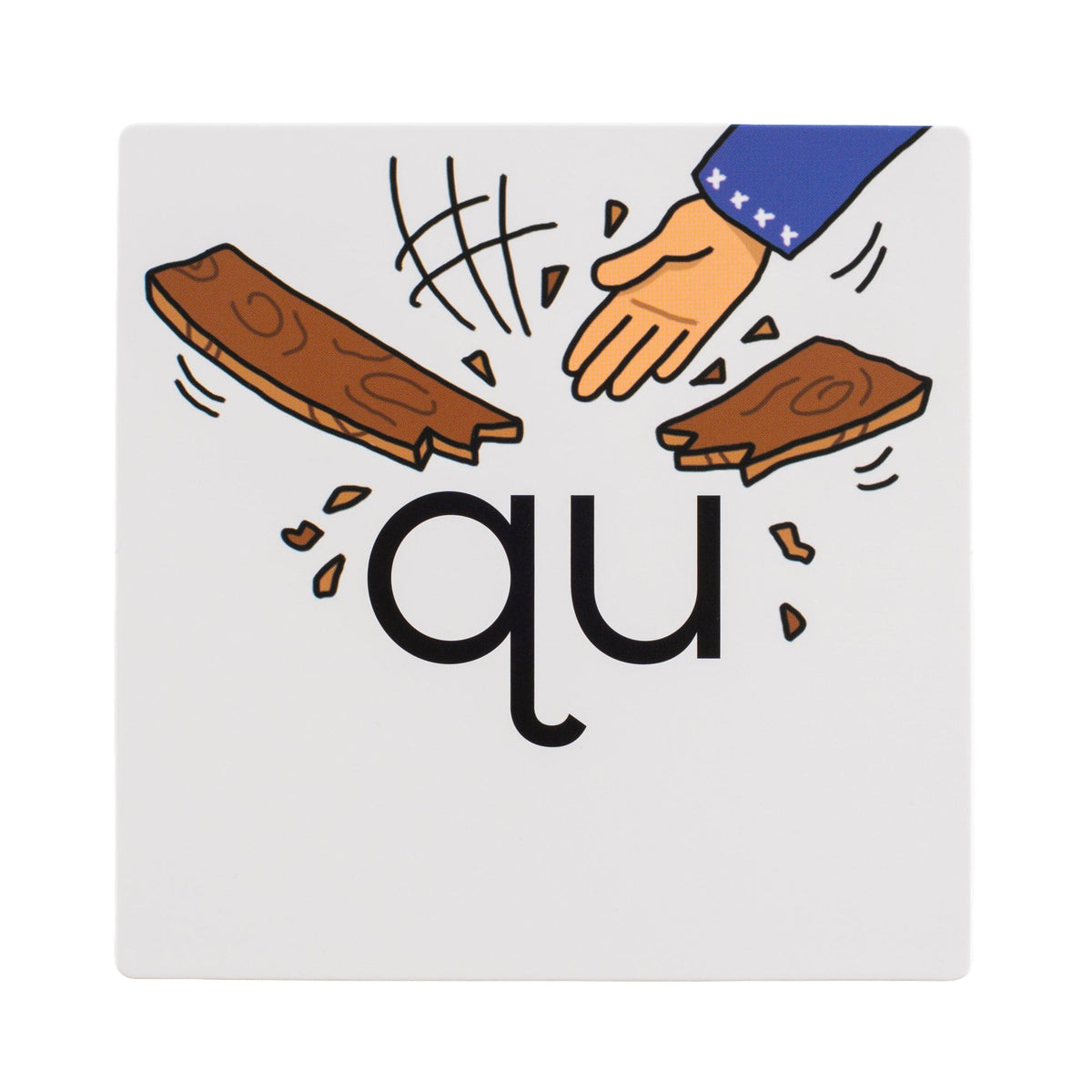
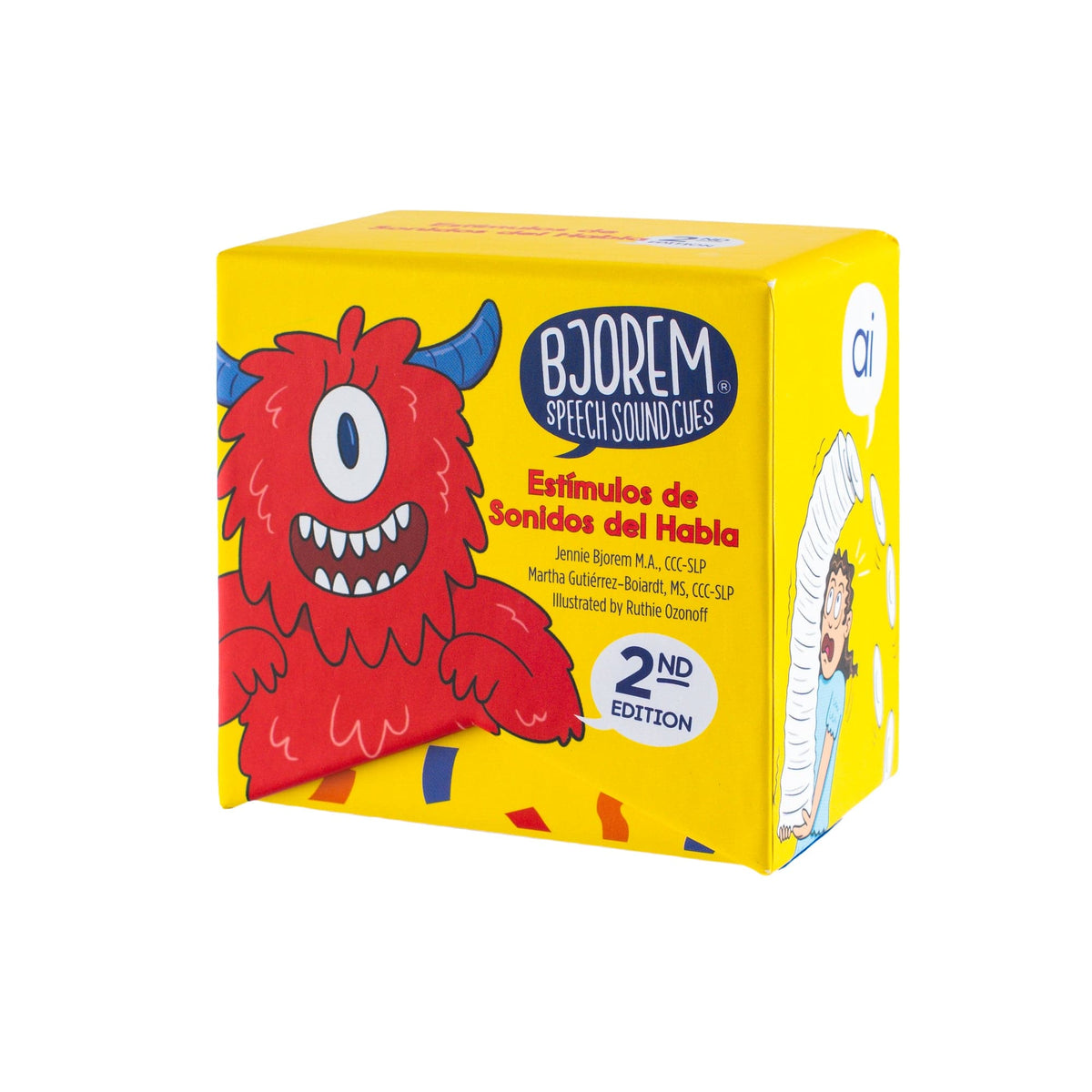
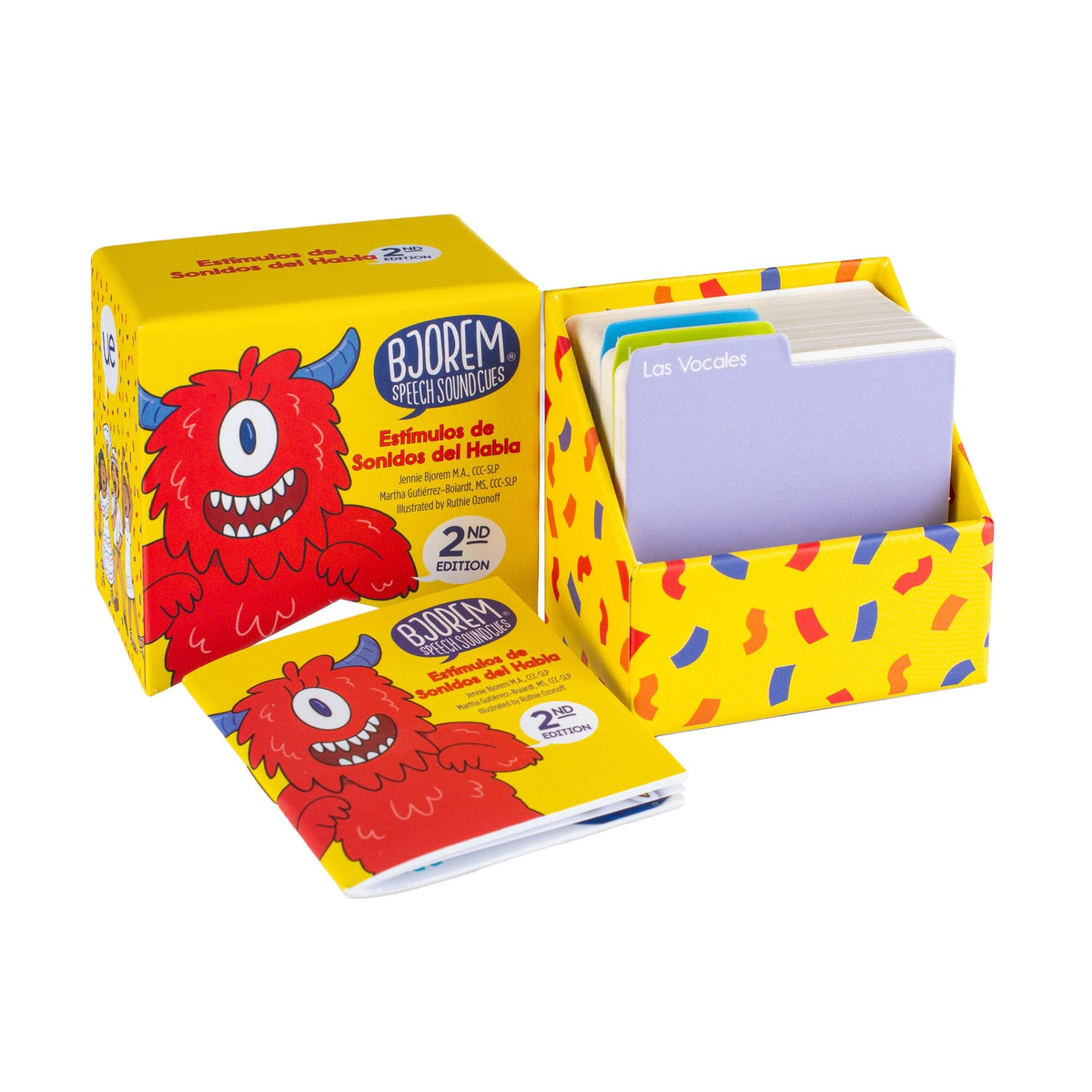
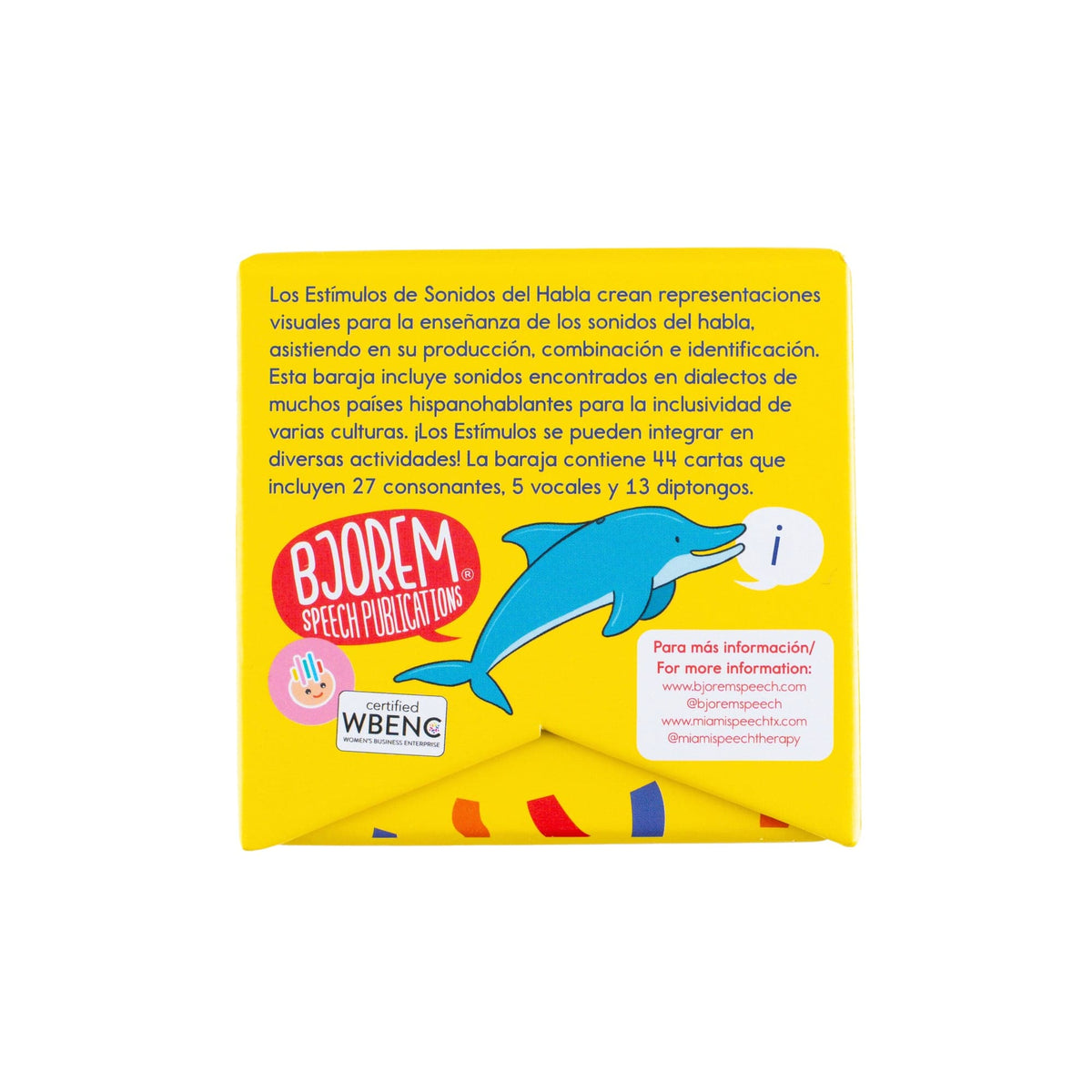
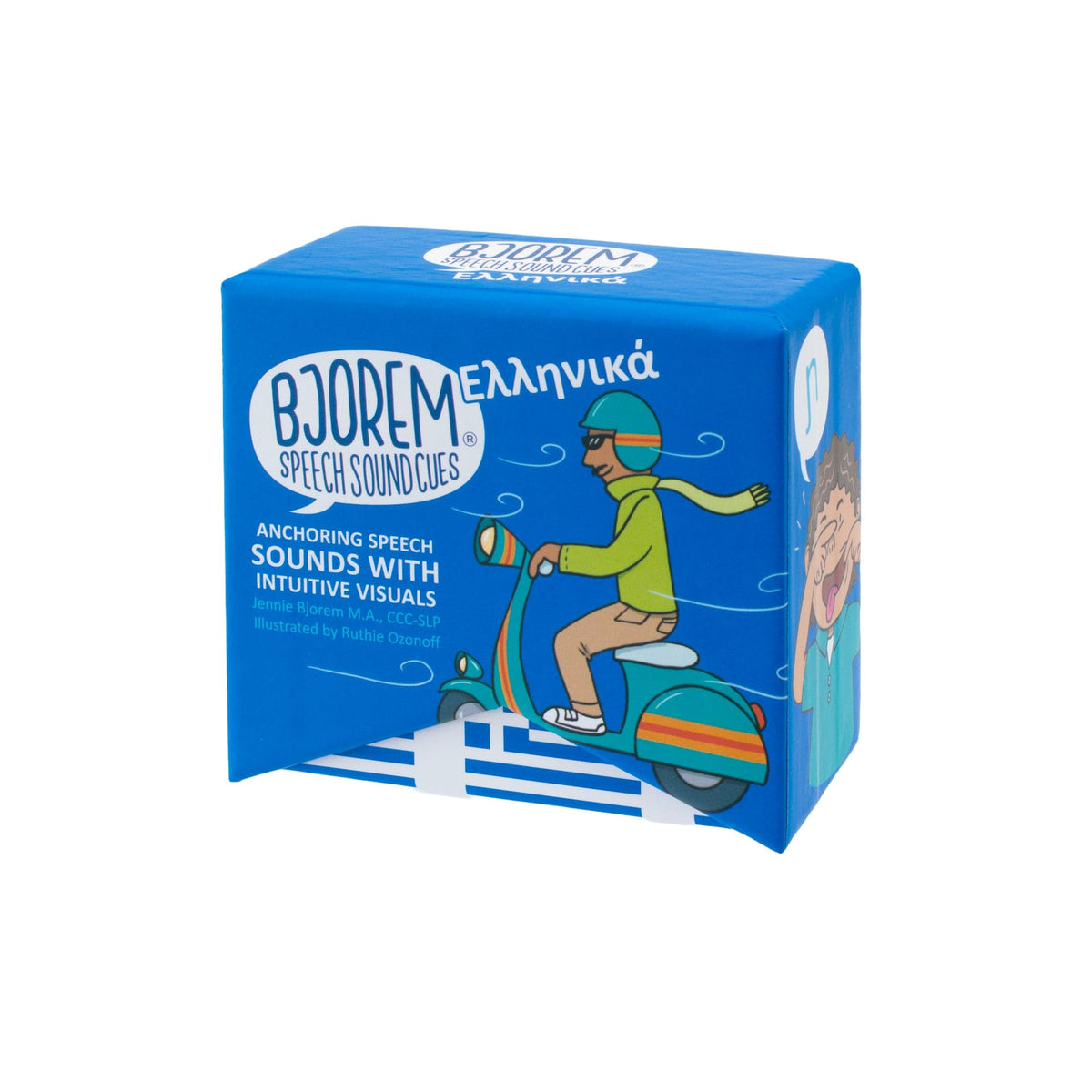
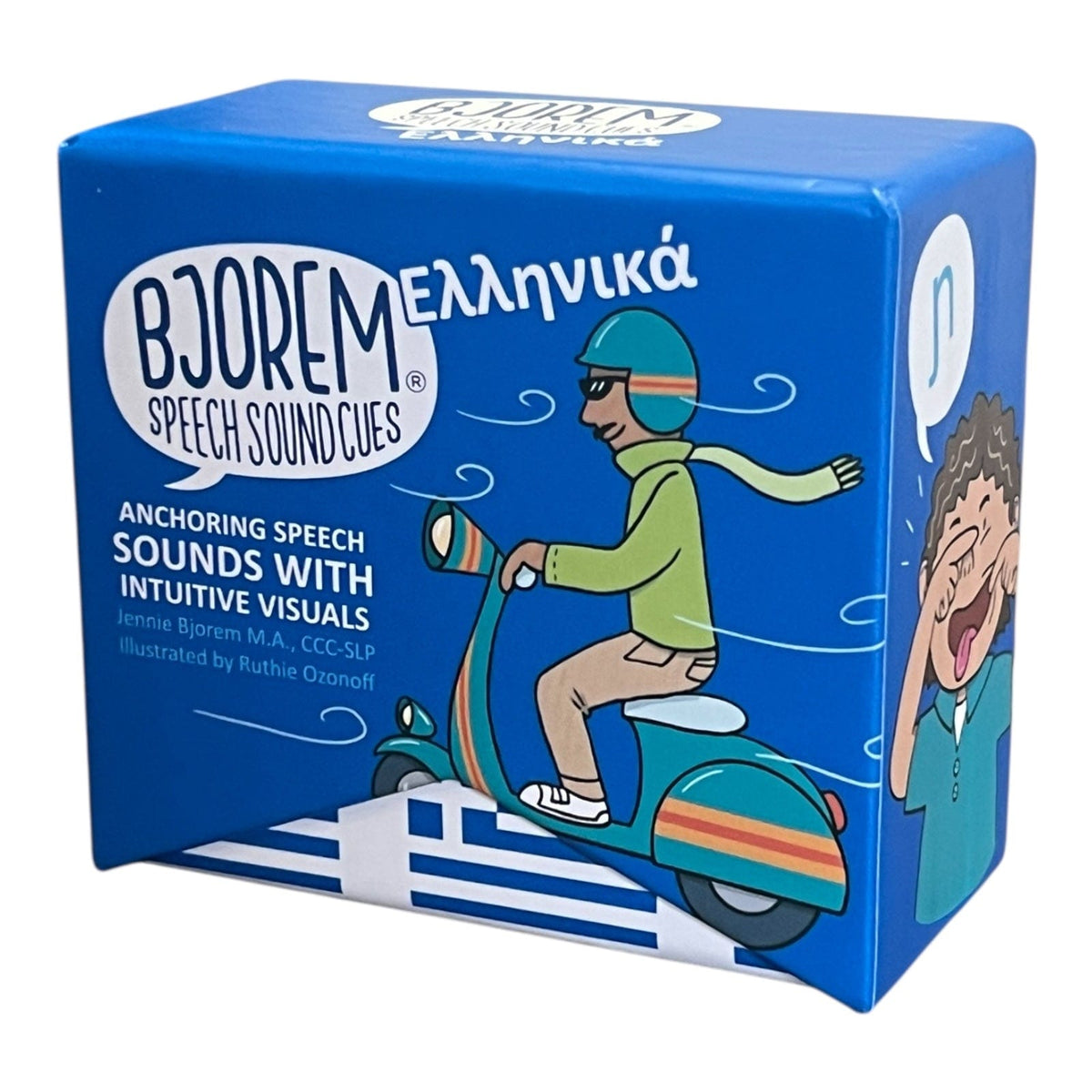
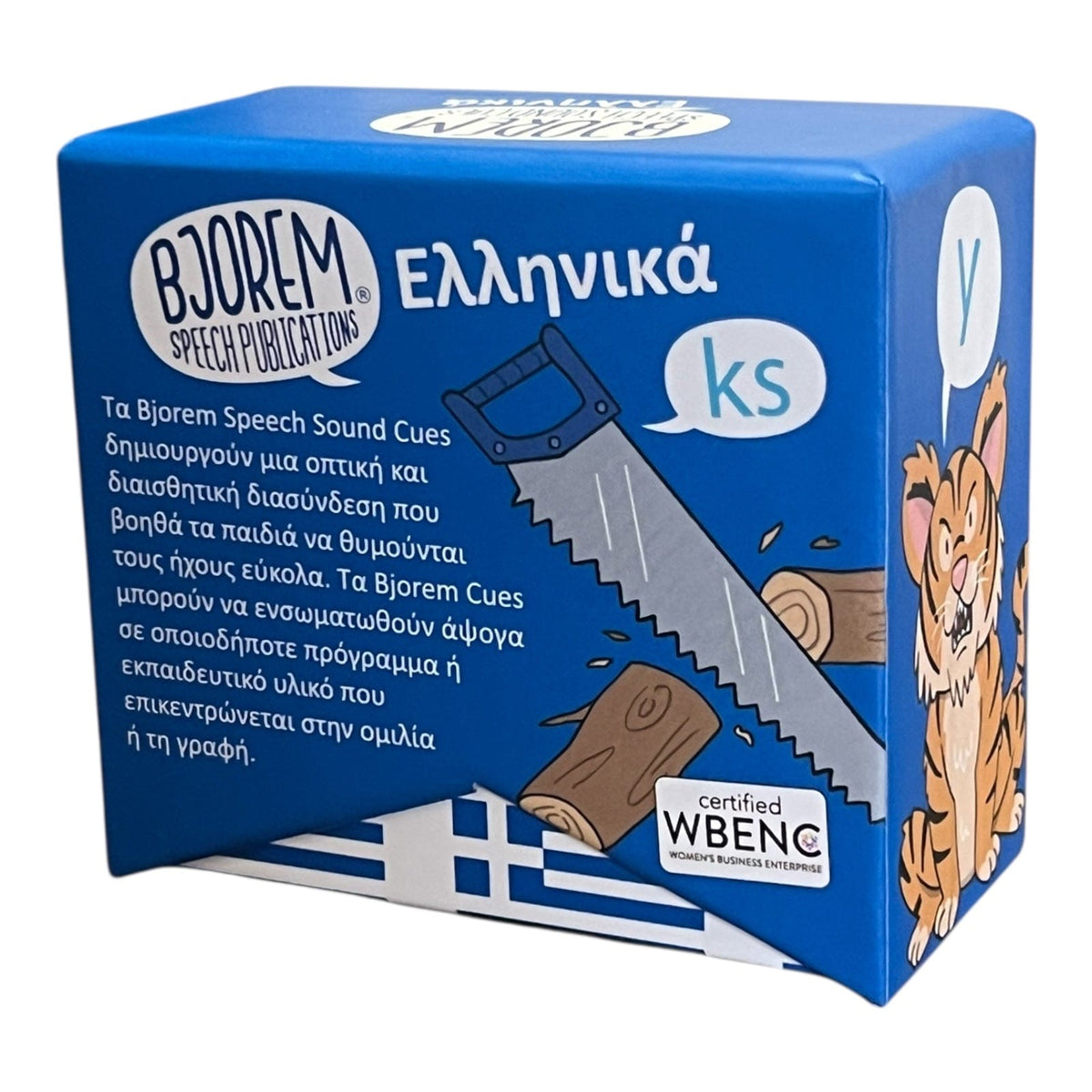
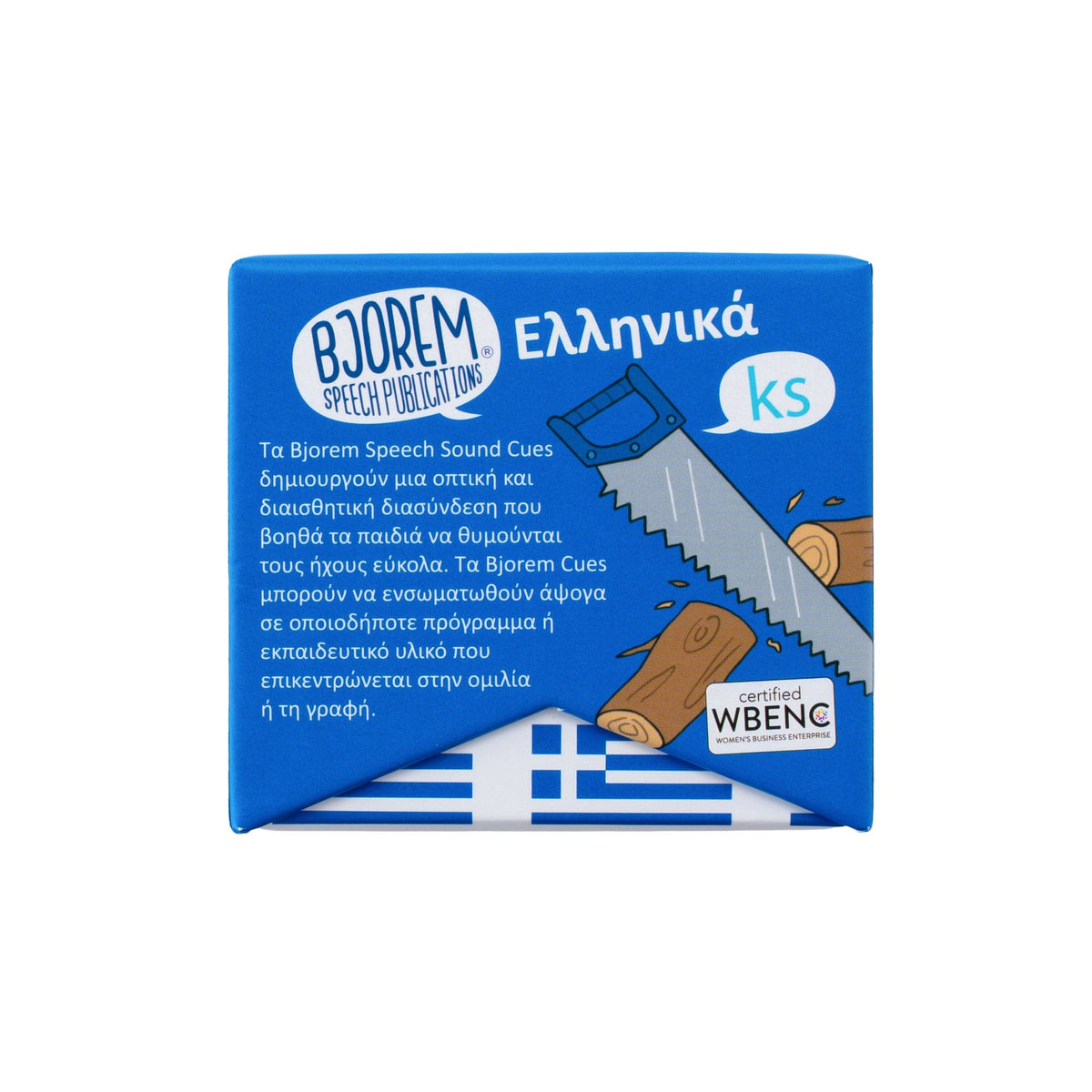
What else do I need to know about Visual Cue Cards?
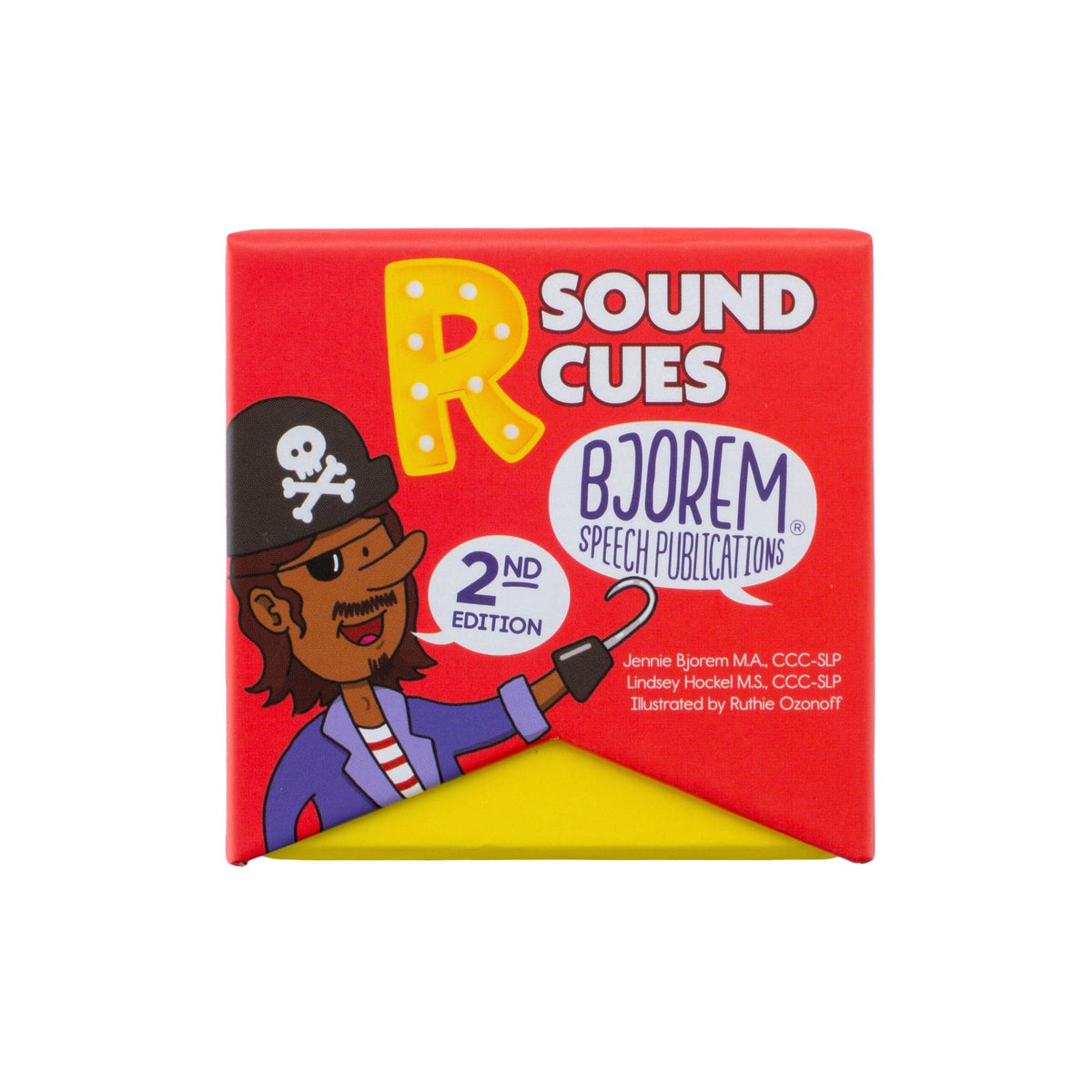
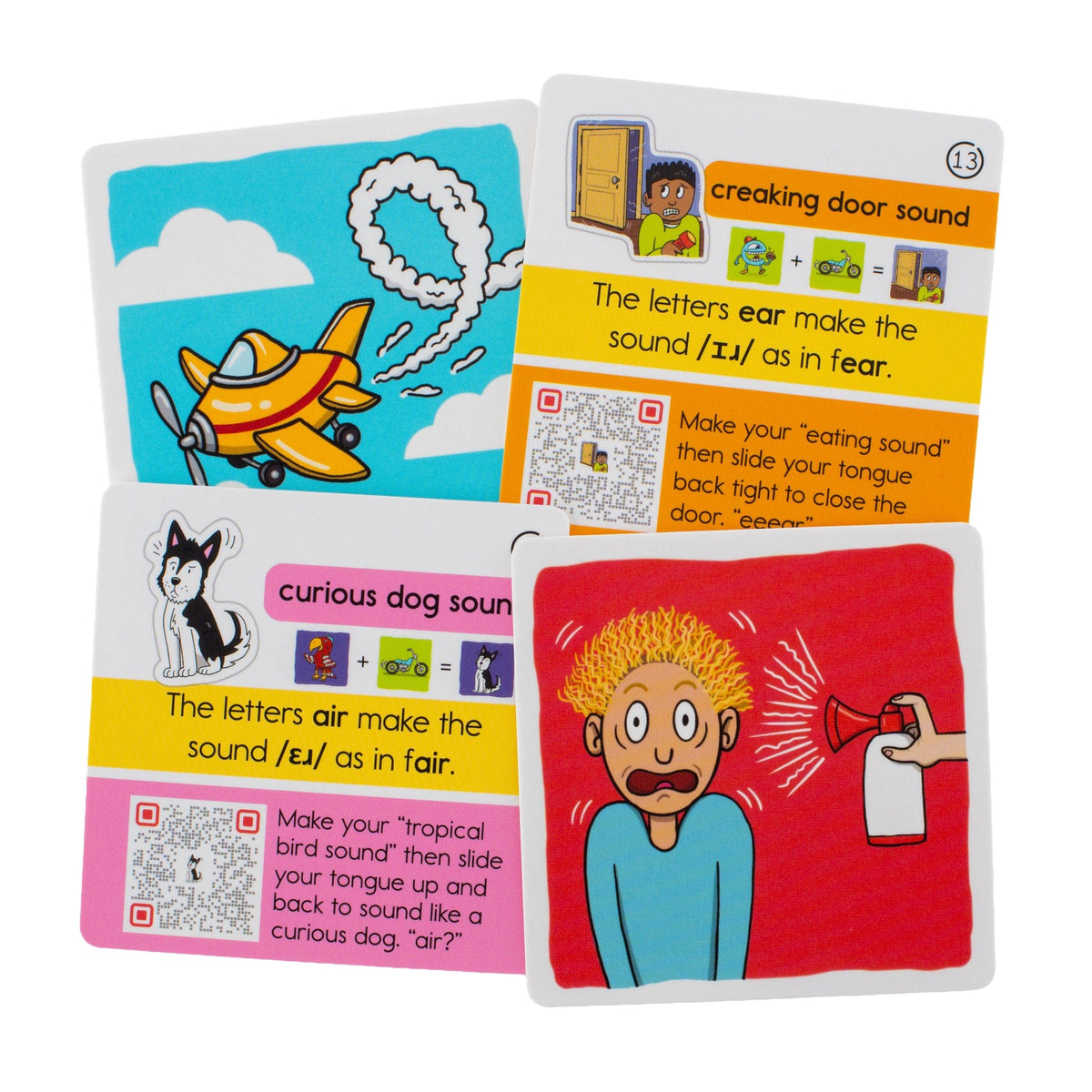
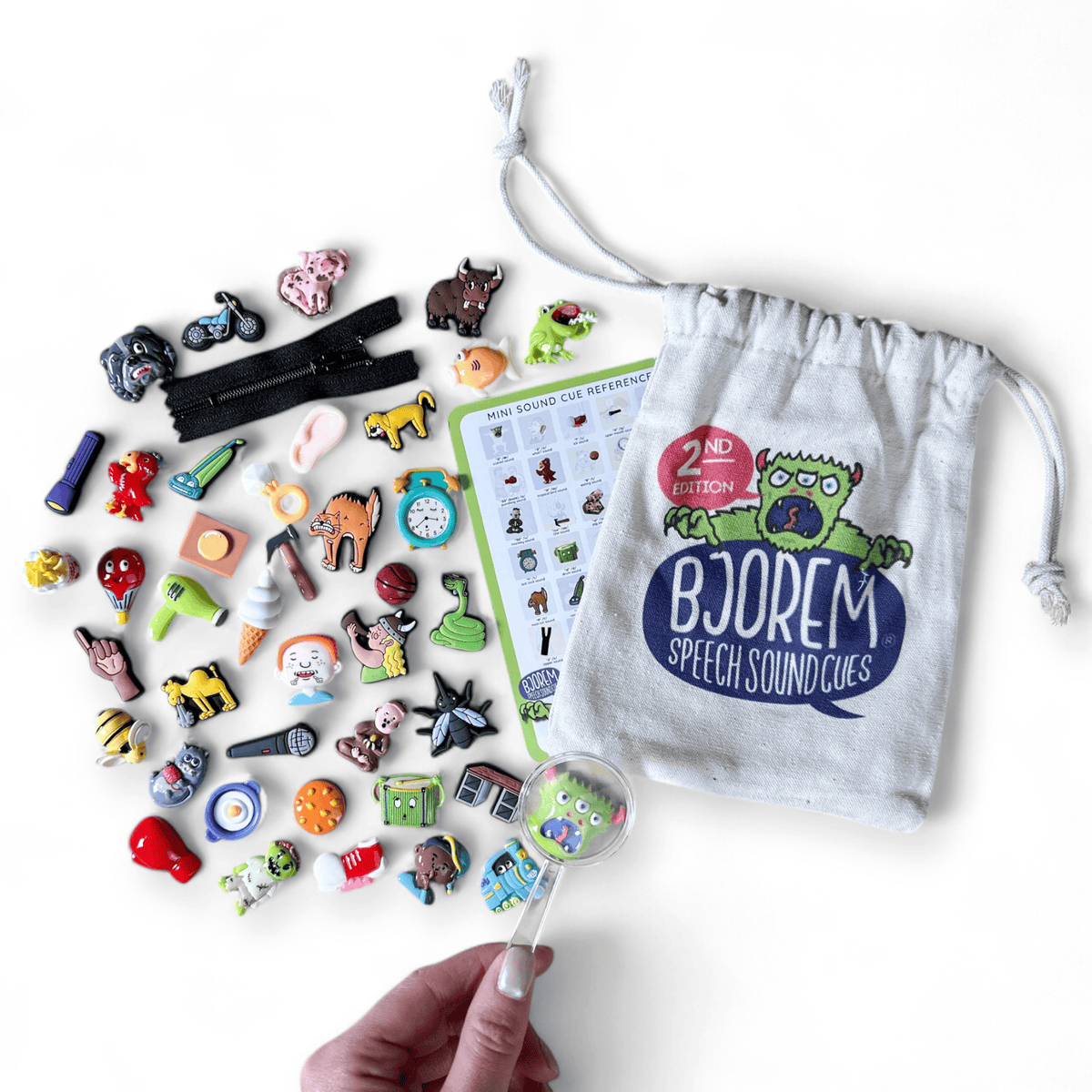
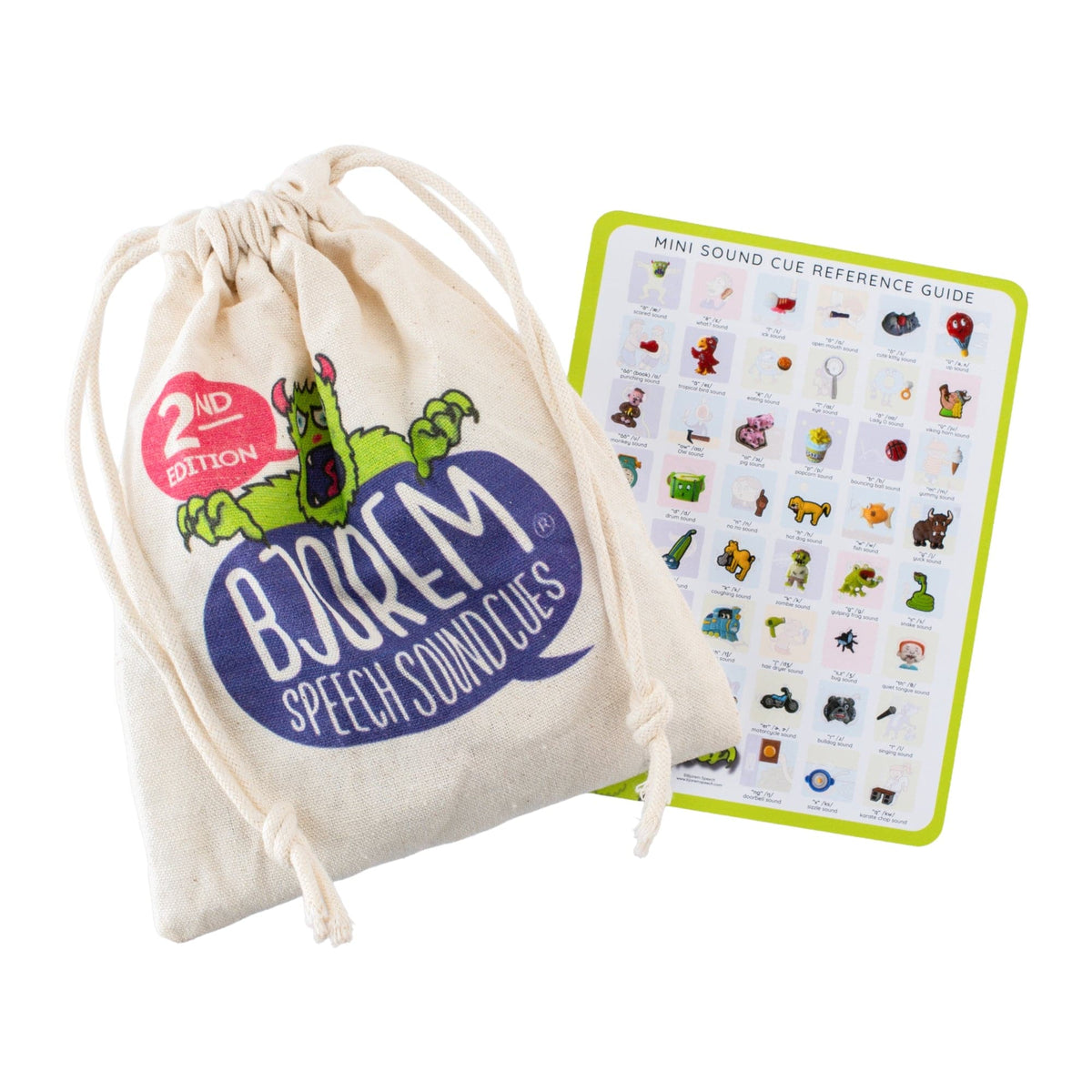
Visual Cue Cards That Make Communication Clear, Predictable, and Encouraging
At Bjorem Speech & Literacy, we believe the best therapy and teaching tools are the ones that help children feel confident and capable, especially when words are hard. Our visual cue cards are created by speech-language pathologists in collaboration with educators and illustrators, with a focus on inclusive, child-centered design that works in real classrooms, therapy rooms, and home routines. When a child understands what’s coming next, what they can say, or how they can participate, you’ll often see fewer power struggles and more connection.
A single visual cue card can support transitions, routines, and language targets without feeling clinical or overwhelming. Think of it as a friendly “map” for the moment, simple enough for kids to follow, and consistent enough for adults to cue the same way every time.
Visual Cue Cards for Behavior and Routine Support Without the Guesswork
When families and educators search for visual cue cards for behavior, they’re usually looking for clarity, not quick fixes. We design visual cue cards to support structure and reduce the cognitive load on children who need more predictable steps. Instead of repeating directions over and over, you can point to a card, model the language, and move forward with calm confidence.
These supports are especially helpful for:
- First/then routines, waiting, and turn-taking
- Requesting help, asking for a break, and making choices
- Following a simple schedule during therapy or classroom activities
- Practicing functional phrases that transfer to daily life
Many teams also pair these visuals with verbal cue cards, short, consistent scripts that help adults phrase prompts in a supportive, respectful way.
Visual Cue Cards for Kindergarten, Preschool, and Toddlers
Early learners thrive on repetition and routine. Our visual cue cards for kindergarten and visual cue cards for preschoolers are designed to be engaging, easy to understand, and practical for busy days. For even younger learners, visual cue cards for toddlers can support early interaction skills like pointing, choosing, imitating, and responding without pressure to “perform.”
Non Verbal Cue Cards and Support for Communication Beyond Speech
Not every child communicates primarily through spoken words, and that’s okay. Our collection includes supports that can complement AAC and other communication approaches, offering visual prompts for functional messages and routines. If you’re searching for non verbal cue cards, you’re likely looking for tools that help a child participate right now, without waiting for speech to catch up.
These non verbal cue cards can be helpful for “I want,” “help,” “more,” “all done,” and simple choice-making. Educators also use cue cards for non verbal students to support classroom routines, group participation, and social connection because communication is more than spoken sentences. It’s shared attention, clear options, and the feeling of being understood.
Visual Cue Cards Call to Action: Build a Routine Kids Can Rely On
Ready to make routines smoother and communication more accessible? Explore our visual cue cards collection, choose the set that fits your students, and bring consistent, child-friendly support into your day.
Add your favorites to the cart and start using visuals that help kids participate with confidence, one clear cue at a time.