
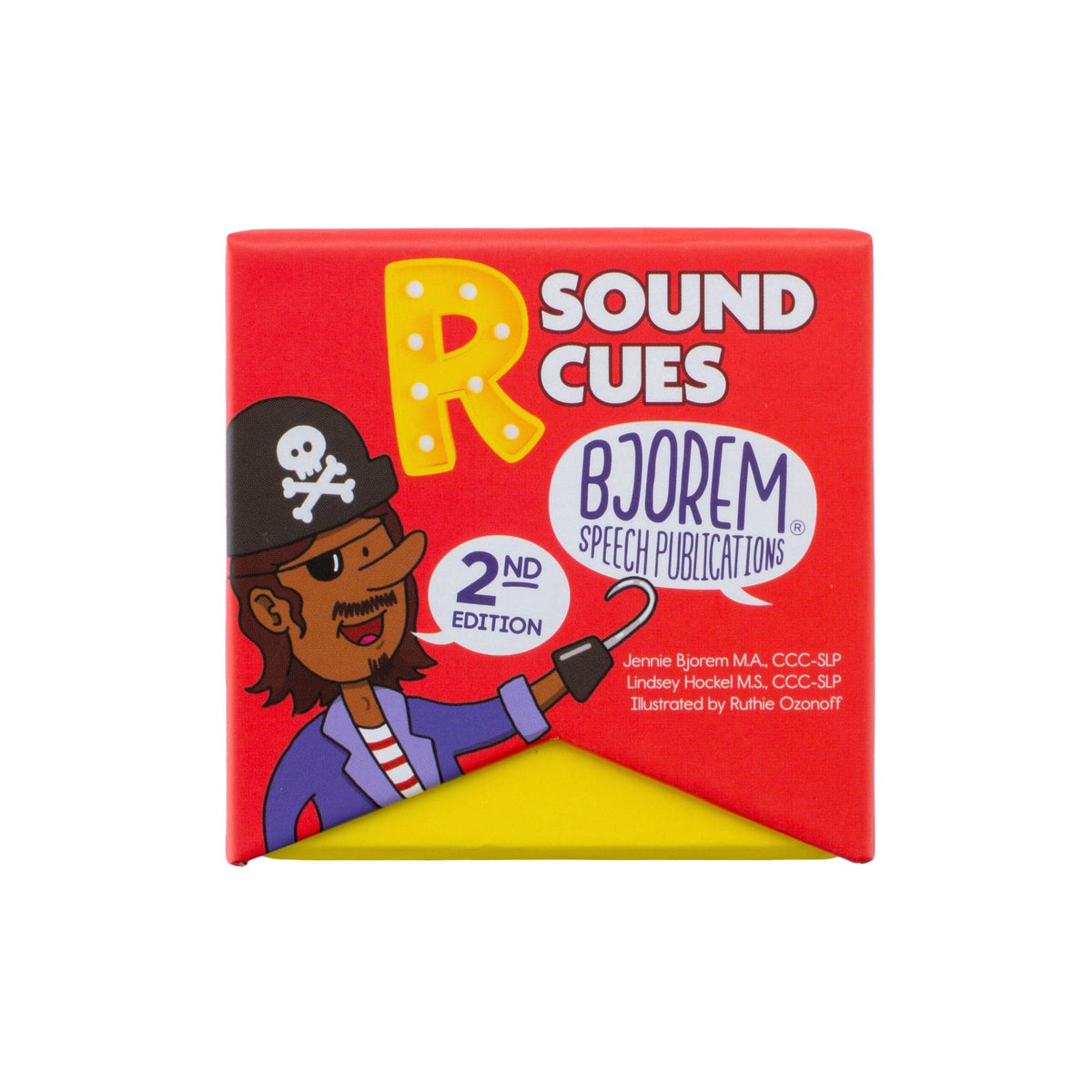
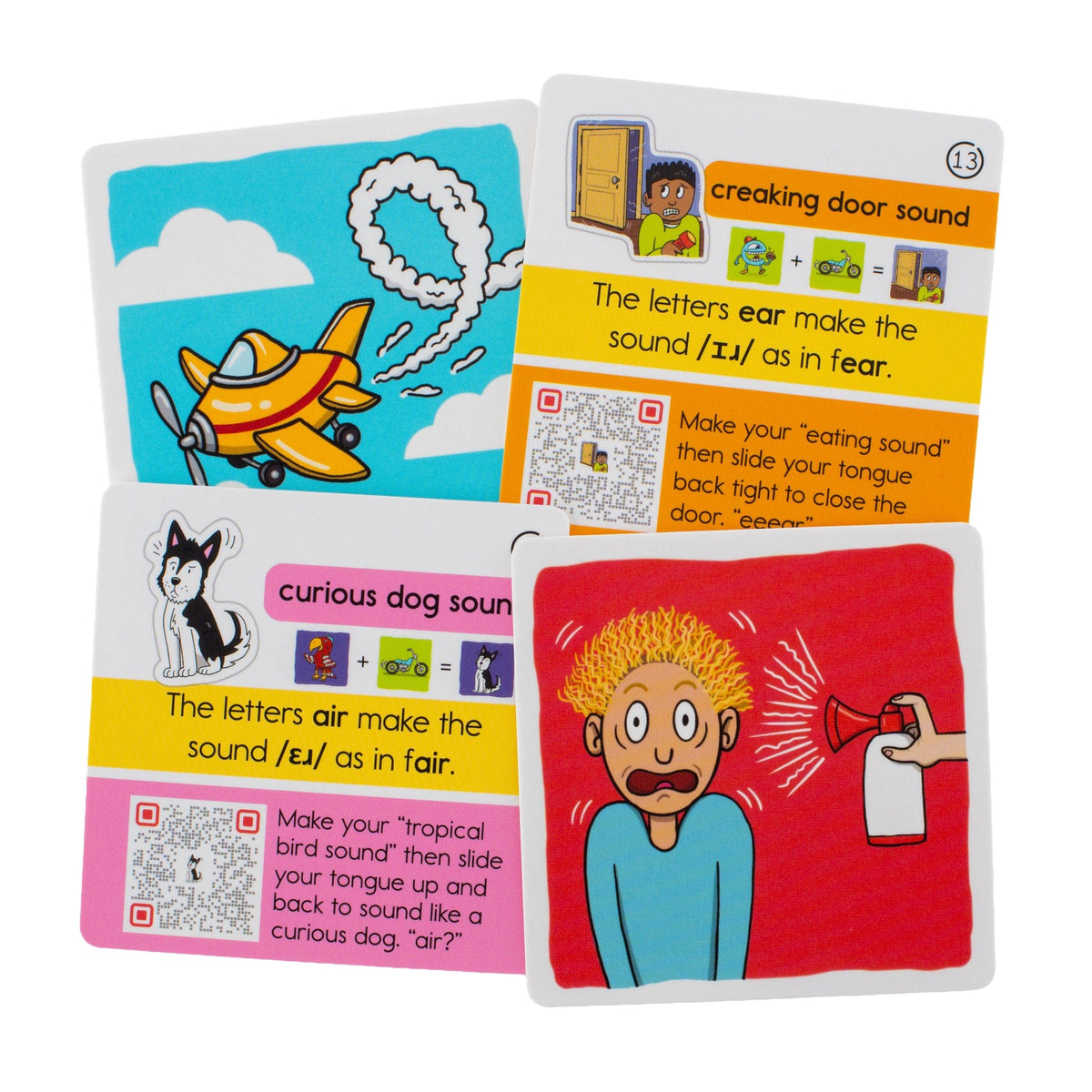

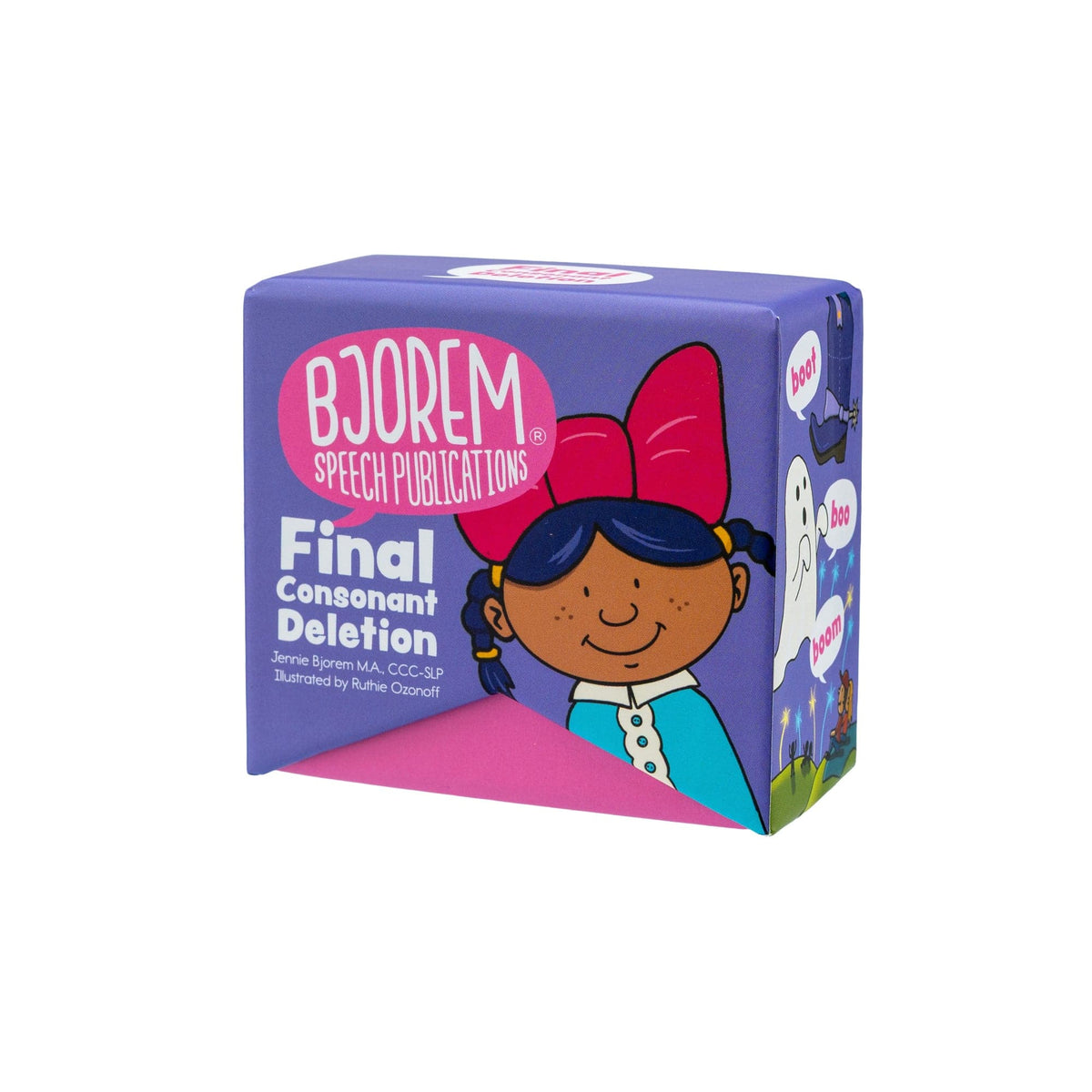
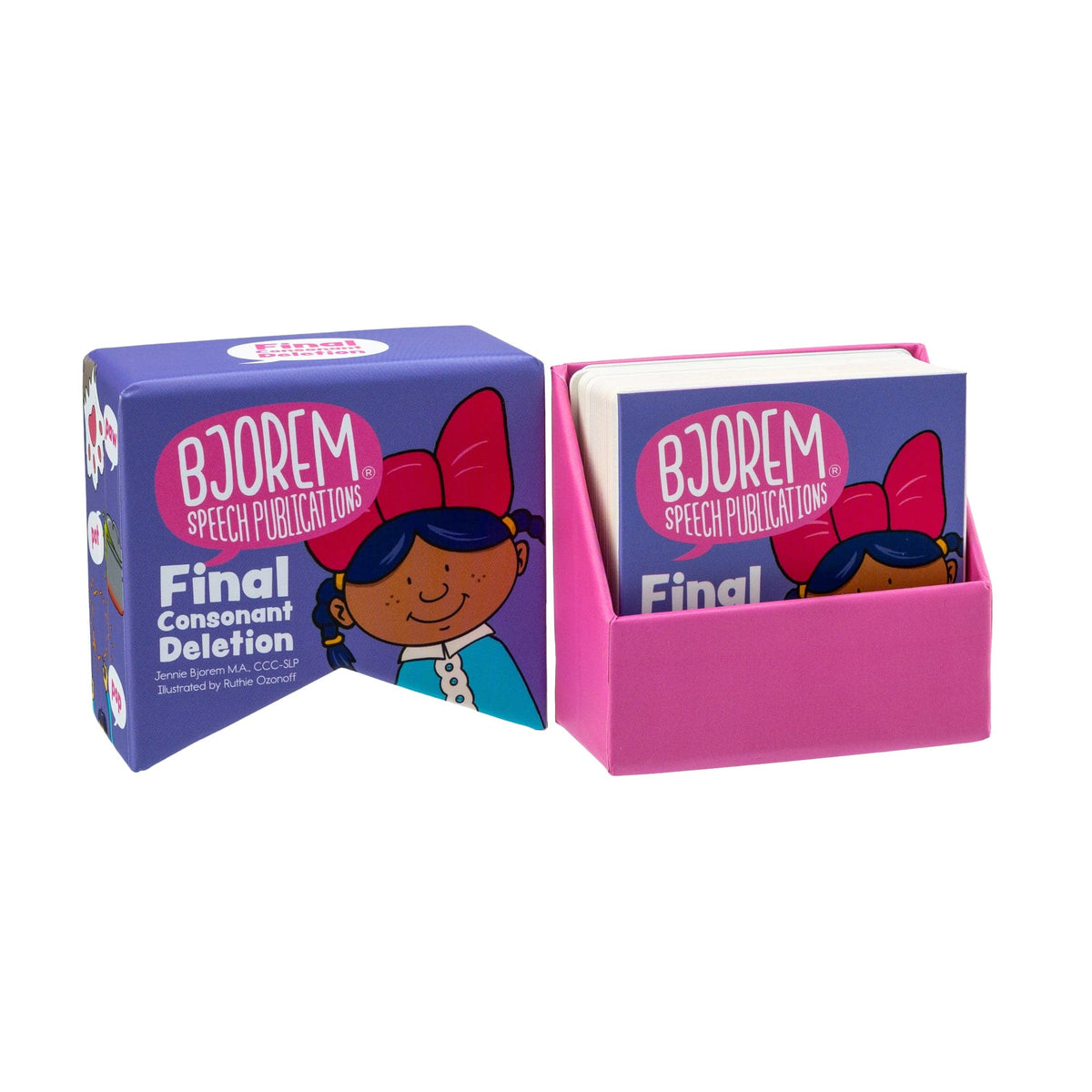
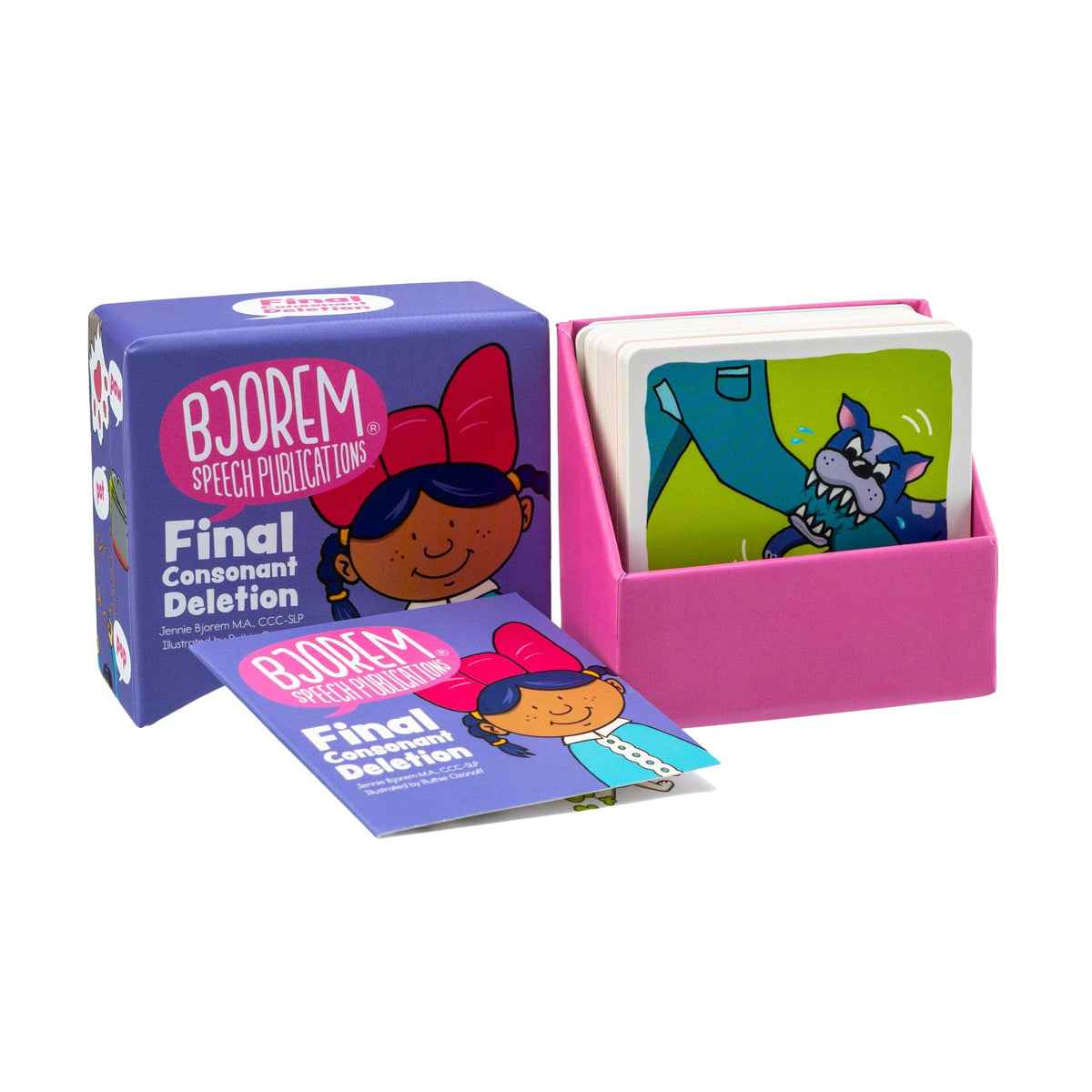
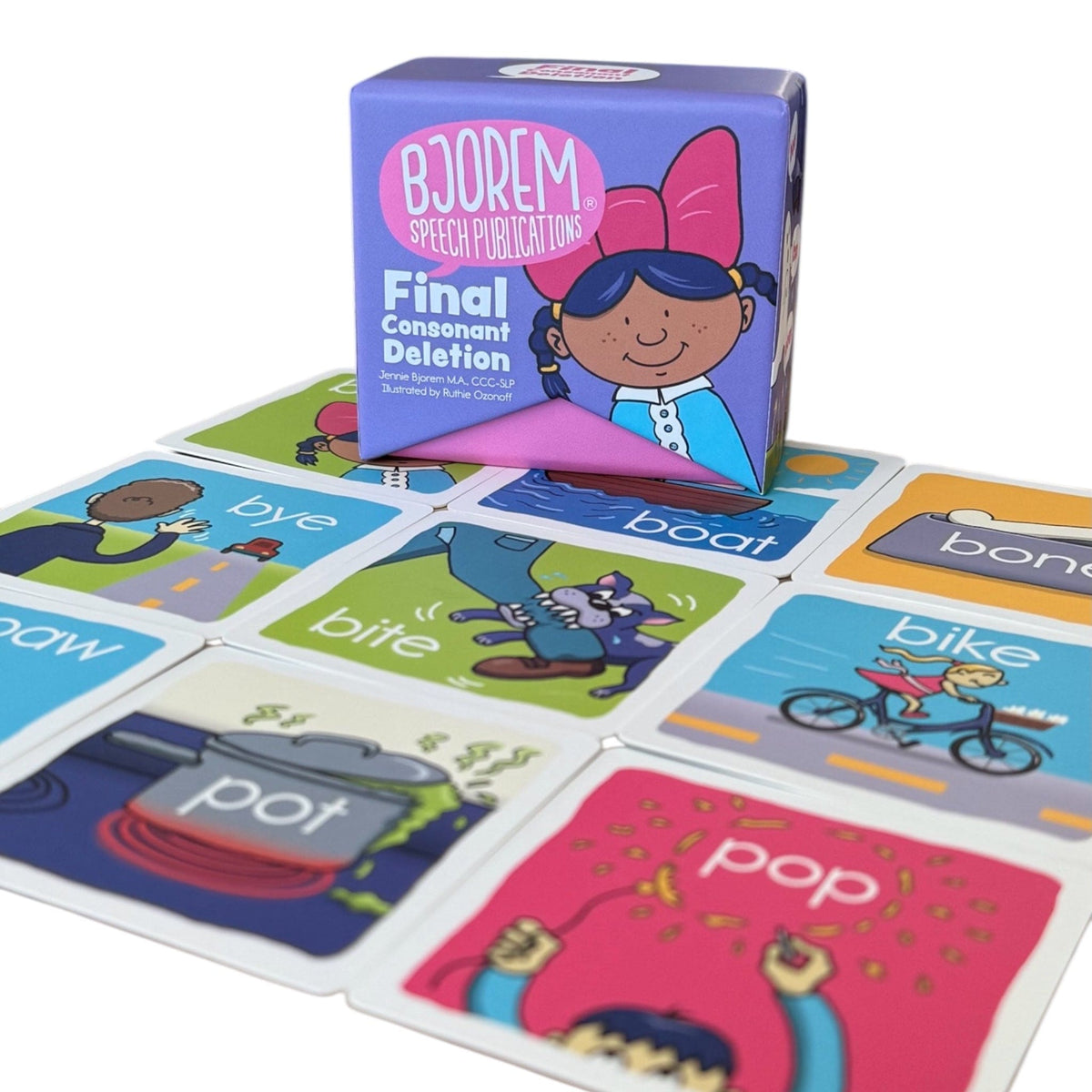
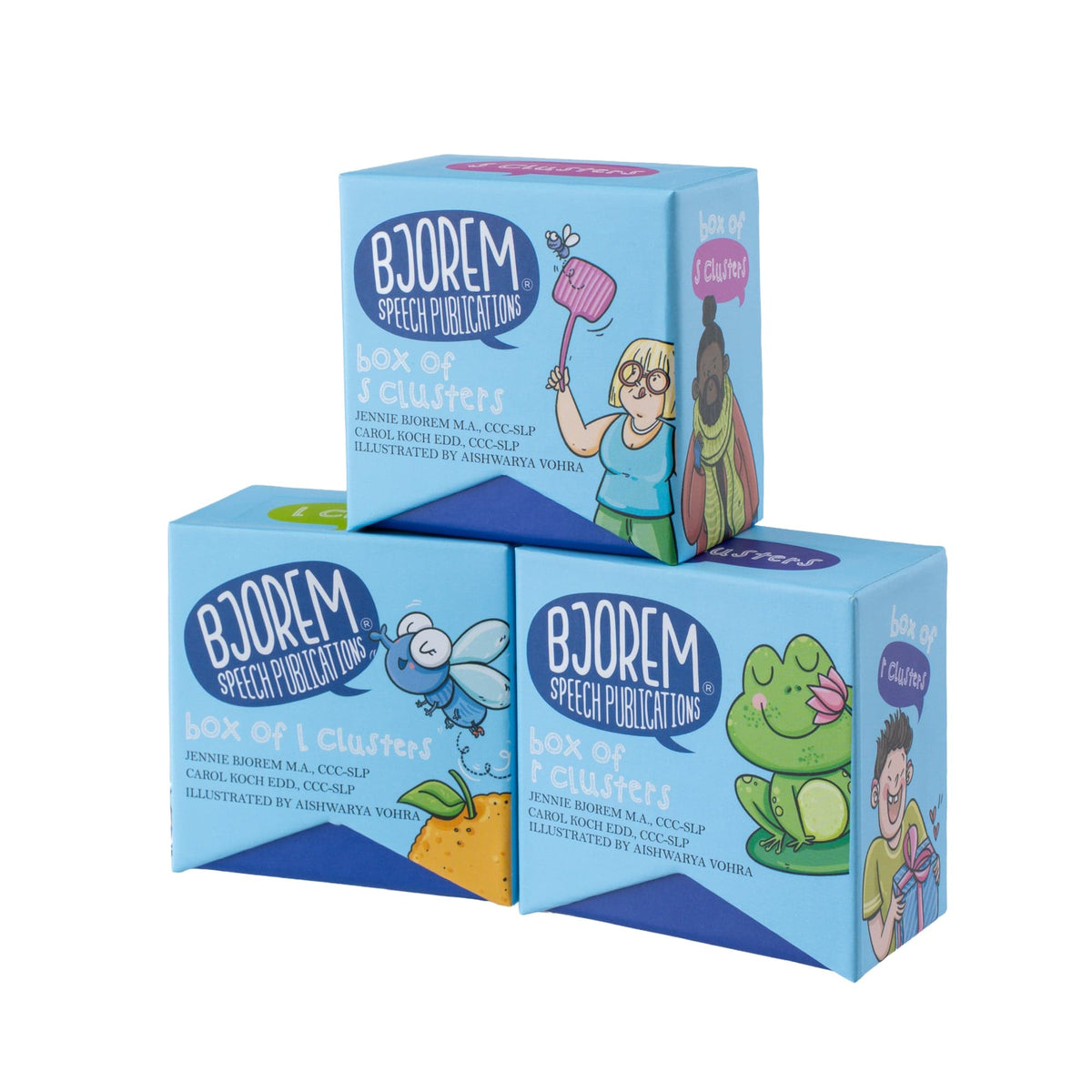
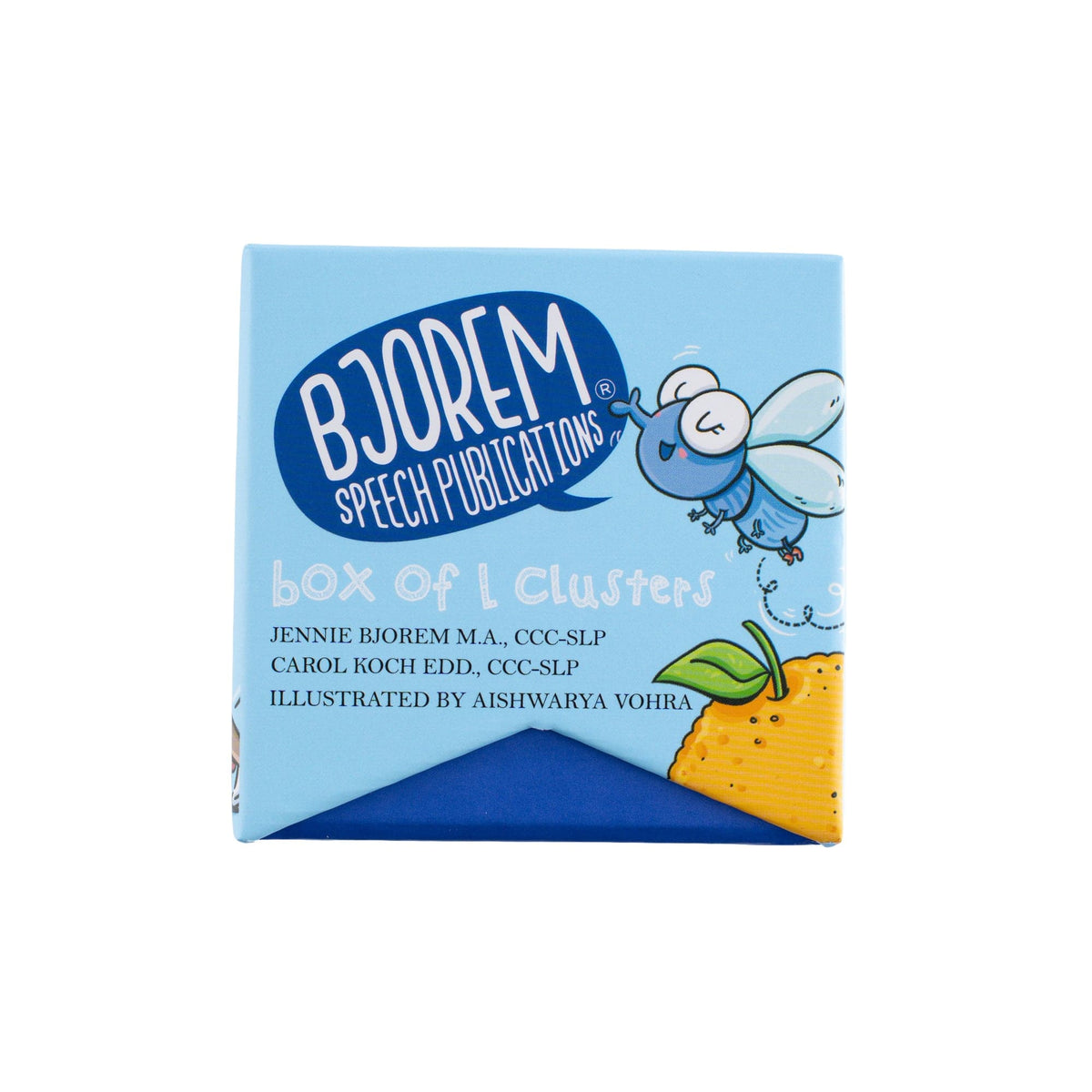
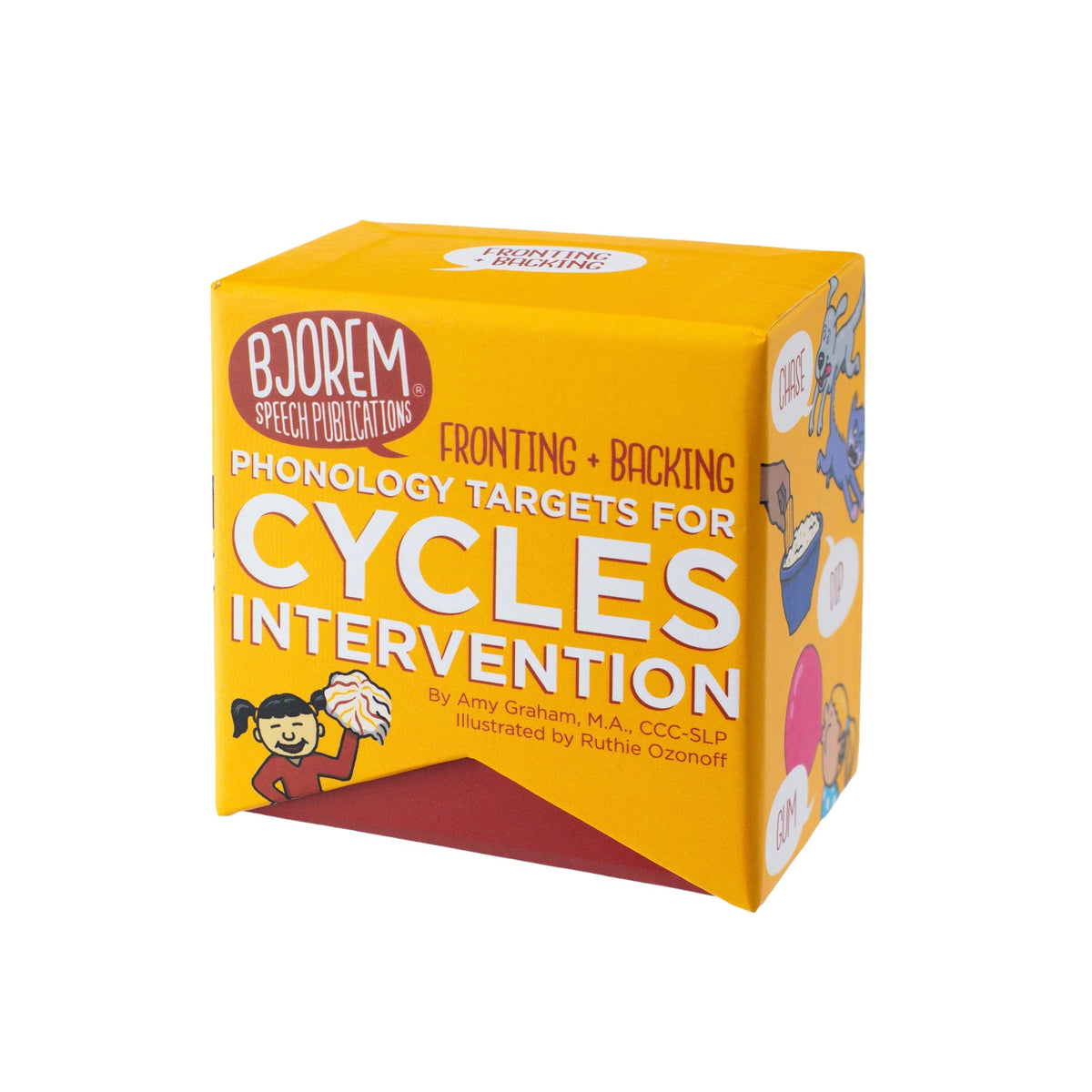
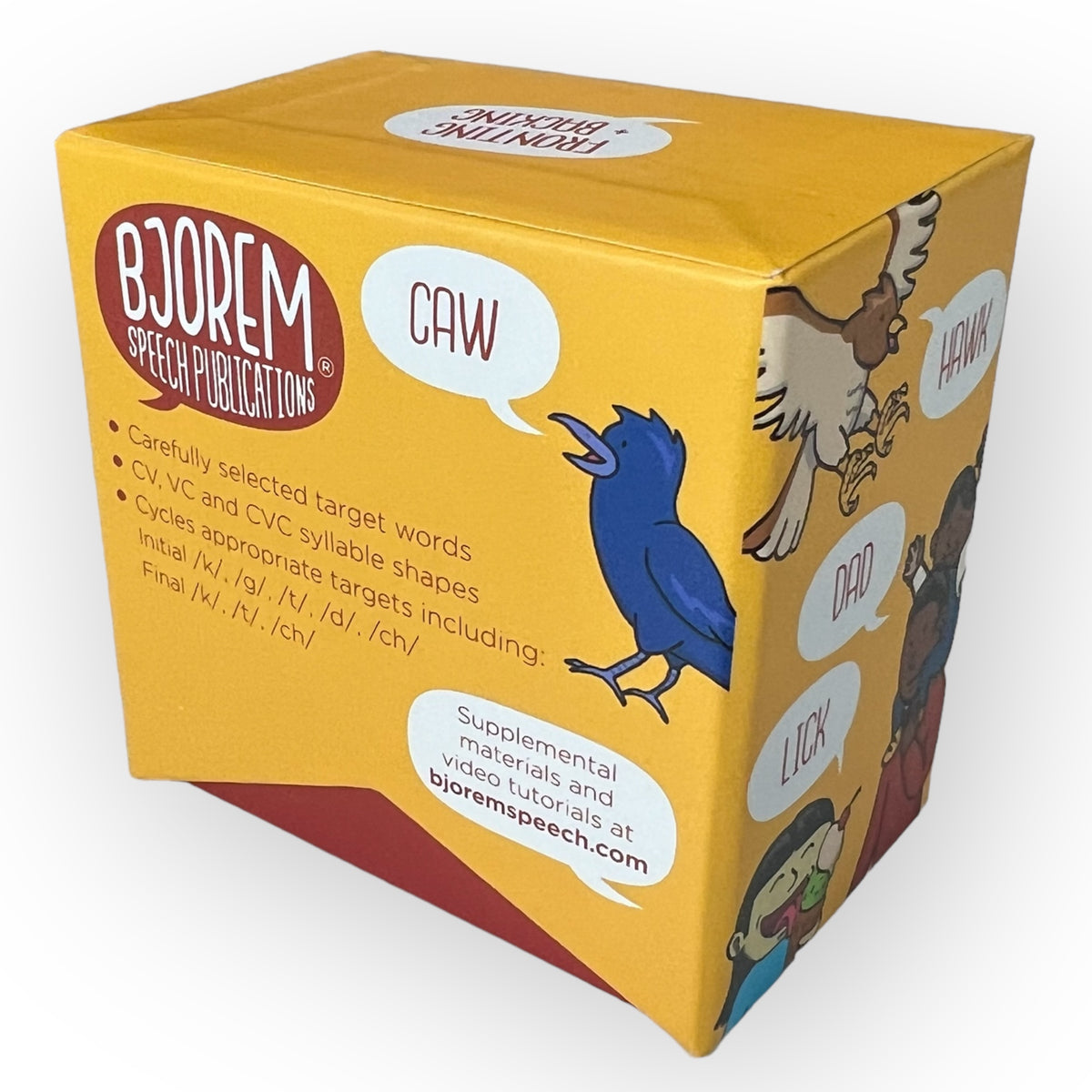
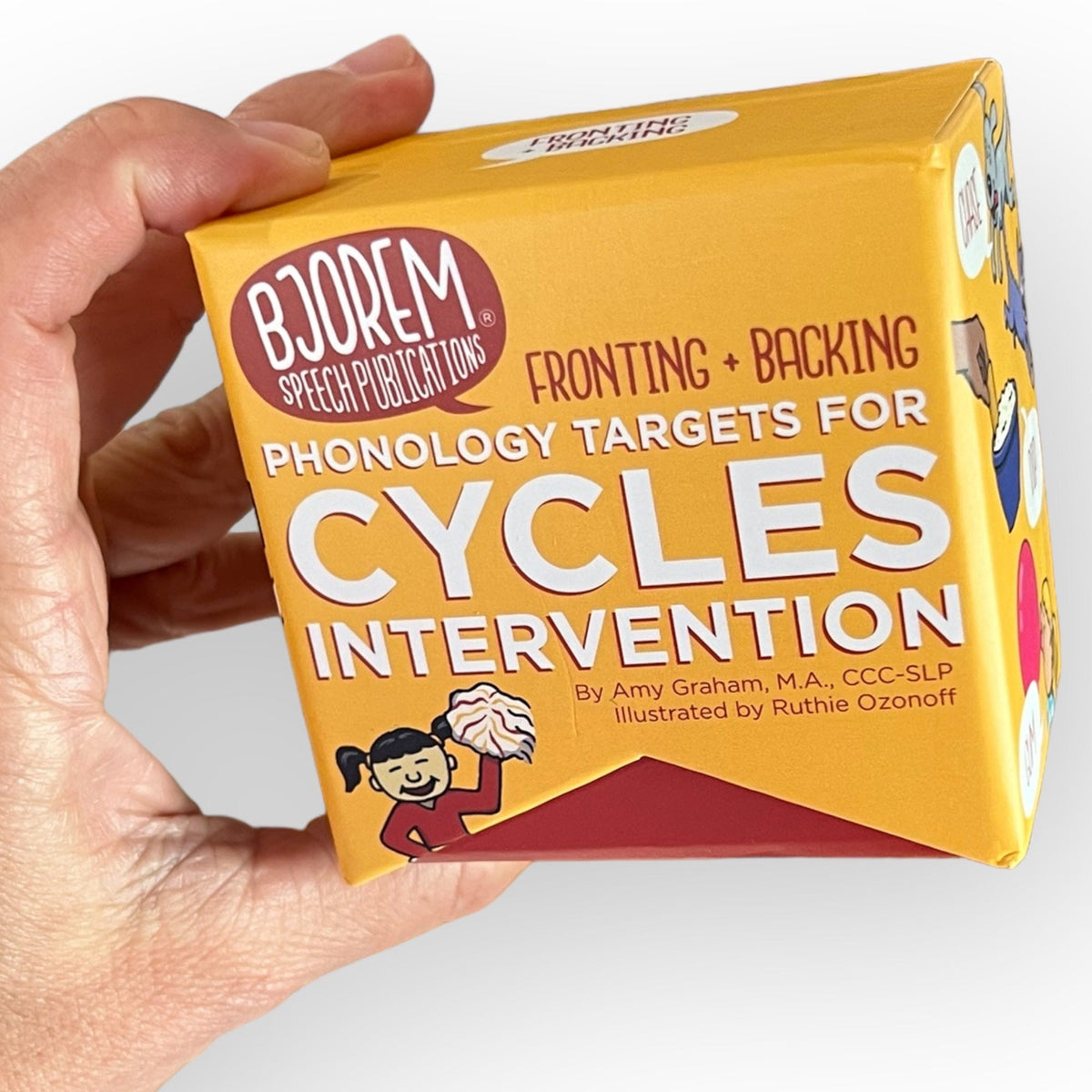
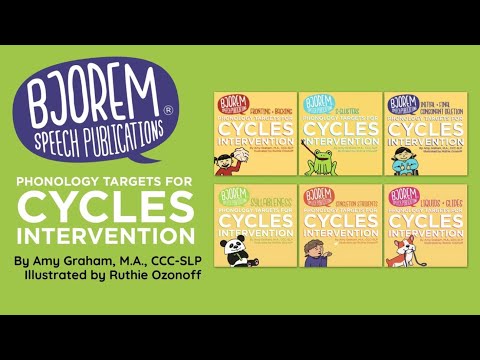

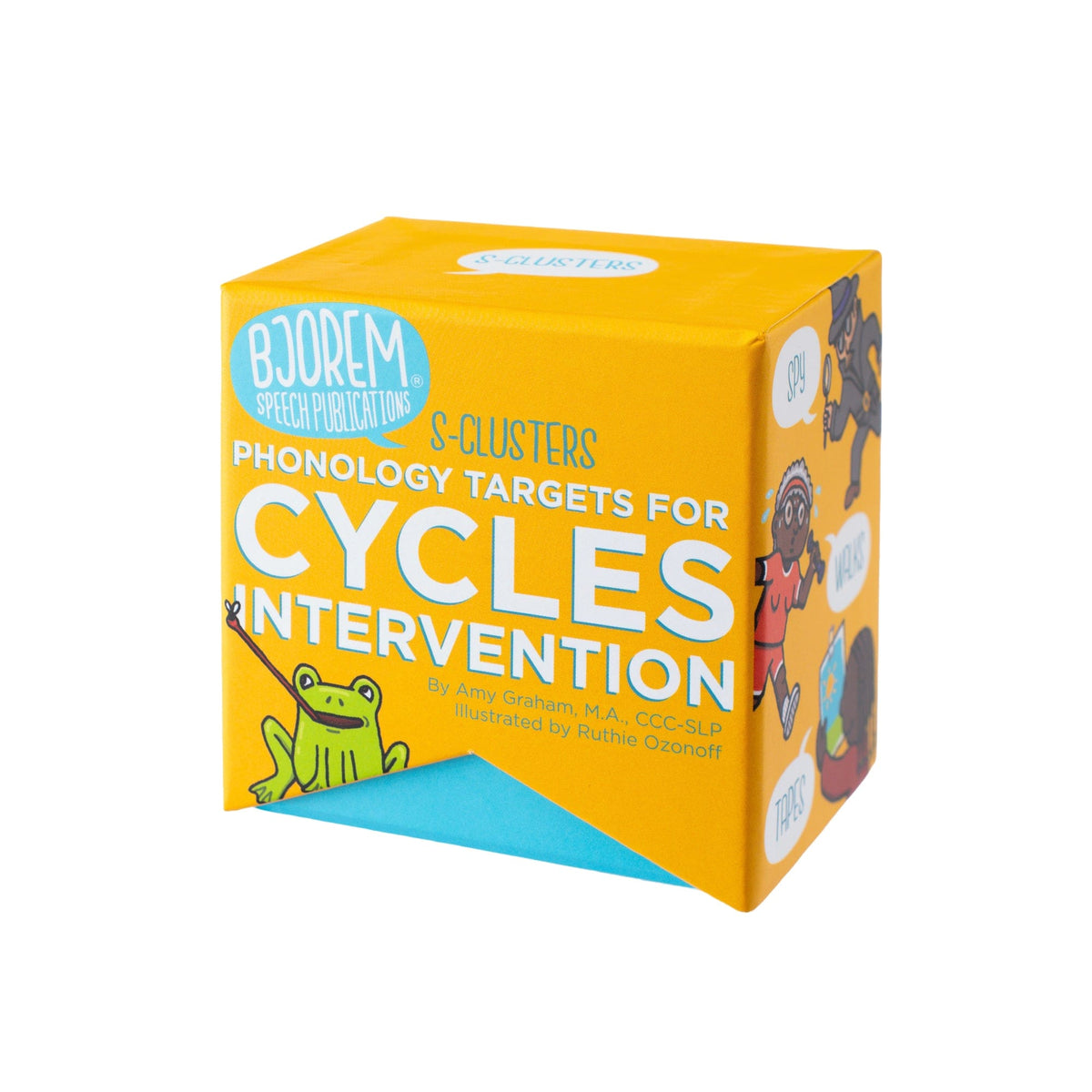

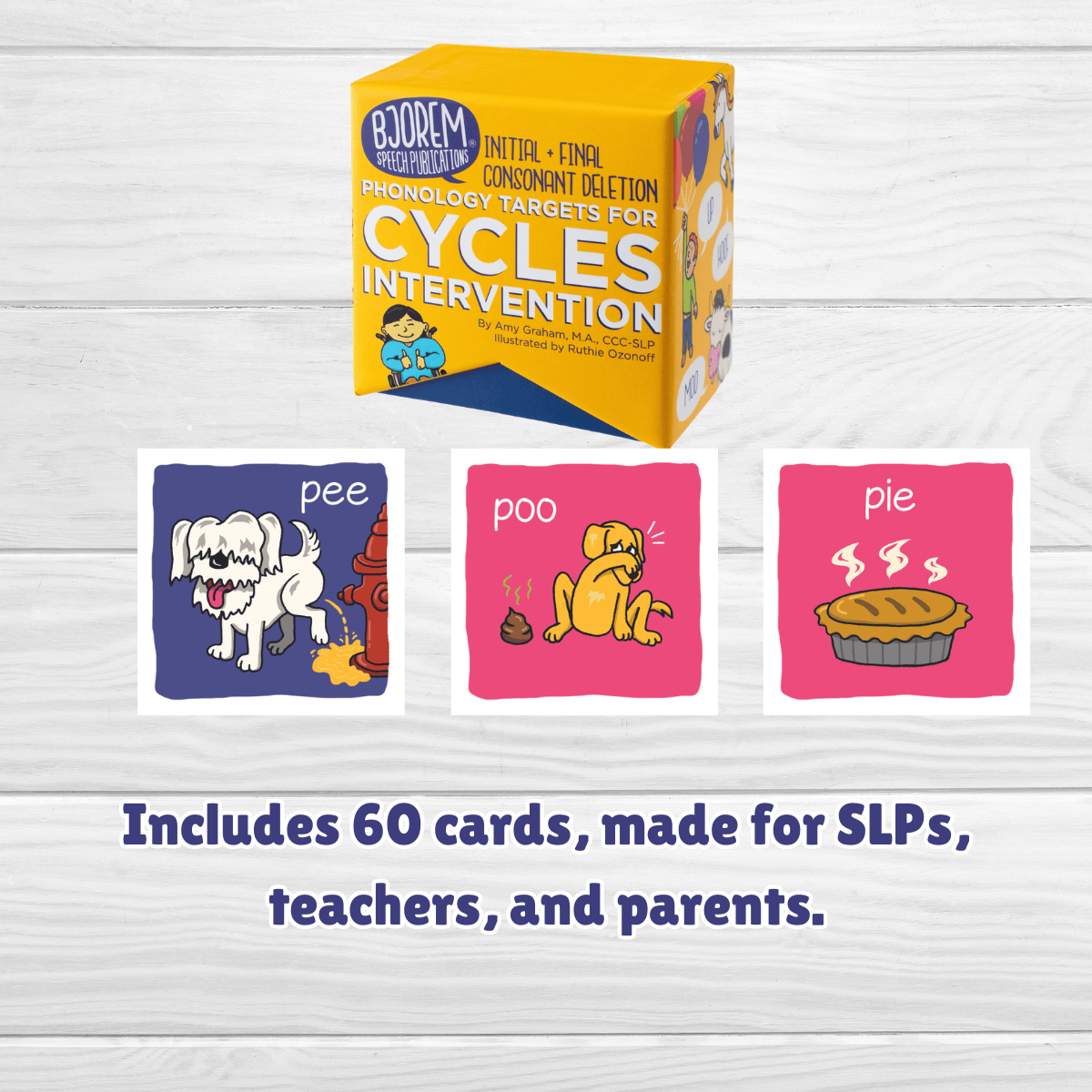
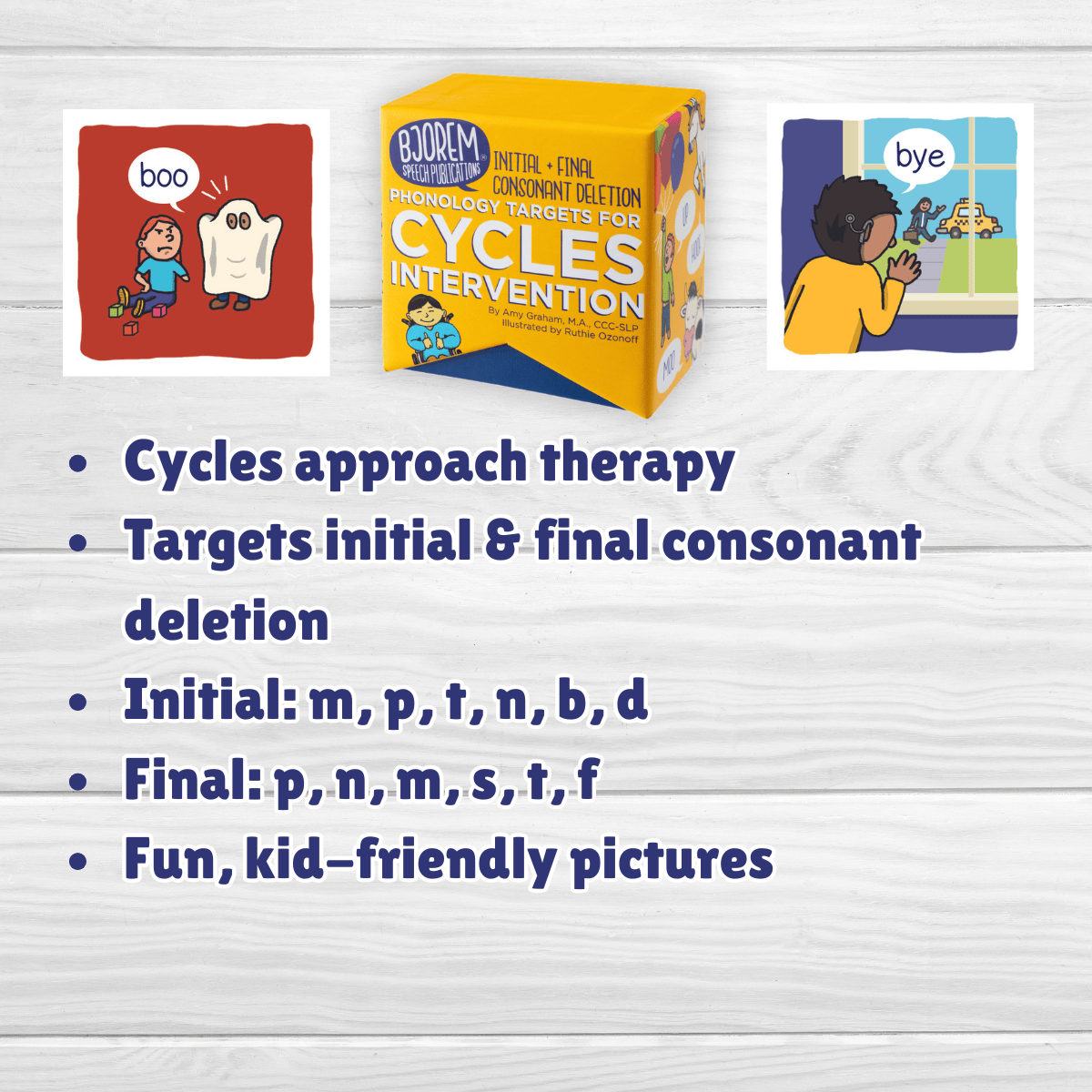
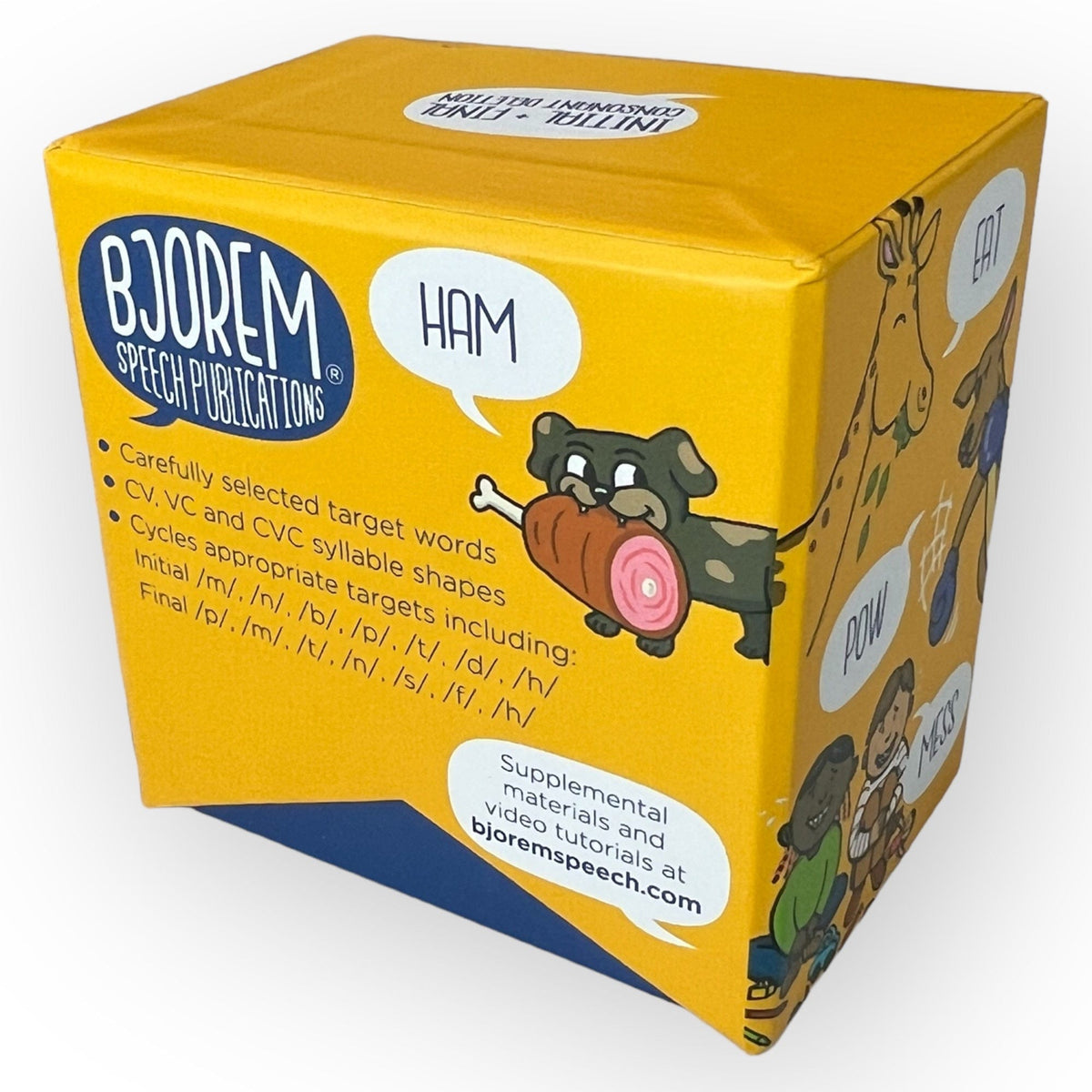
Cycles Intervention: Initial & Final Consonant Deletion Phonology Targets

Option
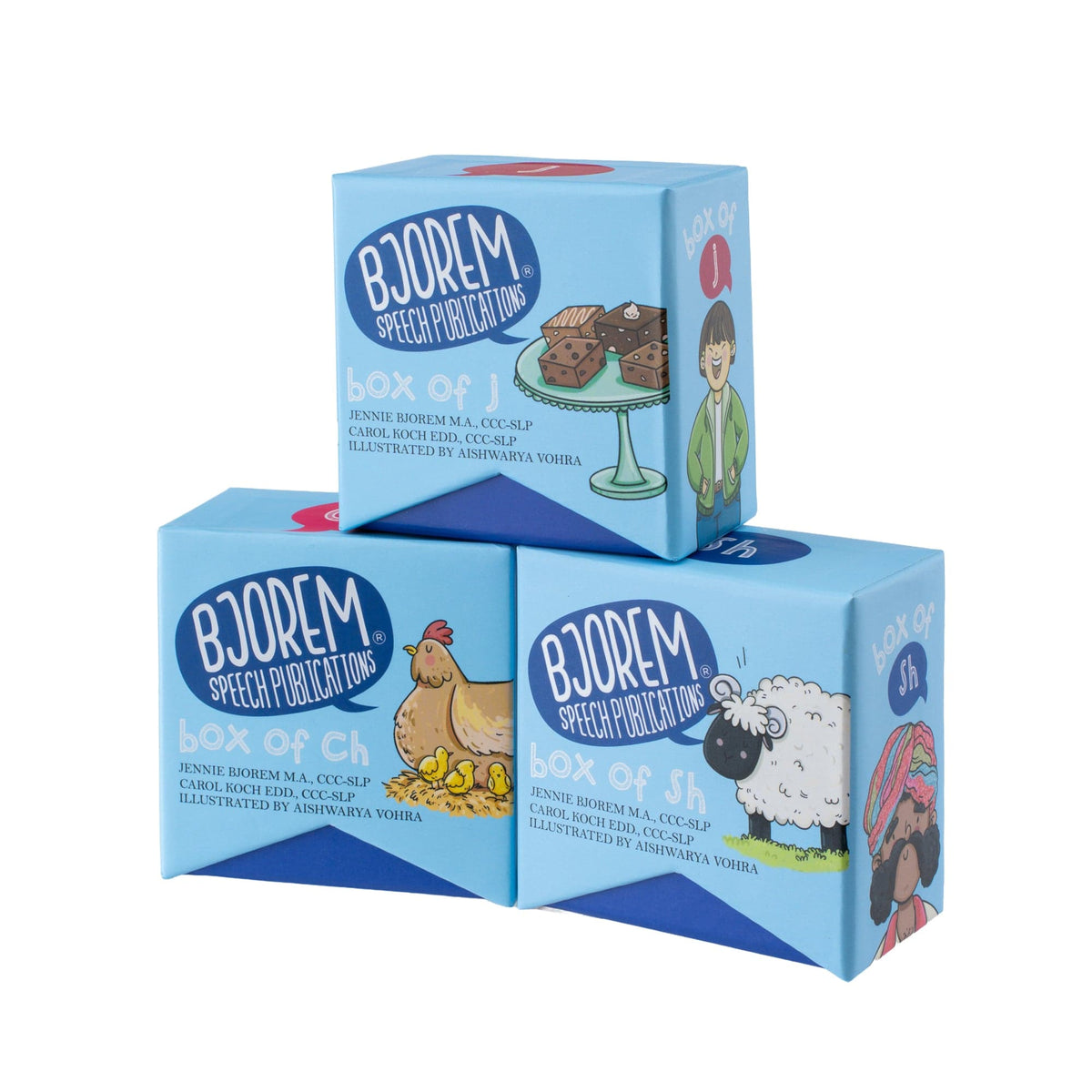
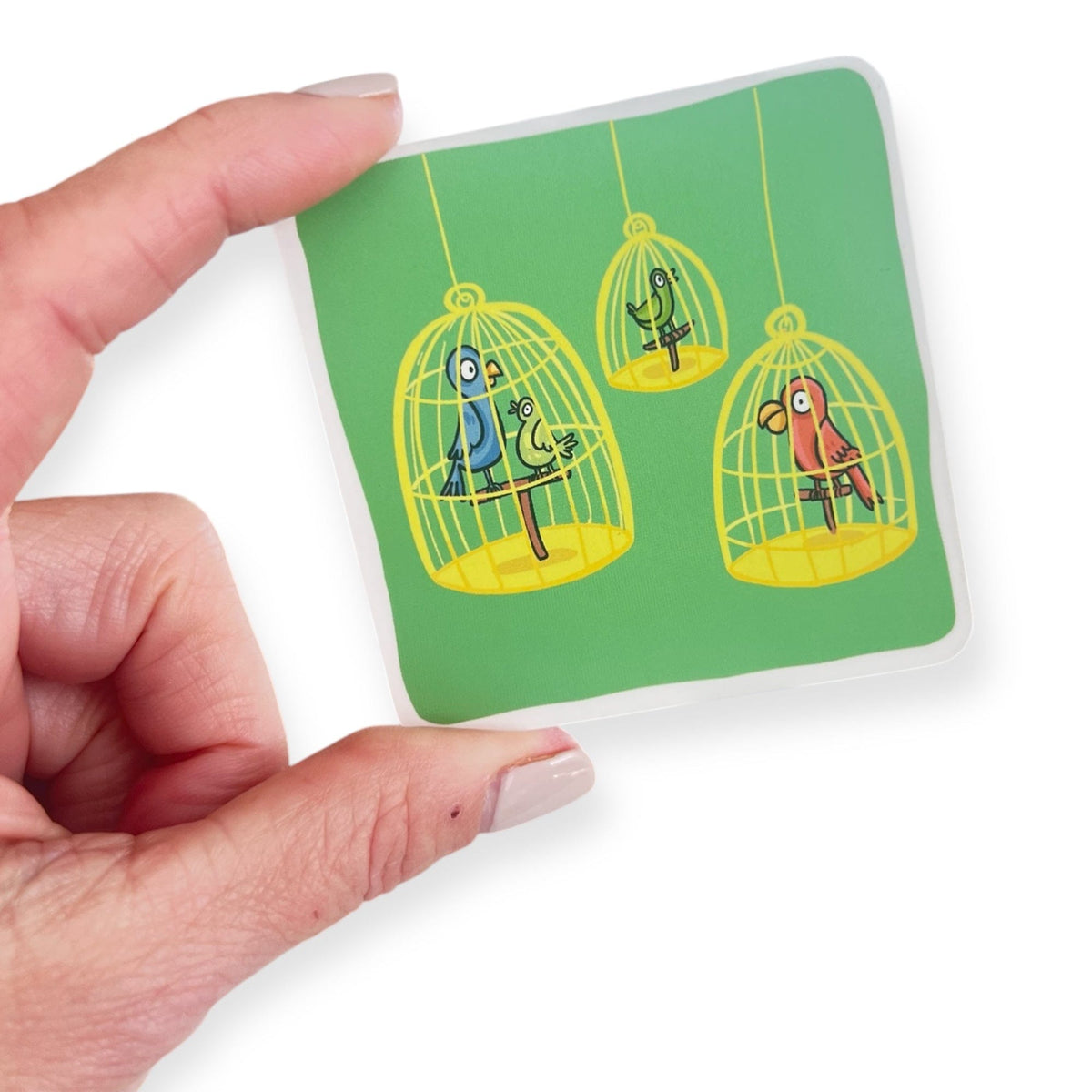
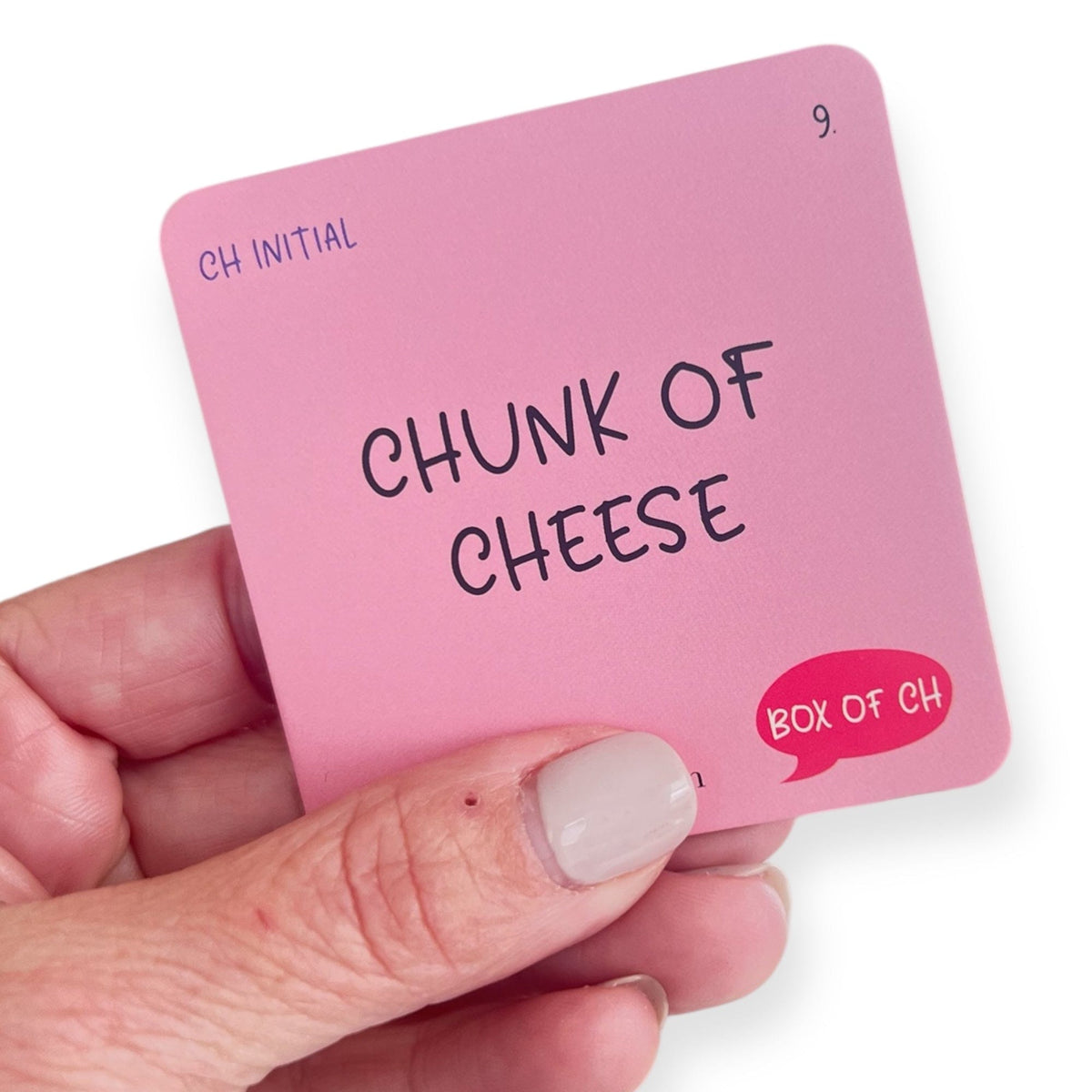
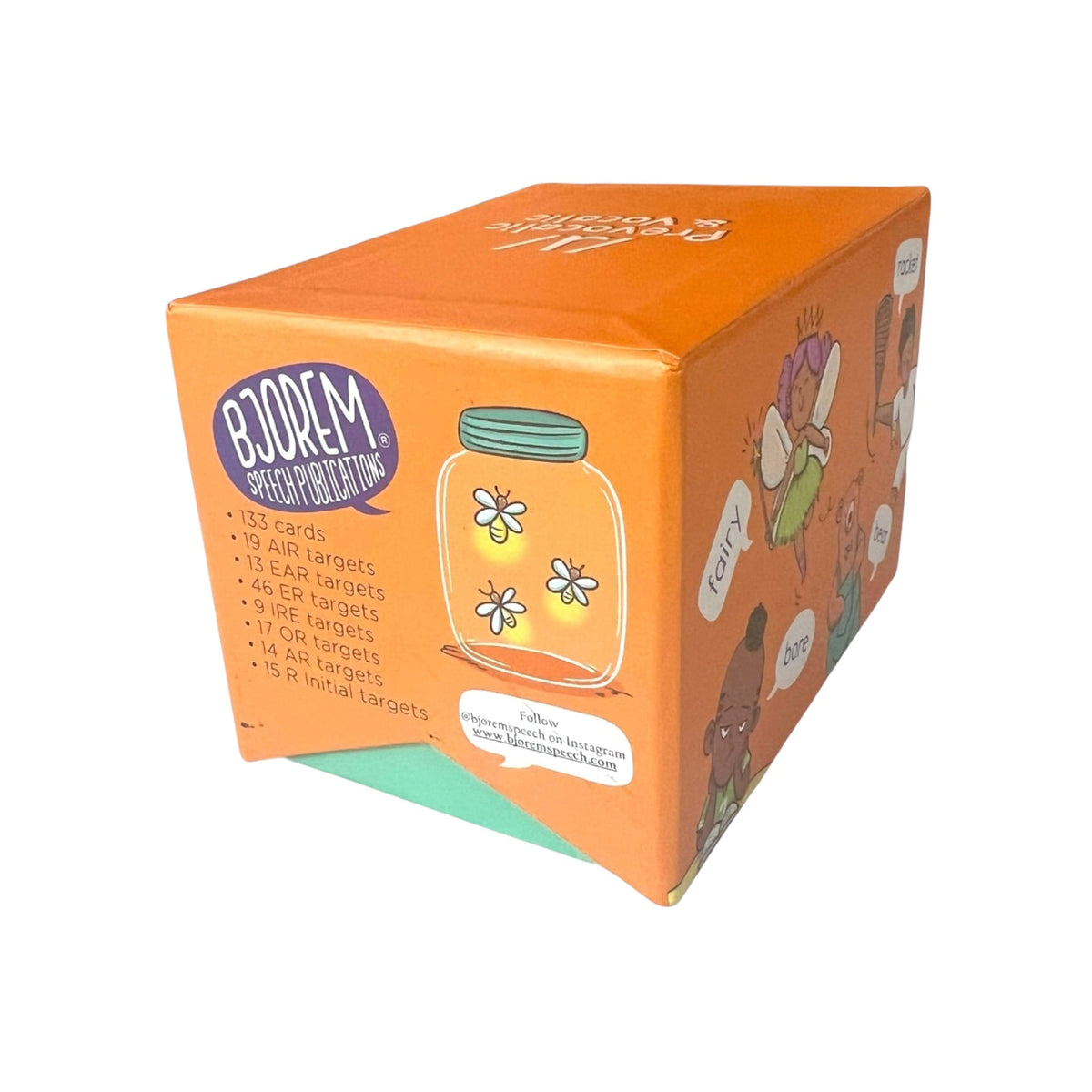
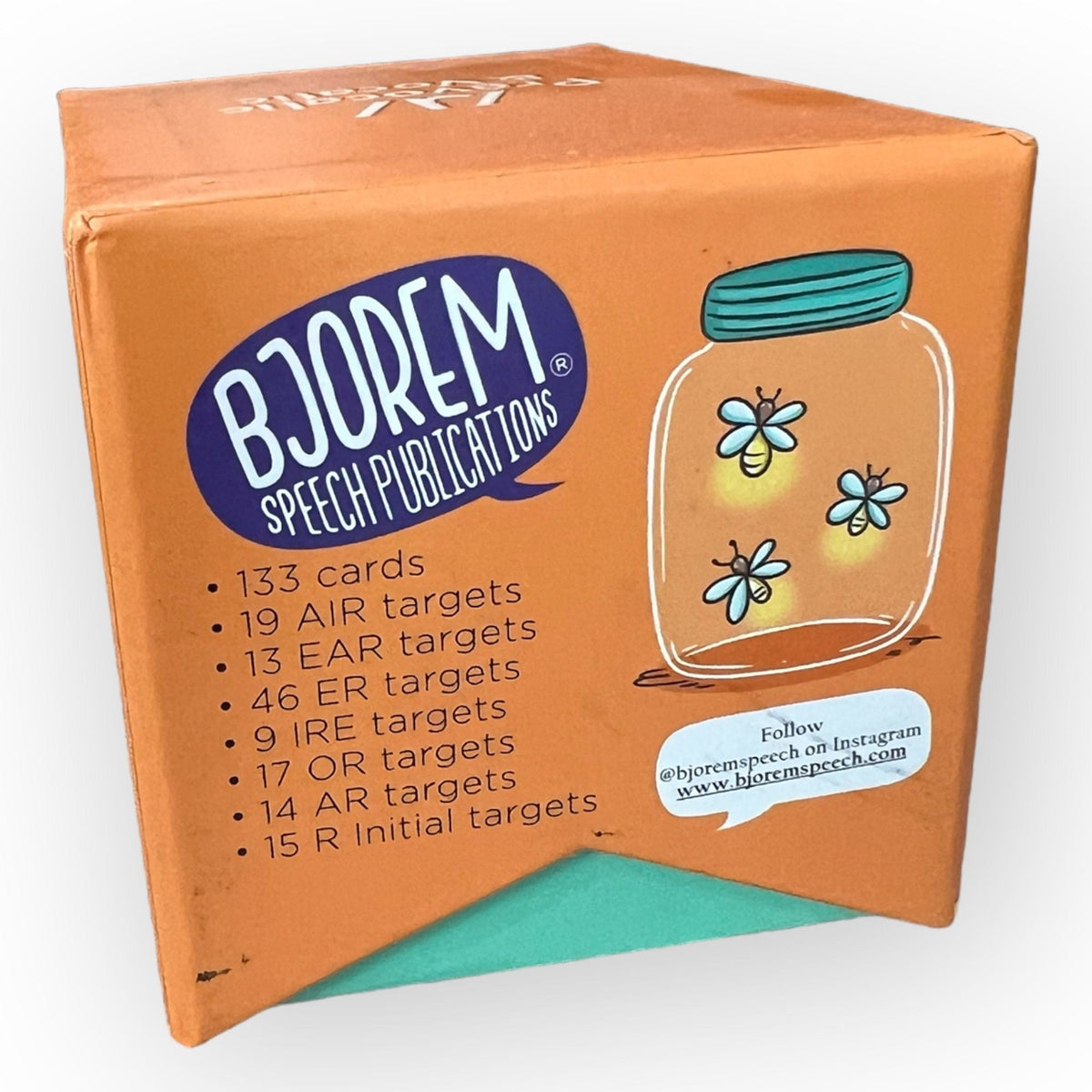
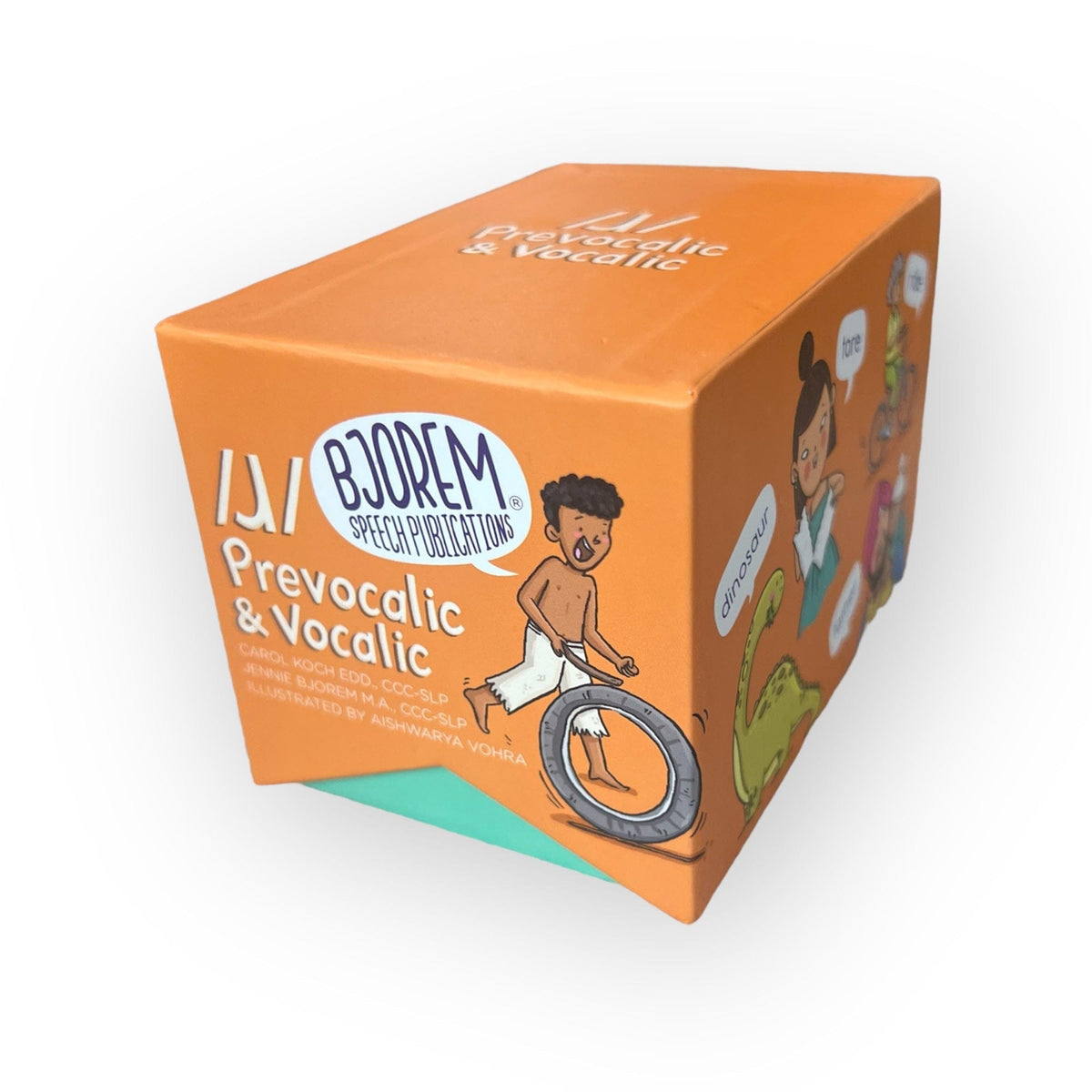


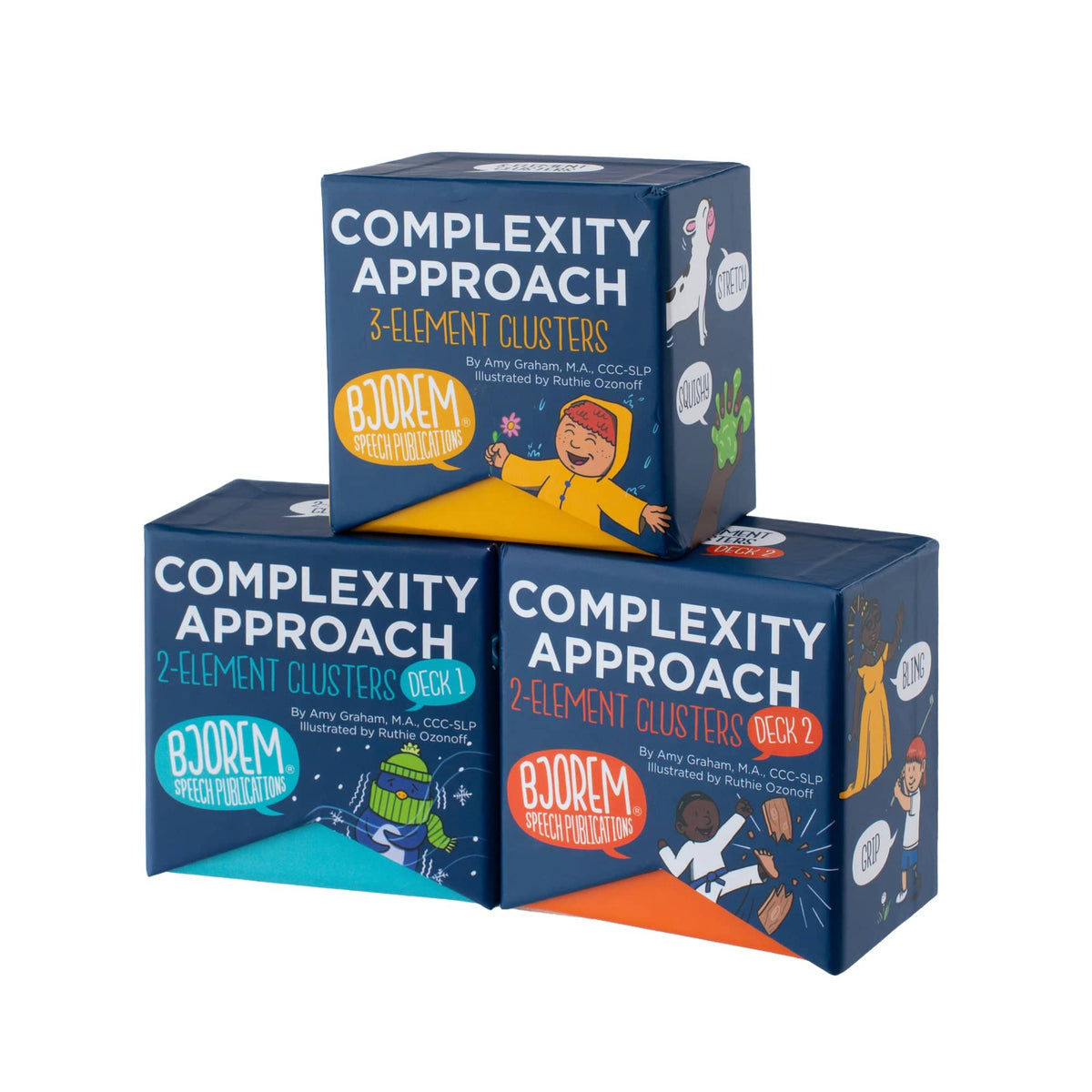
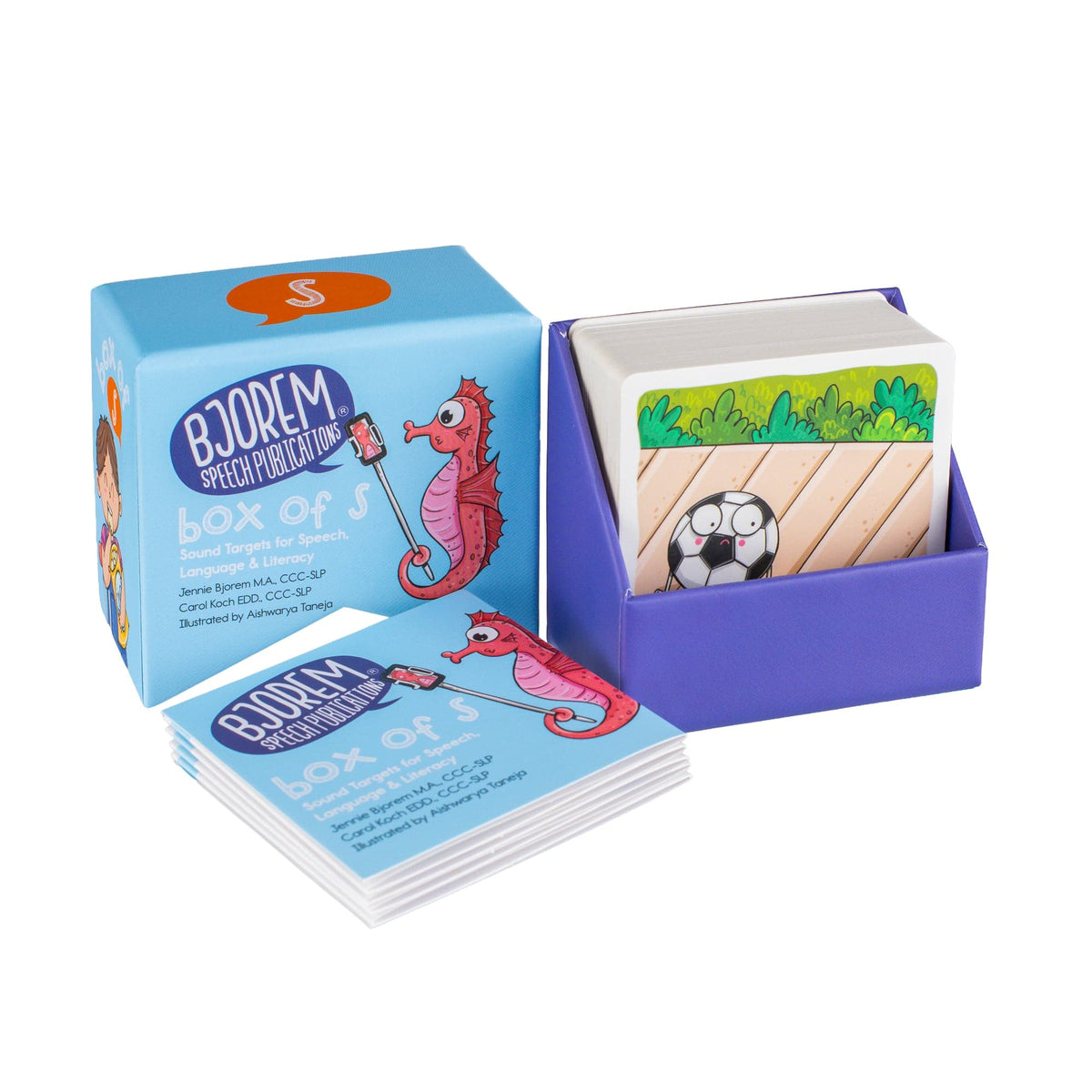
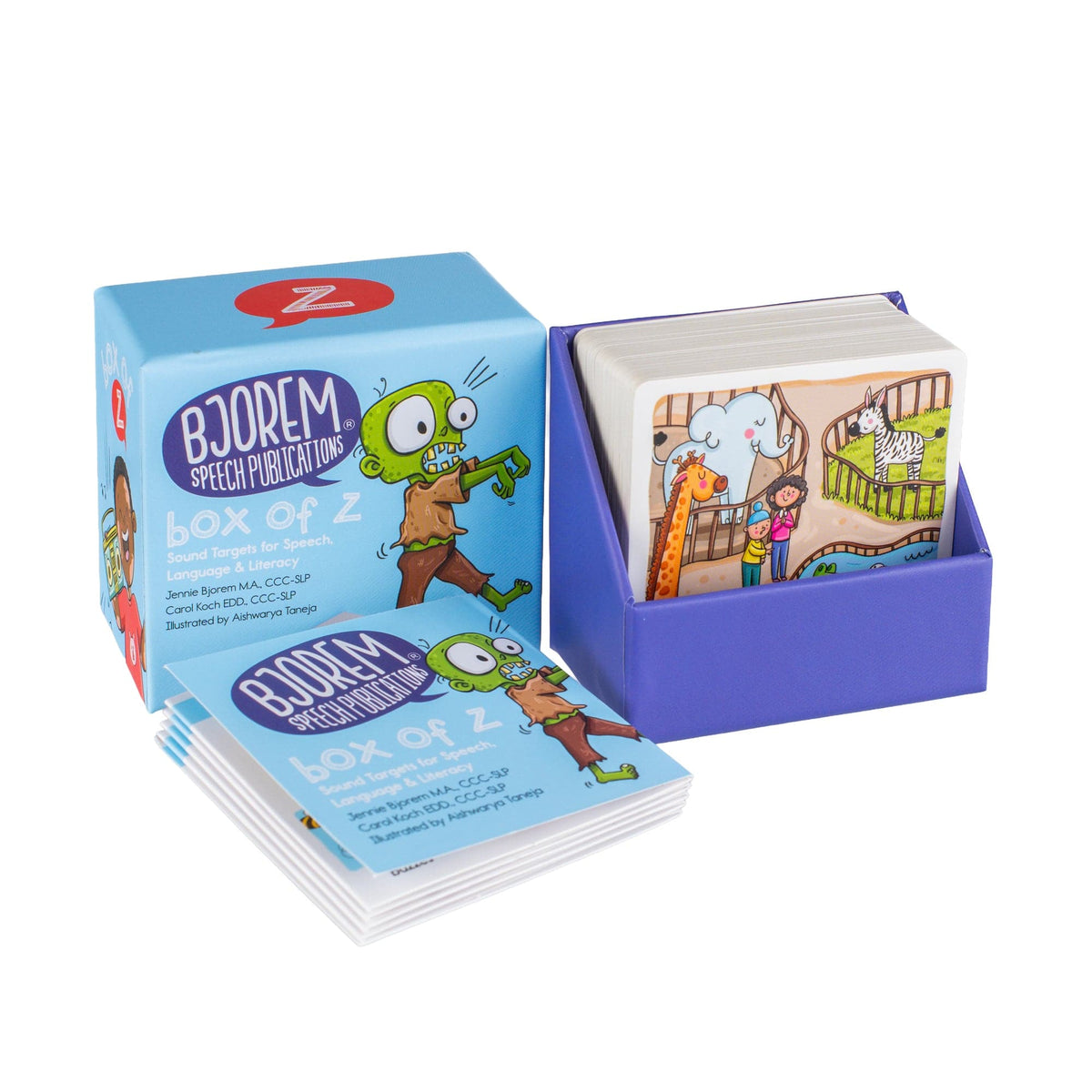


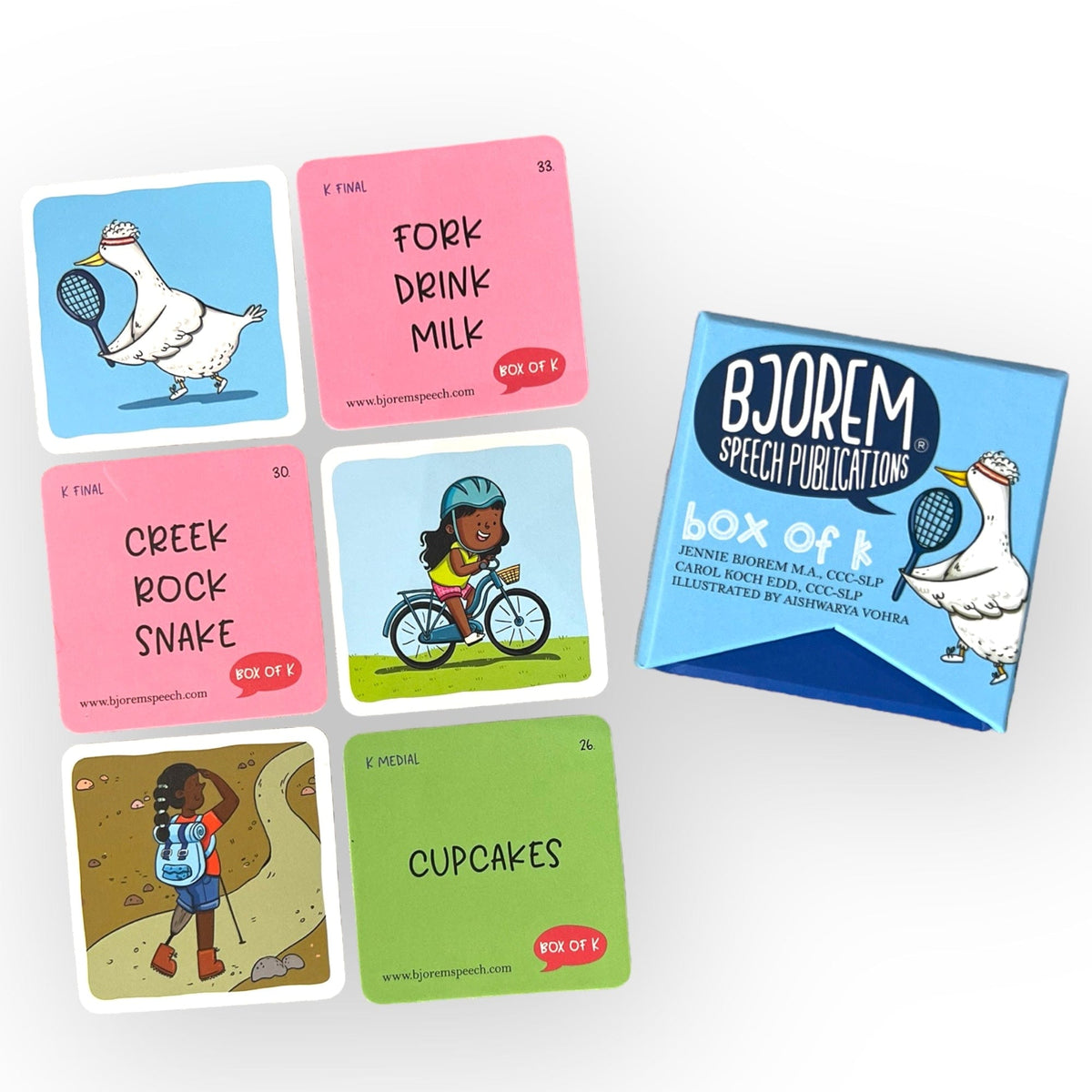
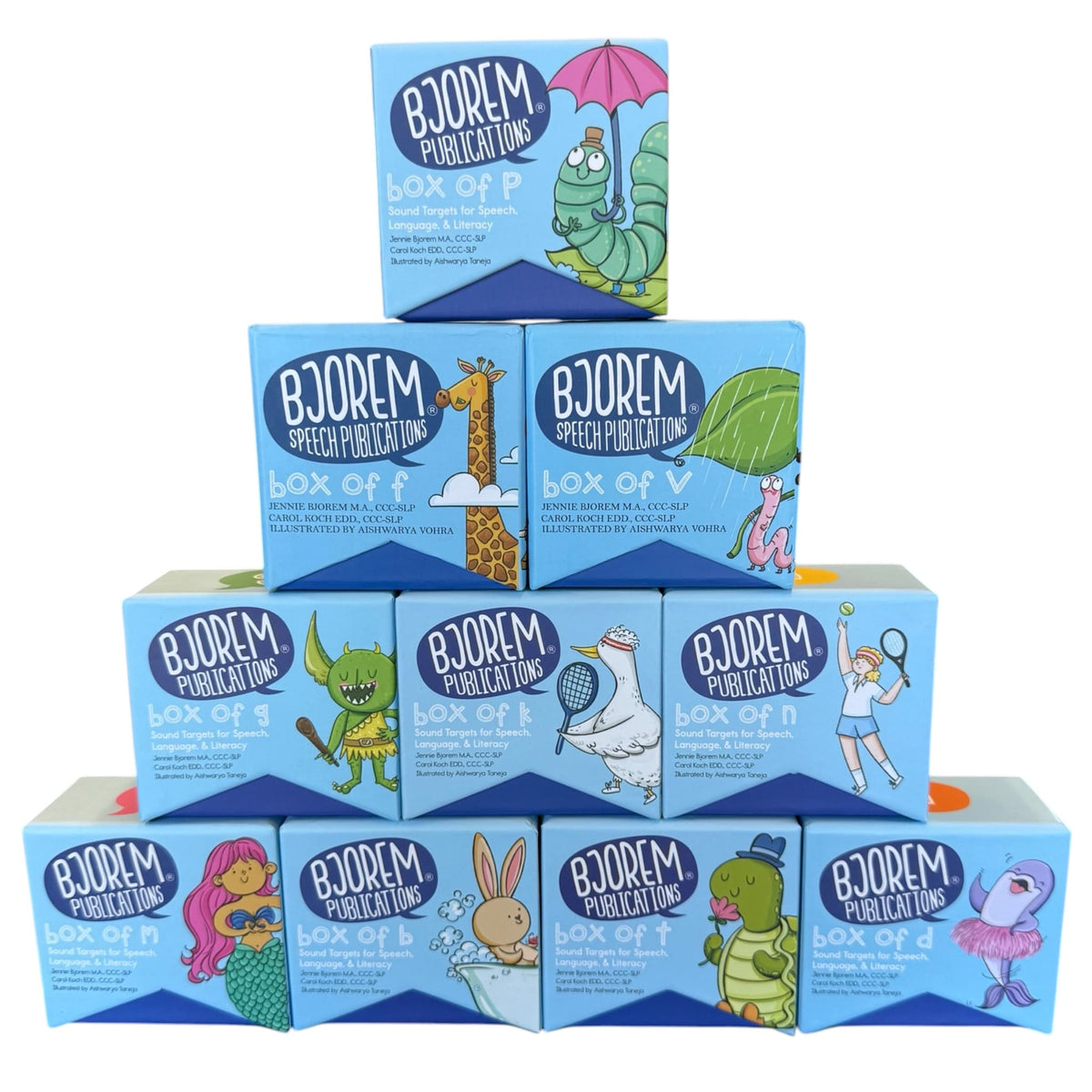


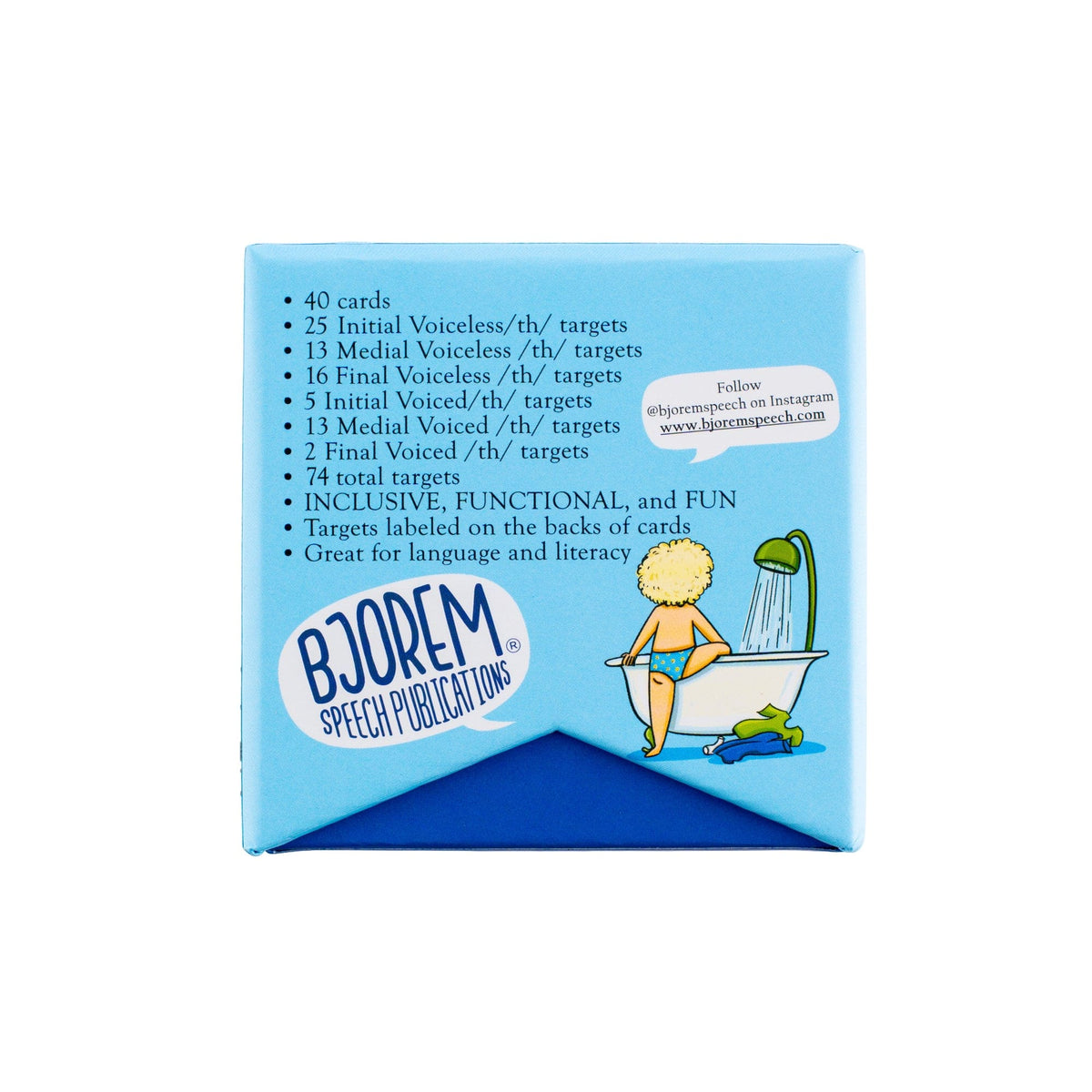
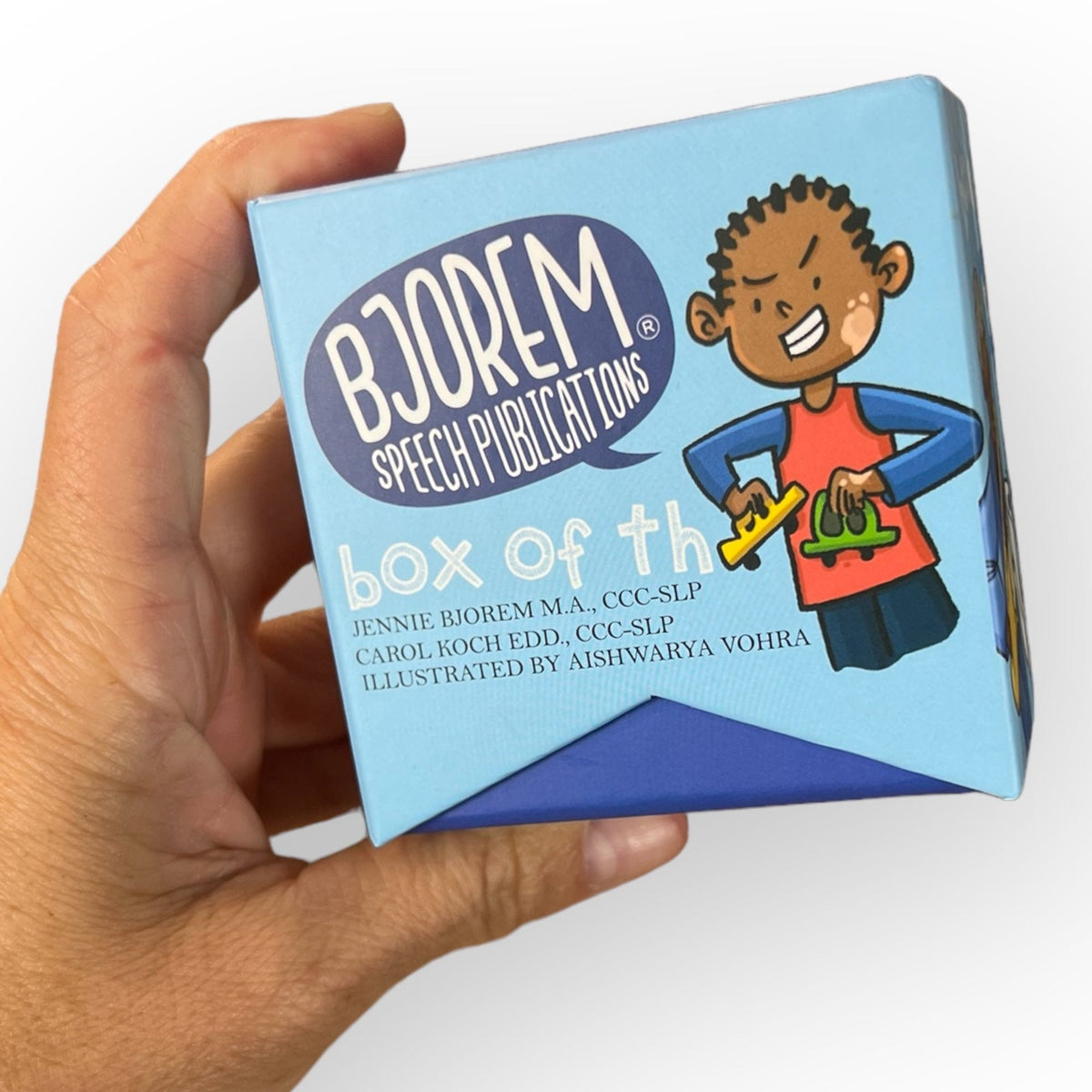





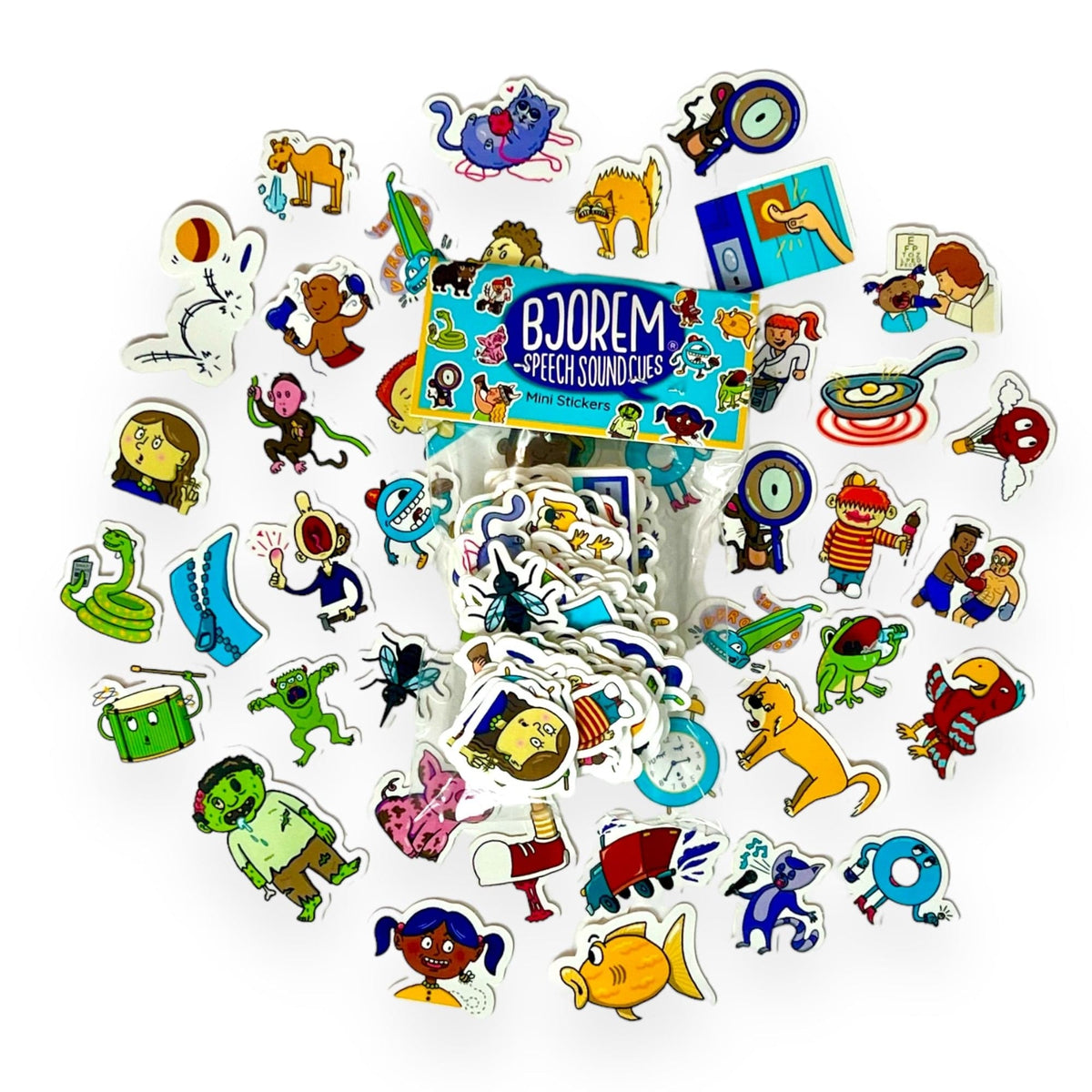
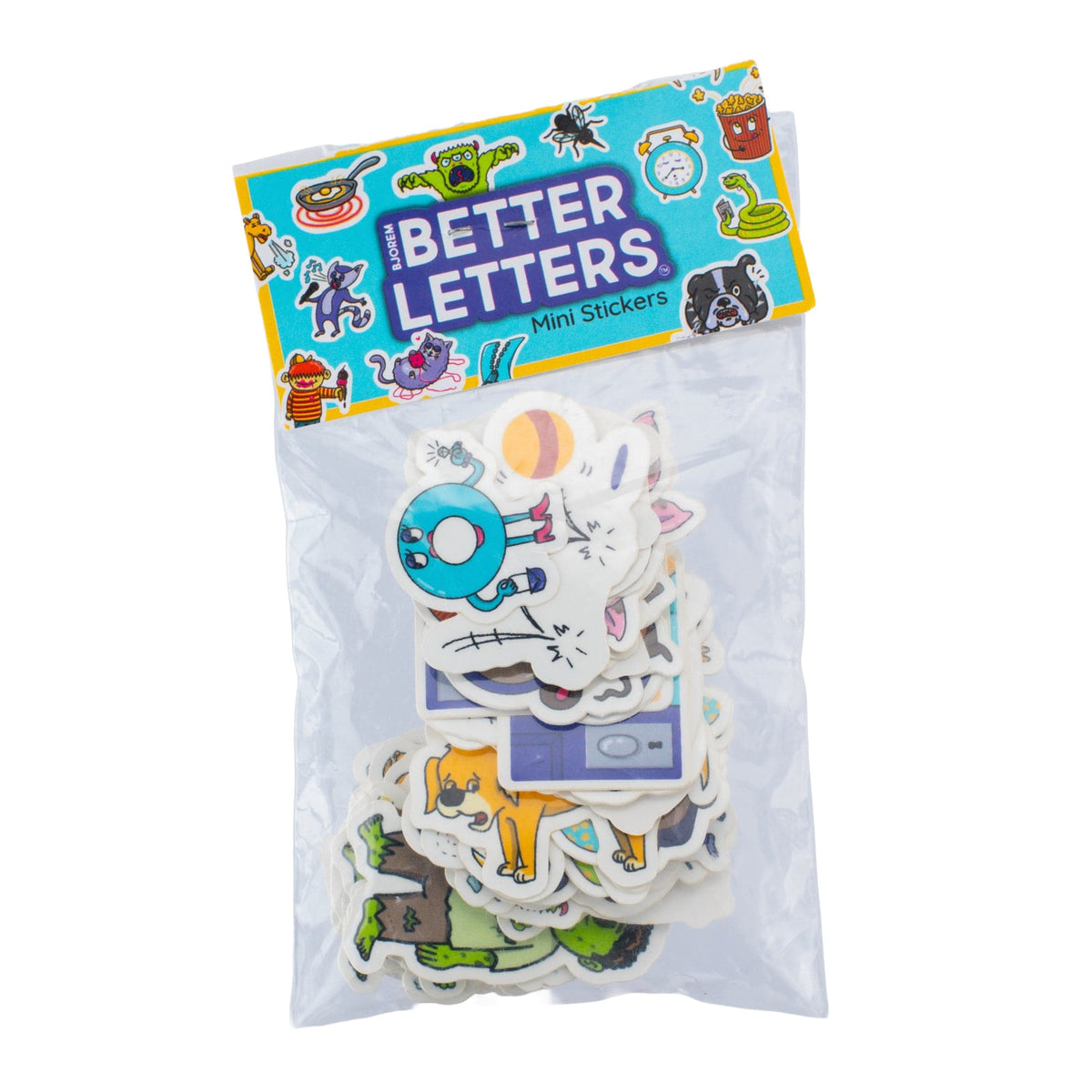
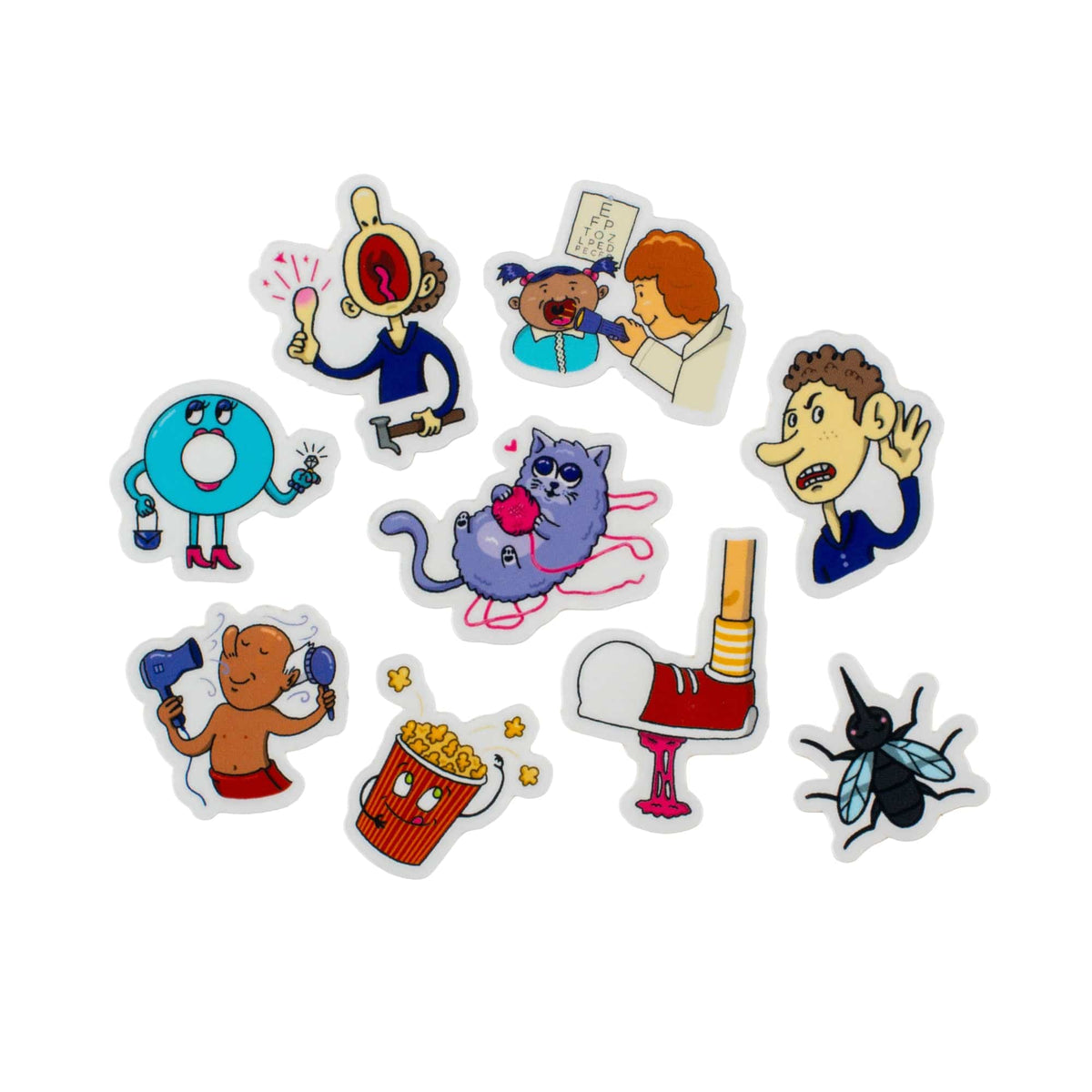


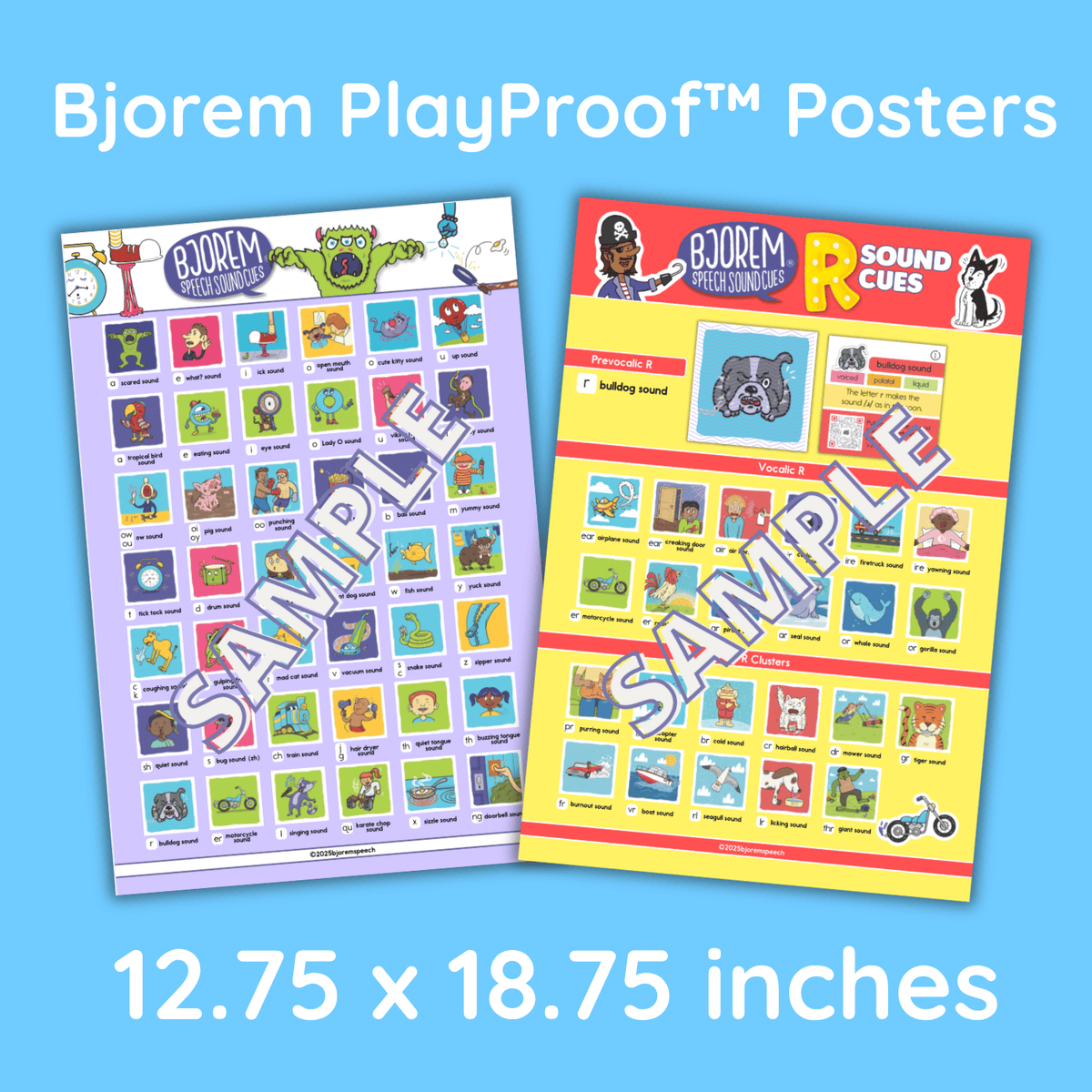
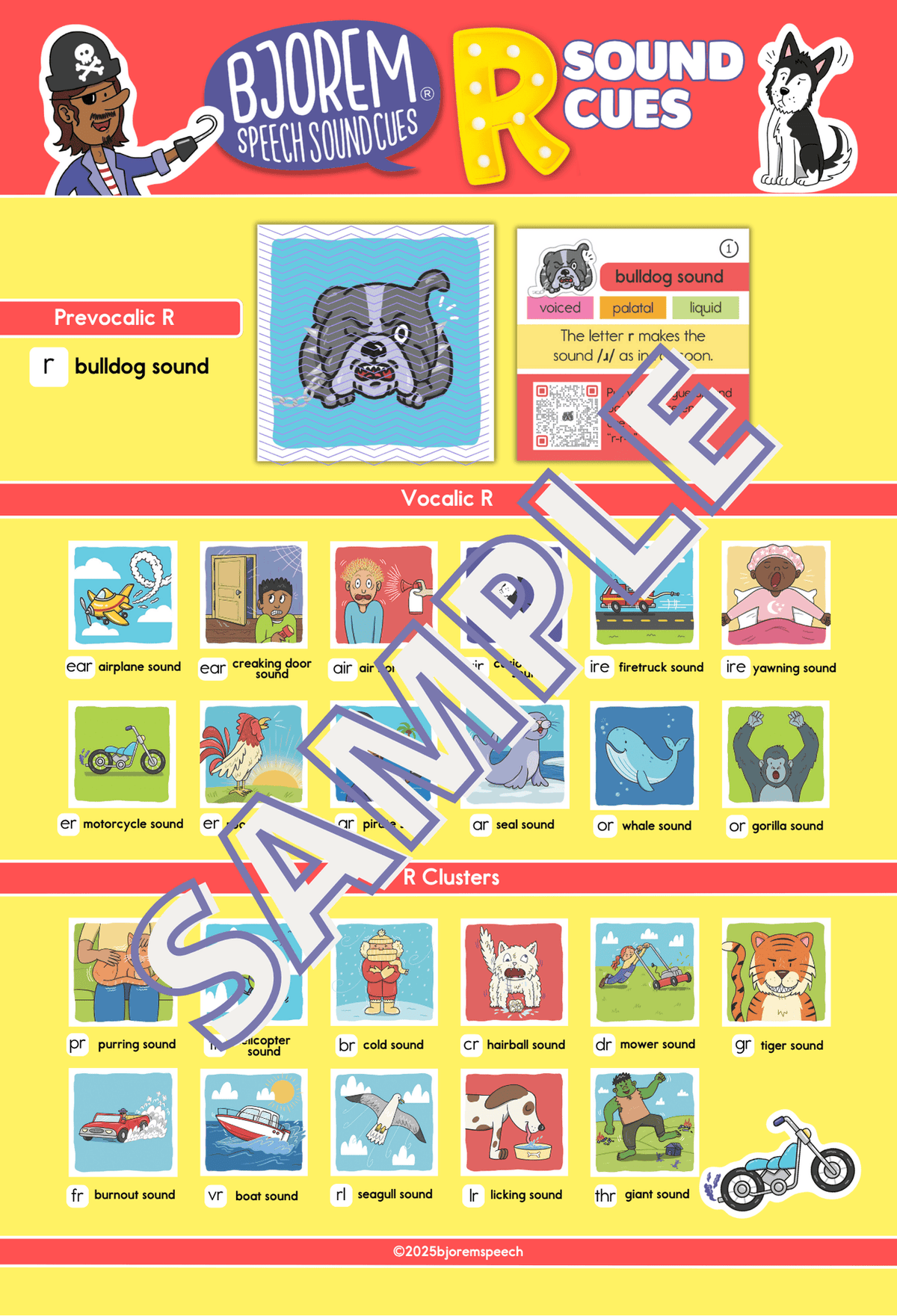
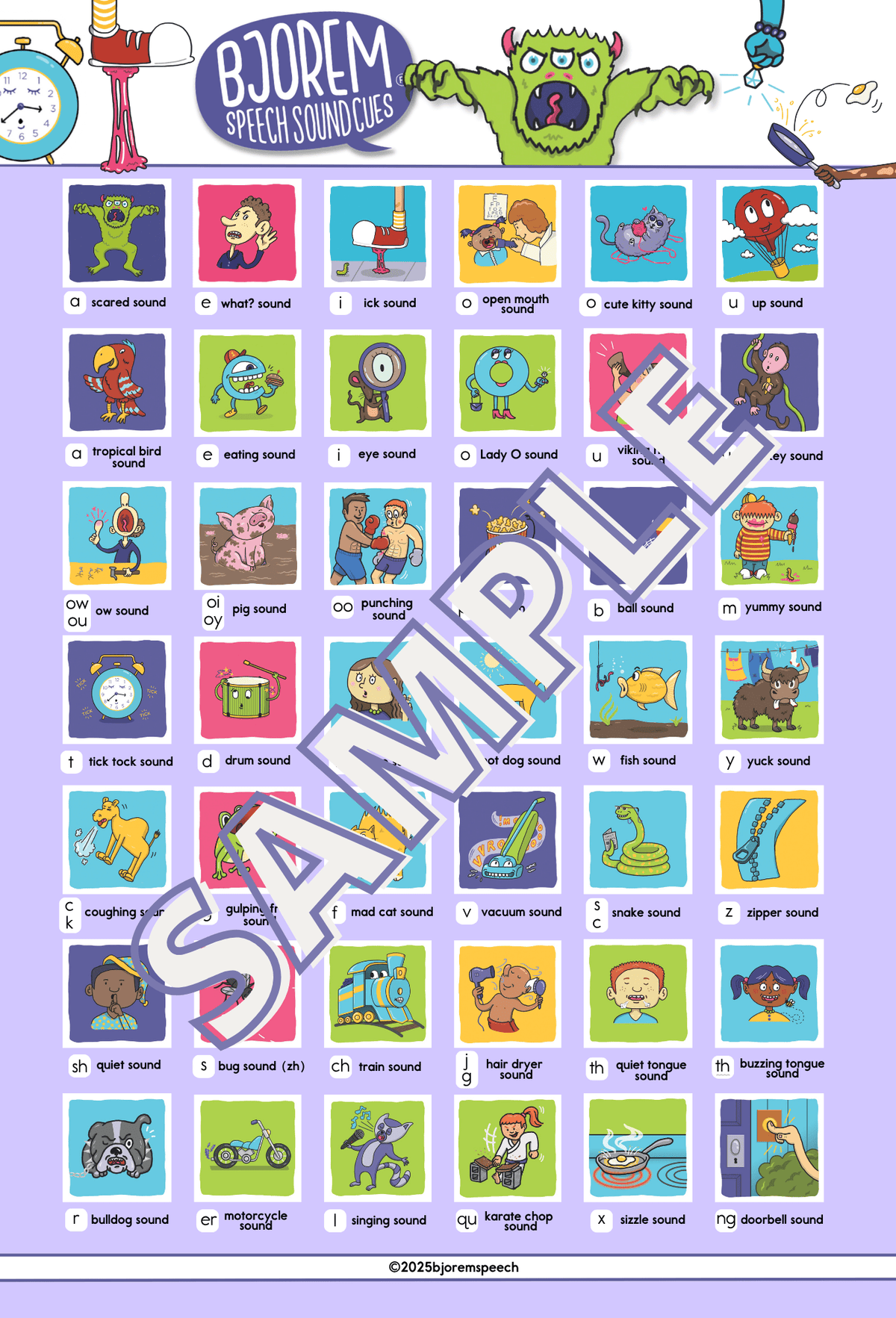
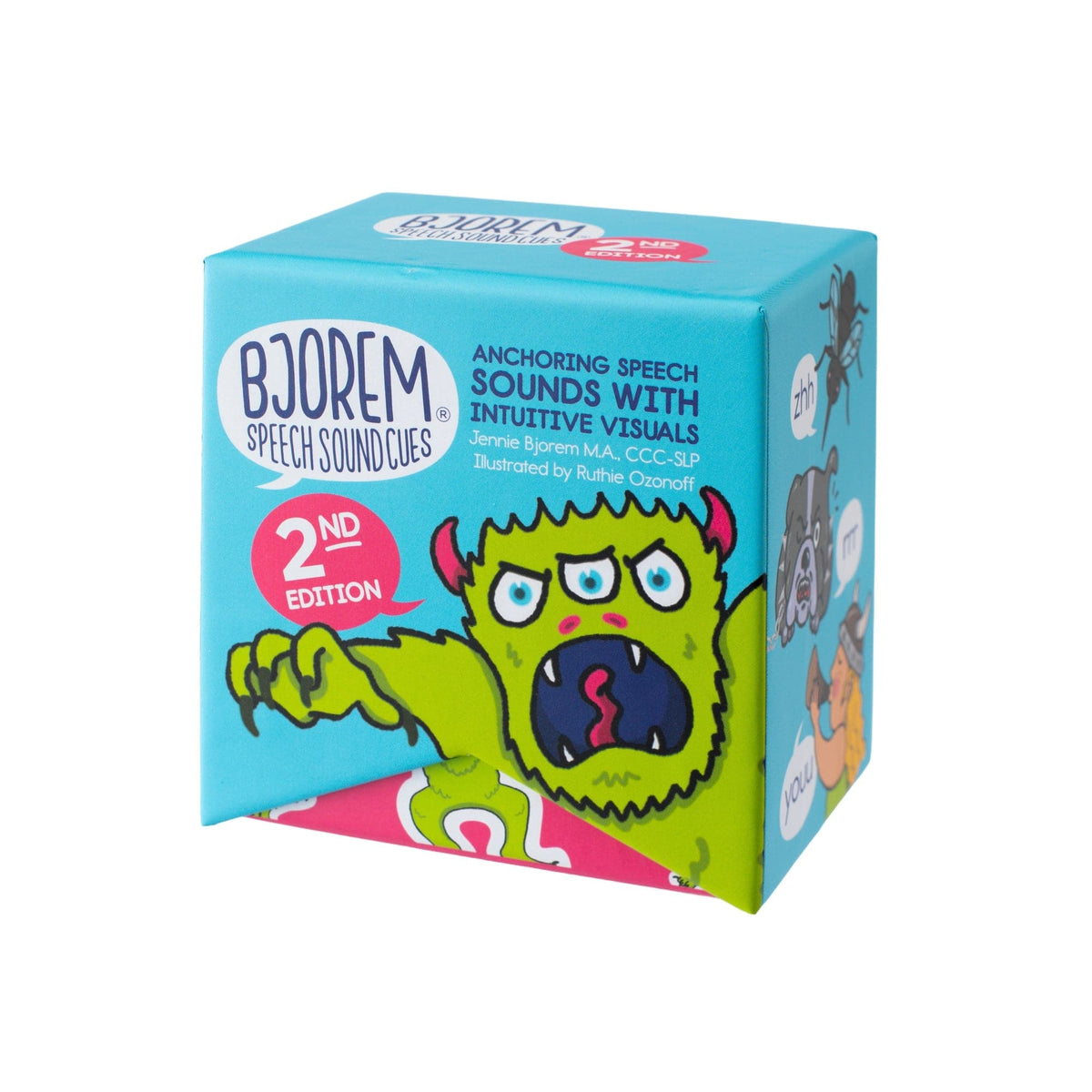
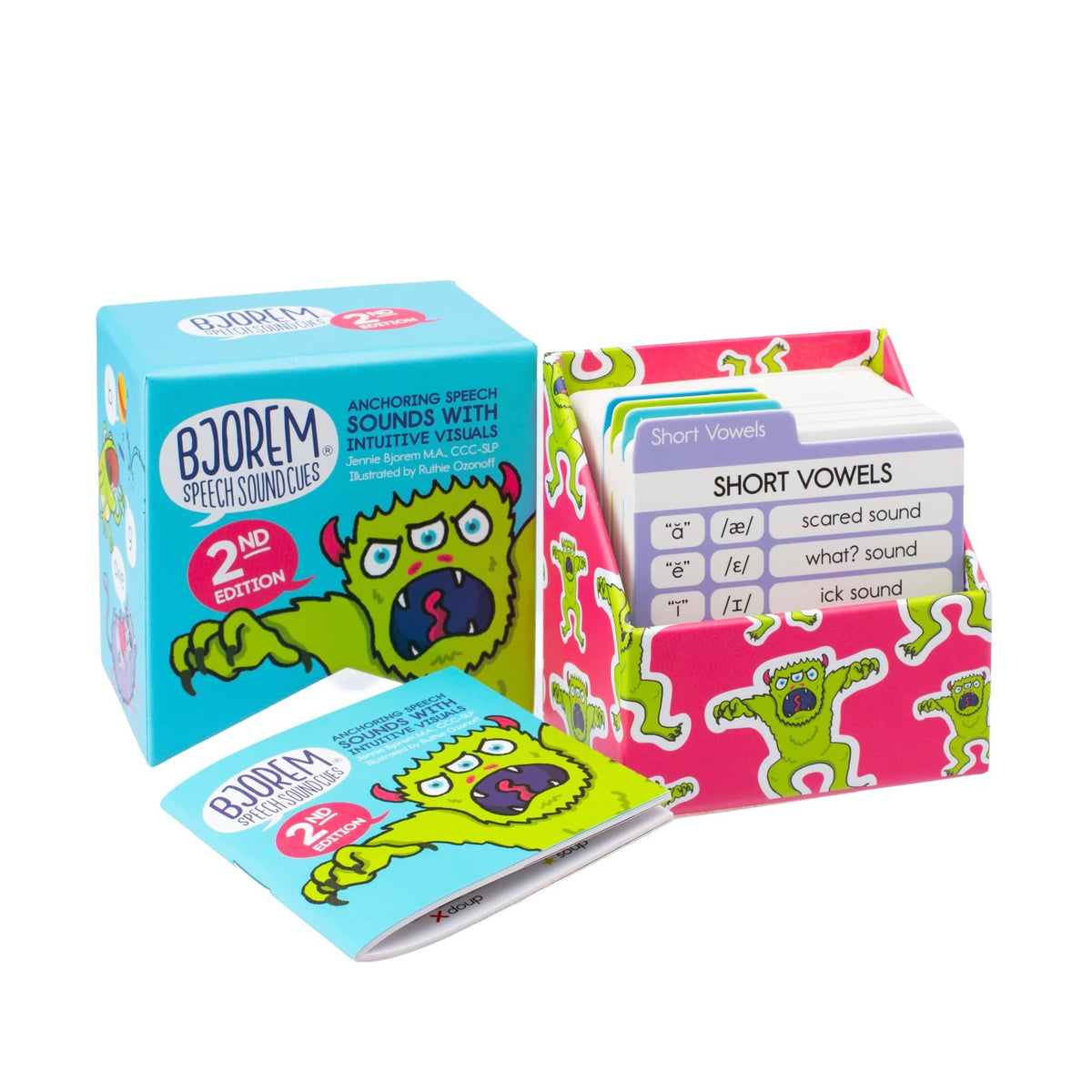
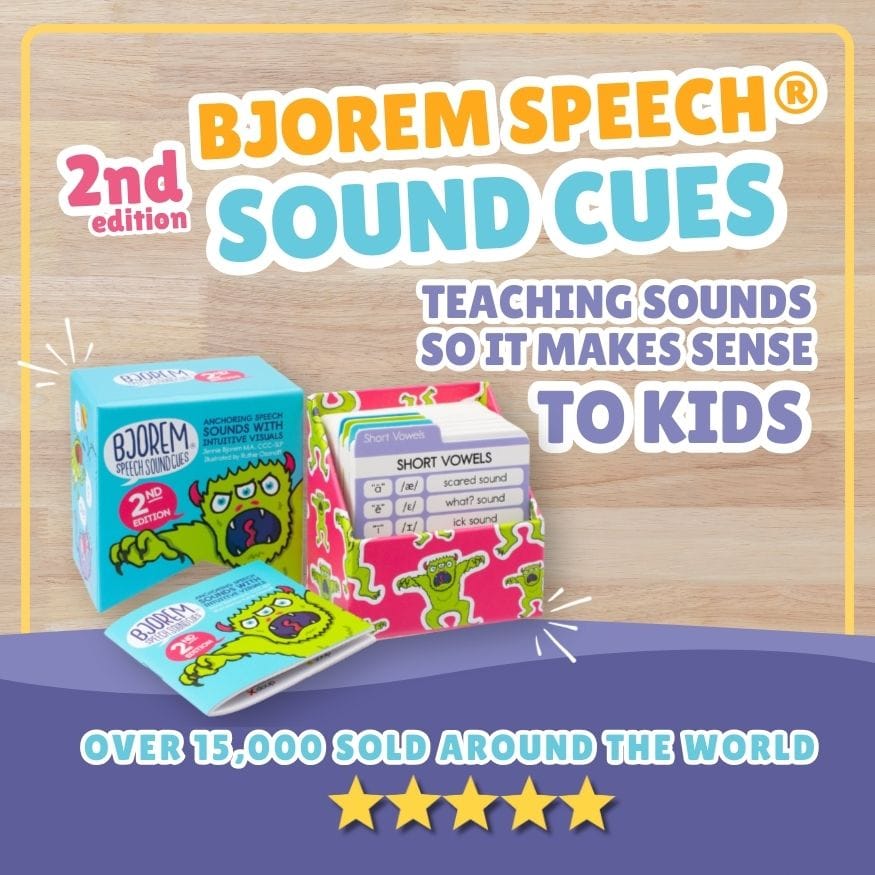
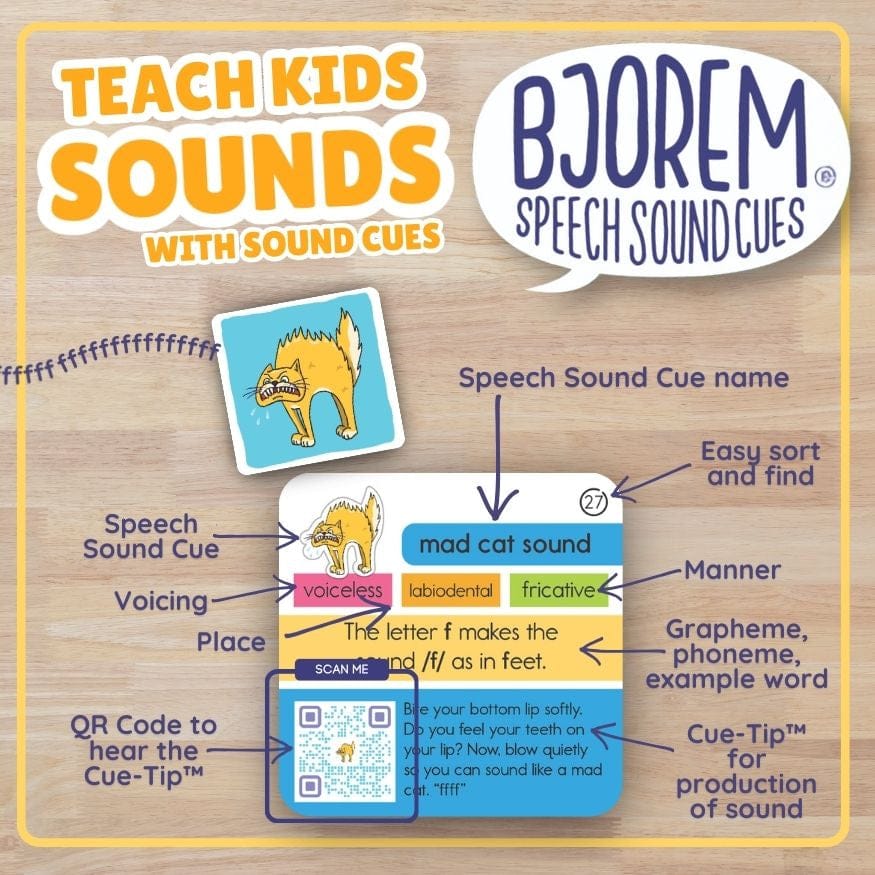
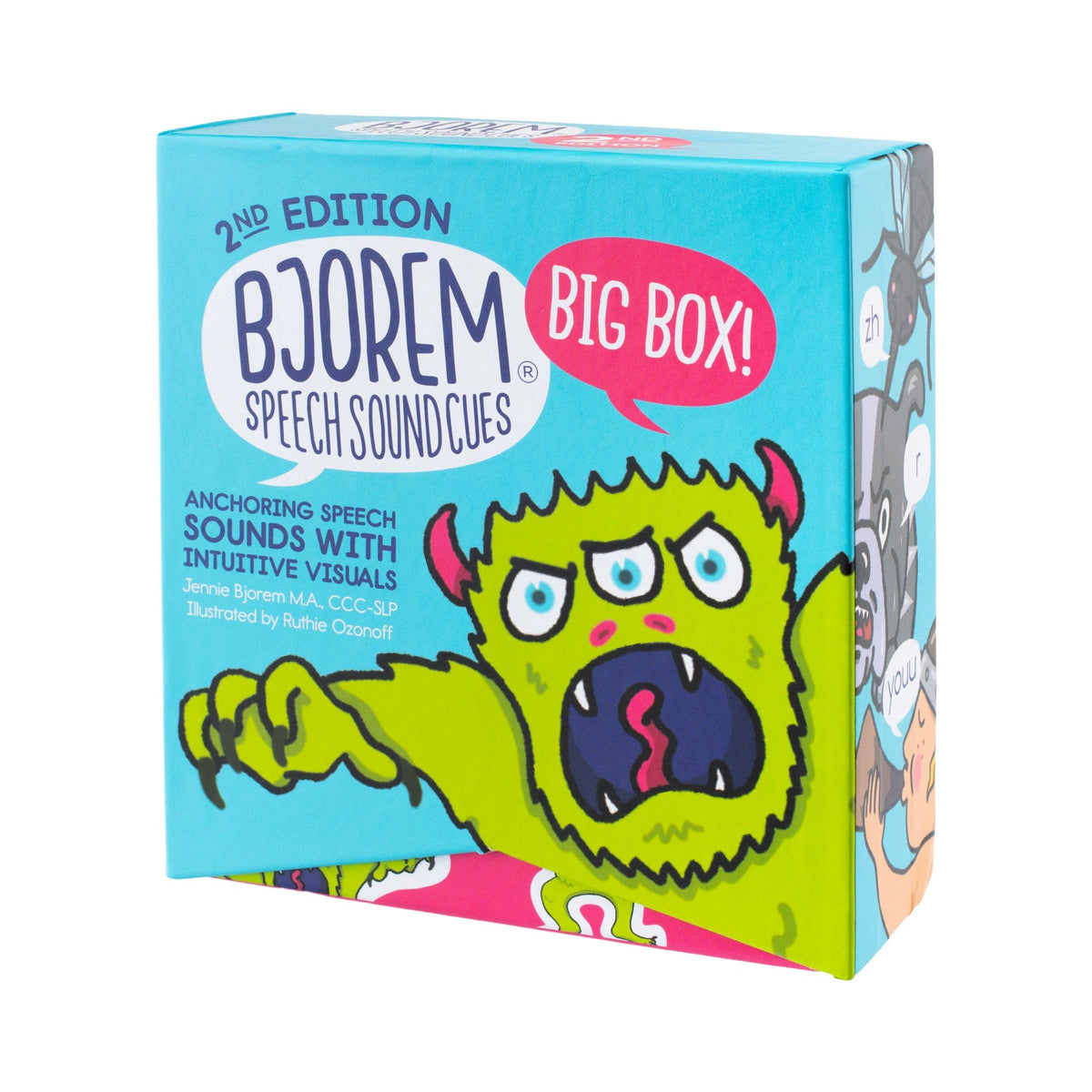
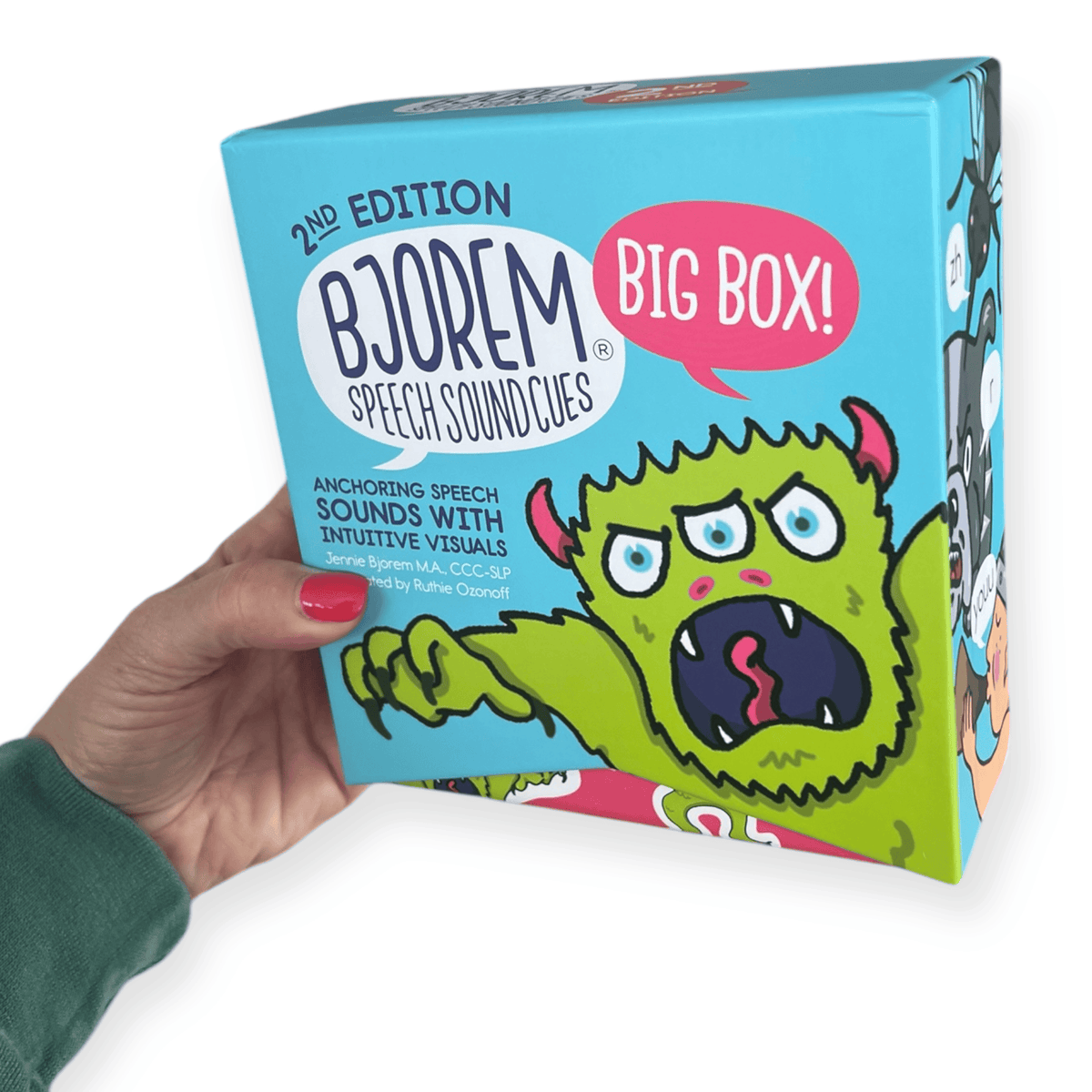
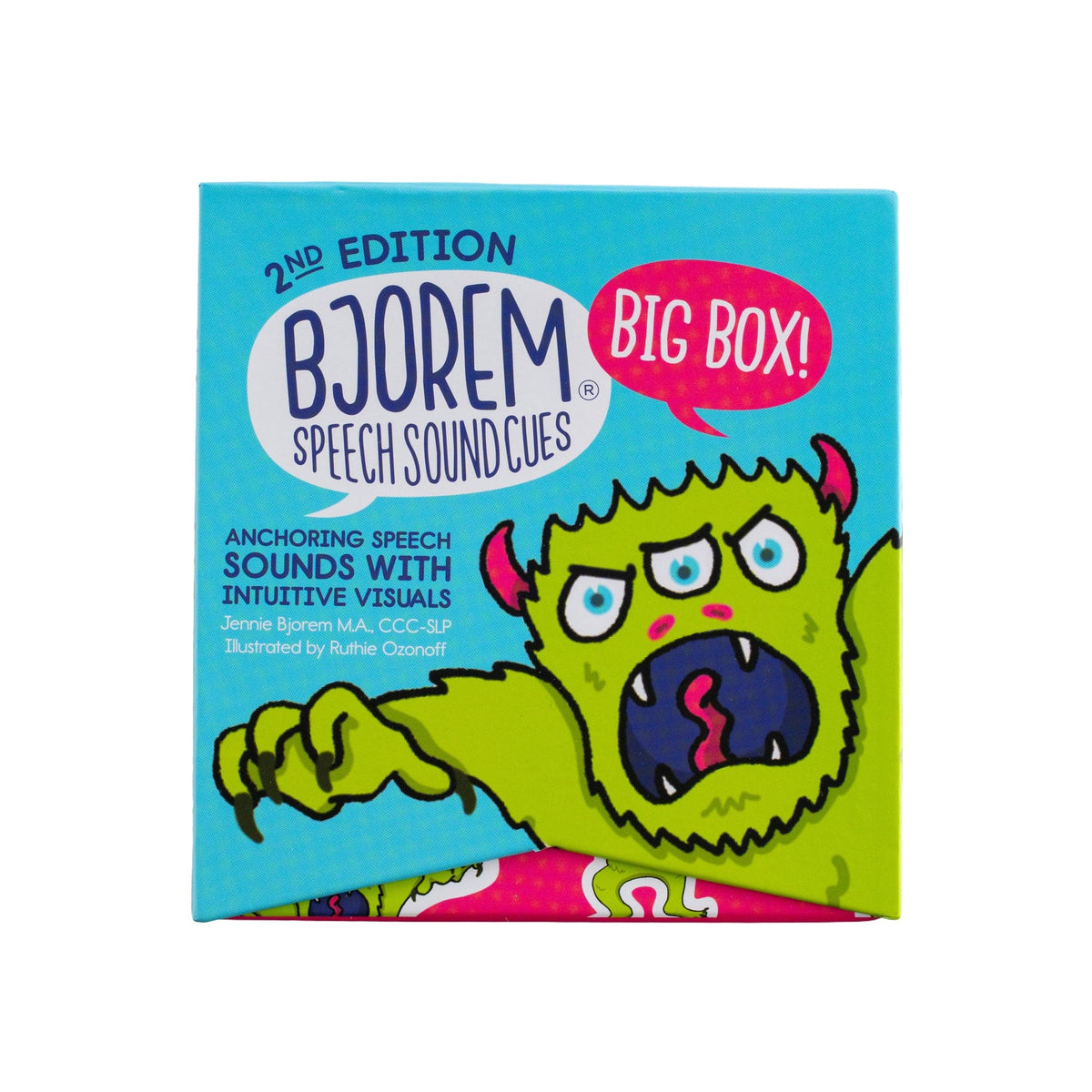
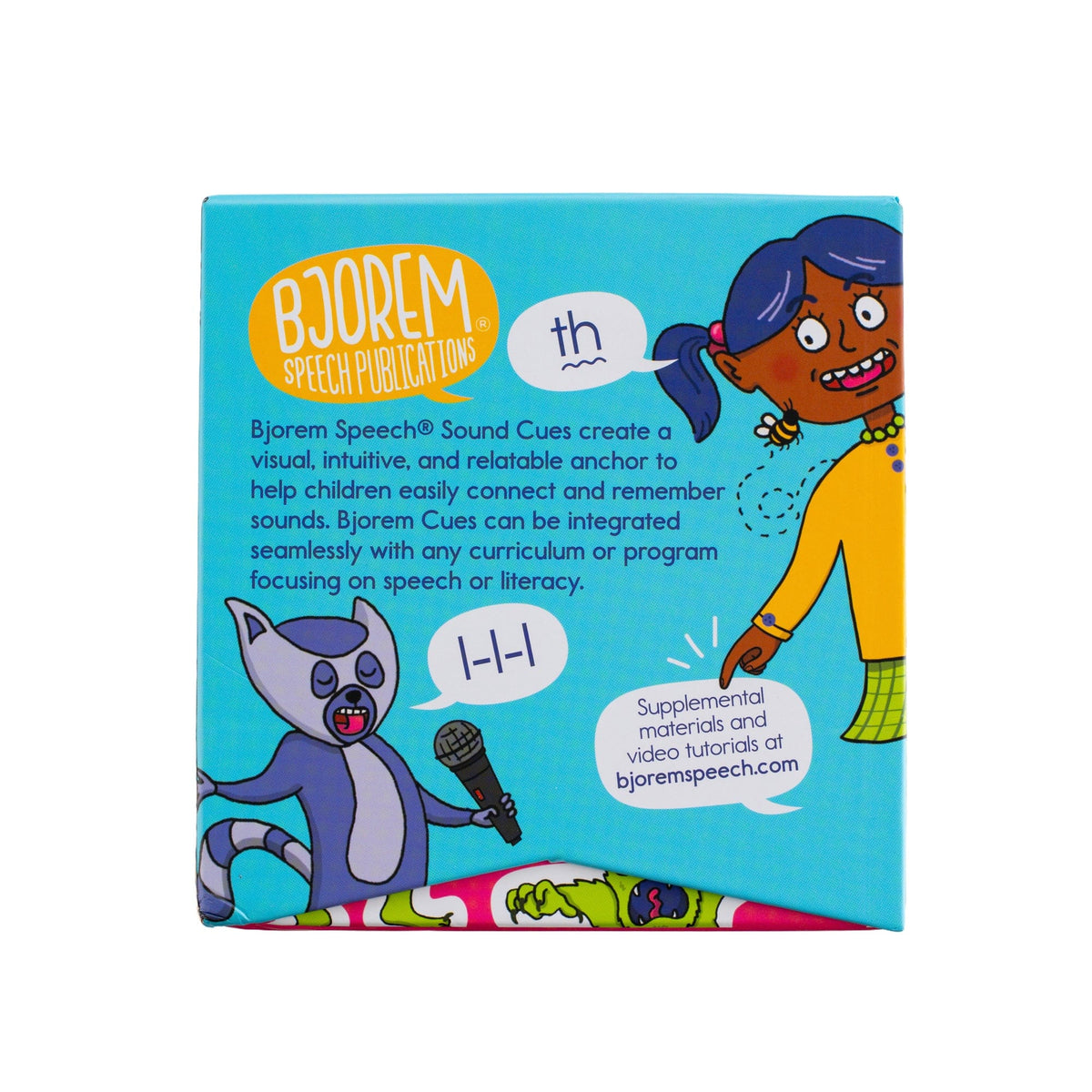
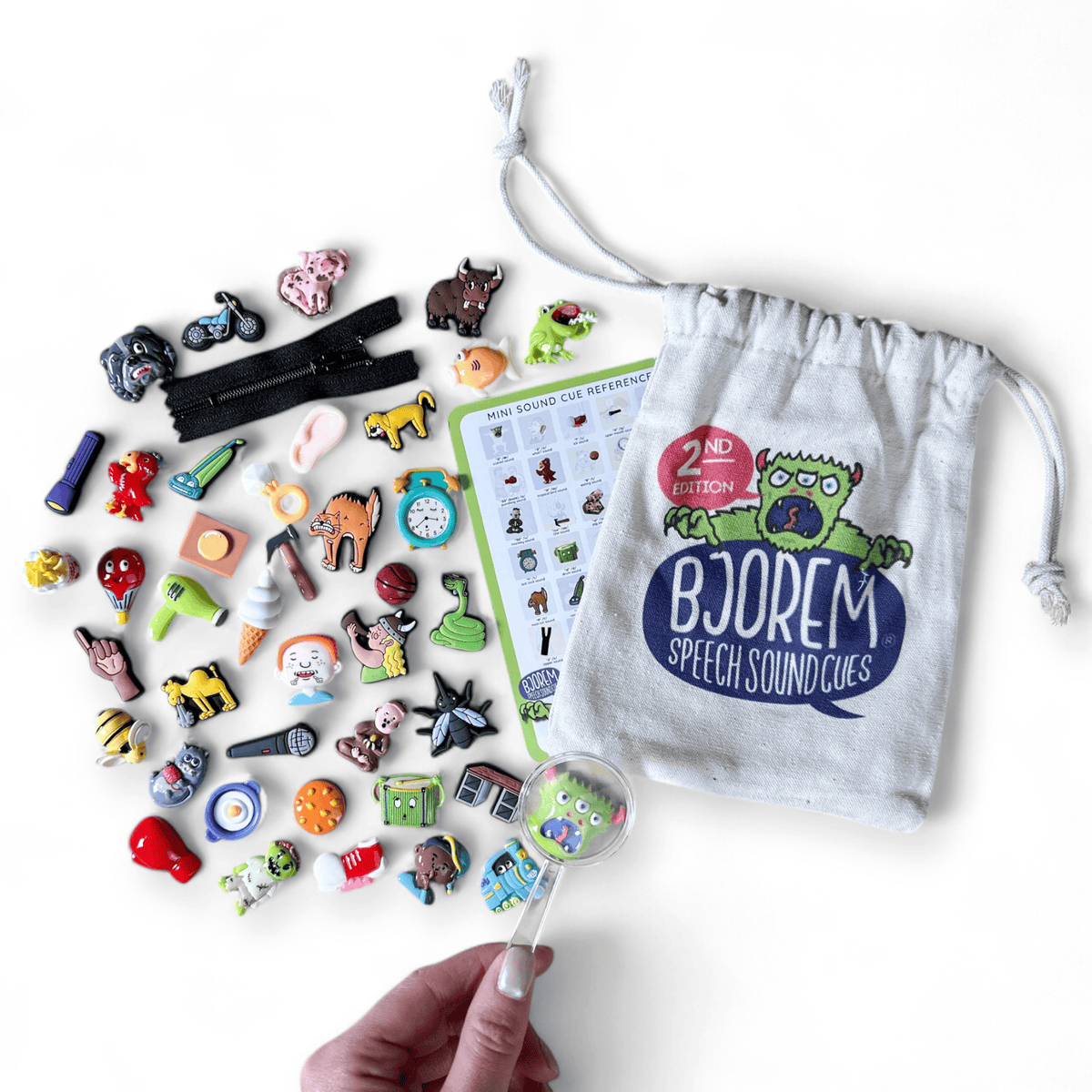
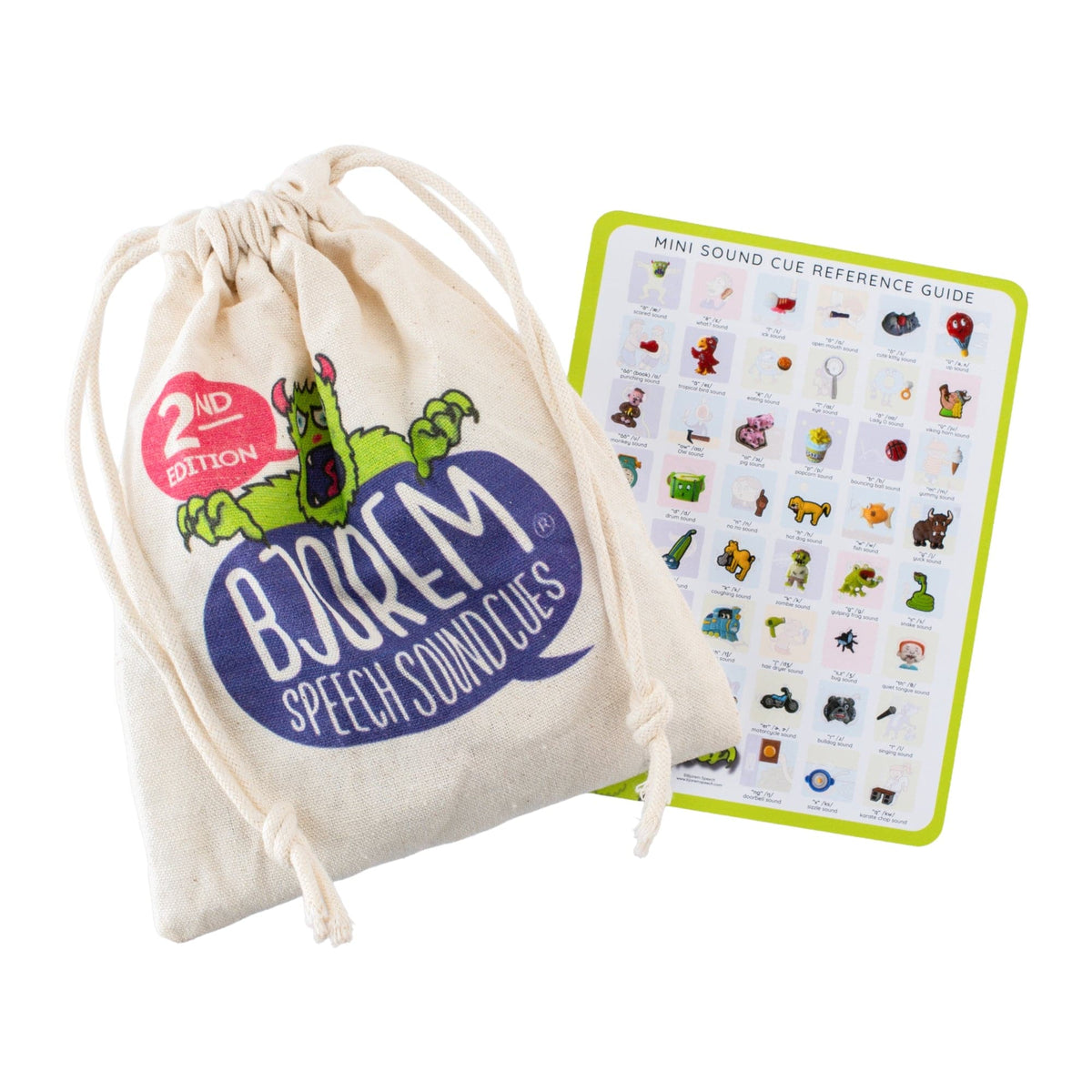
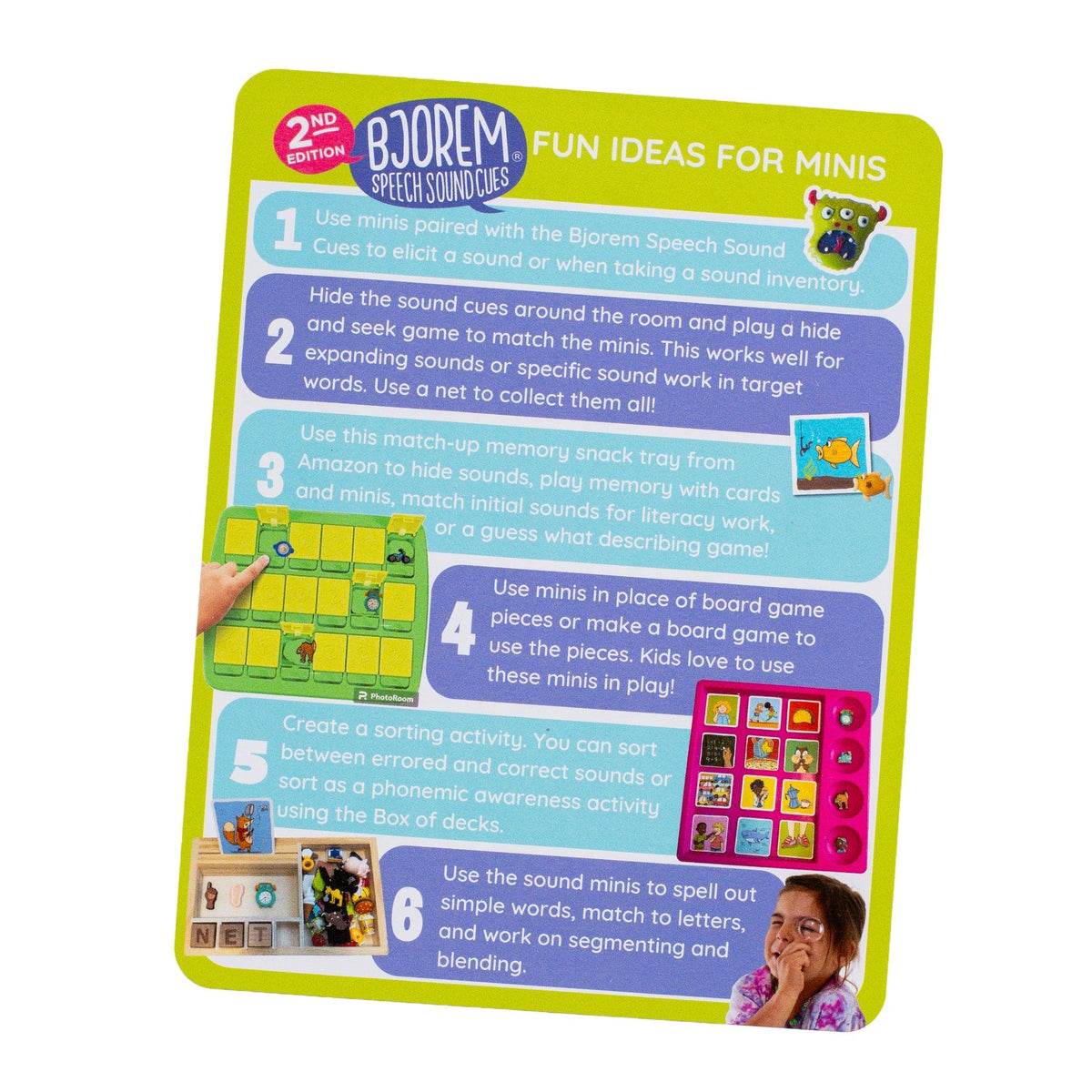
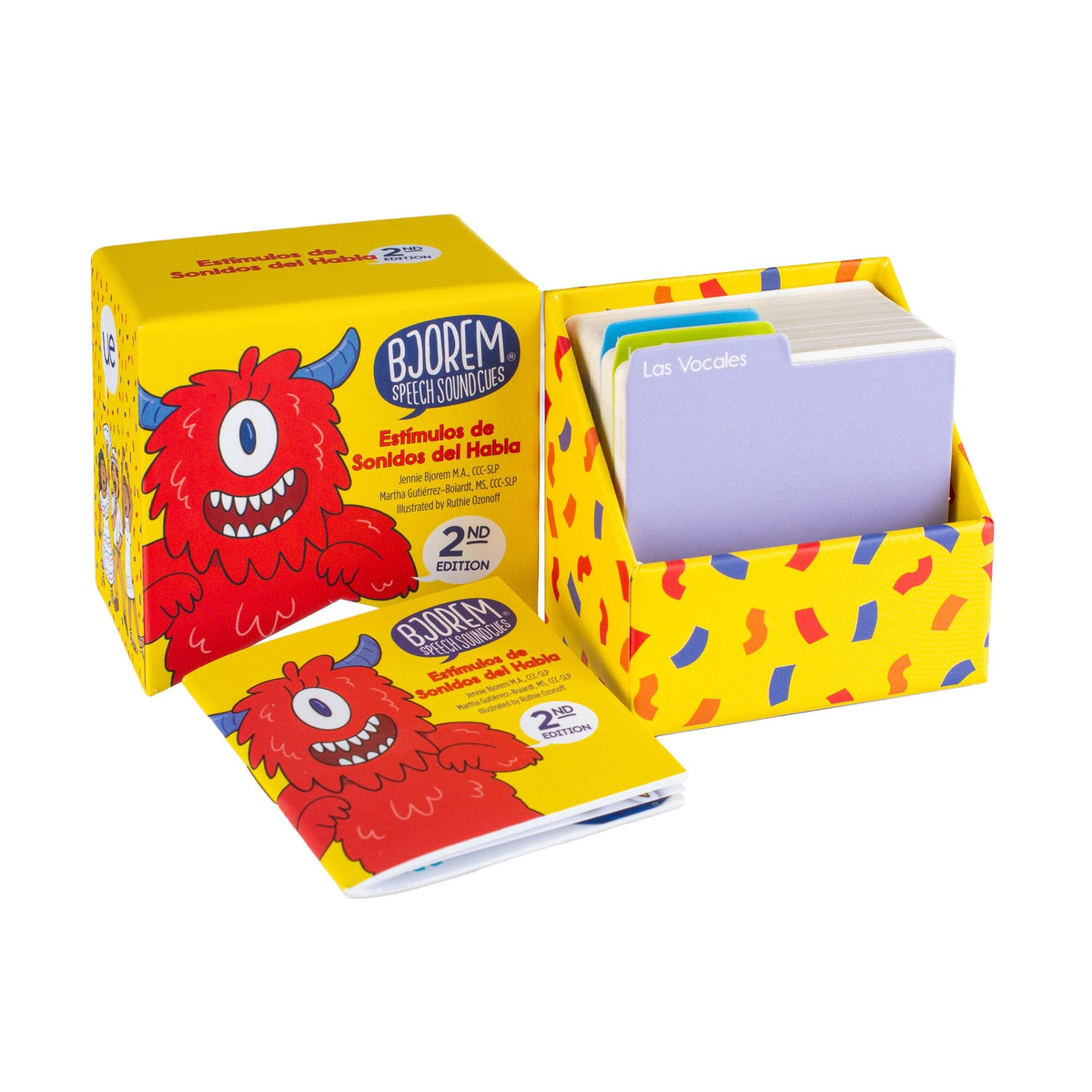
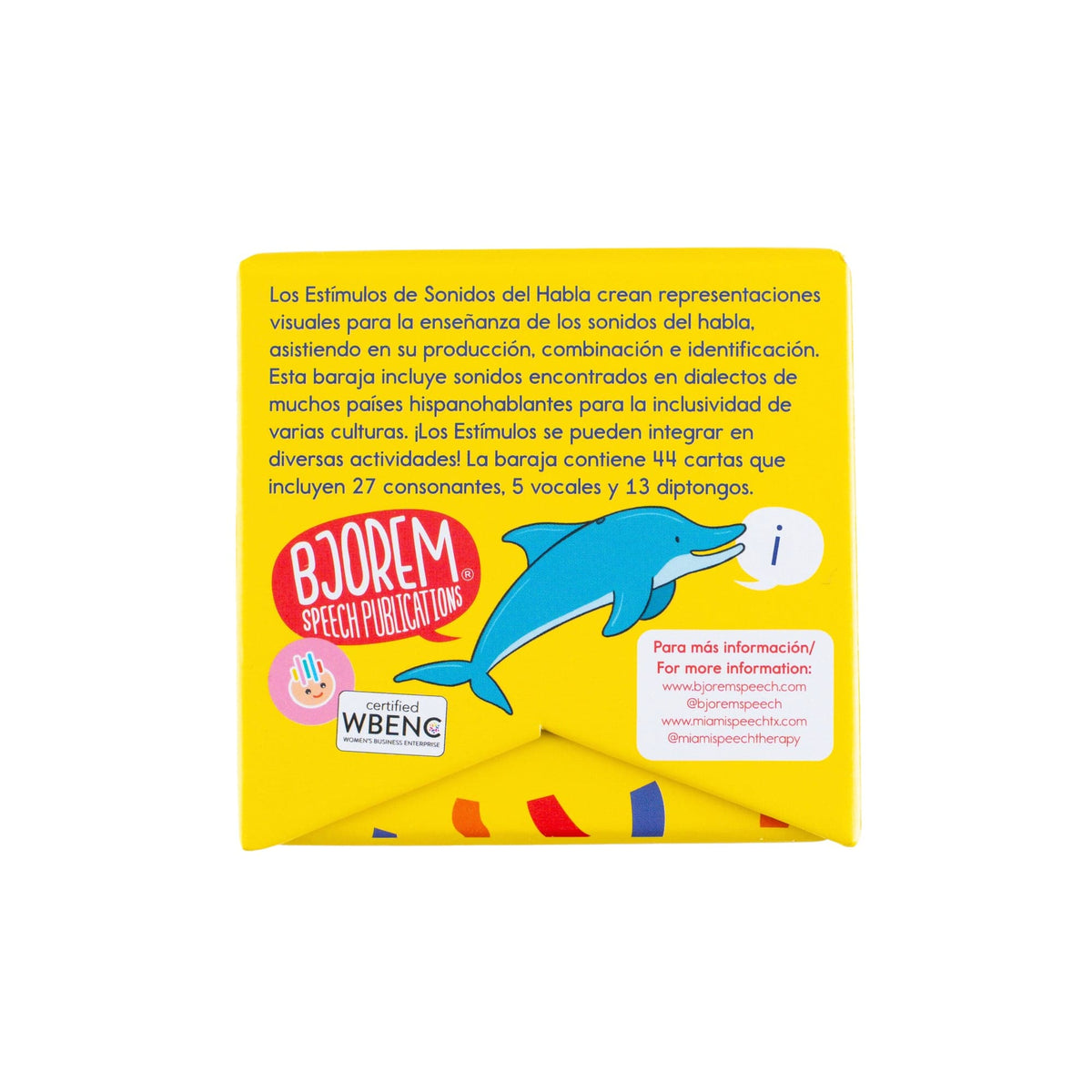
Bjorem PlayProof™ Poster: Bjorem Speech Sound Cues

Item

Arrival


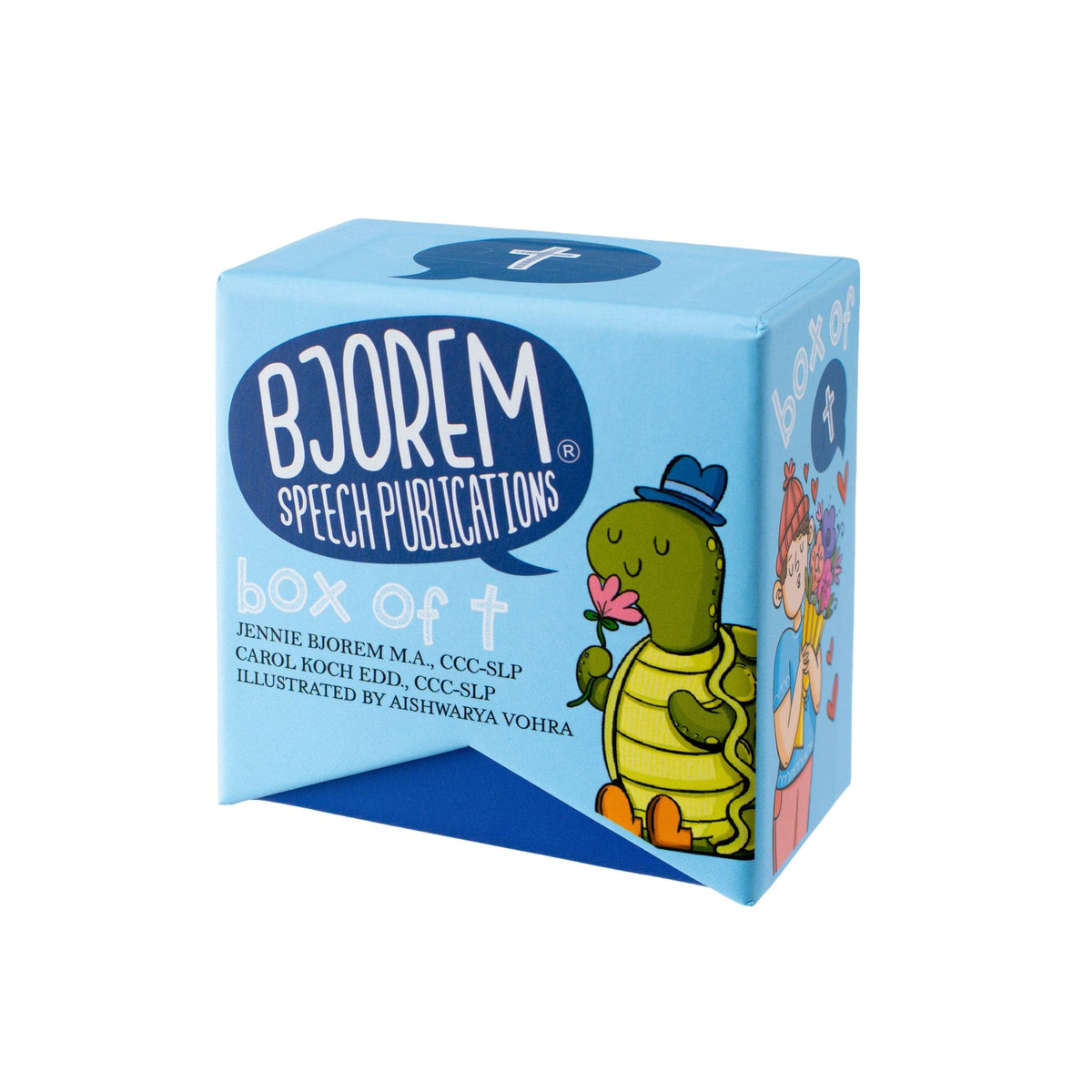

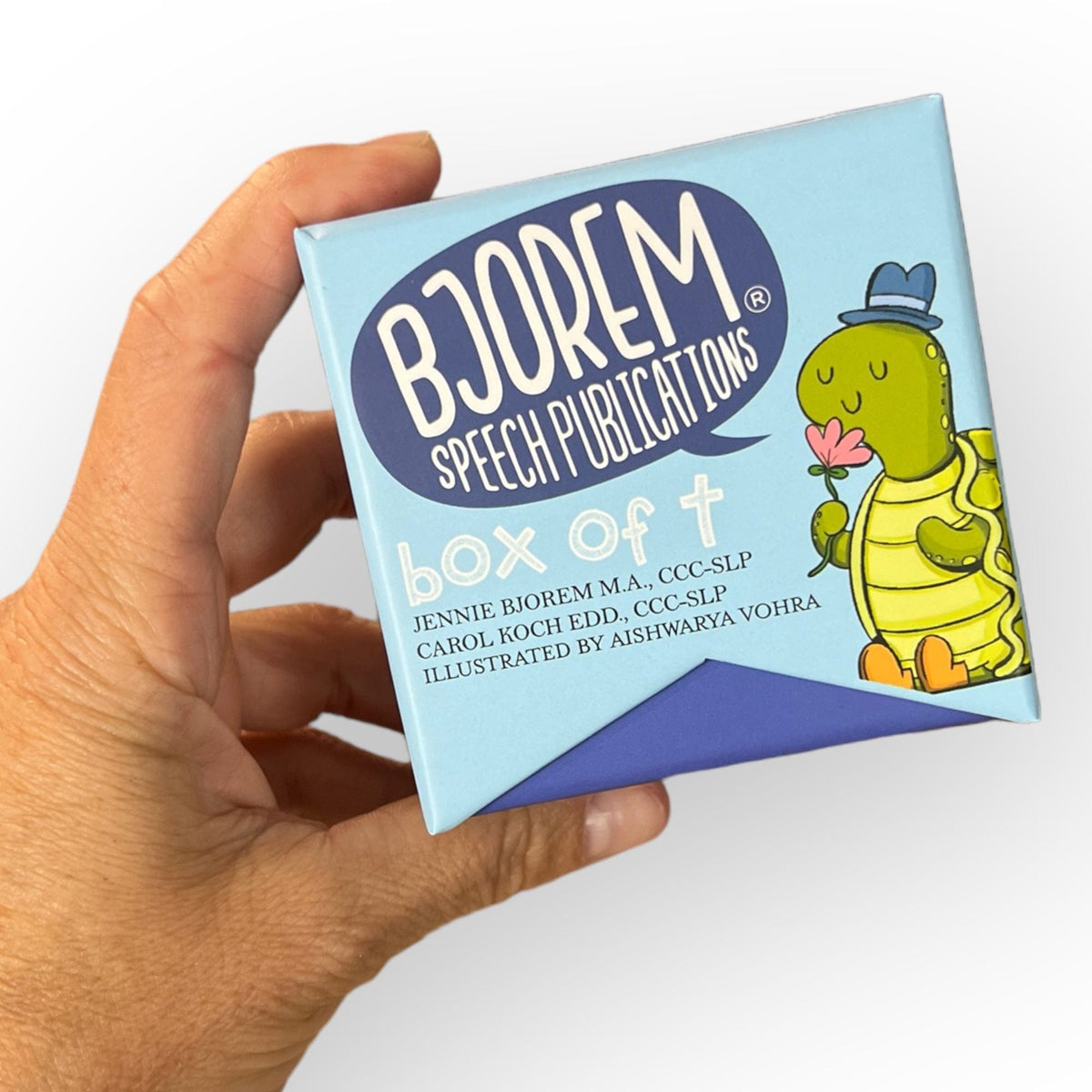


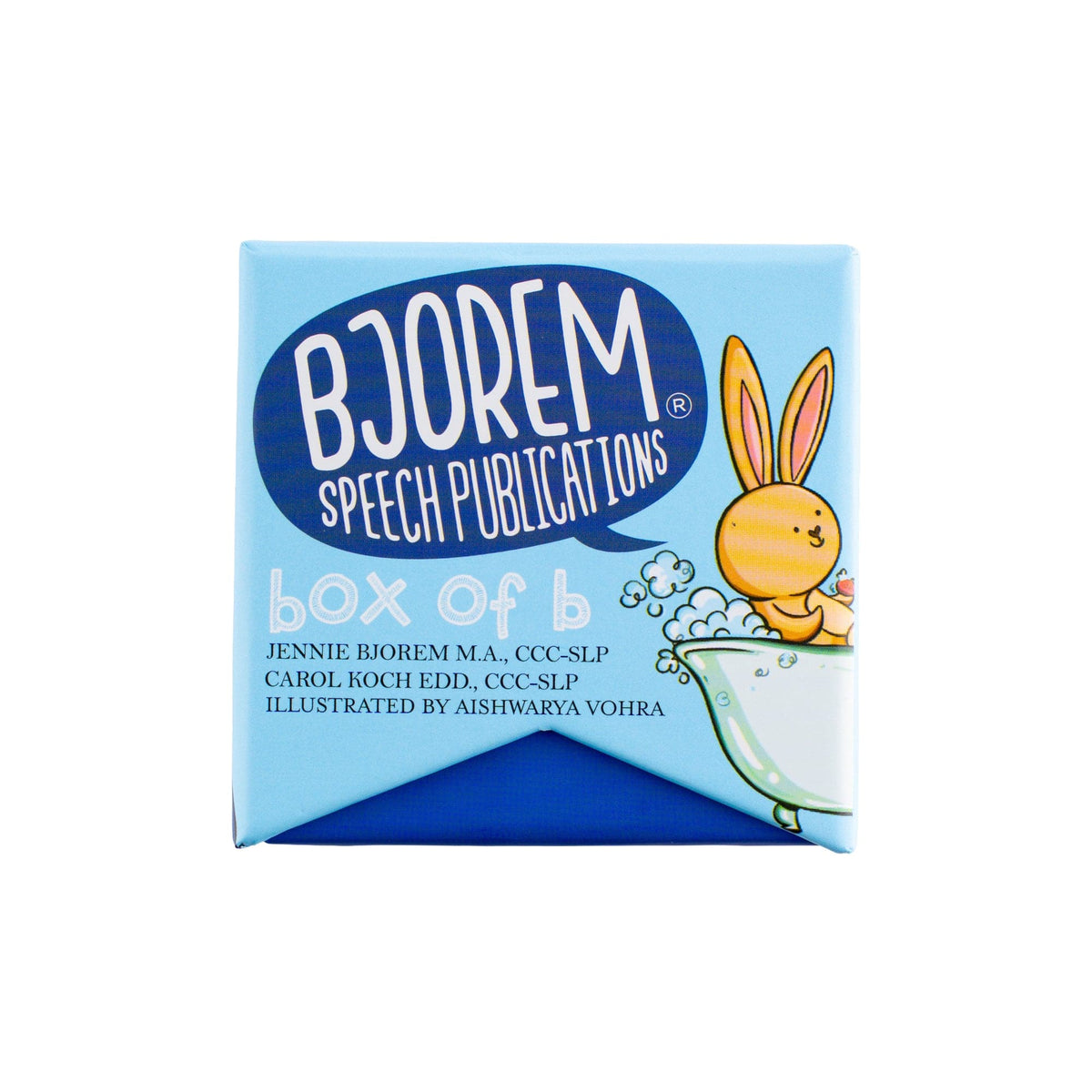



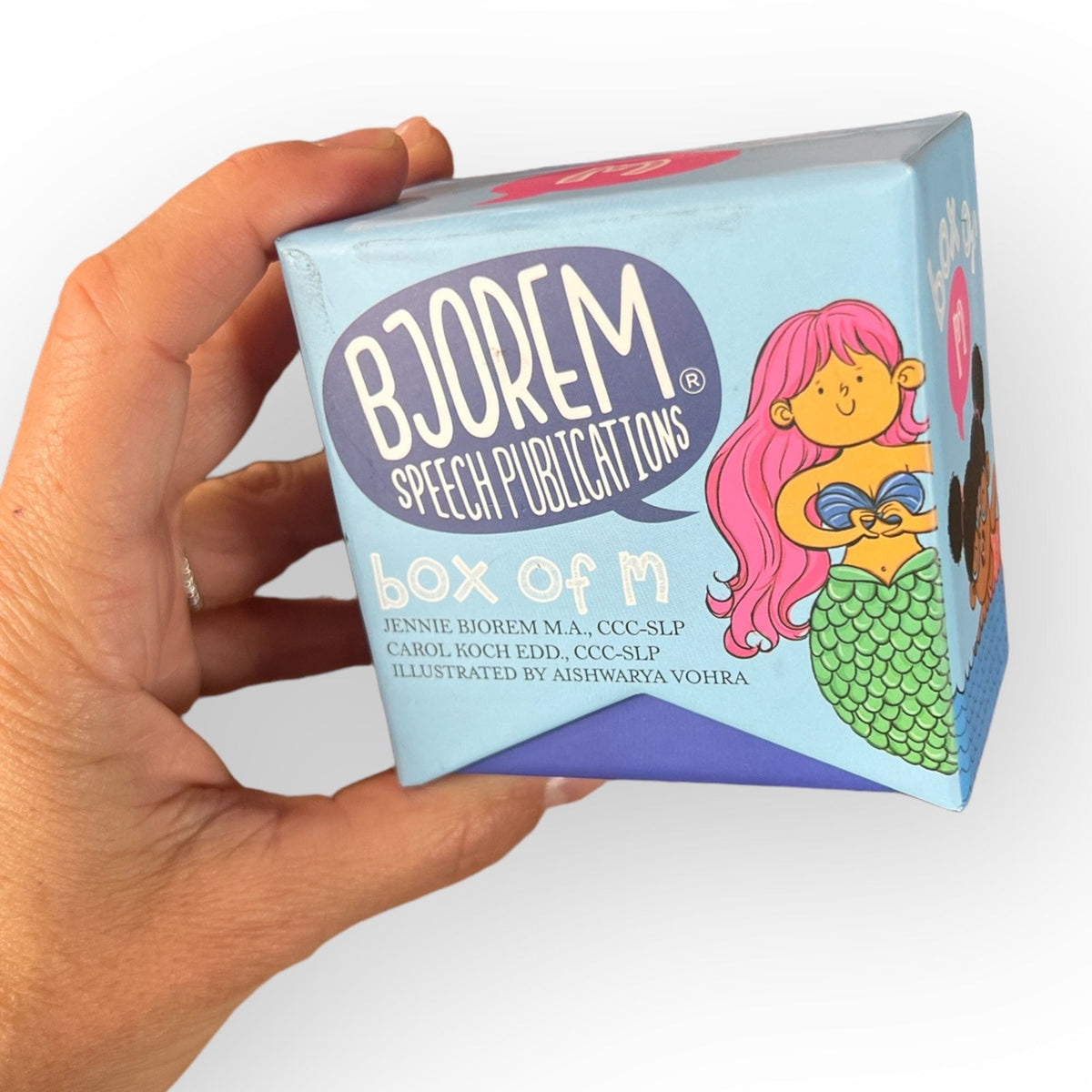

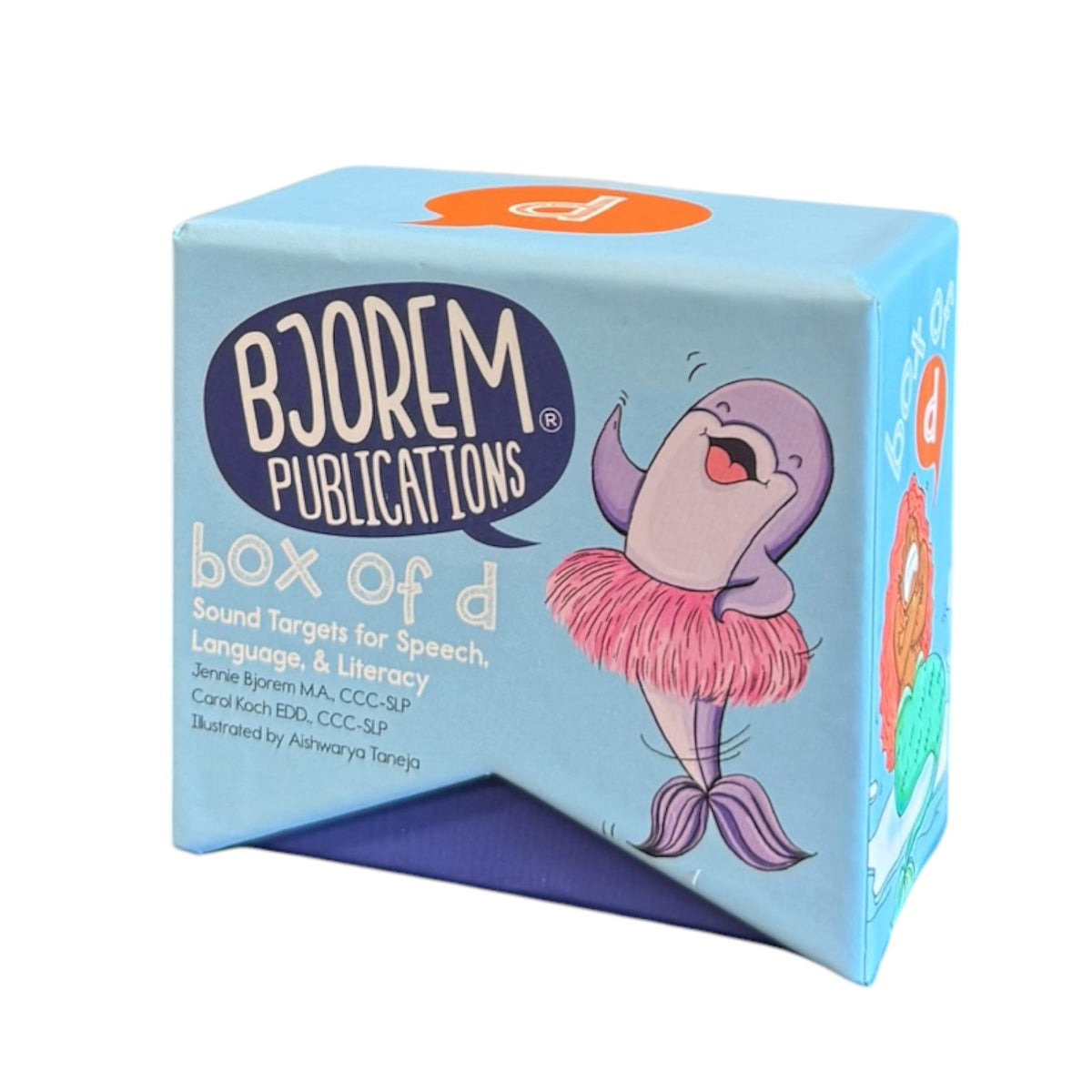


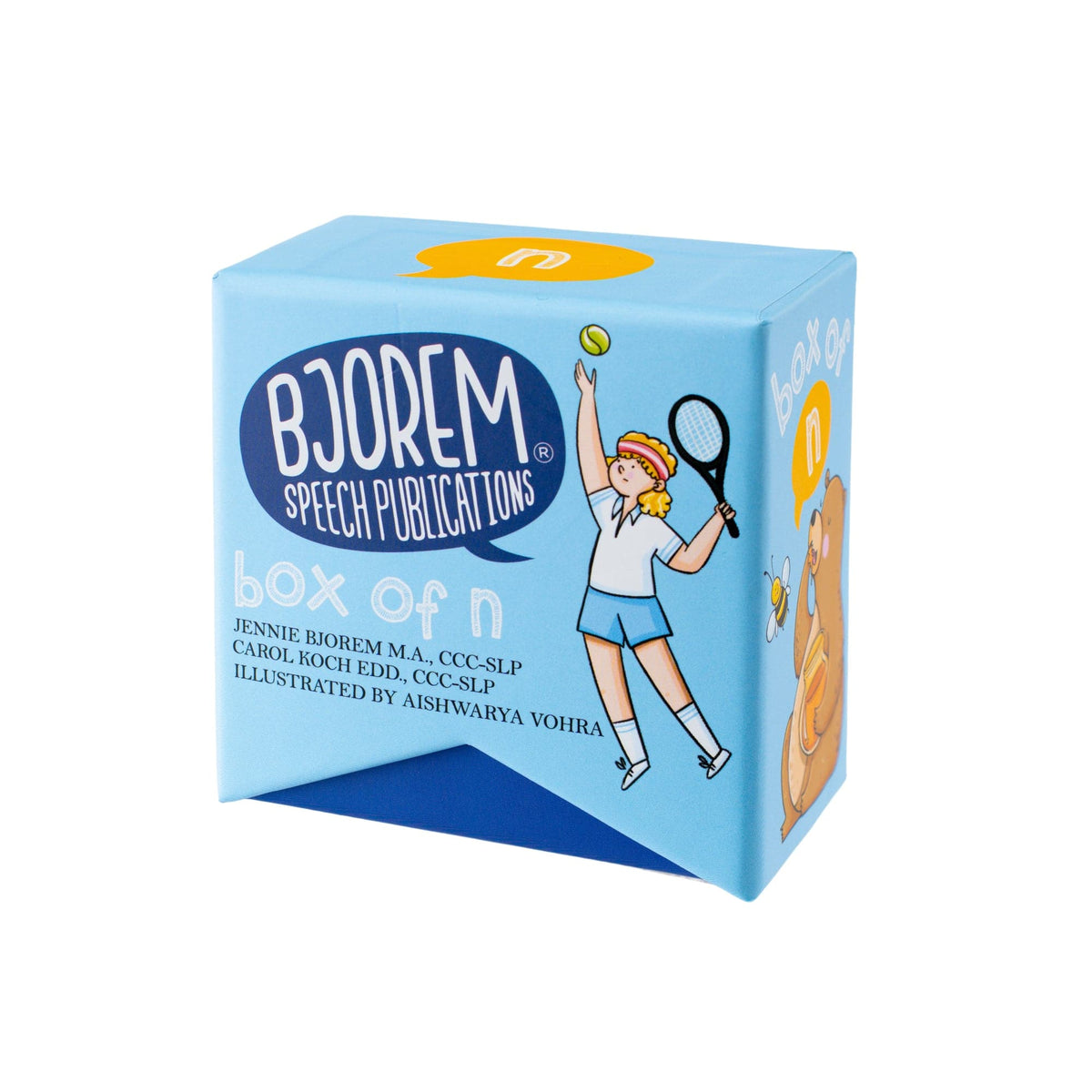



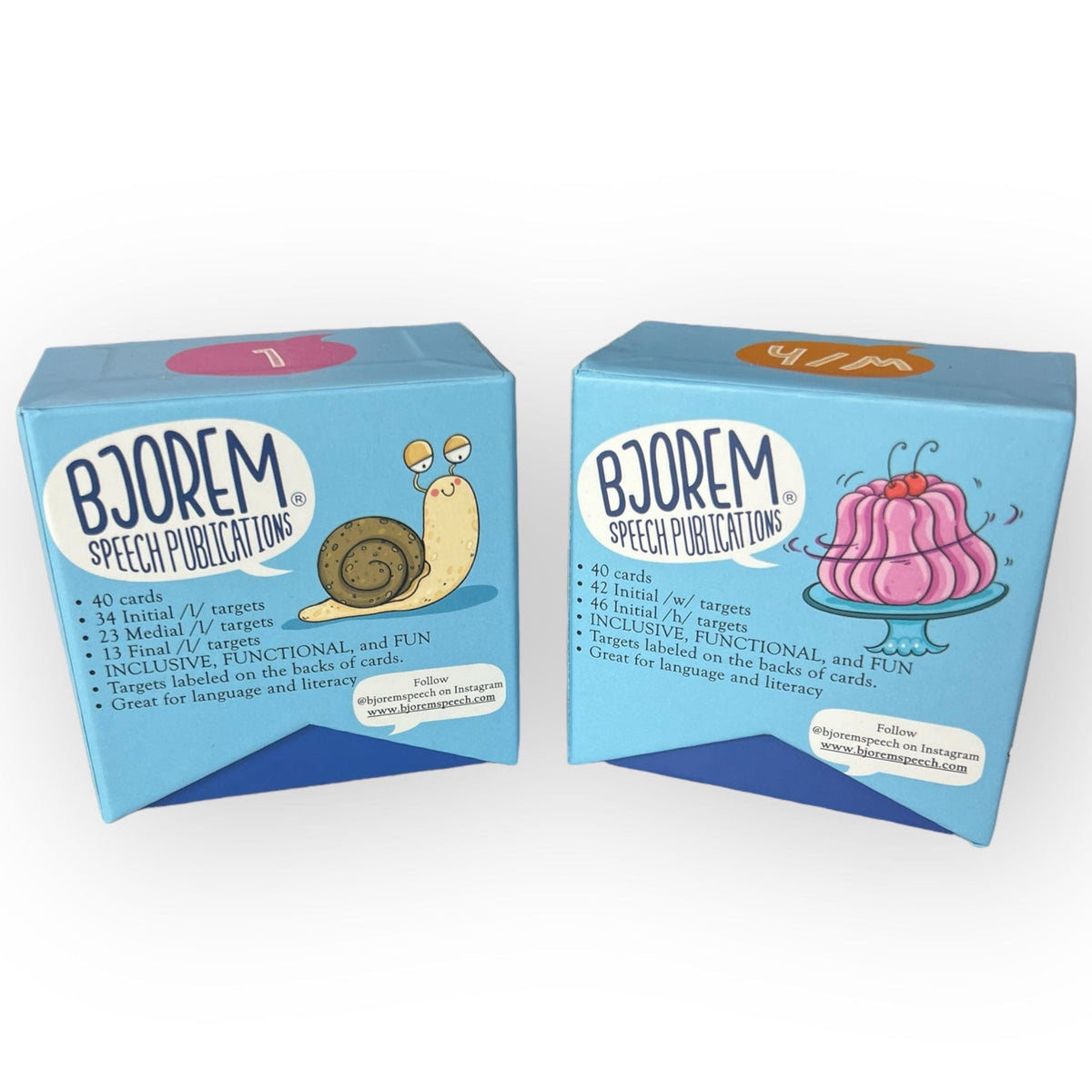

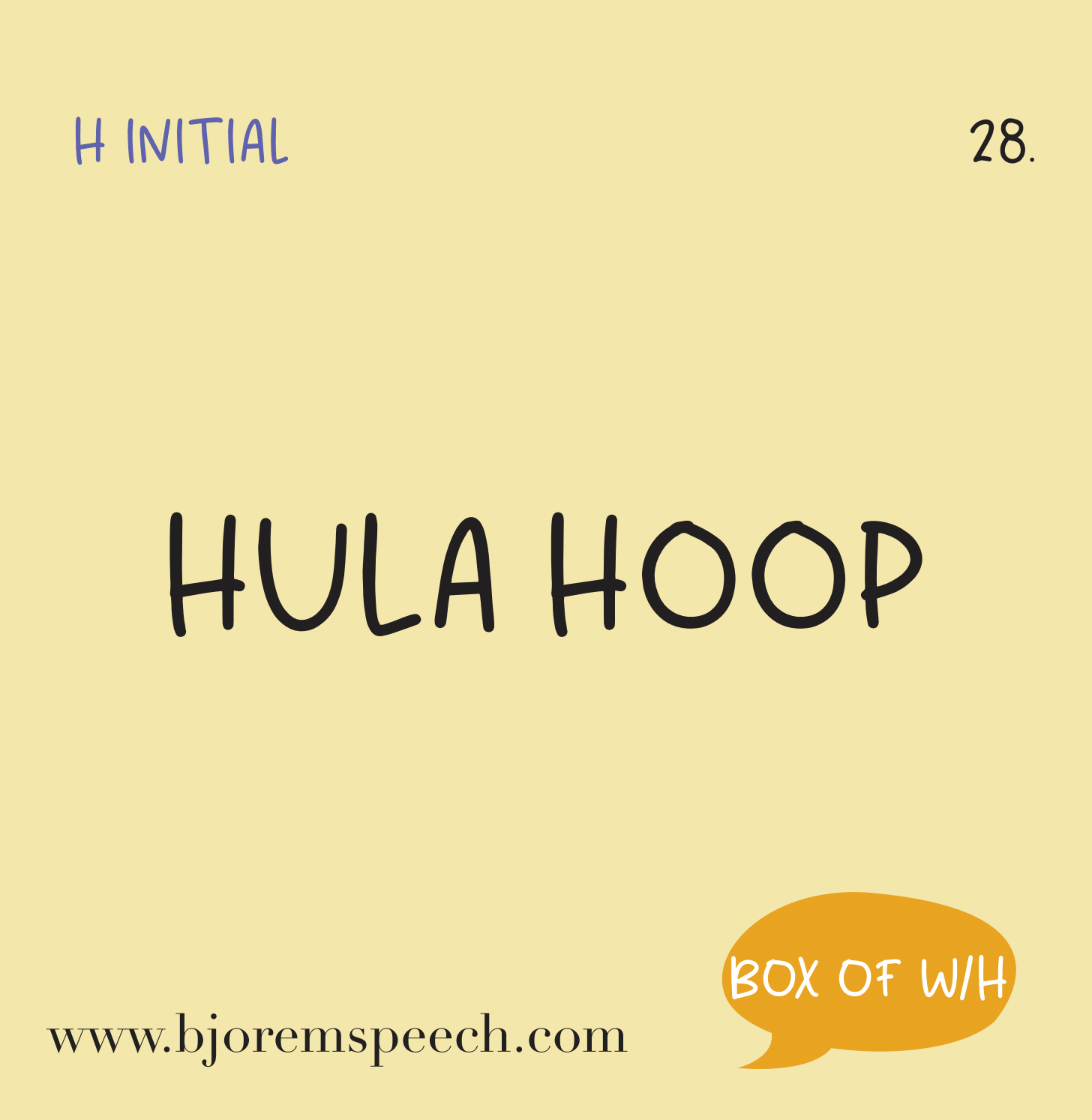

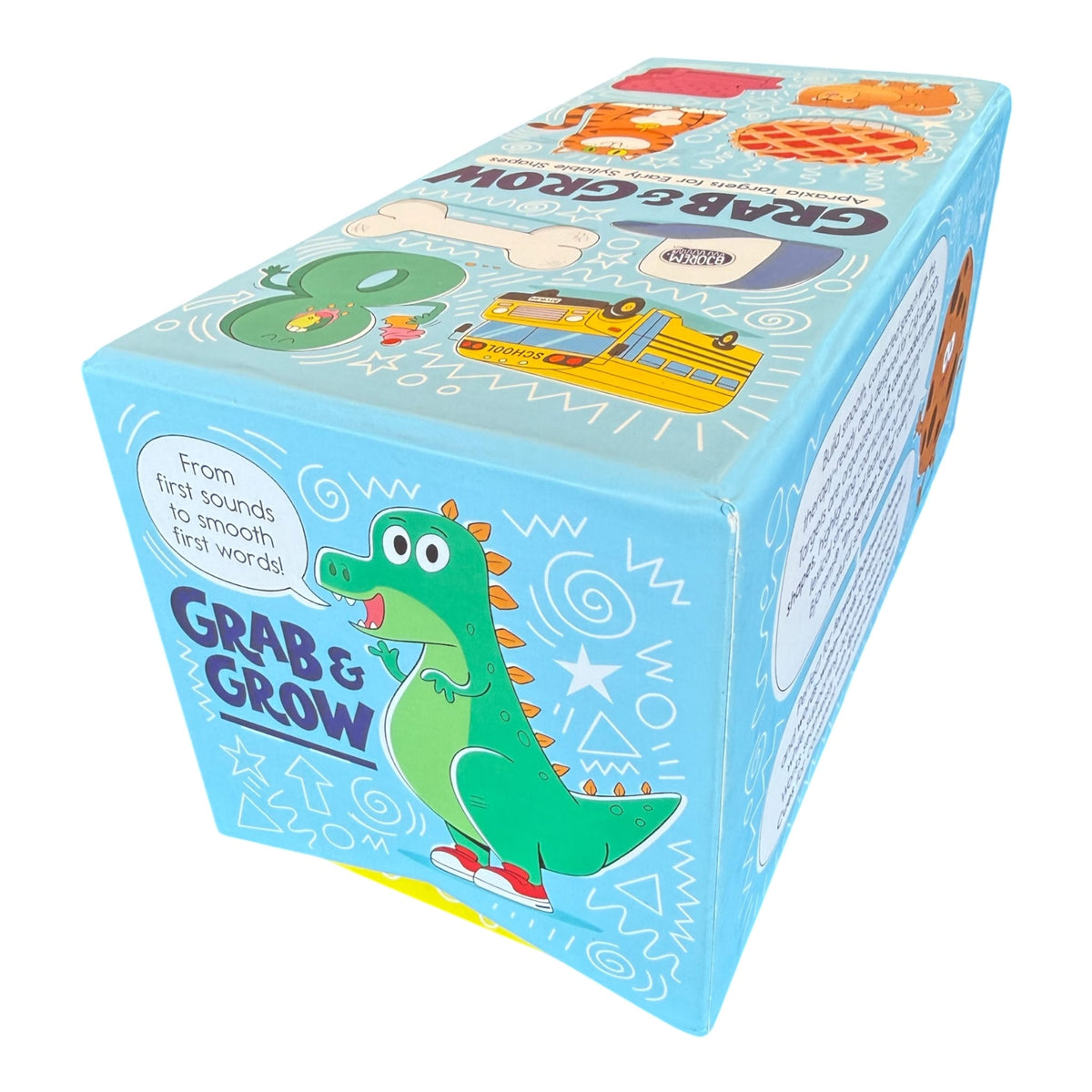
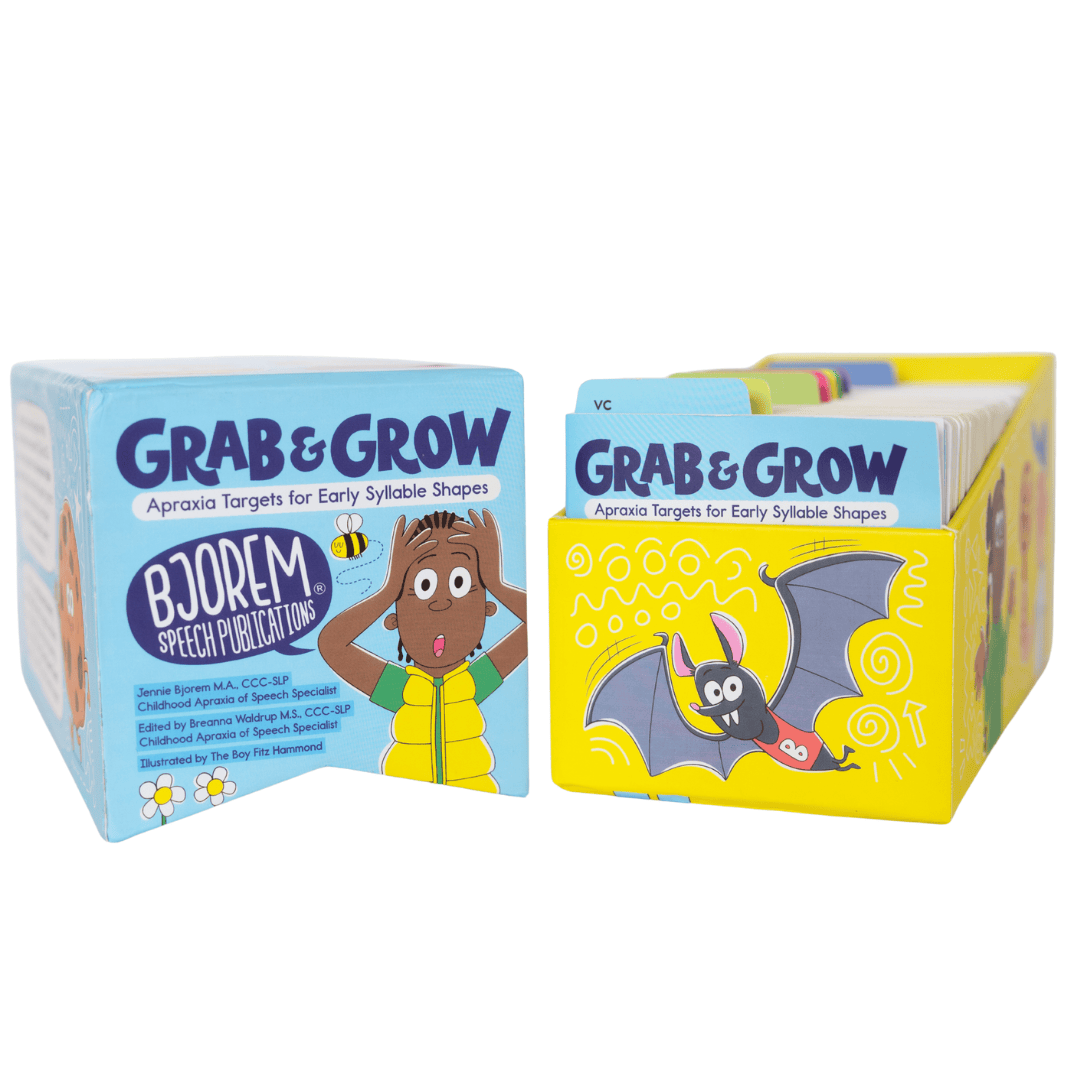
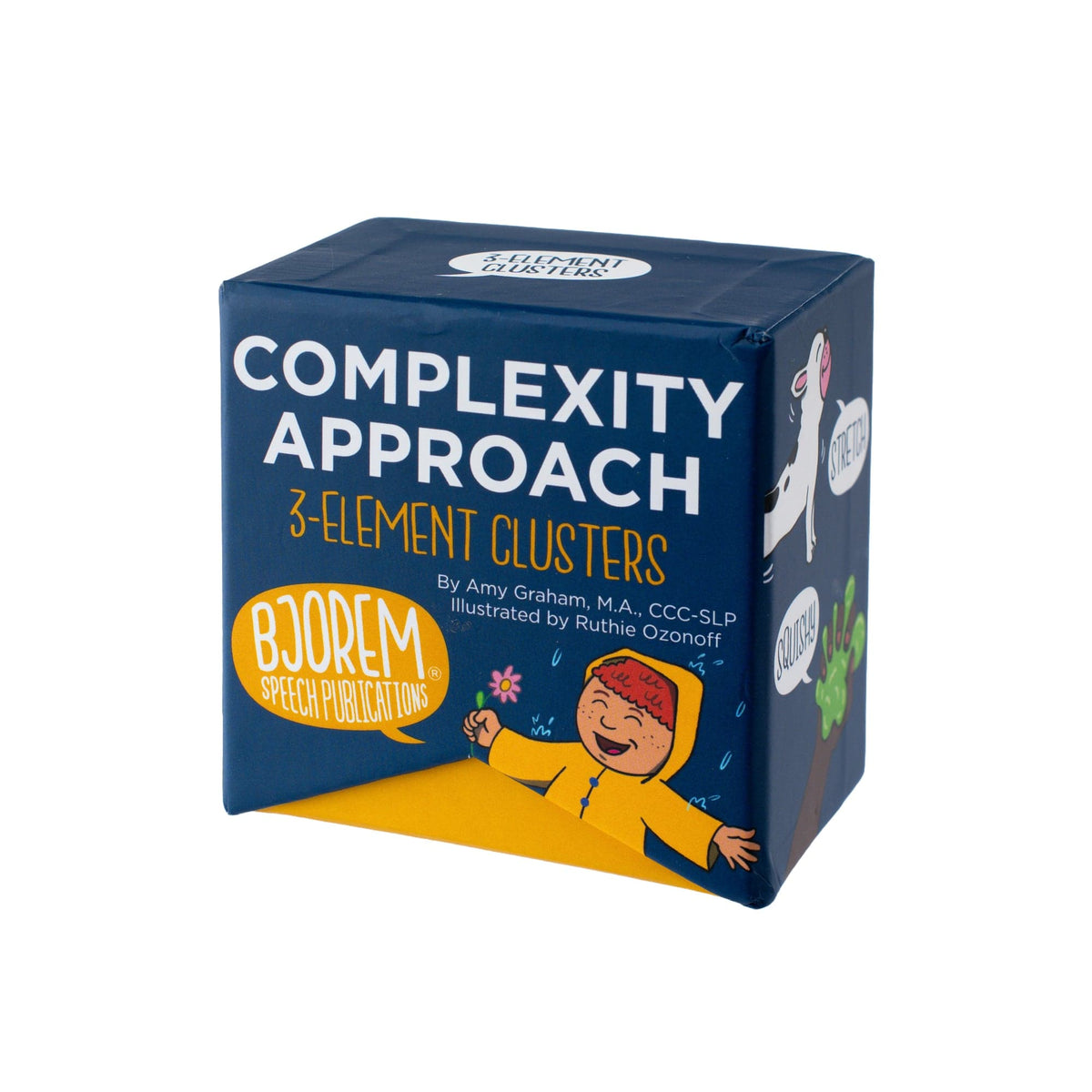
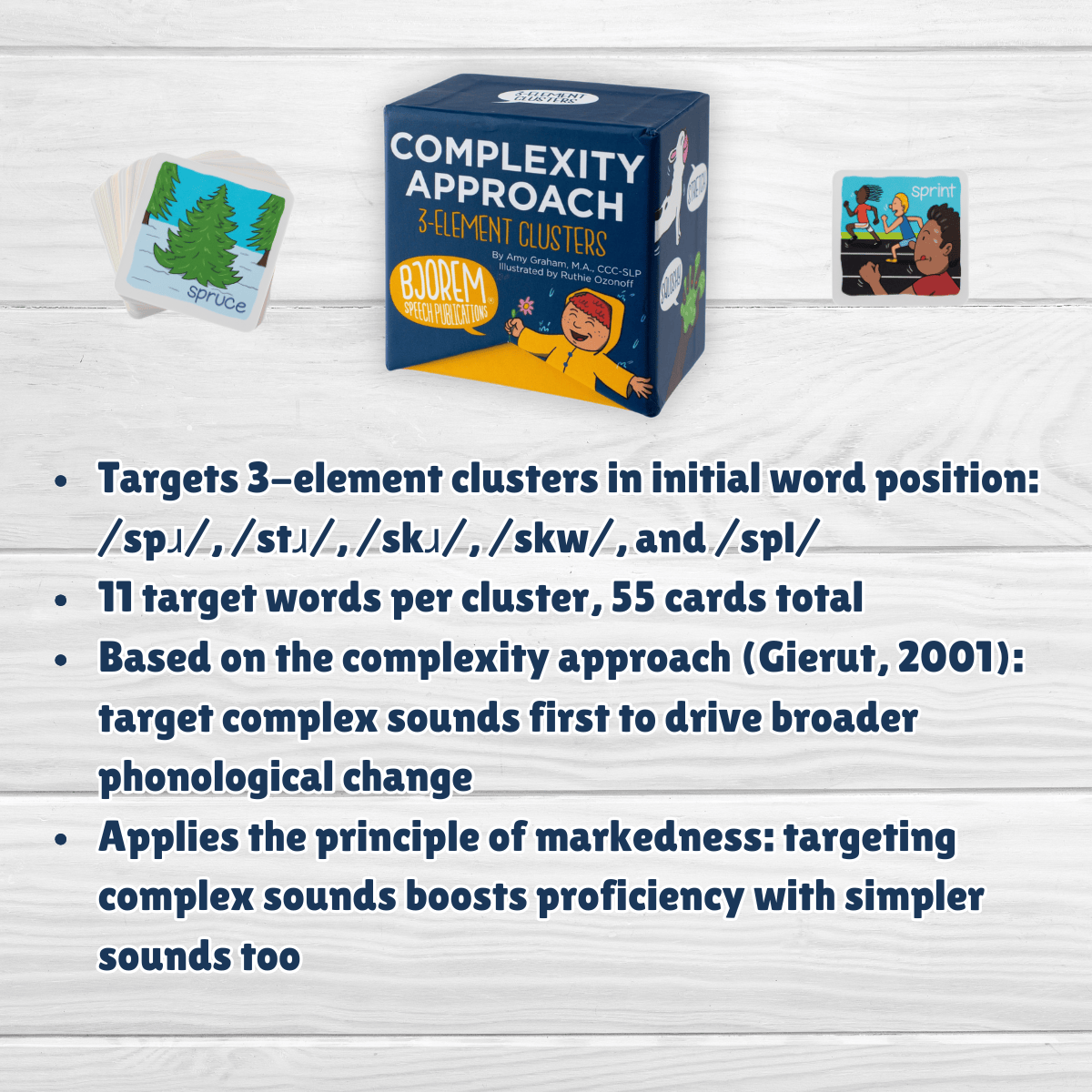
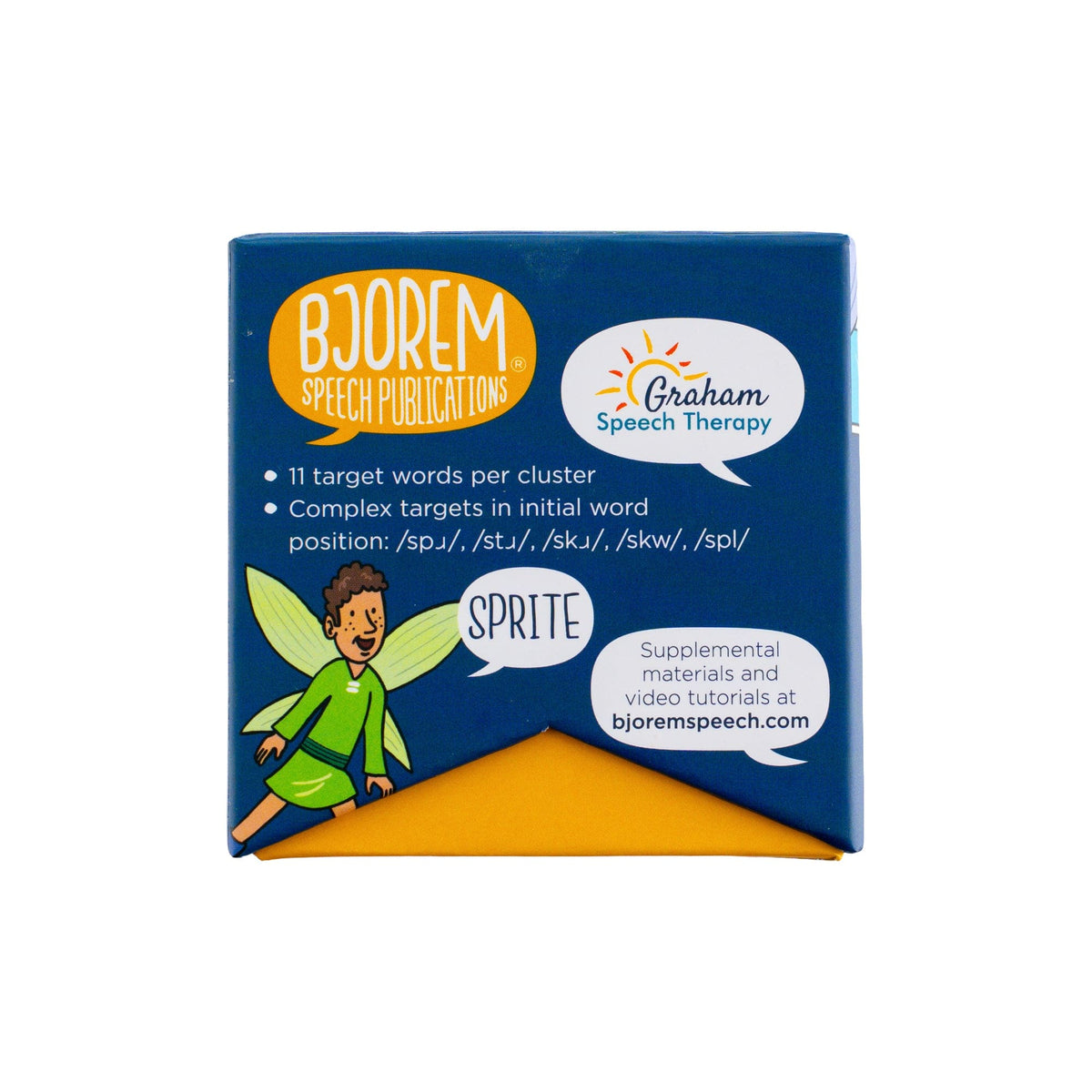
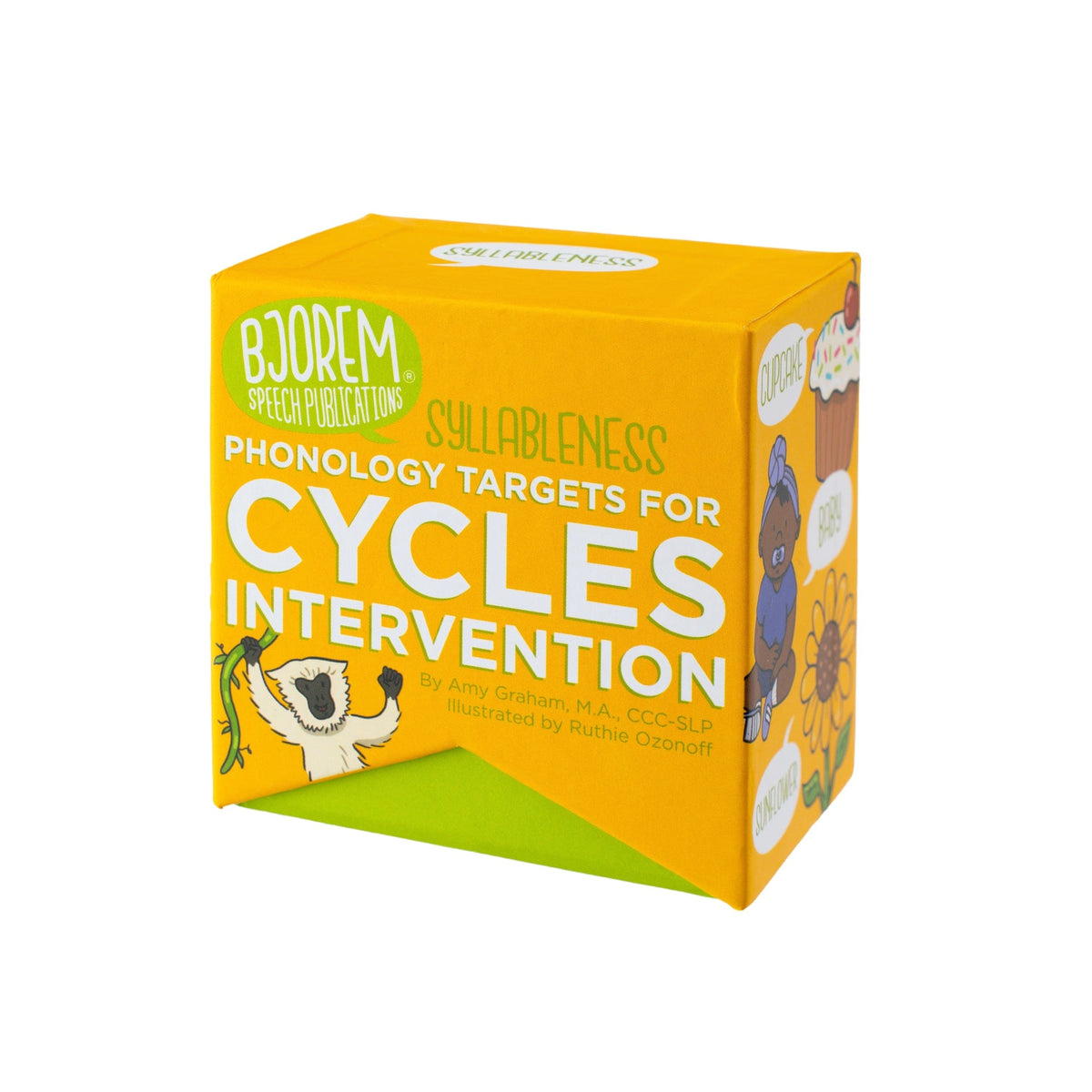
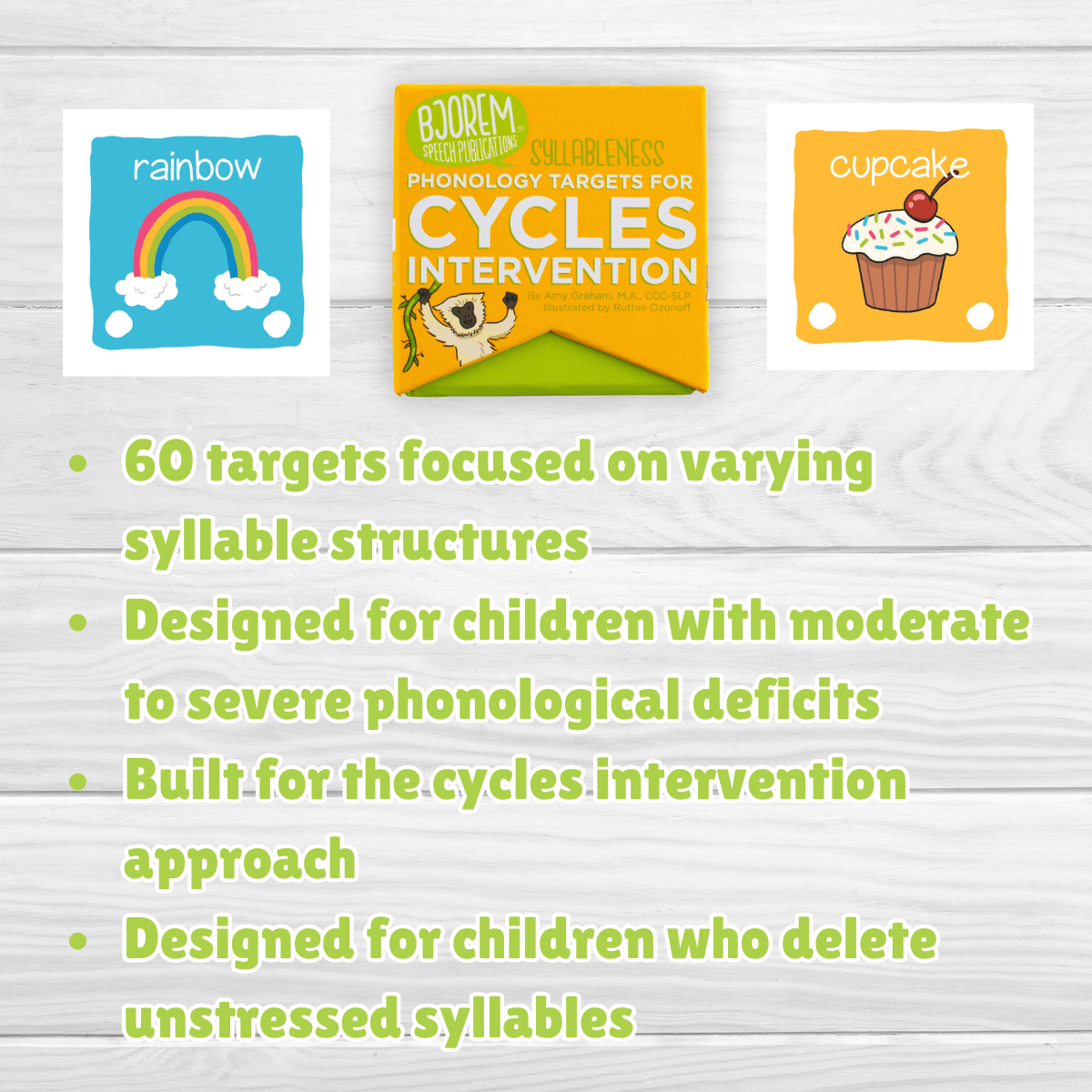
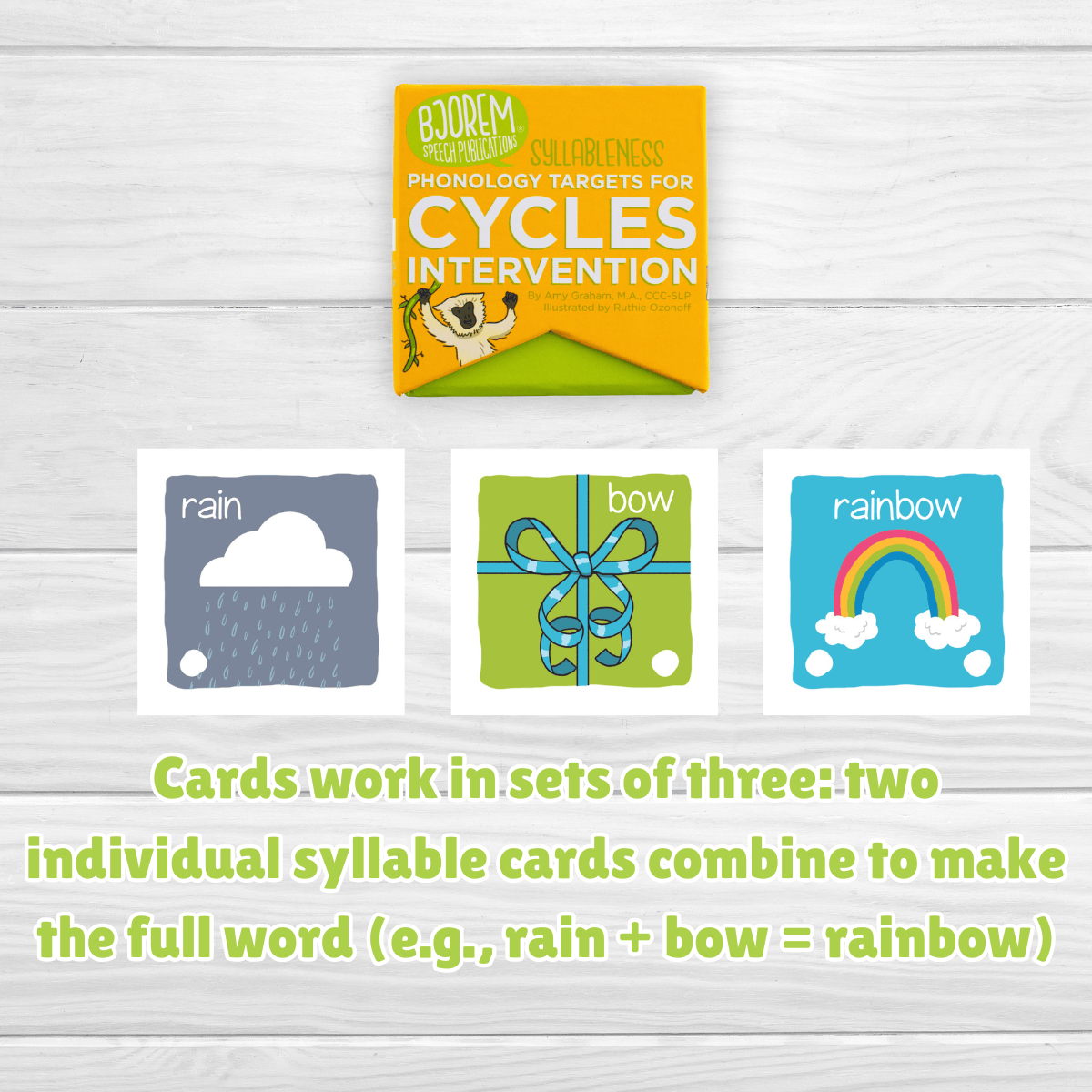

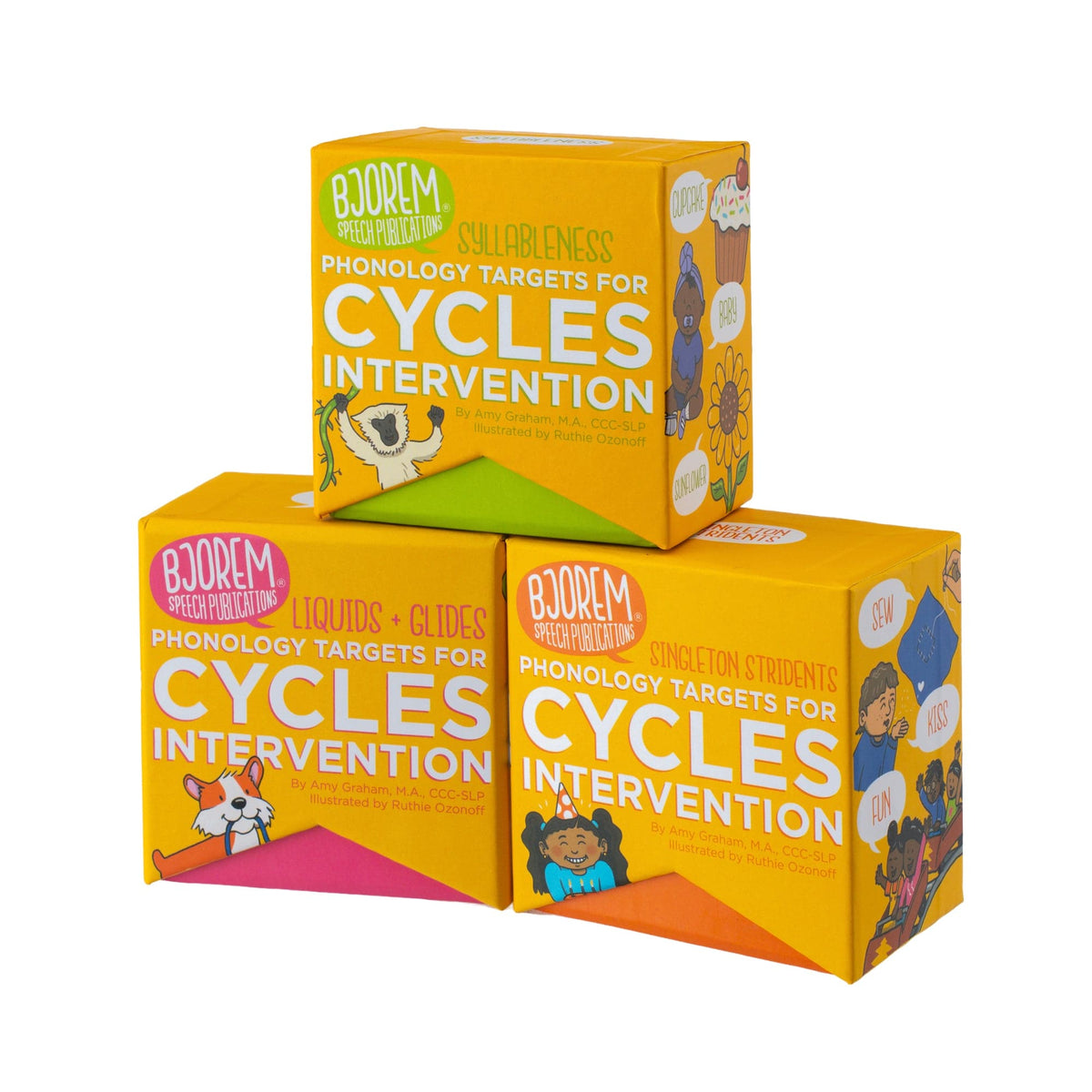
Cycles Intervention: Syllableness Phonology Targets
Option
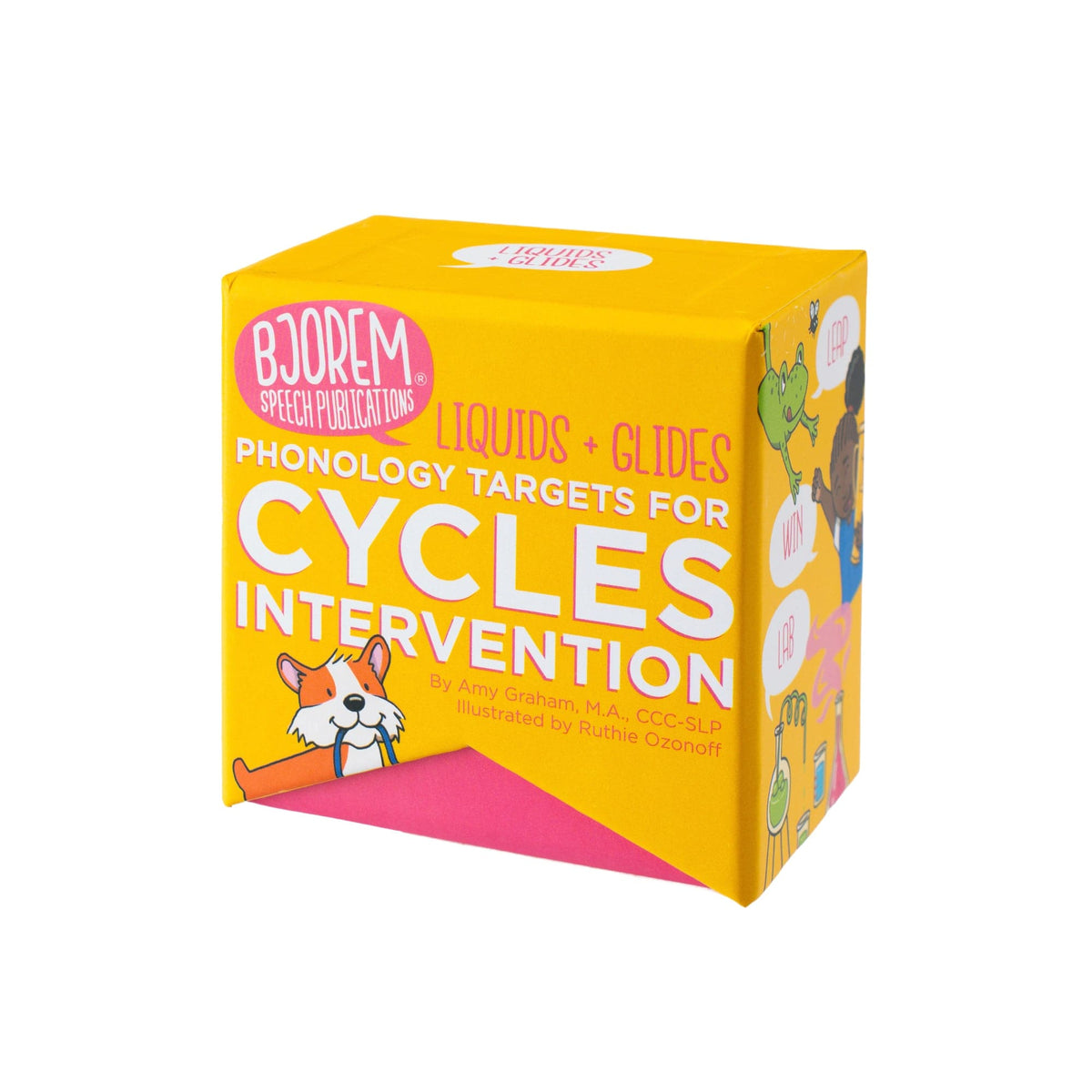
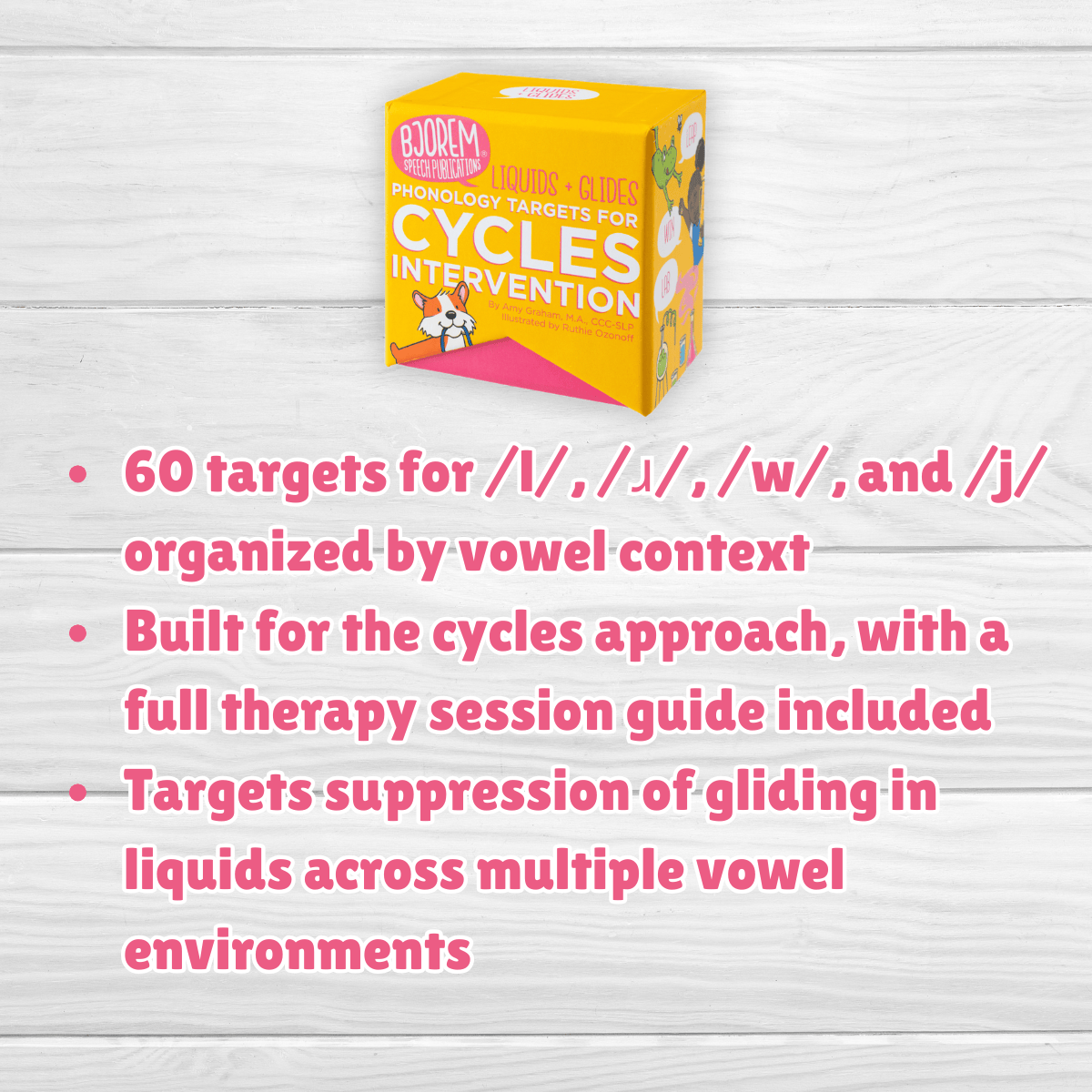
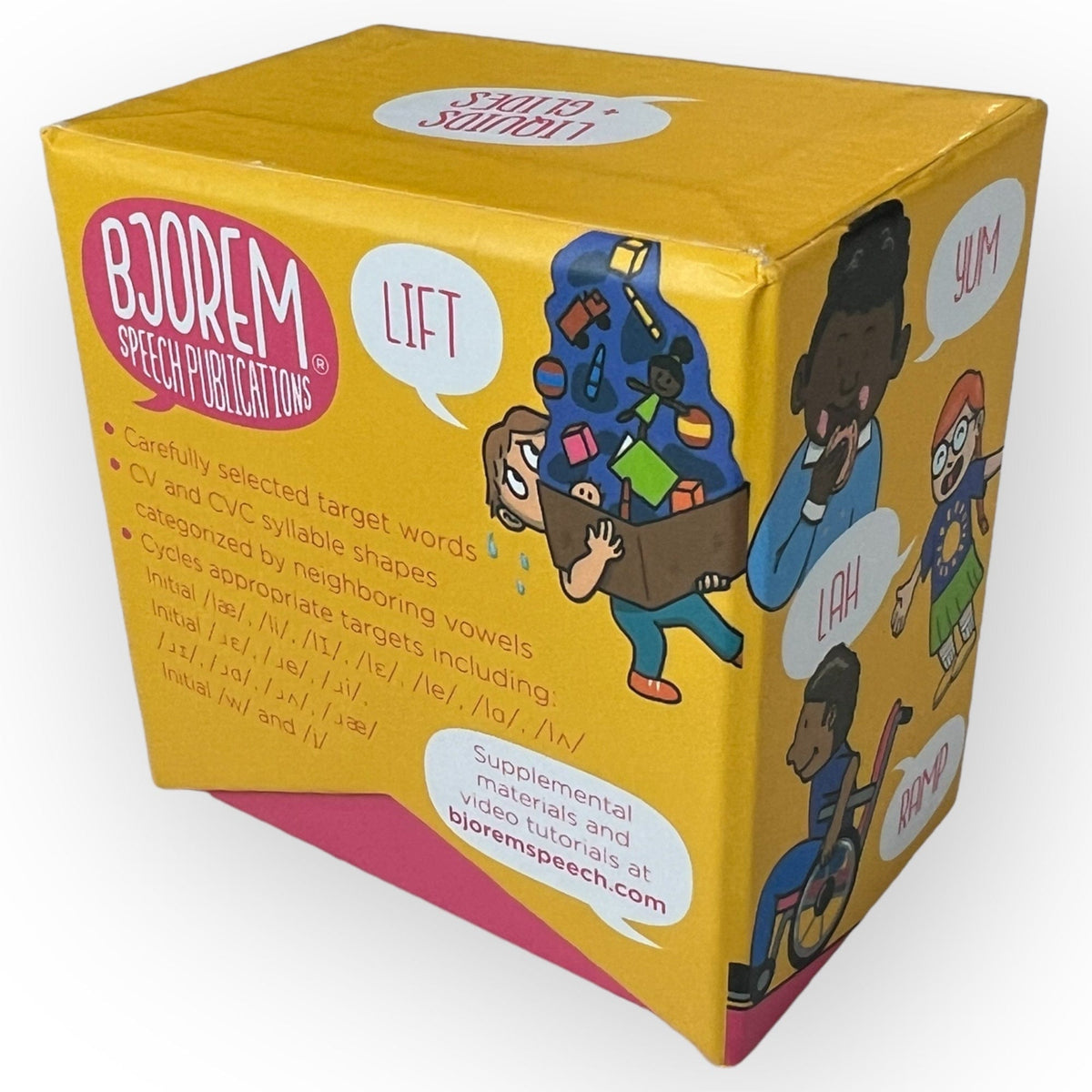
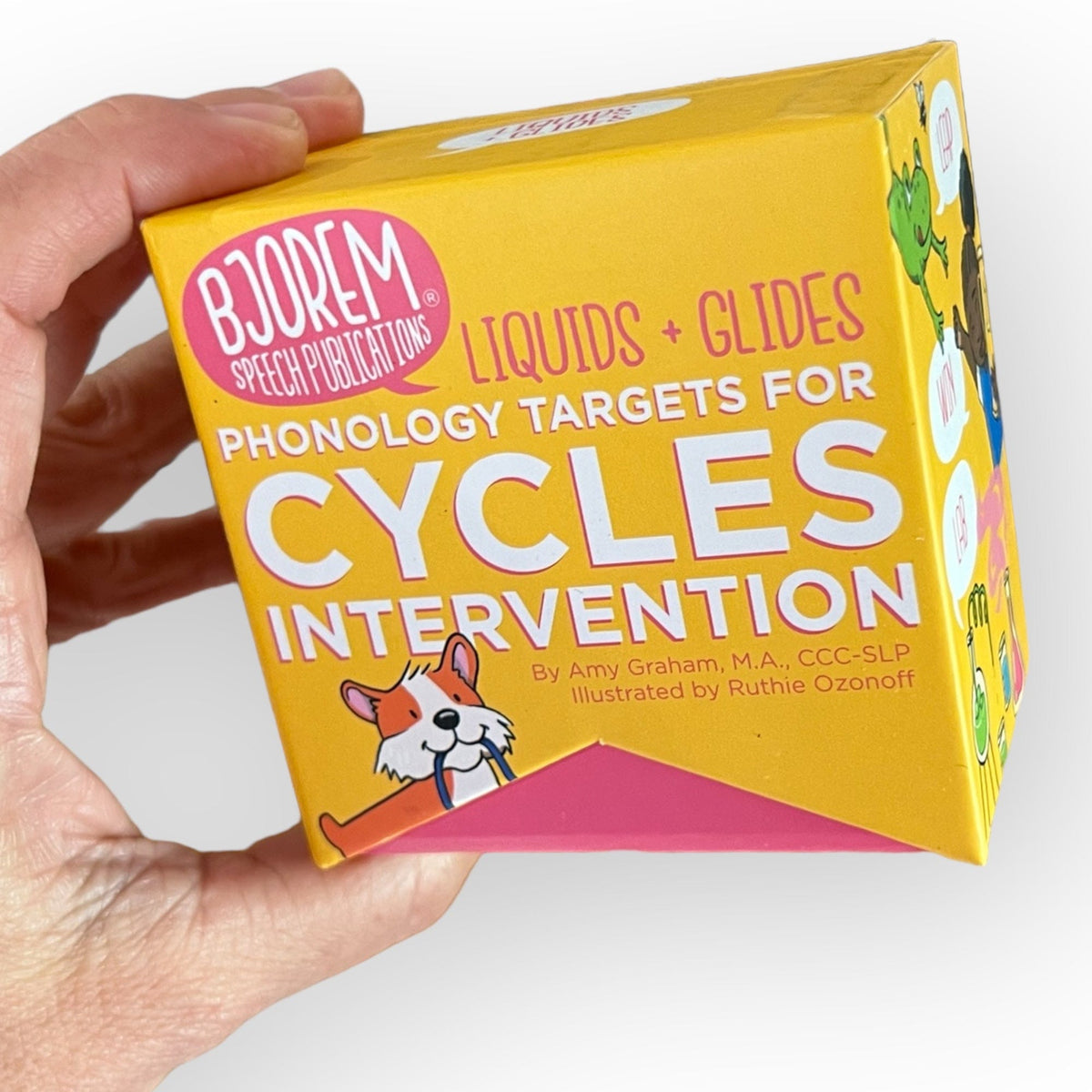
Cycles Intervention: Liquids & Glides Phonology Targets
Option
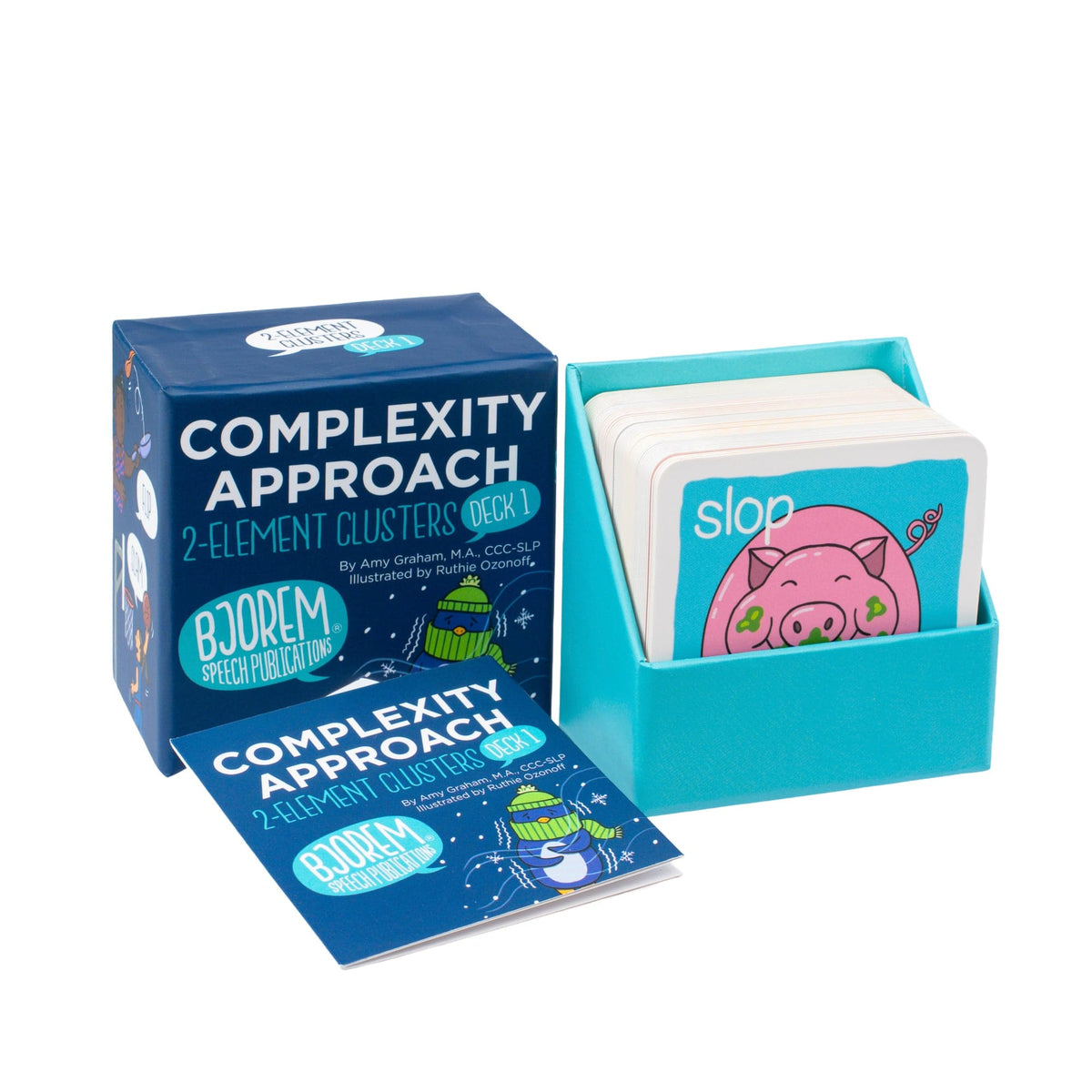

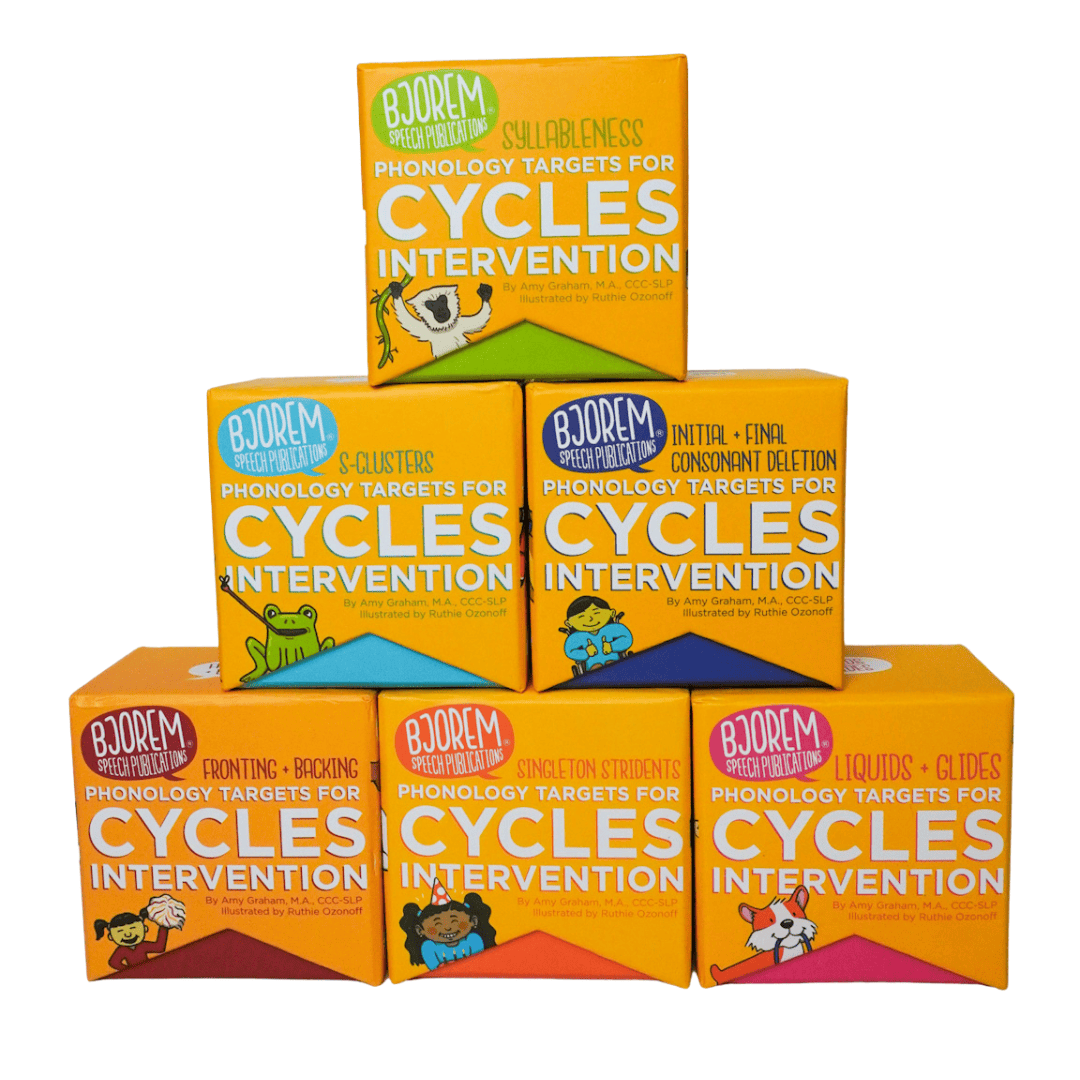
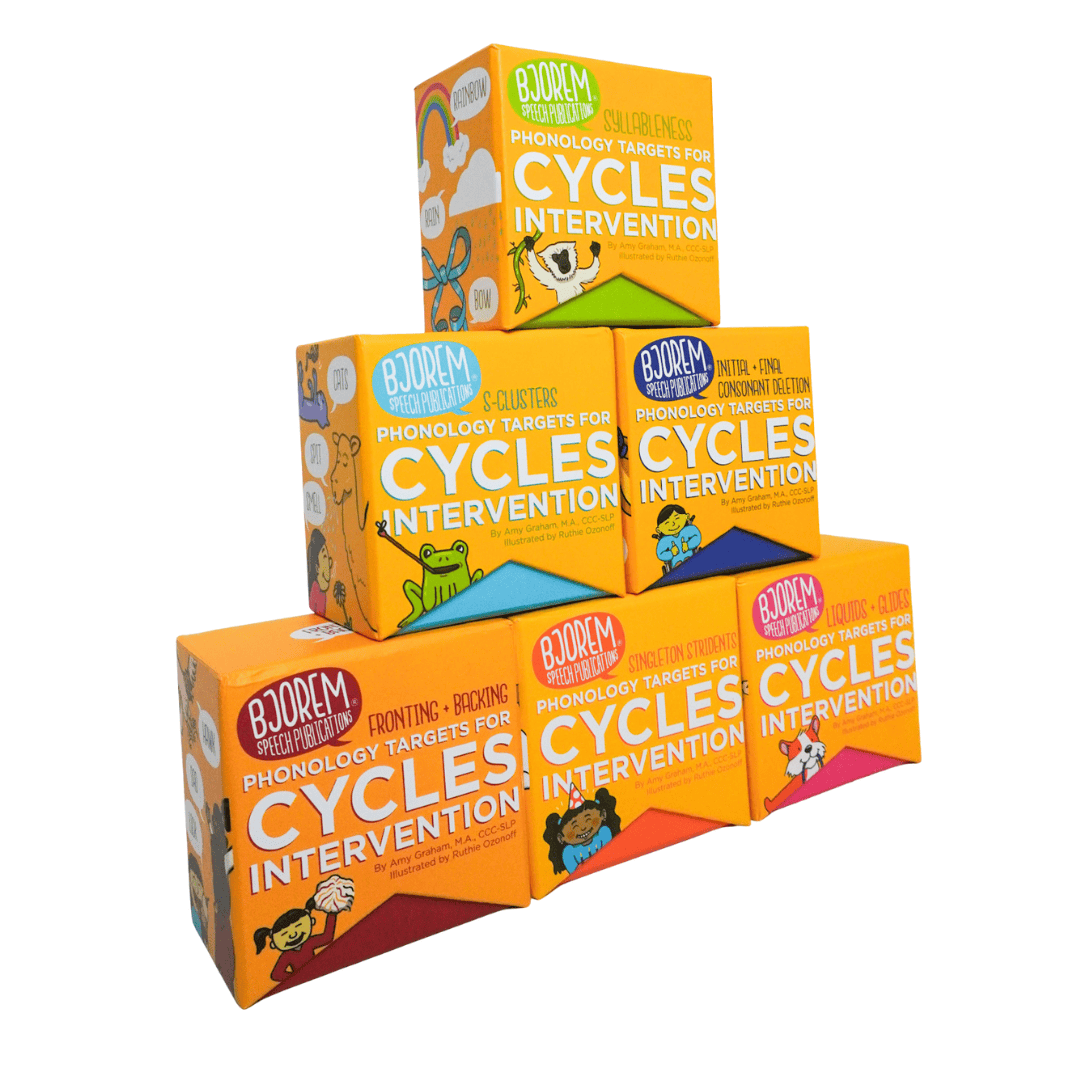
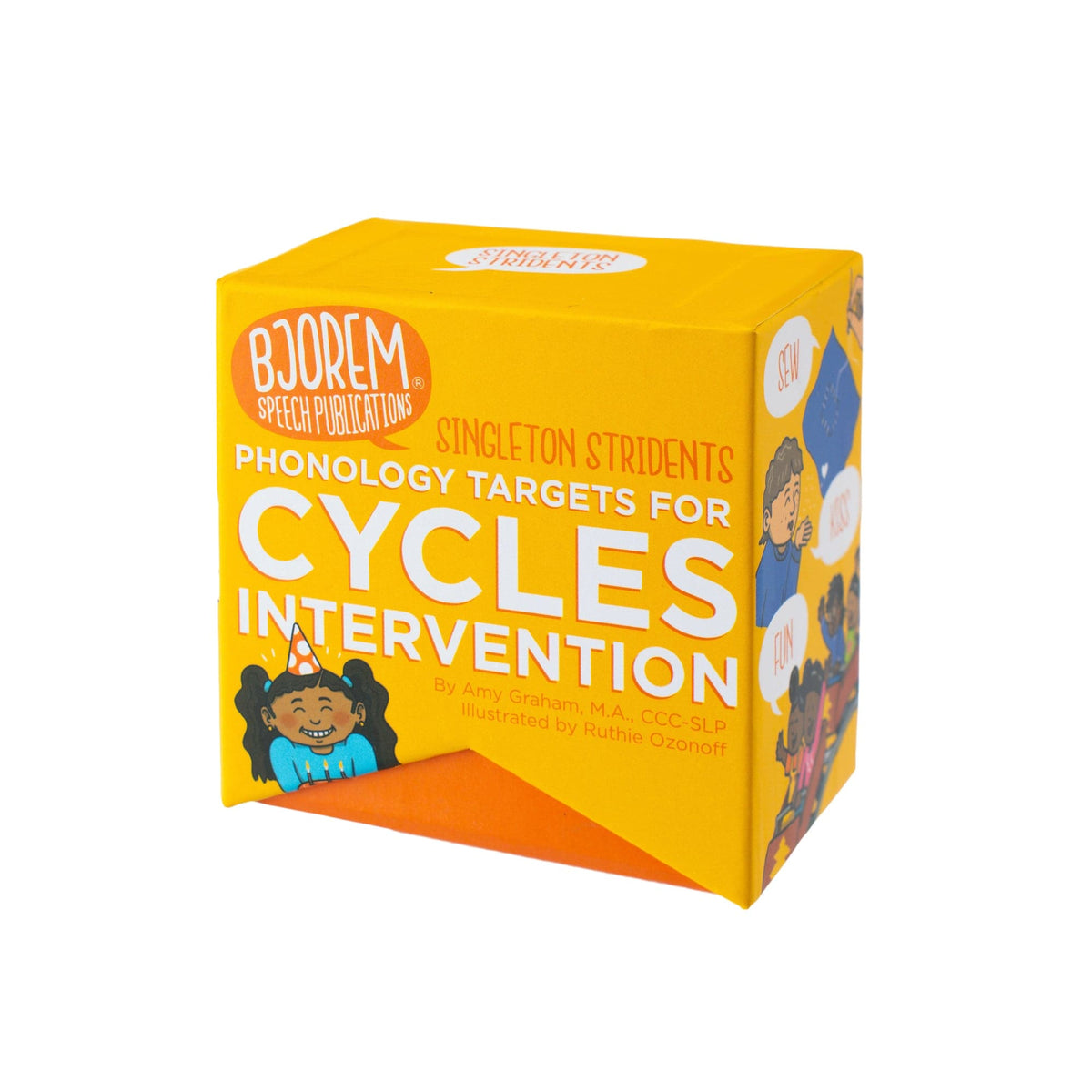
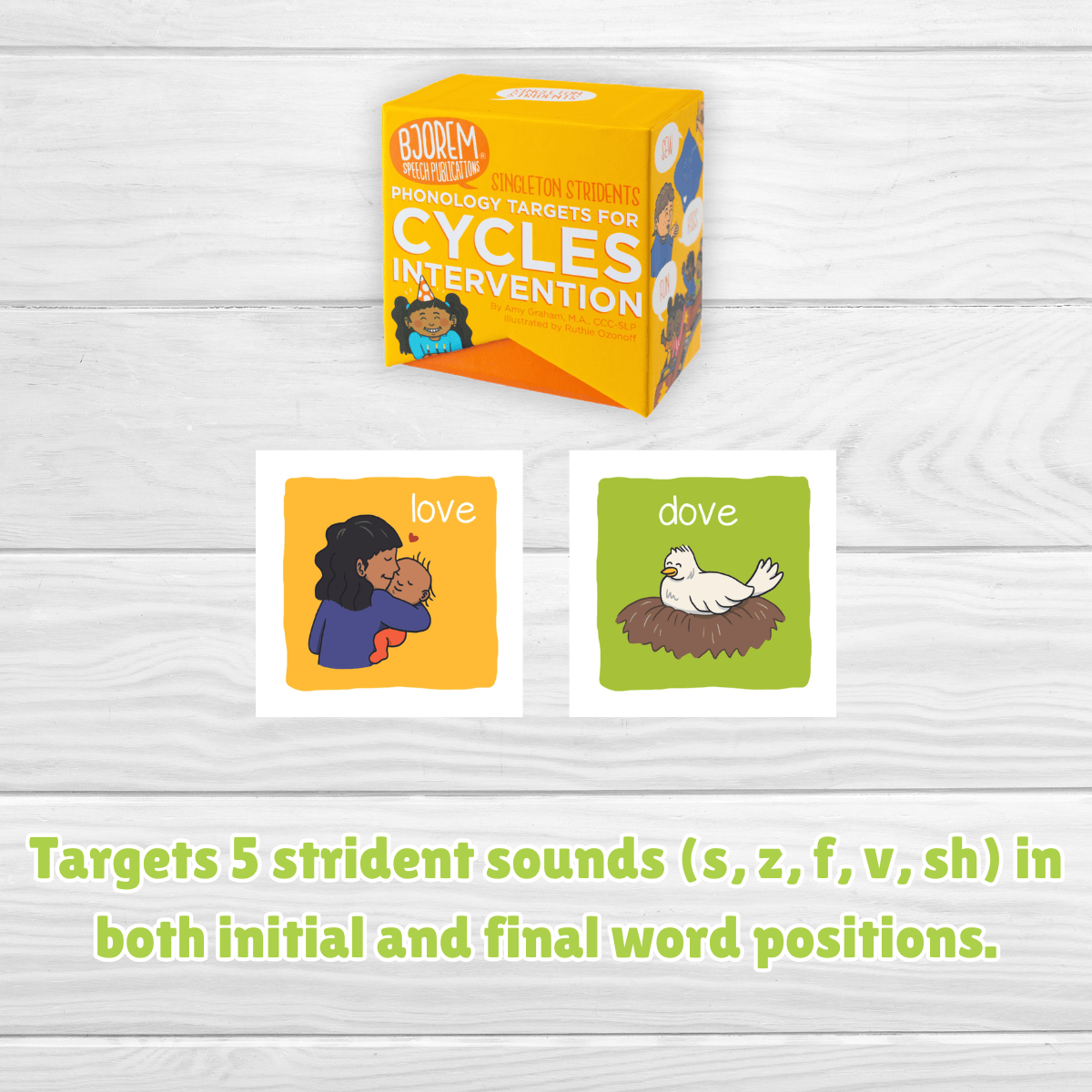
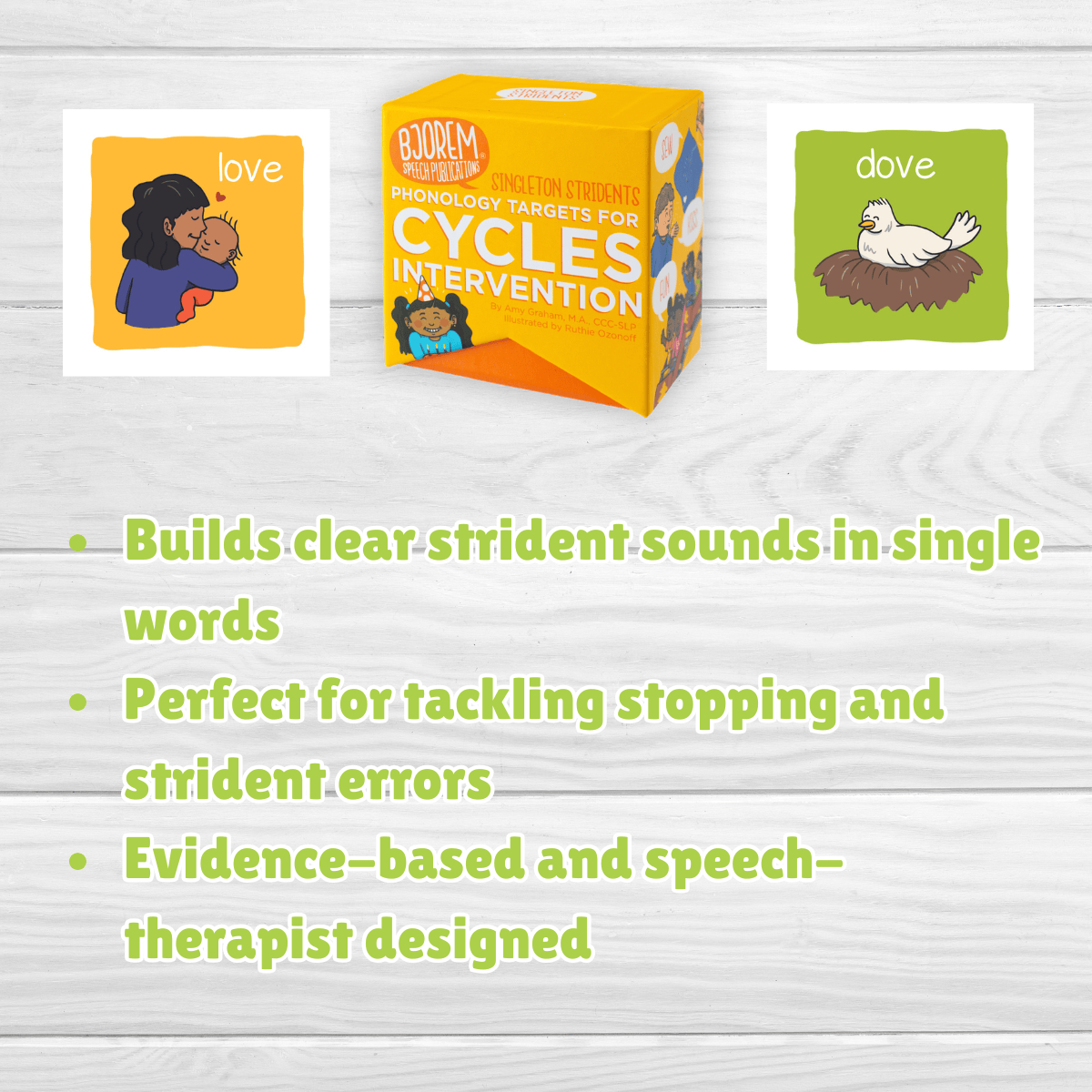
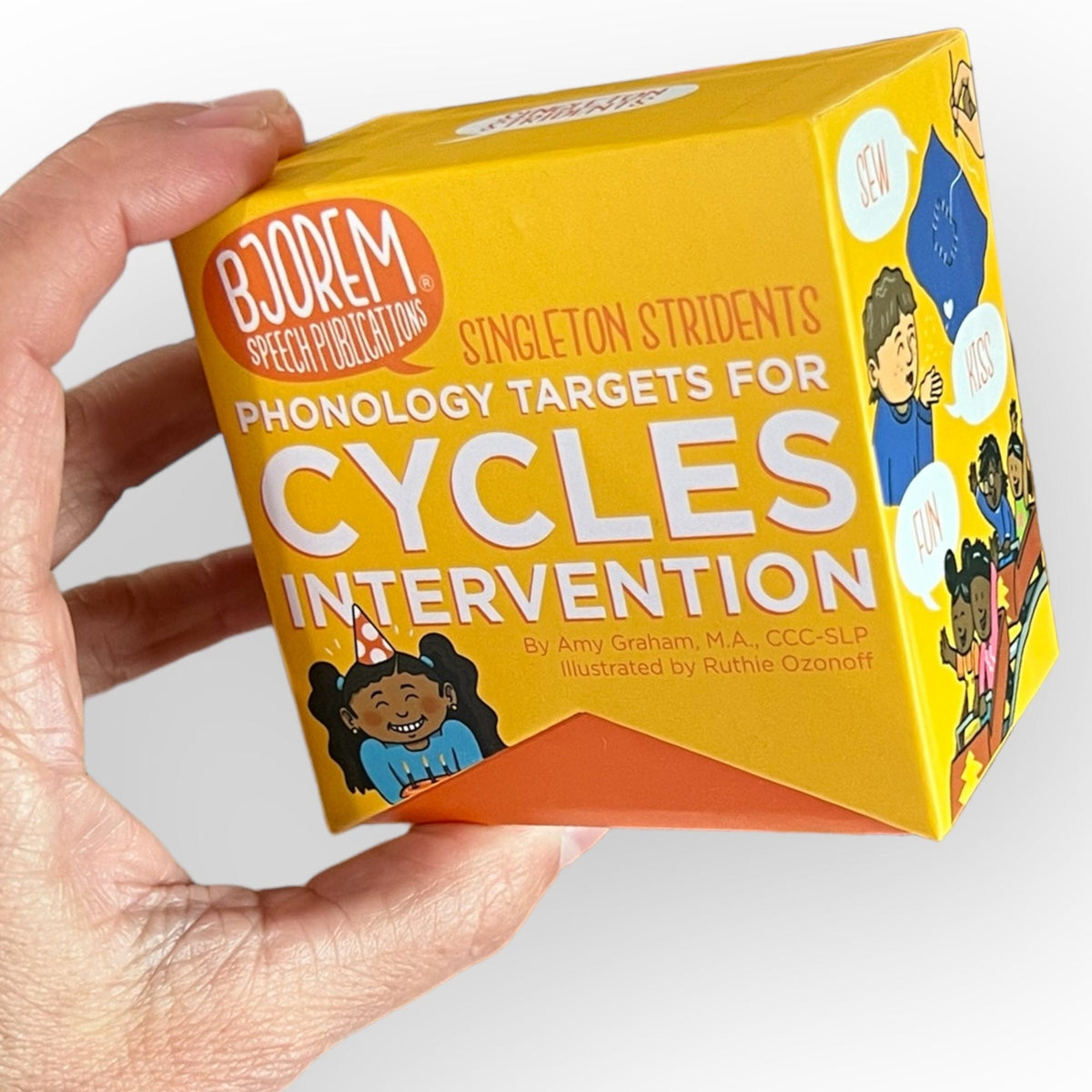
Cycles Intervention: Singleton Stridents Phonology Targets
Option

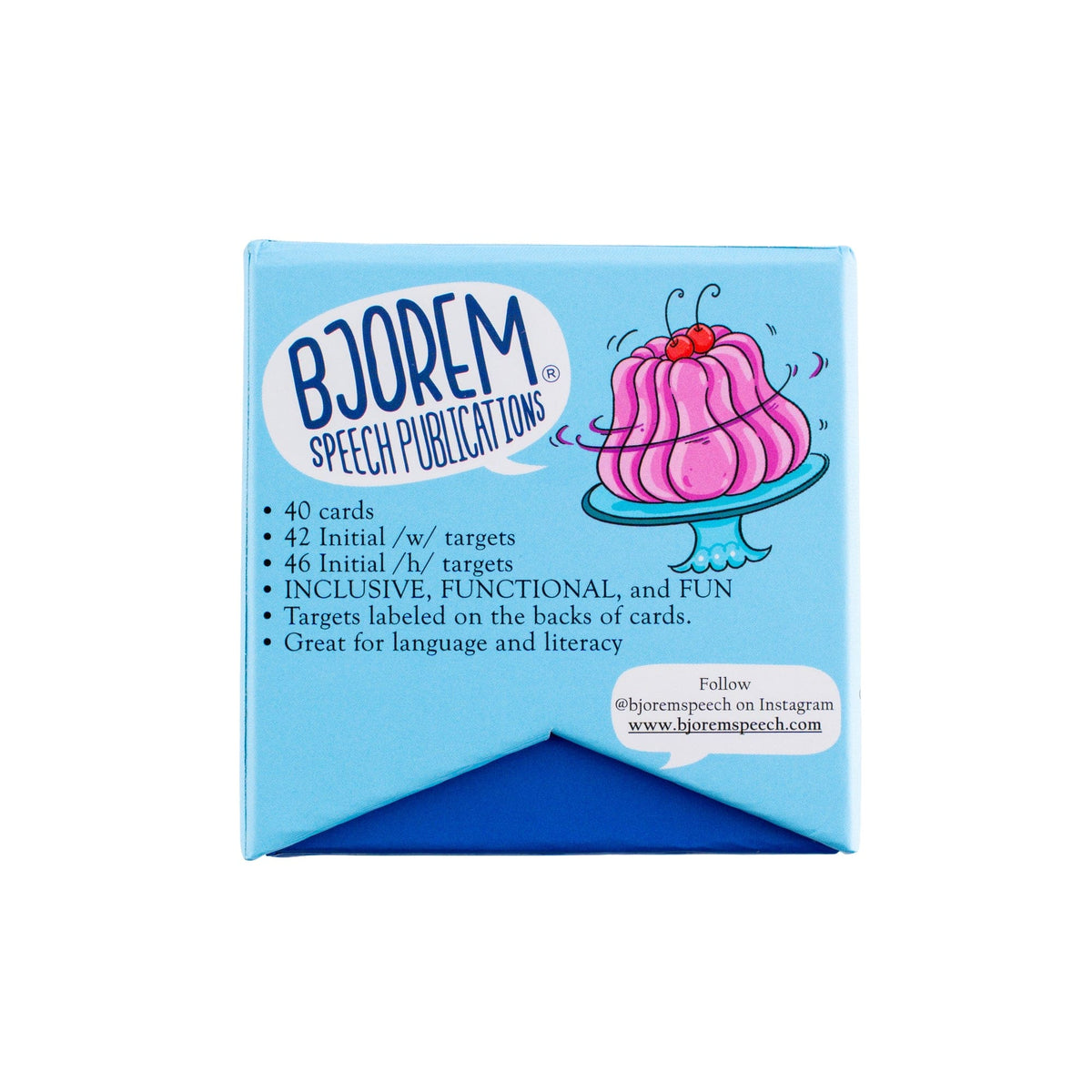

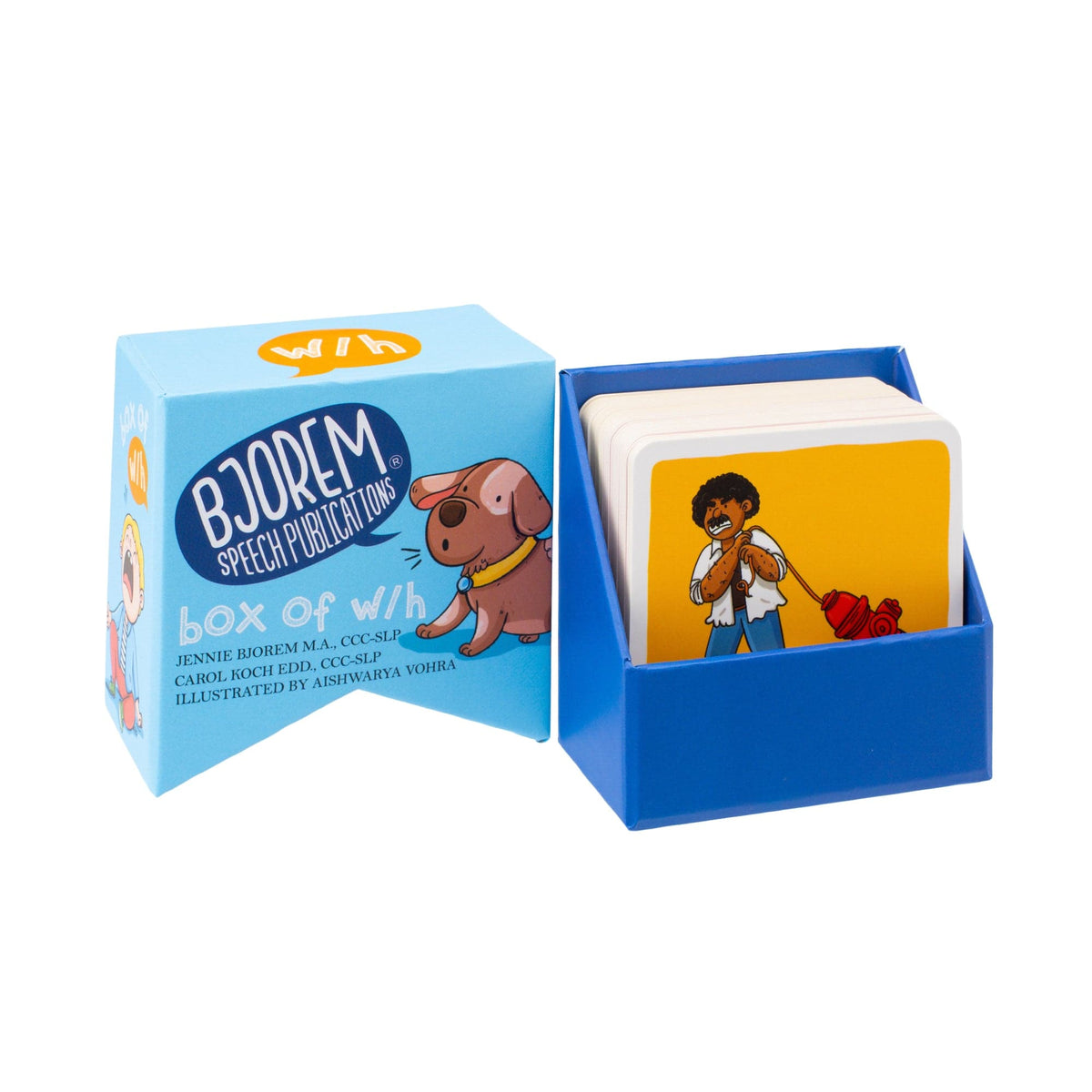
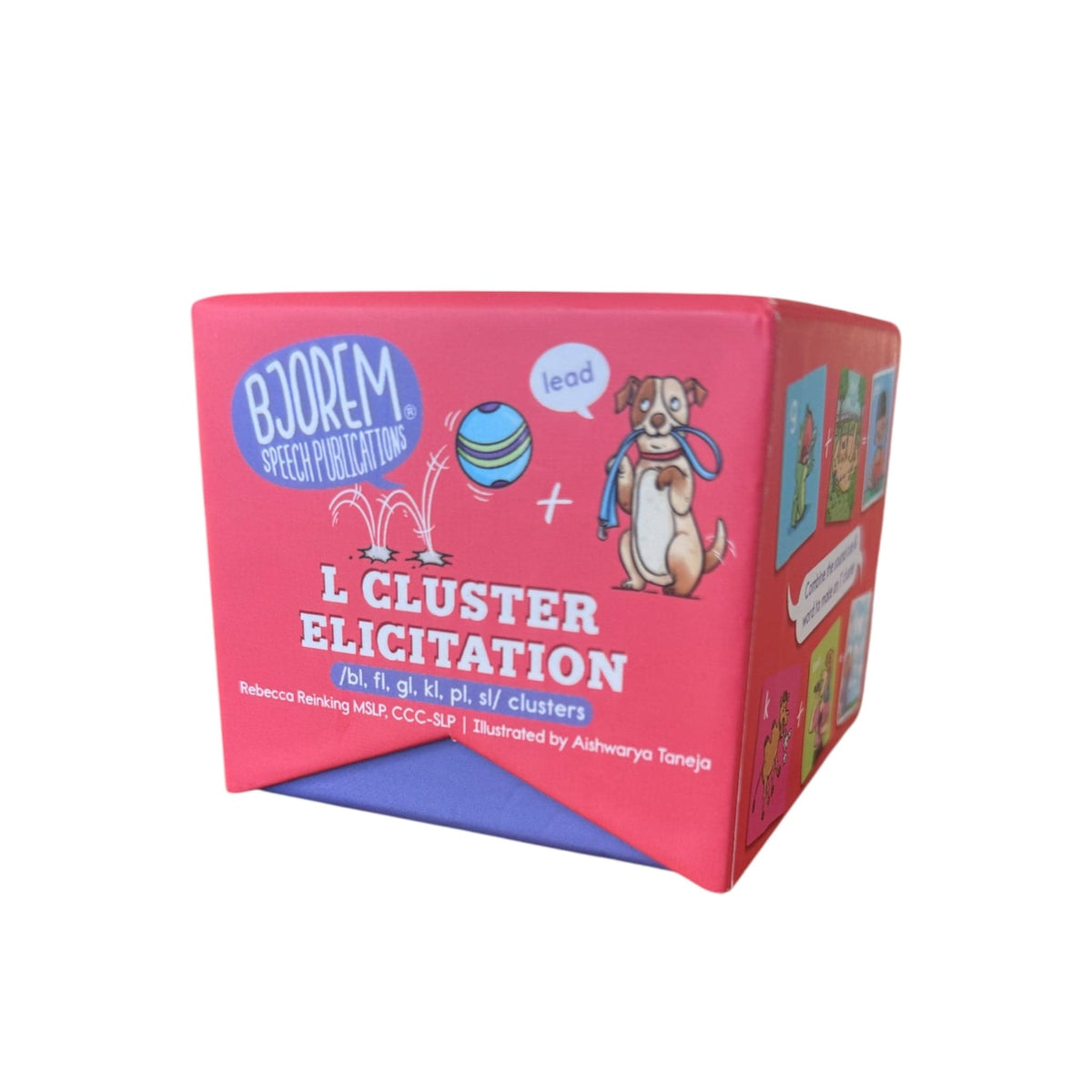
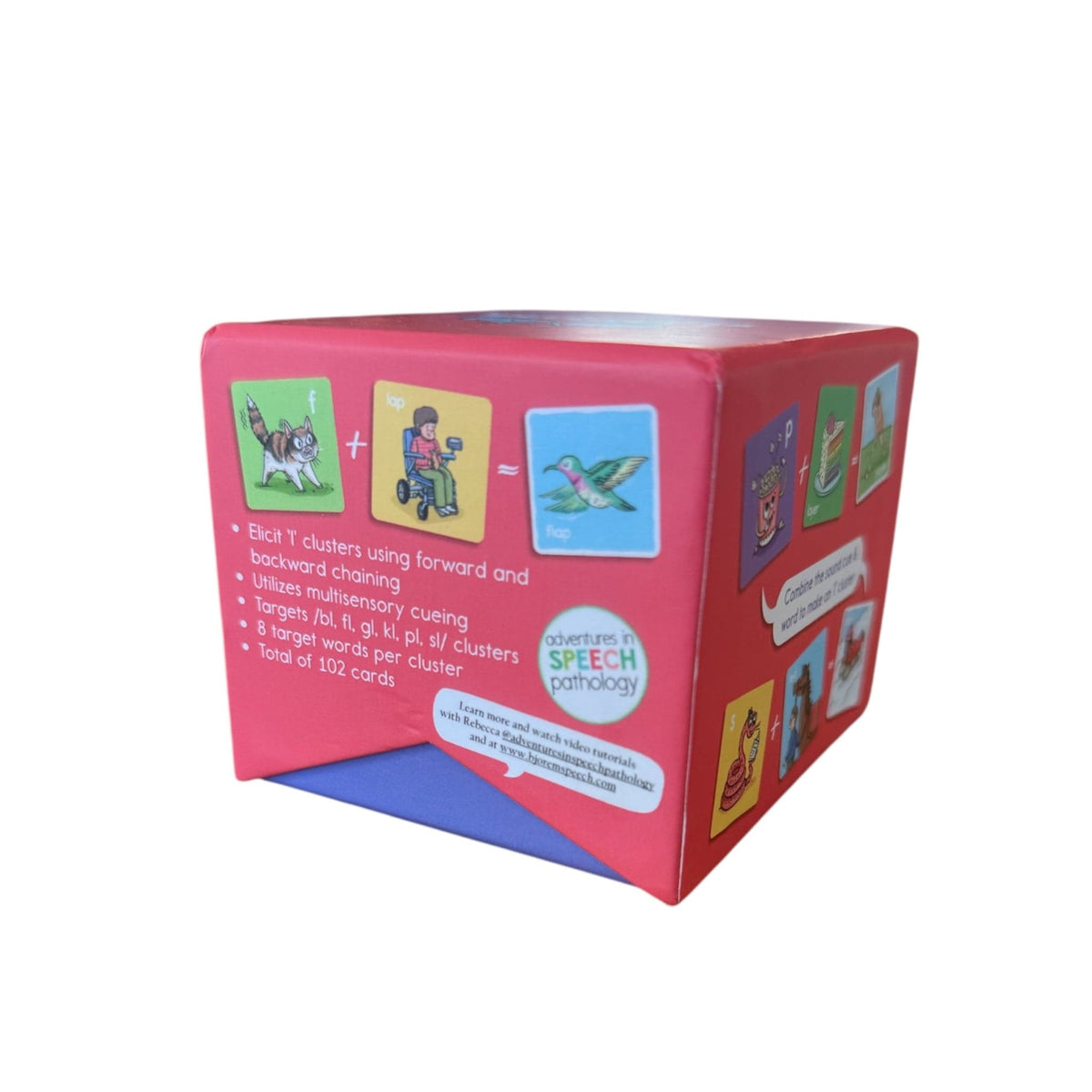
What else do I need to know about Visual Aid for Speech?
Visual Aid for Speech Support for Clear and Confident Communication
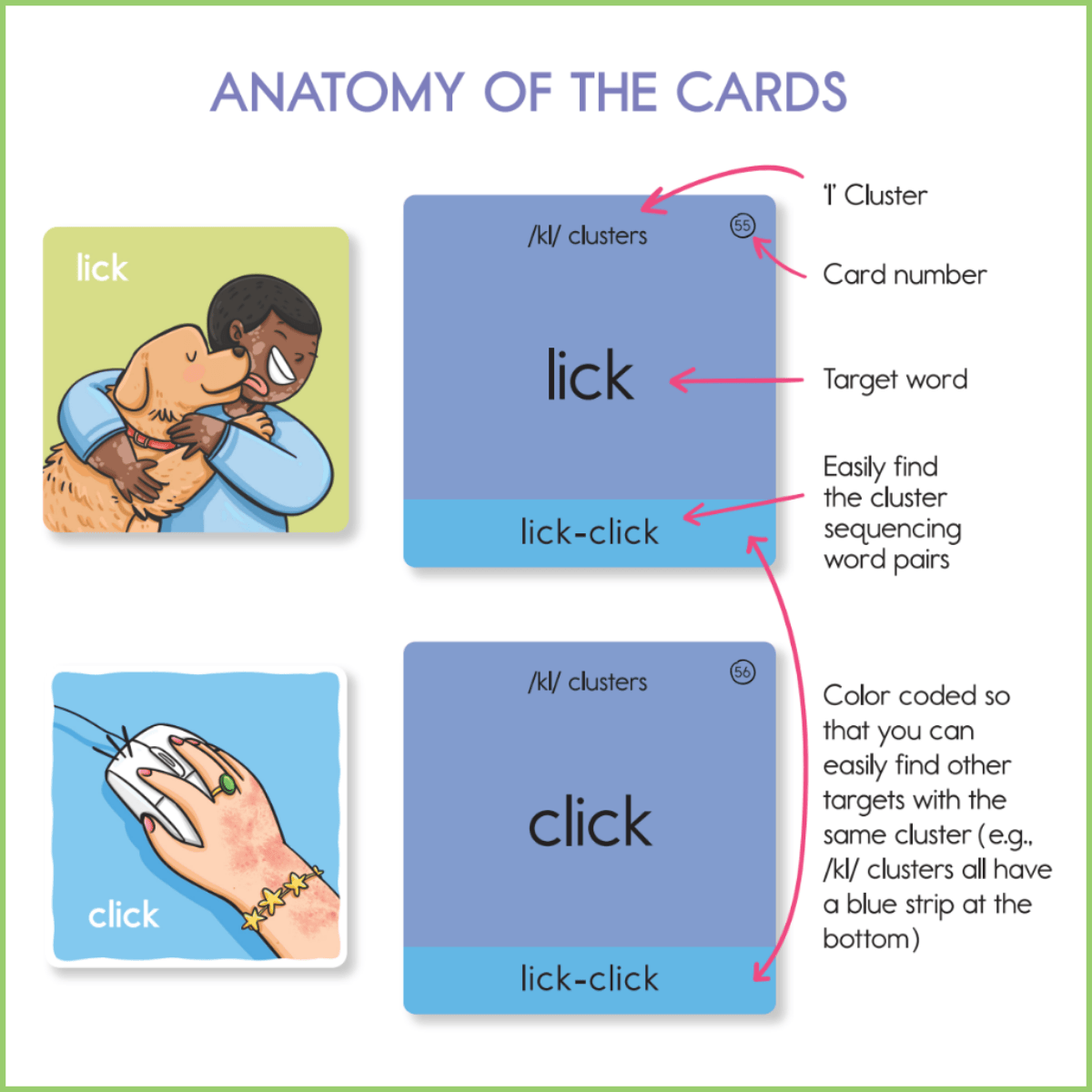
At Bjorem Speech & Literacy, we believe a strong visual aid for speech can change everything for a child who is working hard to communicate. Visuals reduce guesswork, support memory, and help learners understand what to do next. Our tools are designed by speech language pathologists, and they work in real therapy rooms, classrooms, and home routines. When a child has a clear cue and a predictable routine, they can focus on the message instead of the pressure.
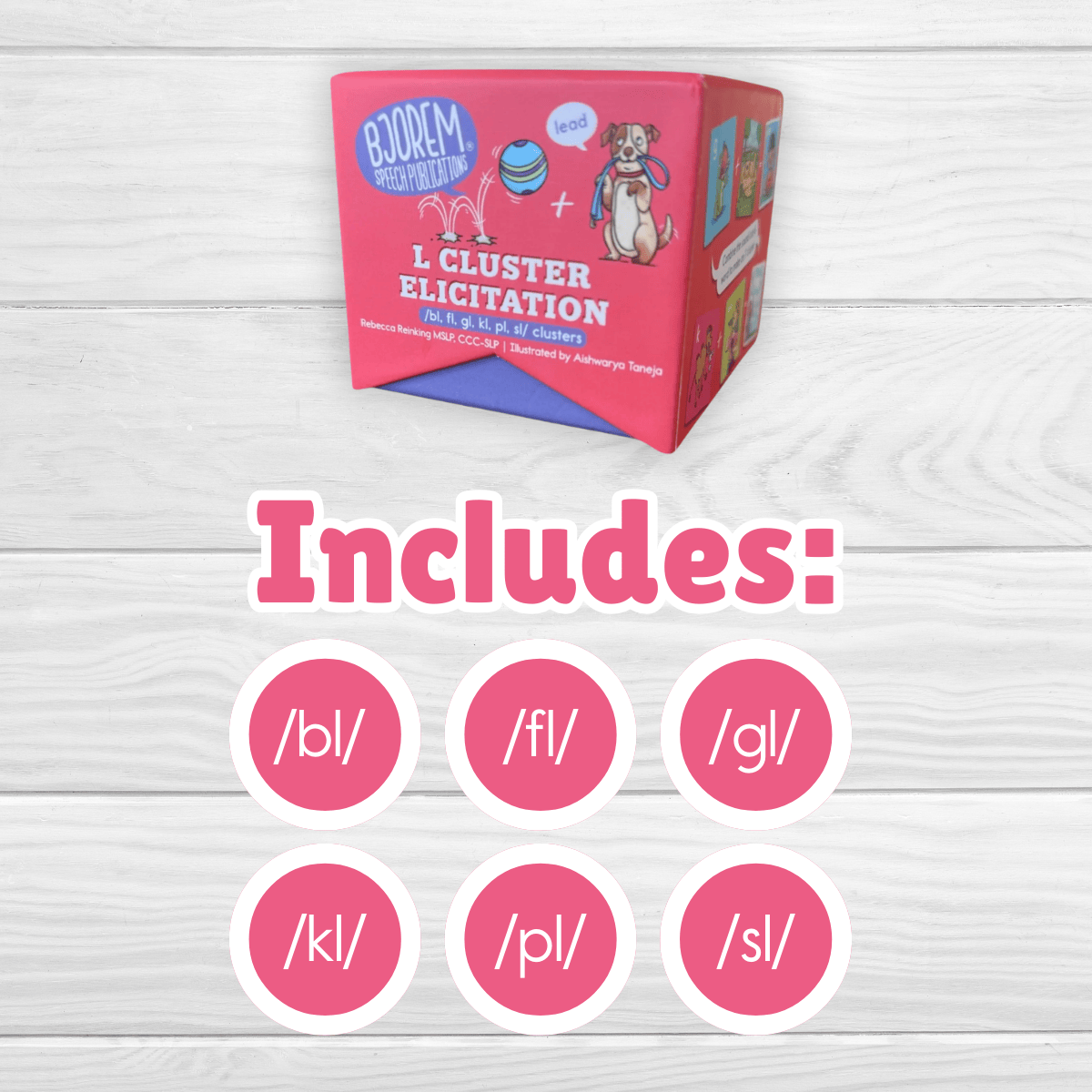
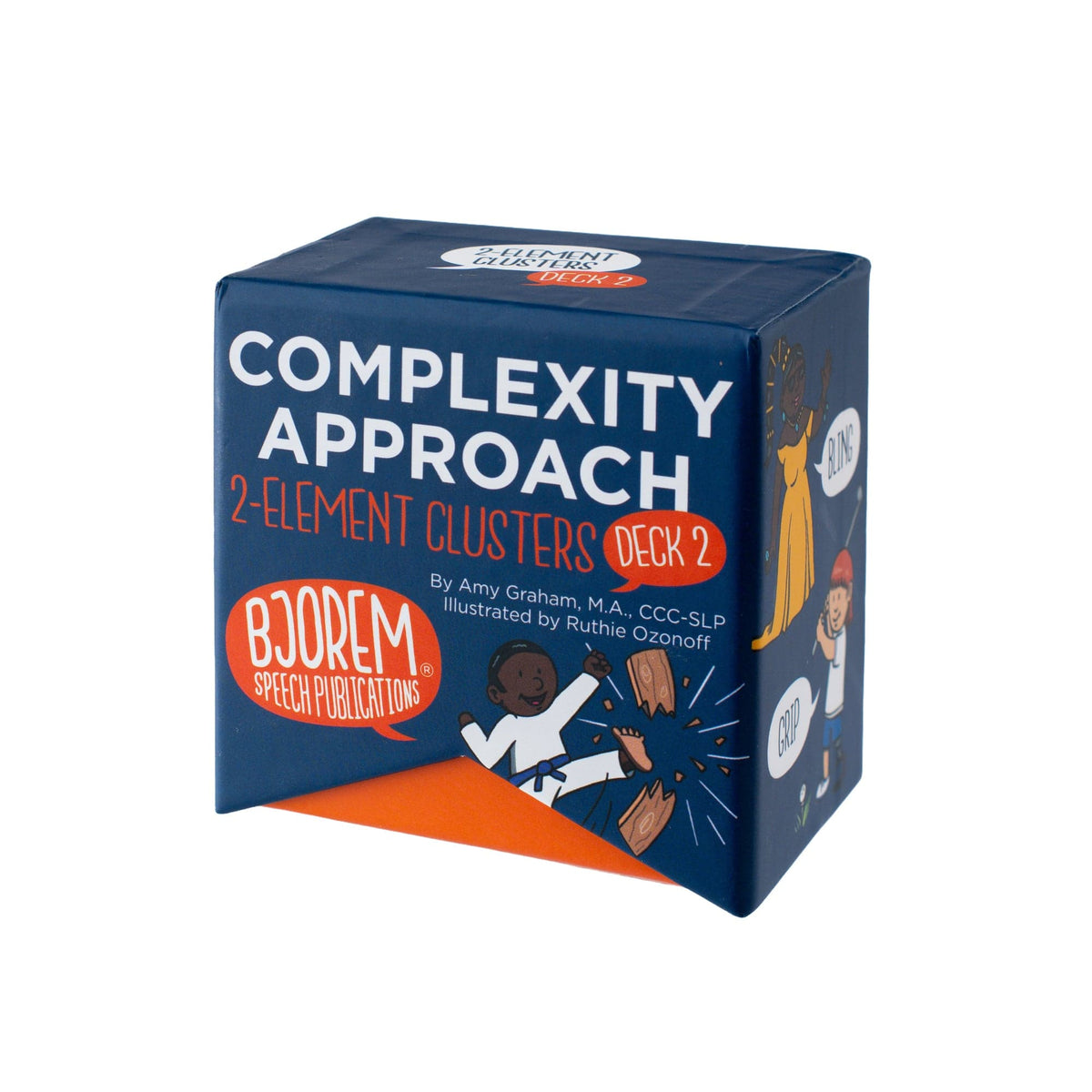
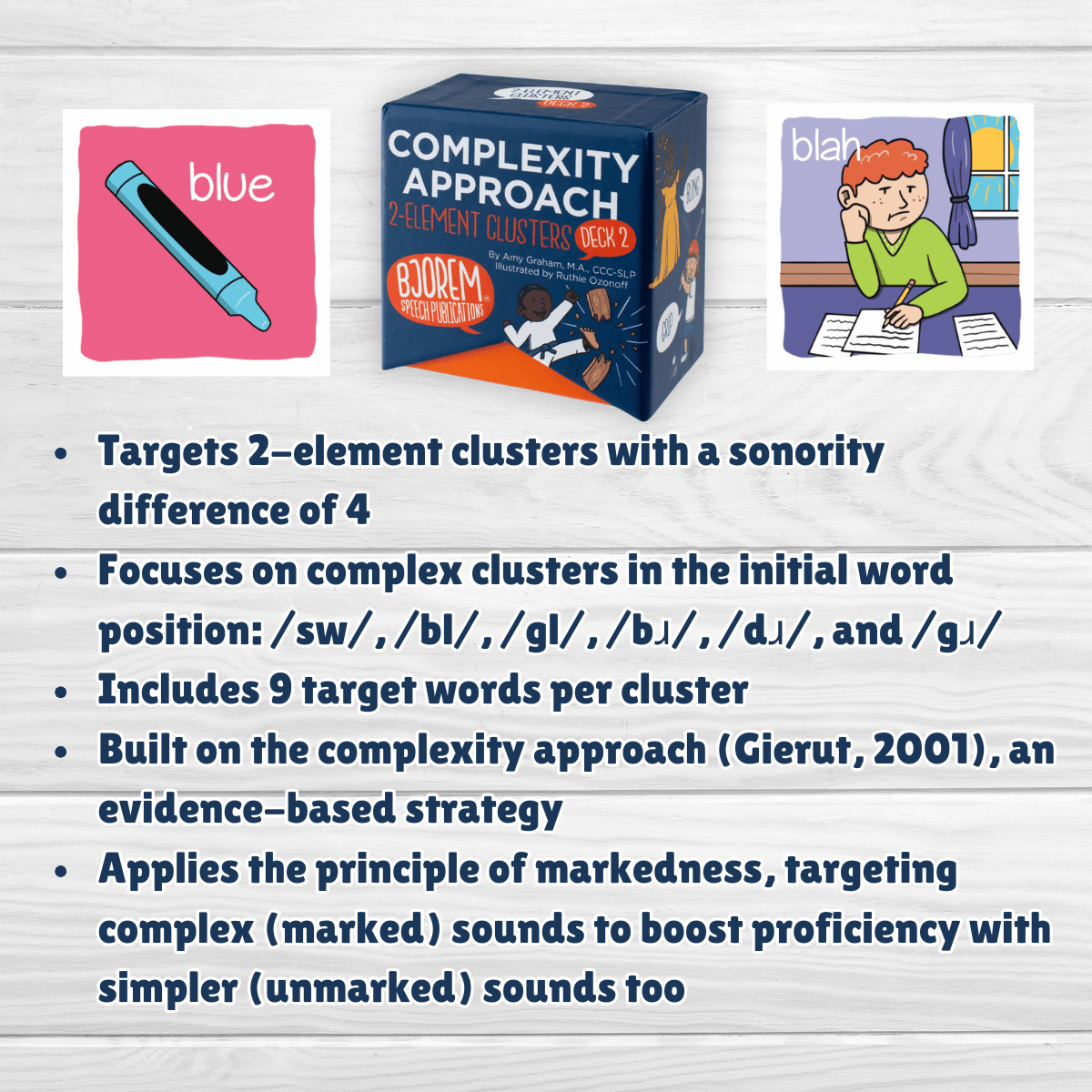
These resources support children who benefit from structure, repetition, and clear models. Whether you are targeting articulation, phonology, childhood apraxia of speech, language development, or early literacy foundations, visuals can help children participate with more confidence and less frustration.
Speech Visual Aids That Help Kids Know What to Say and How to Say It
Many people look for speech visual aids because they want communication to feel more accessible. A visual can support the words a child is trying to say, the steps in a routine, or the sequence of a task. It can also support self-advocacy, like requesting help, asking for a break, or making a choice. These supports are especially helpful when children are still developing expressive language or when speech clarity makes it hard for others to understand them.
In therapy, a visual can help you cue consistently and keep practice moving. In classrooms, it can support participation during group activities, sharing time, and small group work. At home, families can use the same visual supports during play, reading, and daily transitions. Consistent cueing across settings often leads to better carryover.
Visual Aid Speech Tools That Support Structure Without Overwhelm
We design visual aid speech tools to be simple, clear, and easy to repeat. The goal is not to add more work. The goal is to make communication feel more predictable so children can focus on learning. A strong visual can serve as a gentle reminder, a prompt, or a model. It can also reduce repeated verbal prompting, which often helps children stay calmer and more engaged.
- Supports clear routines and predictable steps
- Encourages independence and reduces frustration
- Helps children remember targets and participate more often
- Works across therapy, classroom, and home environments
We also keep our approach supportive and realistic. Speech is not easy, and progress takes time. Visual support helps children keep trying, even on hard days.
Visual Aids for a Speech and Confident Sharing Moments
Some children need extra support during structured speaking moments. That is where visual aids for a speech can be helpful, especially for classroom sharing, show and tell, and early presentation routines. A child may use visuals to remember key points, follow a simple sequence, or stay on topic. In that way, a visual becomes a visual aid in a speech that supports confidence and reduces anxiety.
Visual Aids for Speech That Connect Communication and Literacy Skills
Speech and literacy often overlap, especially when children are learning sound awareness, vocabulary, and early reading skills. Visual supports can strengthen these connections by pairing a sound, word, or routine with a clear cue. That can help children build stronger memory for speech targets and a stronger understanding of language concepts that support reading comprehension.
Our resources are designed to be inclusive and child-centered, helping every learner feel represented and supported. We design tools you will actually use, with clear visuals and routines that fit real schedules.
Visual Aid for Speech Call to Action: Add Clear Visual Support to Your Routine
Ready to make communication practice clearer and more confident? Explore our visual aid for speech resources designed by speech language pathologists and literacy specialists, then choose the tools that fit your learners and goals.
Add your favorites to the cart today and bring consistent, supportive visuals into therapy, classroom routines, and home practice, one clear cue at a time.