



Download

w/Subscription
What else do I need to know about Phonics Books?
Phonics Books That Help Kids Connect Sounds, Letters, and Meaning
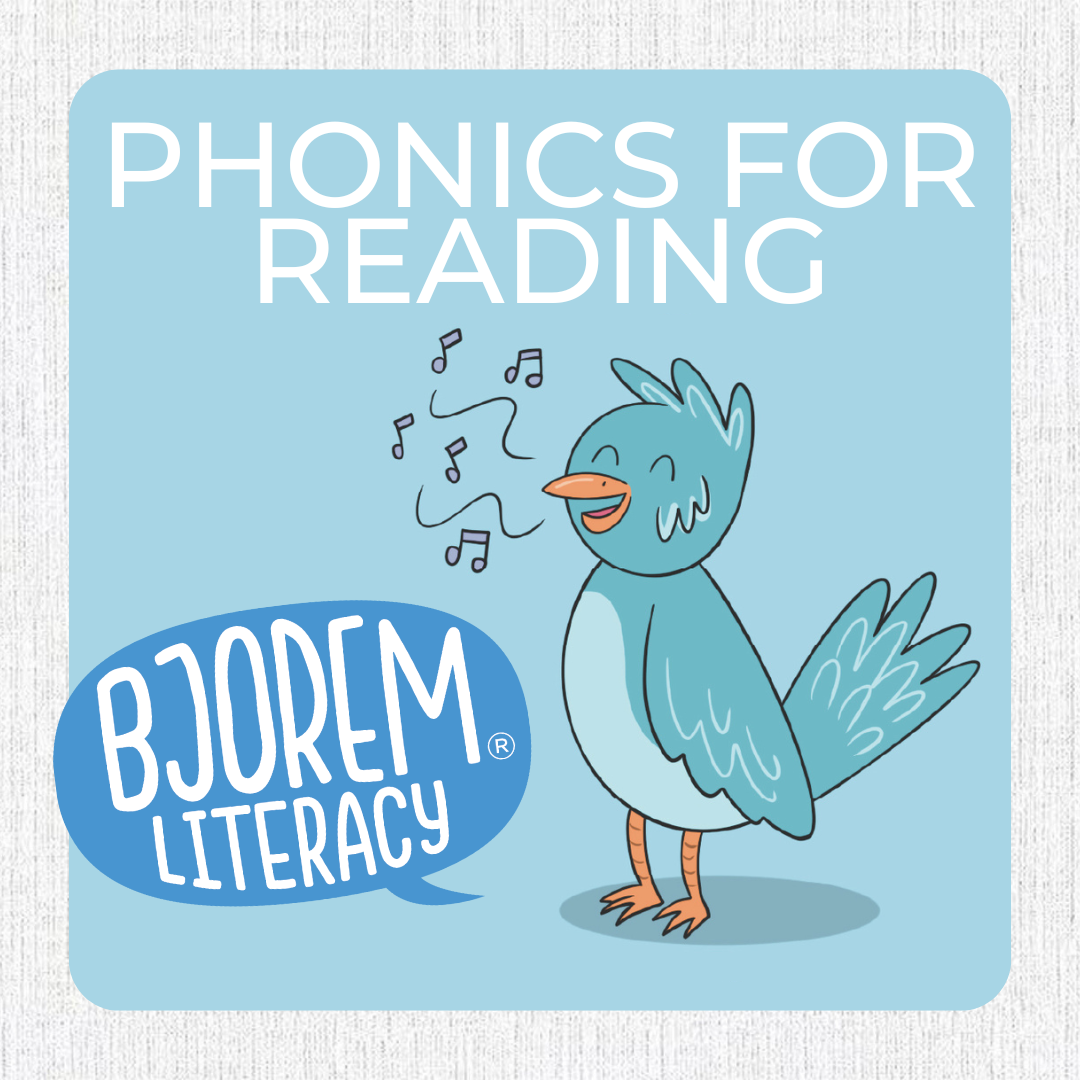
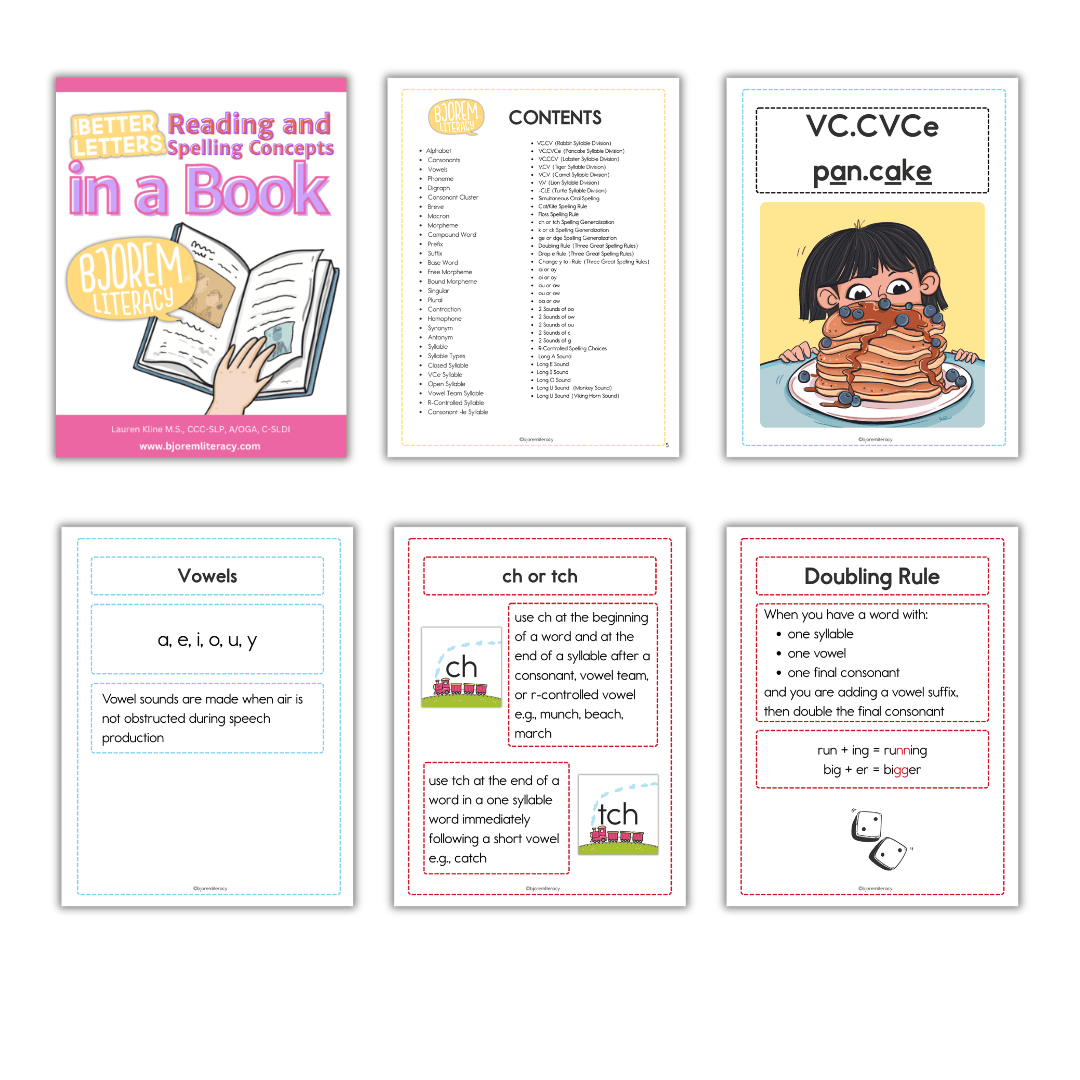
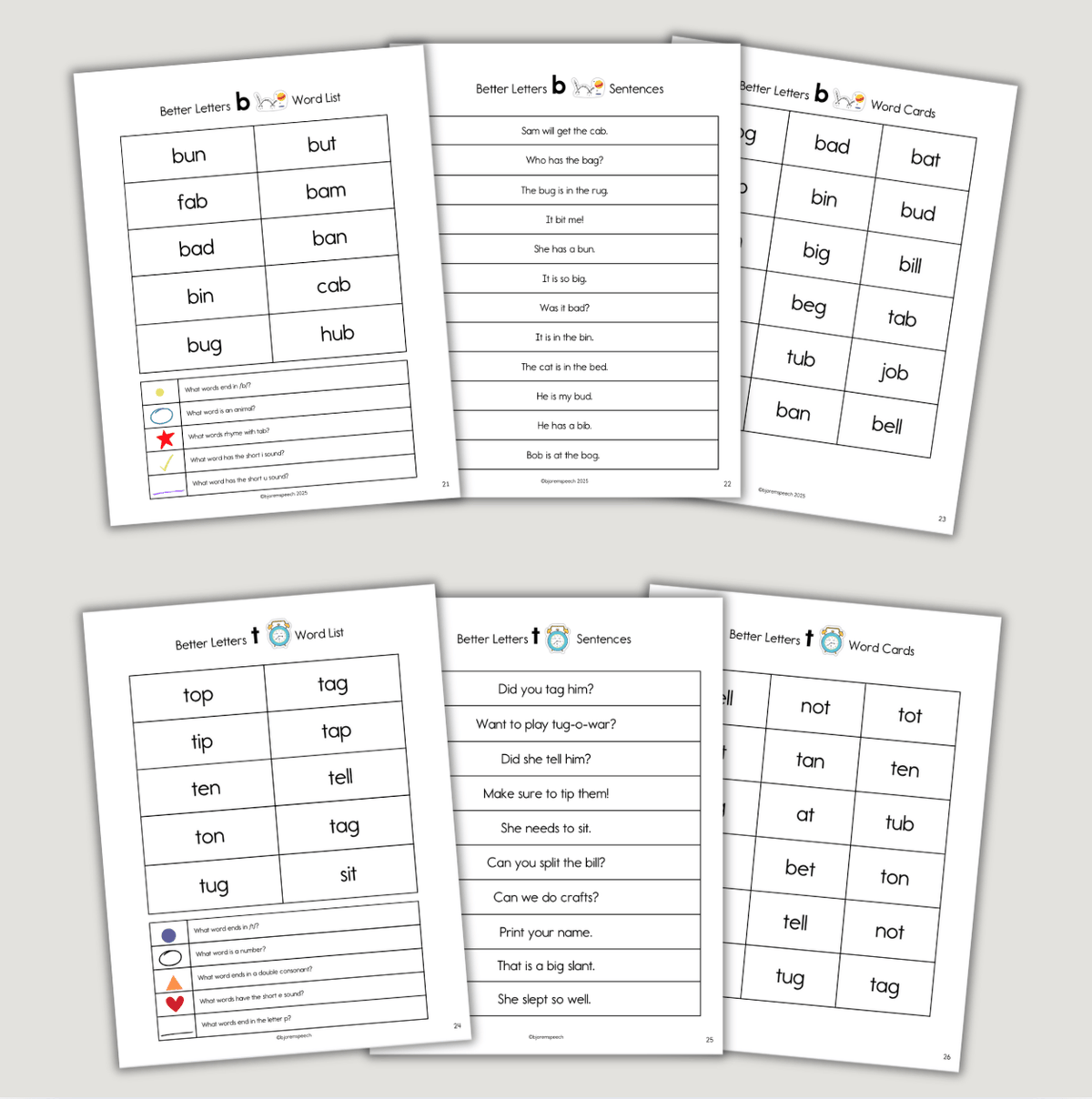
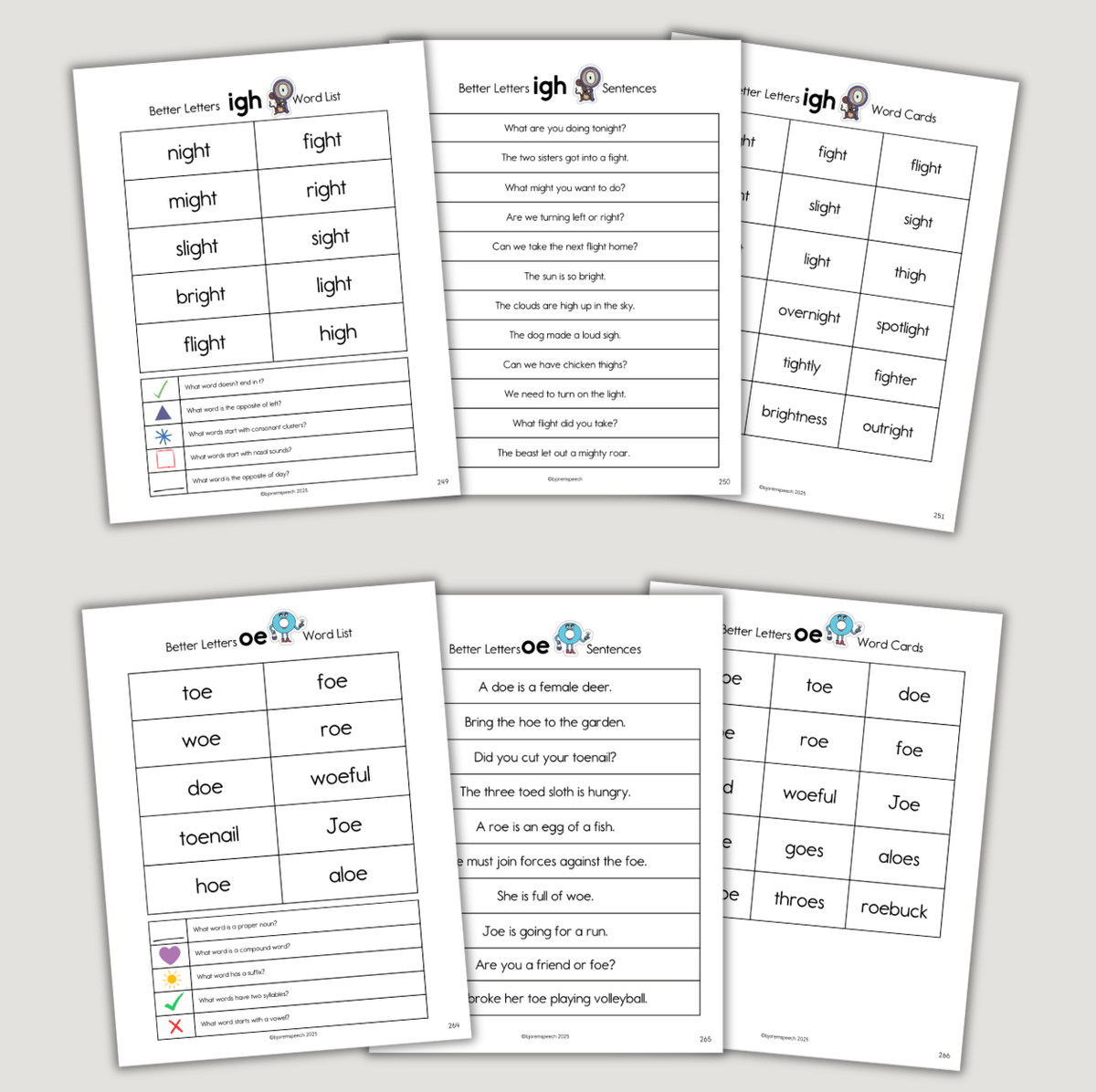
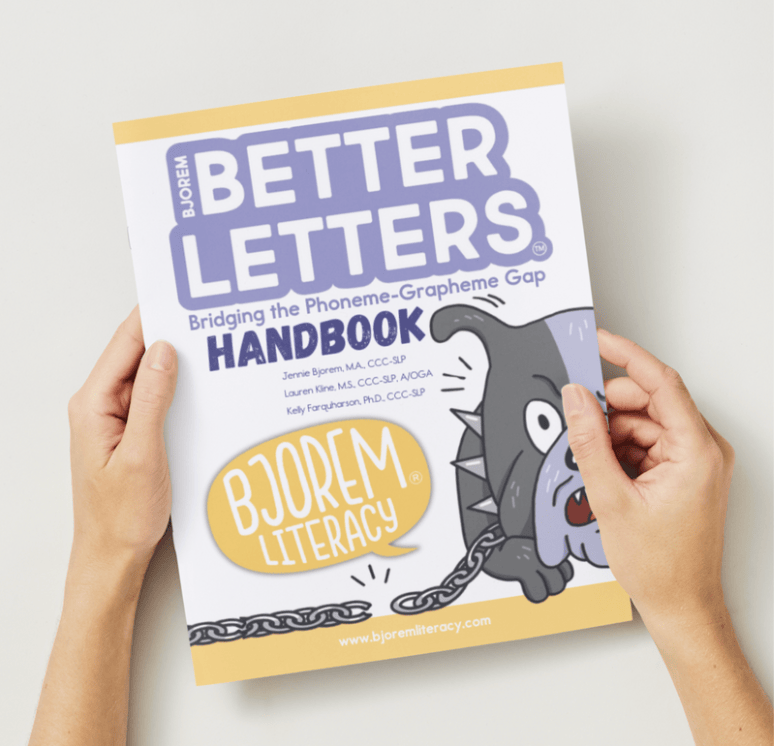
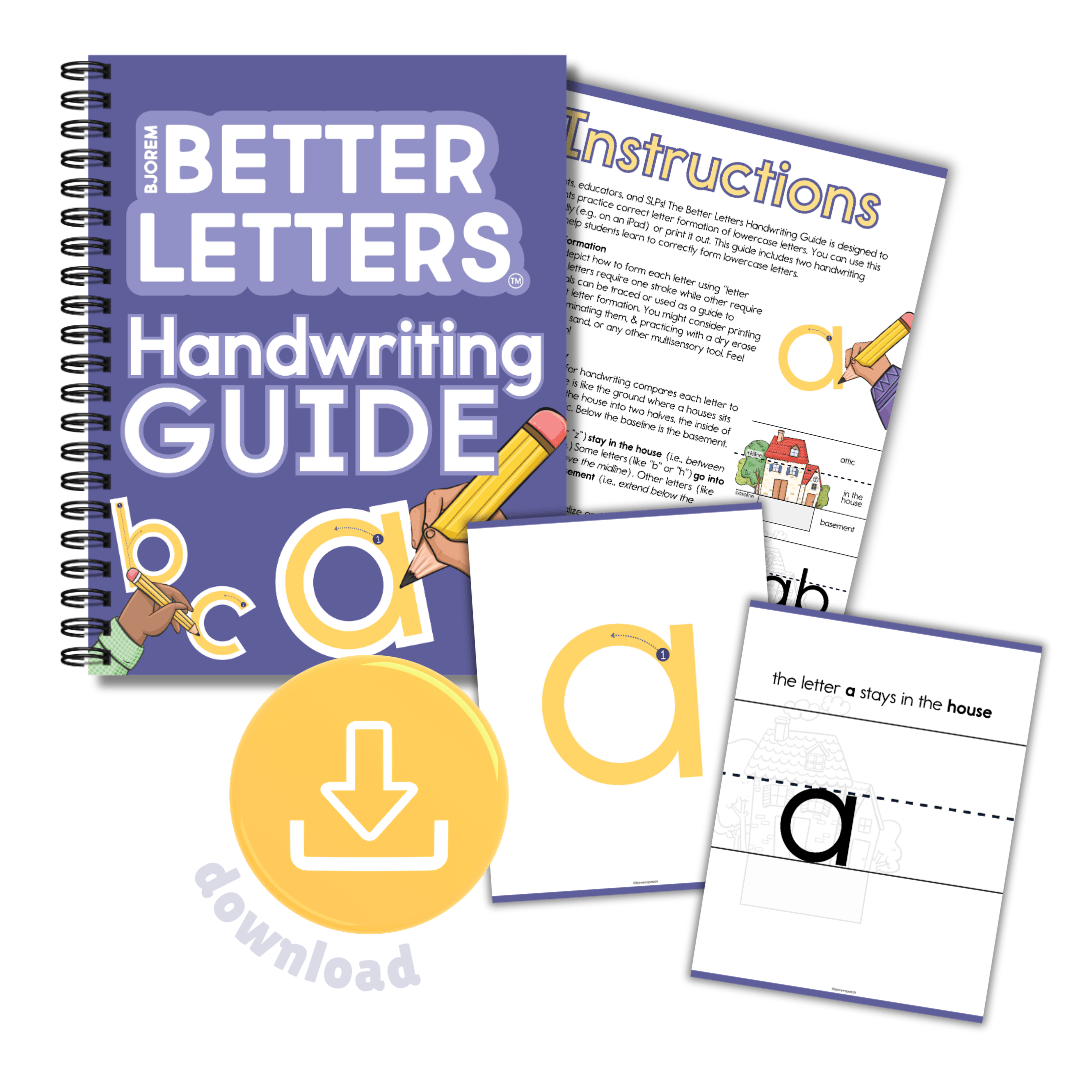
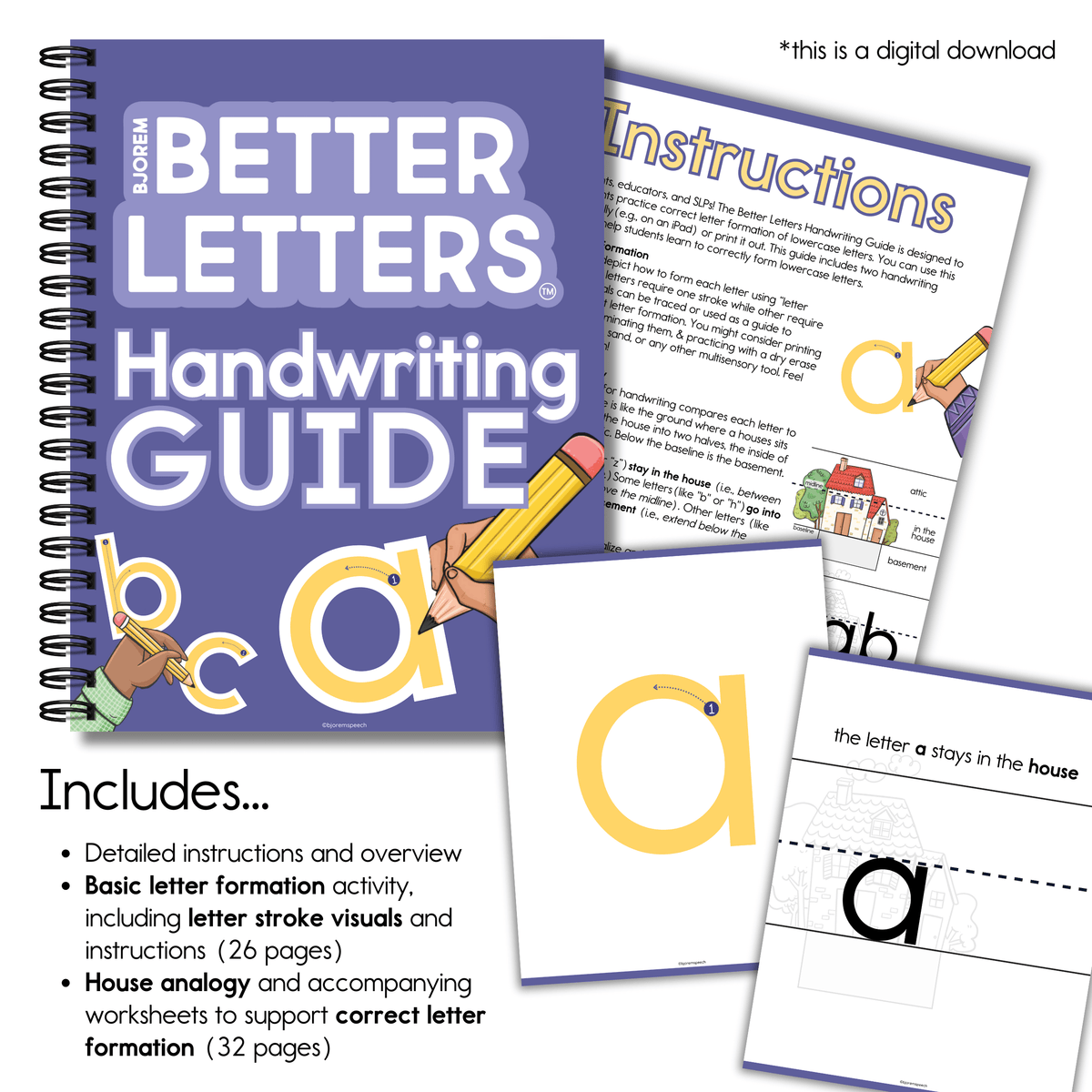
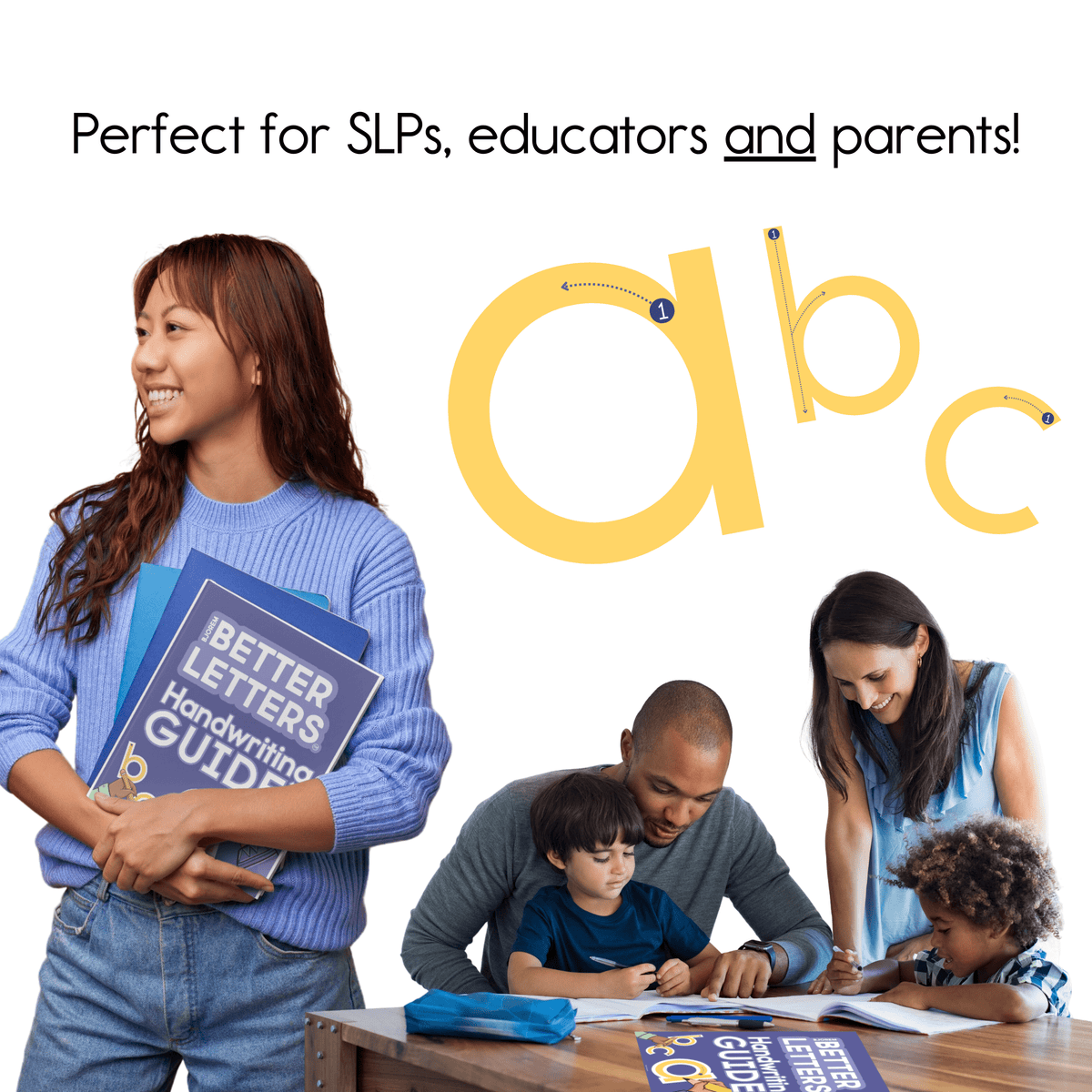
At Bjorem Speech & Literacy, we believe the best phonics books do more than ask kids to “sound it out.” They make the sound-to-letter connection clear, repeatable, and motivating, especially for early learners who need extra support with speech and literacy. Our resources are created by speech-language pathologists in collaboration with educators and literacy experts, with inclusive design and practical routines that work in therapy rooms, classrooms, and home reading time.
If you’ve ever watched a child get stuck between recognizing letters and actually decoding words, you know the gap can feel big. The right phonics reading books help close that gap by giving children predictable patterns, purposeful repetition, and language they can understand and use.
Books on Phonics Built for Real Teaching and Real Learning
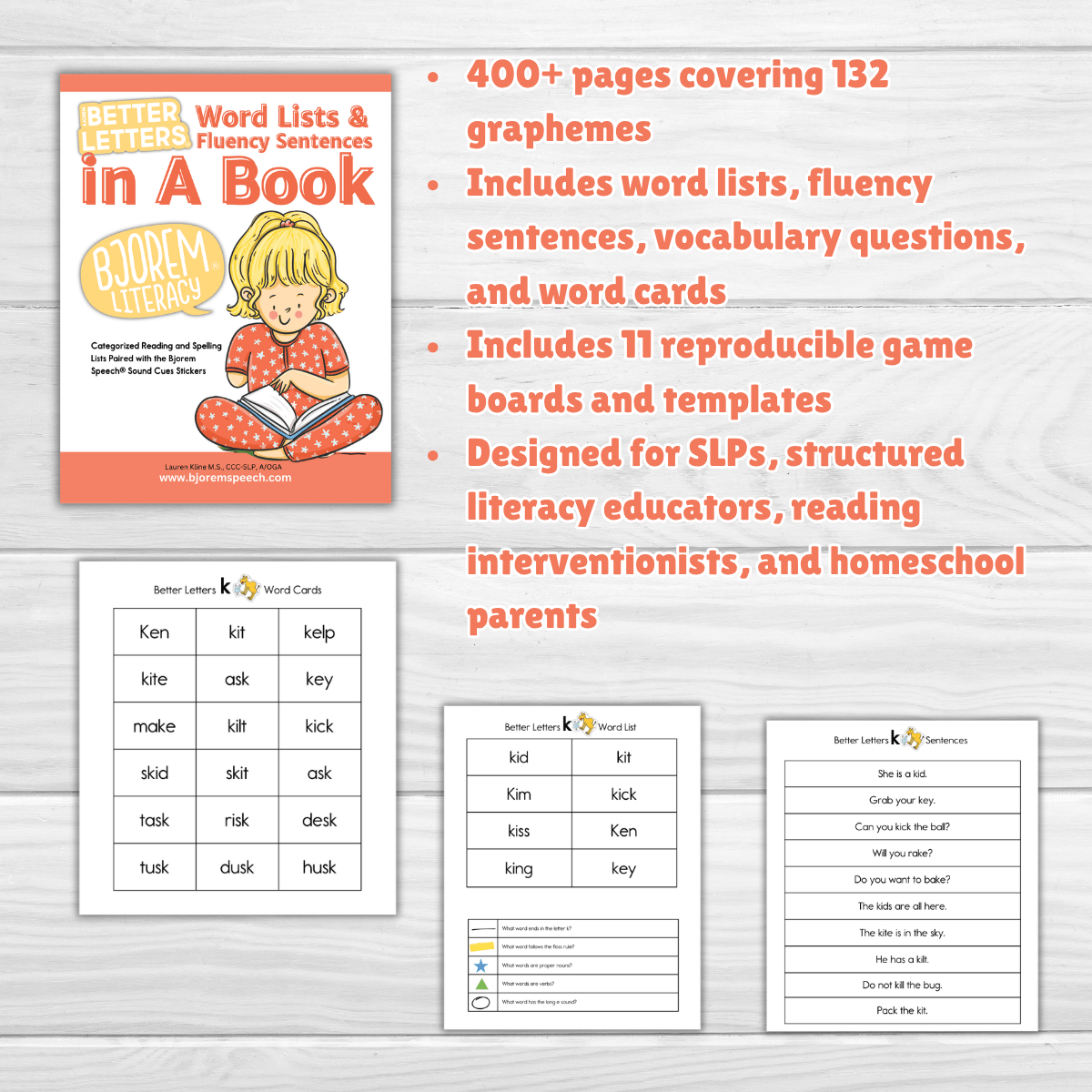
Not all books on phonics are created with intervention in mind. We focus on tools that support clear sound awareness, sound-letter mapping, and early decoding in a way that feels achievable. Whether you’re an SLP supporting phonological awareness or a teacher targeting early reading skills, a strong phonics book should help you cue consistently and help kids feel successful quickly, without promising “overnight” results.
These materials are especially helpful when you’re building foundational skills like blending, segmenting, and noticing sound patterns across words. That’s where confidence grows: steady progress, repeated practice, and lots of “Oh! I can do this.” moments.
Phonics Books for Kids, Preschoolers, and Early Readers
Early reading should feel engaging, not exhausting. Our phonics books for kids are designed to support young learners as they begin decoding and building automaticity. For younger ages, phonics books for preschoolers can reinforce sound awareness through playful routines, while phonics books for kindergarten support the shift into stronger letter-sound knowledge, blending, and simple decoding.
And yes, families ask about phonics books for toddlers too. For toddlers, the goal isn’t “perfect reading.” It’s exposure: noticing sounds, enjoying language, pointing to pictures, repeating simple targets, and building positive early literacy experiences that make future learning easier.
Phonics Book for Kindergarten Support That Connects to Speech and Literacy
Many children learning to decode also need support with speech sound development, and the overlap matters. A well-designed phonics book for kindergarten can reinforce sound-letter mapping while also encouraging clear production and listening skills. Our approach is supportive and flexible: use short practice bursts, pair reading with visuals when needed, and keep the focus on meaningful success rather than pressure.
If you’re looking for phonics for reading books that fit intervention settings, we aim to make implementation simple: clear structure, easy routines, and kid-friendly presentation that helps you spend more time teaching and less time prepping.
Phonics Books for Teachers and Books on Phonics for Teachers
Educators and clinicians need resources that are practical, research-informed, and easy to use across a range of learners. Our phonics books for teachers are designed to support instruction and intervention with routines that can be repeated across sessions and shared with families for carryover. If you’re specifically searching for books on phonics for teachers, you’ll appreciate materials that are clear, structured, and built to support real classroom and therapy demands.
Phonics Books Call to Action: Build Strong Early Readers Today
Ready to strengthen decoding, phonemic awareness, and sound-letter mapping with tools kids enjoy using? Explore our collection of phonics books, choose the options that fit your learners, and add your favorites to the cart.
Whether you’re supporting early intervention, kindergarten reading, or targeted literacy growth, our resources are built to help children make steady, meaningful progress.