Why Short Vowels Matter
Short vowels are among the first vowel sounds children learn when they begin to read. They typically occur in closed syllables, where the vowel is followed by one or more consonants. Examples include:
-
cat (short a)
-
met (short e)
-
kit (short i)
-
mop (short o)
-
cut (short u)
Short vowel words aren't limited to CVC patterns. They can also include digraphs and consonant clusters:
-
then (initial digraph)
-
bath (final digraph)
-
back (final digraph)
-
clasp (initial and final clusters)

Short Vowels and Spelling
Short vowels are essential for accurate spelling because several spelling generalizations depend on them. In each of the patterns below, the vowel sound tells you which spelling to use.
-
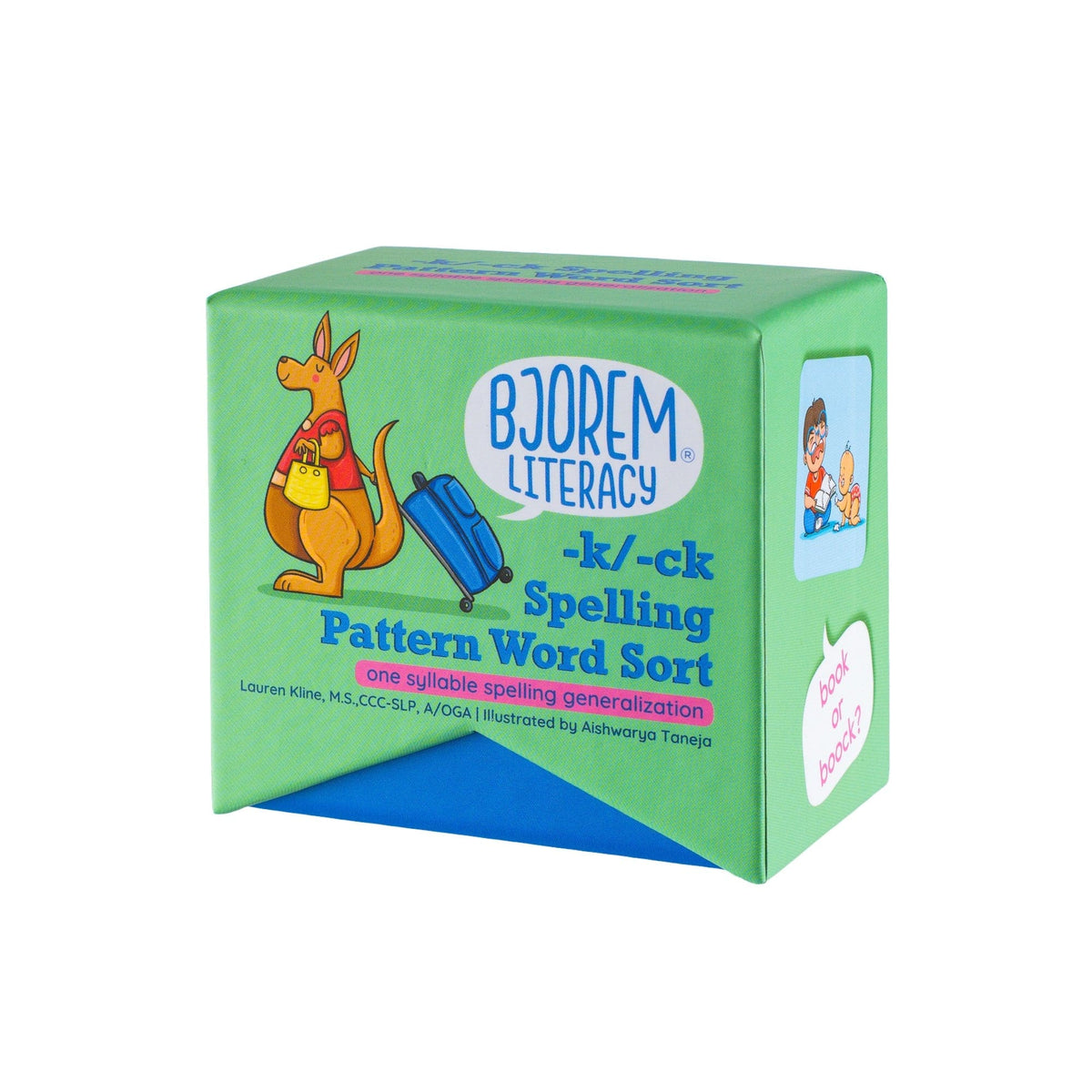
black: use ck because it immediately follows a short vowel
-
bake: use k because it follows a long vowel
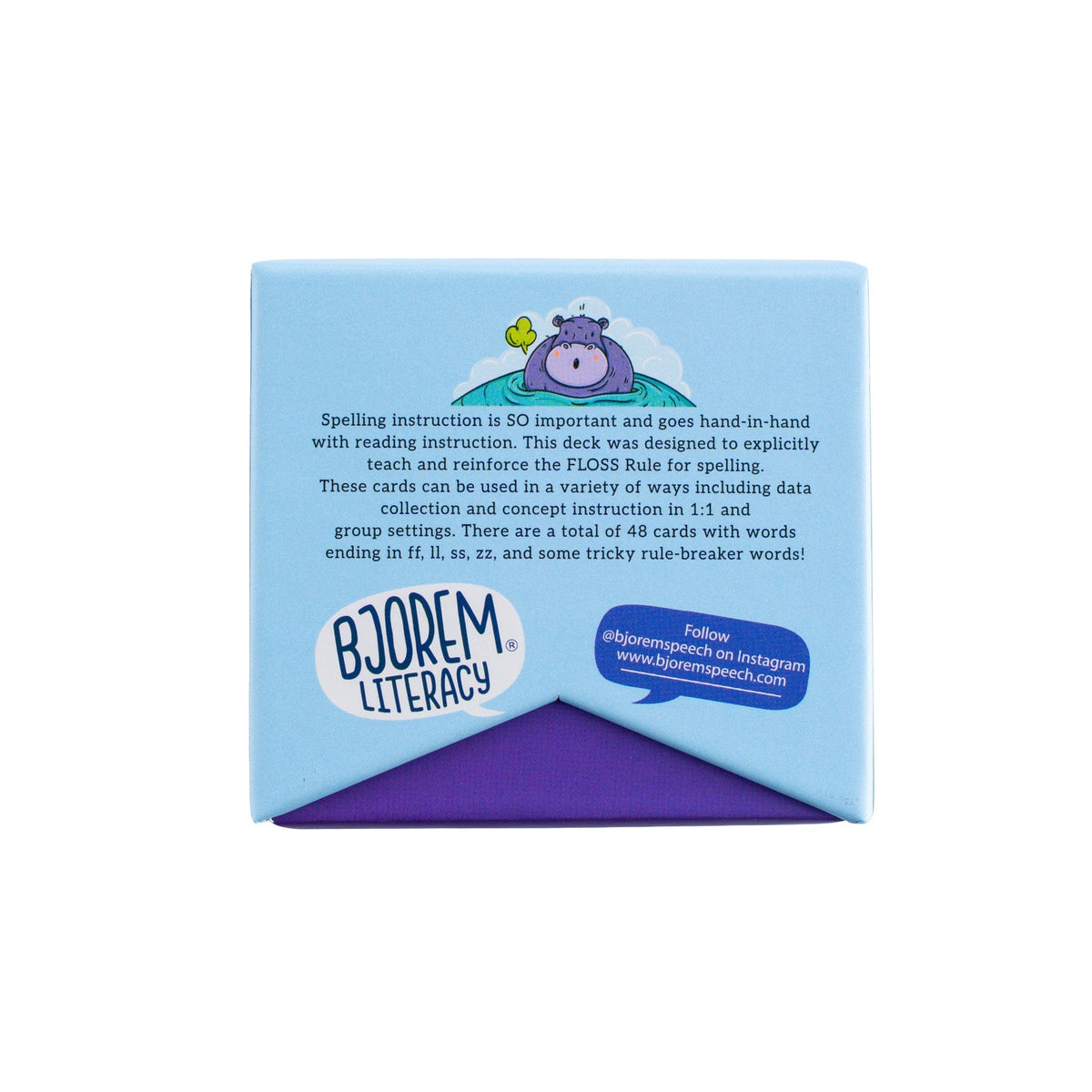
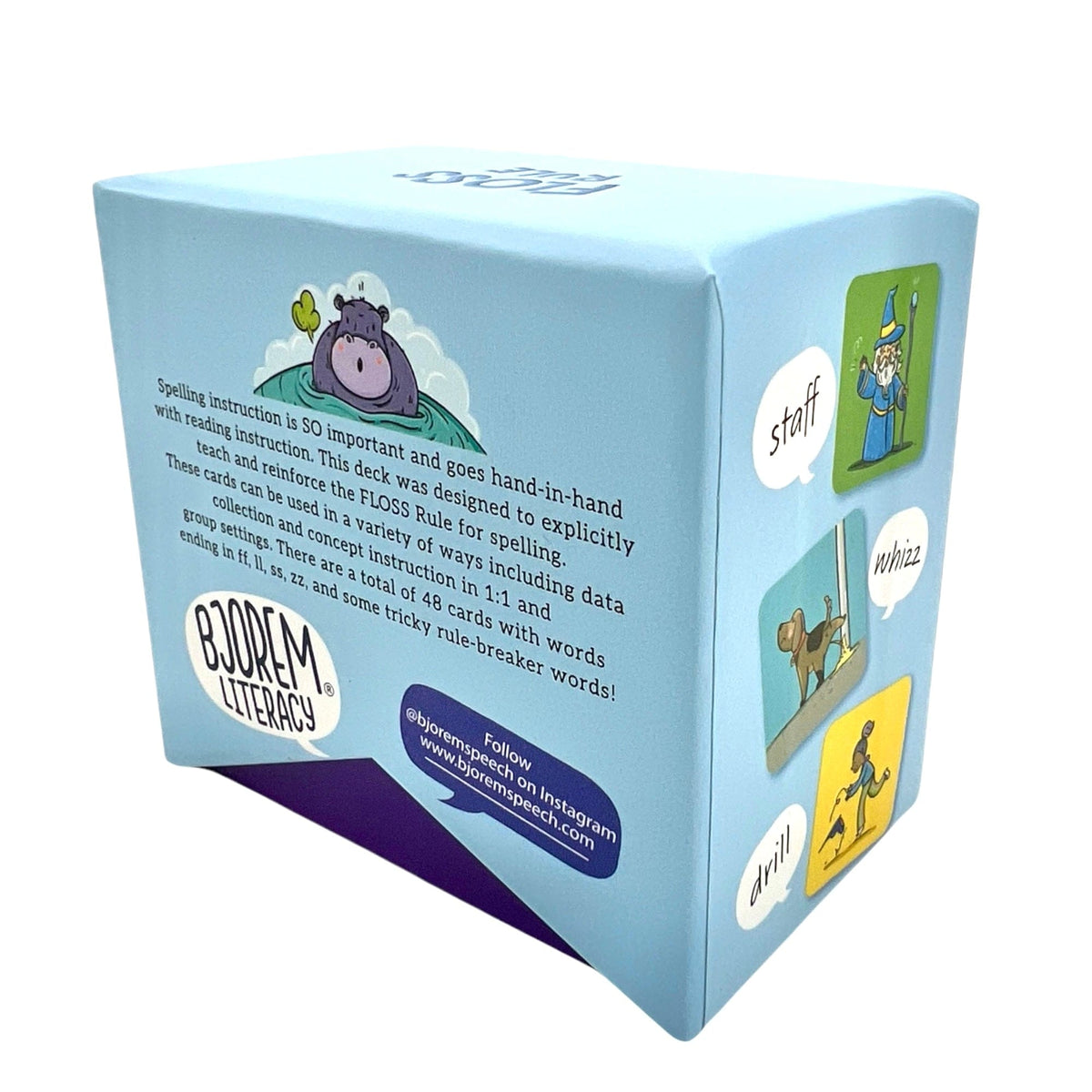
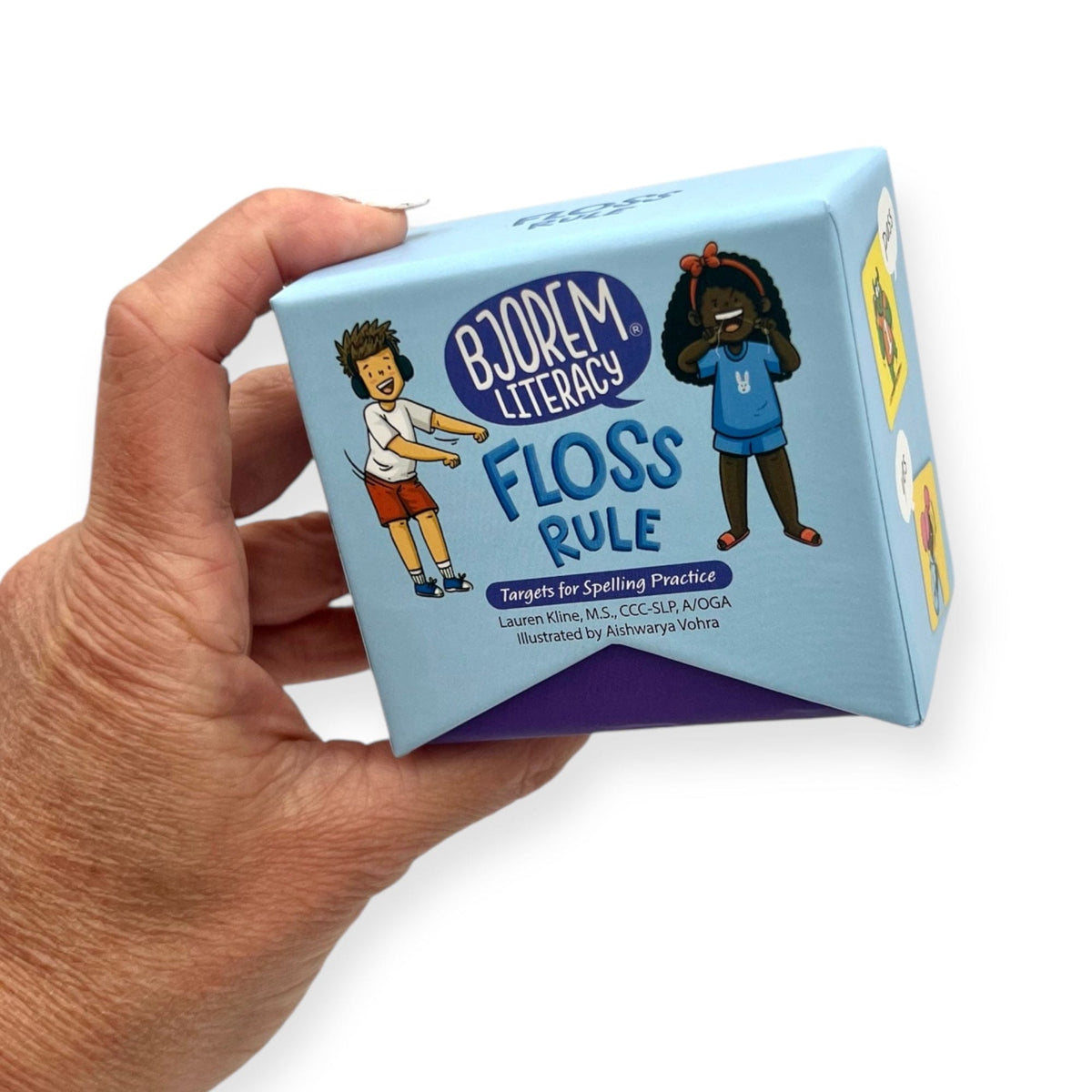
In a one-syllable word, double the final f, l, s, or z when it comes right after a short vowel:
-
floss
-
class
-
fill
-
buzz
-
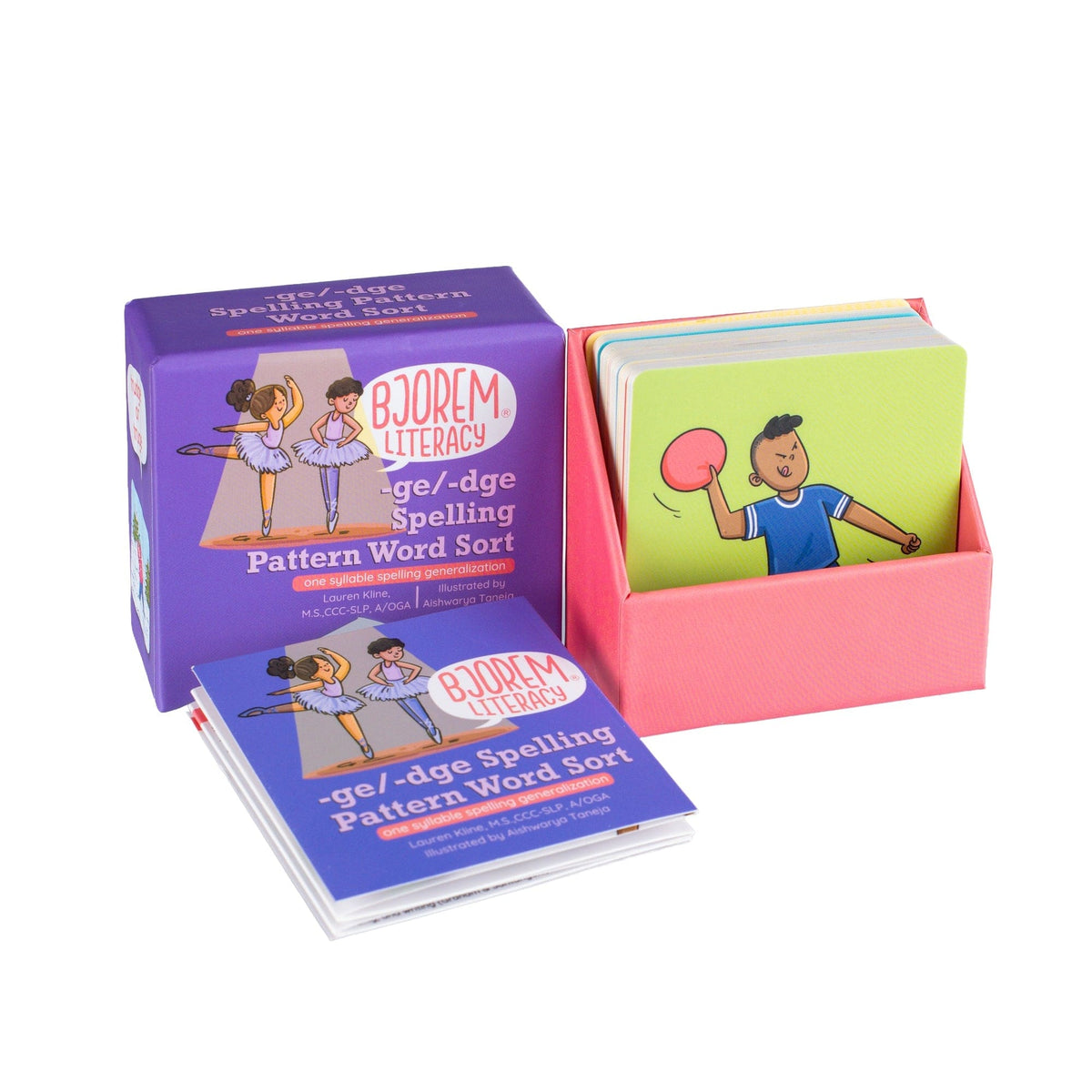
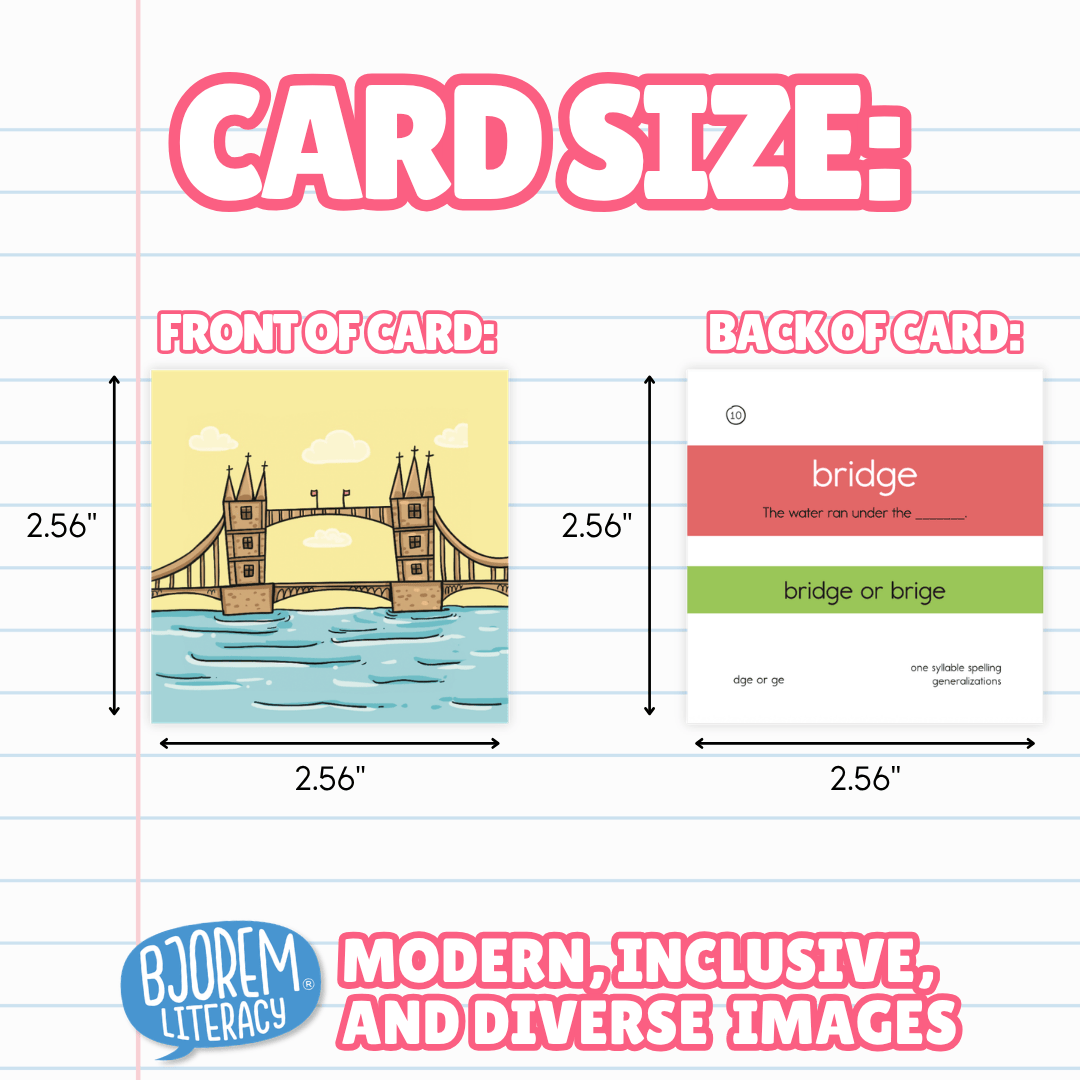
bridge: use dge because it immediately follows a short vowel
-
cage: use ge because it follows a long vowel
-
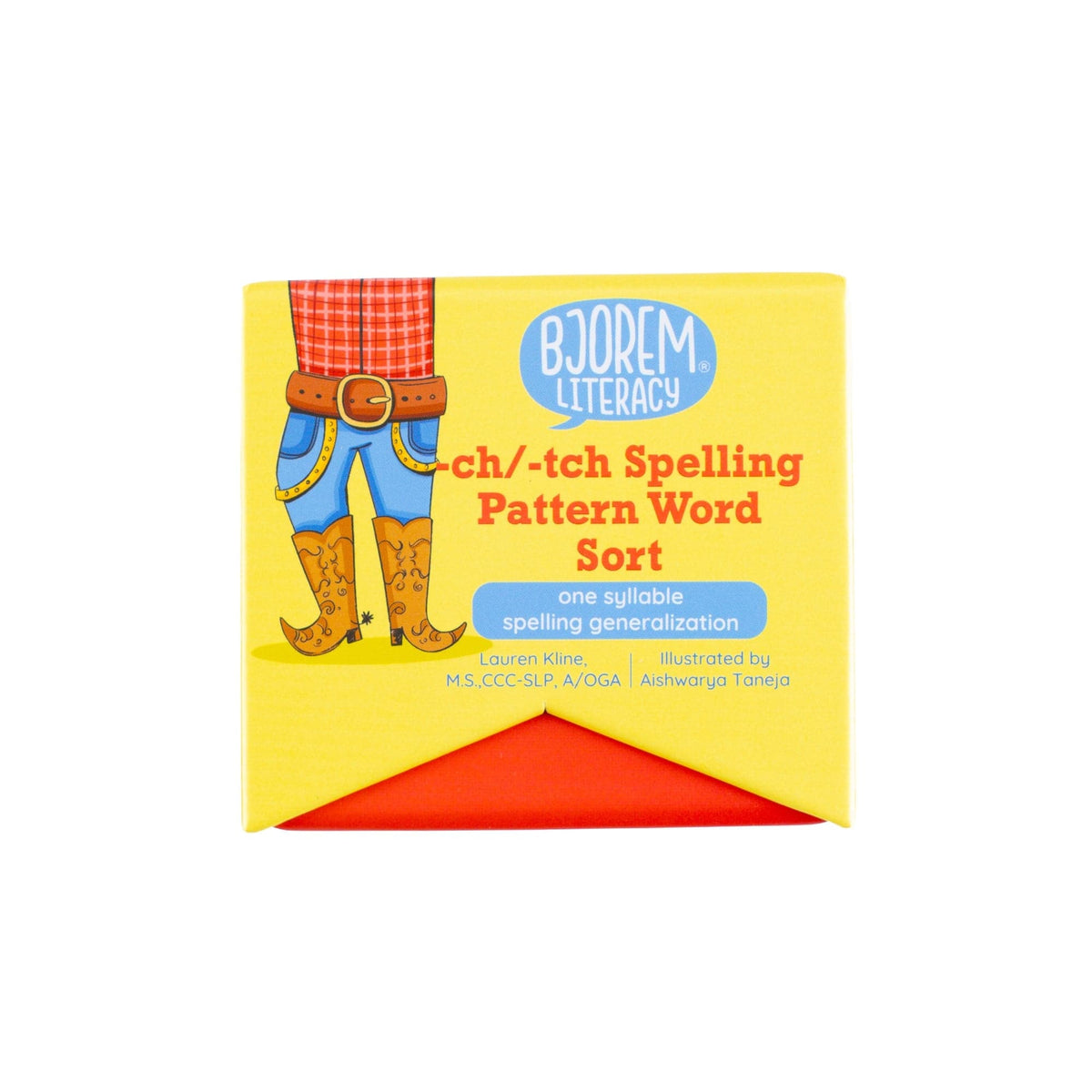
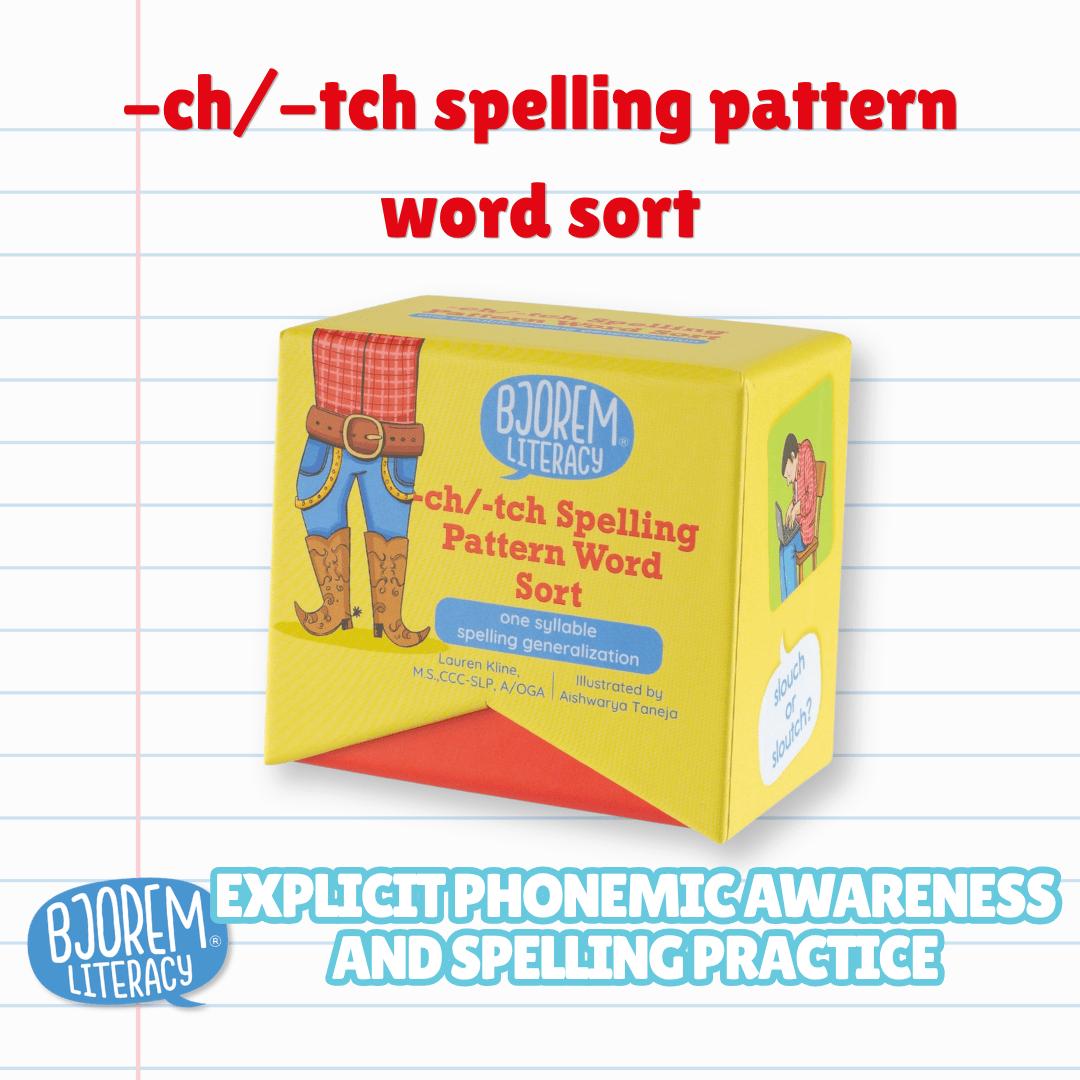
catch: use tch because it immediately follows a short vowel
-
march: use ch because it follows a consonant

Short Vowels as a Starting Point
Closed-syllable words with short vowels are an ideal starting point for reading instruction. They also work well for early phonological awareness skills, such as rhyming and onset-rime.
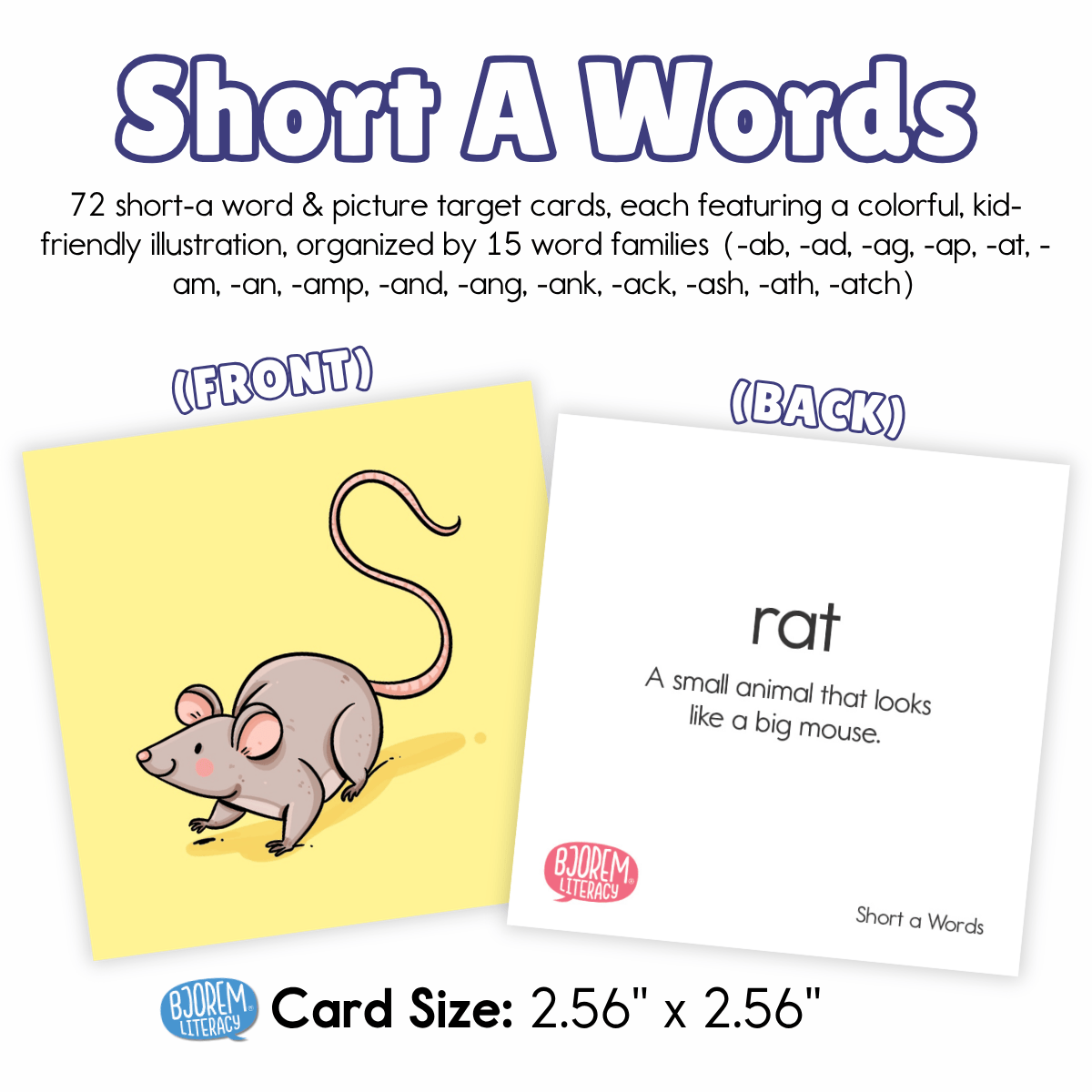
Word families, such as -at words, let students practice a single short vowel pattern while learning that -at is a rime, and that words sharing that rime also rhyme. Pairing these words with familiar vocabulary and engaging pictures keeps practice meaningful and motivating.
Short Vowels in Longer Words
Closed syllables aren't limited to one-syllable words. Many multisyllabic words are made up of closed syllables, each with a short vowel:
-
napkin (nap-kin)
-
sunset (sun-set)
-
rabbit (rab-bit)
-
basket (bas-ket)

Once students know the closed-syllable pattern, they can break longer words into parts and read each syllable. In VC/CV words, students divide between the two middle consonants, so each syllable ends in a consonant and has a short vowel. The short vowel knowledge students built with simple words carries directly into longer, more complex words.
Sorting for Practice
Sorting is another effective way to practice short vowels. Once students have learned several short vowel sounds, reading and spelling sorts by vowel sound help them isolate each vowel, build phonemic awareness, and reinforce the patterns they've learned. You can also sort by initial sound, final sound, final digraph, or any other pattern you want to target.
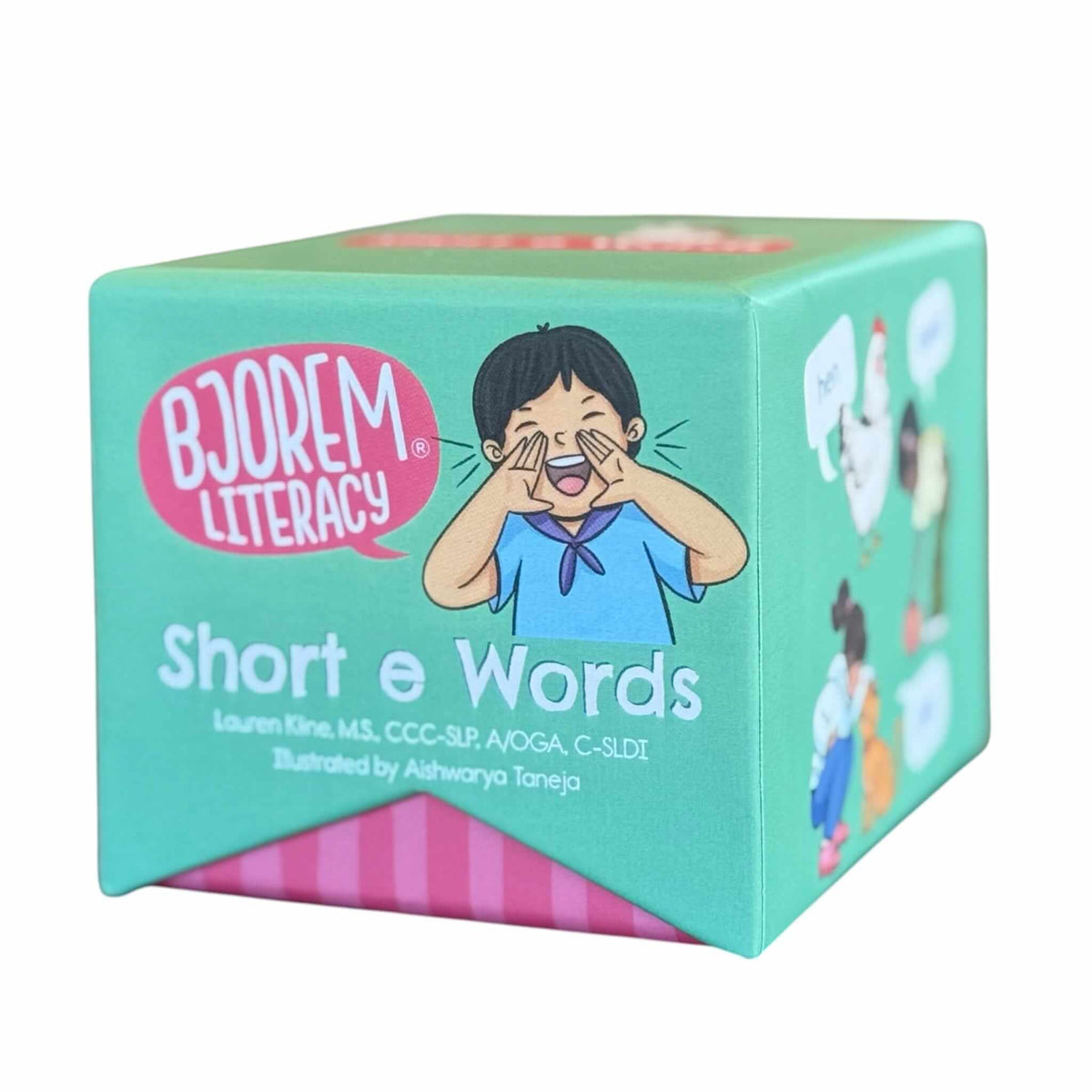
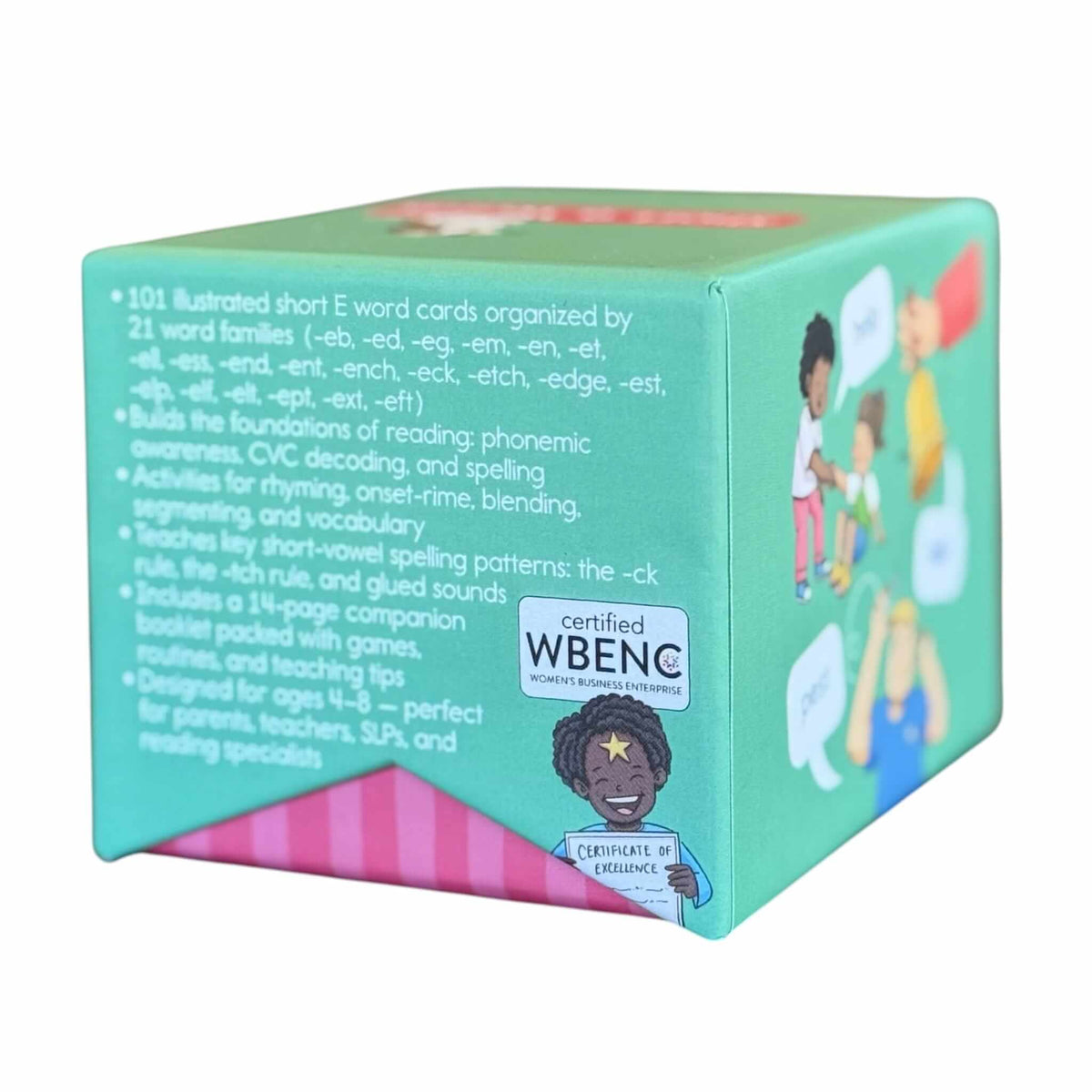
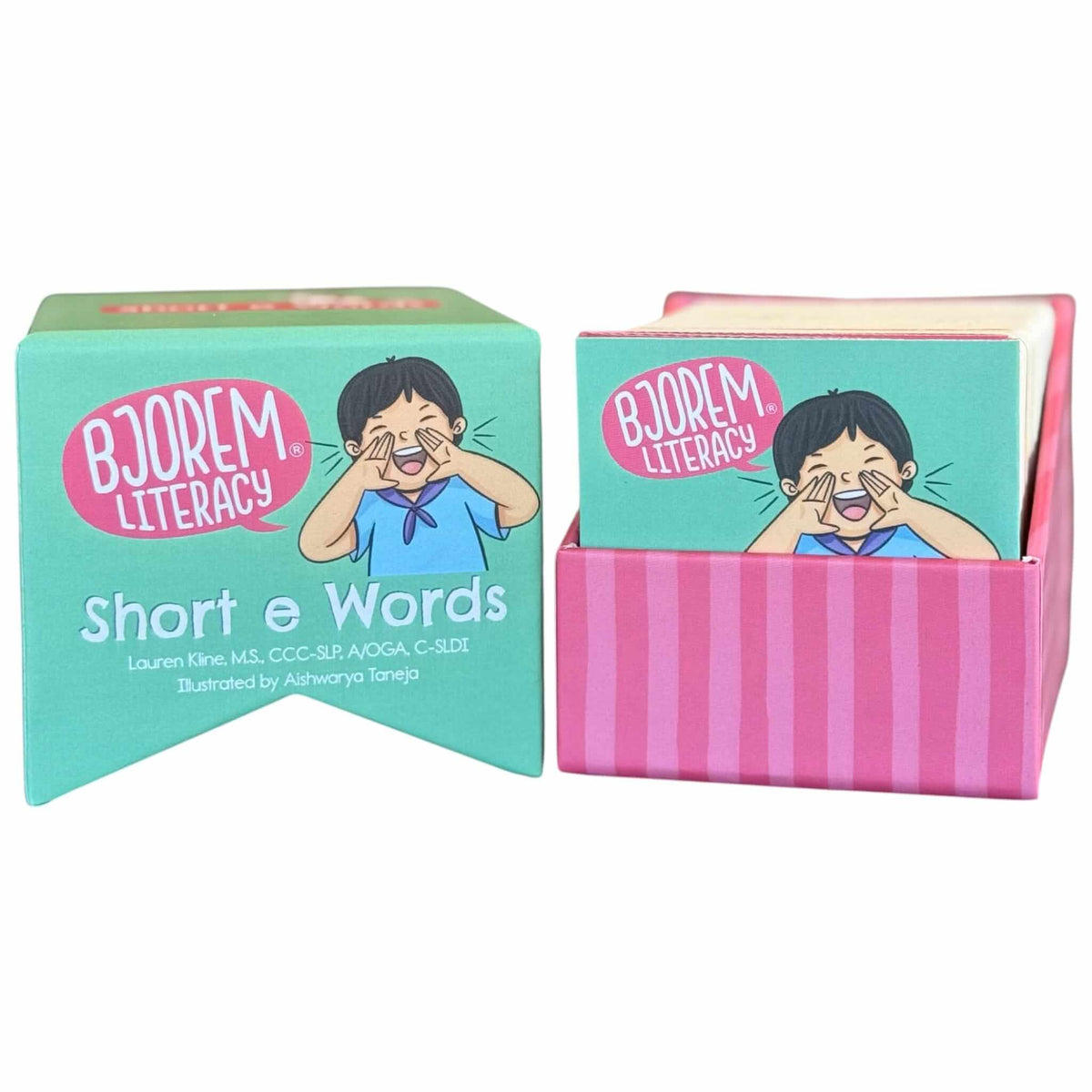
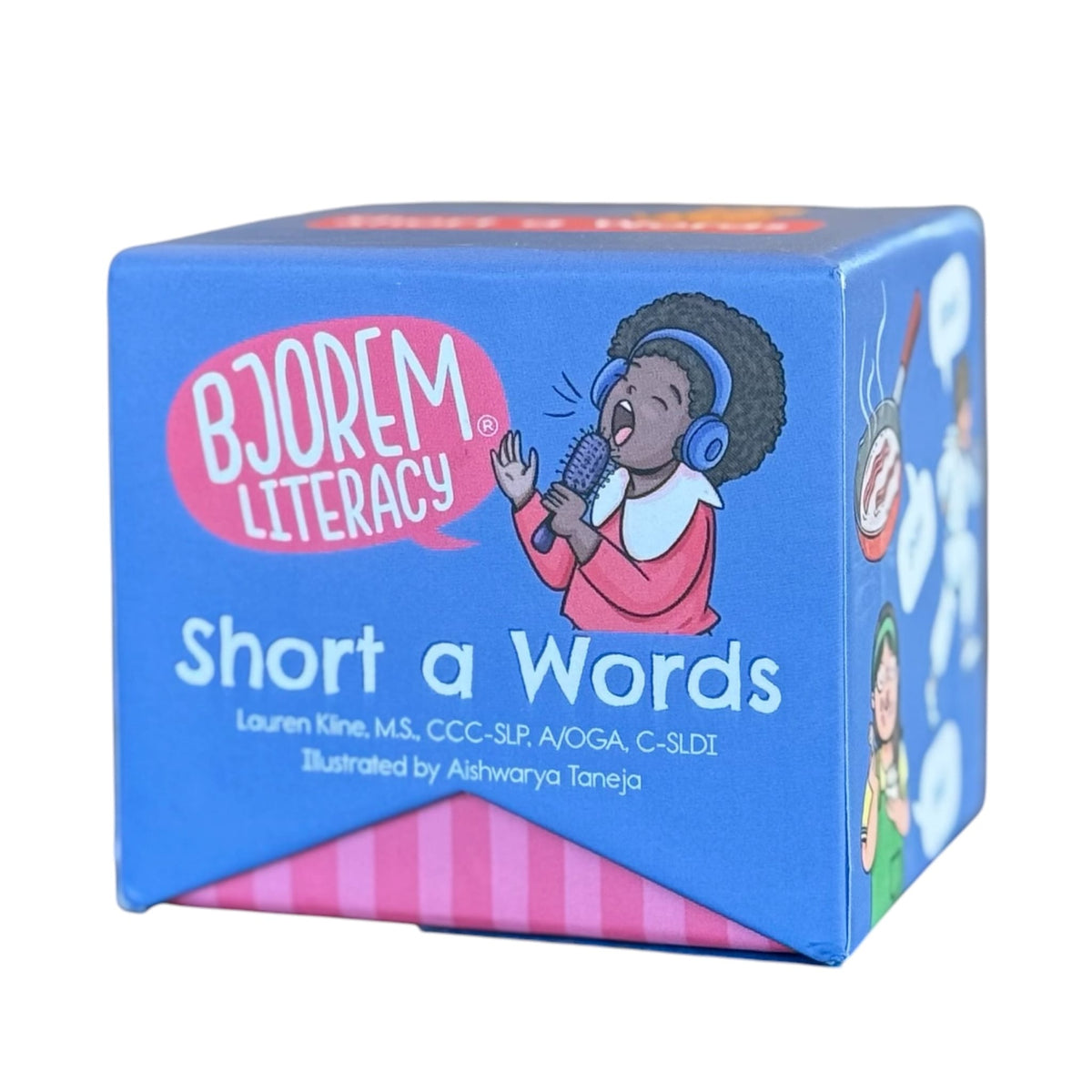
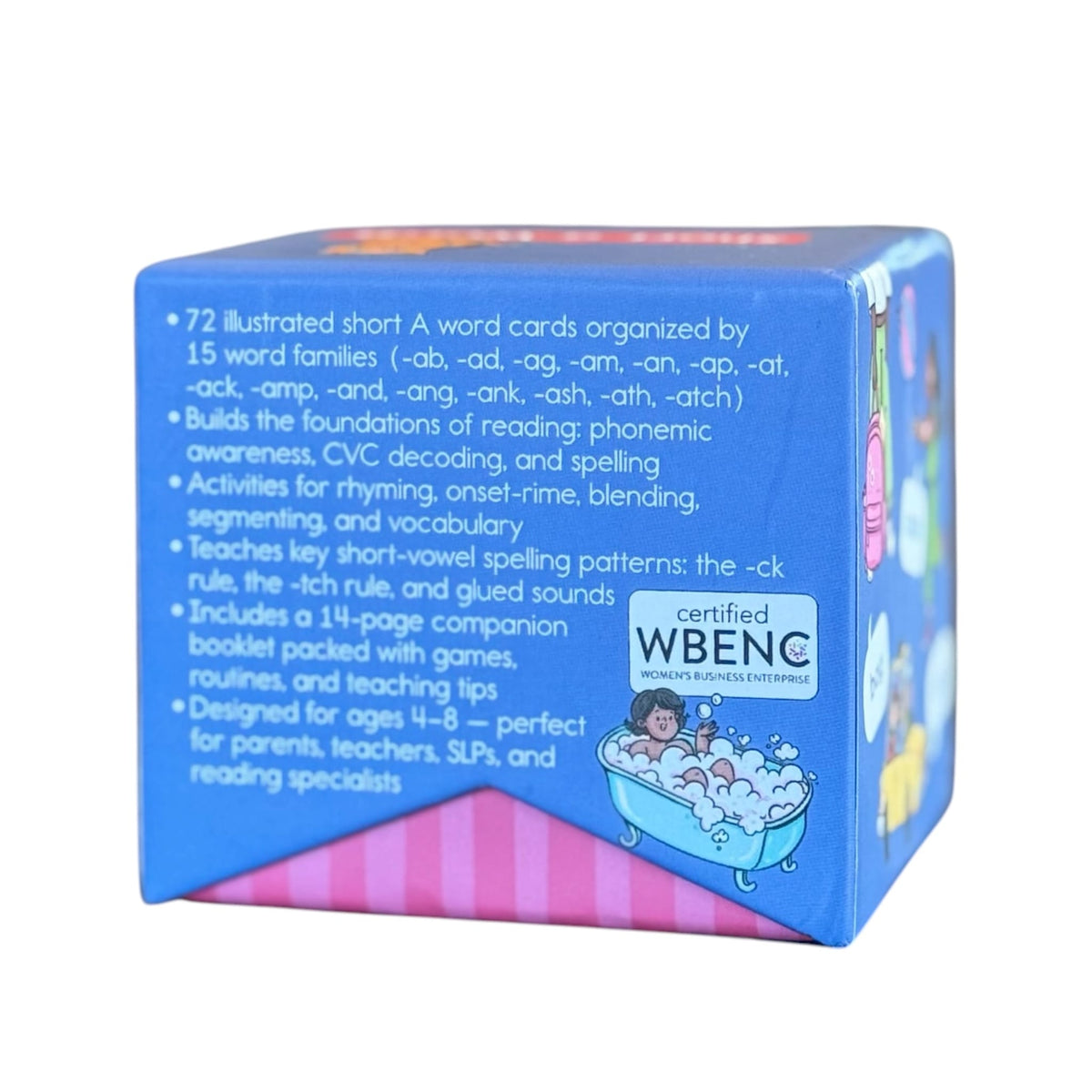
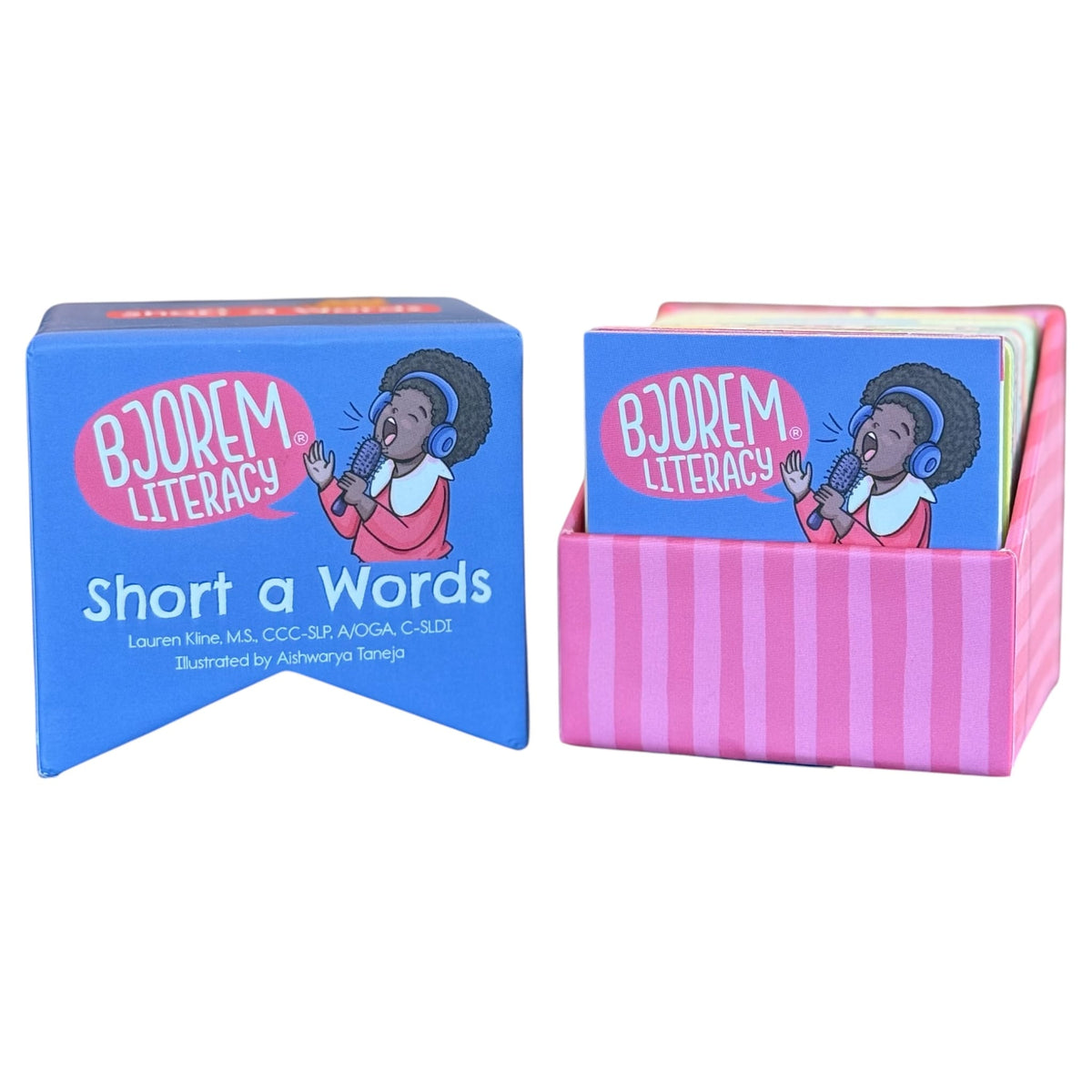
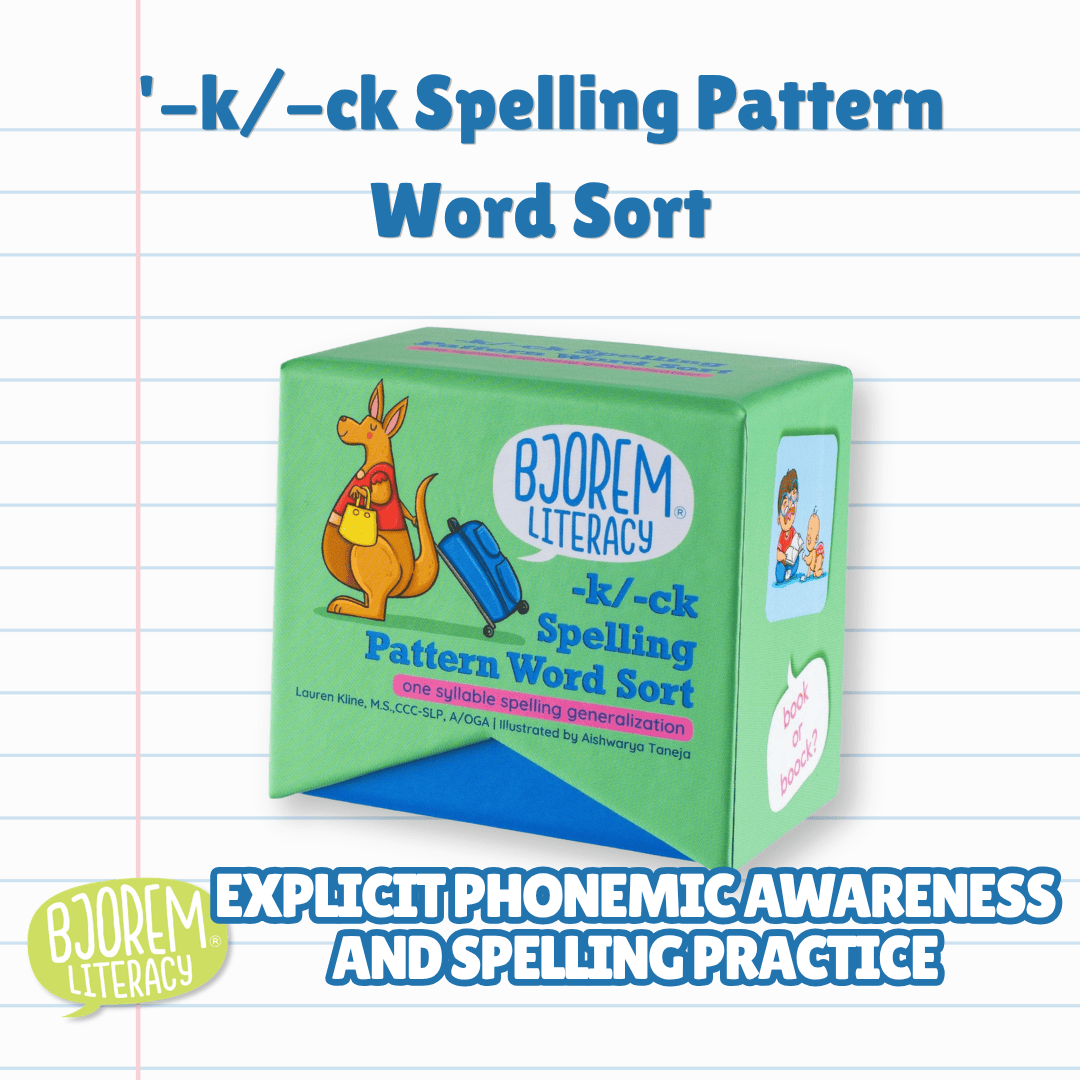
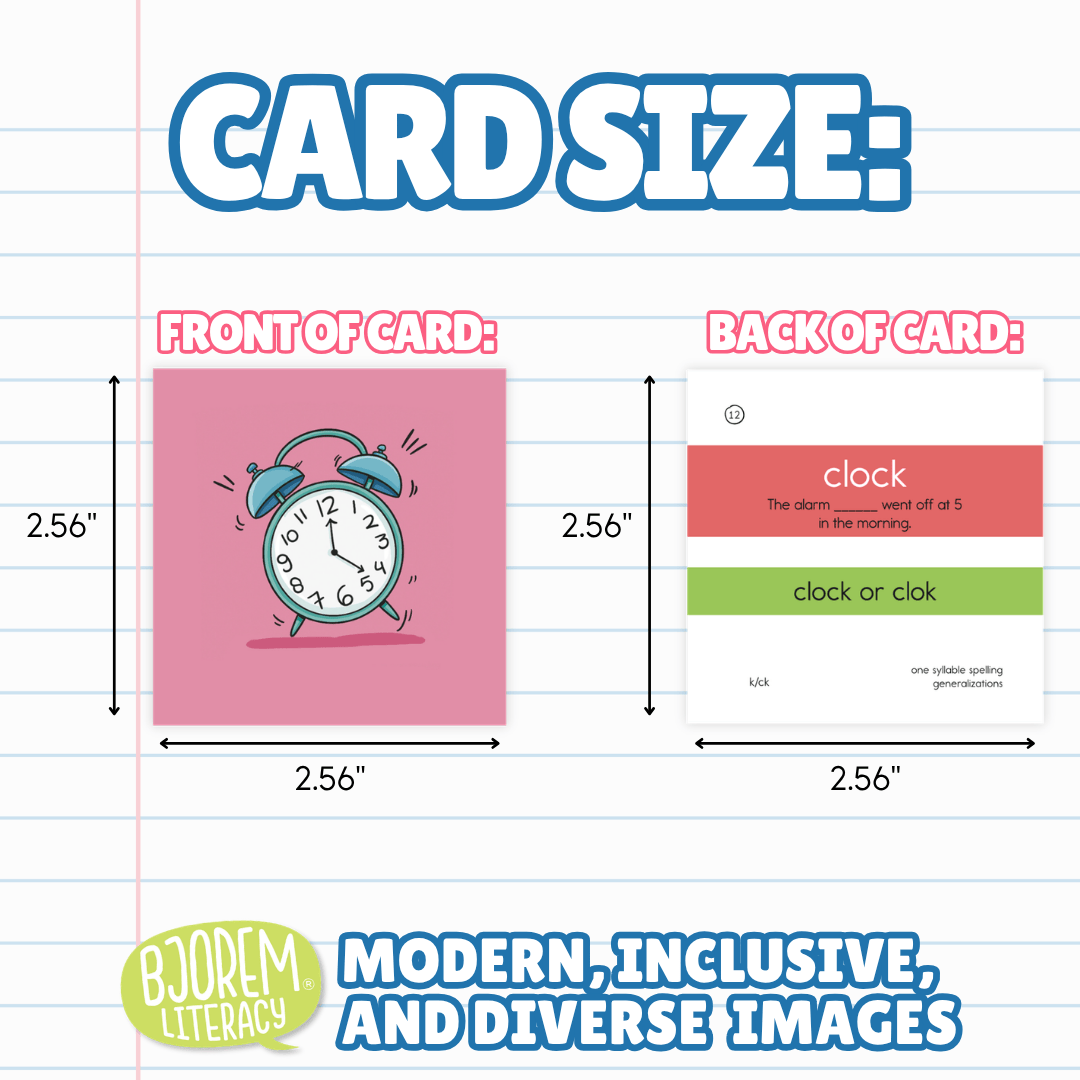
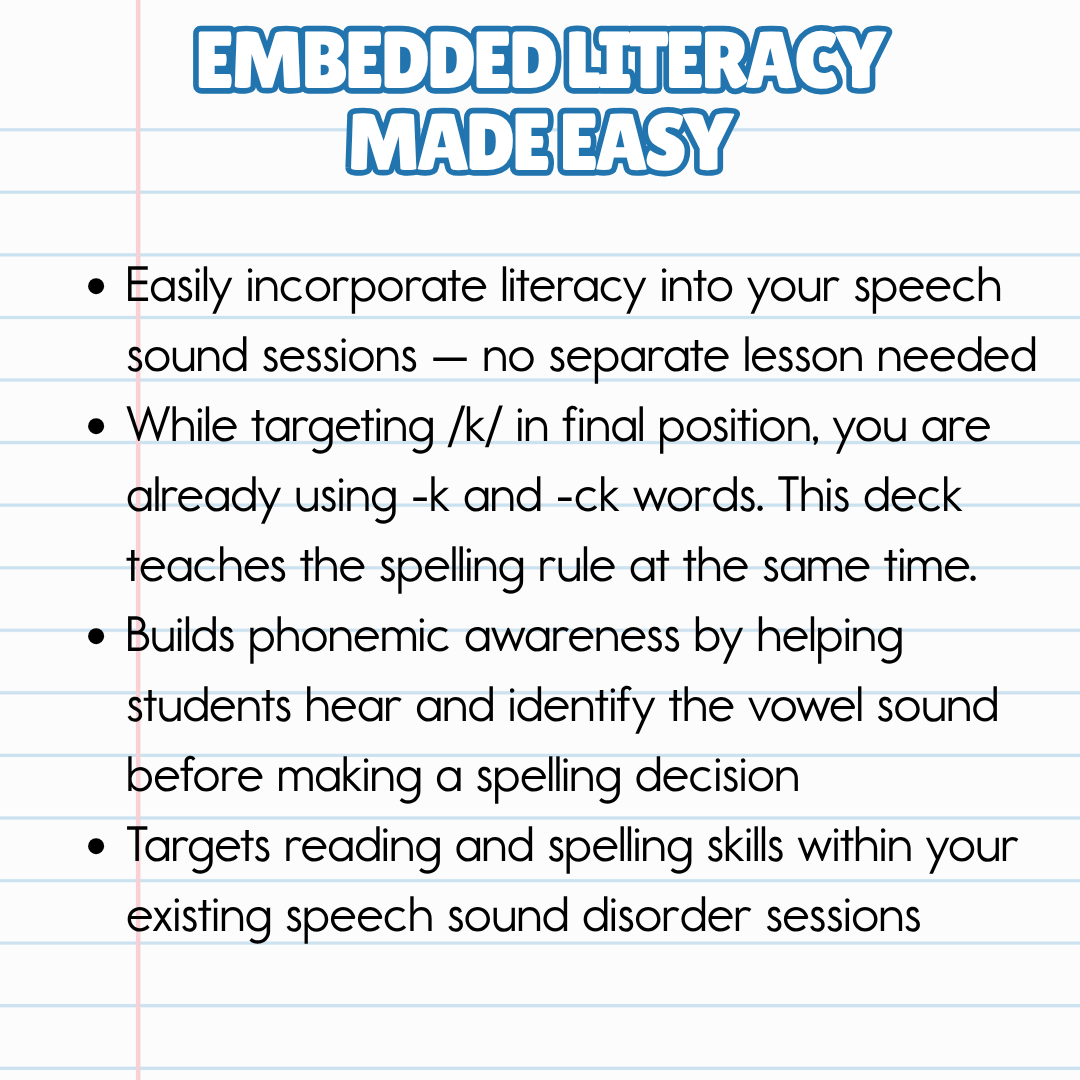
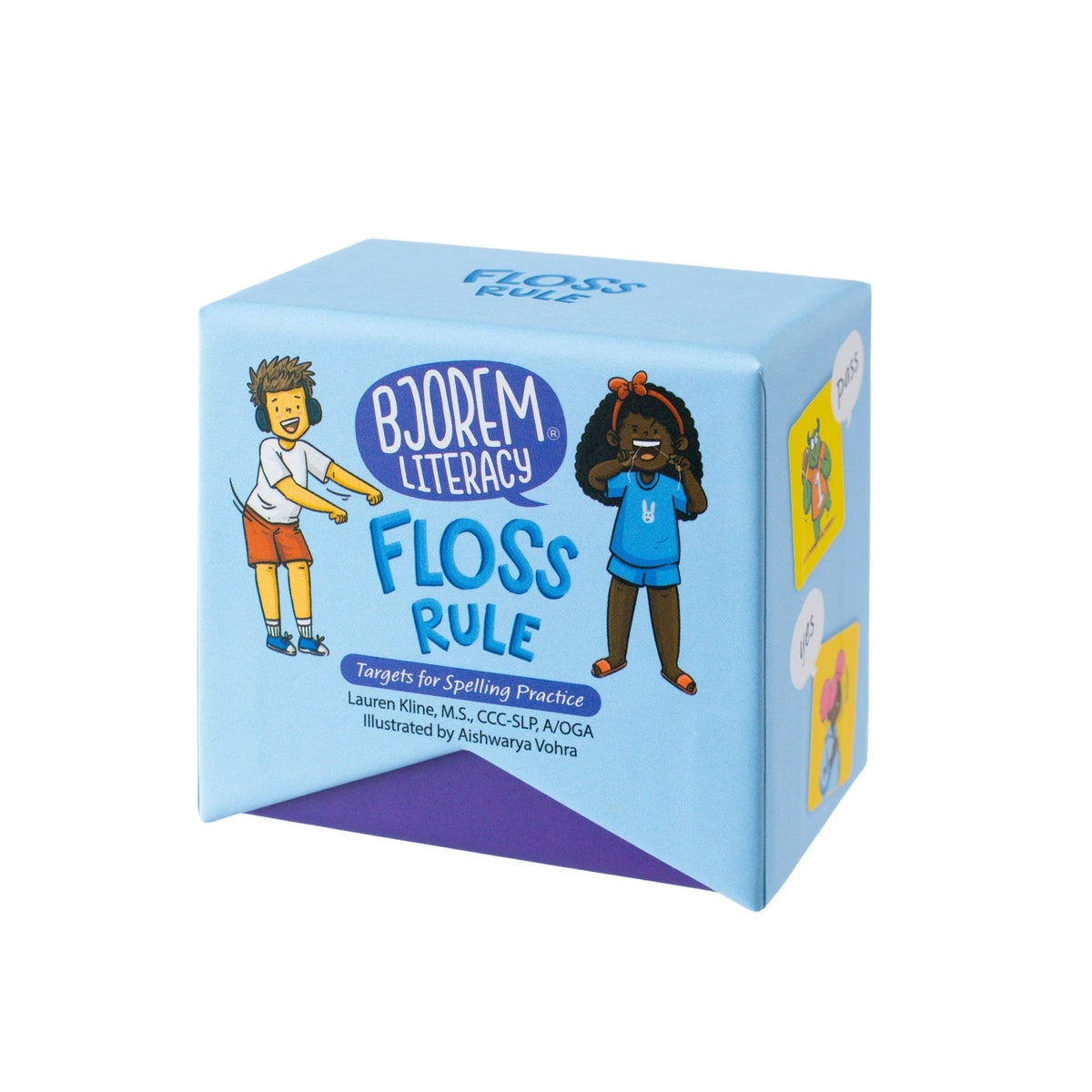
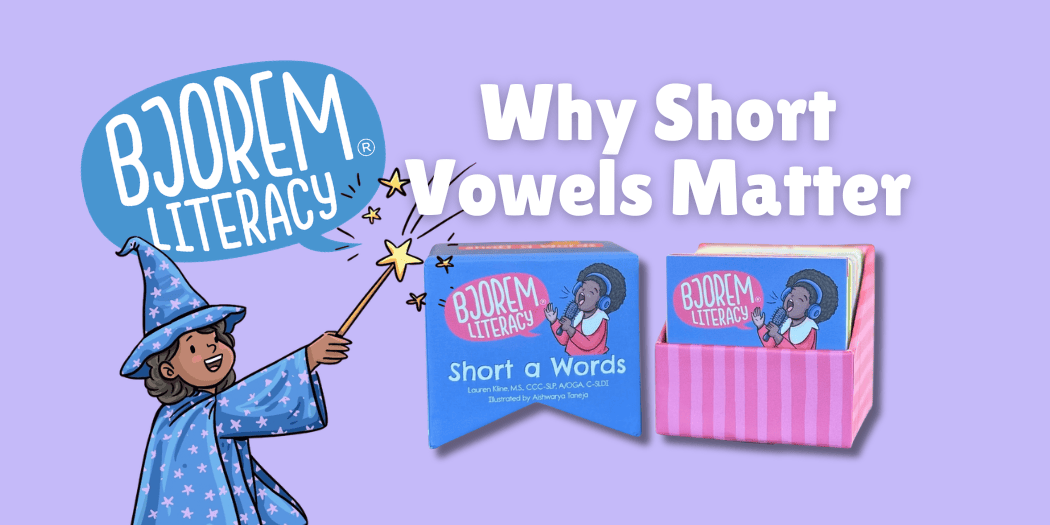
The new Bjorem Literacy Short Vowel Decks are designed to target all of these goals and more. Use them to build decoding, spelling, phonological awareness, and vowel discrimination in one engaging, structured resource.