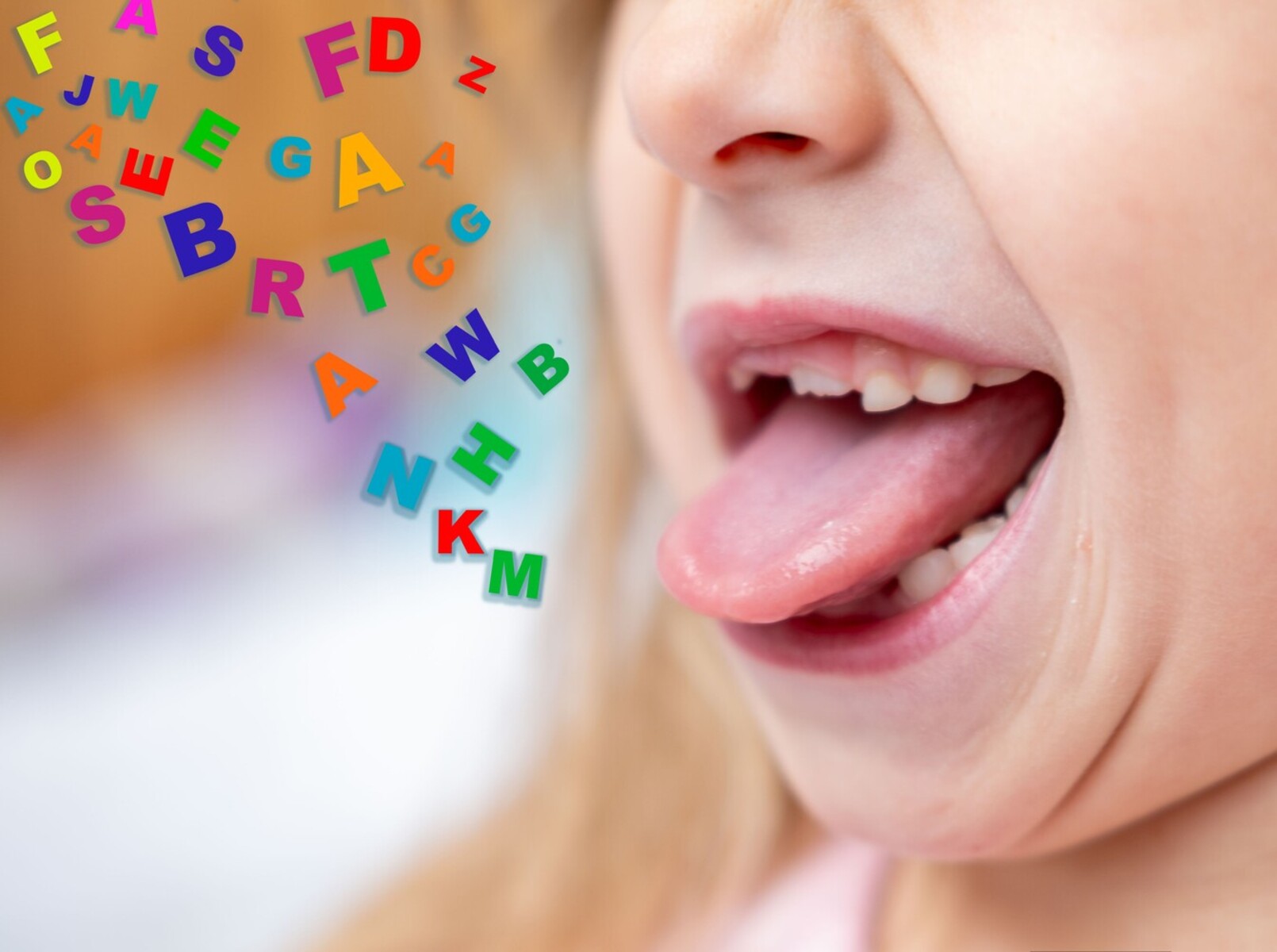
You notice something is off. Your child has so much to say. You can see it in their eyes, the way they light up when their favorite show comes on. But when they open their mouth, the words just don't come out right. Maybe they sound garbled. Maybe different every time. And nobody seems to have a clear answer for why.
So, what is apraxia in kids? It is a specific type of motor speech disorder called childhood apraxia of speech, or CAS. At Bjorem Speech, we believe the first step toward helping your child is understanding what you are actually dealing with. Let's break it down, in plain language, without the scary clinical jargon.
What this article covers:
What Is Childhood Apraxia of Speech?
Childhood apraxia of speech is a neurological speech sound disorder that makes it difficult for a child to speak. The problem is not with your child's intelligence, their understanding of language, or the strength of their mouth muscles.
CAS affects the nerve pathways that send messages from the brain to the mouth, which means a child has trouble planning and carrying out the movements needed for clear speech. Your child knows exactly what they want to say. The problem is in how their brain tells their mouth muscles to move.
The word "apraxia" comes from the root "praxis," meaning planned movement. That difficulty in planning speech movements is the hallmark of CAS. It is also a relatively rare condition. Around 60 out of every 1,000 children will have a speech sound disorder, but only one in every 1,000 children will have CAS specifically. That rarity is part of what makes it tricky to identify.

Childhood Apraxia of Speech Symptoms
Symptoms of CAS vary from child to child and tend to shift as the child grows. Here are some of the most commonly reported signs:
- Not making babbling or cooing sounds, or making only a limited variety of babbling sounds as an infant
- Speaking first words late, typically after 12 to 18 months, and using a limited number of consonants and vowels
- Saying words differently each time, or taking long pauses between sounds
- Trouble moving smoothly from one sound, syllable, or word to another
- Off-target movements of the jaw, lips, or tongue while searching for the correct position for speech sounds, sometimes called groping
- Incorrect vowel sounds, or misplaced stress in a word, such as pronouncing "banana" as BUH-na-nuh instead of buh-NA-nuh
- A flat or choppy speech pattern, with equal stress placed on every syllable
- Receptive ability that far exceeds expressive ability, meaning your child understands language at a much higher level than they can express
Causes of Childhood Apraxia of Speech
Researchers do not always know the exact cause of CAS in every child, but here are the main contributing factors identified so far:
- Interruptions in nerve pathways in the brain that are responsible for planning the movements necessary for speech
- Brain conditions or injuries such as stroke, infections, or traumatic brain injury
- Genetic factors, including changes to the FOXP2 gene, which helps the brain control muscles needed for talking; CAS is linked to gene differences in about one-third of children with the condition
- Larger chromosomal changes that affect multiple genes
- Certain genetic syndromes, such as Down syndrome or galactosemia, a condition that affects how the body processes certain sugars

How Does Apraxia of Speech Affect Children?
CAS affects children well beyond simply being hard to understand. The impact is social, emotional, and educational all at once. Children may miss language development milestones, struggle to keep up in the classroom, and have trouble with reading, spelling, and writing. Many children with CAS also have co-occurring language disorders, such as reduced vocabulary or difficulty with word order.
The emotional toll is real, too. Children who cannot communicate what they need often show it through their behavior: meltdowns, withdrawal, or acting out. It's not defiance. It's a child who desperately wants to connect and cannot find a way. The good news is that many children's speech improves significantly with the right treatment.
Concerned about other potential speech issues? Read our helpful guides on why do kids have speech delays and why do kids have speech impediments.
How Is Childhood Apraxia of Speech Diagnosed?
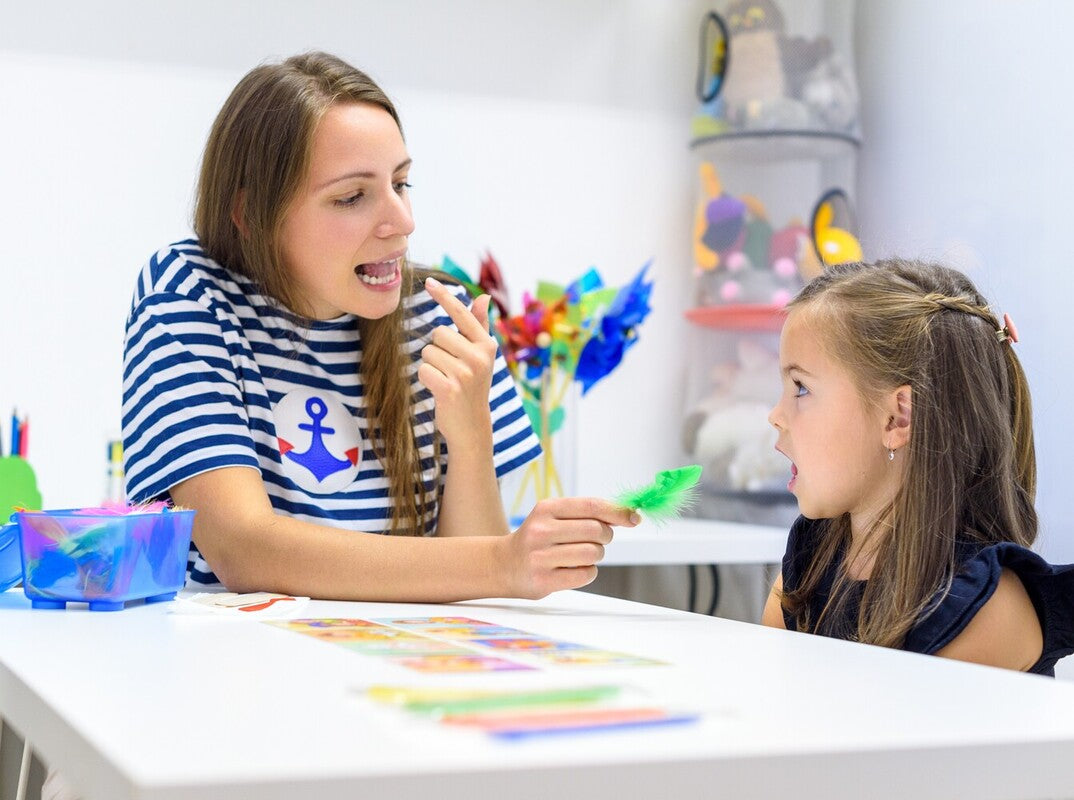
CAS is diagnosed by a licensed speech-language pathologist, or SLP. There is no single test that definitively confirms CAS, which is part of why it can take time to pin down. An SLP will review your child's history, test their hearing, assess oral-motor skills, and observe how they produce sounds.
They will also check for signs of mouth muscle weakness, evaluate consonant and vowel production, and listen for how your child handles pitch and pausing in speech.
CAS shares features with other speech disorders, so the differential diagnosis process matters. A correct diagnosis is essential because different speech sound disorders need different types of therapy.

When Should You Take Your Child to See a Healthcare Professional?
Trust your gut. If something feels off, it probably deserves a closer look. Contact your child's healthcare provider for a referral to an SLP if your child is missing language development milestones, showing signs of CAS, or expressing frustration when others cannot understand them.
Don't try to wait and see if your child grows out of it. CAS doesn't simply resolve on its own. When it comes to motor speech disorders, the motto we live by is: don't wait - evaluate. Early intervention makes a meaningful difference, and the sooner a child receives targeted therapy, the better their long-term outcomes tend to be.
How Is Childhood Apraxia of Speech Treated?
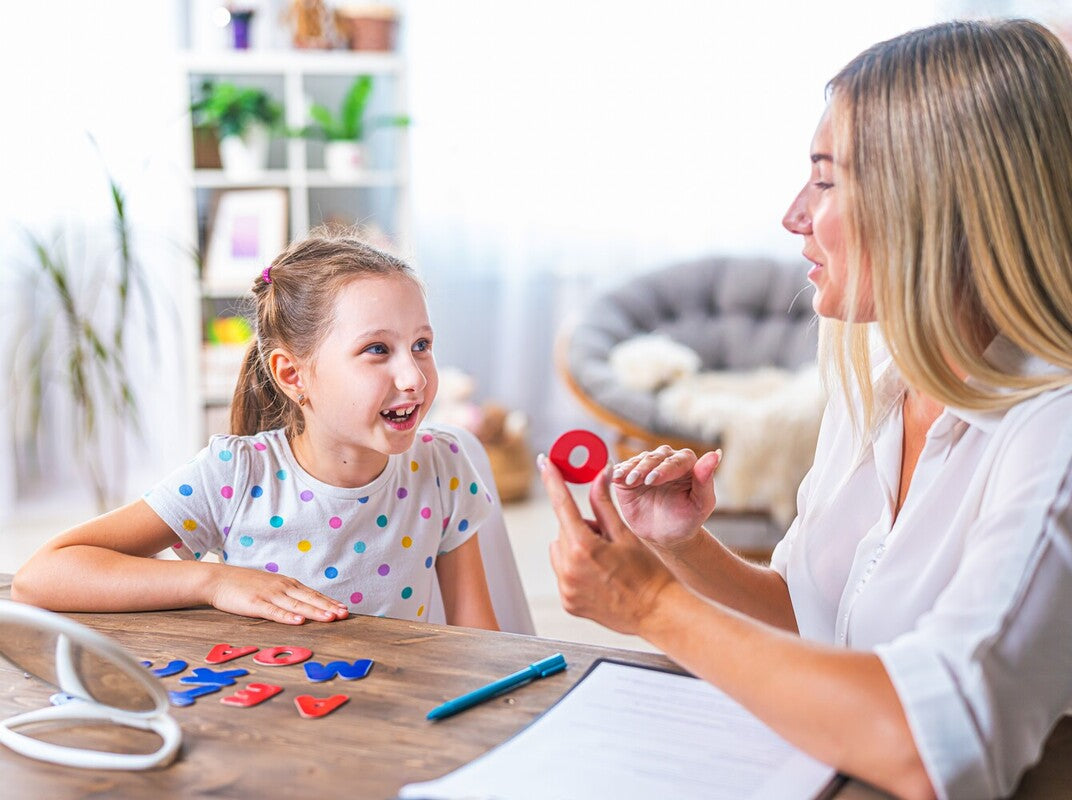
The cornerstone of CAS treatment is intensive, motor-based speech pathology for kids. This is not a standard once-a-week model. Many children see their SLP three to five times per week, with therapy focused on building and automating the specific movement patterns needed for speech.
For children with more severe CAS, alternative communication tools such as sign language or augmentative and alternative communication (AAC) devices can serve as important bridges while speech develops. These are not a sign of failure. They keep a child connected and communicating while the harder work is underway.
Home practice matters too. Your child's SLP will likely send assignments home between sessions. Progress happens in the hours outside the therapy room, and your involvement is one of the most powerful variables in your child's outcomes.
Speech therapy tools designed specifically for CAS, like the apraxia cards we create at Bjorem Speech, give parents and teachers a structured, engaging way to support their child's motor speech work between appointments. Progress happens in the hours outside the therapy room, and your involvement is one of the most powerful variables in your child's outcomes.

Conclusion
Childhood apraxia of speech is complex, but it is not a dead end. Your child's voice is in there. The ideas, the feelings, the personality: all of it is fully intact. With the right support and consistent practice, children with CAS make real and meaningful progress every day.
At Bjorem Speech, we create evidence-based tools designed by speech therapists to support exactly this kind of work, both in the therapy room and at home. Browse our full range of CAS resources and give your child the targeted support they deserve. The first step is getting the right evaluation. From there, everything else becomes possible.