


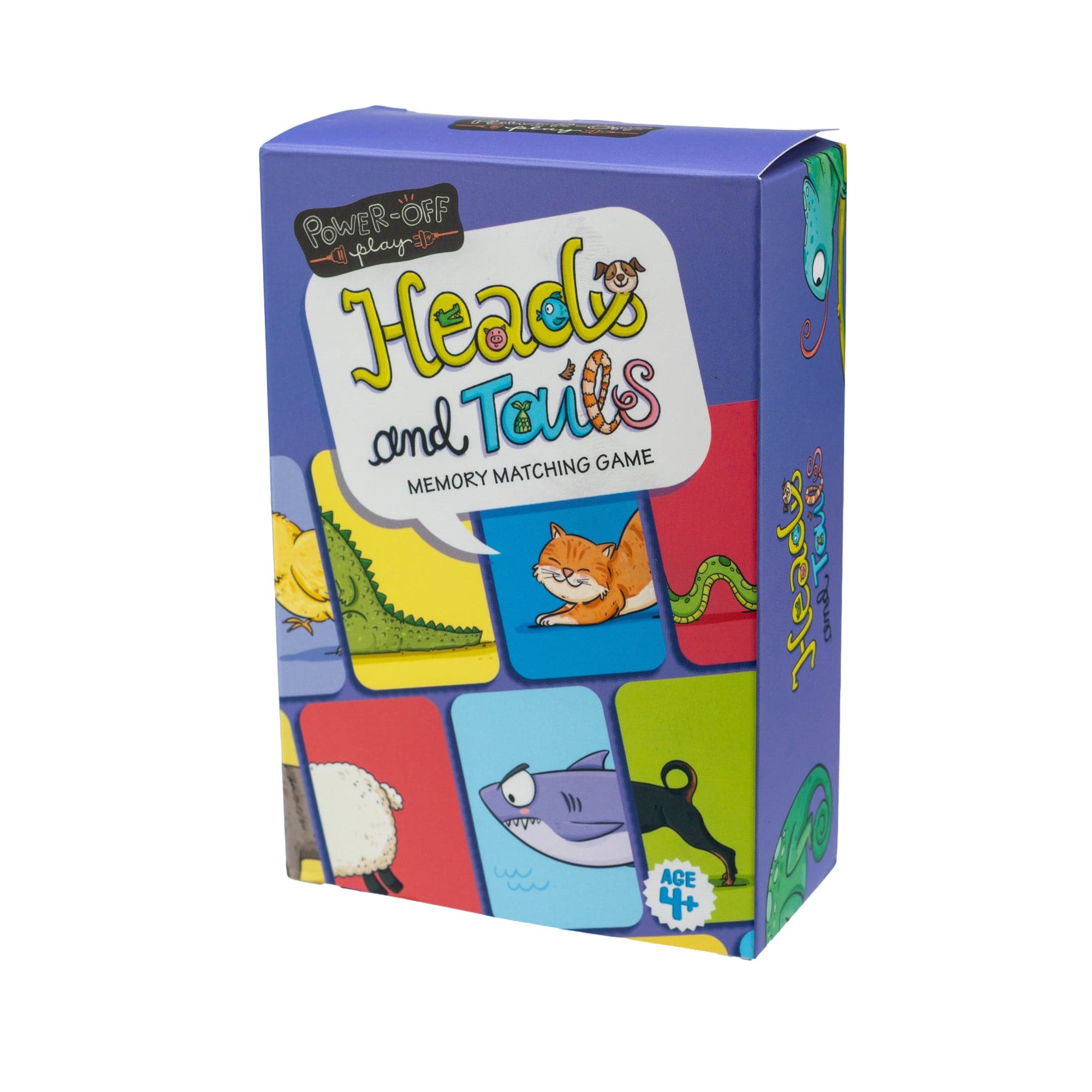
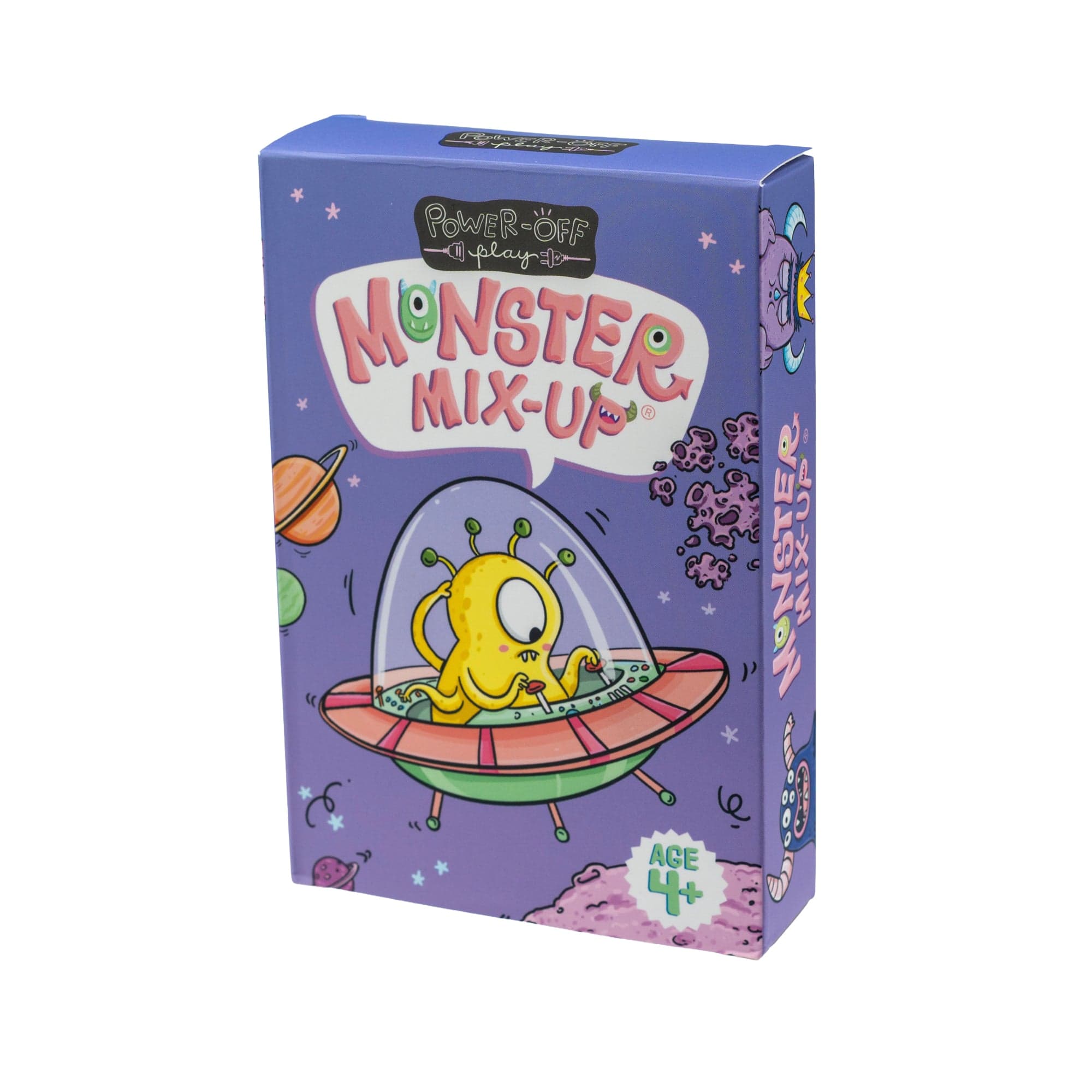
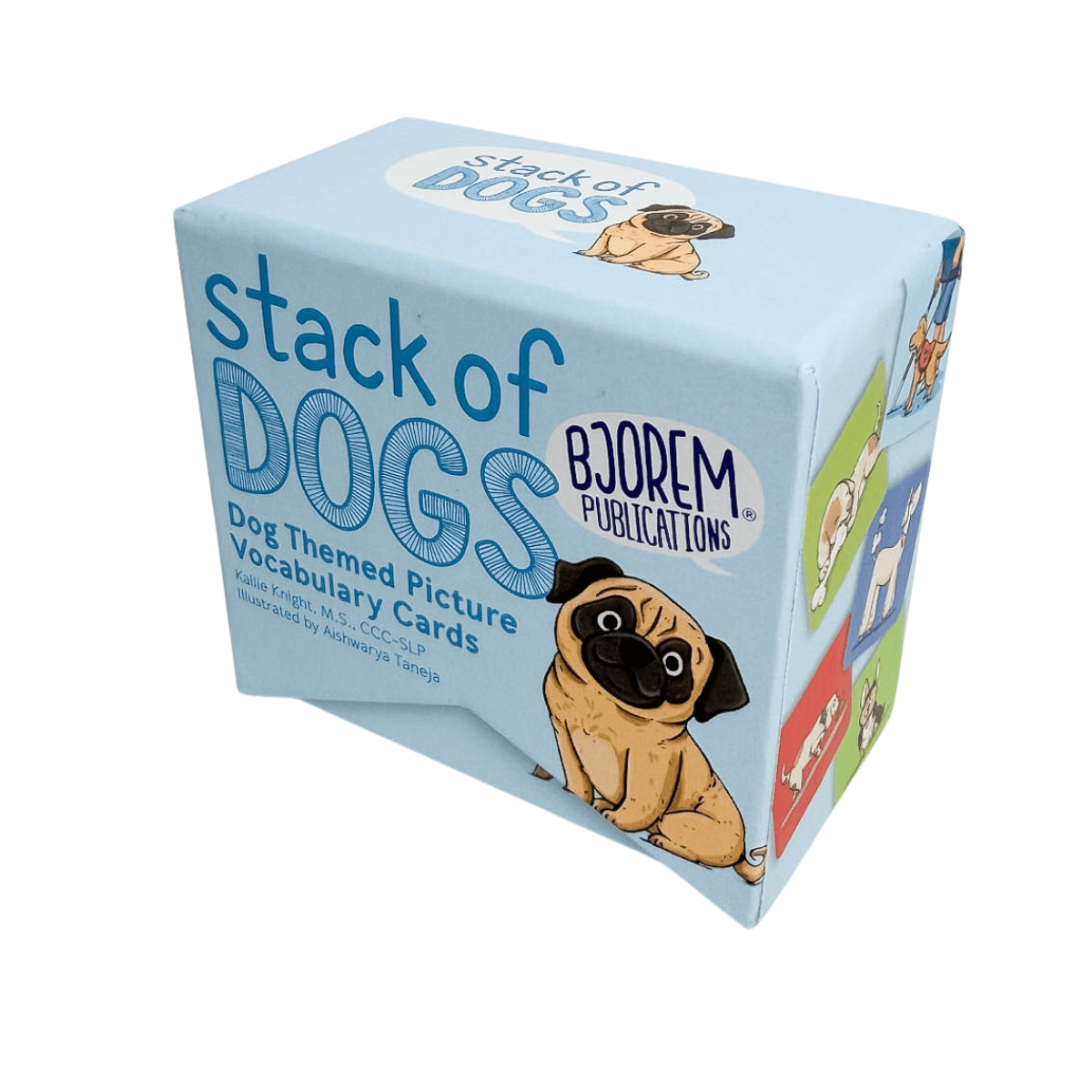

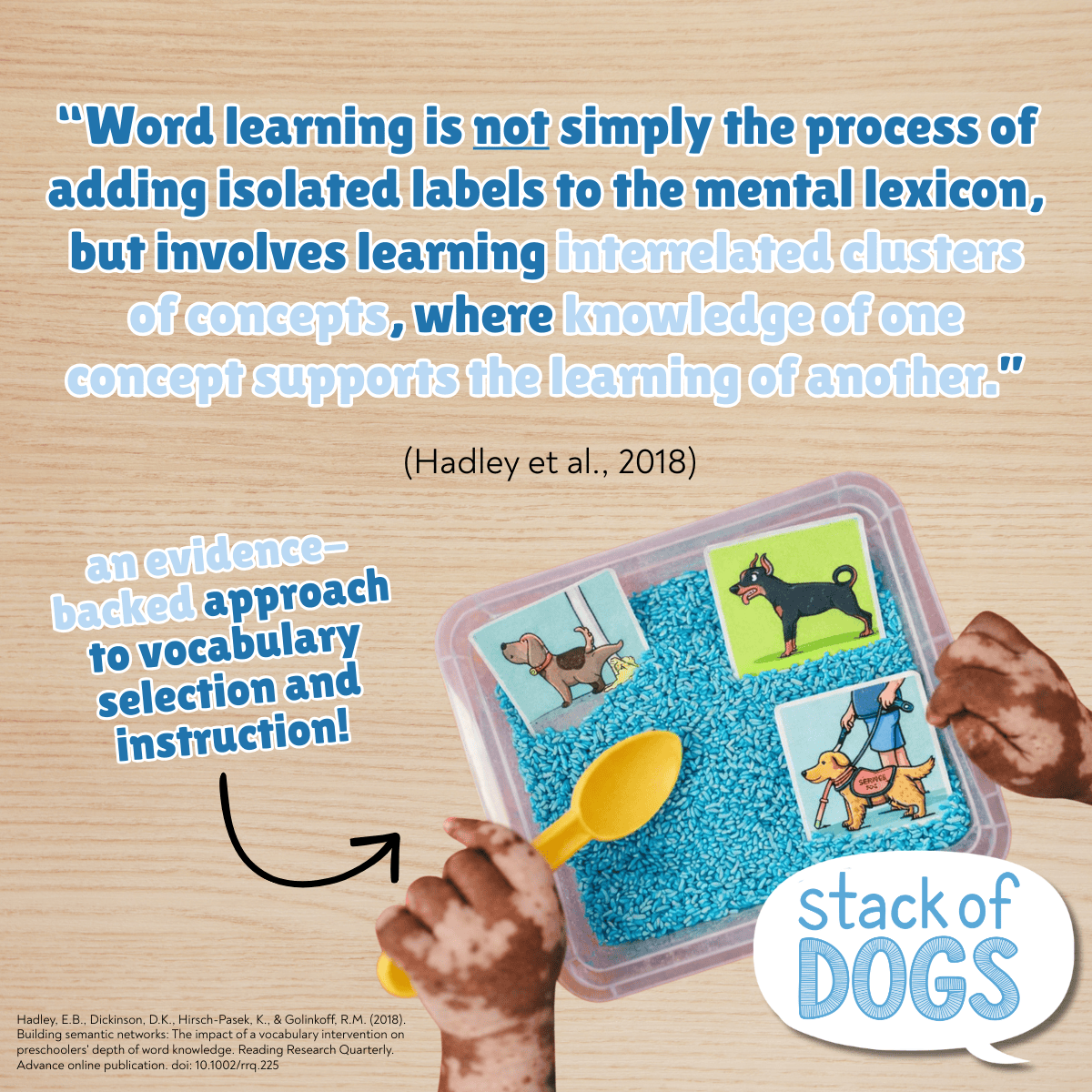
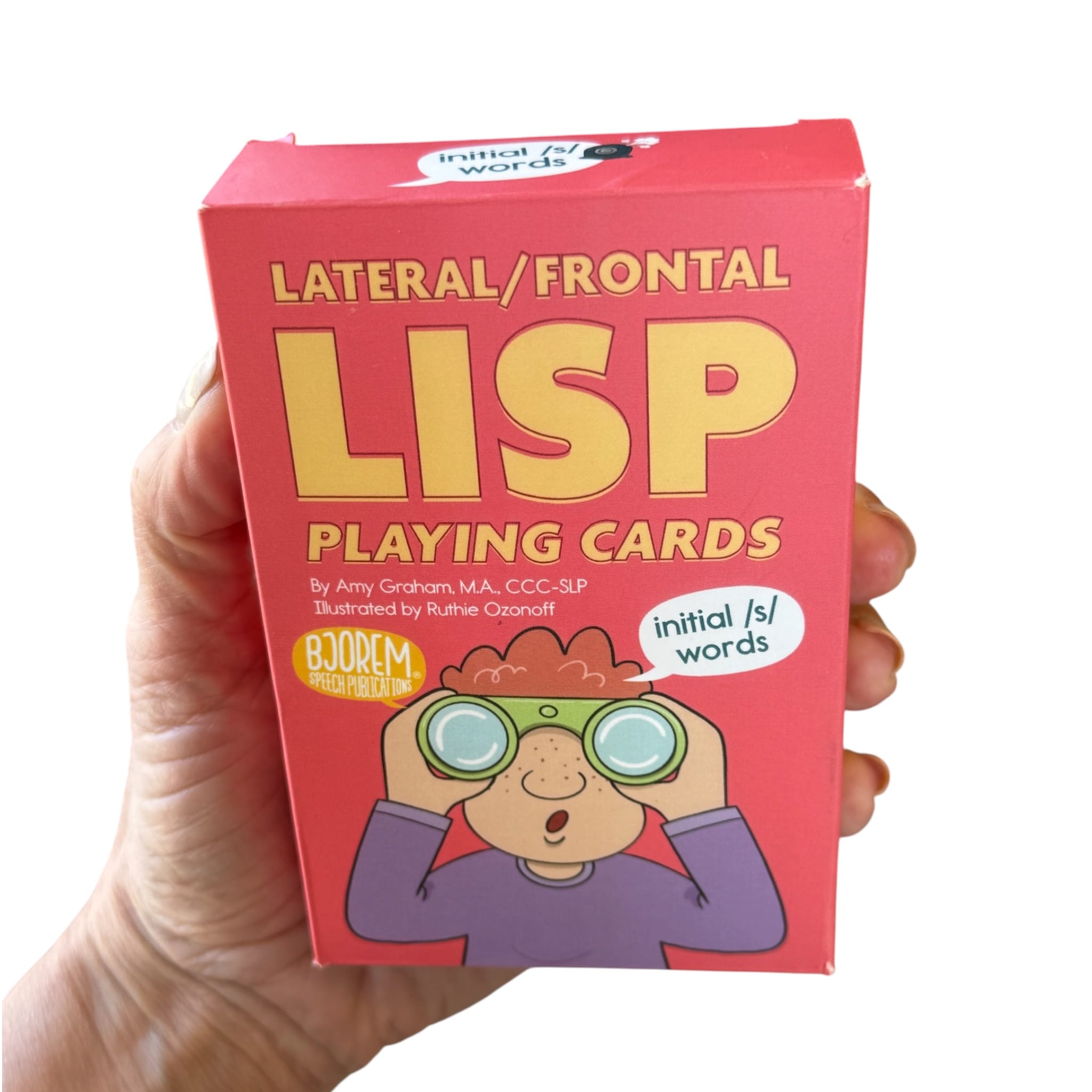
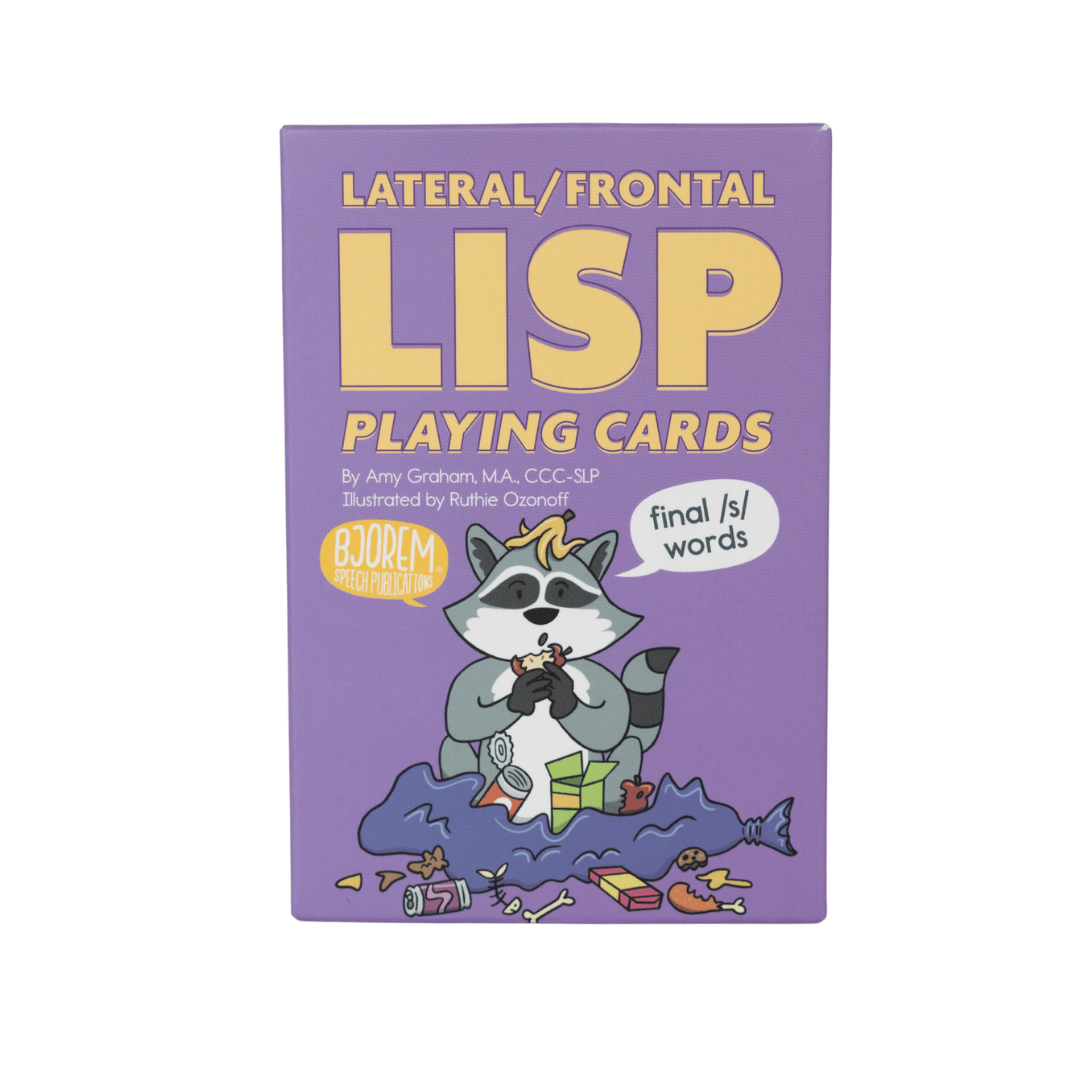
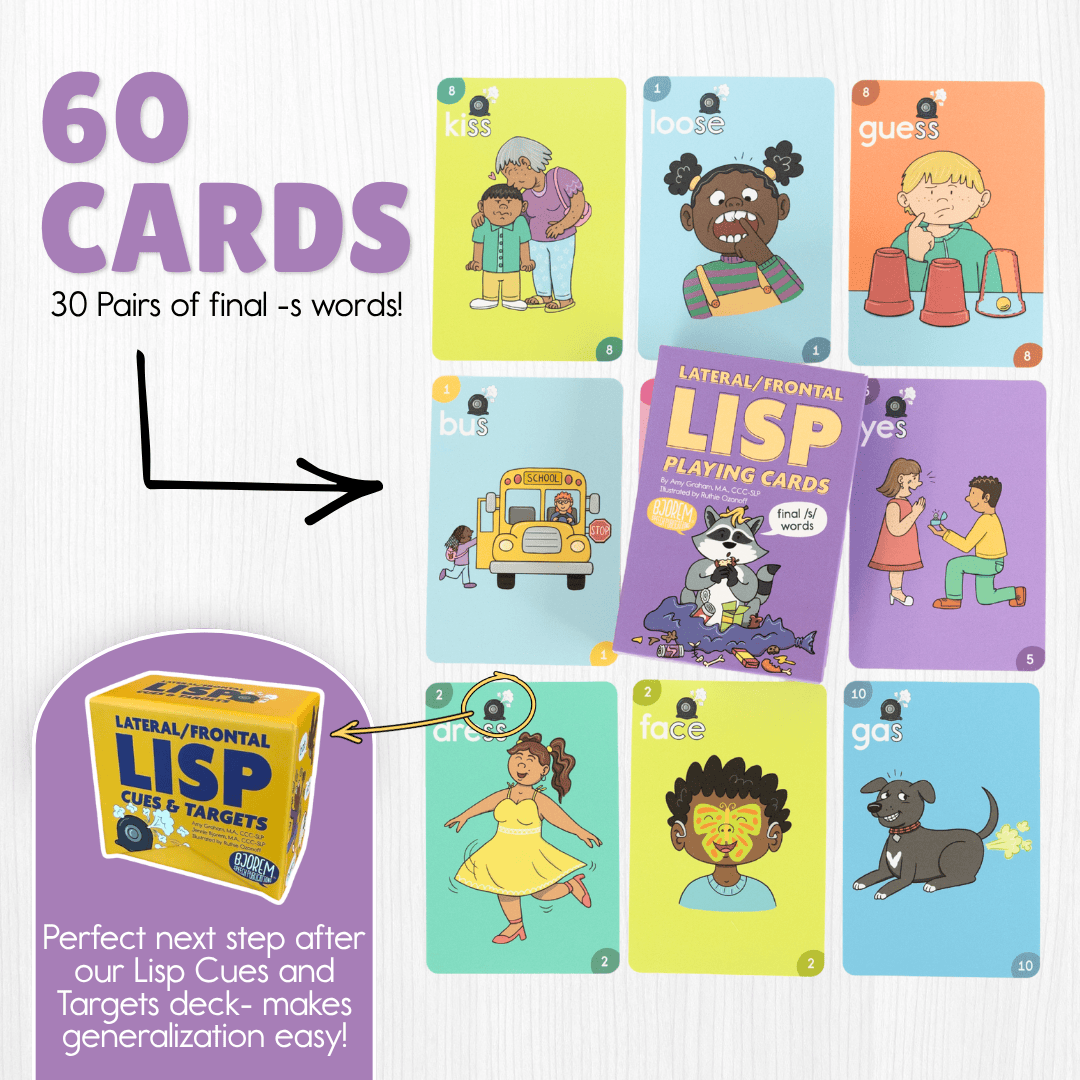
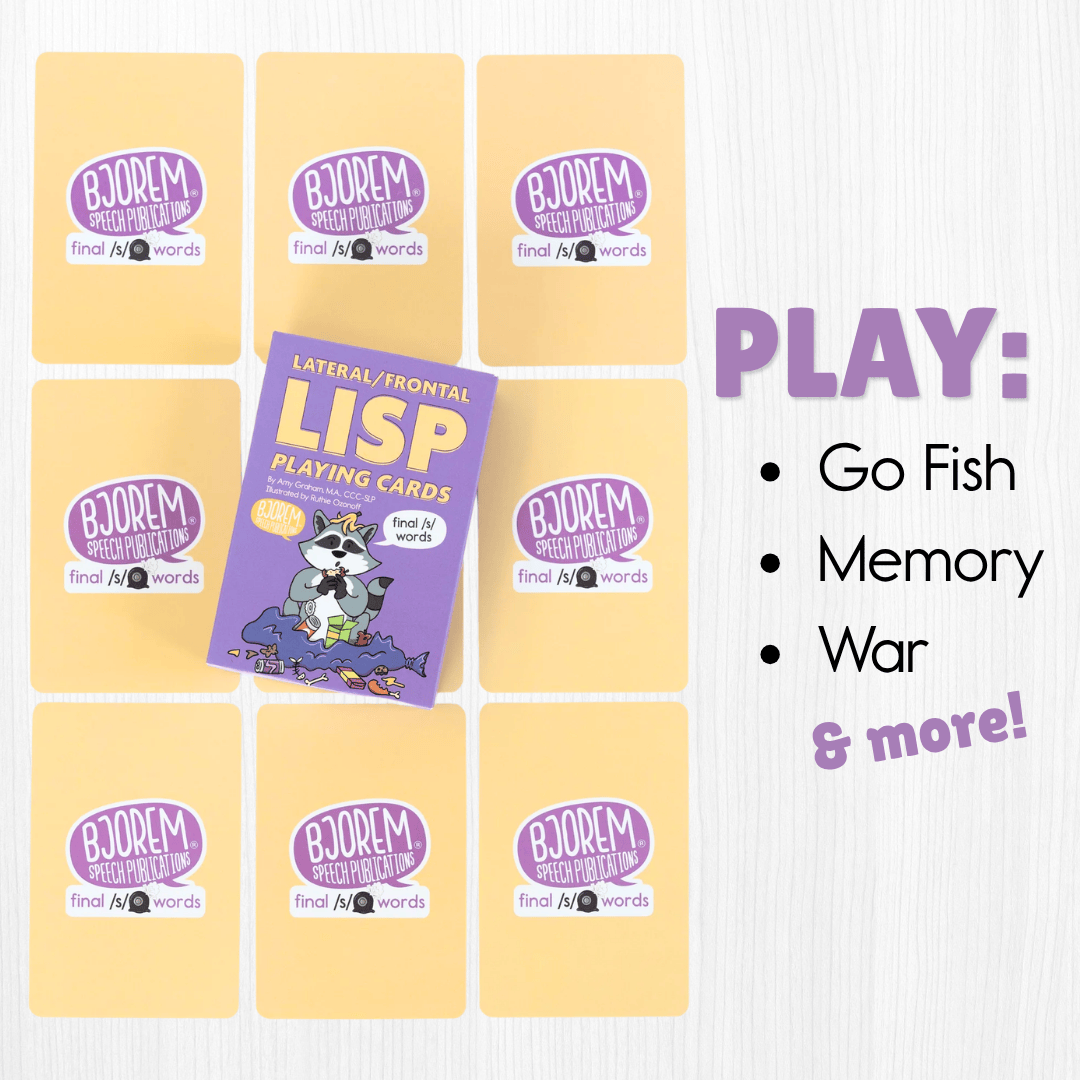


What else do I need to know about Flashcard Games?
Flashcard Games That Make High Repetition Feel Like Play
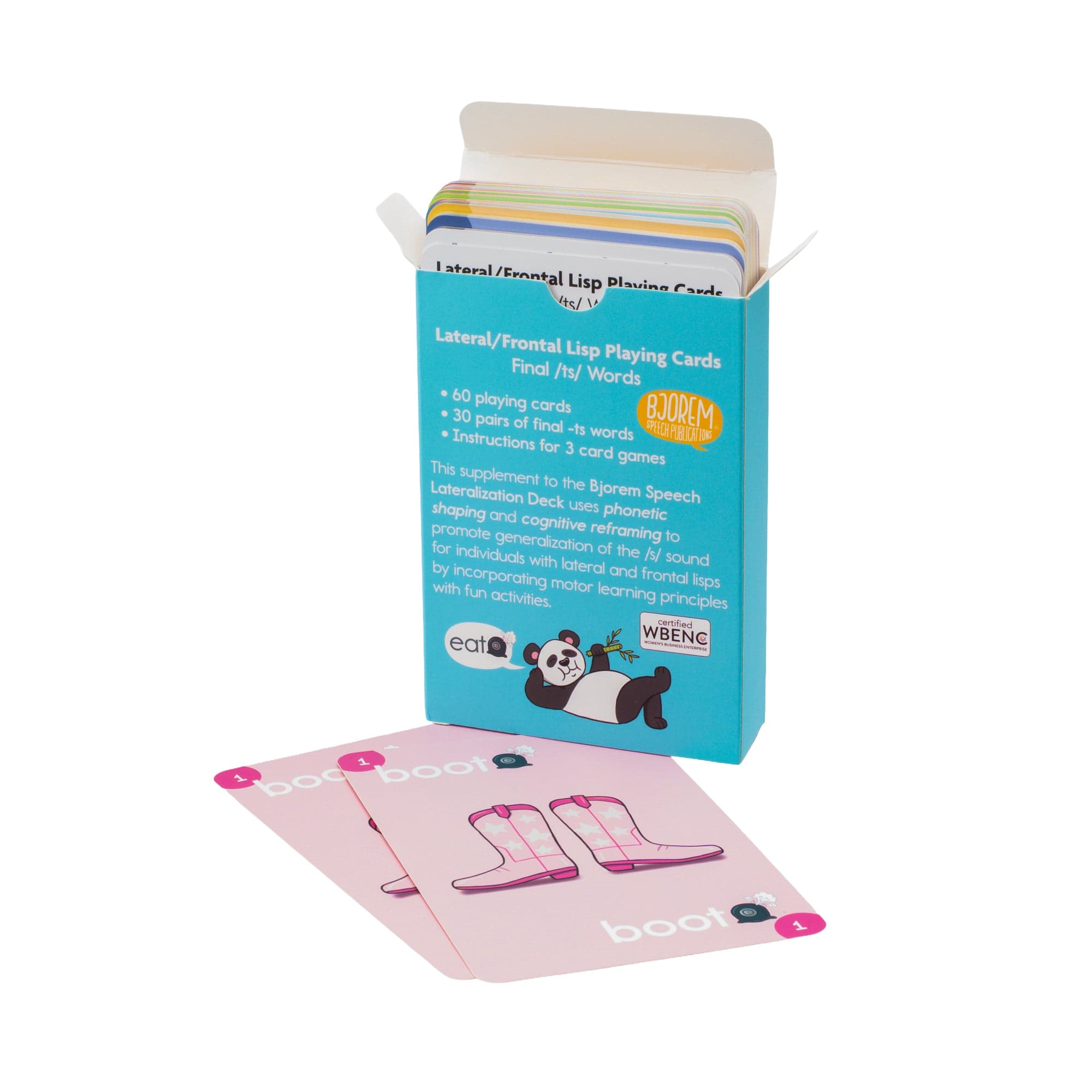
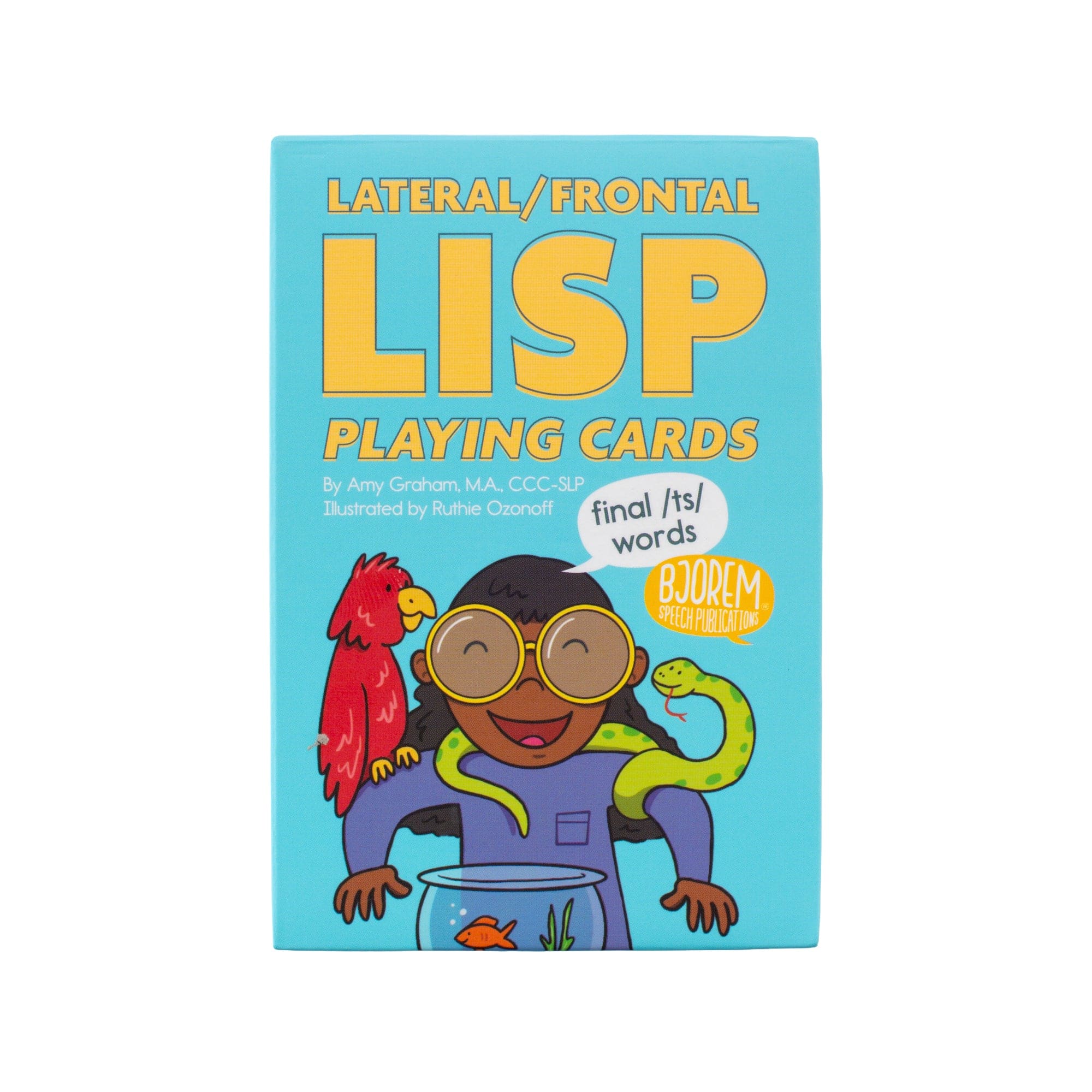
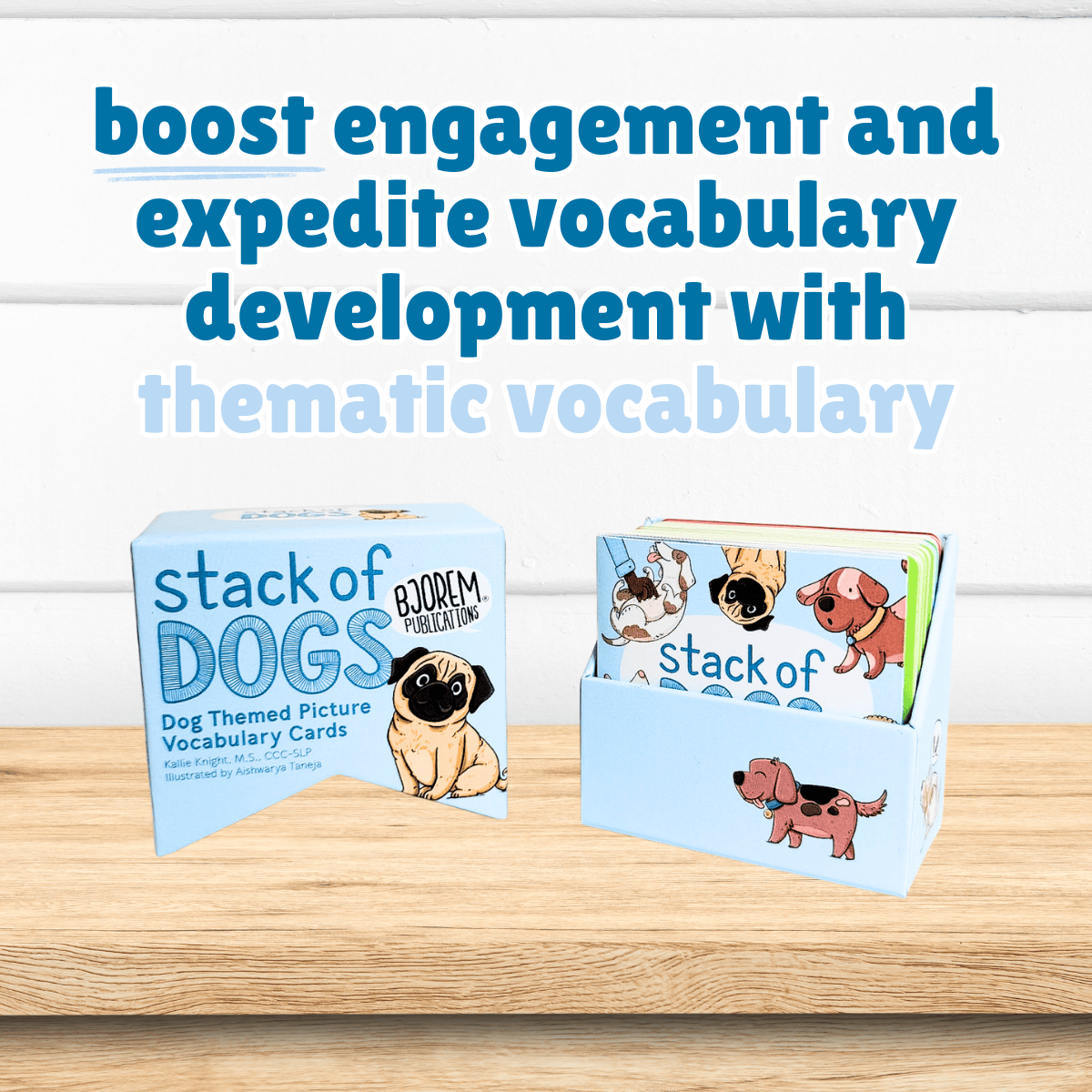
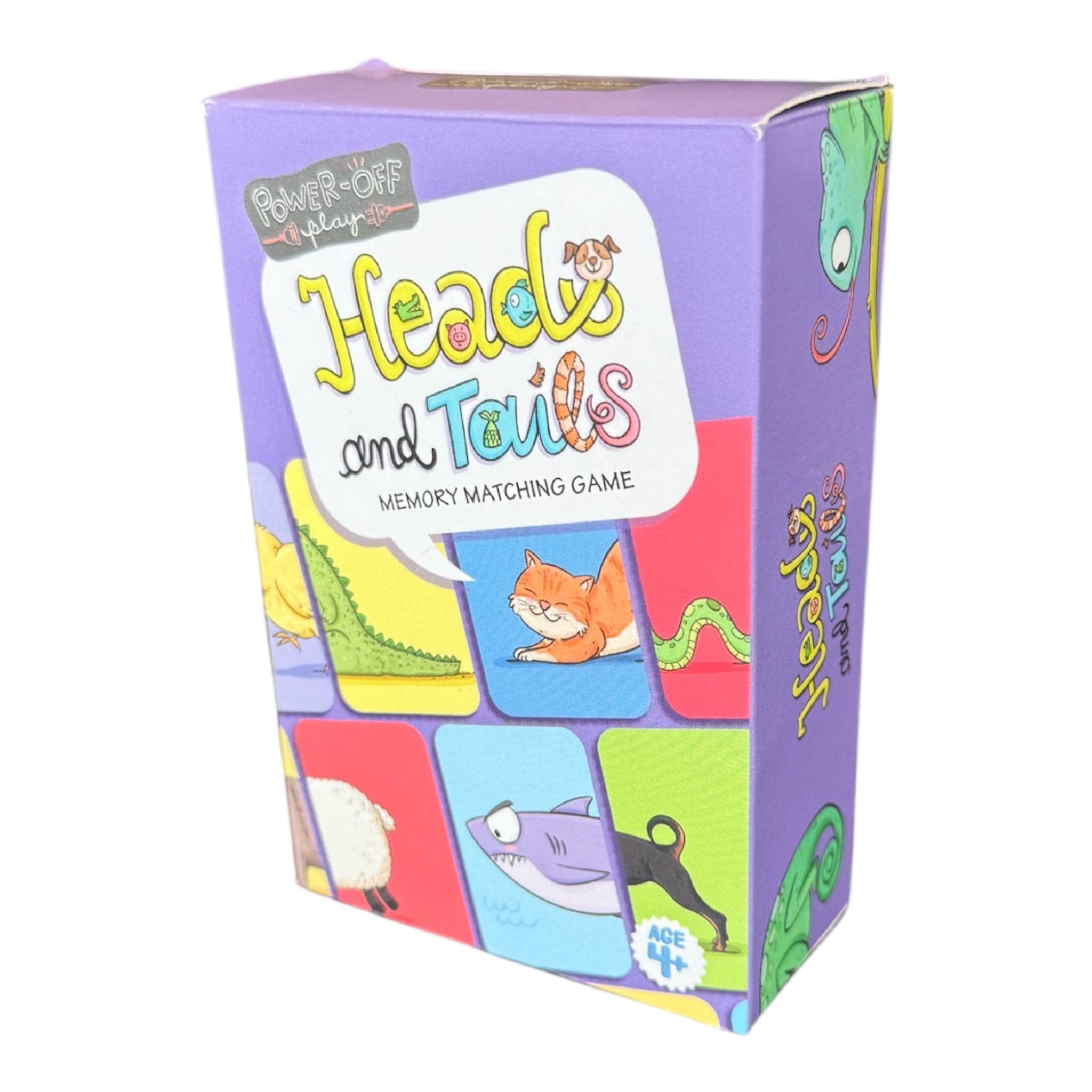
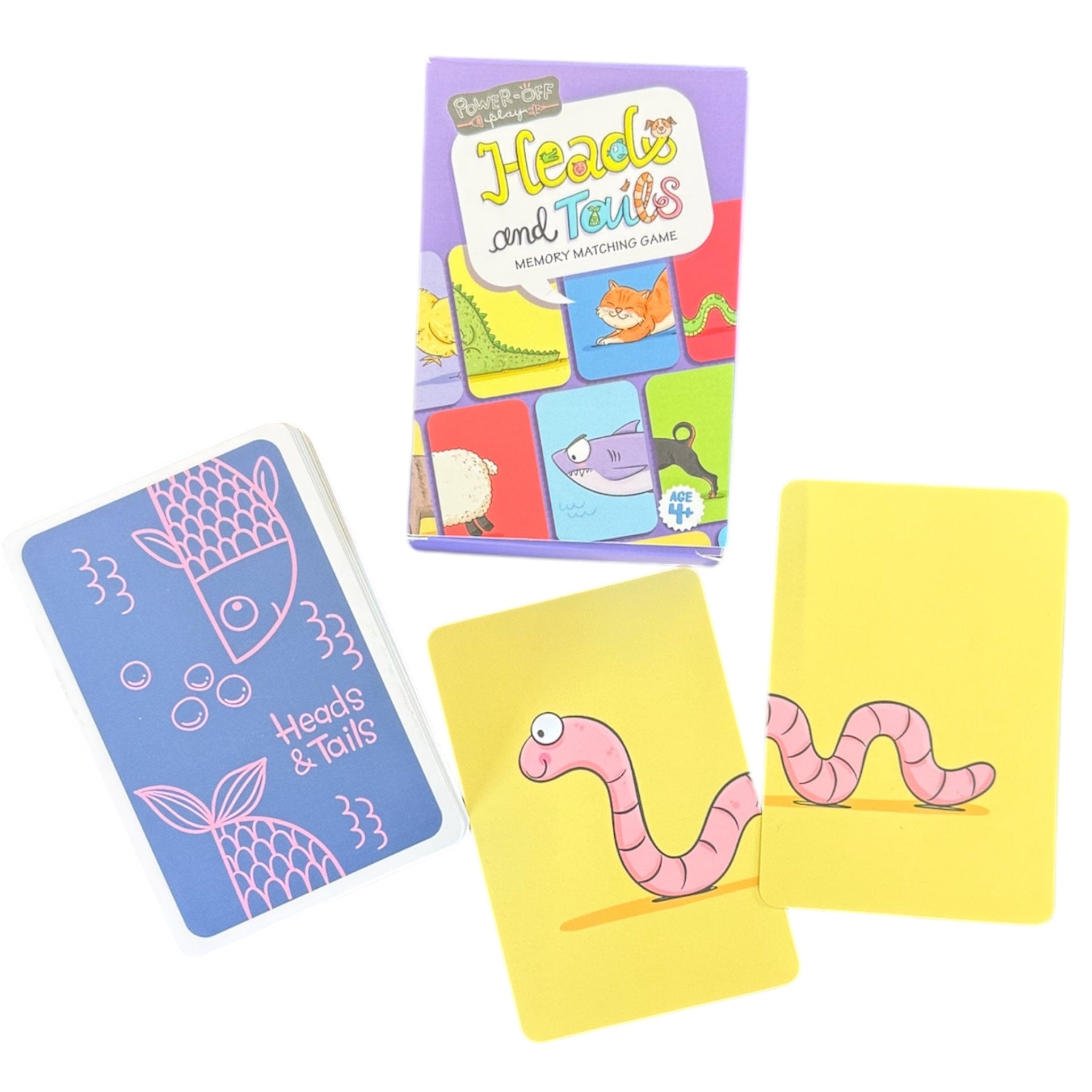
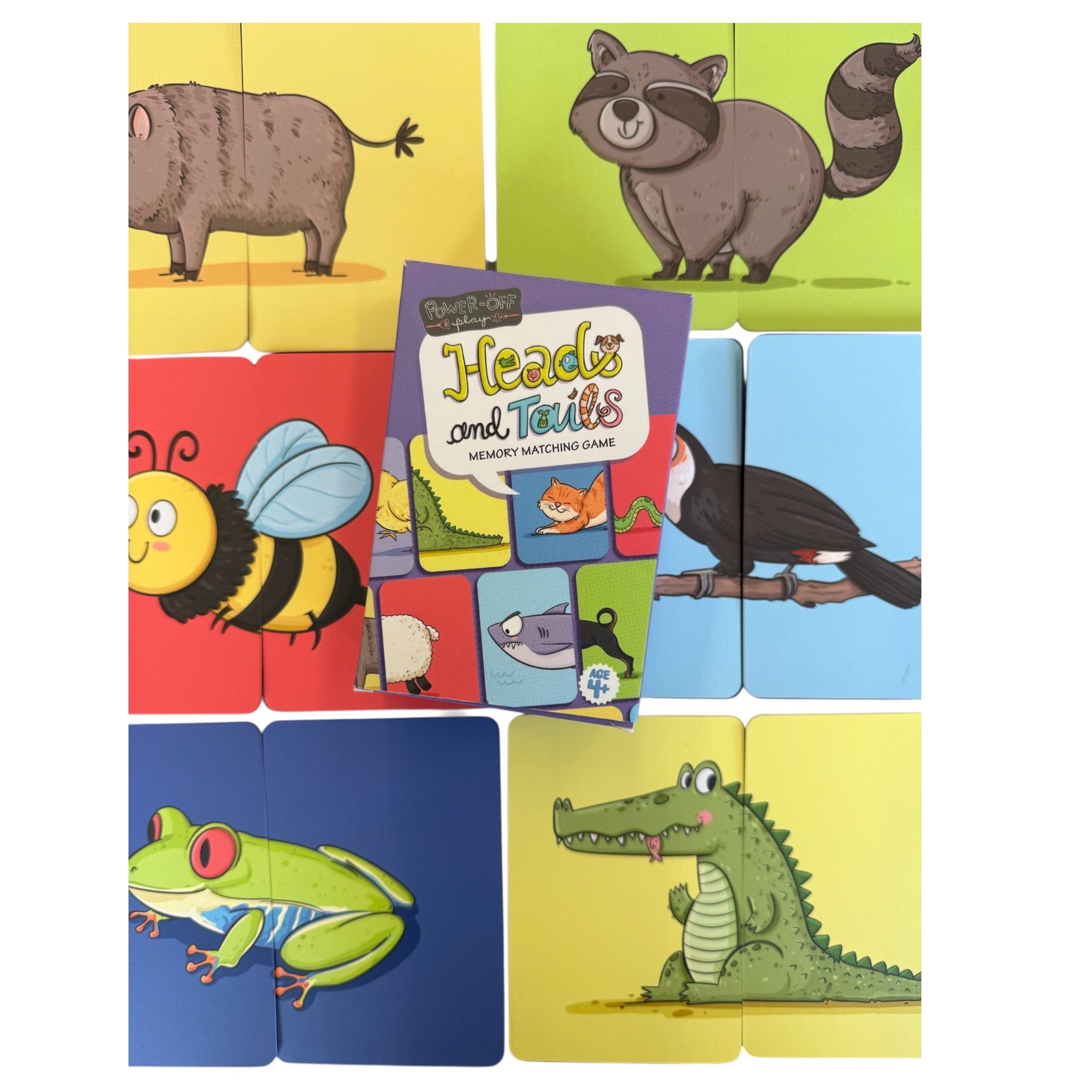
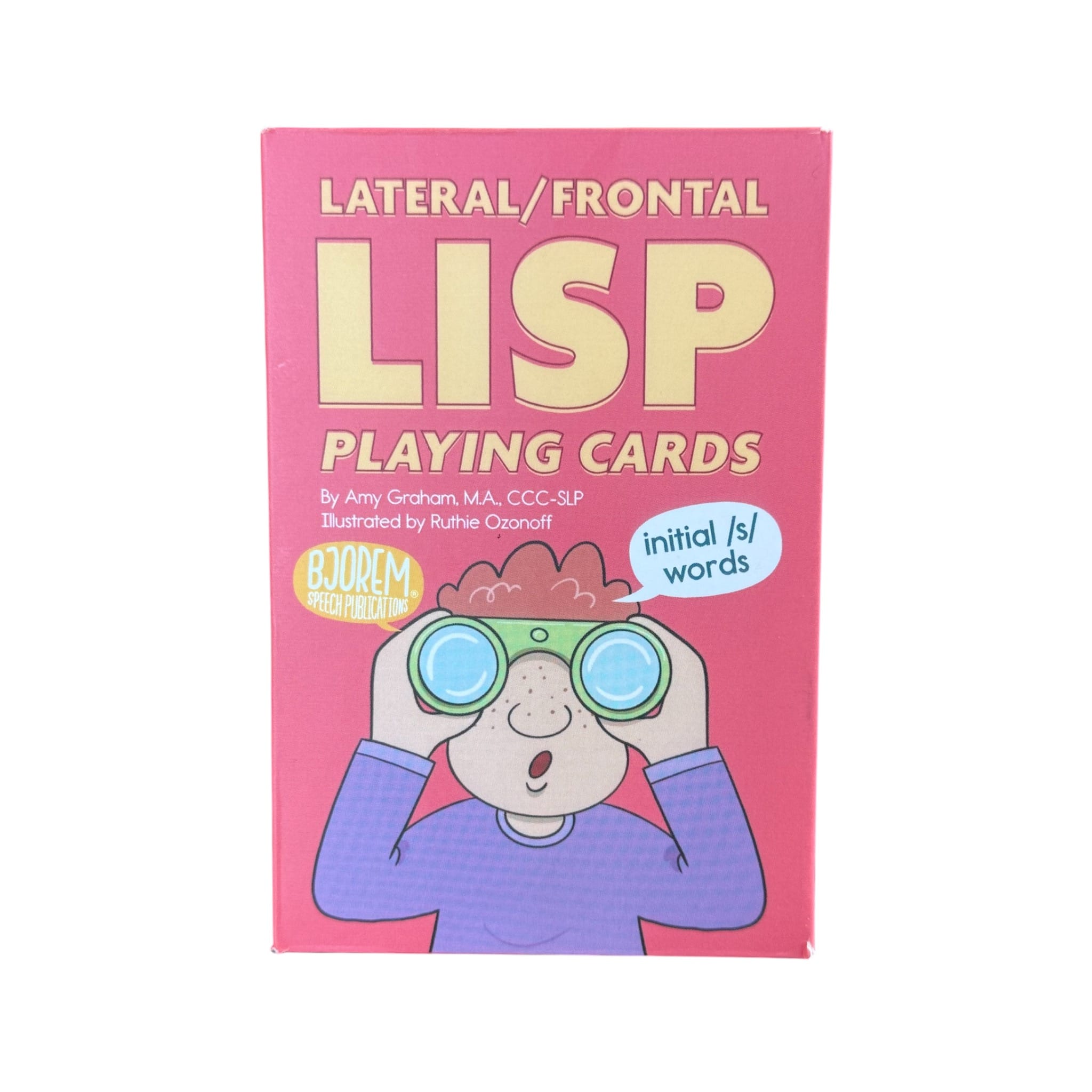
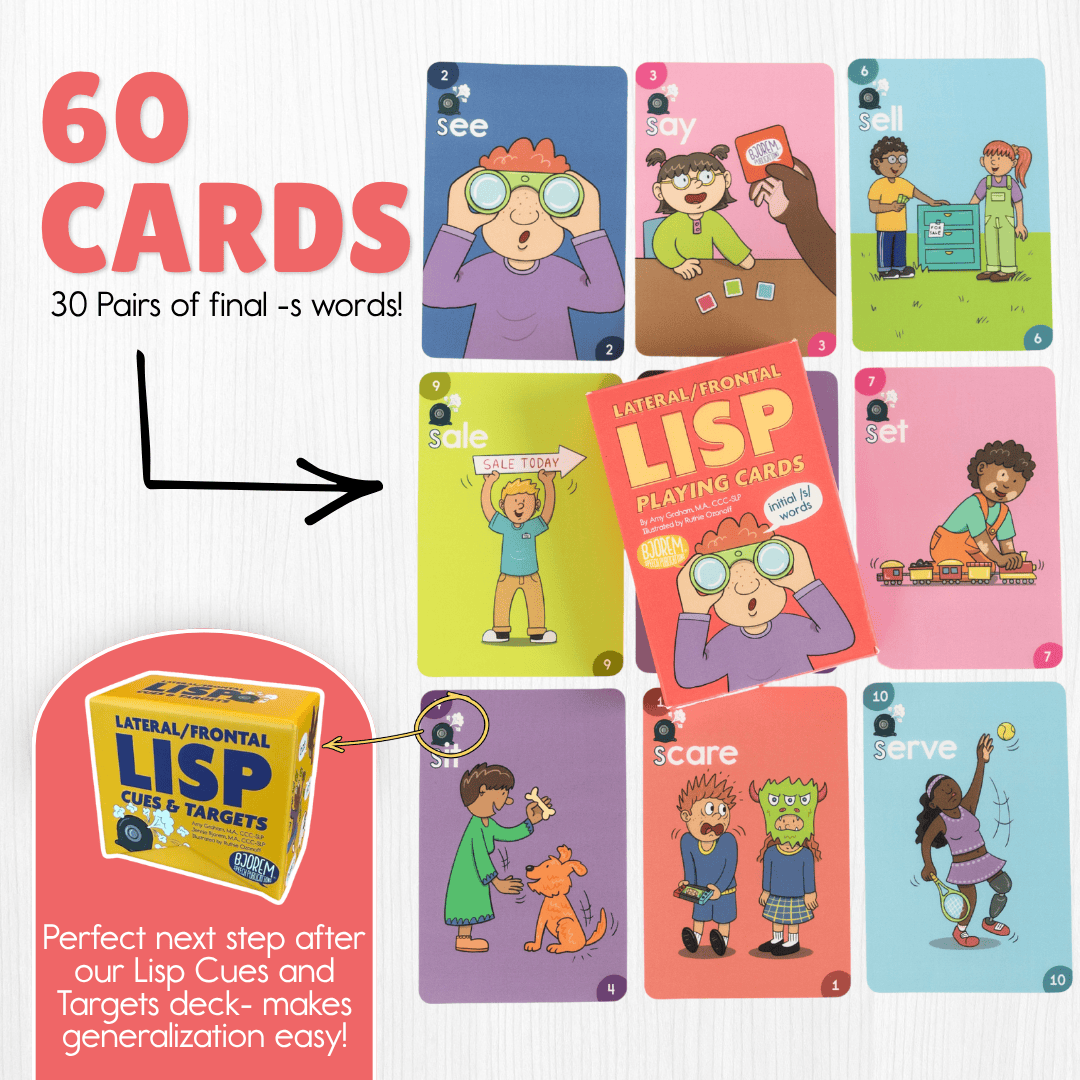
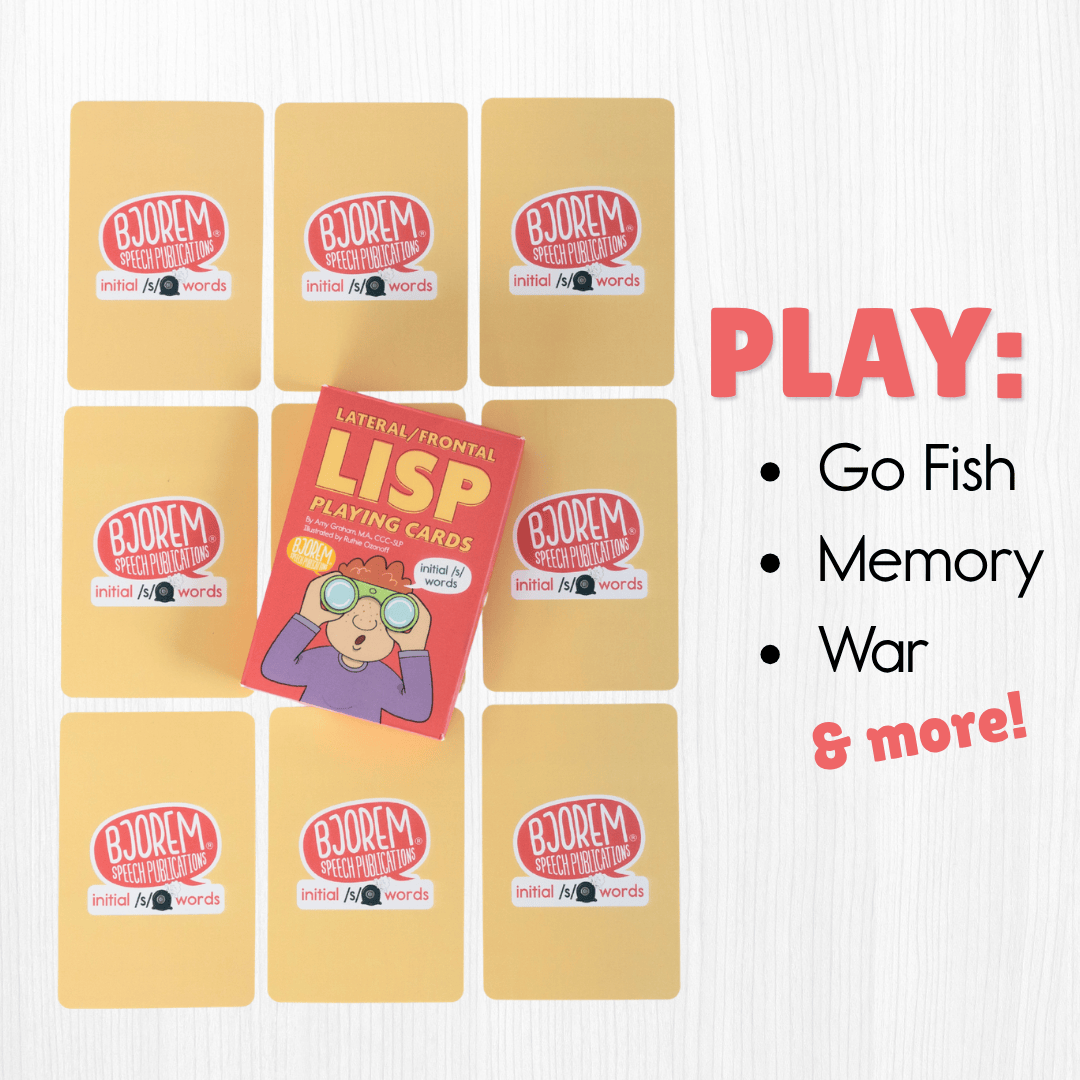
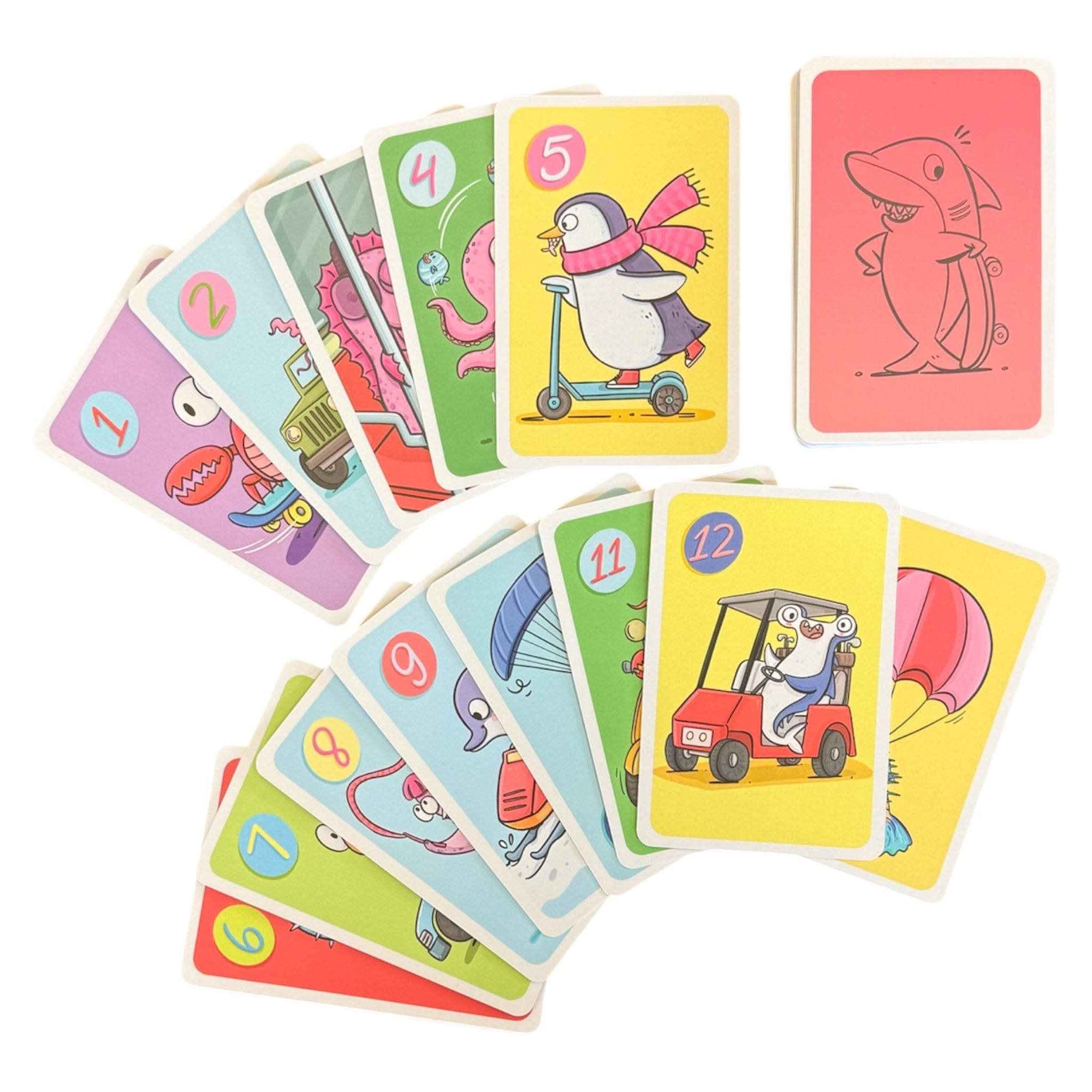
Repetition is the engine of skill building in speech and literacy work. But for children, the fastest way to lose the benefit of repetition is to make it feel like a drill. Flashcard games solve that problem directly, wrapping the repeated practice a child needs inside a format that feels like genuine play rather than work. At Bjorem Speech & Literacy, our collection of flashcard games is built for exactly that purpose: structured, goal-directed practice that children actually want to come back to session after session, week after week.
What Sets Our Flashcard Game Collection Apart
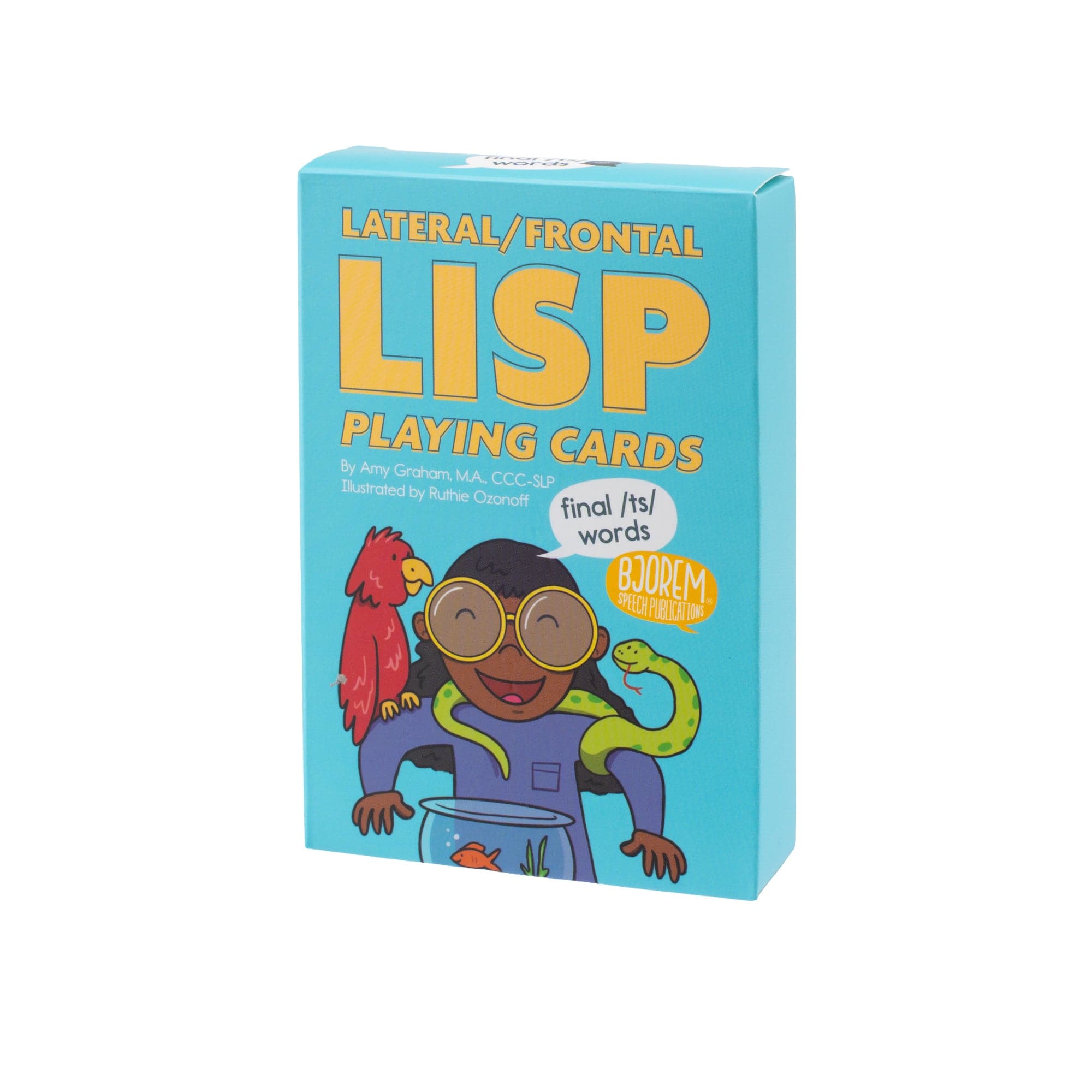
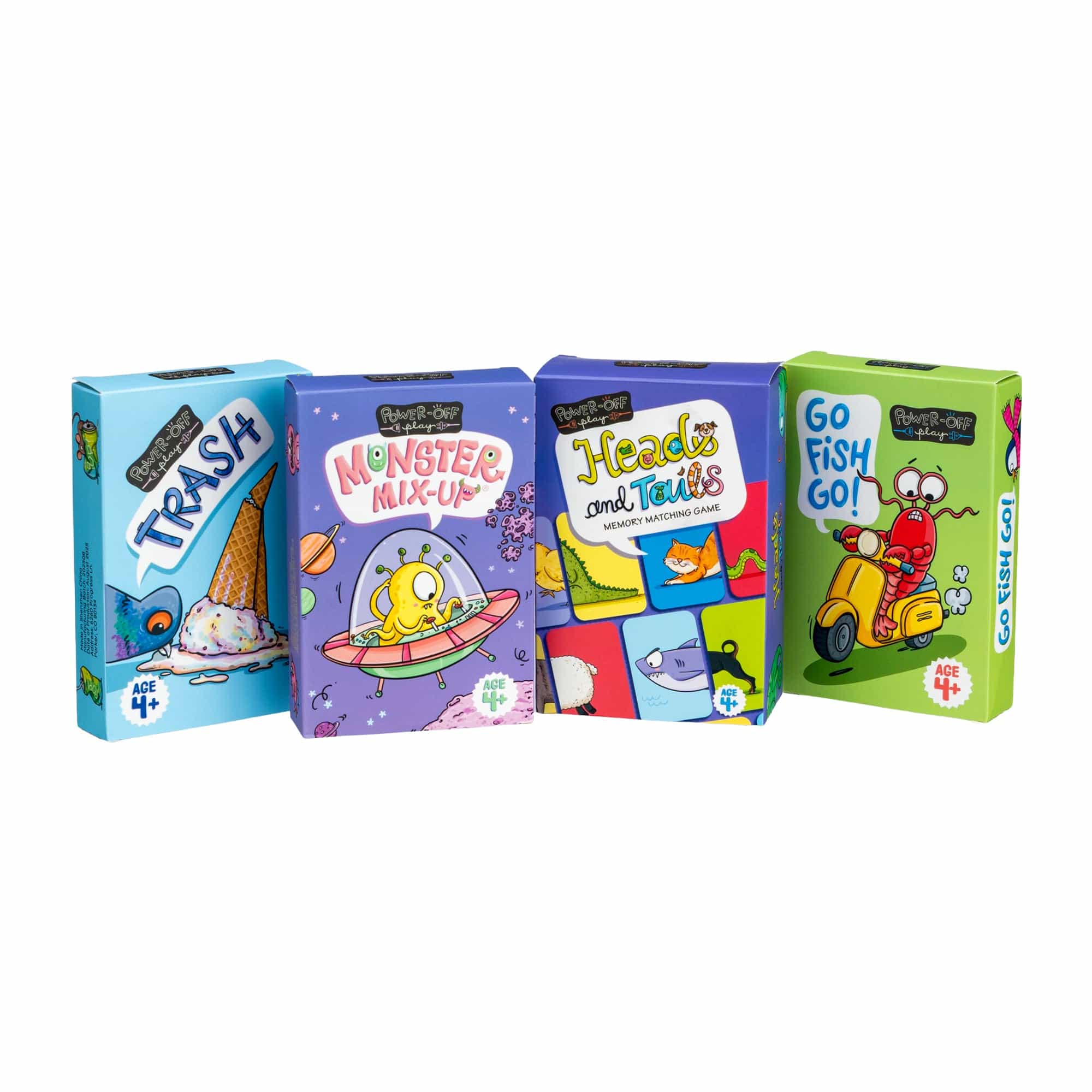
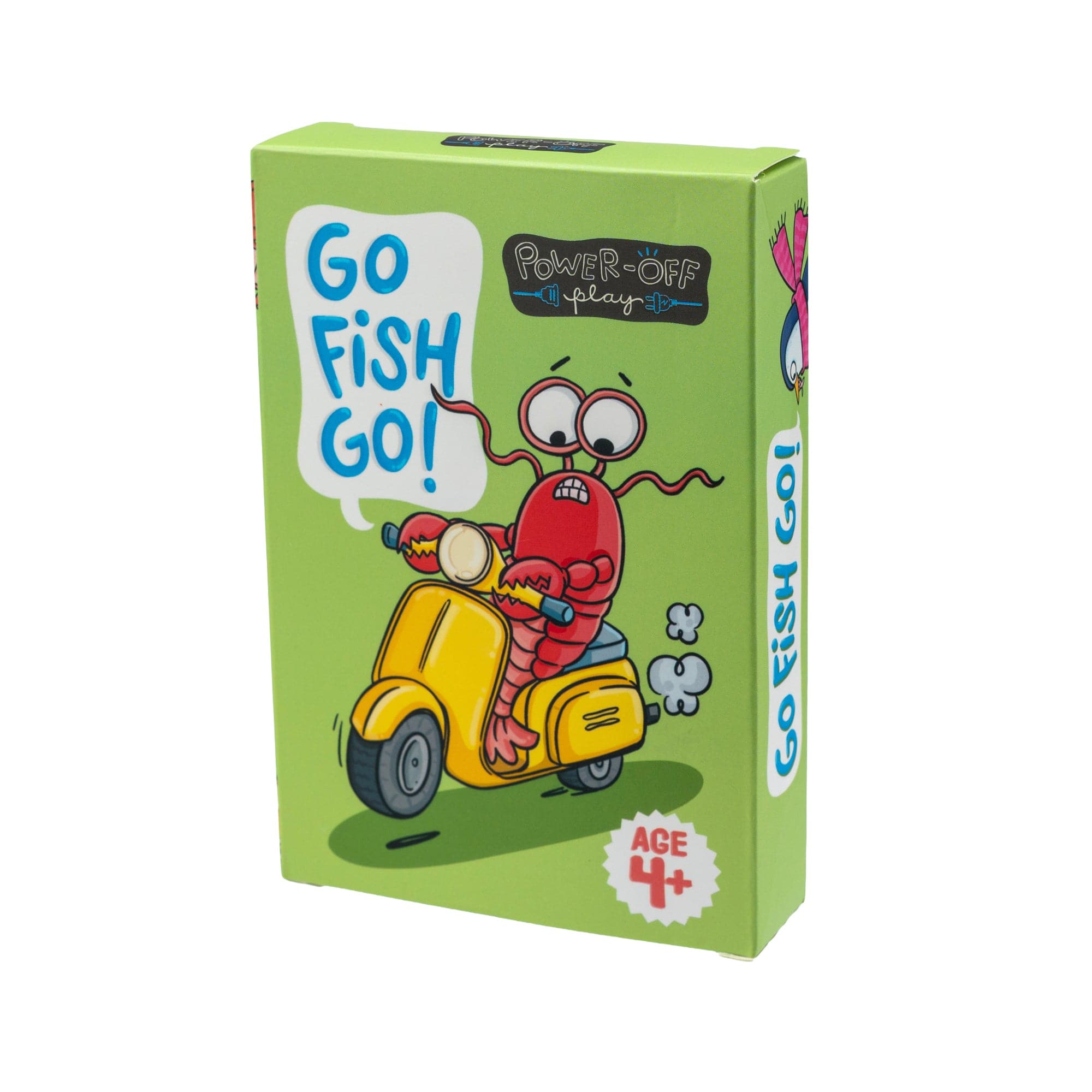
Most card game flash products on the market prioritize entertainment with learning treated as secondary. At Bjorem, we reverse that equation. Every flash card game in our catalog is developed by a team of practicing SLPs and literacy specialists who understand that engagement and clinical effectiveness are not competing values. The most effective session is one where a child is fully invested in what they are doing, and the best way to achieve that is through activity formats that feel like games but function like targeted therapy. That is the design standard we hold every product to.
Our flashcards games are built around:
- Inclusive, diverse illustrations that reflect the real world children live in, so every child feels seen in the materials they use
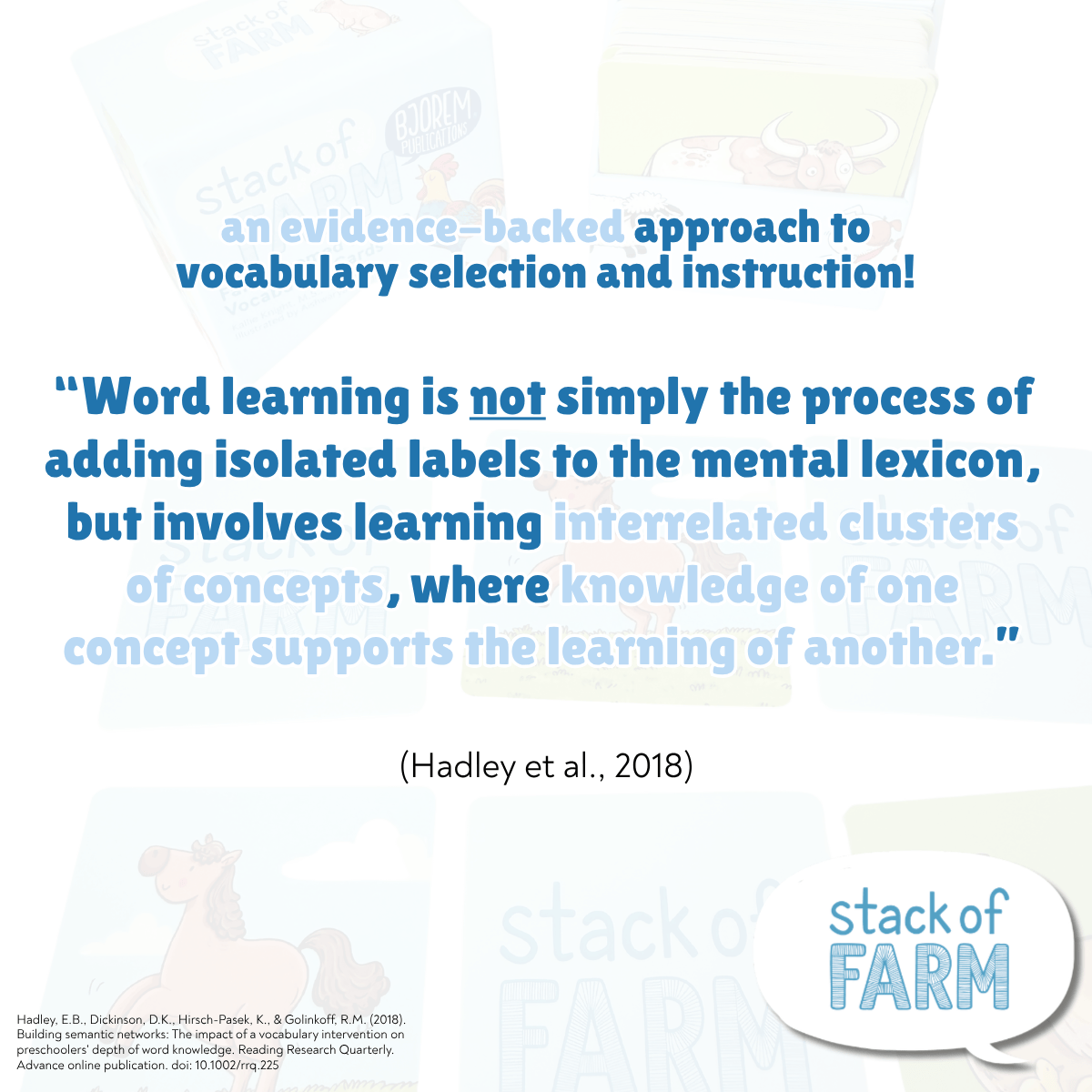
- Research aligned targets developed by SLPs to support articulation, phonological awareness, and language development goals
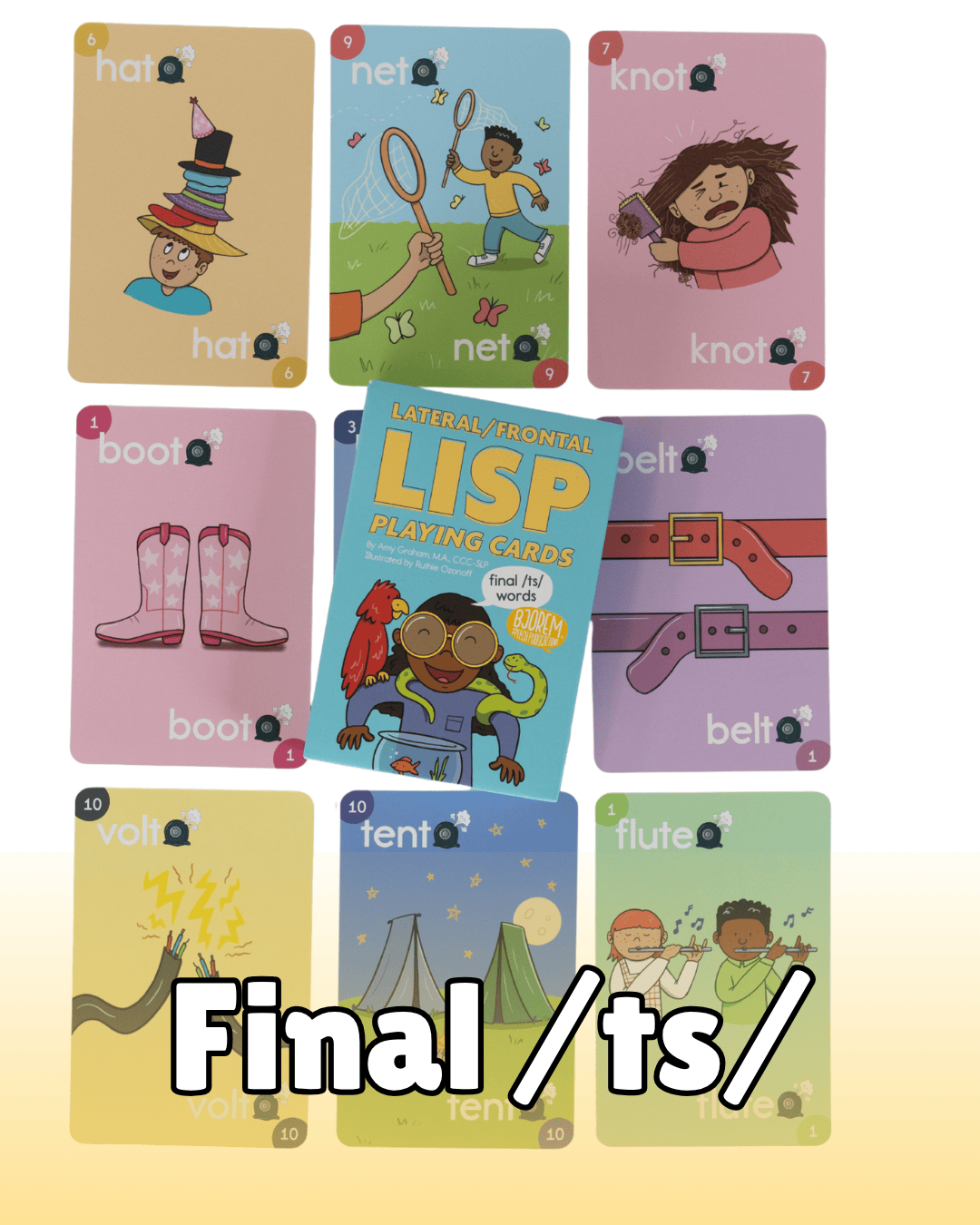
- Activity structures that produce high repetition of target sounds and vocabulary without children noticing they are drilling
- Durable, child friendly formats built to survive the enthusiastic use that comes with game based learning
- Flexible designs that work in individual therapy sessions, small groups, and home practice settings alike
Games With Flashcards for Every Goal and Setting
The versatility of games with flashcards is one of their greatest clinical strengths. In a therapy room, they support individual articulation targets, small group language work, phonological awareness tasks, and vocabulary building across a single session without needing a complete change of materials. In a classroom, card flash games keep the energy of a lesson up while ensuring that practice is tied to real learning objectives. And at home, parents and caregivers find that card games flash formats make it far easier to maintain the consistency of practice that drives meaningful progress between formal sessions.
Our flash game cards collection spans a range of goal areas and age groups. Whether you are working with a preschooler just beginning to target early sounds, a school age child building phonological awareness and vocabulary, or an older student working through more complex articulation goals, there is a set in this collection designed for that child's specific profile and the goals behind it.
Flashcard Games Trusted by SLPs and Families Worldwide
Since 2017, Bjorem Speech & Literacy has fulfilled over 225,000 orders and grown to more than 80 unique products trusted by SLPs, educators, and families in countries around the world. Our resources are used in some of the largest school districts in the United States and recommended by clinicians who know firsthand the difference that well designed, research aligned materials make in the therapy room. Every flash game card we release reflects our core mission: to design materials that are diverse, inclusive, and genuinely effective for every child in every setting. Explore our full collection of flash card games and bring more engagement, more repetition, and more measurable progress into your next session.