
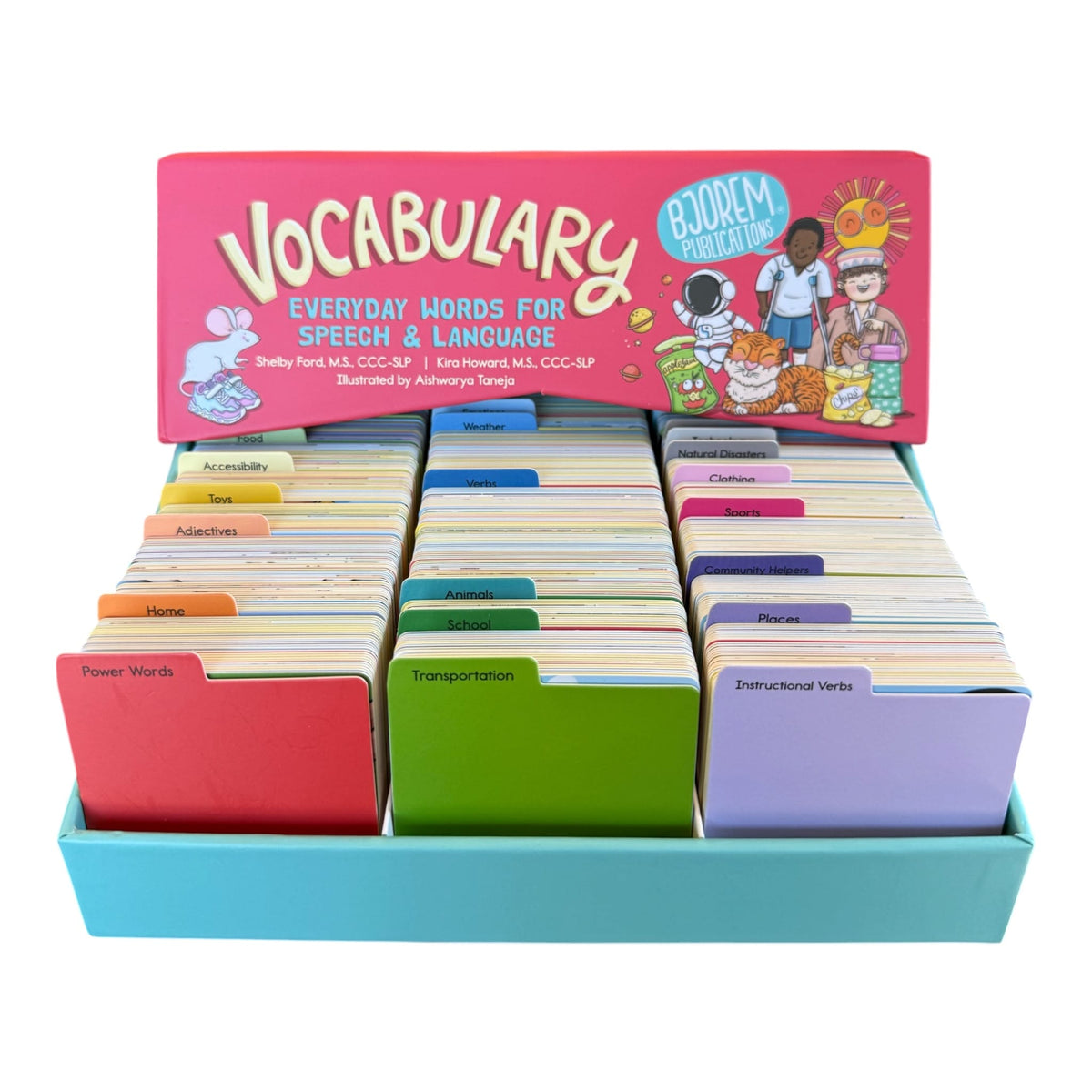
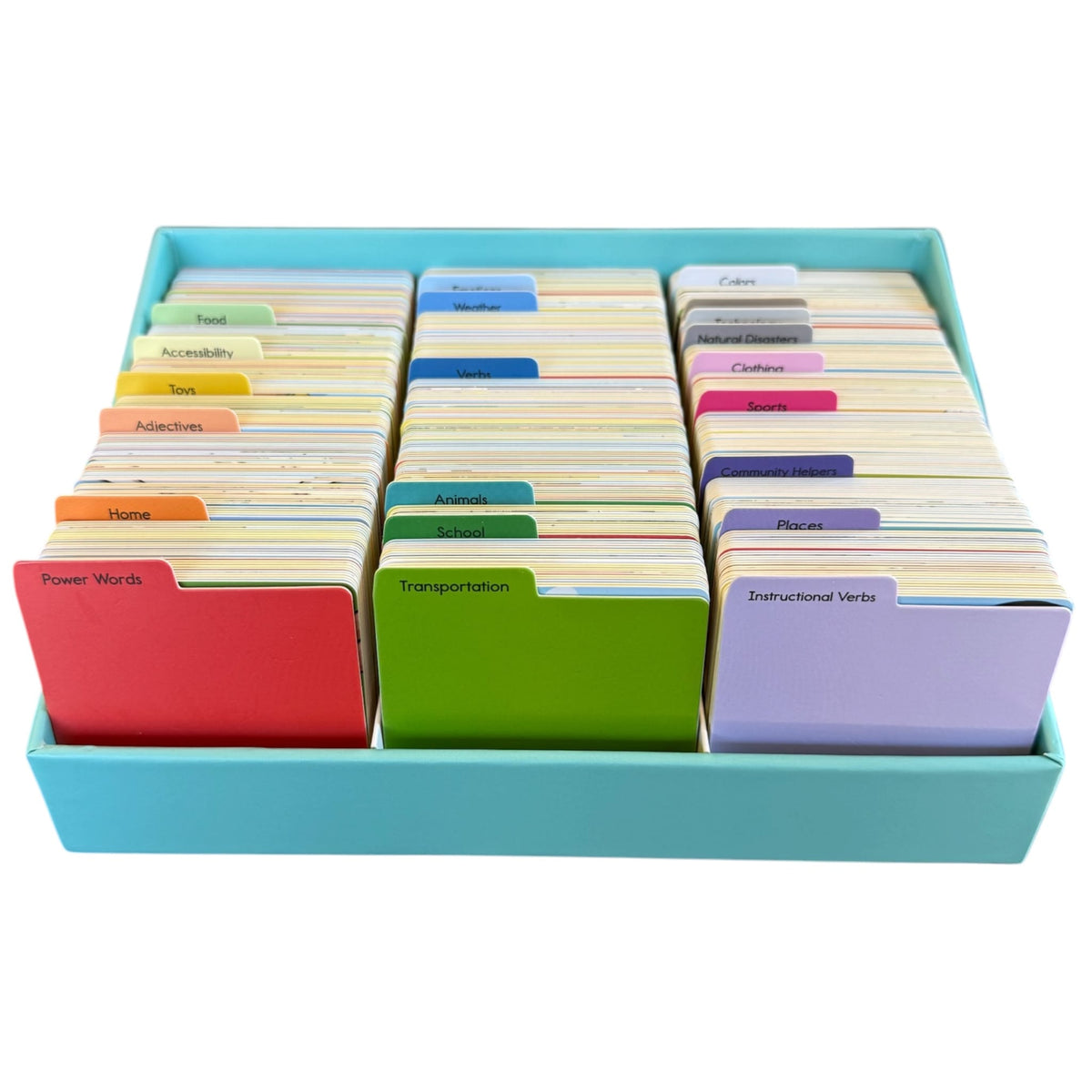
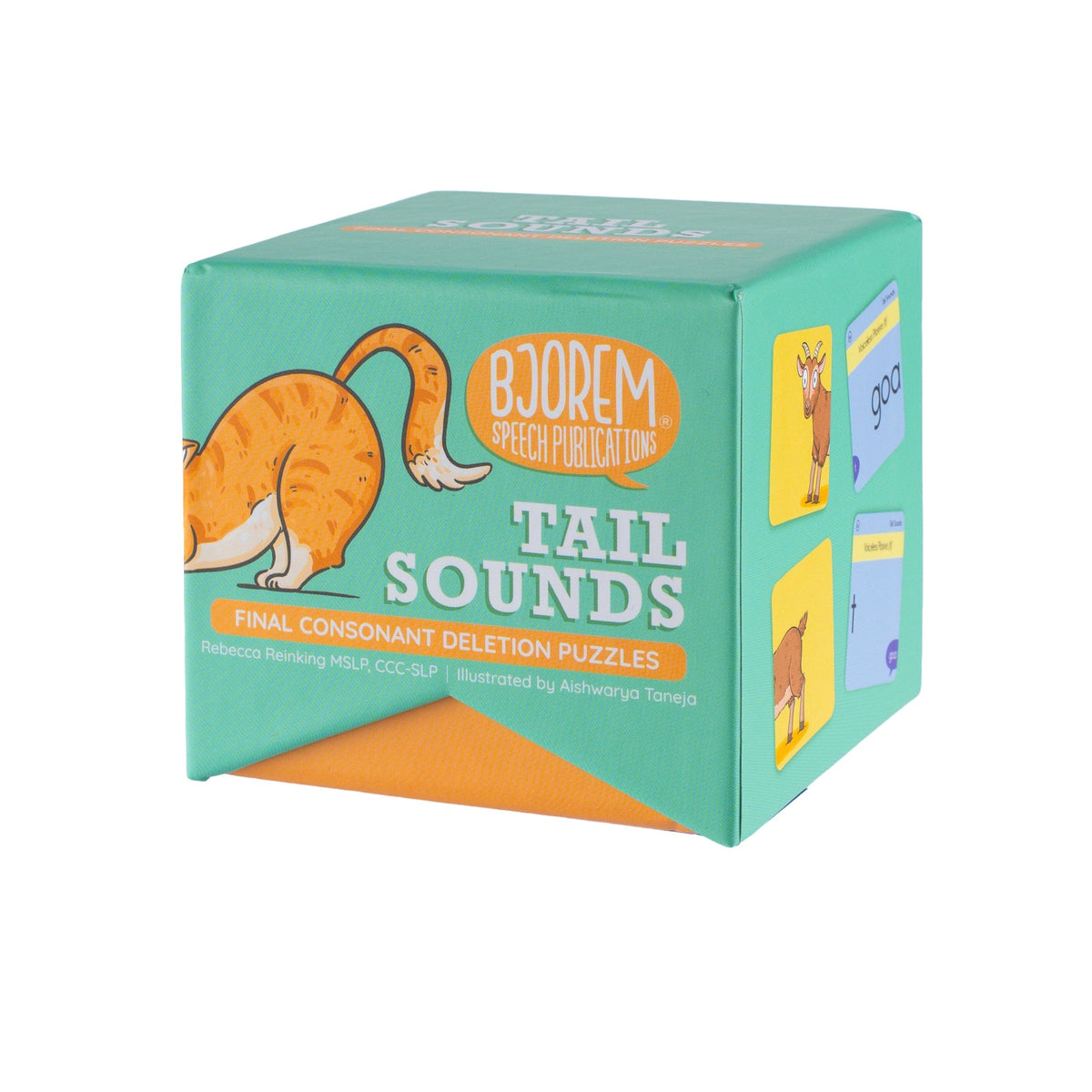
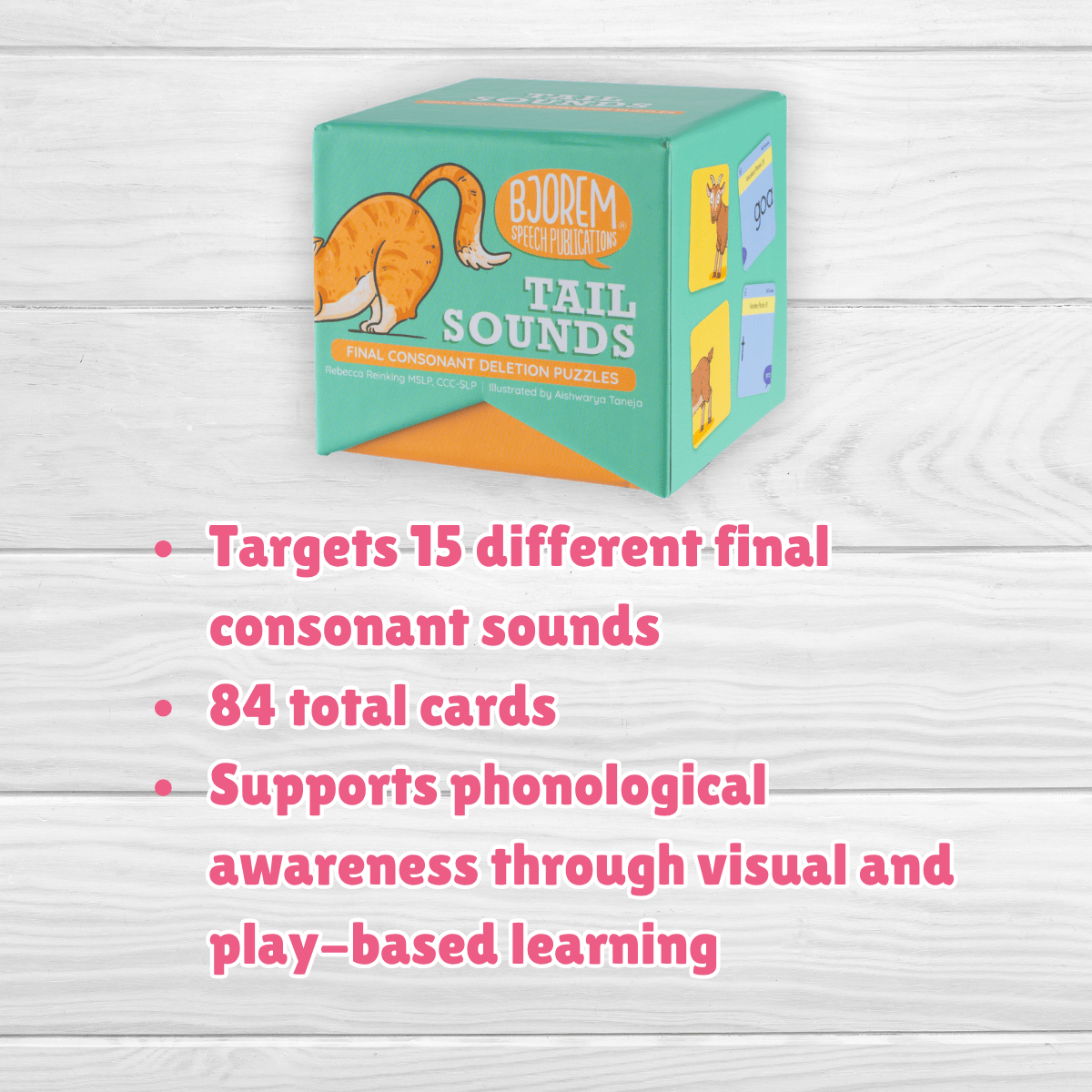



What else do I need to know about Animal Flashcards?
Animal Flashcards That Make Vocabulary Practice Feel Like Play
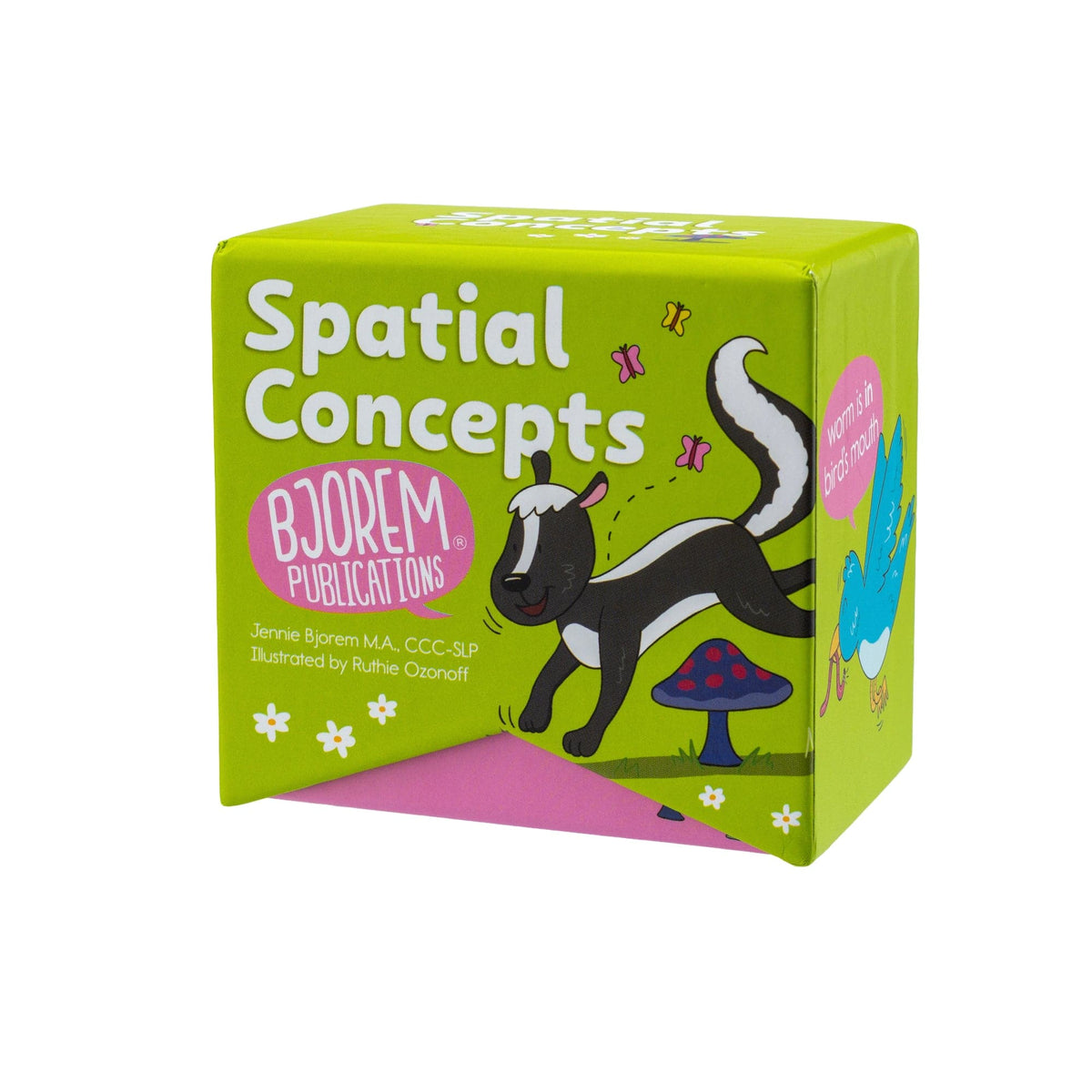
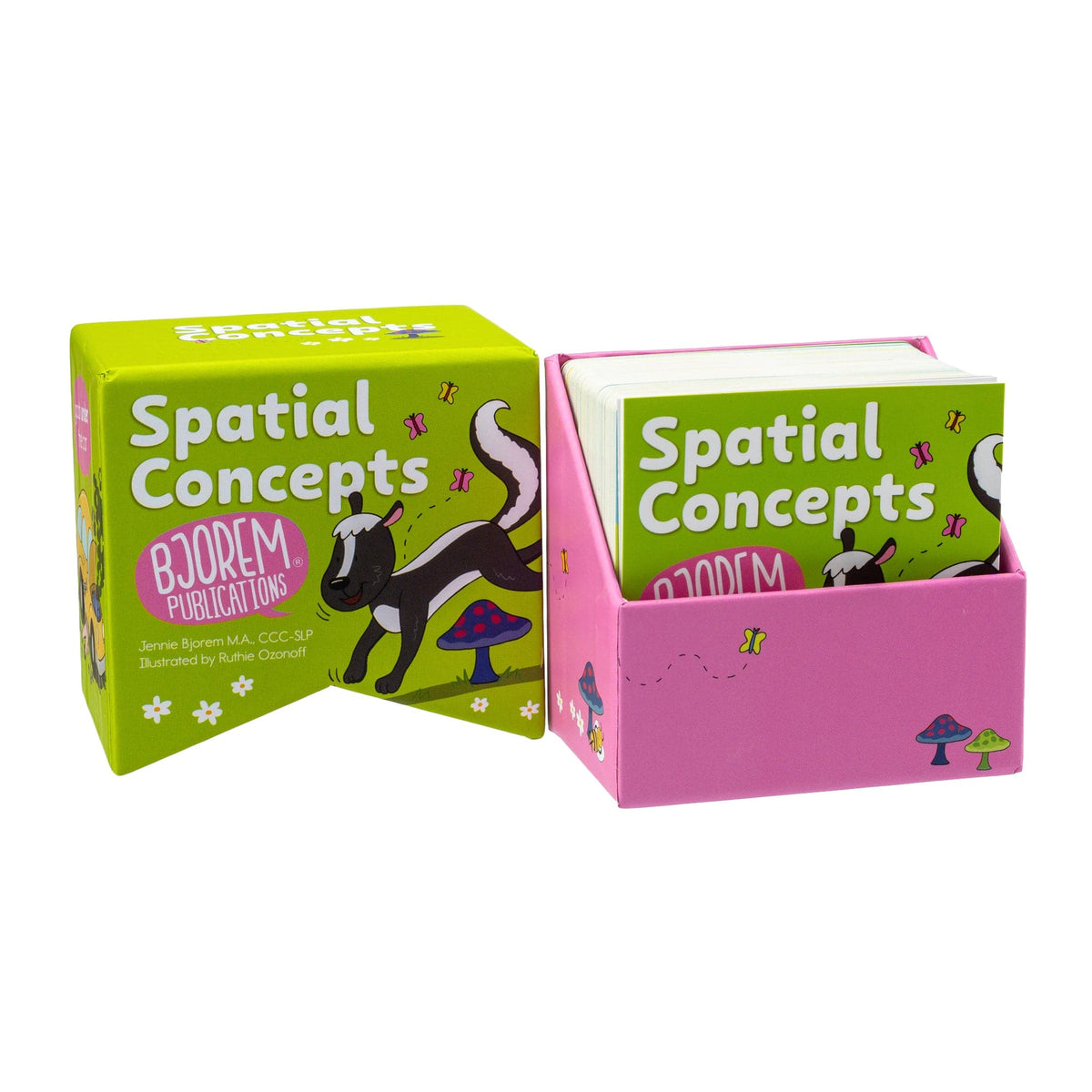
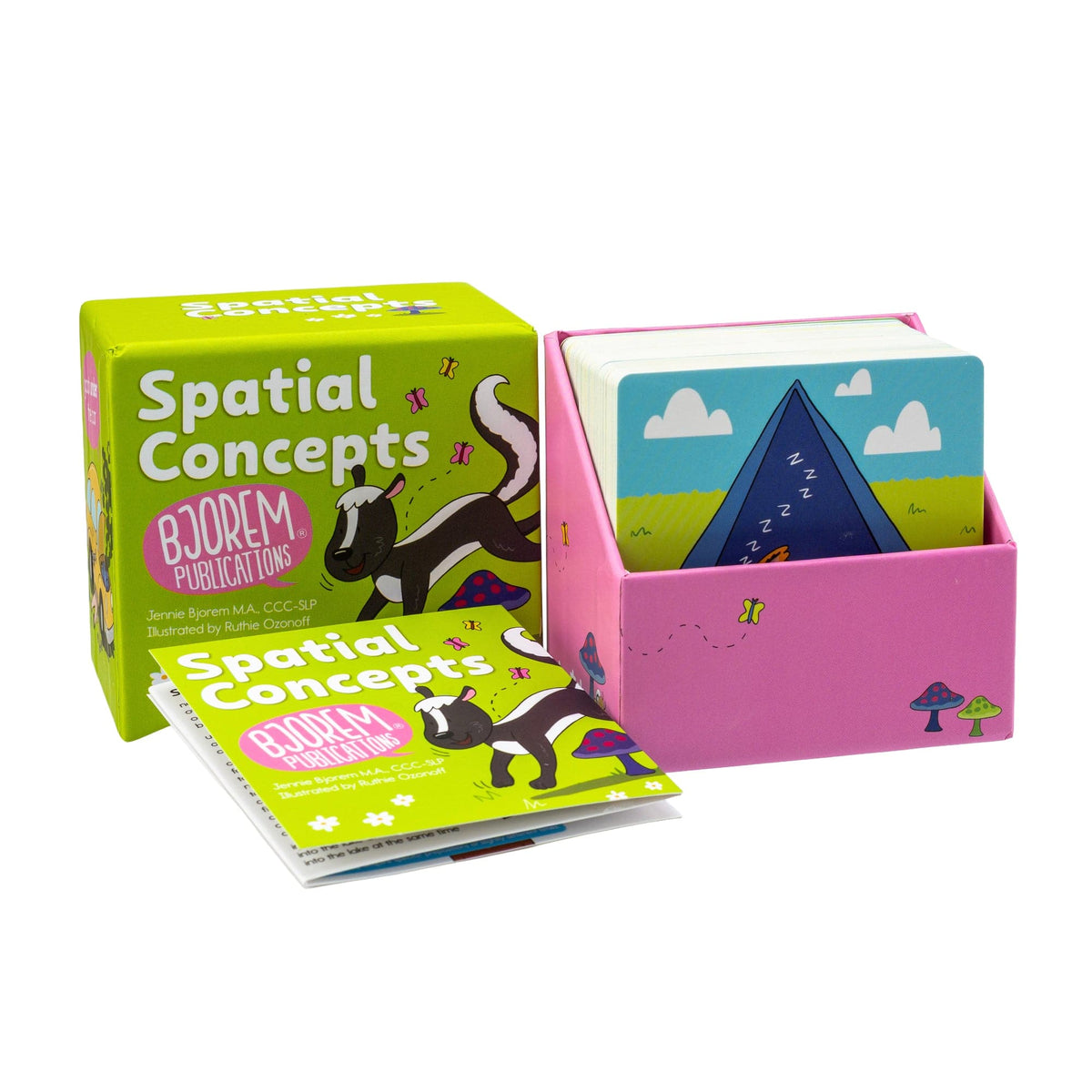
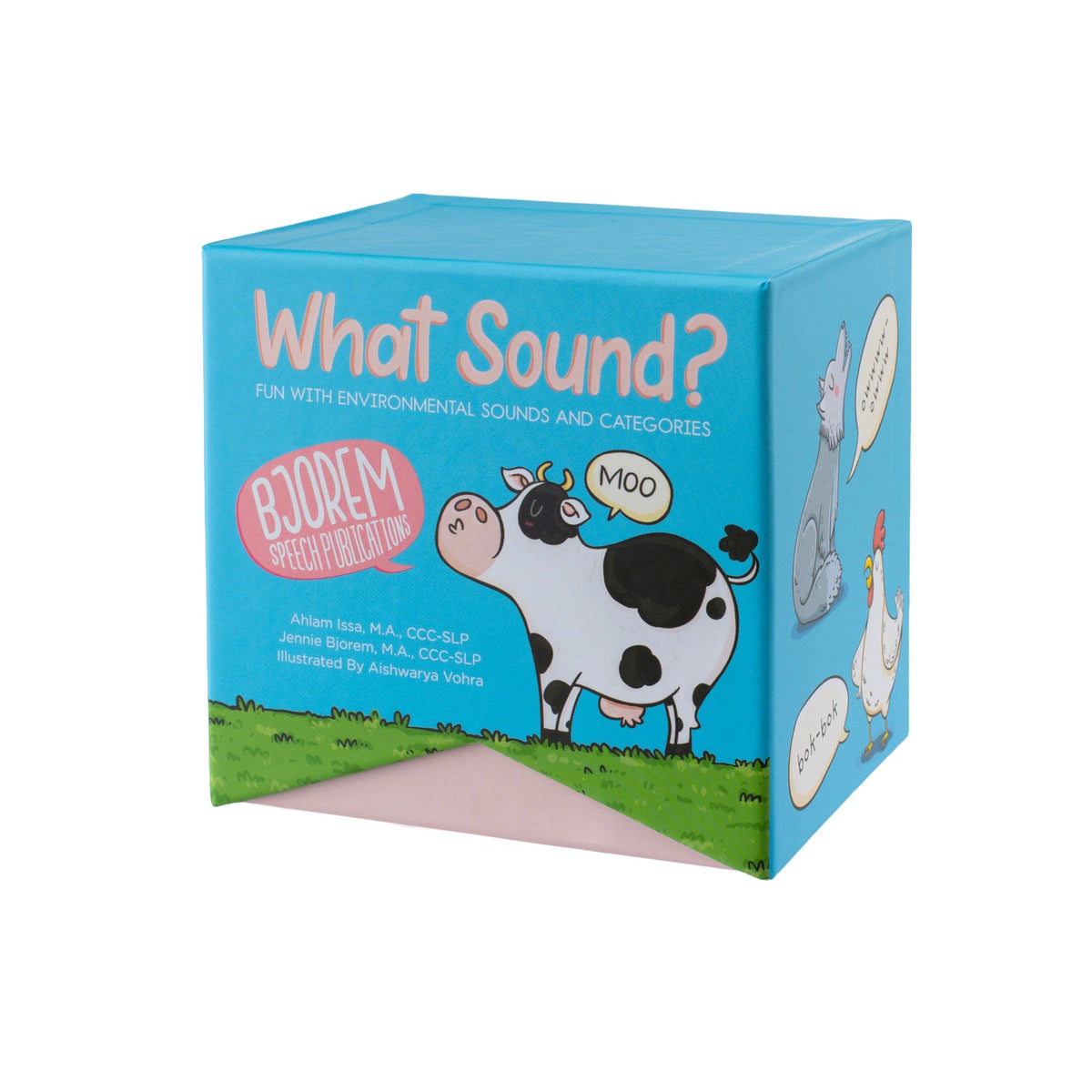
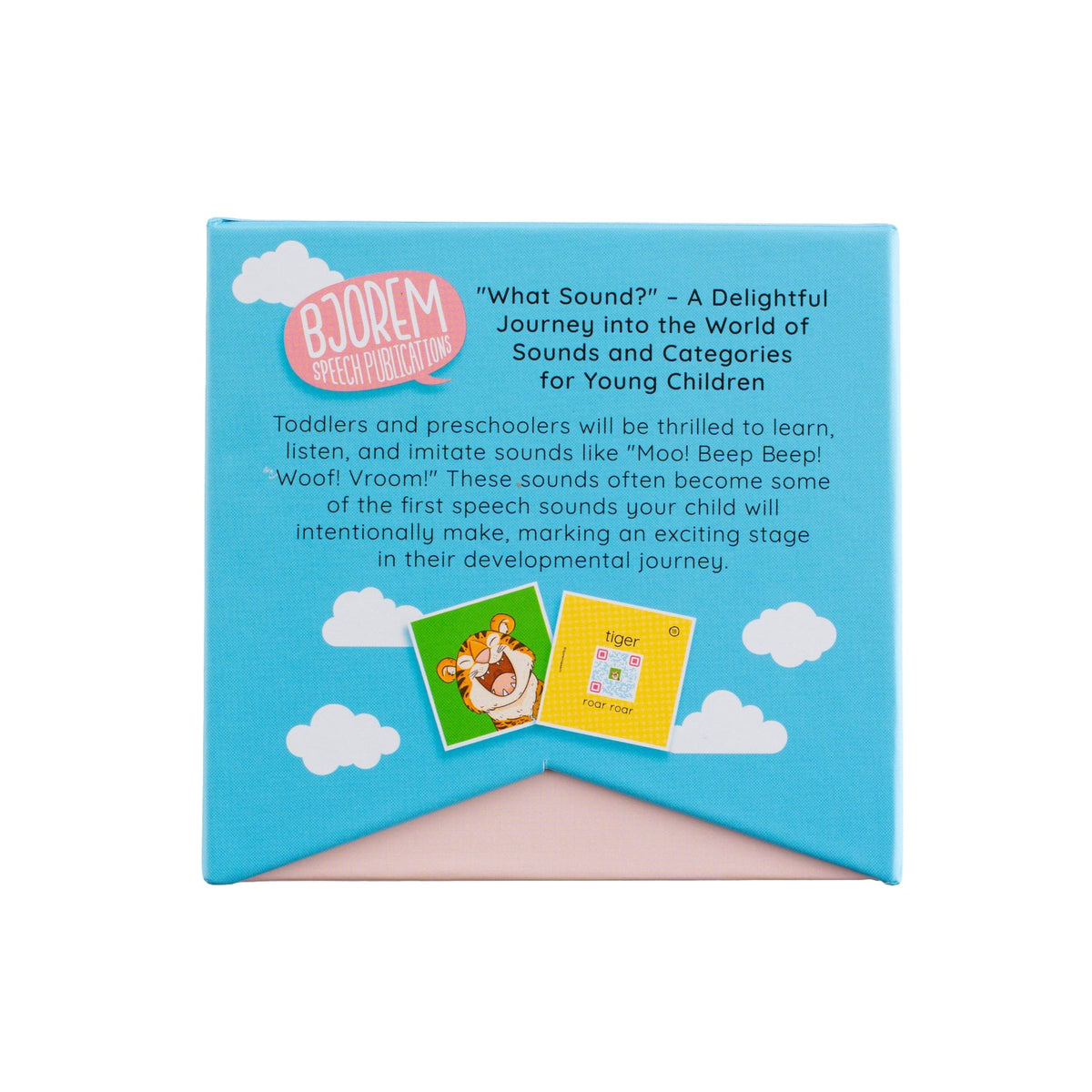
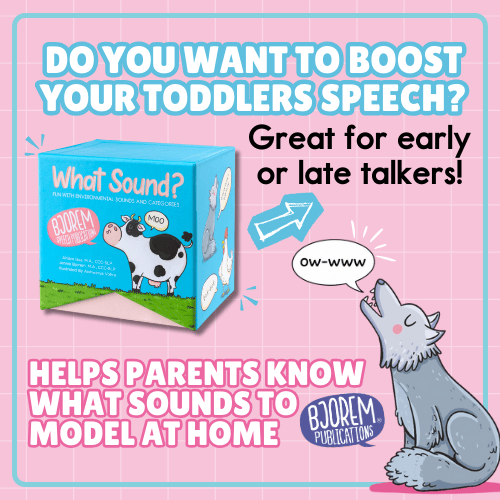
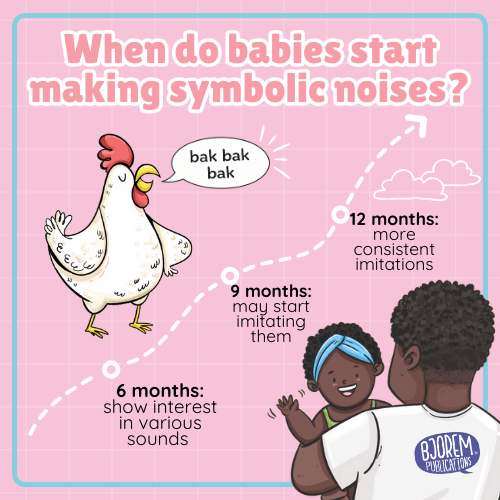
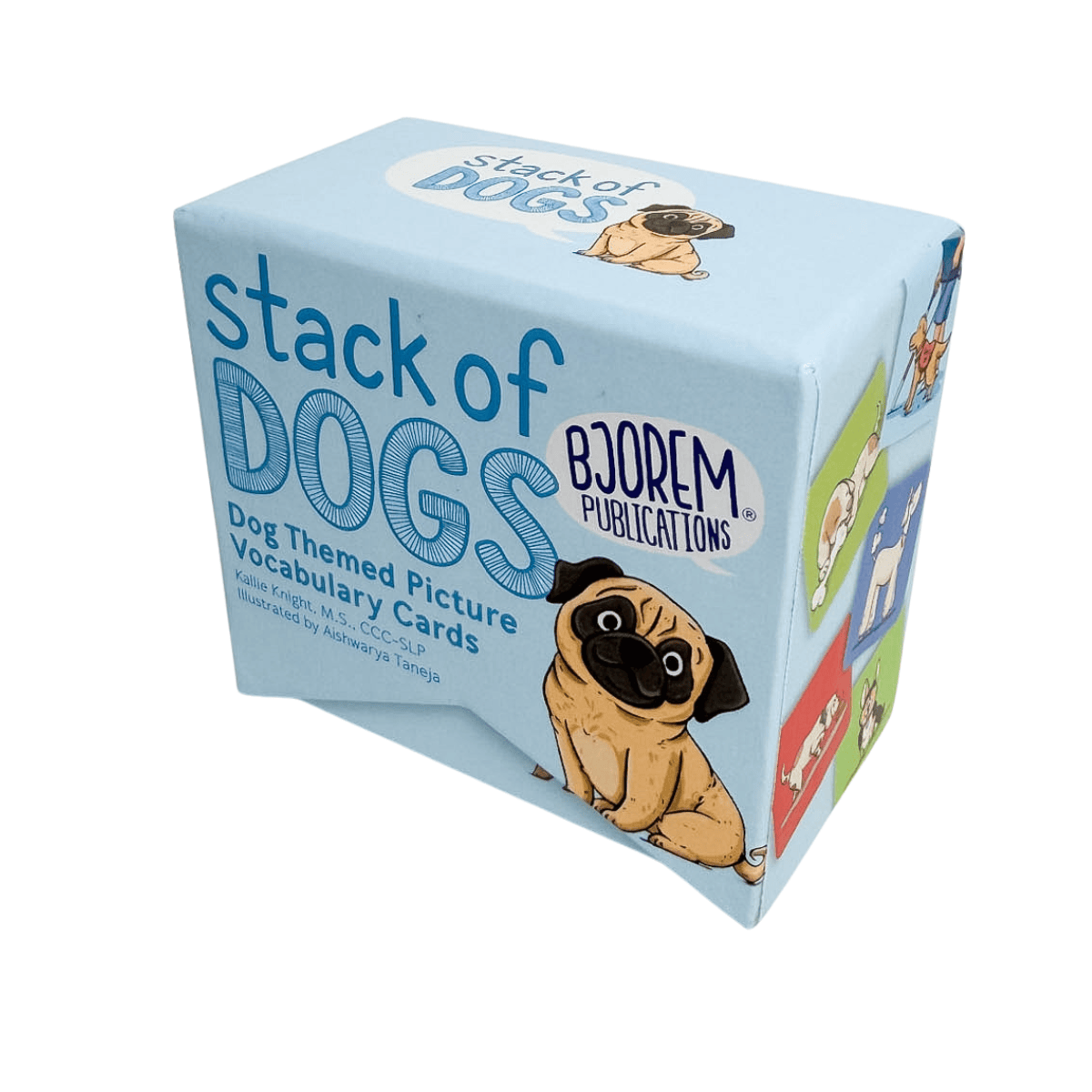
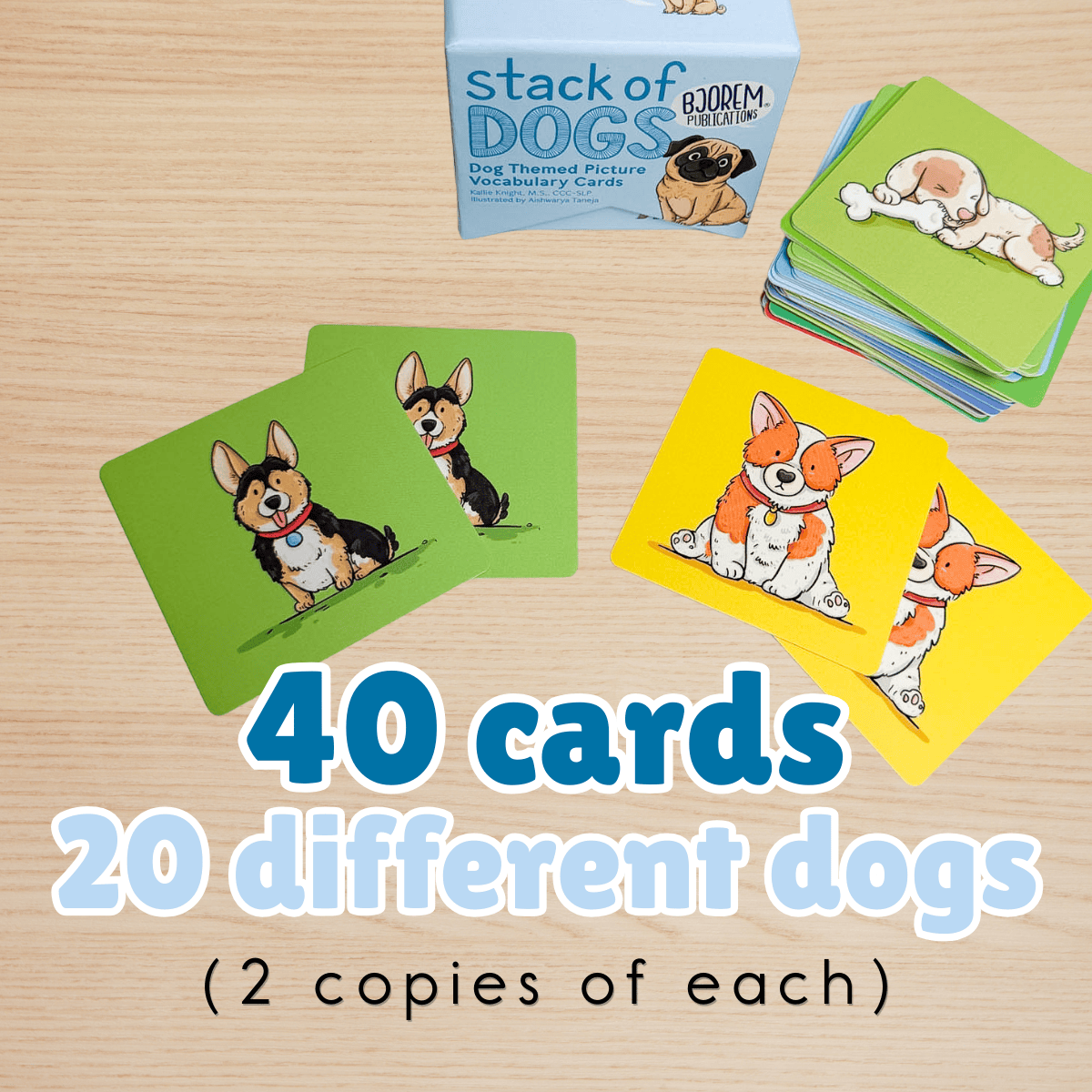
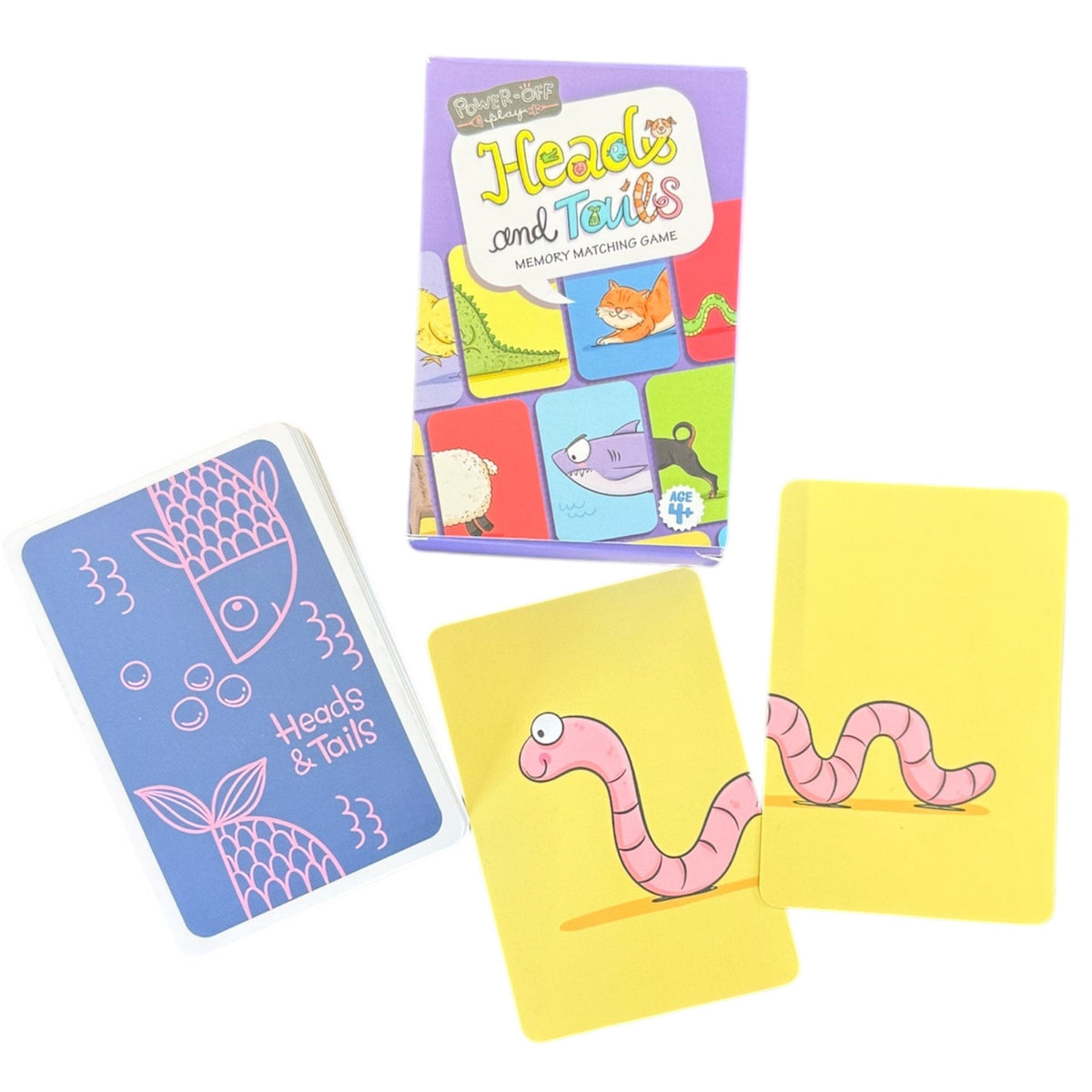
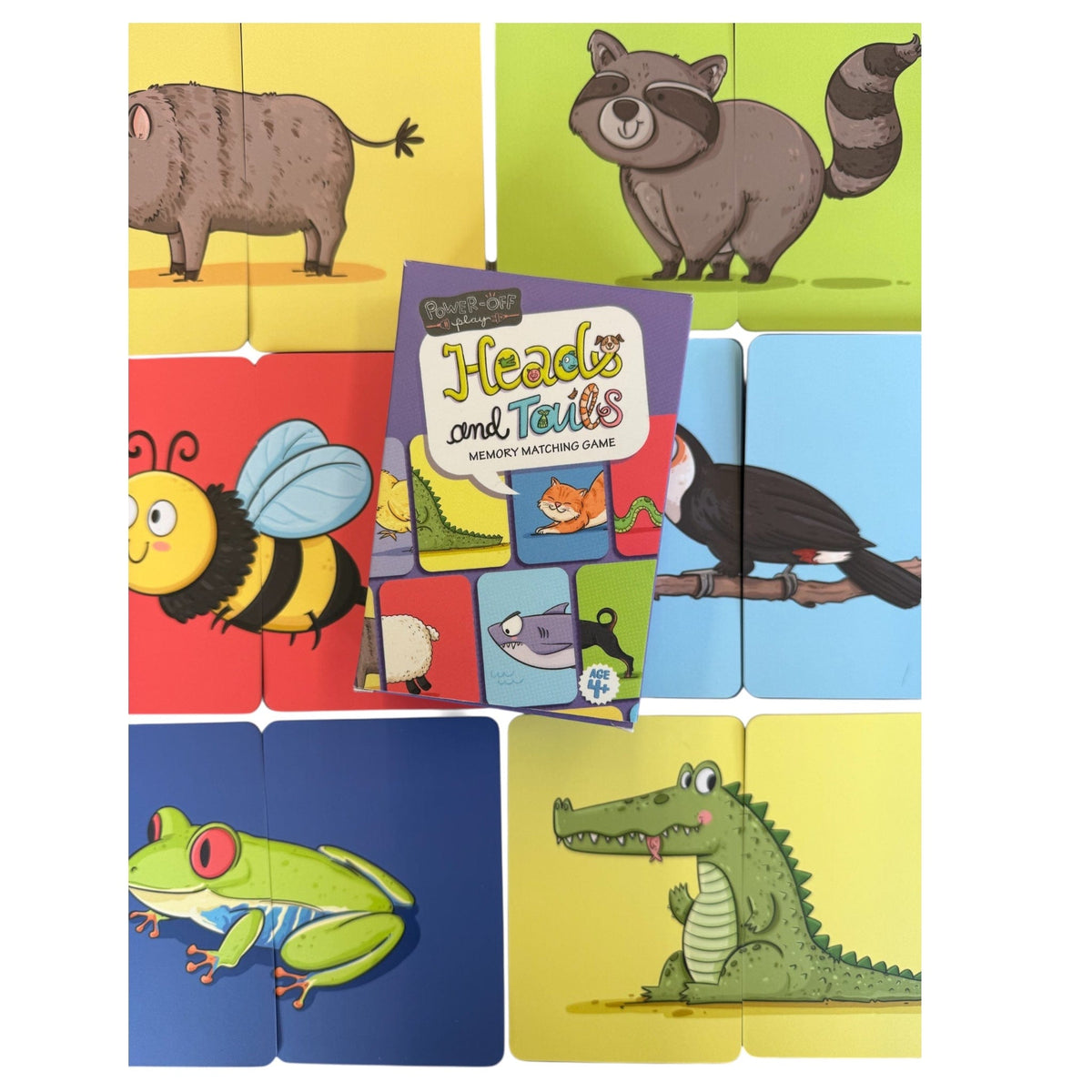
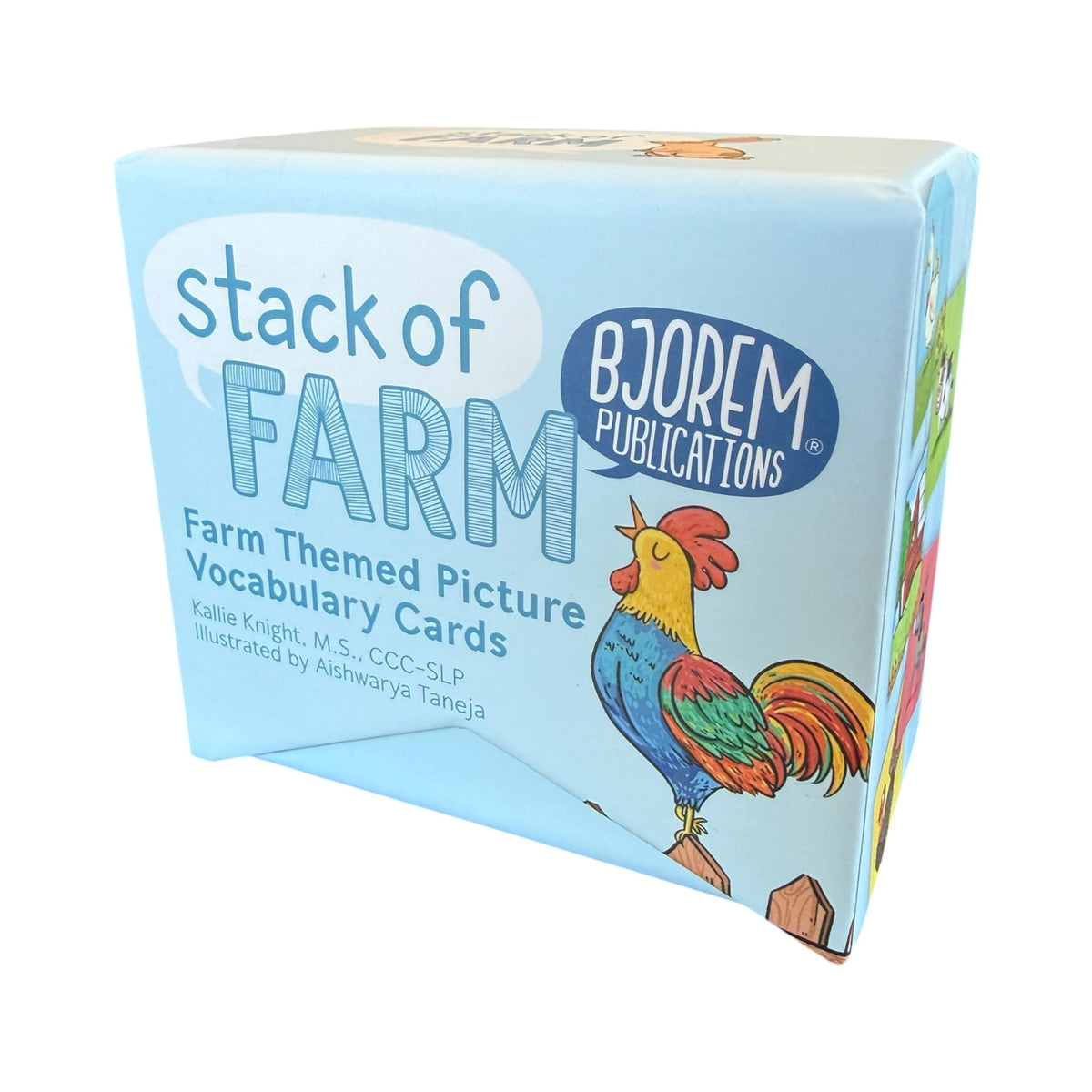
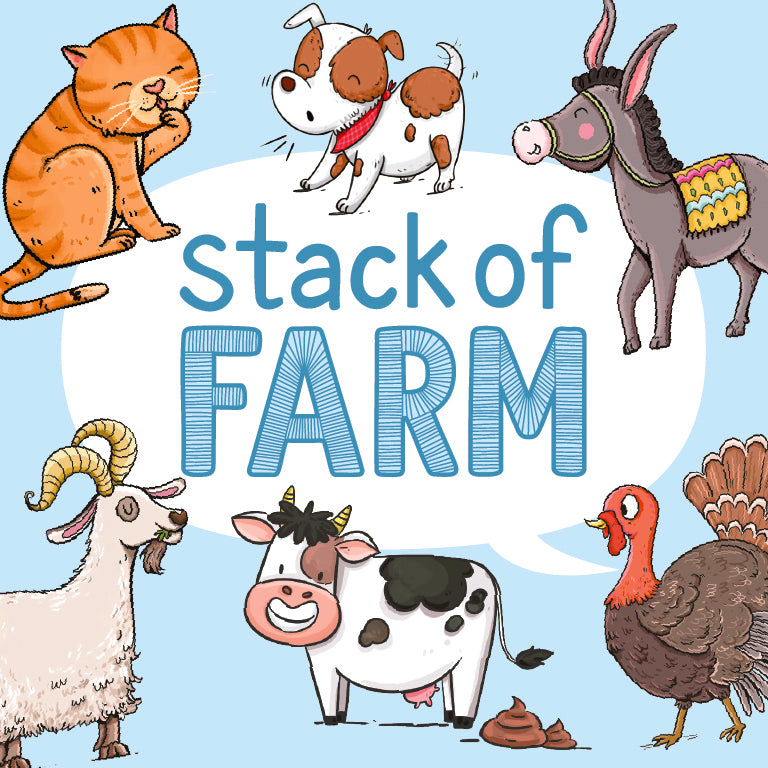
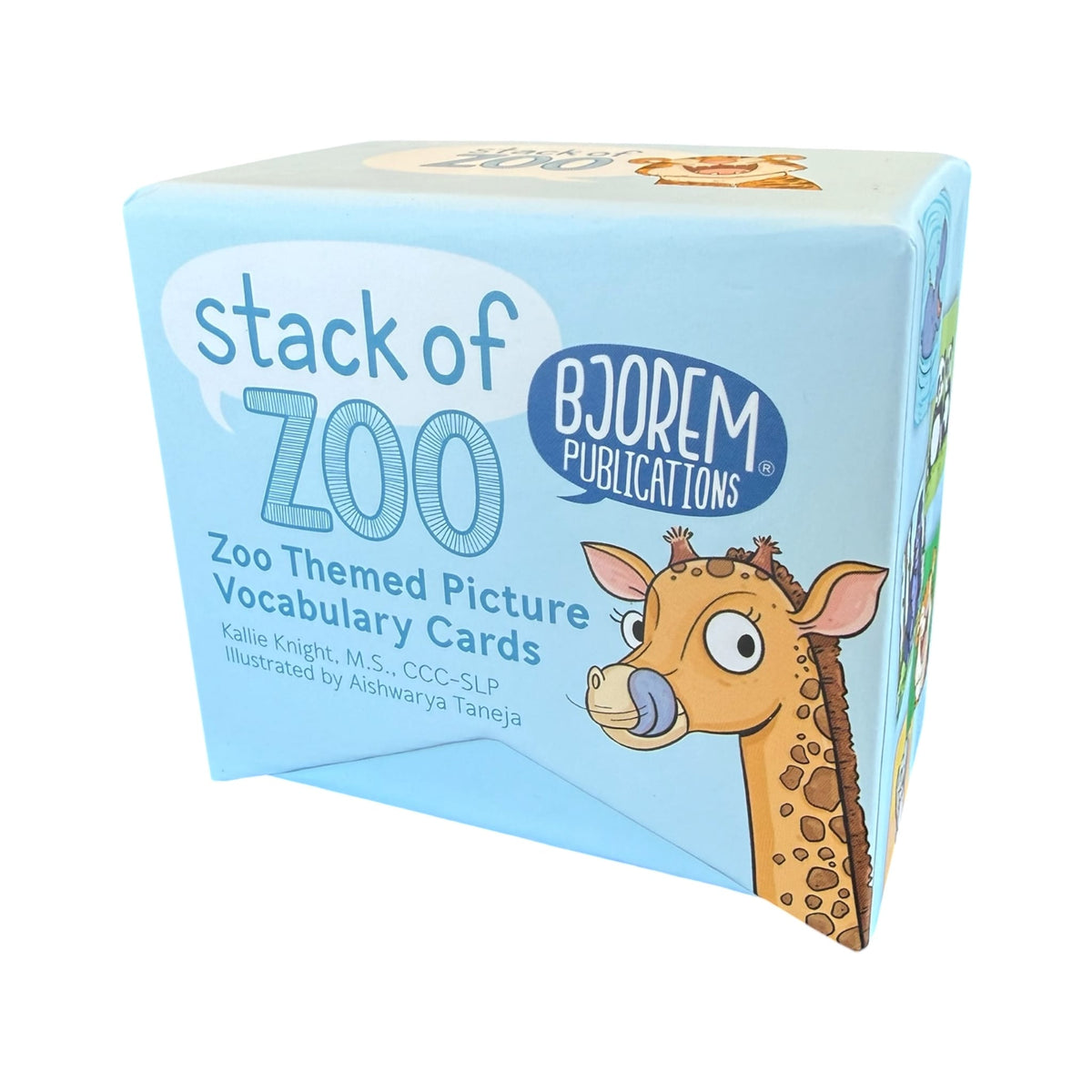
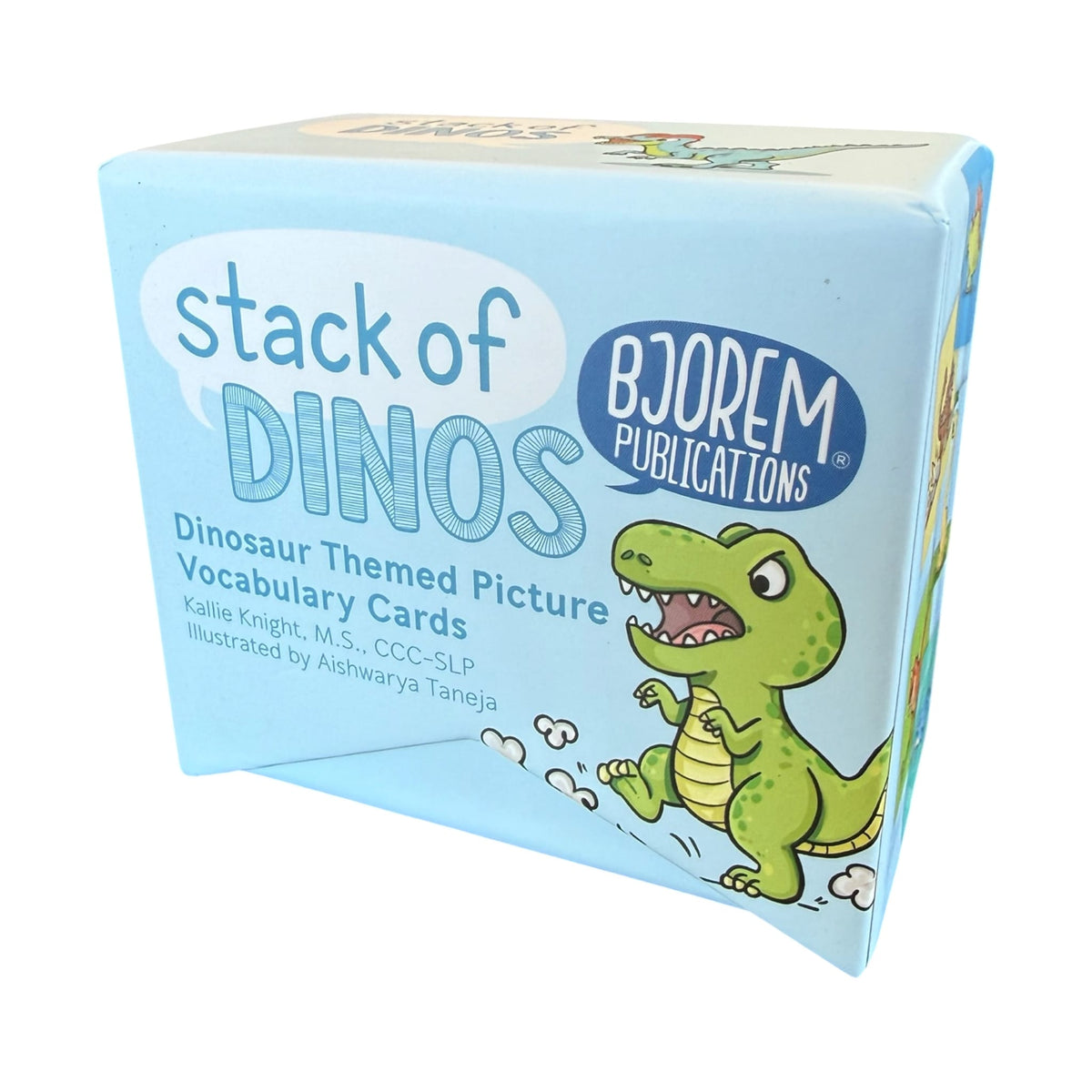
The animal kingdom is one of the most natural entry points into early language learning. Children are drawn to animals instinctively, naming them, imitating their sounds, and asking questions about them constantly. That natural curiosity makes animal flashcards one of the most effective tools a speech language pathologist, educator, or parent can reach for when targeting early vocabulary, sound production, and language development. At Bjorem Speech & Literacy, our animal flashcards collection channels that natural engagement into materials with real clinical purpose and lasting value in every setting.
Flashcards of Animals Designed With More Than Just Pictures in Mind
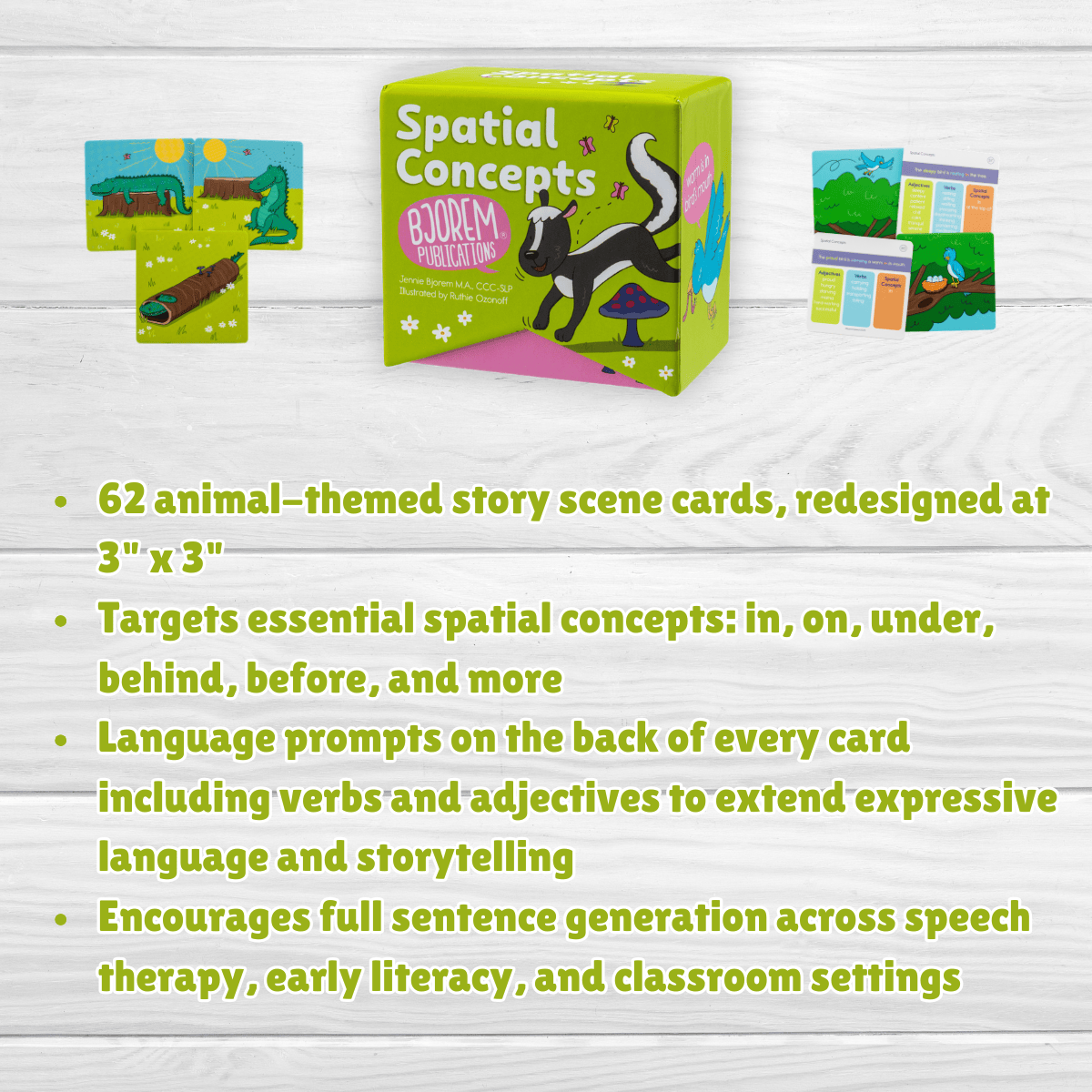
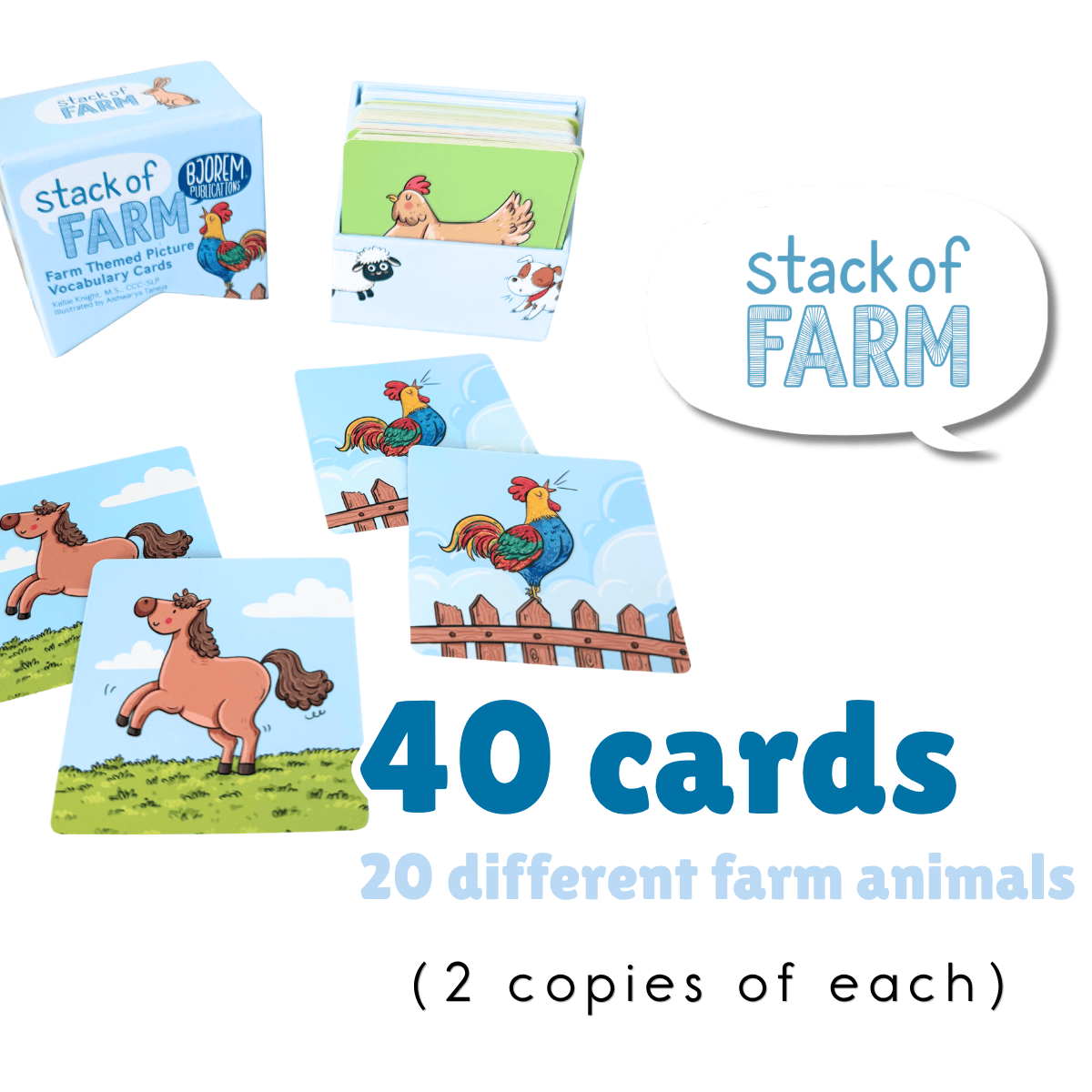
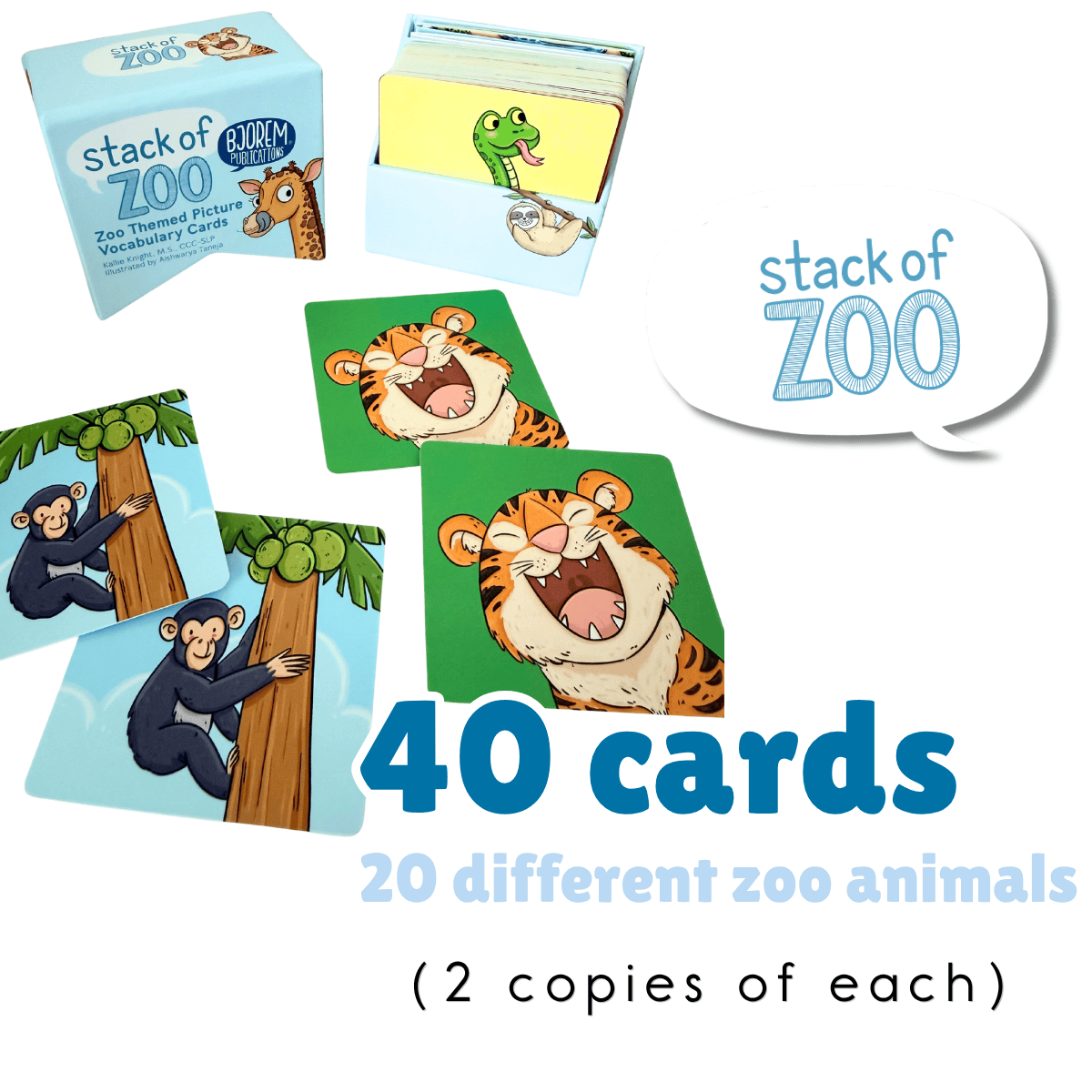
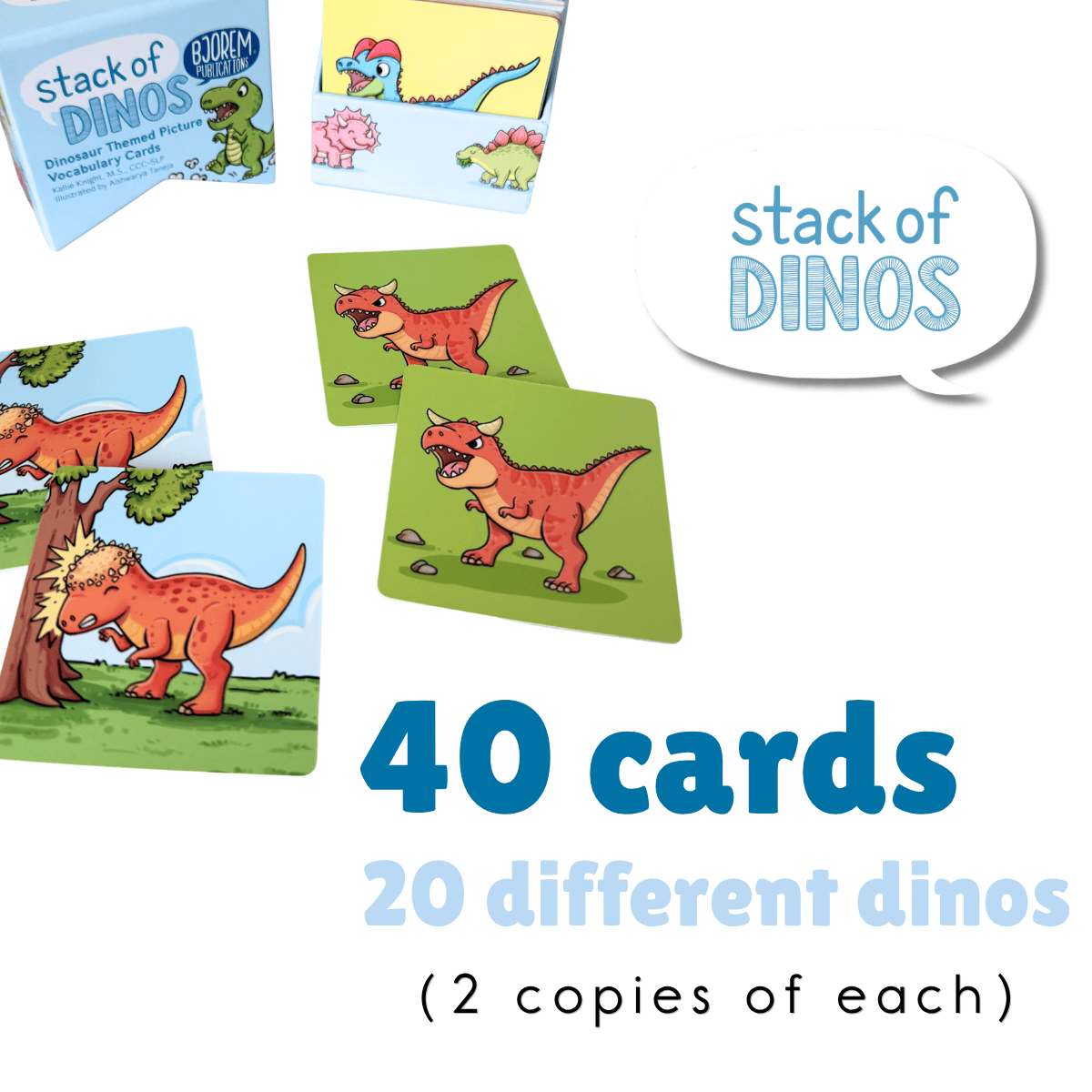
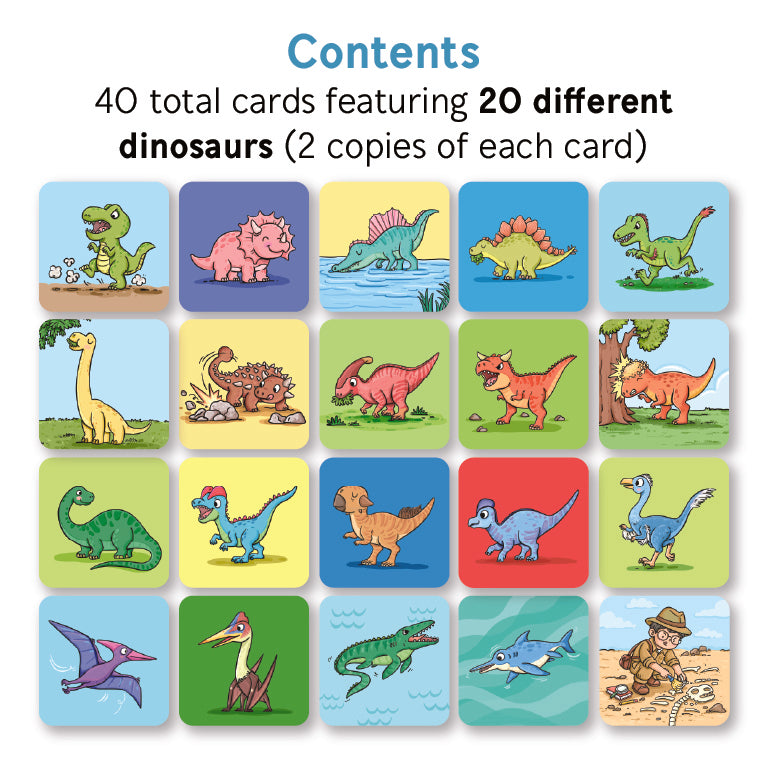
At Bjorem, we believe every card in a therapy room should be pulling its weight. Our flash cards of animals are not simply a collection of cute illustrations assembled into a deck. They are purposefully developed resources built around specific speech, language, and literacy goals, with every image, vocabulary choice, and format decision shaped by a team of practicing SLPs and educators who understand what clinical impact actually looks like. Bjorem Speech & Literacy was founded by Jennie Bjorem, M.A., CCC-SLP, whose years of direct clinical work with children shaped the philosophy behind everything we create: materials should be grounded in research, visually engaging, and inclusive enough that every child feels represented in what they are learning with.
Our flashcards of animals are built around:
- Inclusive, diverse illustrations developed in collaboration with talented artists who understand how children engage with visual material
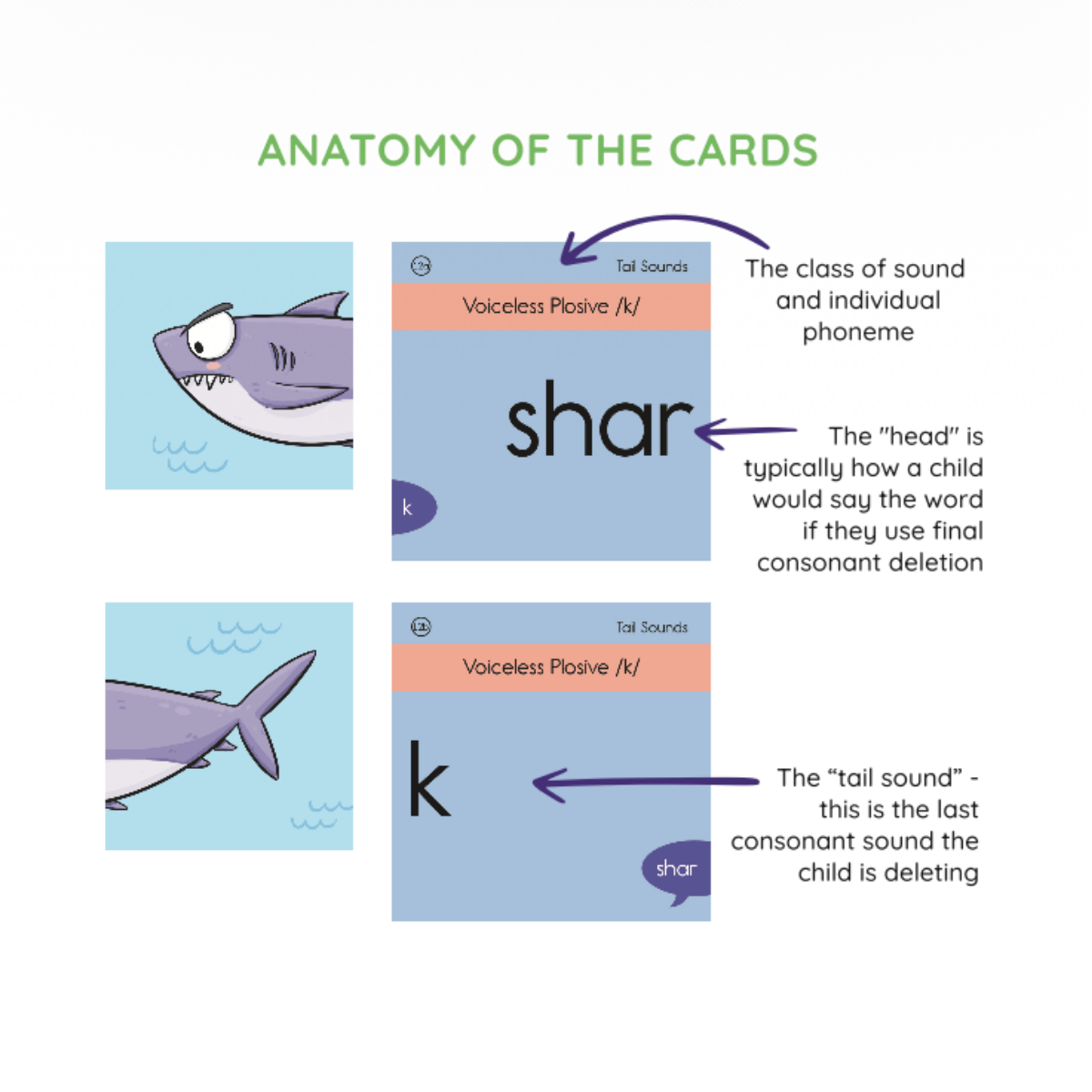
- Vocabulary targets selected by SLPs to align with early language milestones and articulation goals
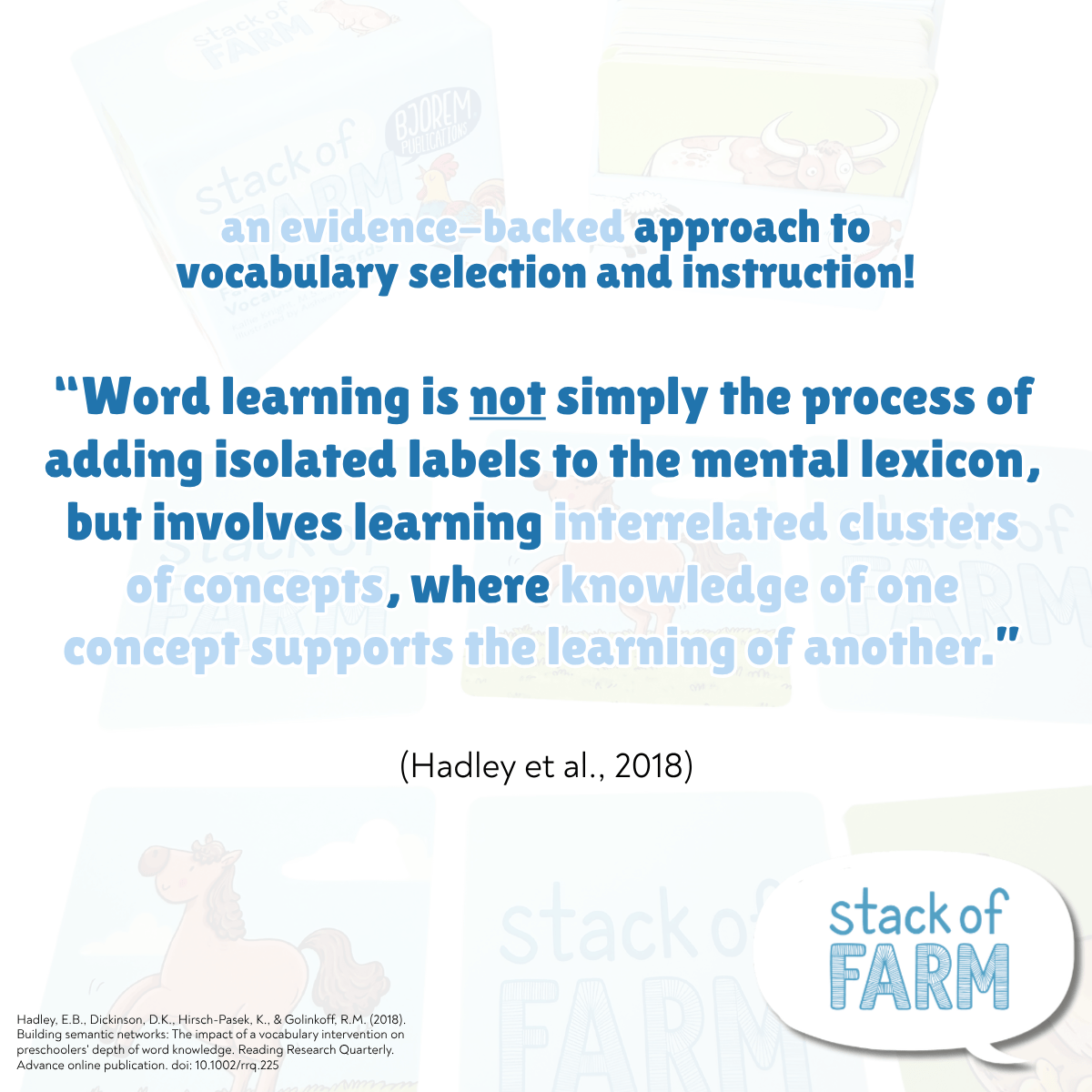
- Research aligned content grounded in evidence on vocabulary development, phonological awareness, and functional communication
- Durable, child friendly formats built to hold up through repeated clinical and home use
- Clear, uncluttered visuals that keep a child's focus on the target without unnecessary distraction
Animal Flashcards Across Settings and Age Groups
One of the great strengths of animal vocabulary as a therapy target is how naturally it spans age groups, ability levels, and goal areas. Our animals flashcards are flexible enough to serve an early intervention SLP working on first words with a toddler, a school based clinician targeting specific sounds in an older student, and a parent looking for engaging tools to support language practice at home.
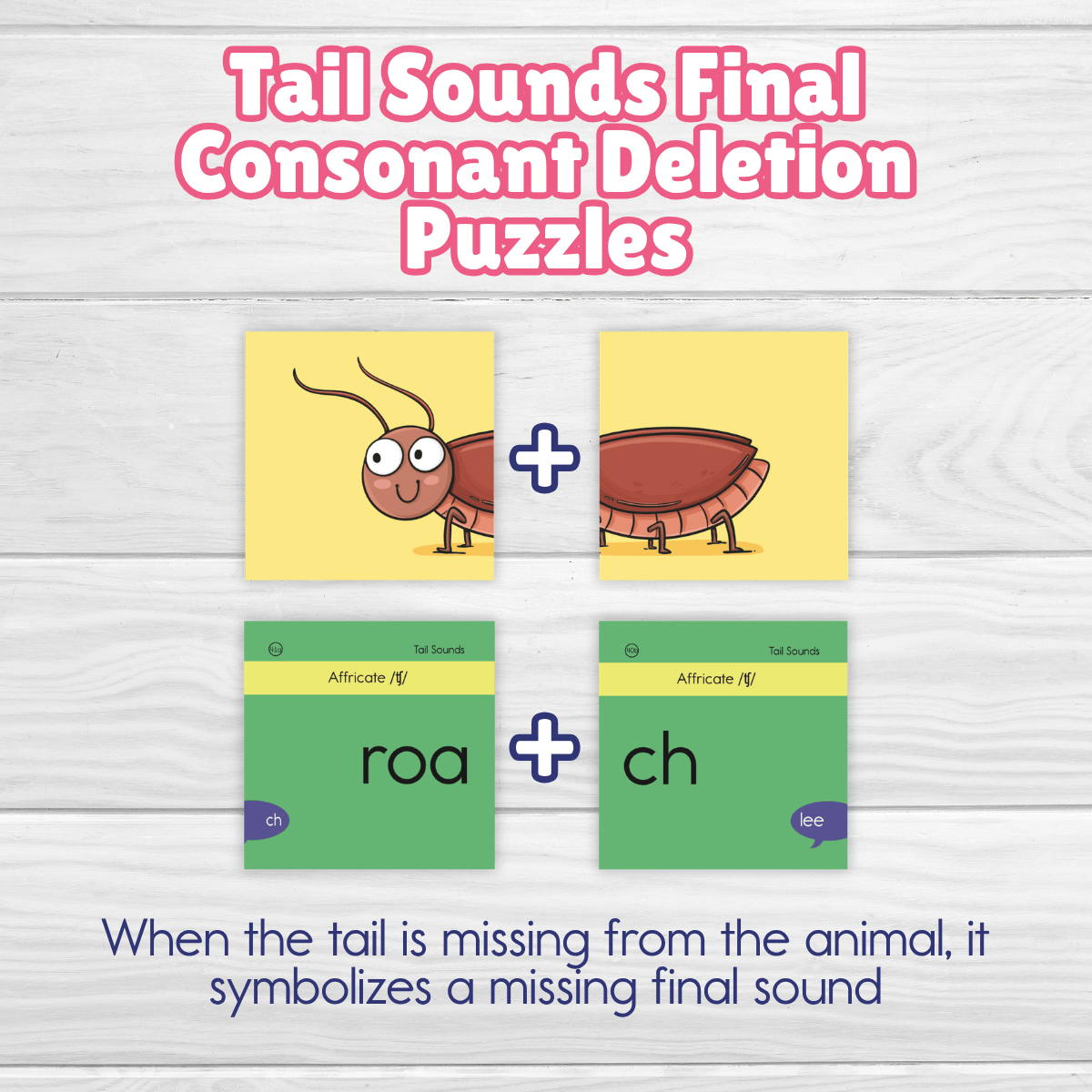
For articulation work, animal vocabulary provides a rich range of targets across sound positions and syllable structures, making flashcards with animals a practical choice for clinicians managing diverse caseloads. For language development, animal themed cards support vocabulary growth, category concepts, descriptive language, and question answering skills that build naturally from one session to the next.
Trusted Animal Flashcards From a Brand Built by SLPs
Since 2017, Bjorem Speech & Literacy has fulfilled over 225,000 orders and grown to more than 80 unique products trusted by SLPs, educators, and families worldwide. Our resources are used in some of the largest school districts in the United States and recommended by clinicians who have seen firsthand what well made, research aligned materials can achieve with children. Every set of animal flashcards we release reflects our core mission: to create materials that are diverse, inclusive, and effective for every child, in every setting, at every stage of their communication journey. Explore the full collection and find the tools that bring vocabulary to life, one animal at a time.