

In Part 1 – The Doubling Rule, we learned how to protect vowel sounds when adding suffixes. In Part 2 – The Drop E Rule, we explored when to remove a silent e before adding a vowel suffix.
Now in Part 3, we’re tackling another powerful spelling pattern — what to do when a base word ends in y.
Spelling becomes easier when students understand patterns. The third great spelling rule helps students know what to do when a base word ends in y and we add a suffix.
The Rule
When adding a suffix to a base word that ends in y, change the y to i.
EXCEPT when the suffix begins with the letter i.
Examples
-
try + es = tries
-
funny + est = funniest
-
fry + ed = fried
In each example:
-
The base word ends in y
-
The suffix does not begin with i
-
The y changes to i
The Exception
If the suffix begins with i, we keep the y.
-
copy + ing = copying
-
try + ing = trying
Because -ing begins with the letter i, the y stays.
Why This Rule Matters
The Change y to i Rule helps students:
-
Spell multisyllabic words correctly
-
Avoid awkward double-i spellings
-
Understand how base words change
-
Strengthen morphological awareness
-
Build reading and writing confidence
When students understand the why, spelling becomes logical instead of memorized.
Let’s Recap:
✅ Change y to i when adding a suffix
✅ Do not change the y if the suffix begins with i
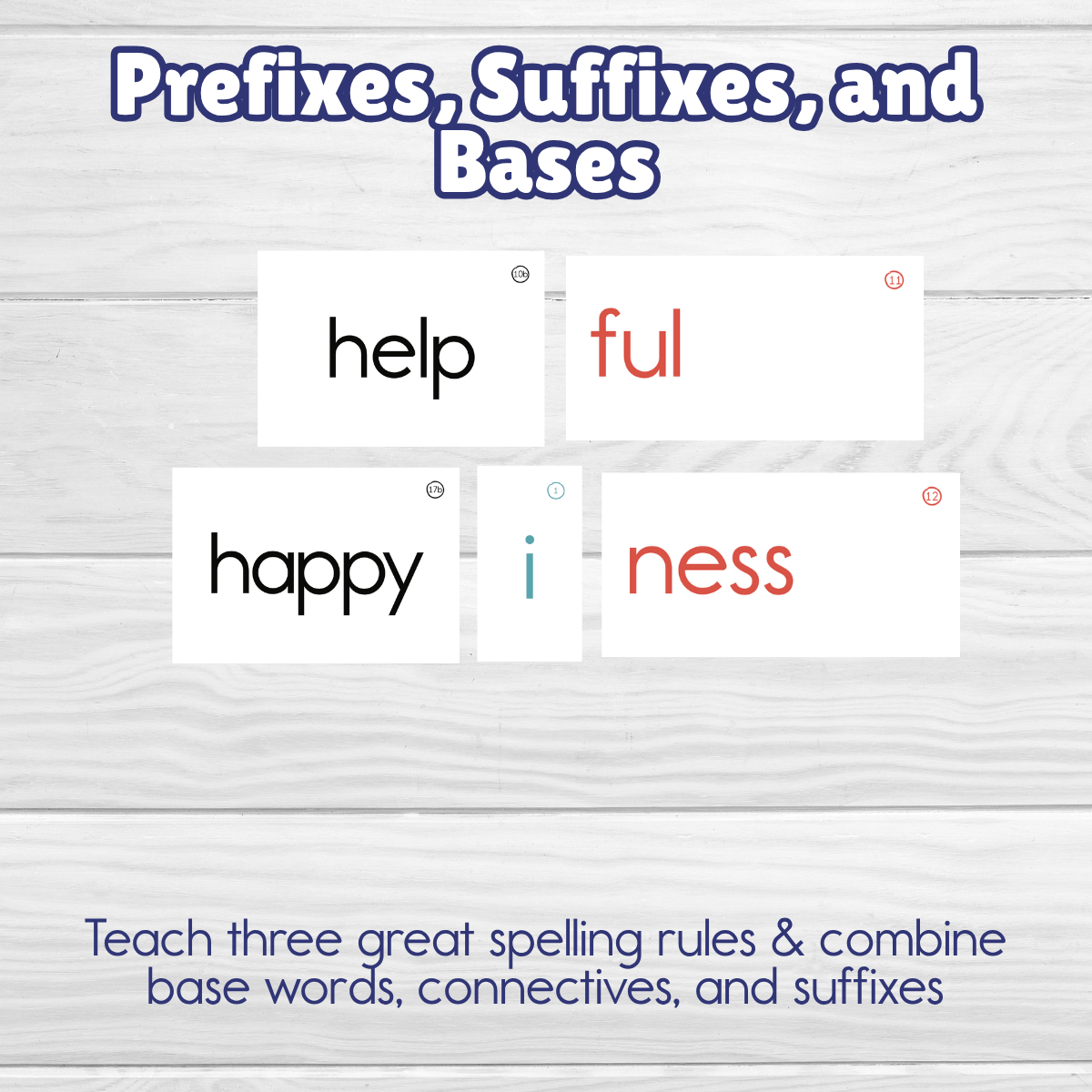
✅ Use visuals and word-building practice to make the rule stick
Final Thoughts
The Change Y to I Rule is a cornerstone of effective spelling instruction. It teaches students how words transform while preserving meaning and pronunciation.
By teaching the rule step by step, explicitly explaining the exception, and giving students repeated opportunities to build and manipulate words, you create lasting understanding and confidence.
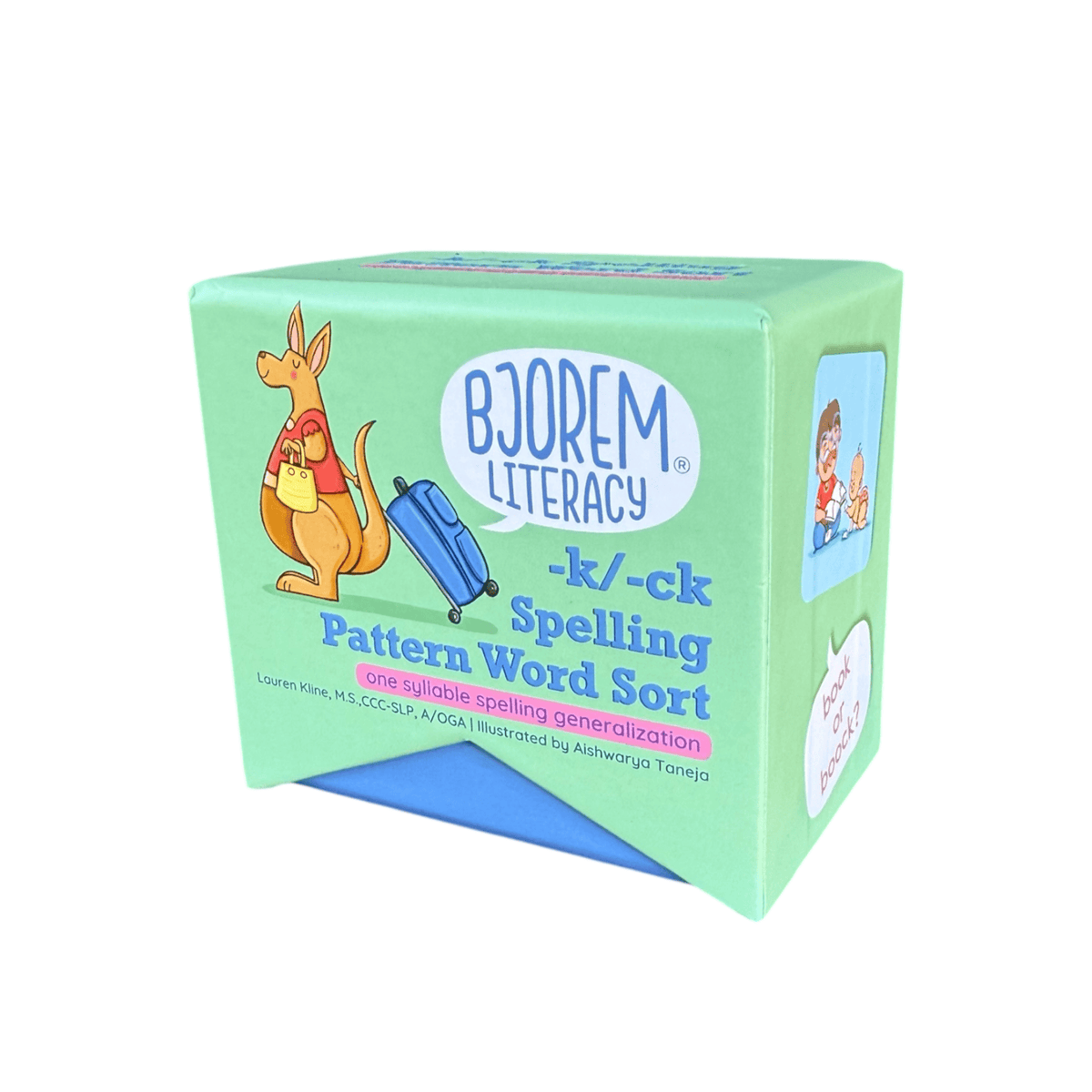
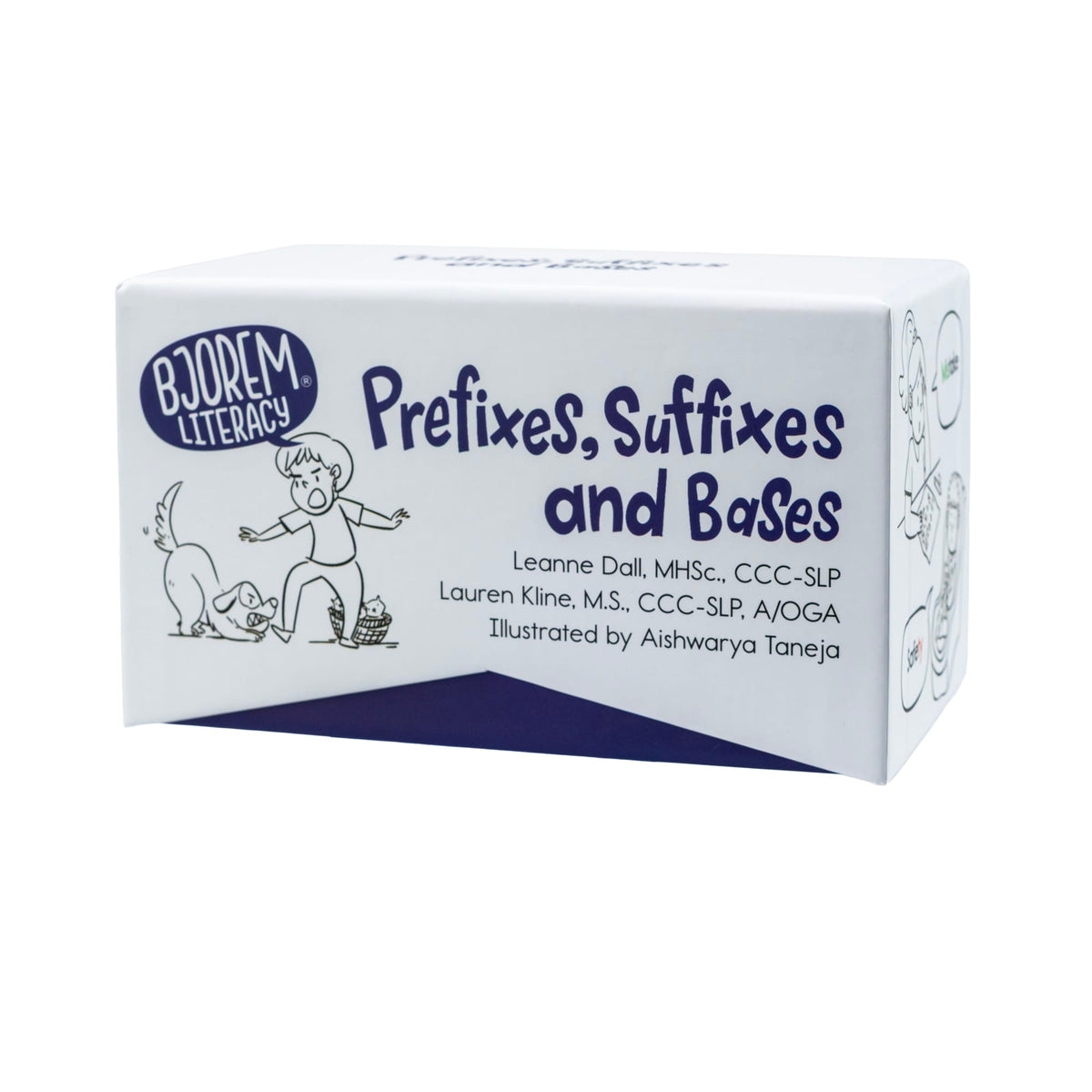
📚 The Bjorem Literacy® Prefixes, Suffixes, and Bases Deck is built for hands-on discovery, with student-friendly definitions, sort activities, and clear visuals—perfect for any literacy block or speech-language session. If you want to learn more about one syllable spelling generalizations, read about them here.
Spelling success is just a y-to-i away.