
If you've ever wondered why reading doesn't just “click” for some kids, you're not alone. We hear this all the time from families. Reading can feel confusing, overwhelming, and, honestly, a little mysterious.
Here's the truth we've learned after years as Speech Language Pathologists: reading isn't one skill. It's a collection of skills working together behind the scenes. And when even one piece is missing, the whole system can feel shaky.
The good news? Once you understand what those reading skills are, everything starts to make more sense. You can see where your child is thriving, where they might need support, and what to do next.
Let's break it down in a way that actually feels doable.
What this article covers:
- 8 Important Skills for Reading
- How to Help Your Child Improve Their Reading Skills
- Reading Skills FAQs
8 Important Skills for Reading
Reading isn't powered by just one ability. It's built on several connected skills that work together to help your child decode, understand, and enjoy what they read.
1. Phonemic Awareness
This is where reading truly starts. It's all about what your child can hear, not what they can see.
Phonemic awareness means your child can notice and play with sounds in words. They can tell you that “cat” has three sounds or that “sun” starts with “s”. These skills don't involve letters yet.
We build this through simple games. Rhyming, sound matching, and stretching out words all help. When kids can hear how words work, they're much more prepared to connect sounds to letters later on.

2. Phonics
Now we connect sounds to print with phonics. This is where letters come in.
Phonics for reading teaches your child that sounds match specific letters or letter combinations. It's what allows them to read a new word instead of guessing. For example, they can look at “ship” and sound it out.
You'll often see kids slow down here. That's a good sign. They're paying attention to each part of the word. With practice, this becomes faster and more automatic, helping them read with confidence.
3. Vocabulary
Vocabulary is all about understanding word meanings.
If your child reads a word but doesn't know what it means, comprehension breaks down quickly. That's why building vocabulary matters so much.
This happens naturally through conversation. Talk about what you're doing. Explain new words as they come up. During reading, pause and check for understanding. A quick explanation can make a big difference.
The more words your child knows, the easier it is to understand what they read.
4. Fluency
Fluency is what makes reading sound smooth and natural.
When a child reads fluently, they're not stopping at every word. They read in phrases, with expression, and at a steady pace. It starts to sound like talking.
Fluency grows with practice. Re-reading familiar books helps build confidence and speed. Hearing fluent reading also matters, so keep reading aloud.
As fluency improves, reading feels easier. Your child can focus less on figuring out words and more on understanding the story.

5. Reading Comprehension
This is the whole point of reading. It's about understanding what the text actually means.
Your child might read every word correctly, but still miss the message. That's where comprehension comes in. It involves thinking about the story, making connections, and answering questions.
You can support this by doing kindergarten reading comprehension activities with your child, or simply talking while you read. Ask simple questions like “What just happened?” or “Why did the character do that?” These conversations help your child stay engaged and make meaning from what they read.
6. Spelling
Spelling and reading are closely connected.
When your child learns how words are spelled, they're also learning how sounds and letters work together. For example, spelling “jump” helps reinforce the sounds “j”, “u”, “m”, and “p”.
Encourage your child to sound out words as they write. It doesn't have to be perfect. What matters is that they're thinking about the sounds. Over time, patterns start to stick, and both reading and writing improve.
7. Writing
Writing gives your child a chance to use what they know.
When kids write, they practice phonics, spelling, and vocabulary all at once. Even simple sentences help build strong literacy skills. It could be a note, a list, or a short story.
Keep it low pressure. Let your child write about things they enjoy. Offer support, but don't correct every mistake. The goal is to build confidence and help them see how reading and writing work together.

8. Visual Processing
Visual processing helps your child make sense of what they see on the page.
This includes recognizing letters, tracking words from left to right, and telling similar letters apart, like “b” and “d.” These skills support smoother reading.
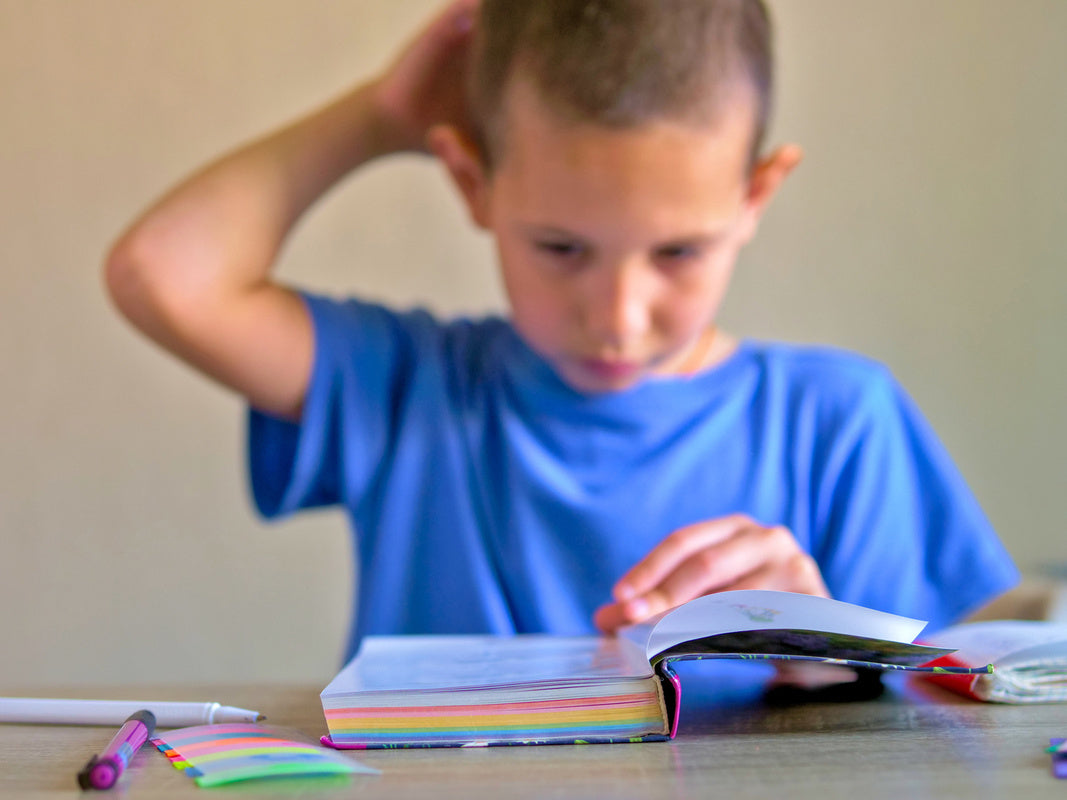
If your child skips words or loses their place, this could be an area to watch. Simple supports can help. Use your finger to track words or try larger print. As visual skills improve, reading starts to feel more controlled and less overwhelming.
How to Help Your Child Improve Their Reading Skills
Now that you know what skills are involved, the next step is knowing how to support them at home. The good news is you don't need complicated lessons. Small, consistent actions can make a big difference in knowing how to encourage reading in kids.
1. Read Aloud Every Day
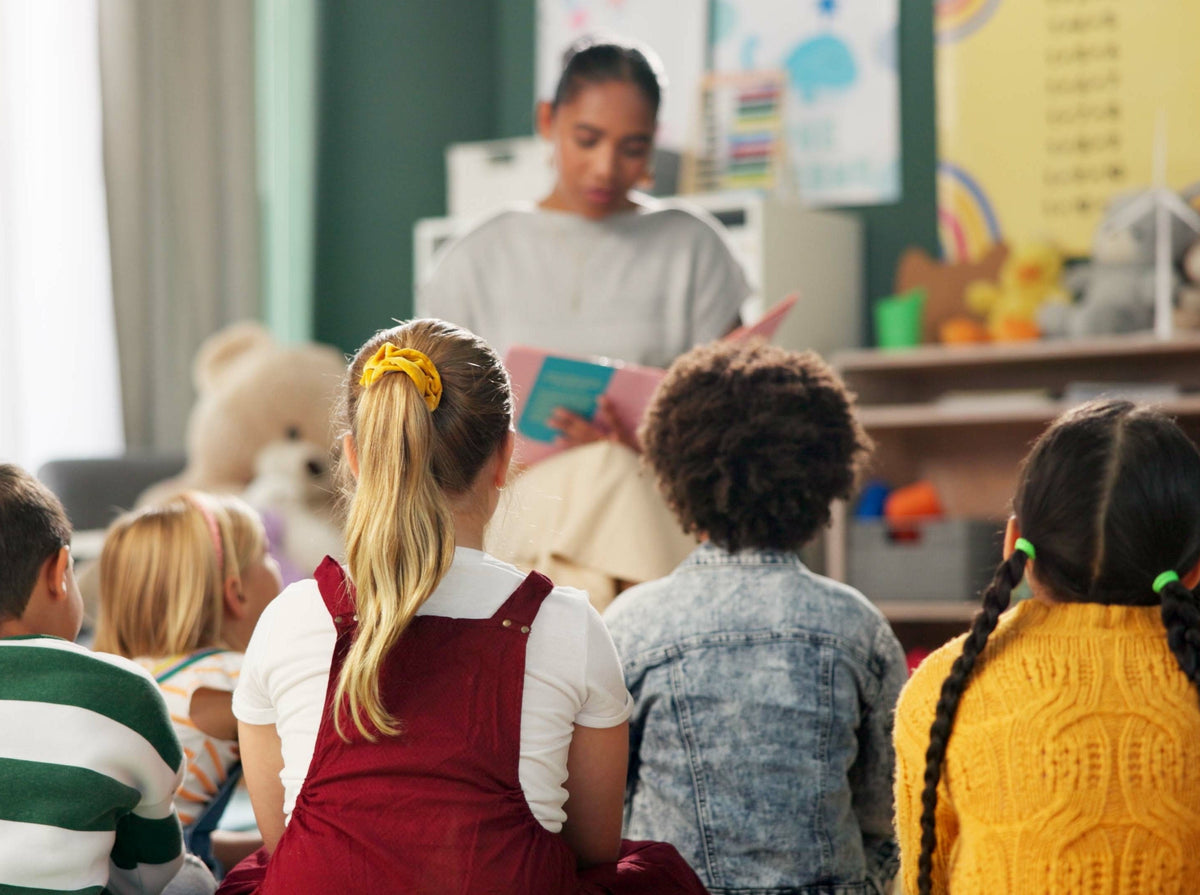
This is one of the simplest and most powerful things you can do. When you read aloud, your child hears fluent reading, rich vocabulary, and natural expression. It builds language skills even before they can read independently.
Keep it fun. Pause to talk about the story. Ask questions. Let them wonder out loud.
2. Play With Sounds
Make phonemic awareness playful and pressure-free. Clap out syllables. Play rhyming games. Ask, “What sound does ‘sun' start with?”
These small moments build big skills. You don't need flashcards or worksheets. Just your voice and a little creativity.
3. Practice Decoding (Not Guessing)
Encourage your child to sound out words instead of guessing based on pictures or the first letter.
It might feel slower at first. That's okay. This is how the brain learns to read efficiently. Support them as they blend sounds together, and celebrate the effort, not just the correct answer.

4. Build Vocabulary Through Conversation
Talk. A lot. Describe what you're doing. Introduce new words naturally. If your child asks what something means, take the time to explain it clearly. Vocabulary doesn't grow from memorization. It grows from meaningful use.
5. Use Reading Programs for Kids
Sometimes, you need structured support. That's where thoughtfully designed tools come in.
We've created resources like the Bjorem Better Letters with The Laurie Berkner Band Card Deck and the Better Letters Word Lists and Fluency Sentences to make learning engaging and systematic. These tools help children connect sounds to letters, practice decoding, and build fluency in a way that feels fun and achievable.
6. Keep Practice Short and Positive
Long, stressful reading sessions don't help anyone. Instead, aim for short bursts of focused practice. Five to ten minutes can be enough. End on a success. When kids feel good about reading, they're more likely to keep trying.
7. Follow Your Child's Interests
Motivation matters more than we think. If your child loves dinosaurs, read dinosaur books. If they're into trucks or princesses or animals, lean into that.
When kids are interested, they're more willing to try. They stay engaged longer and build confidence faster. This is one of the easiest ways to make reading fun for them.
You don't have to follow a strict list. Let curiosity lead the way and watch how it changes their attitude toward reading.

Reading Skills FAQs
At what age should my child start learning reading skills?
Reading skills start developing much earlier than most people think. Even toddlers build early skills through listening, talking, and playing with sounds.
How do I know if my child is struggling with reading?
Look for signs like avoiding reading, sounding out the same words repeatedly, or difficulty understanding simple texts. Trust your instincts. If something feels off, it's worth exploring further. Don't wait - evaluate.
Can screen time help improve reading skills?
Some apps can support learning, but they shouldn't replace real interaction. Reading together, talking, and hands-on practice are still the most effective ways to build strong reading skills.
Conclusion
Reading skills aren't a mystery once you know what to look for. They're a set of teachable, learnable building blocks.
When we support phonemic awareness, phonics, fluency, vocabulary, and comprehension together, we're giving children everything they need to become confident readers. And just as importantly, we're helping them enjoy the process.
If you're ready to support your child with tools that actually target these skills, we're here to help. Explore Bjorem Literacy resources designed by speech therapists to make reading click.