Reading comprehension for kindergarten kids can feel like a big, confusing goal. We hear “understanding what you read,” but what does that actually look like for a 5-year-old?
Here's the good news: It's not about long books or perfect reading. It's about helping kids make meaning from stories, pictures, and words.
At Bjorem Literacy, we've seen how small, playful moments can build strong comprehension skills over time. With the right support, kids don't just read. They understand, connect, and enjoy it.
What this article covers:
- Reading Comprehension Activities for Kindergarteners
- Signs Kindergarteners Have Good Reading Comprehension
Reading Comprehension Activities for Kindergarteners
Helping your child build comprehension doesn't require complicated lessons or long reading sessions. It starts with simple activities that turn everyday reading into meaningful learning. Here's how to encourage reading in kids and support their comprehension:
1. Picture Walks Before Reading
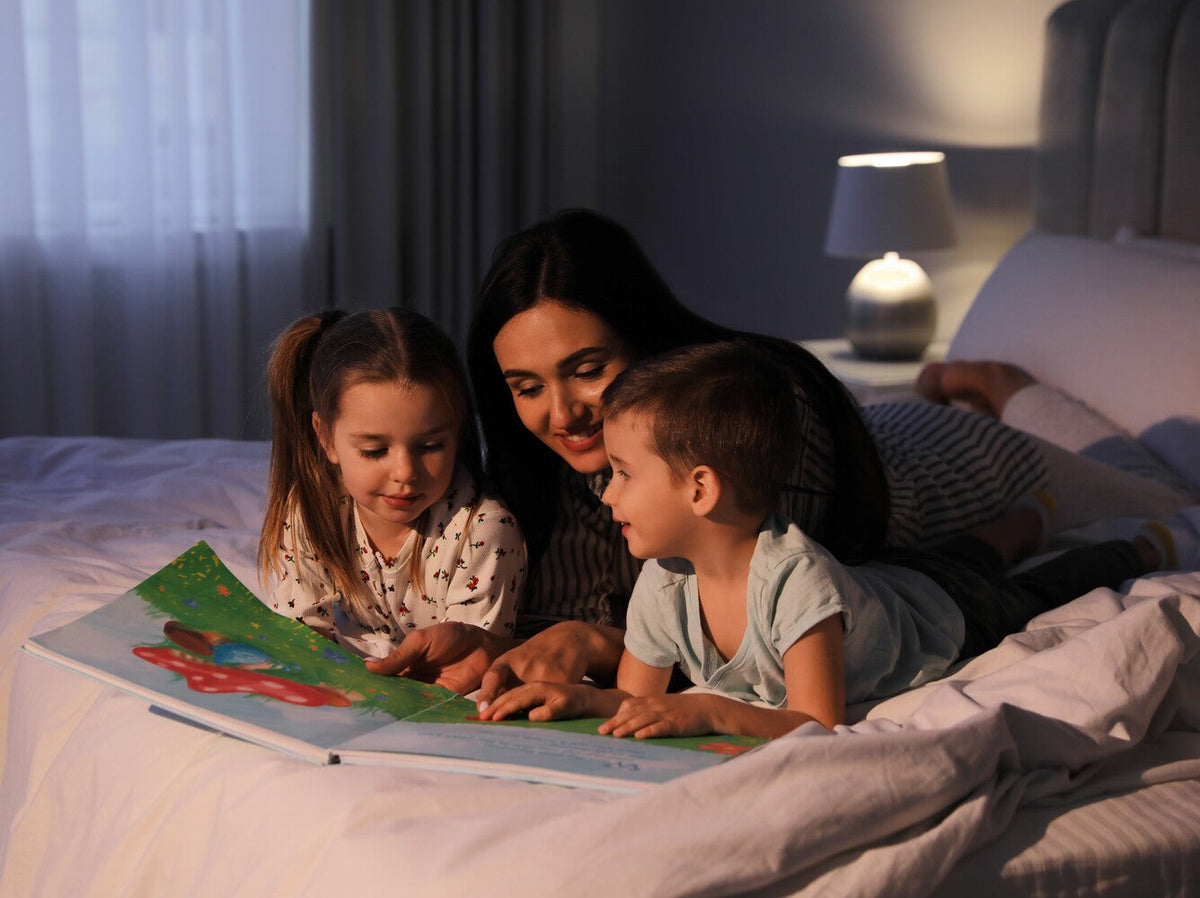
Before you even read the story, pause. Flip through the pages together. Look at the pictures and ask simple questions. What do you think is happening? Who do you see? What might happen next?
This builds prediction skills and gets kids thinking ahead. It also reduces pressure. Kids don't need to decode every word to participate. They're already practicing comprehension just by talking through the story.
2. Retell the Story in Their Own Words
After reading, ask your child to tell you what happened. Keep it simple. Beginning, middle, and end.
You might hear short answers at first. That's okay. Prompt gently with questions like, “What happened first?” or “What was your favorite part?” Retelling strengthens memory and sequencing. It also shows you how much your child truly understood.

3. Act It Out
Kids love to move. So let them. Choose a favorite story and act it out together. Use voices, gestures, and simple props from around the house.
When kids physically act out a story, they're processing it in a deeper way. They're connecting actions to meaning. This kind of play builds comprehension without it feeling like work, and is an easy way to make reading fun for them.
4. Ask “Why” and “How” Questions
Move beyond yes or no questions. Ask things like, “Why did the character do that?” or “How do you think they felt?”
These questions encourage kids to think about cause and effect. They also build early inferencing skills, which are key to strong reading comprehension later on.
5. Connect the Story to Real Life
Help your child make connections. “That reminds me of when we went to the park,” or “Have you ever felt like that character?”
These personal links make stories more meaningful. When kids connect reading to their own experiences, comprehension becomes more natural and memorable.
6. Use Visual Supports and Literacy Tools
Sometimes kids need a little extra structure. That's where targeted tools can help. For example, using something like the Bjorem Better Letters with the Laurie Berkner Band Card Deck can support letter-sound awareness while keeping kids engaged with music and movement.
As kids grow, resources like Better Letters Word Lists and Fluency Sentences in a Book help build smoother reading, which frees up brainpower for comprehension.
Even early exposure to word parts with tools like Prefixes, Suffixes, and Bases can lay the groundwork for understanding how words work, especially for kids who need more support. The key is to keep it playful, interactive, and consistent.

Signs Kindergarteners Have Good Reading Comprehension
It's not always obvious what strong comprehension looks like in young readers. The signs are often subtle, but once you know what reading skills to watch for, they're easy to spot in everyday reading moments.
1. They Can Retell a Story
If your child can walk you through what happened after reading, you're on the right track. You might hear something like, “First the dog ran away, then the girl looked for him, and then they found him.” That's gold.
The retell may not be perfect. They might skip smaller details or mix up the order a bit. That's okay. What matters is that they're capturing the main idea and recalling key events. This shows they're processing the story, not just listening to words.
2. They Ask Questions While Reading
Kids who ask questions are tuned in. You'll hear things like, “Why did he do that?” or “What does that word mean?” Sometimes the questions come mid-page. Sometimes, after the story ends.
This kind of curiosity tells us they're thinking beyond the surface. They're trying to make sense of characters, actions, and new vocabulary. When kids engage like this, they're actively building understanding with every page.
3. They Make Predictions
Listen for guesses about what's coming next. Your child might say, “I think the bear is going to find the honey,” or “She's probably going to fall.”
These predictions don't need to be correct. The real win is that your child is using clues from pictures, story patterns, or past experiences to make a guess. That forward thinking shows they're engaged and following the storyline closely.

4. They Relate Stories to Their Own Life
This is one of our favorite moments. Your child suddenly lights up and says, “That happened to me at the park!” or “I felt scared like that before.”
These connections show deep understanding. Your child is linking the story to real experiences, emotions, or memories. It helps the story stick. It also strengthens their ability to understand characters and situations in future reading.
5. They Notice When Something Doesn't Make Sense
This is a big developmental step. Your child might stop and say, “Wait, that's not right,” or “That doesn't make sense.”
That pause matters. It shows they're paying attention and checking their own understanding. Strong readers do this naturally over time. In kindergarten, even a quick moment of confusion followed by a question is a great sign that comprehension skills are growing.
Conclusion
Reading comprehension for kindergarten kids doesn't happen overnight. It builds through conversation, play, and shared reading experiences. Keep it simple. Stay consistent. Most importantly, make it enjoyable.
If you're ever unsure whether your child is on track, don't wait - evaluate. And when you're ready for supportive, engaging tools, we're here to help you build confident, capable readers every step of the way.
Explore our thoughtfully designed literacy tools at Bjorem Literacy, created by speech therapists who understand exactly how kids learn best. If you're ready to support your child with engaging, research-backed resources, we've got you covered.