
There are few parenting moments more loaded than waiting for your child to say their first word. Other kids are talking. Yours isn't, or at least not the way you expected. If that sounds familiar, you are not alone. At Bjorem Speech, we work with families navigating speech and language development every day. We've seen the worry, the late-night Googling, the pediatrician visits with no clear answers.
But why do kids have speech delays? The causes are more varied than most people realize, and none of them are your fault. Let's walk through what's actually going on, what to watch for, and what you can do about it.
What this article covers:
- What Are Speech Delays in Children?
- 8 Causes of Speech Delays in Children
- How to Tell if Your Child Might Have a Speech Delay
- What to Do if Your Child Has a Speech Delay
What Are Speech Delays in Children?
A speech delay means a child isn't meeting expected talking milestones for their age. A late talker is usually under the age of 3 and developing normally in every other area, but just slow to start using words.
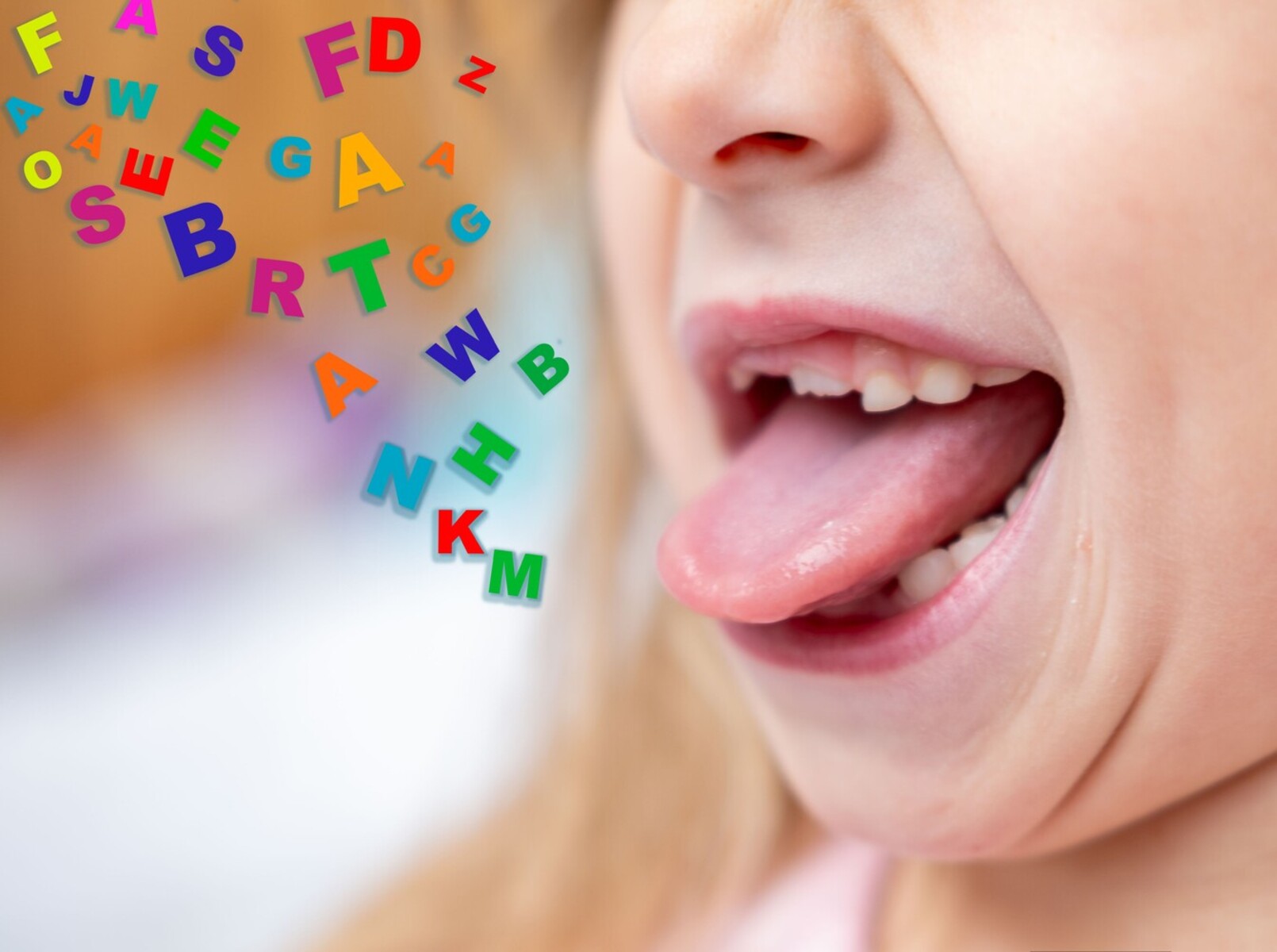
It's worth knowing that speech and language delays are related but not the same. Speech refers to talking and the ability to form sounds and words properly, while language encompasses communication and comprehension, including a child's ability to convey information that others understand.
A child can have one, the other, or both. One out of five children will have delayed speech and language development. That's not a small number. And the most important thing to understand from the start is that loving, attentive parents do not cause speech delays.

8 Causes of Speech Delays in Children
Speech delays rarely have a single, simple explanation. Here are eight of the most common causes we see, and understanding them is the first step toward getting your child the right support:
1. Oral-Motor Problems
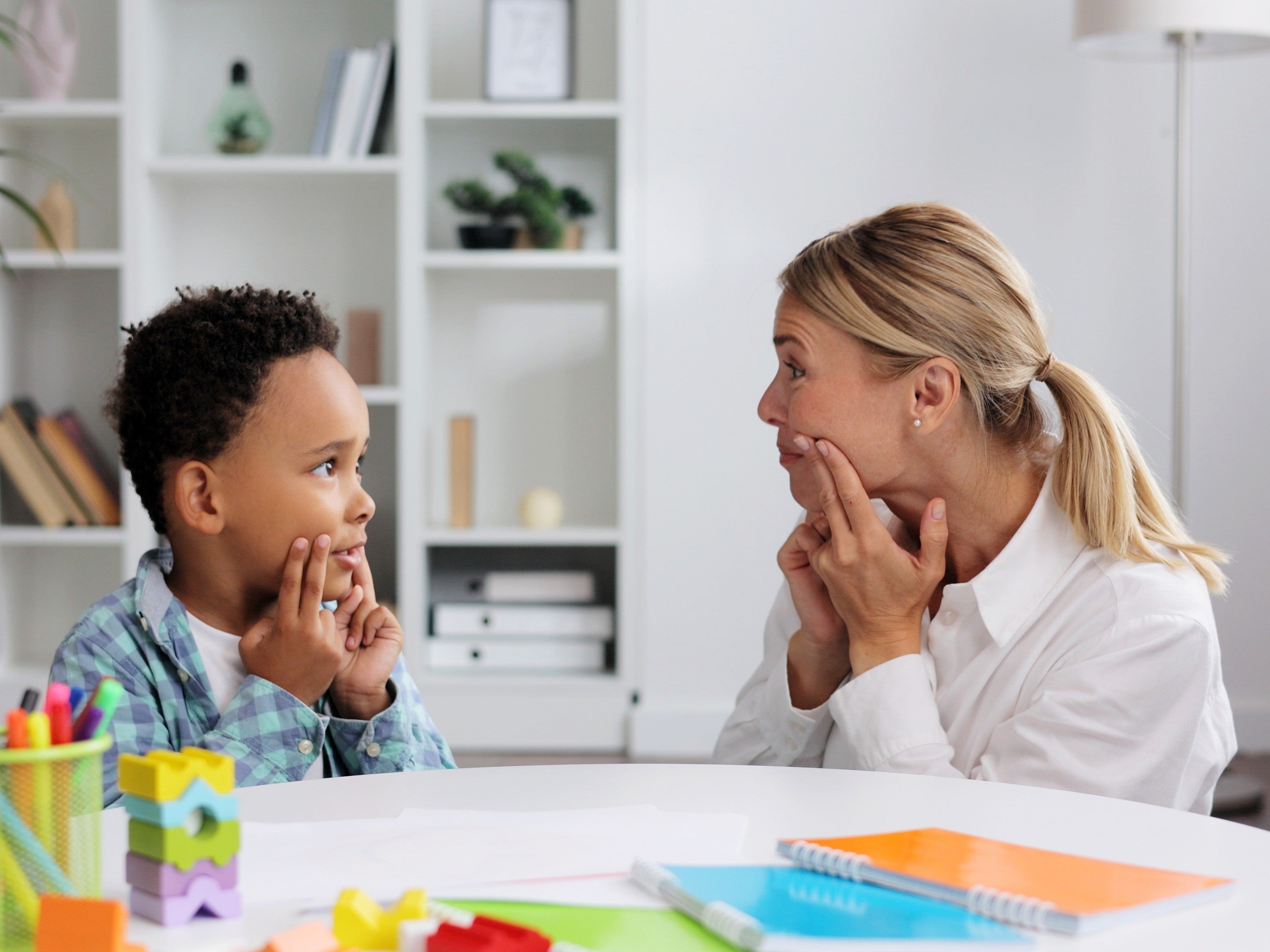
Speech requires precise coordination of the lips, tongue, and jaw. Some children have speech delays due to oral-motor problems, which occur when the brain has difficulty coordinating the movements needed for speech.
Children with oral-motor issues might also struggle with feeding or drooling. Conditions like apraxia and dysarthria fall into this category and respond well to early, targeted therapy.
To learn more about conditions like childhood apraxia of speech, read our guide on what is apraxia in kids.
2. Tongue-Tie
The frenulum is the fleshy fold that connects the tongue to the lower mouth. A short frenulum can negatively impact language development. Repairing a tongue-tie can help increase the mobility of the tongue and, with practice and the right support, have a big impact on pronunciation.
3. Hearing Loss
Children learn to speak by hearing language around them. If a child can't hear well or hears distorted sounds, it can make learning speech very difficult. A formal hearing test is always one of the first steps in any evaluation.
4. Ear Infections
Chronic ear infections can do more than cause pain. In some cases, they can result in hearing problems and language delays. When fluid sits behind the eardrum repeatedly, sounds become muffled, and a child trying to learn language is essentially working with an incomplete signal.

5. Autism Spectrum Disorder
Speech delays frequently affect children with autism. Research has found that a significant portion of 3-4-year-olds diagnosed with autism couldn't speak at a level typical for their age. That said, having a speech delay does not automatically mean a child has autism. A proper evaluation will help clarify the picture.
6. Developmental Speech and Language Disorders
Sometimes the delay isn't tied to a physical structure or a specific diagnosis. Speech and language disorders can affect how a child processes and uses language.
They may have trouble forming speech sounds, understanding what others are saying, or using words to communicate. Sometimes these issues are linked to learning disabilities, making early detection especially important.
7. Neurological Conditions
Conditions like cerebral palsy, muscular dystrophy, or a traumatic brain injury can affect the muscles needed for speech. In these cases, children often benefit from a team of specialists, including a speech-language pathologist, to support their communication development.
8. Lack of Language Stimulation
Children learn language through real, back-and-forth human connection. If a child isn't exposed to enough spoken language or opportunities for engagement, their speech development might lag. Reading, singing, and talking to your child throughout the day can make a big difference.

How to Tell if Your Child Might Have a Speech Delay
Every child develops at their own pace, but certain patterns are worth paying attention to. By 12 months, a child who isn't using gestures such as pointing or waving may be showing early signs of a delay. By 18 months, a child who prefers gestures over vocalizations, has trouble imitating sounds, or doesn't understand simple verbal commands warrants a closer look.
By 2 years of age, parents and caregivers should be able to understand about half of everything a child says. By age 3, that number climbs to at least 75%, and by age 4, nearly everyone should be able to understand what a child is communicating.
Other red flags include no babbling as an infant, not responding to their name by 12 to 15 months, communicating primarily by crying or yelling around 24 months, no two-word phrases between 24 and 30 months, or showing any regression in language or social skills. If several of those ring true, trust what you're seeing. You know your child better than anyone.
If you're interested in learning more to support your child, we have many guides to help you. Check out why do kids have speech impediments.

What to Do if Your Child Has a Speech Delay
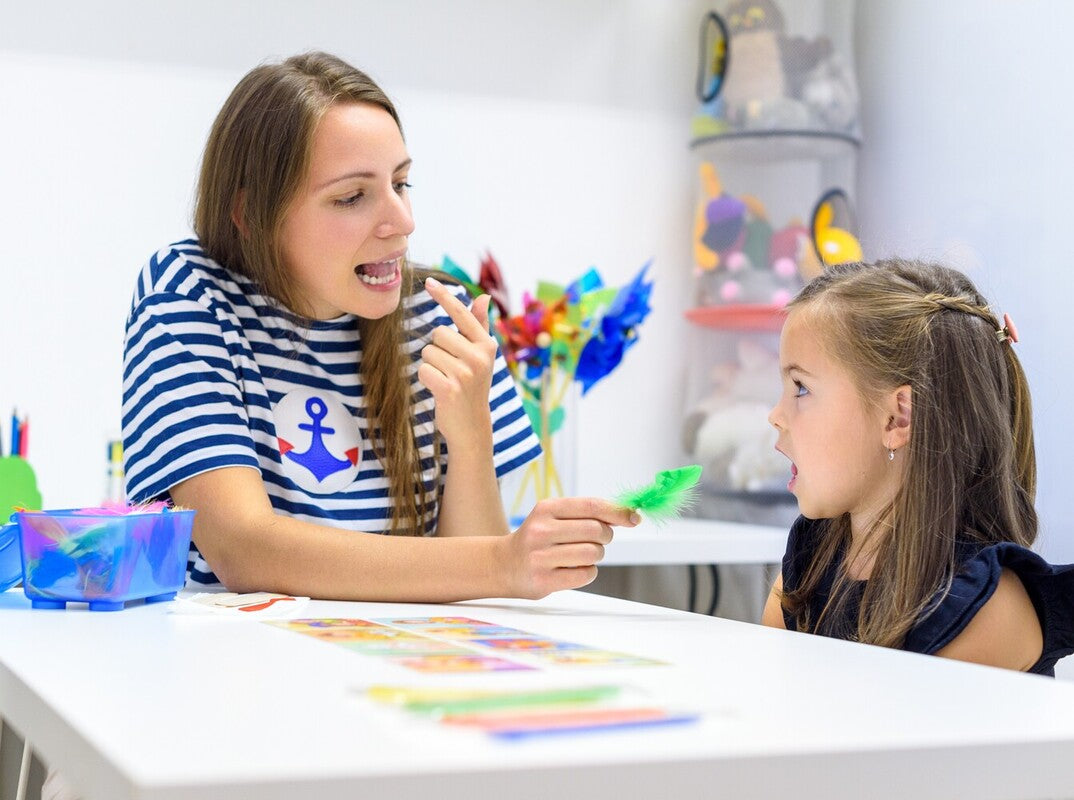
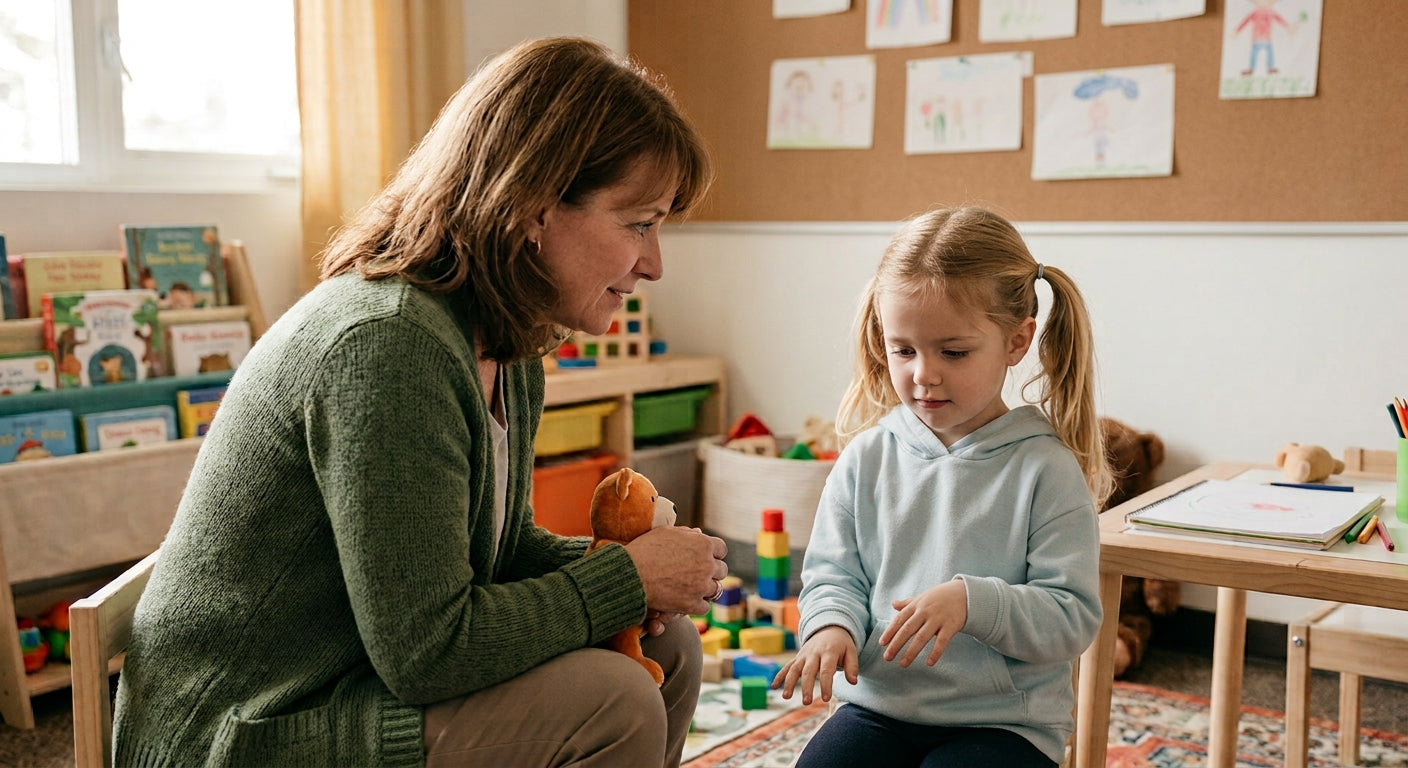
Don't wait - evaluate. Speech therapists are trained to assess your child's skills, identify the causes of a speech delay, and create a personalized treatment plan to help them progress. Research shows that children who start speech therapy early are more likely to catch up to their peers and gain confidence in their communication abilities.
While you work toward getting an evaluation, there are things you can do at home right now. Talk to your child as often as you can, encourage them to imitate your sounds and gestures, read picture books together, and narrate your daily routines like grocery shopping or cooking. These conversations, however simple, are building the foundation for language.
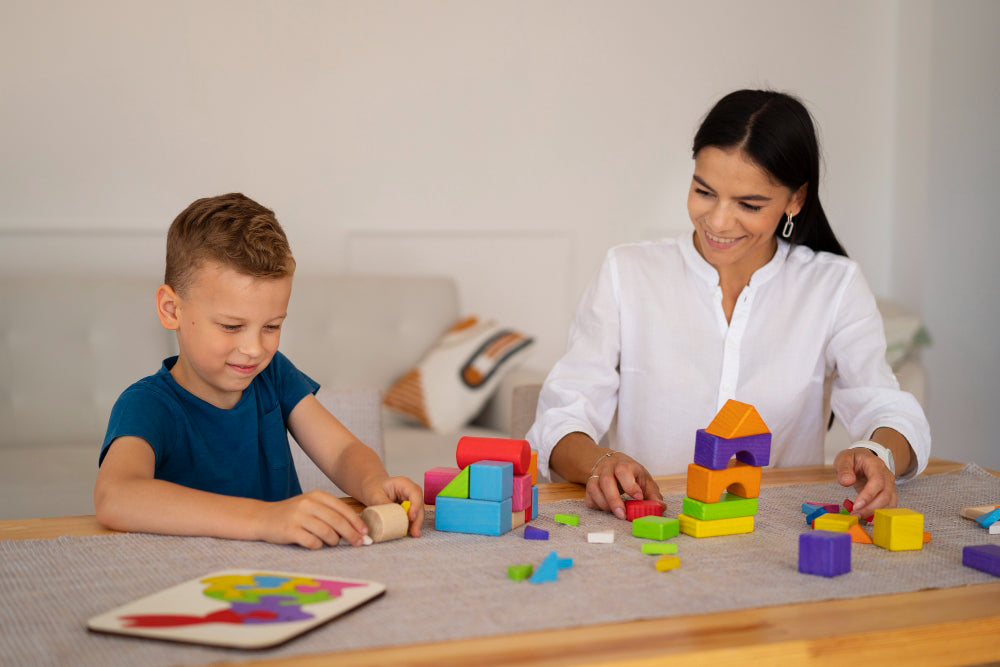
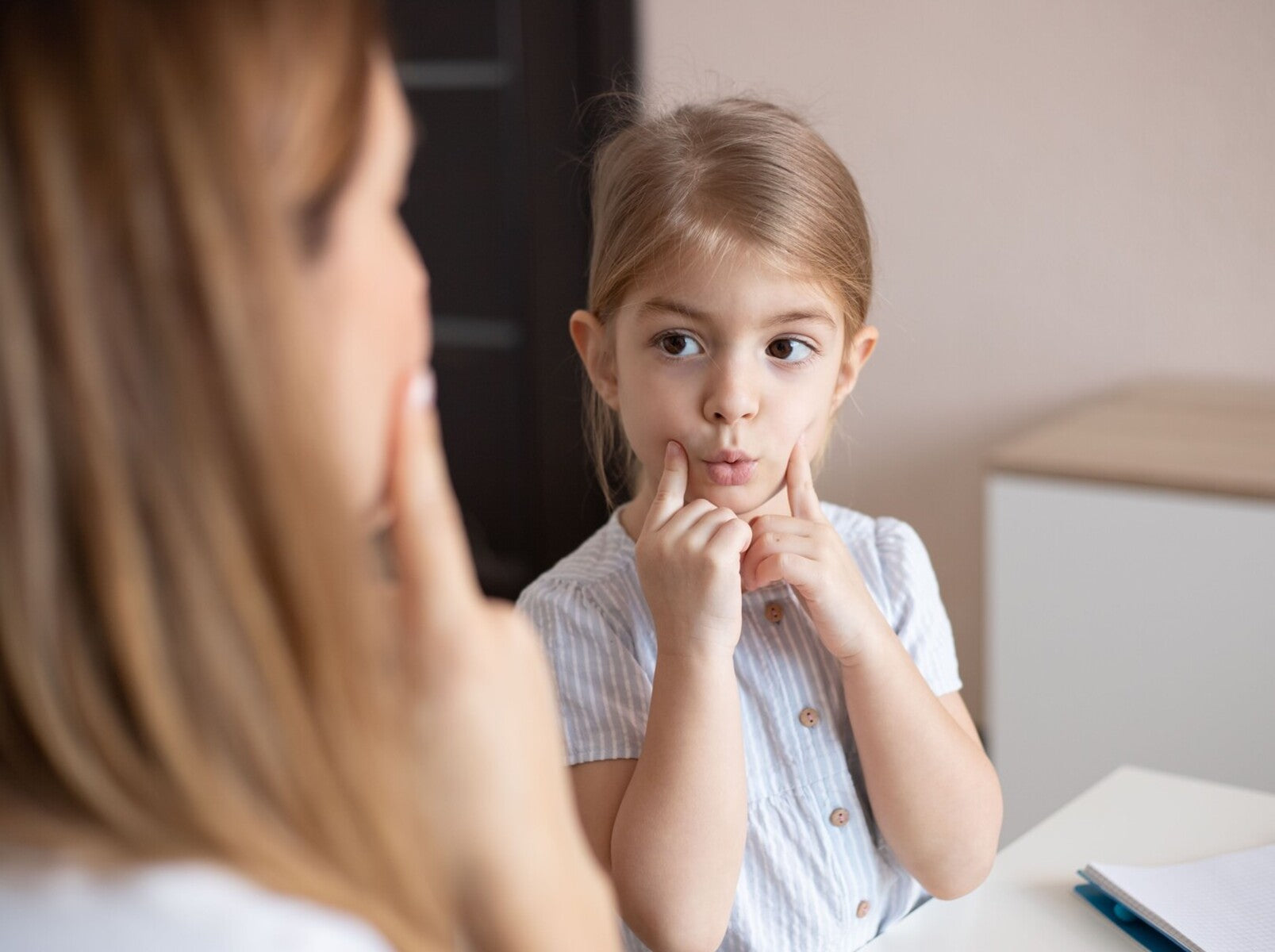
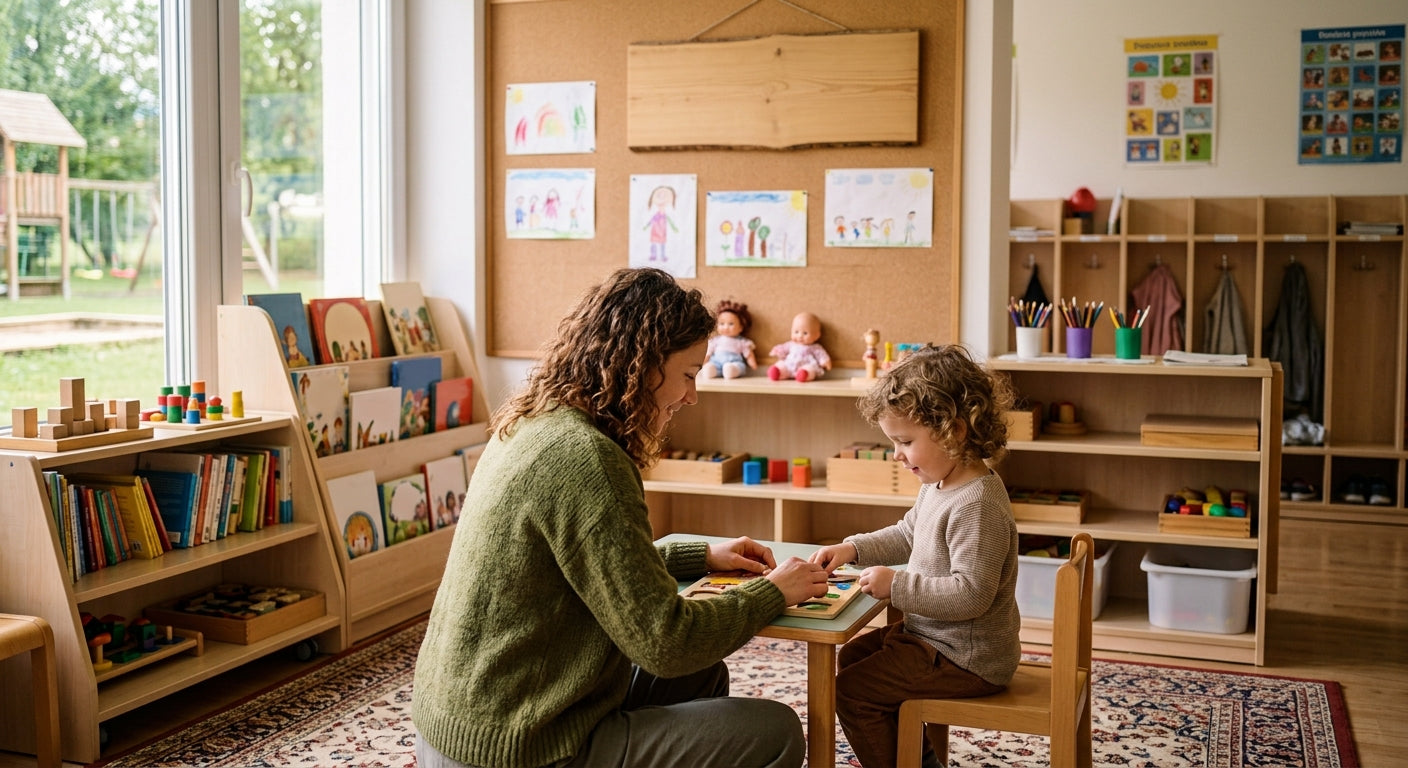
Speech pathology for kids is often play-based because play is a natural way for kids to learn, and therapists use toys, games, and activities to encourage speech and language development.
At Bjorem Speech, our speech therapy tools are designed with exactly that in mind, giving SLPs and families research-informed, play-based resources that make practice feel natural and fun for kids.
Conclusion
Speech delays are common; they come from many different places, and none of them mean your child won't find their voice. Often it comes down to hearing, oral-motor development, neurological differences, or simply a need for more language-rich interaction.
What makes the biggest difference is acting early. Get an evaluation, connect with a qualified SLP, and know that progress is absolutely possible.
If you're ready to support your child's communication journey at home, explore our full range of tools at Bjorem Speech, created by speech therapists and trusted by educators and families worldwide to make every practice session count.