
If you've ever worried that your child isn't hitting speech milestones, or that something feels "off" about the way they communicate, you are not alone. Speech pathology for kids covers a wide range of conditions, from how children produce sounds to how they understand language to how they eat and swallow.
At Bjorem Speech, we've spent years creating tools to support this journey. Knowing the basics can help you feel confident about your next steps, so let's get into it.
What this article covers:
- What Are Speech-Sound Disorders?
- What Are Language Disorders?
- What Are Feeding Disorders?
- What Should You Do for Your Child if They Have a Speech-Sound Disorder?
- What Is a Speech-Language Pathologist?
What Are Speech-Sound Disorders?
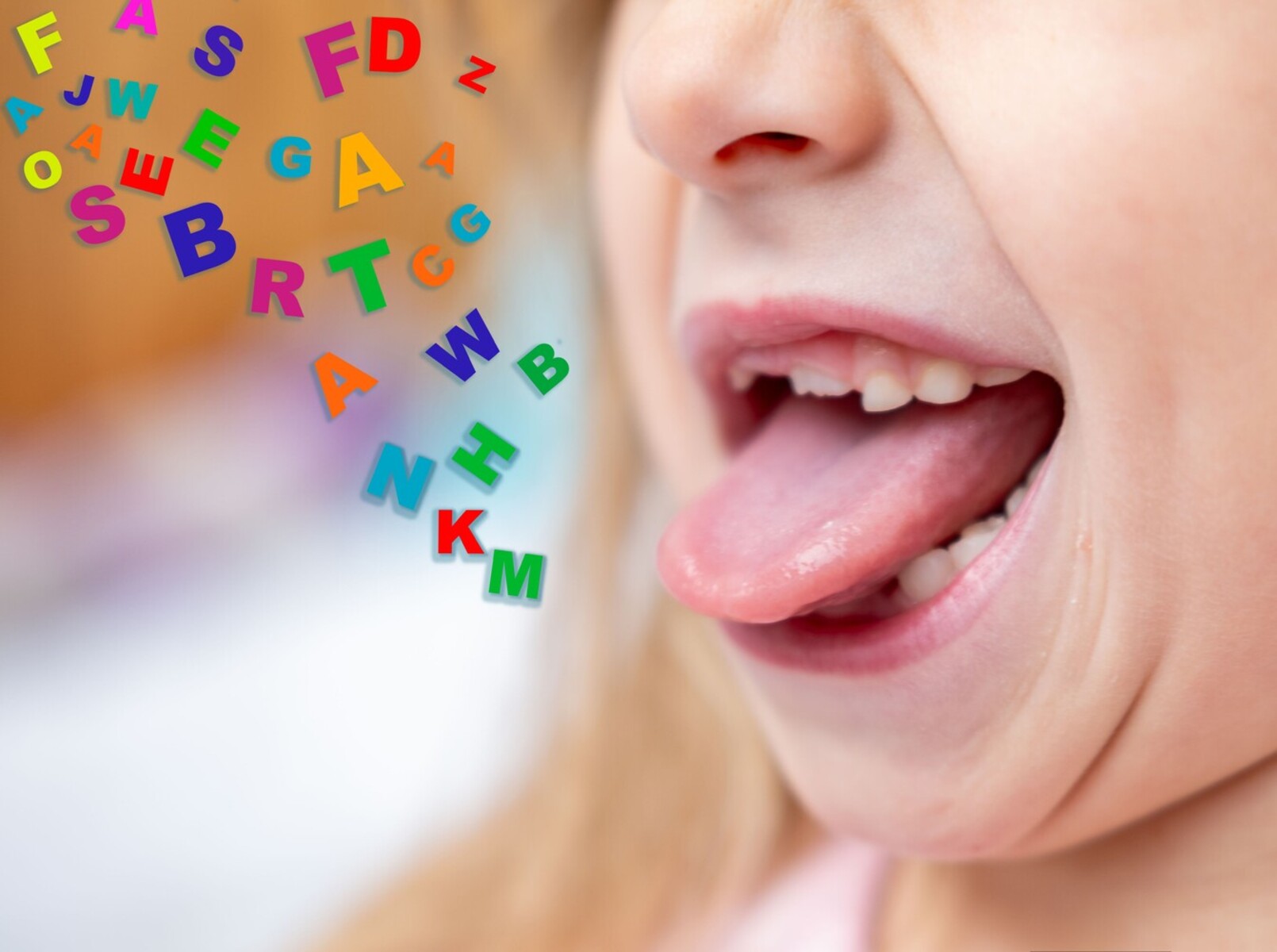
A speech-sound disorder is when a child has difficulty producing the sounds expected for their age. Children learn sounds over time: "b," "m," "d," and "n" may emerge as early as 6 months, while "r" and "l" can take until age 6. When a child consistently falls behind the expected range, a speech-sound disorder may be the reason.
The key thing to understand is that these children usually know what they want to say. They just have trouble moving their mouth, lips, and tongue correctly to produce the sounds that become words.
You might notice your child saying "cu" instead of "cup," "dood" instead of "good," or "wabbit" instead of "rabbit." Causes can include hearing problems, differences in oral structure, or neurological factors, and sometimes the cause isn't known. What matters is that early treatment works.
Want to learn more about speech-sound disorders? Read our guide on what is apraxia in kids.

What Are Language Disorders?
A language disorder is different from a speech-sound disorder. Rather than affecting how sounds are produced, it affects a child's ability to understand or use words and sentences.
A child with a receptive language disorder may struggle to follow directions or process what others say. A child with an expressive language disorder may have trouble finding words or organizing thoughts, even when they understand language just fine.
Cognitive-communication disorders, which involve memory, attention, and problem-solving as they relate to communication, also fall under this category.
What Are Feeding Disorders?
Feeding disorders are a very real part of pediatric speech pathology, and one that surprises many parents. A feeding disorder is when a child has persistent difficulty eating or swallowing safely and effectively.
Because the muscles used for chewing and swallowing are the same ones used for speaking, speech-language pathologists are often the right professionals to treat these challenges.
If your child consistently gags on textures, refuses whole food groups, or struggles at mealtimes well beyond typical picky eating, it's worth getting an evaluation. This is not a parenting failure. It's a clinical condition with effective treatment options.
What Should You Do for Your Child if They Have a Speech-Sound Disorder?
Act early. Don't wait - evaluate. Children who start therapy before age 5 tend to have better outcomes than those who begin later, though older kids absolutely make meaningful progress too.
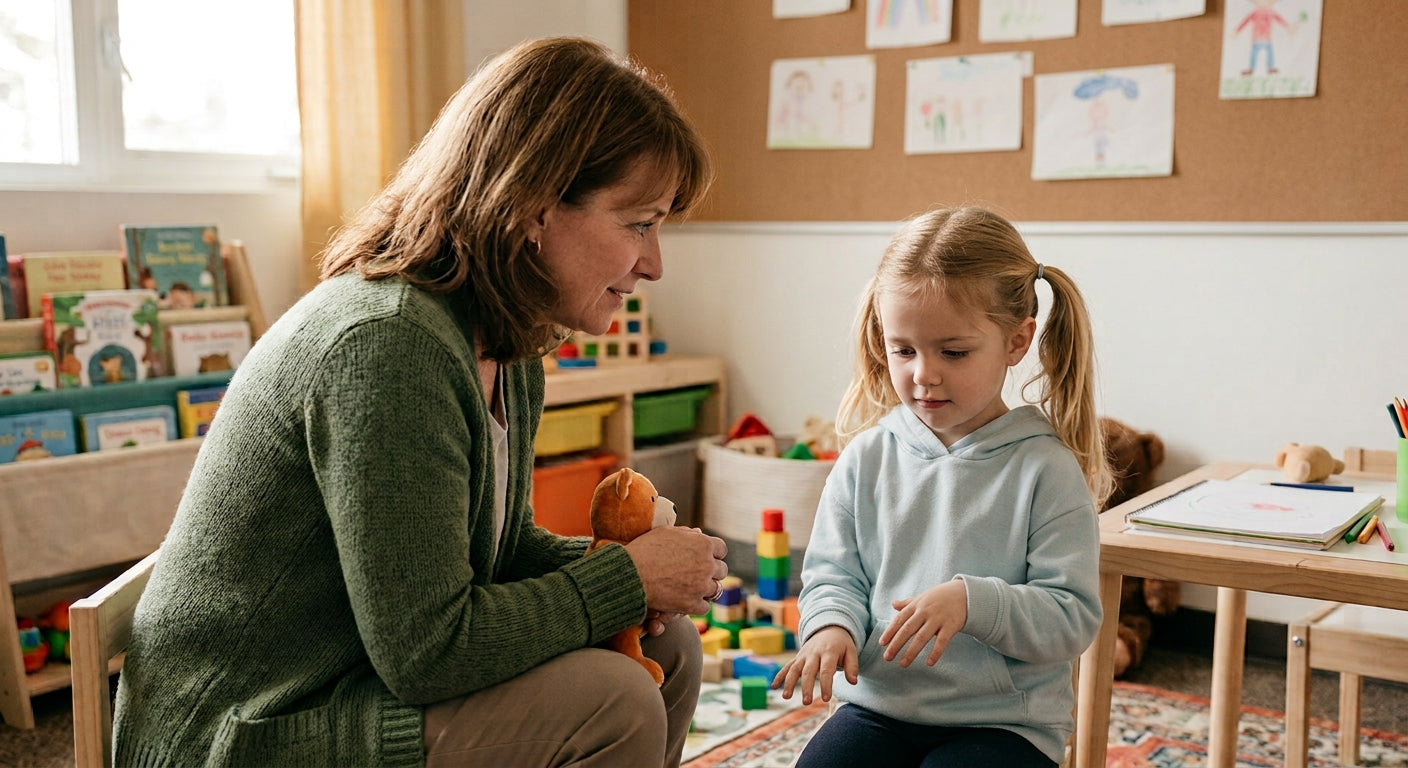
Start by talking to your child's pediatrician. If they share your concern, they'll refer you to a speech-language pathologist (SLP) for a formal evaluation, which may include hearing tests to rule out hearing loss as a contributing factor.
Once a diagnosis is in place, treatment through speech therapy can help your child learn to make the correct sounds and sound combinations by working on specific mouth and tongue movements.
Here's what we at Bjorem Speech deeply believe: parents are the most powerful tool in any child's progress. Kids whose parents stay involved and practice consistently at home reach their goals faster and hold onto them longer. Ask your SLP how you can help between sessions.
Ask your SLP how you can help between sessions, and consider supplementing that practice with speech therapy tools designed for home use, like the ones we create at Bjorem Speech.

What Is a Speech-Language Pathologist?
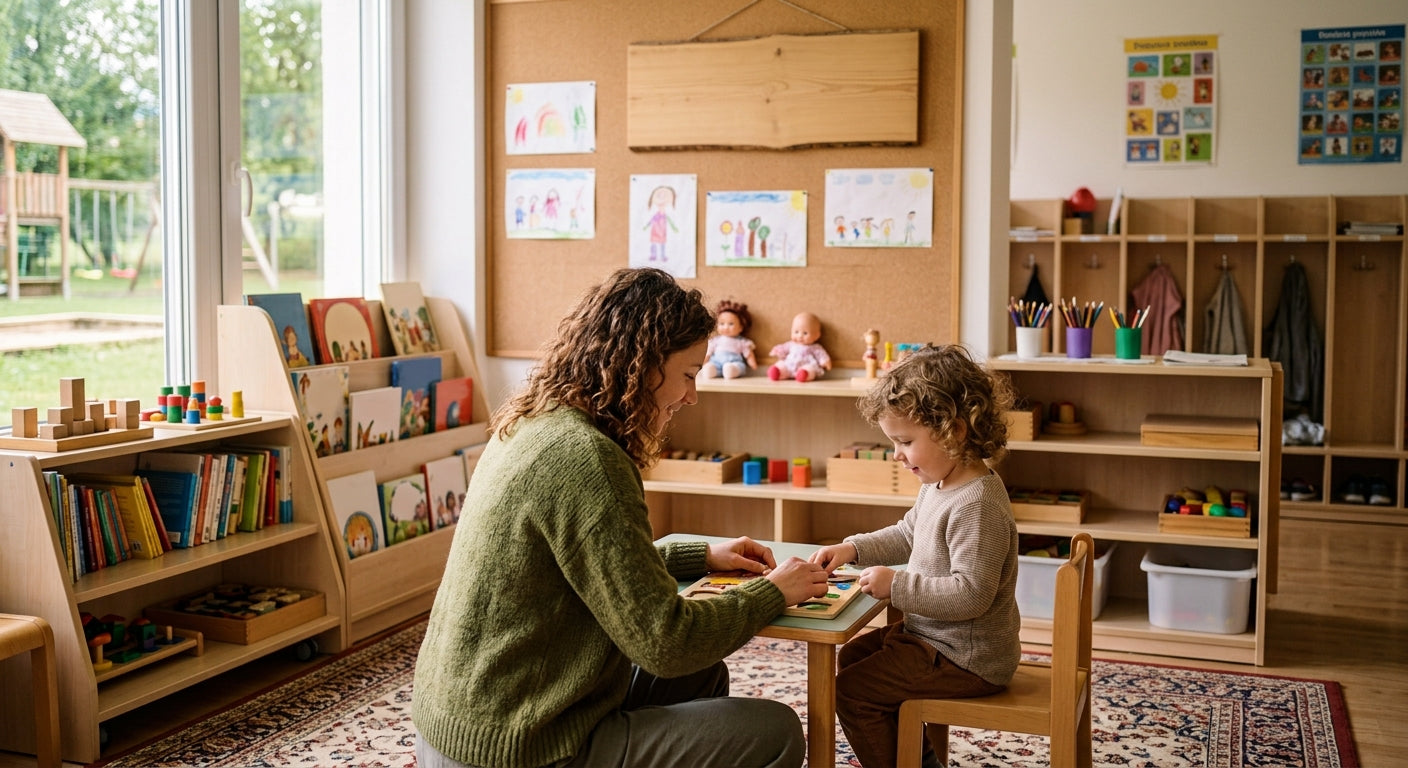
A speech-language pathologist (SLP), sometimes called a speech therapist, is a licensed healthcare professional who evaluates and treats communication and swallowing disorders. SLPs are educated in the study of human communication, its development, and its disorders, and they can work in schools, hospitals, private practices, or early intervention programs.
Look for ASHA certification, which means the SLP has passed a national exam and completed an accredited clinical fellowship through the American Speech-Language-Hearing Association.
What Do Speech-Language Pathologists Do?
SLPs do far more than drill sounds in a clinic room. In a single week, one might work on articulation with one child, introduce an AAC (augmentative and alternative communication) device with another, address stuttering with a third, and guide a fourth through feeding therapy.
Sessions can focus on building the mechanical skills needed for clear speech, improving phonological awareness and self-monitoring, developing vocabulary and grammar, or treating swallowing challenges. SLPs also coach parents on how to support practice at home, which is exactly where tools like ours at Bjorem Speech come in.
If you're ready to learn more about what an SLP can treat, we have helpful guides on why do kids have speech delays and why do kids have speech impediments.
Conclusion
Speech pathology for kids is a broad field, but the core message is simple: if you have concerns about your child's communication or feeding, trust your instincts and act early. Don't wait - evaluate. Find a qualified SLP, stay involved, and know that consistent at-home practice makes a real difference.
At Bjorem Speech, our materials are designed by speech therapists and built for the families working alongside them. Browse our shop to find tools that make practice effective, engaging, and something your child will actually enjoy.