Parents ask us this question all the time: When do kids start reading? And we understand why. Watching your child grow is exciting, but learning to read can also feel confusing. One child seems to read early. Another takes longer. Suddenly, everyone's comparing kindergarten skills and wondering if their child is “on track.”
Here's the reassuring truth we share with families every day: reading doesn't start the day a child picks up a book and reads a sentence. It begins much earlier.
As speech-language pathologists who create literacy tools for children, we see reading development as a journey that starts with listening, talking, playing with sounds, and exploring books. Those early experiences build the brain pathways needed for reading.
Let's break down when kids typically start reading, what skills come first, and how you can support your child with confidence.
What this article covers:
- When Do Children Typically Learn to Read?
- Signs Your Child Is Ready to Read
- Tips for Helping Your Child Learn to Read
- Early Reading FAQs
When Do Children Typically Learn to Read?
Most children begin learning to read simple words between ages 5 and 7, typically during kindergarten or first grade.
At this stage, many kids begin sounding out basic words. They also start recognizing common sight words and may read short, simple sentences on their own. But the foundation for reading begins much earlier through early literacy experiences like listening to stories, learning letters, and playing with language.
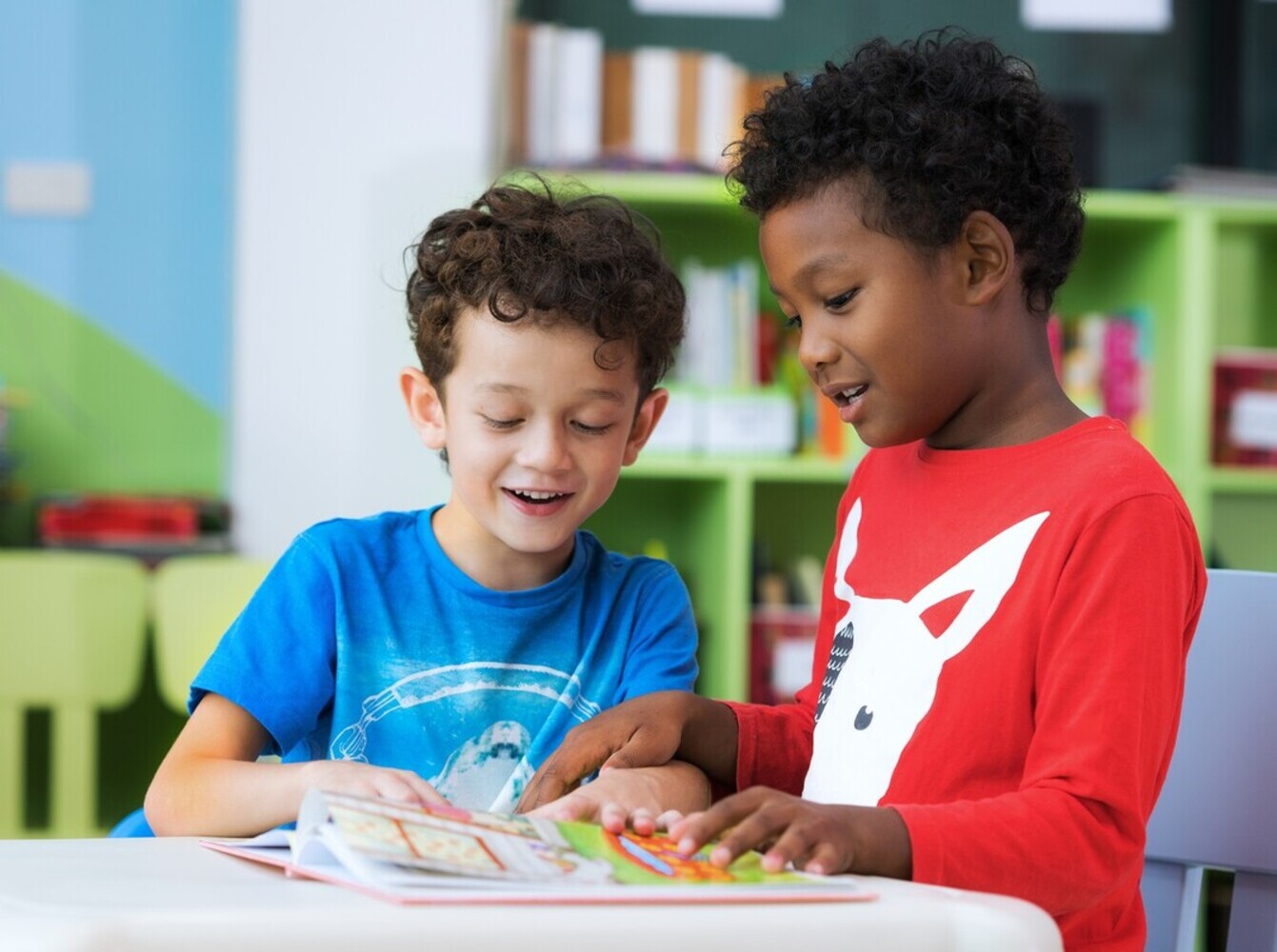
In infancy and toddlerhood, children start exploring books. They look at pictures, turn pages, and listen as adults read stories aloud. By preschool, many kids recognize letters and enjoy rhymes. Some begin noticing the sounds at the start of familiar words.
So if your 3-year-old isn't reading yet, that's completely normal. At that age, they're building the skills that eventually make reading possible.

Why Is Early Reading Important?
Early reading supports language development, learning, and long-term academic success.
When children develop strong early literacy skills, they build vocabulary, comprehension, and communication abilities that support learning across every subject. Reading also strengthens memory and critical thinking.
From a speech-language perspective, reading is deeply connected to spoken language. Children who have strong language skills, like understanding words and playing with sounds, tend to transition into reading more easily.
That's why we focus so much on language-rich experiences early on. Talking, singing, and reading together all prepare the brain for decoding words later.
What Pre-Reading Skills Should Your Child Know?
Before a child reads words, they develop several foundational literacy skills.
One of the most important is phonological awareness, which is the ability to hear and manipulate sounds in spoken language. This includes noticing rhymes, identifying syllables, and recognizing beginning sounds in words. These skills are strongly connected to future reading success.
Children also benefit from recognizing letters and learning letter-sound connections. A growing vocabulary and strong listening comprehension also help children understand stories once they begin reading.
Kids gradually learn that print moves from left to right and that letters form words that carry meaning. Along the way, developing a genuine interest in books and storytelling becomes a powerful motivator.
From our experience, these skills build gradually through everyday experiences.

Signs Your Child Is Ready to Read
Reading readiness isn't about hitting a certain birthday. Instead, we look for developmental signs that a child is prepared to begin connecting letters and sounds:
1. They Recognize Letters
One common sign is when children begin identifying letters, especially those in their name. For many kids, their name is the first word that feels familiar and important, so those letters stand out early.
This shows that they're starting to understand that letters represent sounds and words. It's an early step in connecting spoken language with print.
Many preschoolers enjoy pointing out letters on signs, cereal boxes, or books. You might hear them say, “That's my letter!” when they spot one they know. That curiosity about print is a great starting point.
2. They Notice Sounds in Words
If your child laughs at rhymes or enjoys wordplay like “cat, hat, bat,” they're developing phonological awareness.
This skill helps children hear and play with the sounds inside words. You might notice them repeating rhymes from songs or pointing out when two words sound the same.
The ability to hear and manipulate sounds is a strong predictor of reading success. Children who can clap out syllables or identify the first sound in a word often find it easier to learn phonics later.
3. They Pretend to Read
Young children often memorize stories and “read” them back to you using pictures and memory. They may turn the pages and repeat phrases from the book as if they're actually reading the words.
That pretend reading may look simple, but it shows that they understand how books work. They're paying attention to story structure and remembering language patterns.
They're also learning that stories come from print and that pages move in a specific order. This kind of playful imitation is an important step toward real reading.

4 They Ask About Words
Some children begin asking questions like:
“What does that word say?”
“What letter is that?”
These questions often pop up while reading together or when your child notices print in everyday places.
This curiosity signals growing awareness that print carries meaning. Kids who ask about words are starting to realize that letters form words and words tell stories. That interest often appears right before children begin learning simple decoding skills.
5. They Enjoy Books
Perhaps the most important sign is simple. They enjoy reading time.
Some children love turning pages and looking at pictures. Others ask for the same story again and again. Both are great signs that books feel fun and familiar.
When kids enjoy books, they're more likely to stay engaged and curious about language. That positive connection to reading helps them stick with the learning process as their skills grow.
Tips for Helping Your Child Learn to Read
Parents often feel pressure to teach reading perfectly. The good news is you don't need to turn your living room into a classroom. Simple daily habits make a huge difference in figuring out how to get kids excited about reading:
1. Read Aloud Every Day
Reading books to kids is one of the most powerful ways to build early literacy.
When children hear books read out loud, they're exposed to new vocabulary, sentence patterns, and storytelling language. They also begin to understand how books work, from turning pages to following the flow of a story.
Even five or ten minutes a day can make a difference. Over time, those shared reading moments help children build strong language and listening skills that support future reading.

2. Play With Sounds
Sound play is one of our favorite literacy tools.
Try rhyming games in the car or during bath time. You might say a silly rhyme like “dog, log, bog, fog” and ask your child what word could come next.
Clapping syllables in names or noticing the first sound in a word also helps. These playful moments strengthen phonological awareness, which is a key skill children use when they begin sounding out words.
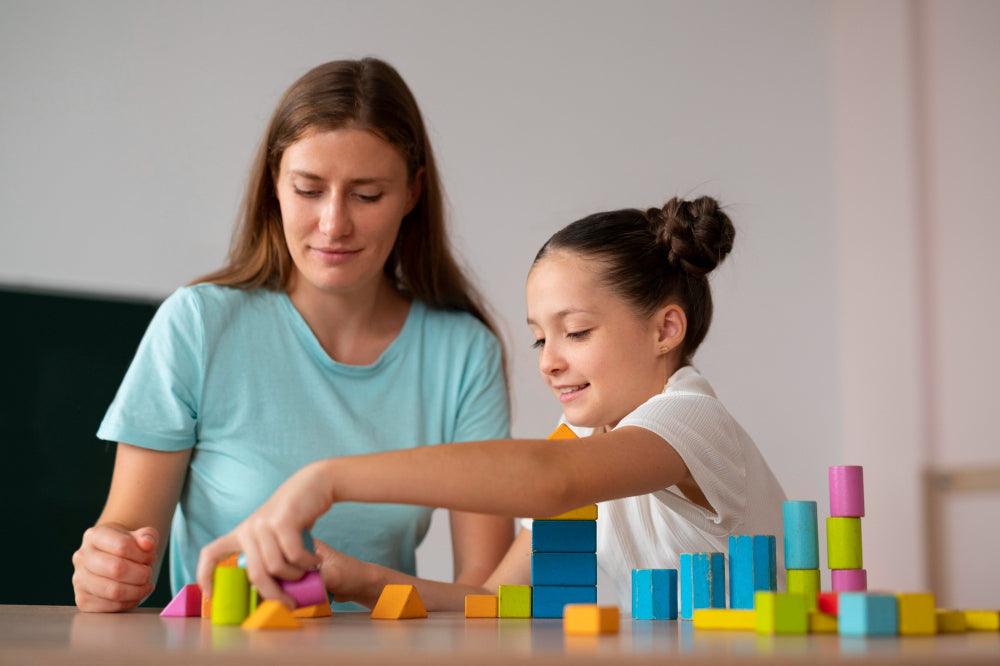
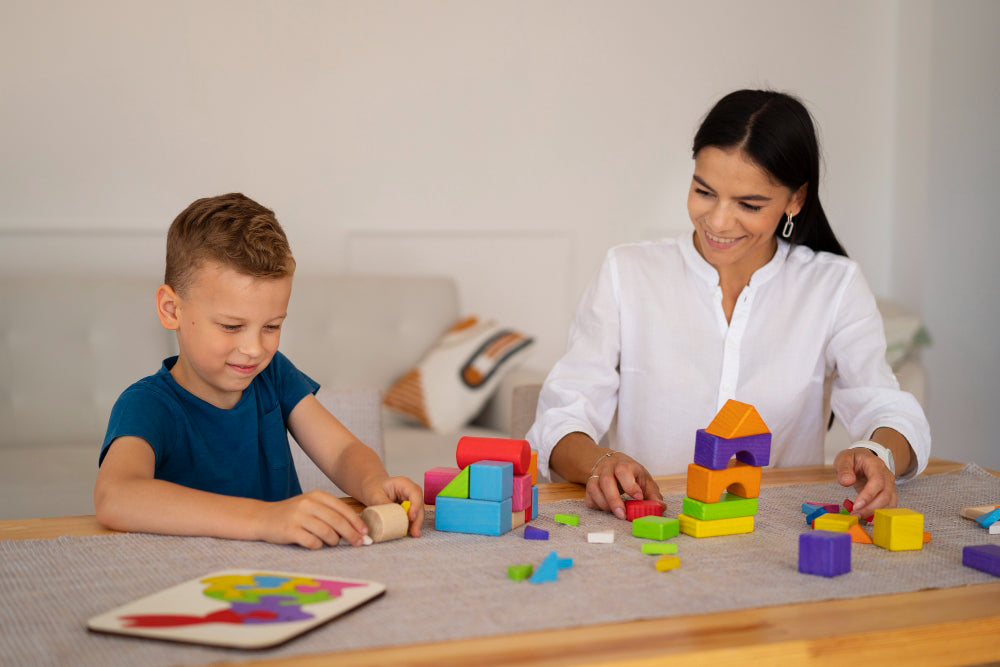
3. Make Letters Hands-On
Young children learn best when they can see, touch, and move.
Instead of only pointing at letters on a page, give kids opportunities to interact with them. Magnetic letters, puzzles, fun activities, reading programs for kids, and alphabet games help children connect letters with sounds.
One fun option we often recommend to families is using music-based alphabet tools like the Better Letters card deck paired with songs from Laurie Berkner. Singing letter sounds while looking at visual cues can help children remember sounds more easily and keeps practice playful.
4. Follow Your Child's Interests
Some kids love dinosaurs. Others get excited about trucks, animals, or space.
Choose books and activities that match what your child already enjoys. A child who loves construction vehicles might happily listen to a story about diggers and cranes.
When reading connects to their interests, children stay engaged longer. That motivation helps them naturally build language and literacy skills.
5. Talk About Stories
Reading isn't only about recognizing words. Understanding the story matters too.
After finishing a book, ask simple questions about what happened. You might ask which character they liked best or what they think will happen next.
These conversations help children think about stories more deeply. They also strengthen vocabulary, comprehension, and expressive language, which all support strong reading development.

6. Point to Words as You Read
When reading with your child, occasionally point to the words on the page.
This helps children begin connecting spoken language with printed words. They start to notice that the words you say match the letters they see on the page.
Over time, children also learn how print moves across a page. They begin to notice that we read from left to right and that spaces separate words. Small moments like this quietly build print awareness and support early decoding skills.
7. Re-Read Favorite Books
Many children ask for the same book again and again. That repetition can feel endless for adults, but it's incredibly helpful for learning.
When kids hear the same story multiple times, they begin to remember phrases and anticipate what comes next. You might notice them filling in a missing word or repeating a favorite line.
This familiarity builds confidence. As children recognize parts of the story, they start connecting spoken language with the printed words on the page.
8. Encourage Storytelling
Reading and storytelling are closely connected.
Invite your child to tell you a story about the pictures in a book or describe something that happened during their day. Sometimes they'll invent silly plots or imaginative characters. That creativity is part of learning how stories work.
As children practice telling stories, they strengthen their vocabulary and sentence structure. These narrative skills help them understand and retell stories when they begin reading independently.

9. Practice Letter Sounds During Everyday Moments
Learning letter sounds doesn't have to happen during formal practice time.
Point out letters on signs, grocery lists, or food packages. Ask simple questions like, “What sound does this letter make?” or “Can you find the letter that starts your name?”
Short interactions like this keep learning light and playful. Over time, these quick moments help children connect letters with the sounds they hear in words.
10. Celebrate Progress
Learning to read takes time, and every small step matters.
You might notice your child recognizing a letter or attempting to sound out a word. These early efforts deserve encouragement.
Positive feedback builds confidence. When children feel proud of their progress, they're more likely to keep exploring books, practicing sounds, and trying new words.
Early Reading FAQs
Can screen time help kids learn to read?
Some educational apps can reinforce letters and sounds. Still, the most powerful learning happens through reading together, talking about stories, and playing with language.
Should I correct my child when they read a word wrong?
Offer gentle help rather than immediate correction. You can model the word or guide them to sound it out. The goal is to support learning without interrupting their confidence.
What if my child isn't interested in reading?
Try books that match your child's interests, like animals, dinosaurs, trucks, or superheroes. Short, playful reading moments often spark curiosity and help build positive habits.

Conclusion
Most kids begin reading simple words between ages 5 and 7, but the skills that make reading possible start developing much earlier through talking, listening, and shared book time.
Every child develops at their own pace. The goal is to build strong language skills and positive experiences with books along the way. If you're concerned about your child's speech or reading development, trust your instincts. Don't wait – evaluate. Early support can make a big difference.
Looking for engaging tools to support early literacy? Explore Bjorem Literacy resources designed by speech therapists to help kids learn letters, sounds, and language through play.