If you’ve ever felt lost watching your child try to make sense of letters, sounds, and words, you’re not alone.
At Bjorem Literacy, we work with families every day who want to help but aren’t sure where to start. Learning to read isn’t about memorizing long lists of words. It’s about understanding how sounds work inside words and how those sounds connect to letters.
Phonics for kids is one of the most powerful tools we can give children. When you understand what it is and how it works, things start to click. And when things click, confidence grows fast.
What is Phonics for Kids?
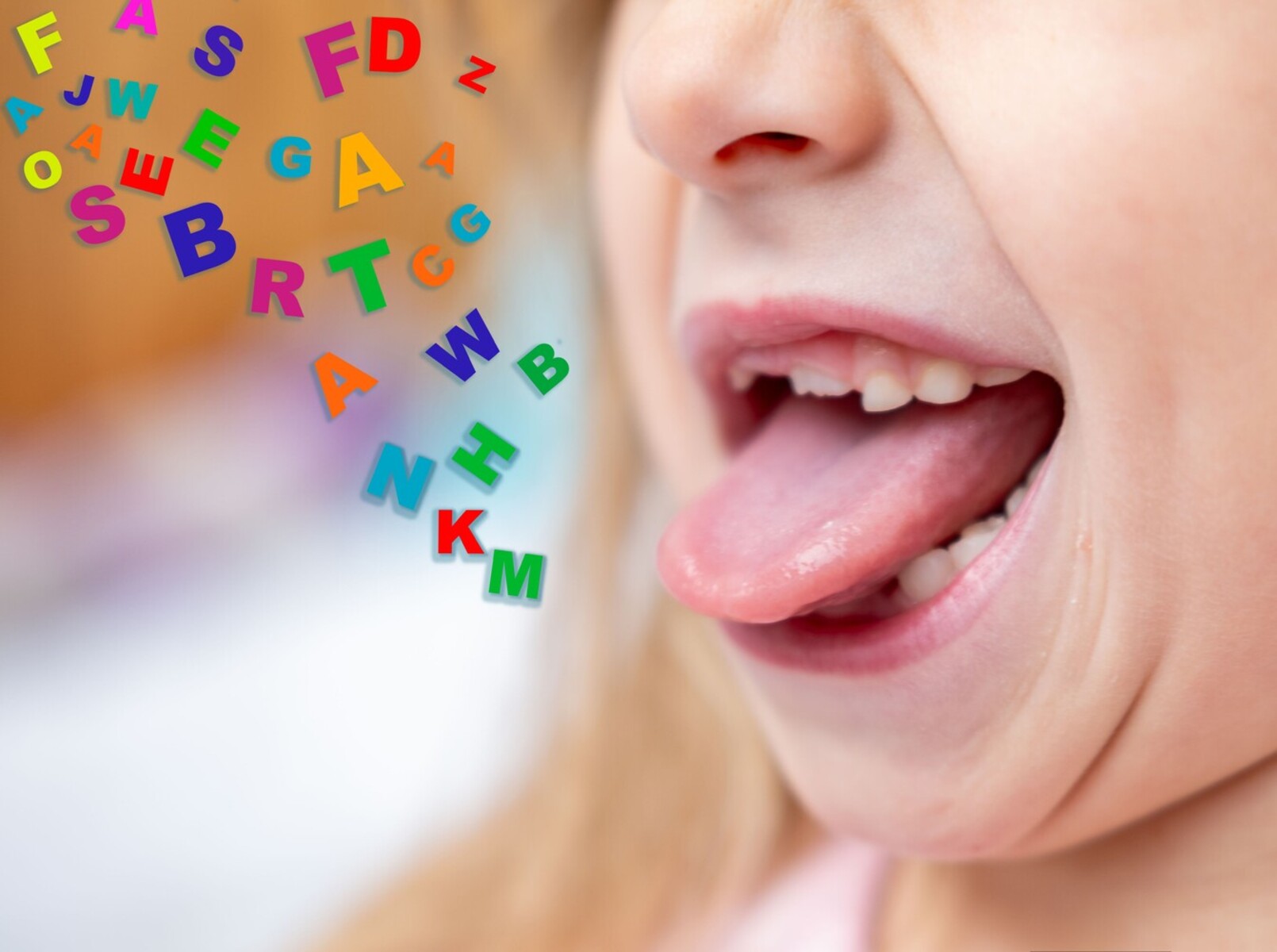
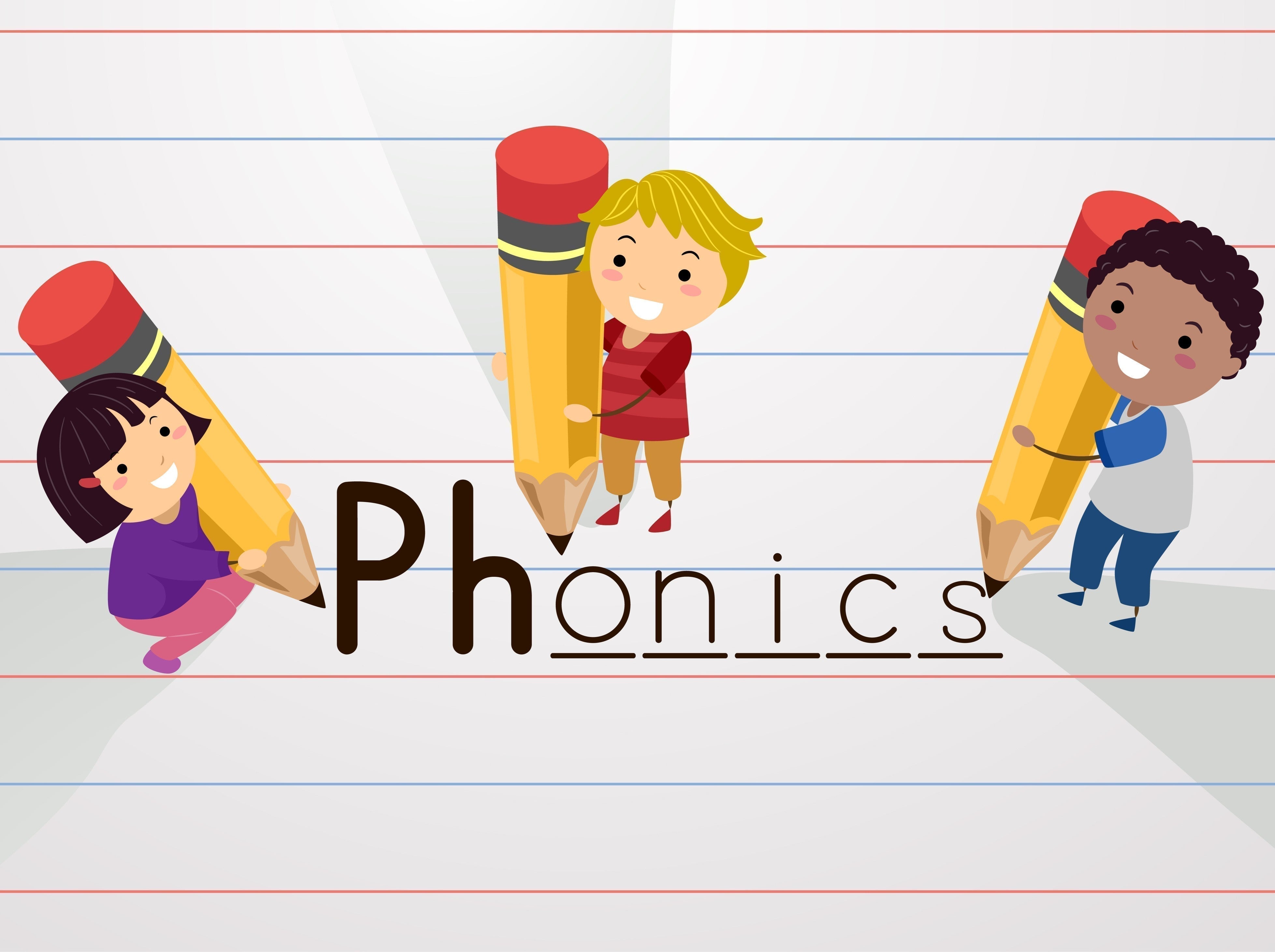
Phonics for kids is the process of teaching children how letters and letter combinations represent sounds, and how those sounds blend together to form words. In simple terms, phonics teaches kids how to “sound out” words so they can read them independently.
At its core, phonics is built on the understanding that written letters stand for spoken sounds. When children grasp this concept, they gain the ability to decode unfamiliar words instead of guessing. They begin to see patterns. They begin to trust themselves as readers.
In our work as speech-language pathologists, we see this transformation often. When a child realizes they can break apart a word into sounds and blend it back together smoothly, it’s a turning point. It’s not about memorizing. It’s about building a skill that lasts.

Why is Phonics for Kids Important?
Phonics for kids is important because it gives children the tools they need to read new words accurately and confidently. Without phonics, children may rely on memorizing words or guessing based on pictures. That approach can lead to frustration and gaps in learning.
When children can quickly and accurately decode words, their reading becomes smoother. Smooth reading supports understanding. And understanding is the goal.Strong phonics skills also support spelling and speech sound awareness. When children know how sounds map onto letters, they’re better able to hear differences between sounds, produce them clearly, and apply them in writing. Everything connects. Reading, spelling, and speech are deeply intertwined.
In our work as speech-language pathologists, we also know that phonics supports clear speech and strong phonological awareness. Kids who understand sounds inside words are often better able to manipulate and produce those sounds clearly. Everything connects.
How to Practice Phonics for Kids at Home
You don’t need complicated materials or long lessons. Small, consistent practice moments can have a powerful impact.
1. Teach One Letter-Sound at a Time
Start by introducing one letter and its sound at a time. Be clear and consistent. For example, teach the sound /m/ and practice it in simple words like “mat,” “map”, and “mom.” Focus on the sound the letter makes rather than the letter name at first.
Keep practice direct and intentional. When children master one letter-sound connection before adding another, they build accuracy and confidence. A strong foundation with individual sounds makes blending and reading much easier later on.

2. Read Together Every Day
Choose books that match your child’s skill level. Let them attempt to sound out simple words. If they get stuck, guide them by prompting them to say each sound slowly and then blend them together.
Re-reading favorite books reinforces patterns and builds fluency. Familiar stories reduce pressure and allow children to focus on decoding skills.
Besides fun books, we also recommend using specifically-designed phonics books and reading with phonics games.
3. Use Everyday Print
Point out words on cereal boxes, street signs, and store labels. Ask your child what letters they recognize and what sounds those letters make.
When children see that reading exists everywhere, it feels purposeful. Reading is not just a school task. It’s part of daily life.
4. Practice Letter-Sound Connections With Games
Use magnetic letters, flashcards, or simple matching games. Say a sound and ask your child to find the letter. Show a letter and ask for its sound. Keep sessions short and upbeat.
Children learn best when they feel successful. Quick wins build momentum.
5. Build Clusters and Digraphs
Once single letter sounds are solid, introduce blends like “bl” and “st,” and digraphs like “sh,” “ch”, and “th.” Practice blending them into simple words.
These combinations appear often in early reading. When children can recognize and produce them easily, decoding becomes faster and more automatic.
6. Focus on Short Vowel Sounds First
Short vowel sounds are often the trickiest for early readers, so give them extra attention. Practice simple consonant-vowel-consonant words like “cat,” “bed,” “pig,” “hot”, and “sun.” Say each sound clearly and have your child blend them together slowly at first.
Once short vowels feel automatic, reading becomes much smoother. These patterns show up constantly in beginner books, so mastering them gives kids a real boost in confidence.

7. Encourage Segmenting for Spelling
Reading and spelling strengthen each other. When your child wants to spell a word, encourage them to stretch it out and listen for each sound. Ask, “What sound do you hear first? What comes next?”
Even if the spelling isn’t perfect, the process matters. Segmenting words into individual sounds reinforces phonics skills and builds strong sound awareness. Over time, accuracy improves naturally.
8. Keep Practice Short and Consistent
Phonics practice doesn’t need to be long to be effective. In fact, shorter sessions often work better. Aim for five to ten focused minutes a day instead of one long session once a week.
Consistency builds retention. When children interact with sounds and letters regularly, those connections become automatic. And when decoding becomes automatic, reading starts to feel easier and more enjoyable.
9. Review Previously Learned Sounds Often
Phonics skills need regular review to become automatic. Even after introducing new letter-sound patterns, circle back to earlier ones. Mix them together in short reading or word-building activities.
This spiral approach strengthens retention. When children can quickly recall previously learned sounds without hesitation, blending becomes smoother, and reading fluency improves naturally.
10. Connect Phonics to Writing
After practicing reading a new sound or pattern, have your child write a few simple words that use it. If you’re working on “sh,” try words like “ship” or “shop.” Say the word together, stretch the sounds, and write each one down.
Writing reinforces the same letter-sound connections used in reading. When children see that phonics supports both decoding and spelling, their understanding deepens, and their confidence grows.

Conclusion
Phonics for kids is the foundation of strong reading. It teaches children how written language works and gives them the independence to decode new words with confidence.
At Bjorem Speech, we’ve seen how powerful clear, systematic phonics instruction can be. When children understand sounds and how they connect to letters, reading becomes less overwhelming and more enjoyable.
And if you’re noticing your child struggling with speech sounds, early literacy, or phonological awareness, don’t wait - evaluate. Early support makes a meaningful difference.
If you’re ready for practical, research-informed tools that make phonics engaging and effective, explore our materials at Bjorem Speech. Shop our evidence-based speech and literacy resources today, designed by speech therapists, and give your child the support they deserve.