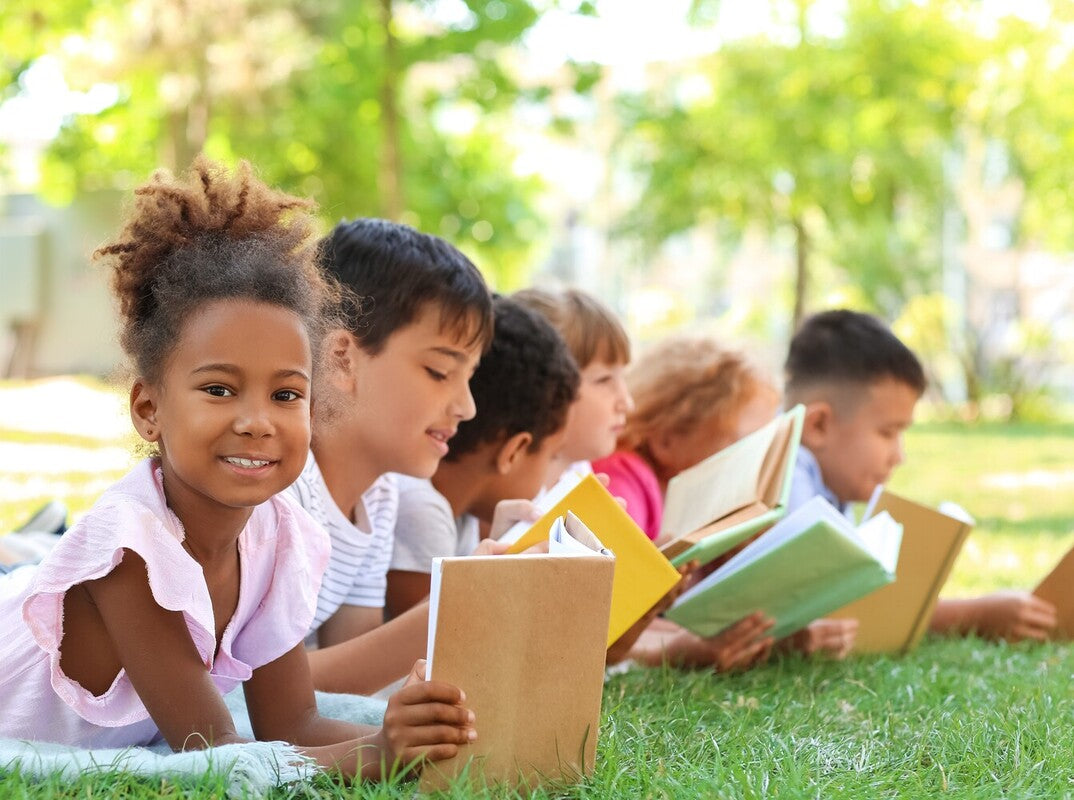
If you're trying to help your child learn to read, you're not alone. Many parents feel unsure about where to start. We hear this all the time in our work as speech-language pathologists who design literacy tools for kids. Families want their children to love books, but they're not always sure how to get there.
The good news is that kids reading books doesn't have to be complicated. Small, consistent moments with books can make a big difference.
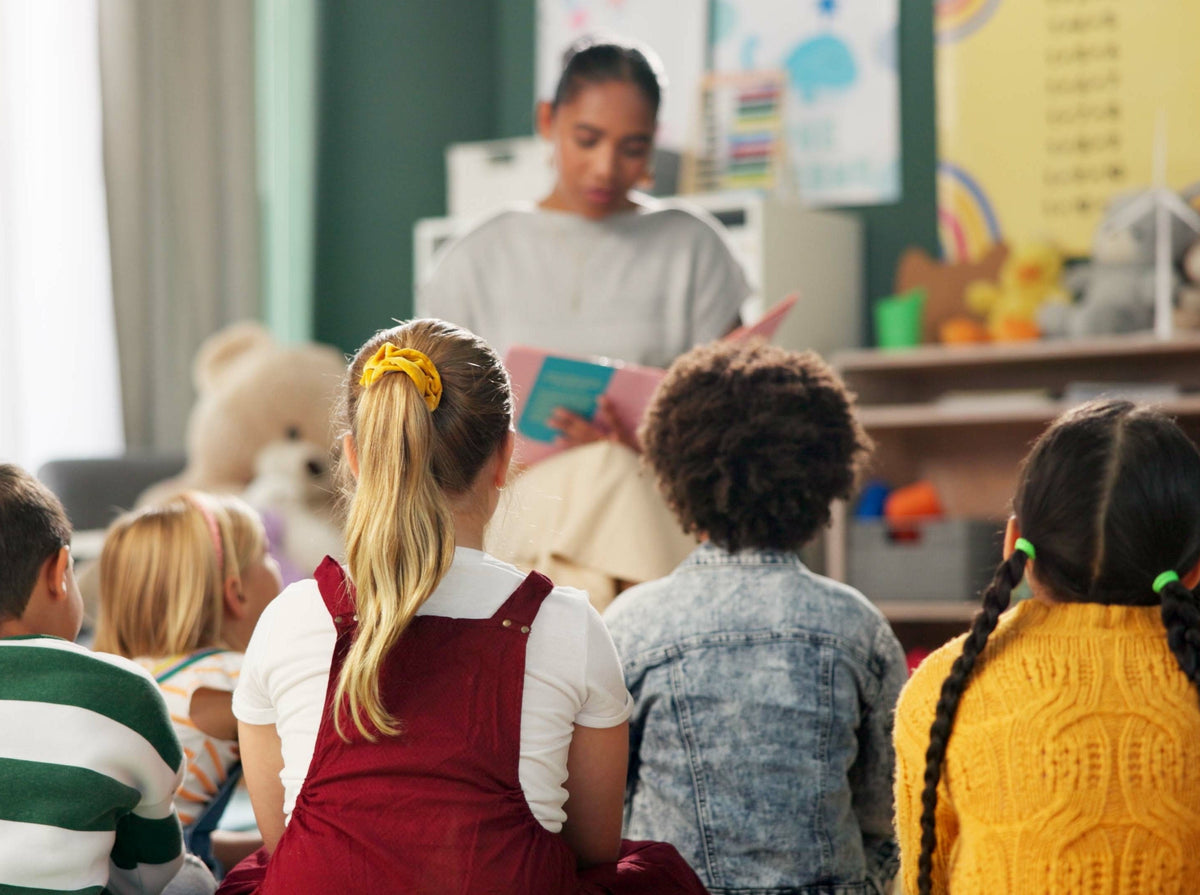
Reading together helps children build language, strengthen their brains, and develop the skills they need to become confident readers. Even short daily reading sessions support vocabulary growth and comprehension while strengthening the bond between parent and child.
Let's take a closer look at why reading matters and how you can encourage your child to pick up a book.
What this article covers:
Benefits of Reading to Your Kid
Reading with your child does far more than fill a few quiet minutes before bed. Those shared moments with books help build the language, thinking, and connection that support strong reading skills for years to come.
1. Stronger Language and Vocabulary
Books introduce children to words they rarely hear in everyday conversation. Storybooks often contain richer vocabulary and more complex language structures. That exposure helps children expand their vocabulary and build stronger language skills over time.
We see this constantly in speech therapy. Kids who hear more books tend to use more words. They start experimenting with new phrases. Their storytelling improves, too. These skills are the building blocks for reading success.

2. Better Listening and Comprehension Skills
Reading aloud helps children practice listening and understanding language. As they follow the storyline, they learn to process information, make predictions, and remember details.
These comprehension skills are essential for later reading development. When children understand stories that are read to them, they're building the mental framework needed to understand stories they read themselves.
3. Emotional Growth and Empathy
Stories help kids explore emotions and perspectives. When a character feels excited, scared, or frustrated, children begin to understand those emotions too.
Reading together also creates meaningful moments of connection. Sitting close, sharing a story, and talking about characters strengthens relationships and supports emotional development.
4. Motivation to Become a Reader
One of the most powerful benefits of reading aloud is that it makes children want to read themselves. Kids naturally want to imitate adults. When they see someone enjoying books, they become curious about what's inside those pages.
This curiosity fuels reading motivation. Children who feel successful and interested in books are more likely to keep reading and developing their skills.
5. Improved Attention and Focus
Listening to a story requires children to slow down and pay attention. They follow the sequence of events, listen for details, and stay engaged long enough to understand what's happening next.
That kind of sustained attention is an important early learning skill. When kids regularly listen to books, they practice focusing for longer periods of time. Over time, this helps them stay engaged during independent reading and classroom learning.

6. Stronger Background Knowledge
Books introduce children to ideas, places, and experiences they may not encounter in daily life. A single story might explore animals in the ocean, life in another country, or how a community works.
This growing knowledge base plays a big role in reading success. The more children know about the world, the easier it becomes for them to understand new stories and informational texts. In other words, books help build the knowledge that supports future reading comprehension.
Want to learn more about childrens' reading development? Check out our guide on the average age to start reading.
How to Get Your Child to Read on Their Own
Helping your child read independently doesn't happen overnight. But with the right environment and a few simple habits, you can gently guide them from listening to stories to picking up books on their own:
1. Let Your Child Choose the Books
Choice matters. When kids pick their own books, they're far more likely to stay engaged. It might be graphic novels, silly stories, animal facts, or books about trucks.
All of it counts. When children select books themselves, they tend to invest more effort and develop stronger reading skills.
2. Read Together Even After Your Child Can Read
Parents sometimes stop reading aloud once their child learns to decode words. But shared reading is still valuable.
Reading together allows children to hear more advanced vocabulary and story structures. It also takes the pressure off struggling readers. They can relax and enjoy the story while continuing to build language skills.

3. Make Reading a Daily Routine
Consistency is key. Just 10–15 minutes of reading each day can make a meaningful difference in literacy development.
We often recommend attaching reading to a predictable moment. Bedtime works well. So does reading after dinner or during quiet time. A simple routine helps books become part of everyday life.
4. Talk About the Story
Reading shouldn't feel like a test. Keep it conversational.
Ask simple questions: What do you think will happen next? Which character do you like? Why did that happen?
These small conversations help children think more deeply about the story and strengthen comprehension skills.
5. Model Reading Yourself
Kids notice everything. If they see adults scrolling on phones but never picking up books, reading may not seem important.
One of the easiest tips for how to get kids excited about reading is to model it yourself. When children see parents reading for enjoyment, it sends a powerful message. Books matter. Stories are fun. Reading is part of everyday life.
6. Use Structured Reading Support if Your Child Is Struggling
Some children need more structured support when learning to read. If your child seems frustrated, avoids books, or struggles to sound out words, structured reading programs for kids can provide the step-by-step guidance they need.
These programs often use clear, explicit instruction with repeated practice to strengthen foundational reading skills. In some cases, specialized dyslexia reading tools like our Story Cue Card Deck can also help. These tools break reading into manageable steps so children can build confidence while improving decoding, phonics, and overall literacy skills.

7. Keep Books Visible and Easy to Grab
Children are more likely to read when books are part of their everyday environment. A small basket of books in the living room, a shelf in their bedroom, or a stack near the couch can invite spontaneous reading.
We often suggest rotating books every couple of weeks to keep things fresh. When a “new” book appears in the stack, curiosity kicks in. Kids are much more likely to pick it up and start reading.
8. Celebrate Effort, Not Just Accuracy
Learning to read can feel hard for many kids. When every mistake is corrected, reading starts to feel stressful instead of enjoyable.
Focus on the effort your child is making. Praise their persistence when they try a tricky word or finish a page on their own. That encouragement builds confidence, which often leads to more independent reading over time.
Conclusion
Helping kids become readers doesn't require complicated programs or hours of instruction. It starts with simple habits. Read together. Let kids choose books they enjoy. Make reading part of daily life.
If you're worried about your child's reading or speech development, don't wait — evaluate. Early support can make a huge difference.
And if you're looking for tools that support literacy development, explore the resources created by speech therapists available through Bjorem Literacy. We've designed materials that help children build language, confidence, and a lifelong love of reading.