

When we talk about early learning, reading often gets mentioned as if it is just one more milestone to check off. At Bjorem Speech, after years of working directly with children and families, we can tell you it is far more than that.
So, why is reading important for kids? Reading is one of the most powerful supports you can give a child as they grow. It's not only about letters on a page. It's about language, confidence, communication, and connection.
Let's be clear. Reading matters, especially for kids who are building speech and language skills. When we help children engage with stories and text, we are helping their brains grow in ways that ripple out into every part of their lives.
What this article covers:
- Why Is Reading Important for Kids?
- How Does Reading Affect Child Development?
- 5 Reasons Reading Is Important for Kids
- 6 Tips for Encouraging Reading in Children
Why Is Reading Important for Kids?
Reading is important for children because it gives them rich language exposure and meaningful practice beyond everyday conversation. When kids are read to, or when they begin reading themselves, they encounter new words, phrases, grammar patterns, and ideas that fuel brain development.
This process does not just teach them how to decode text. It strengthens the foundations of communication: vocabulary, comprehension, listening, and expressive language.
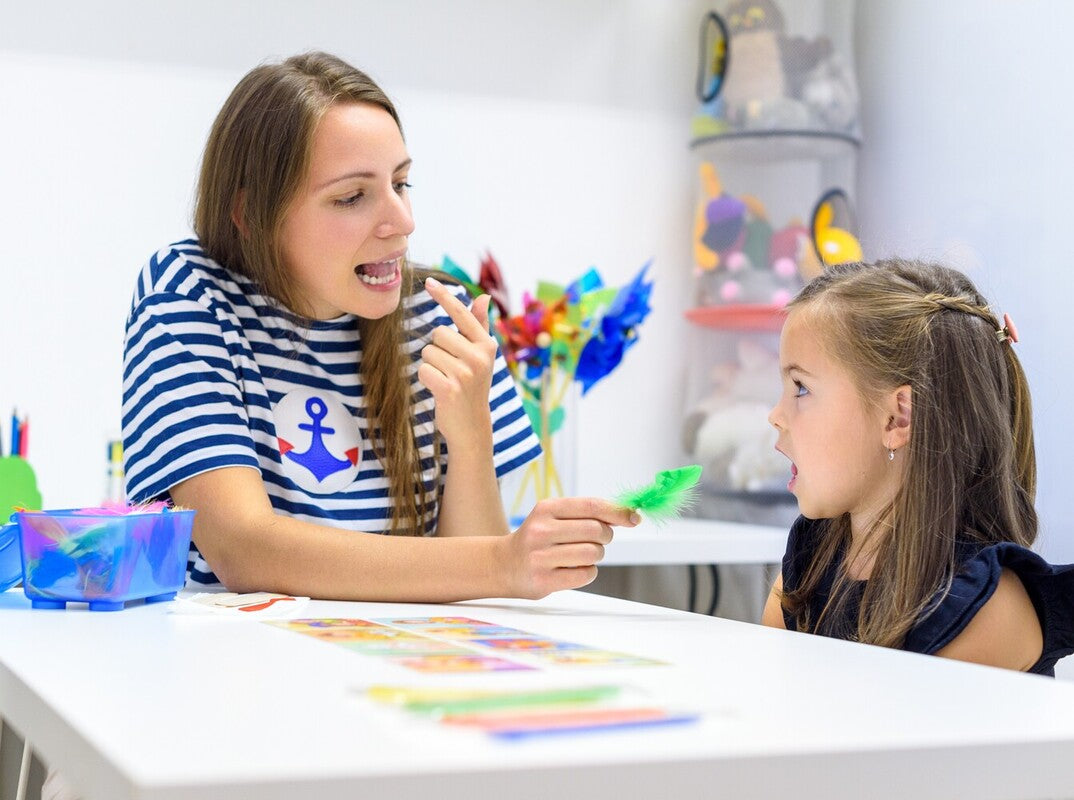
For children working with speech therapists, reading becomes a bridge between targeted intervention and real-world language use. It provides contextualized language.
Kids see and hear words used in meaningful, connected ways. That helps link speech sounds and language goals directly to the communication skills they need in daily life.

How Does Reading Affect Child Development?
Reading affects child development by strengthening cognitive, language, and social skills all at once. It activates multiple areas of the brain and builds essential skills such as attention, memory, reasoning, and comprehension.
Early exposure to books supports prediction skills, problem-solving, and understanding cause and effect. Children begin to connect ideas across pages and across experiences. They also gain background knowledge about the world, which supports learning in every subject area later on.
From a speech and language perspective, reading is good for the brain because it increases vocabulary and strengthens sentence structure understanding. Children who are read to regularly are exposed to a wider range of words and more complex language than they typically hear in daily conversation.
That exposure matters. It builds a stronger language system, which supports clearer speech and stronger literacy skills.
Reading also supports emotional growth. When children follow characters through challenges and successes, they learn about feelings, perspective, and empathy. Those lessons carry over into friendships, classroom interactions, and family life.
5 Reasons Reading Is Important for Kids
Reading supports development in ways that are both immediate and long-lasting. Below are five specific benefits of reading books. These are reasons we encourage families to make reading a consistent part of their child's routine:
1. It Builds Vocabulary and Expressive Language
Books introduce words that rarely come up in casual conversation. Words like enormous, frustrated, investigate, or delighted expand a child's expressive toolbox.
The more words children hear and understand, the more clearly they can express their own thoughts and needs. That is foundational in speech therapy and everyday communication.

2. It Strengthens Listening and Attention
Sitting with a story requires focus. Children must listen, follow along, and remember what has already happened. These skills directly support classroom readiness and therapy participation. Strong listening leads to stronger comprehension, and comprehension fuels learning.
3. It Supports Speech Sound Development
When children hear repeated exposure to specific sounds within meaningful words, they get natural practice. If we are working on a sound in therapy, we often use books to reinforce it. Stories provide repetition in a way that feels fun instead of forced.
4. It Encourages Critical Thinking
Even simple picture books ask children to predict what might happen next, explain why a character feels a certain way, or connect events. These thinking skills build reasoning and problem-solving abilities. They also strengthen narrative skills, which are essential for clear storytelling and academic writing later on.
5. It Builds Confidence and Academic Readiness
Children who develop early literacy skills tend to enter school with stronger language awareness. They understand how books work, how stories flow, and how print connects to spoken language. That confidence reduces frustration and supports long-term academic success.
6 Tips for Encouraging Reading in Children
Helping a child become a confident reader does not require perfection. It requires consistency, encouragement, and the right support when needed.
1. Make Reading a Daily Habit
Consistency matters more than length. Even 10 to 15 minutes a day builds powerful language exposure over time. What seems small in the moment adds up to thousands of words heard each week. Choose a predictable moment, such as before bed or after dinner, and protect that time as part of your routine.
Children thrive on repetition and structure. When reading becomes a natural part of the day, it feels expected and safe rather than optional or negotiable. A steady routine builds both skill and positive associations with books.

2. Look Into Targeted Reading Tools if Your Child Is Struggling
If your child is having difficulty with reading, do not ignore the signs or hope they will simply outgrow it. Early support matters. Structured phonics for reading exercises, multisensory reading approaches, and dyslexia reading tools can make a meaningful difference.
As speech-language pathologists, we often recommend explicit phonics instruction and evidence-based reading tools that strengthen sound-letter connections. When in doubt, seek guidance. The right support can reduce frustration and build confidence quickly.
When in doubt, seek guidance. Don't wait - evaluate. An SLP, reading specialist, or educational professional can help you identify whether your child needs targeted support. The right tools can reduce frustration, improve accuracy, and build confidence much faster than waiting and hoping.
3. Let Your Child Take the Lead
Allow your child to choose books that genuinely interest them. It might be trucks, animals, outer space, graphic novels, or silly joke books. Interest drives engagement, and engagement drives learning. When kids care about the topic, they participate more actively and stay focused longer.
Giving children a choice also builds ownership. They begin to see reading as something they get to do, not something they are forced to do. That shift in mindset can make a noticeable difference in motivation and long-term reading habits.

4. Talk About the Story
Reading should not be a one-sided activity. Pause and ask simple, open-ended questions throughout the story. What do you think will happen next? How does the character feel? Why did that happen? These small conversations strengthen comprehension and expressive language at the same time.
When children explain their thinking, they practice organizing ideas into sentences. They learn to retell events in sequence and use descriptive vocabulary. This is where reading and speech therapy beautifully overlap. Conversation during reading turns a story into a full language workout.
5. Reread Favorites
Repetition is powerful for language growth. When children hear the same story again, they begin to anticipate words and phrases. That predictability builds confidence and supports speech sound practice and vocabulary retention.
Rereading also reduces cognitive load. Instead of focusing on understanding the storyline, children can pay attention to details such as new vocabulary, speech sounds, or sentence structure. Familiar books create space for mastery. Mastery builds confidence, and confident readers are far more likely to keep reading.
6. Model a Love of Reading
Children notice what we value. If they see you reading books, magazines, or even recipes, they learn that reading is a normal and meaningful part of life. Talk about what you are reading. Share something interesting you learned. Let them see that reading is not just a school task.
When reading is woven into everyday family life, it becomes part of a child's identity. They begin to view themselves as readers. That belief matters. A child who believes they are a reader is far more likely to continue practicing, improving, and enjoying the process.

Conclusion
Reading shapes how children think, speak, learn, and connect with the world around them. It strengthens vocabulary, supports speech sound development, builds listening and comprehension skills, and prepares children for academic success in ways that last far beyond the early years.
When you read consistently, talk about stories, follow your child's interests, and seek targeted support if challenges arise, you are building a strong language foundation one page at a time. Those small daily moments matter. They add up.
If you're ready to support your child's speech and reading journey with tools designed by speech therapists who understand how kids learn best, explore our evidence-based resources at Bjorem Speech and find the right fit for your family today.