

Many parents come to us with the same concern: they want their child to enjoy books, but they aren't sure where to start. They know reading plays a huge role in language development and learning, yet the process can feel overwhelming when kids would rather do almost anything else.
At Bjorem Literacy, we've worked with many families who are searching for practical answers about how to get kids excited about reading. One thing we've learned over the years is that excitement rarely appears because a child is told reading is important. It grows when reading feels fun and meaningful.
When stories connect to a child's interests and everyday experiences, motivation starts to build naturally. The good news is that a few small changes at home can completely shift how children feel about picking up a book.
11 Ways to Get Your Kids Excited About Reading
When your child has reached the average age kids start reading, getting them excited about it doesn't happen through pressure or long reading assignments. Small, intentional choices at home can make books feel fun, interesting, and worth exploring:
1. Let Kids Choose What They Read
One of the fastest ways to spark reading interest is simple. Let kids choose the books. Children are far more motivated when the topic actually interests them. That might mean graphic novels, joke books, or stories about animals. Some kids gravitate toward sports books. Others love mysteries or silly stories.
When kids pick the book themselves, they feel ownership over the experience. That sense of control often makes them more willing to keep reading.
Take your child to the library or bookstore and give them time to explore. Flip through pages together. Follow their curiosity.

2. Make Reading a Daily Routine
Kids thrive on routines. When reading becomes part of everyday life, it starts to feel natural rather than forced.
Set aside a consistent time each day. Bedtime works well for many families, though it could also happen after school or during quiet time. Even 10 to 15 minutes a day can build momentum.
Regular reading strengthens word recognition and helps children become more comfortable with written language. Over time, those small daily sessions lead to noticeable progress.
3. Read Together
Reading doesn't have to be a solo activity. Reading books to kids is one of the most effective ways to build excitement around them. Sit next to your child and take turns reading pages. If they're younger, you can read aloud while they follow along with the pictures.
This shared experience turns reading into connection time. Kids hear fluent reading and begin to notice how stories flow. They also pick up new words naturally while listening.
4. Create a Cozy Reading Space
Environment matters more than many parents realize. A small reading nook can make books feel special and inviting. Add a soft blanket, a comfortable chair, or a few pillows. Place a small basket of books nearby, so they're easy to grab.
When kids have a space that feels calm and welcoming, they're more likely to settle in with a book.

5. Use Structured Reading Programs When Your Child Needs Extra Support
Sometimes kids want to read but feel frustrated because the process is harder than it should be. When that happens, structured reading programs for kids like Bjorem Better Letters can provide step-by-step instruction that builds decoding, fluency, and confidence in a clear, supportive way.
For children who struggle significantly with sounding out words or recognizing patterns, specialized dyslexia reading tools can make a big difference.
These tools often use structured literacy approaches that break reading into manageable skills, helping kids experience success while continuing to build motivation. When children feel supported instead of overwhelmed, they're much more likely to stay engaged with books.
6. Connect Books to Real Life
Stories become more exciting when kids can connect them to real experiences. If your child reads a book about dinosaurs, plan a trip to a museum. If the story involves cooking, try making a simple recipe together. When a book is about nature, go outside and explore.
These moments help children see reading as something that connects to the world around them.
7. Use Humor and Fun Books
Not every book needs to be serious.
Funny books, silly poems, and joke collections can be powerful tools for reluctant readers. Laughter reduces pressure and makes the reading experience enjoyable.
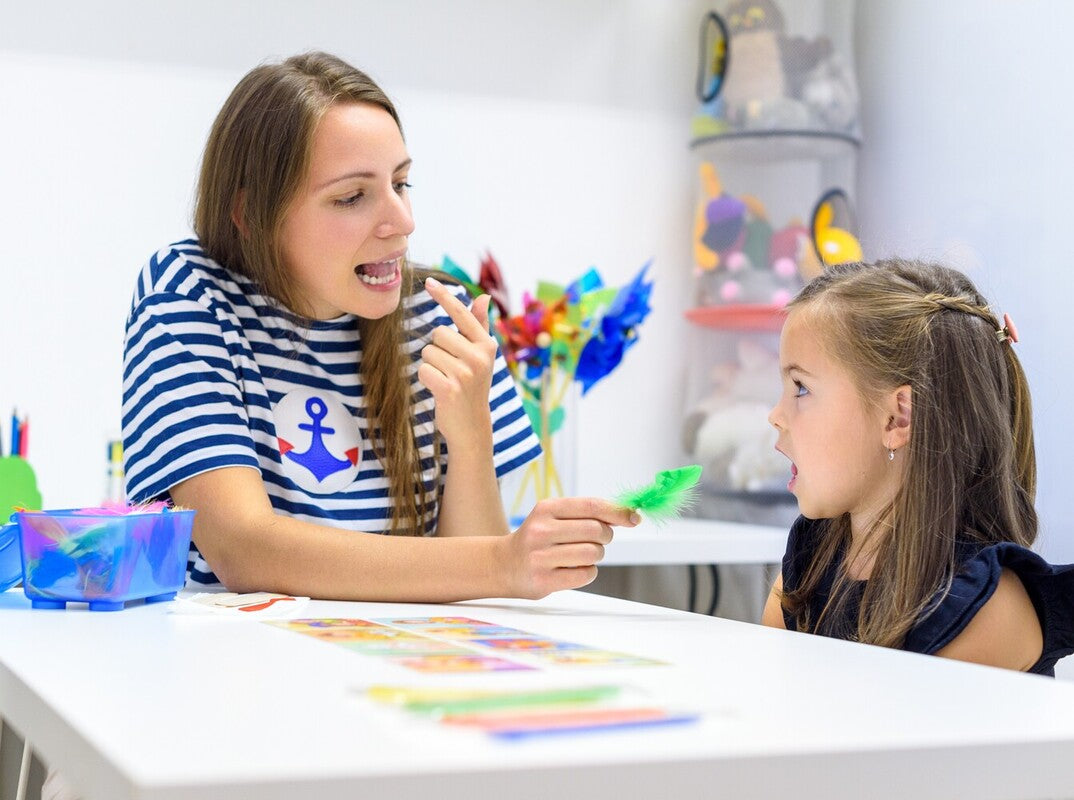
In speech therapy settings, we often choose humorous stories for this exact reason. Kids stay engaged. They want to know what happens next. That curiosity keeps them turning pages.

8. Talk About the Story
Conversation brings stories to life. Ask your child simple questions while reading together: What do you think will happen next? Which character did you like best? Why did the character make that choice?
These conversations help kids think more deeply about what they're reading. They also encourage children to see themselves as active participants in the story.
9. Follow Your Child's Interests
Motivation grows when books connect to a child's passions. Some kids love animals. Others are fascinated by space or science. When reading topics match those interests, kids naturally want to learn more.
At Bjorem Literacy, we often remind parents that the “right” book isn't about reading level alone. The right book is the one your child is excited to open.
10. Celebrate Small Wins
Learning to read takes time. Progress doesn't happen overnight.
Celebrate small milestones along the way. Maybe your child finished their first chapter book. Maybe they figured out a tricky word. Maybe they read for longer than usual.
Positive feedback builds confidence. When kids feel proud of their progress, they're more likely to keep trying.
11. Keep Reading Fun
This may be the most important tip of all. Reading should feel enjoyable rather than stressful. When kids associate books with pressure or constant correction, motivation can fade quickly. But when reading feels relaxed and playful, curiosity grows.
The goal isn't perfect reading. The goal is to help children see books as something worth exploring.

Conclusion
Helping kids get excited about reading doesn't require complicated strategies. It starts with creating positive experiences with books and giving children opportunities to explore stories that genuinely interest them.
At Bjorem Literacy, we've seen how small changes can shift a child's relationship with reading in a powerful way.
If you're worried about your child's speech or reading development, trust your instincts. Don't wait - evaluate. Early support can make a meaningful difference.
If you're ready to build stronger literacy skills at home, explore the tools and resources designed by speech therapists available at Bjorem Literacy to support your child's reading journey.