
Speech development can feel exciting one moment and confusing the next. Some kids start chatting early, while others take their time, and that difference can leave parents wondering what's typical and what might need support. There's a lot of information out there, and not all of it is easy to sort through.
So, what is speech therapy for kids? This article breaks it down in a clear, approachable way, covering how speech therapy works, what it helps with, and how to tell when a child may benefit from extra support.
What this article covers:
- What Is Speech Therapy for Kids?
- What Does Speech Therapy for Kids Address?
- How to Tell if Your Child Needs Speech Therapy
- What Age Should Your Child Start Speech Therapy?
What Is Speech Therapy for Kids?
Speech therapy for kids is a professional service that helps children who have difficulty with speech, language, voice, or communication skills.
A licensed speech-language pathologist evaluates how a child understands and uses language, then creates a personalized plan to support growth. The focus goes beyond sounds alone and looks at how children communicate in everyday life.
At its core, speech therapy helps children strengthen their ability to express ideas, understand others, and participate more confidently at home, in school, and with peers. These skills form the foundation for learning, relationships, and self-confidence.
What Does Speech Therapy for Kids Do?
Speech therapy supports a wide range of communication skills. It can help children pronounce sounds more clearly, expand vocabulary, use sentences effectively, and follow directions.
Therapy also addresses challenges with fluency, such as stuttering, and voice quality, including pitch or volume concerns.
In addition, speech therapy supports receptive language skills, which involve understanding words and instructions, and expressive language skills, which involve sharing thoughts and ideas. When these skills improve, children often feel more confident and engaged in daily interactions.

How Does Speech Therapy for Kids Work?
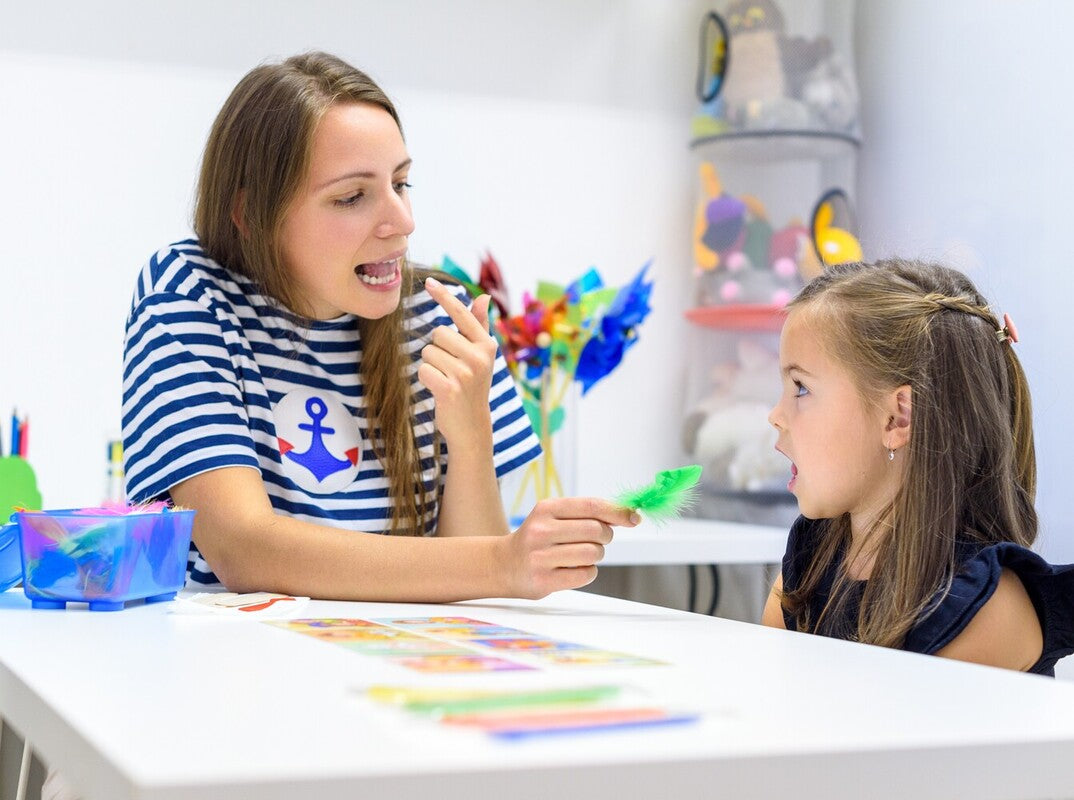
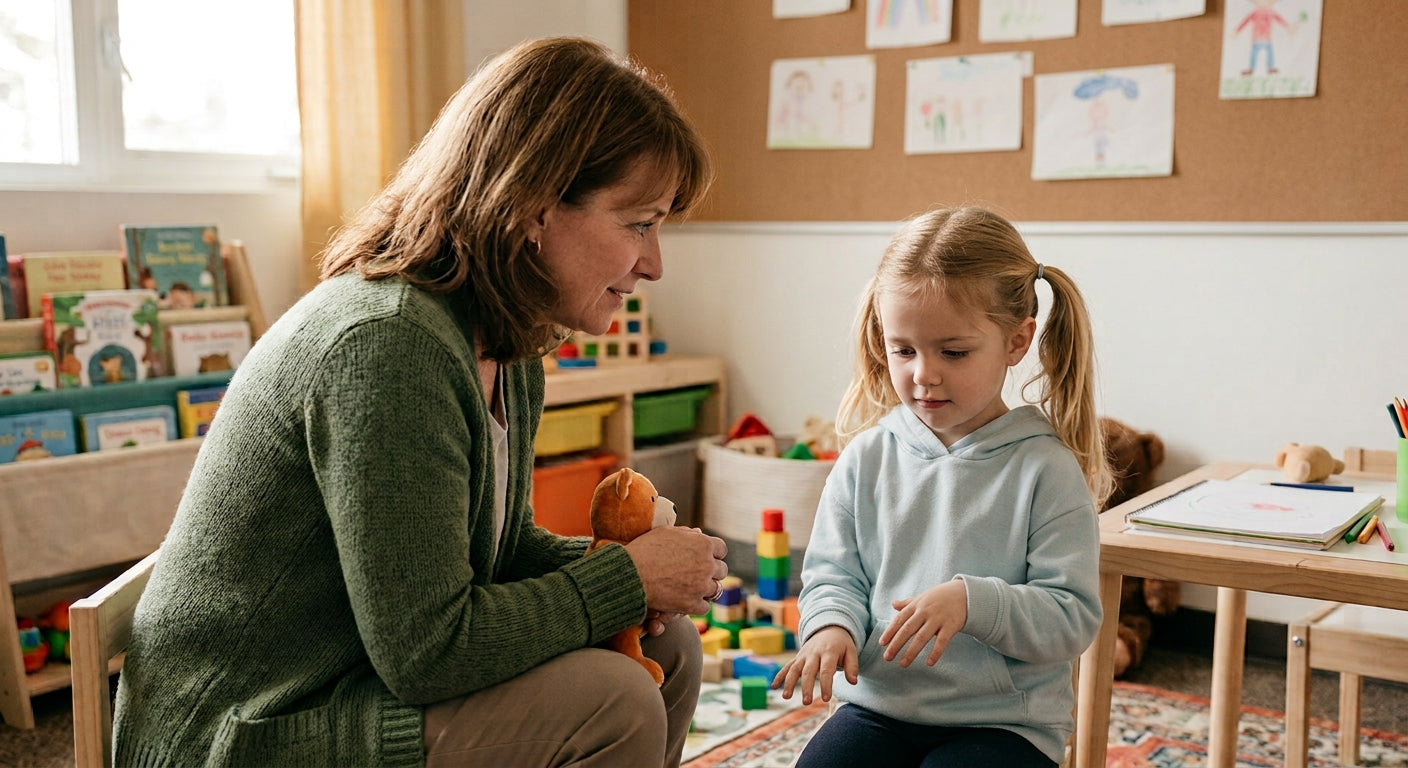
Speech therapy begins with an evaluation. The speech-language pathologist observes your child, gathers information, and identifies strengths and areas that need support. From there, they create clear goals and a therapy plan tailored to your child's needs.
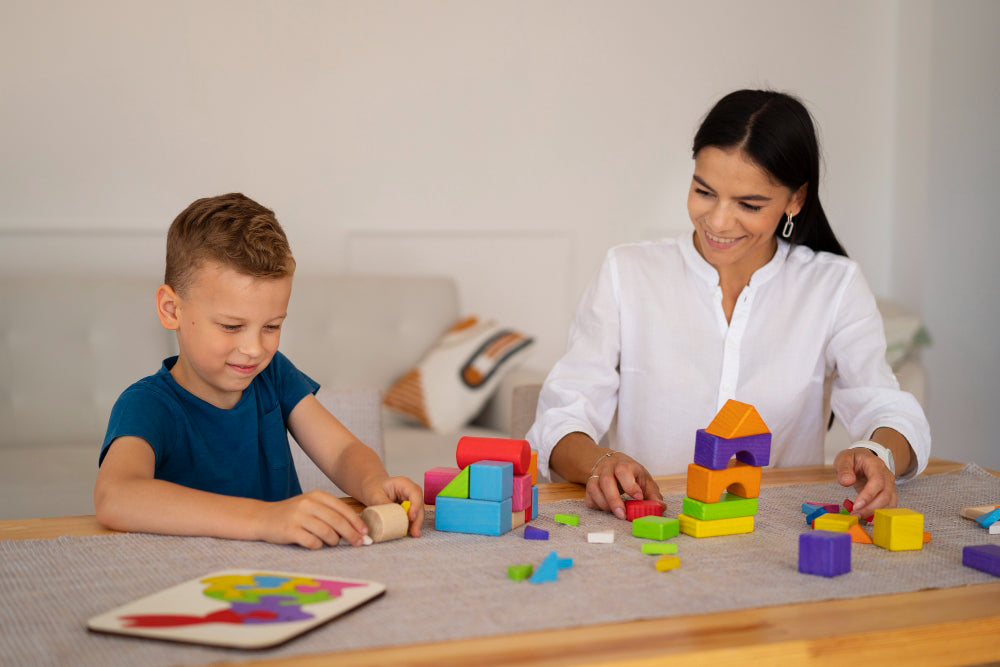
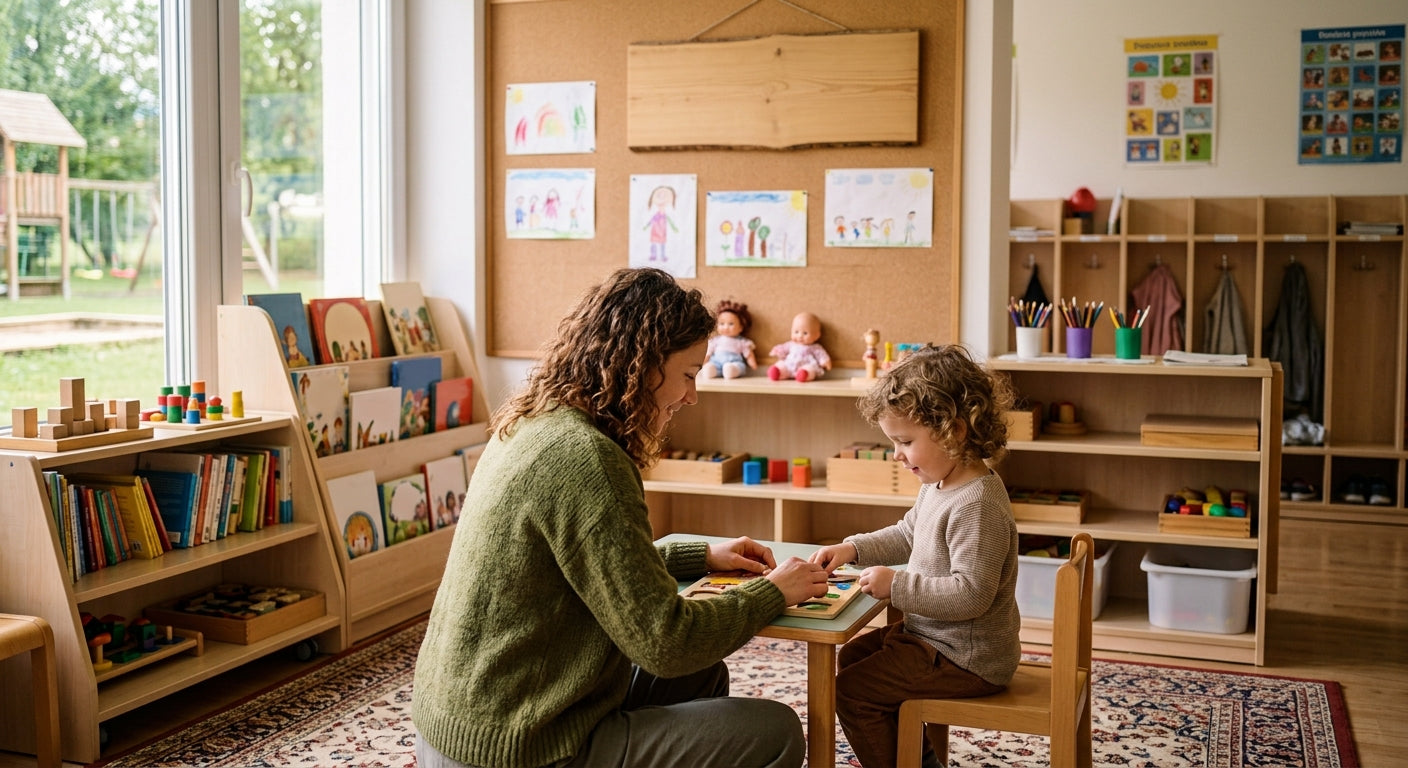
Sessions are typically interactive and play-based, especially for younger children. Therapists use games, books, visuals, and structured activities to practice skills in a way that feels motivating and approachable.
Therapy may take place in a clinic, school, home, or virtual setting, and families are often given at-home speech therapy tips for kids to support progress between sessions.
What Does Speech Therapy for Kids Address?
Speech therapy can help with many different communication challenges, depending on the child's needs.
1. Speech Sound Disorders
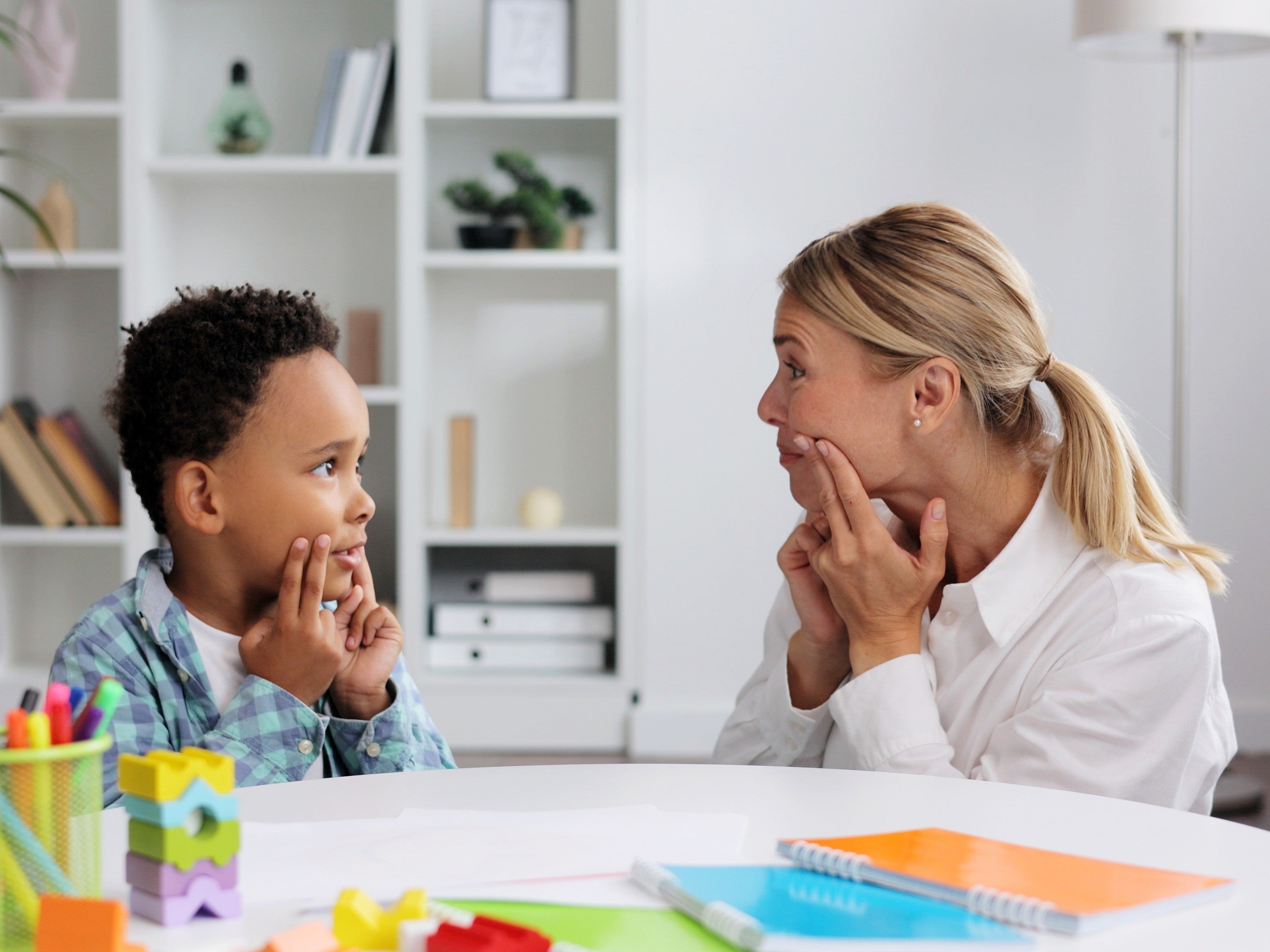
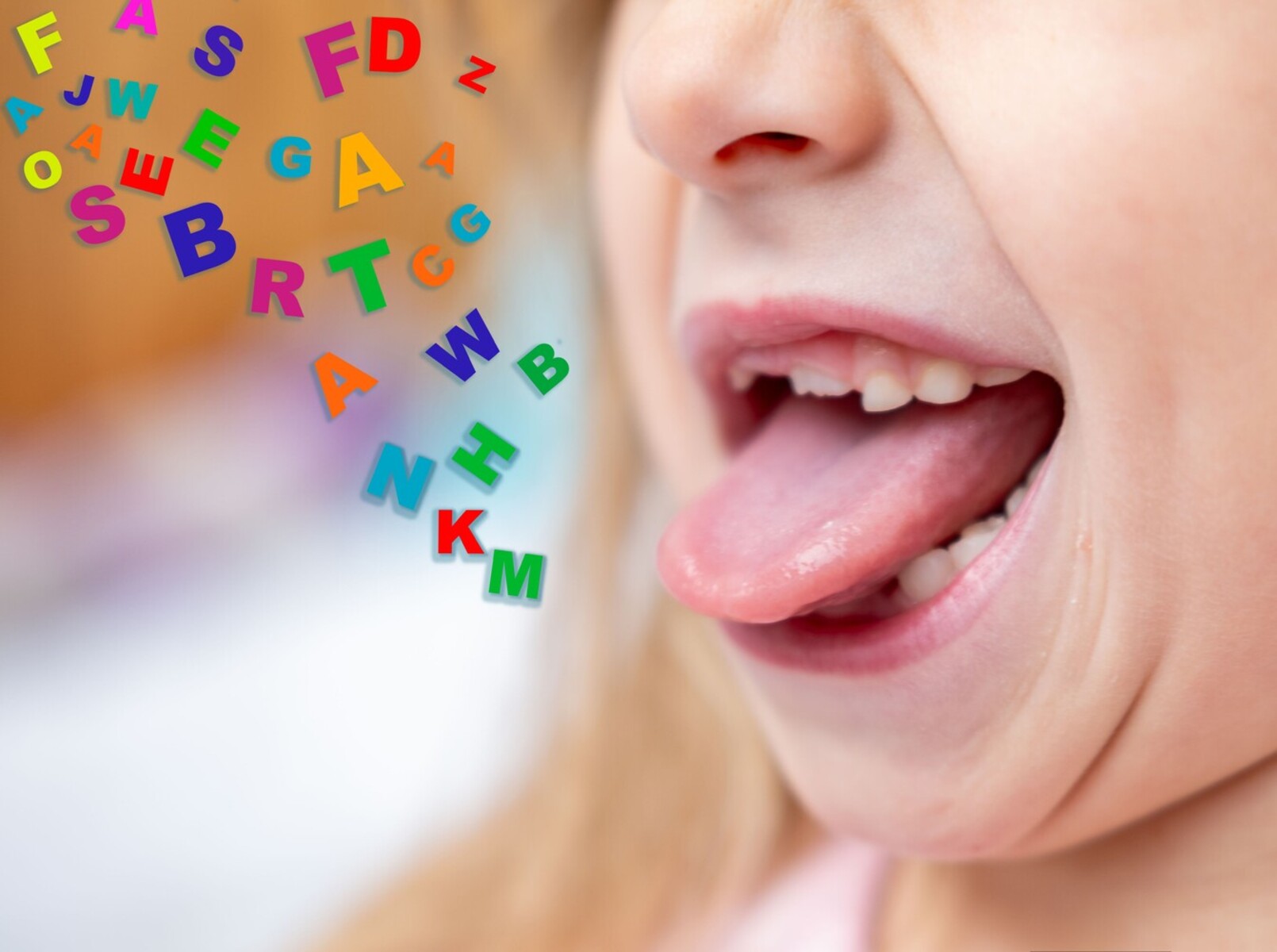
Some children have trouble producing specific speech sounds, which can make their speech difficult to understand. Speech therapy helps children learn how to move their lips, tongue, and jaw to produce clearer sounds through guided practice and repetition.
Types of speech sound disorders diagnosed by speech therapists include articulation disorder, phonological disorder, and motor planning disorders such as childhood apraxia of speech and dysarthria.
2. Language Delays and Disorders
Language delays affect how children understand or use words and sentences. Therapy focuses on building vocabulary, improving sentence structure, and strengthening comprehension skills so children can communicate more effectively.
3. Fluency Disorders
Fluency disorders, otherwise known as stuttering, involve disruptions in the flow of speech, such as repetitions or blocks. Speech therapy helps children develop strategies to speak more smoothly and confidently while reducing tension around talking.
4. Social Communication Challenges
Some children struggle with using language in social situations. This may include difficulty taking turns in conversation, staying on topic, or understanding social cues. Therapy targets these skills to help children build stronger peer relationships.

5. Voice and Resonance Disorders
Voice disorders involve challenges with how the voice sounds or feels, such as hoarseness or inappropriate pitch. Speech therapy supports healthy voice use and teaches strategies to protect and improve vocal quality.
6. Feeding and Swallowing Difficulties
Speech-language pathologists also work with children who have oral motor challenges or sensory differences that affect feeding or swallowing. Therapy focuses on safety, coordination, and skill development during eating.
Want to know more before you commit? Check out how much is speech therapy for kids.
How to Tell if Your Child Needs Speech Therapy
It's not always easy to know whether a child needs speech therapy, but certain signs can offer helpful clues.
1. Difficulty Being Understood
If people outside your immediate family often ask your child to repeat themselves, it's worth paying attention. You might notice grandparents, teachers, or other kids struggling to understand what your child is saying.
Speech that sounds unclear past the expected age range can affect confidence and participation. Therapy can help improve clarity so your child feels easier to understand in everyday conversations.
2. Delayed Speech or Language Milestones
Children develop speech and language skills in stages, and there's a general timeline most kids follow. If your child isn't using words, phrases, or sentences expected for their age, that gap may signal a delay.
This can look like fewer words, trouble following directions, or a limited understanding of questions. A speech-language evaluation helps determine what support could make a difference.

3. Limited Vocabulary or Sentence Use
Some children talk often but rely on the same few words or short phrases. Others may struggle to put words together in a clear way. You might hear lots of single words when longer phrases are expected, or sentences that feel jumbled.
Speech therapy focuses on building vocabulary and teaching how to combine words so that ideas come out more clearly.
4. Frustration During Communication
When kids know what they want to say but can't get the words out, frustration shows up fast. You may see meltdowns, giving up mid-sentence, or choosing silence instead of trying.
That emotional response is important. Therapy gives children tools to express themselves more easily, which often reduces stress and boosts confidence.
5. Social Communication Difficulties
Some children struggle during conversations with peers. They may interrupt often, have trouble taking turns, or miss social cues like facial expressions and tone of voice.
Group play can feel challenging or overwhelming. Speech therapy helps children practice these skills in a supportive setting so social interactions feel smoother and more enjoyable.
6. Stuttering or Noticeable Speech Interruptions
Speech that includes frequent repetitions, long pauses, or tension can be hard for a child to manage. You might notice your child avoiding certain words or becoming quiet in group settings.
If these interruptions persist or start to affect confidence, speech therapy can support smoother speech and help children feel more comfortable talking.
7. Feeding or Swallowing Concerns
Speech-language pathologists also support feeding skills. If your child struggles with chewing, gags frequently, or avoids certain textures, that may point to oral motor challenges.
Mealtimes shouldn't feel stressful. Therapy can help improve coordination and make eating safer and more comfortable for your child.

What Age Should Your Child Start Speech Therapy?
There is no single age that is right for every child. Some children begin speech therapy as toddlers when early delays are identified, while others start during preschool or school age.
The most important factor is recognizing concerns and seeking guidance when they arise. Early support often leads to more efficient progress and helps children build strong communication skills from the start.
In addition to working with a speech-language pathologist, many families benefit from practicing skills at home between sessions. Tools like the BIG BOX of Bjorem Speech Sound Cues can make that practice easier and more engaging by giving children clear visual reminders for how sounds are made.
Using at-home tools alongside therapy helps reinforce learning and keeps progress moving forward in a fun, low-pressure way.
Conclusion
Speech therapy for kids is a supportive and individualized process designed to help children communicate more clearly and confidently. Whether a child needs help with speech sounds, language development, social communication, or feeding skills, therapy provides tools that support everyday success and meaningful connection.
If you're feeling unsure about next steps, a speech-language evaluation can bring clarity and peace of mind.
To support progress at home, explore Bjorem Speech resources created by speech therapists who understand how kids learn best. Our tools are designed to be practical, engaging, and easy to use in everyday routines, helping families reinforce speech skills with confidence.