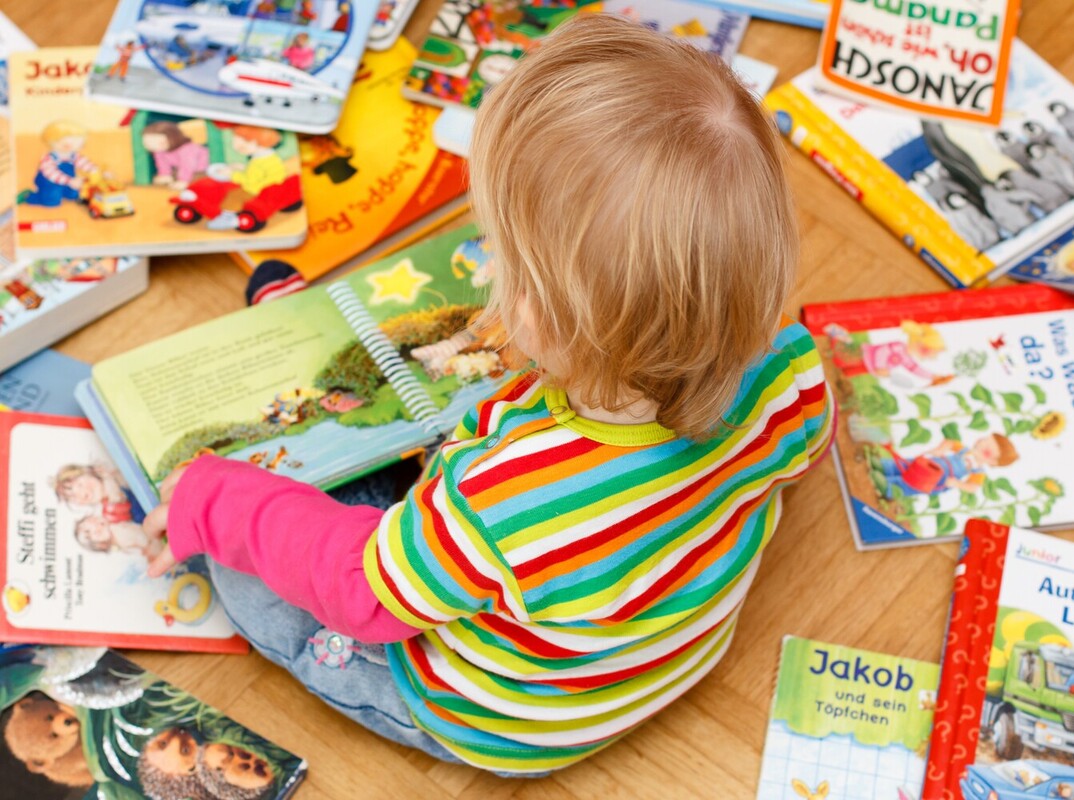


Getting kids excited about books doesn't always come naturally, especially when reading starts to feel like a chore instead of something enjoyable. We see this often in our work, and it's exactly why understanding how to make reading fun for kids can make such a big difference.
The goal isn't to push longer reading sessions or expect perfect performance. It's to create experiences that feel playful, engaging, and connected to your child's interests.
In this article, we'll walk through why kids sometimes avoid reading, then share practical, easy-to-use strategies that bring energy back into reading time, from giving kids more choice to using interactive tools, games, and short, positive routines that actually stick.
What this article covers:
Why Your Child Might Avoid Reading
When a child avoids reading, it's rarely because they're lazy or uninterested in learning. More often, reading feels hard. Maybe the books don't match their level, or the content doesn't interest them. That frustration builds quickly.
Some kids also associate reading with pressure. They're asked to sound out words, answer questions, or read aloud perfectly. That can turn reading into a task instead of an experience. And once it feels like work, resistance shows up fast.
There's also the reality of competition. Screens are fast, interactive, and rewarding. Books can feel slow in comparison. If reading doesn't offer that same level of engagement, kids will naturally gravitate toward what feels easier and more exciting.
The good news is this: when reading becomes interactive, social, and enjoyable, kids engage longer and build stronger kindergarten reading comprehension skills at the same time.

How to Make Reading Fun for Your Child
Now that we understand why reading can feel like a struggle, we can start learning how to encourage reading in kids and shift it into something your child actually enjoys. These simple, practical strategies help turn reading time into a more engaging, positive experience without adding pressure:
1. Let Your Child Take the Lead
Choice matters more than most parents expect. When kids get to pick what they read, they feel ownership. That alone can shift their attitude.
We encourage families to offer options instead of assigning books. Let your child choose between a comic, a silly story, or a nonfiction book about something they love. It doesn't have to be a “perfect” book. Interest comes first.
Even small decisions, like choosing where to sit or which book to start with, help kids feel more in control and less resistant.
2. Create a Cozy, Inviting Reading Space
Environment changes everything. A simple reading nook can turn books into something kids look forward to.
Think soft pillows, a favorite blanket, and a quiet corner with good lighting. It doesn't need to be fancy. It just needs to feel special. When reading feels like a break instead of a task, kids are more likely to settle in and stay engaged.

3. Use Fun Reading Programs and Tools
Sometimes kids need a fresh approach, especially if they're struggling. That's where structured, engaging tools can help.
We love incorporating fun reading programs that combine movement, music, and visual learning. For example, the Bjorem Better Letters with the Laurie Berkner Band card deck brings letters to life through songs and actions. Kids aren't just looking at letters. They're experiencing them.
This kind of multi-sensory learning is especially helpful for kids who need extra support. It builds confidence while keeping things fun and interactive.
4. Bring Stories to Life
Reading should feel active, not passive. That's where we see the biggest breakthroughs.
Use silly voices. Act out scenes. Pause and ask what might happen next.
These small interactions build reading skills while keeping kids engaged. Conversations during reading are especially powerful because they strengthen comprehension and critical thinking. You don't need to perform. Just make it playful and responsive.
5. Make Reading Social
Kids love connection. Reading doesn't have to be a solo activity. Read together as a family. Take turns reading pages. Start a simple “book club” with siblings or friends. When reading becomes something you do together, it feels more meaningful and less like a requirement.
This also models something important. When kids see us reading, they begin to understand that reading has value beyond school.
6. Turn Reading Into a Game
Play is a powerful learning tool. Try simple reading challenges or games. Create a “reading bingo” card with fun prompts like reading under a blanket or using a funny voice for a page. Add small rewards or celebrations when they complete a challenge.
Gamifying reading builds motivation while still supporting real literacy growth. It shifts the focus from effort to enjoyment.

7. Keep It Short and Positive
Long reading sessions can feel overwhelming, especially for reluctant readers. Short bursts work better.
Start with just 5 to 10 minutes. Keep the tone light. If your child wants to stop, that's okay. Ending on a positive note makes them more likely to come back next time.
Consistency matters more than duration. A short, enjoyable routine builds stronger habits than long, stressful sessions.
Conclusion
Making reading fun doesn't require complicated plans or hours of extra time. It's about creating moments your child actually enjoys. When we follow their interests, keep things playful, and remove pressure, reading starts to feel different. It becomes something they want to do, not something they have to do.
If something about your child's reading or speech development feels off, trust that instinct. Don't wait - evaluate. Early support can make a meaningful difference and help your child build confidence sooner.
And if you're looking for tools that make learning feel engaging and accessible, explore Bjorem Literacy. Our resources are designed by speech therapists to support real skill-building through play.