

Download


Arrival

Item


Download
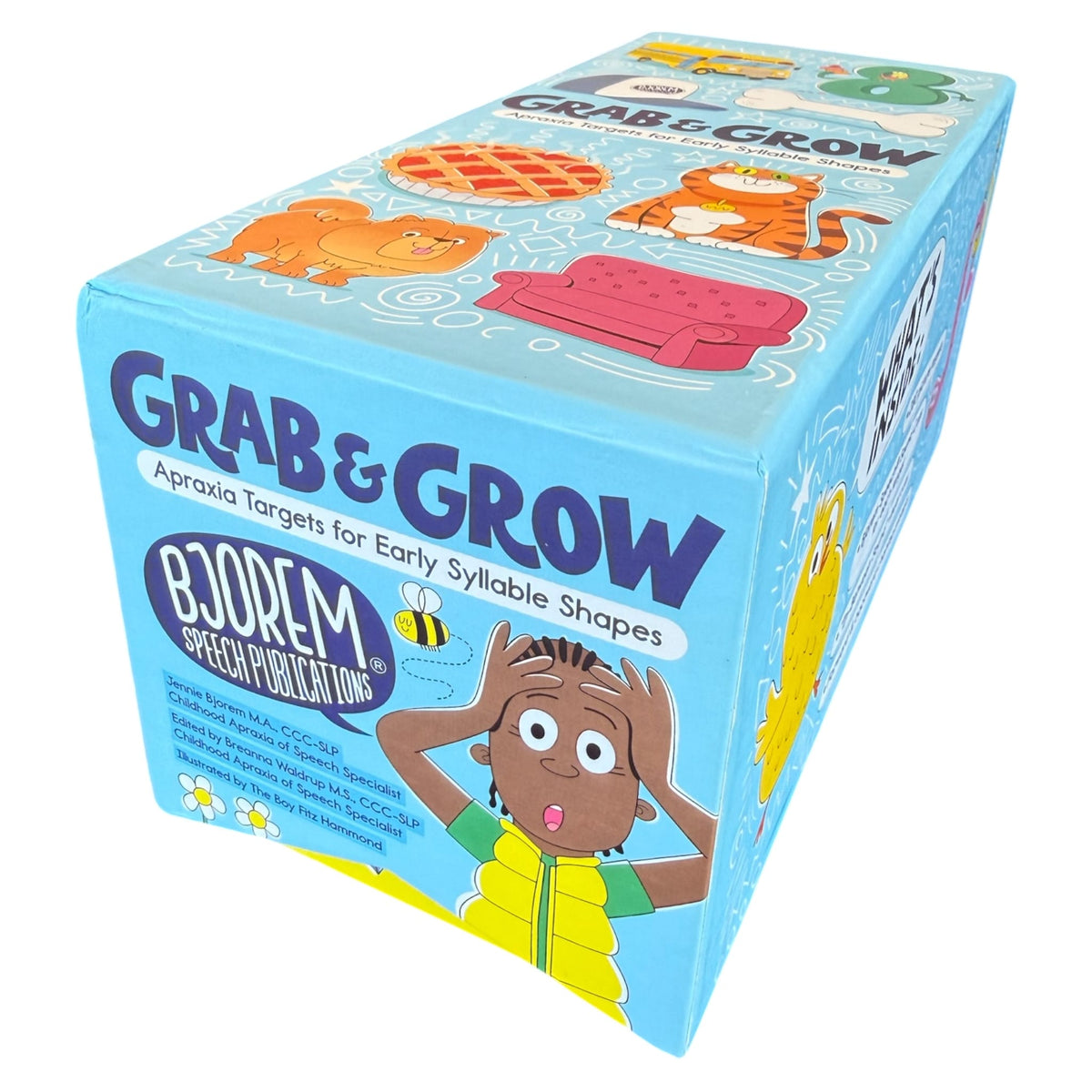
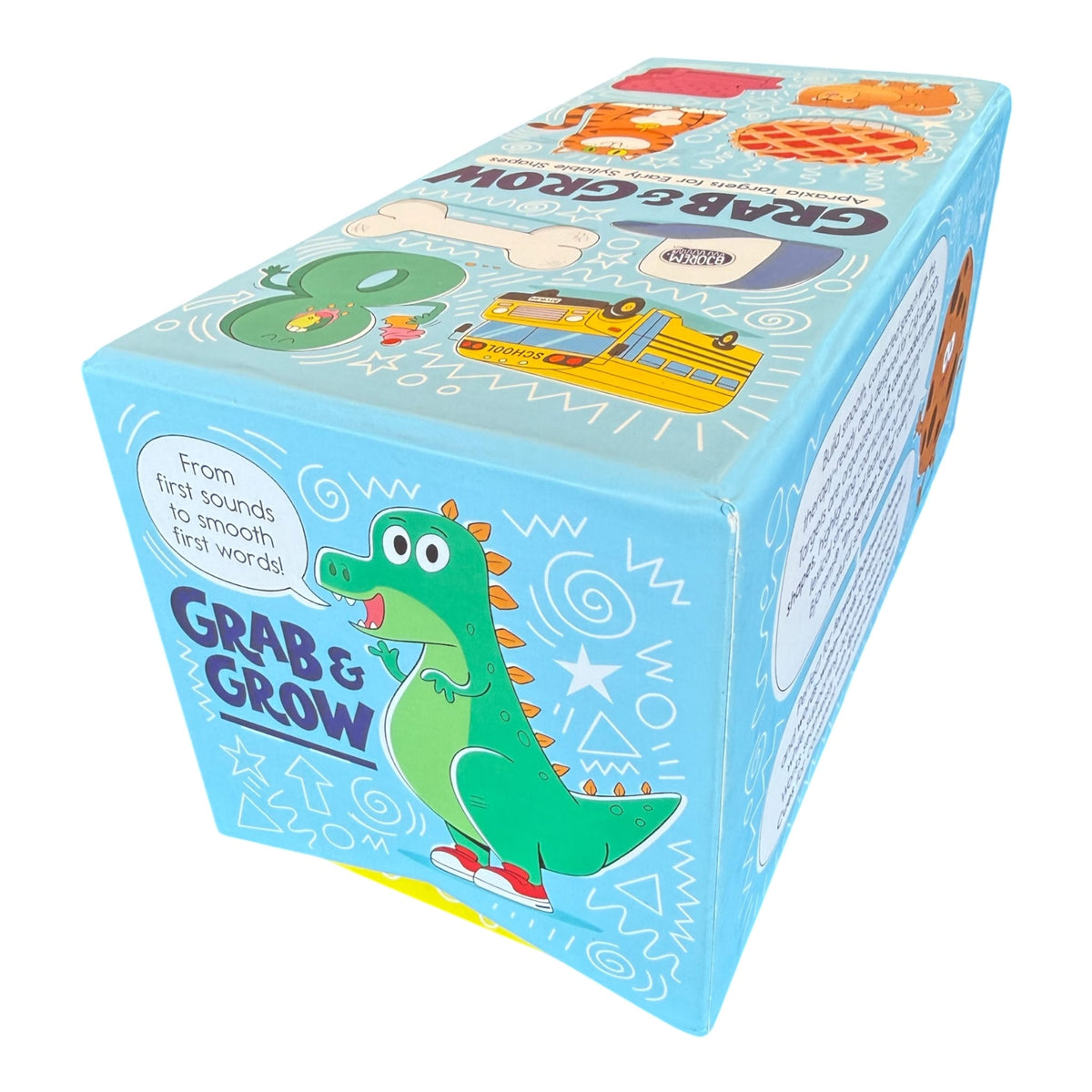
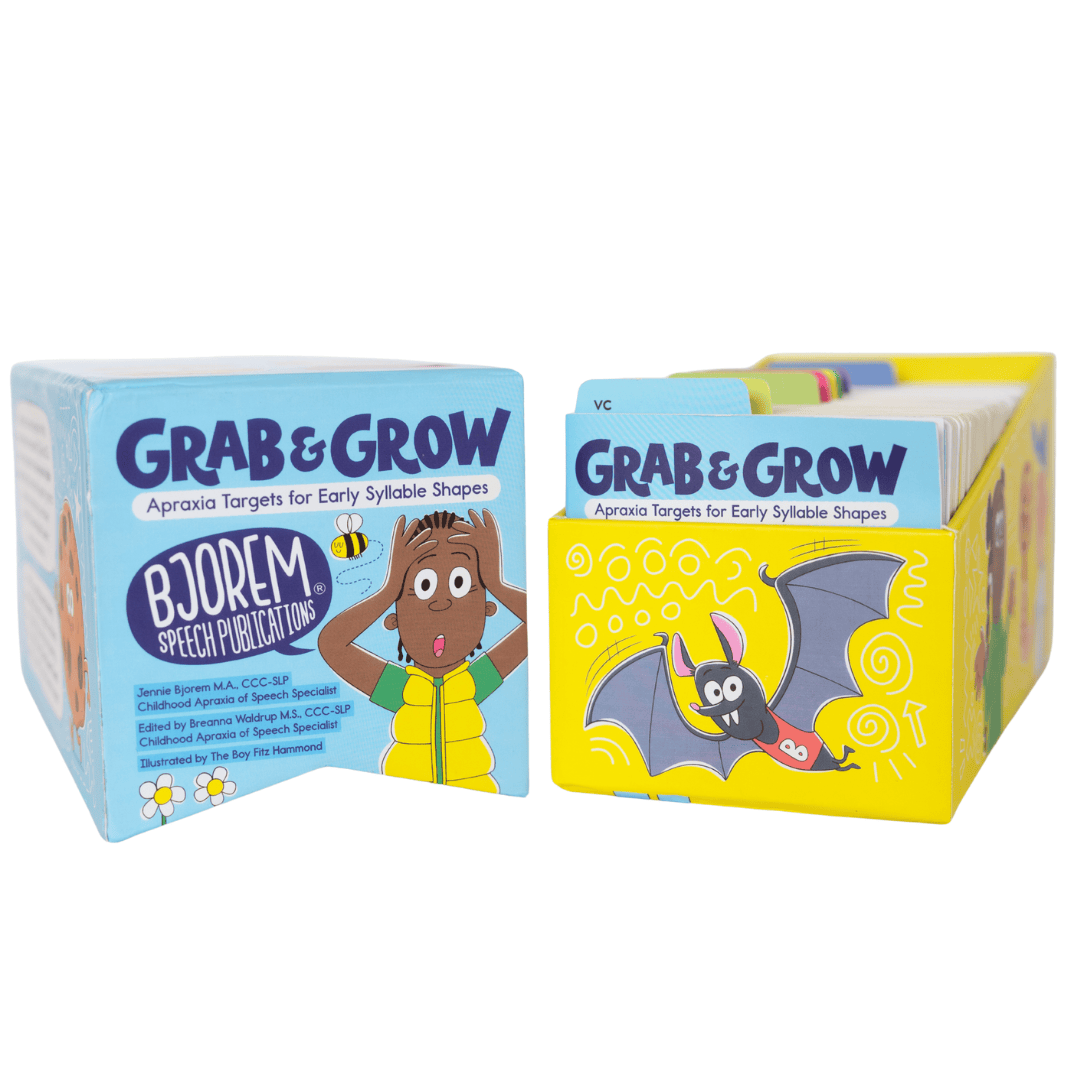
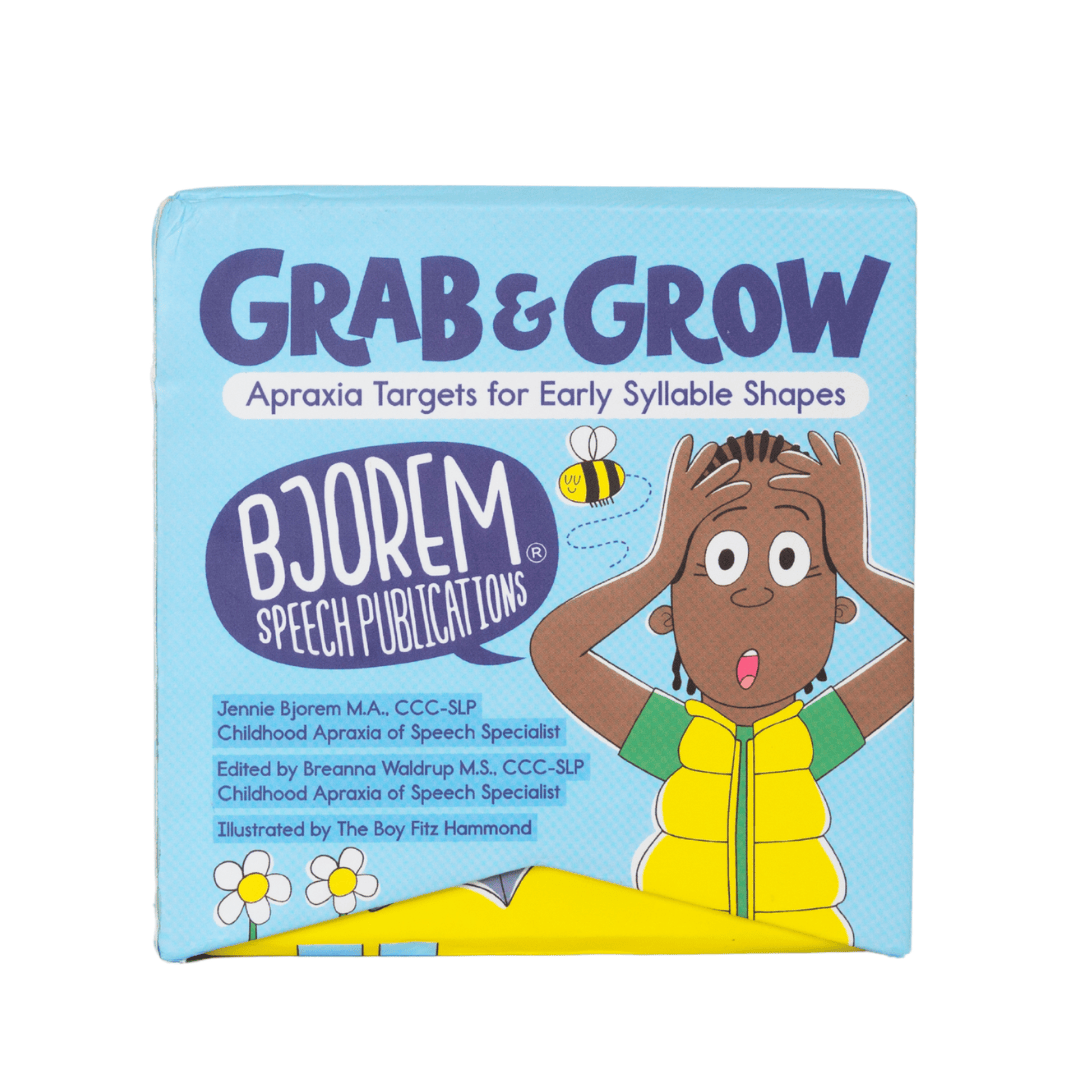
Download
Item

Option
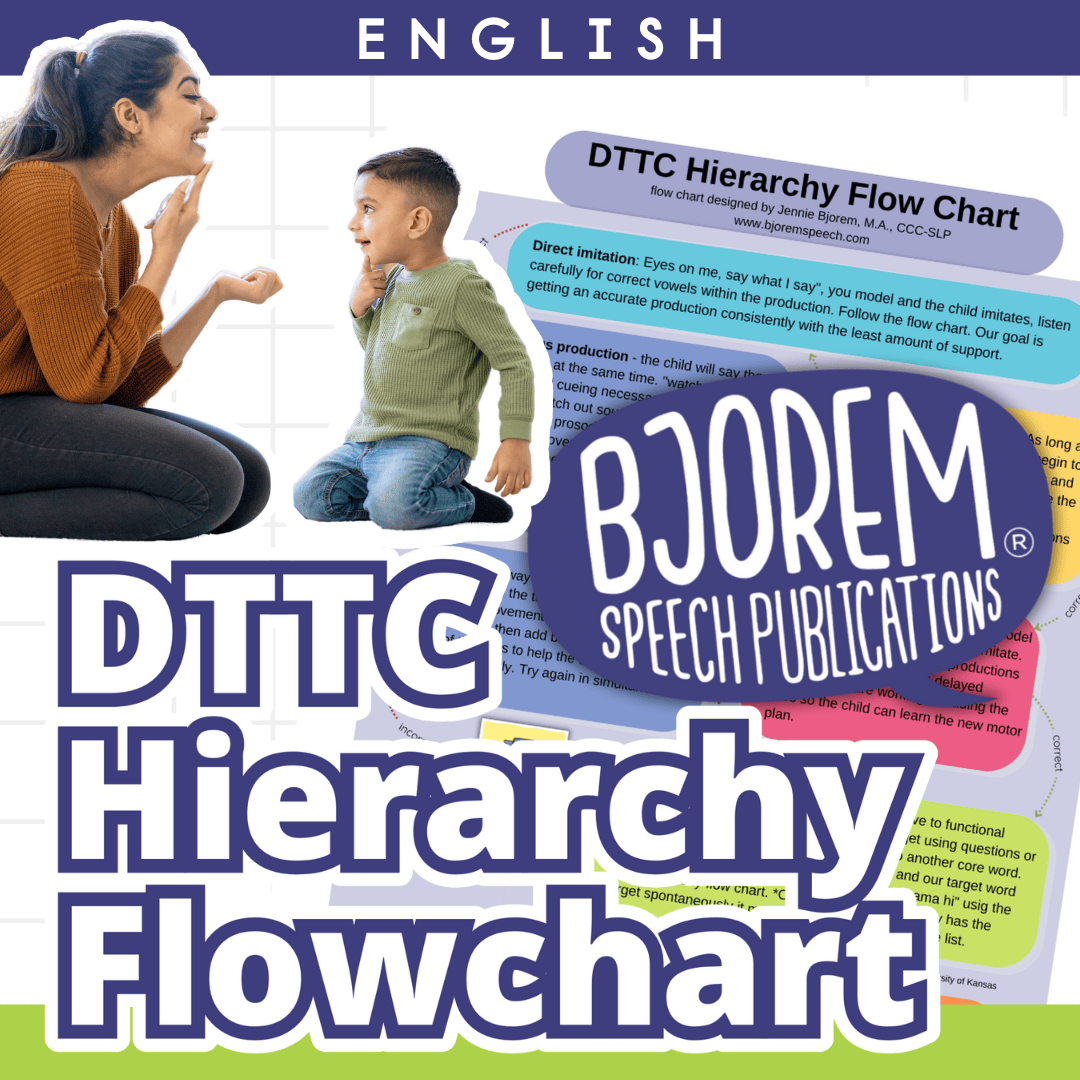
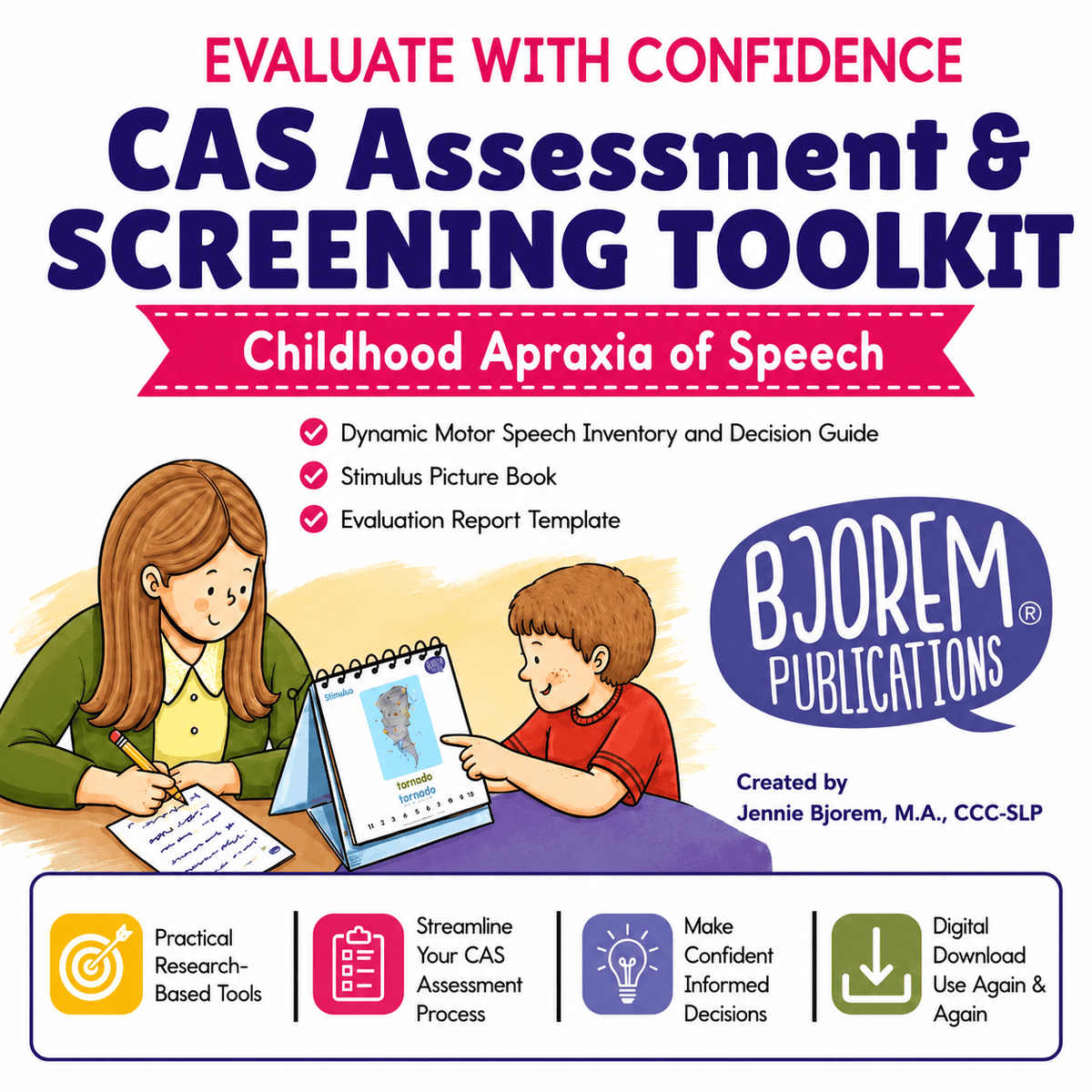
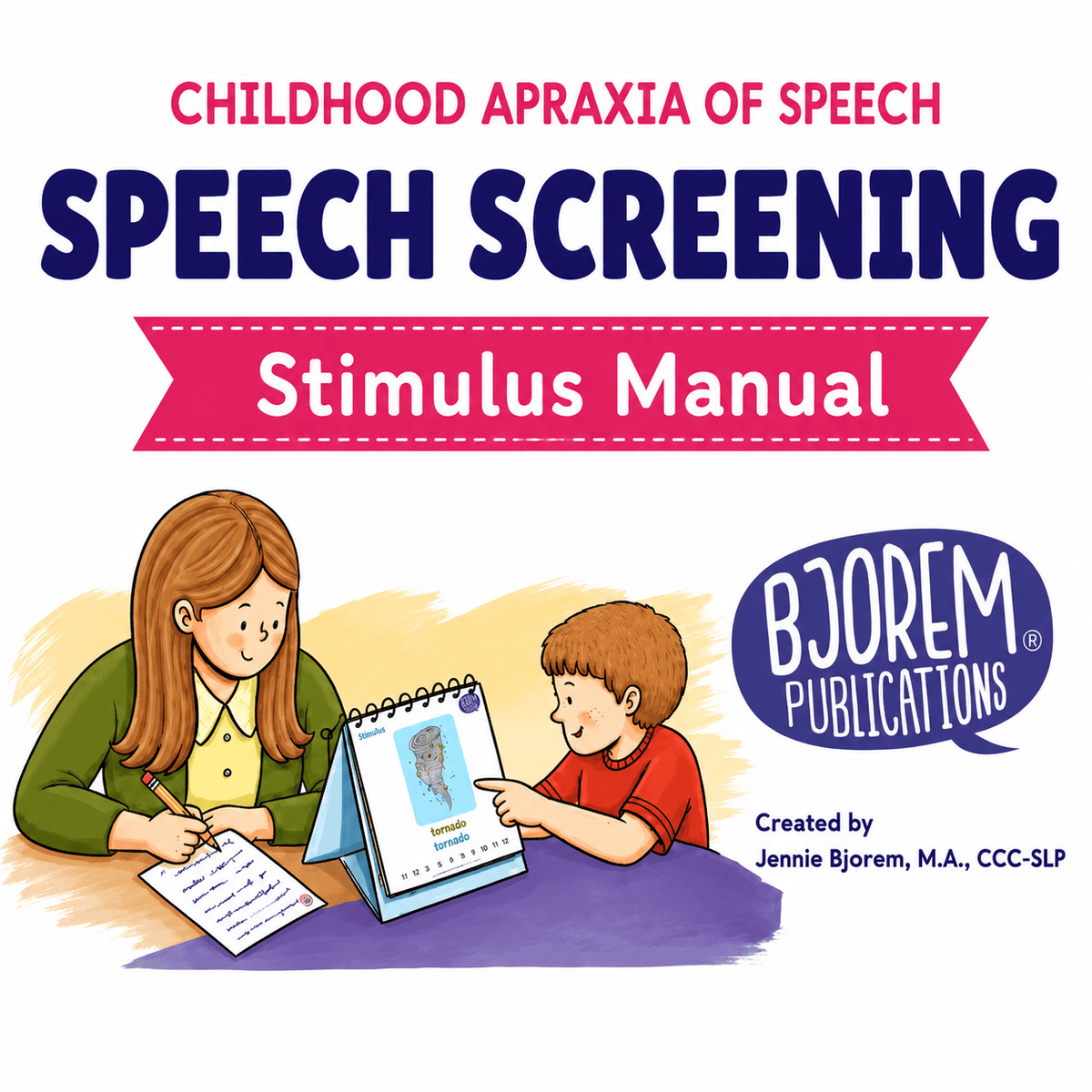
What else do I need to know about Apraxia Cards ?
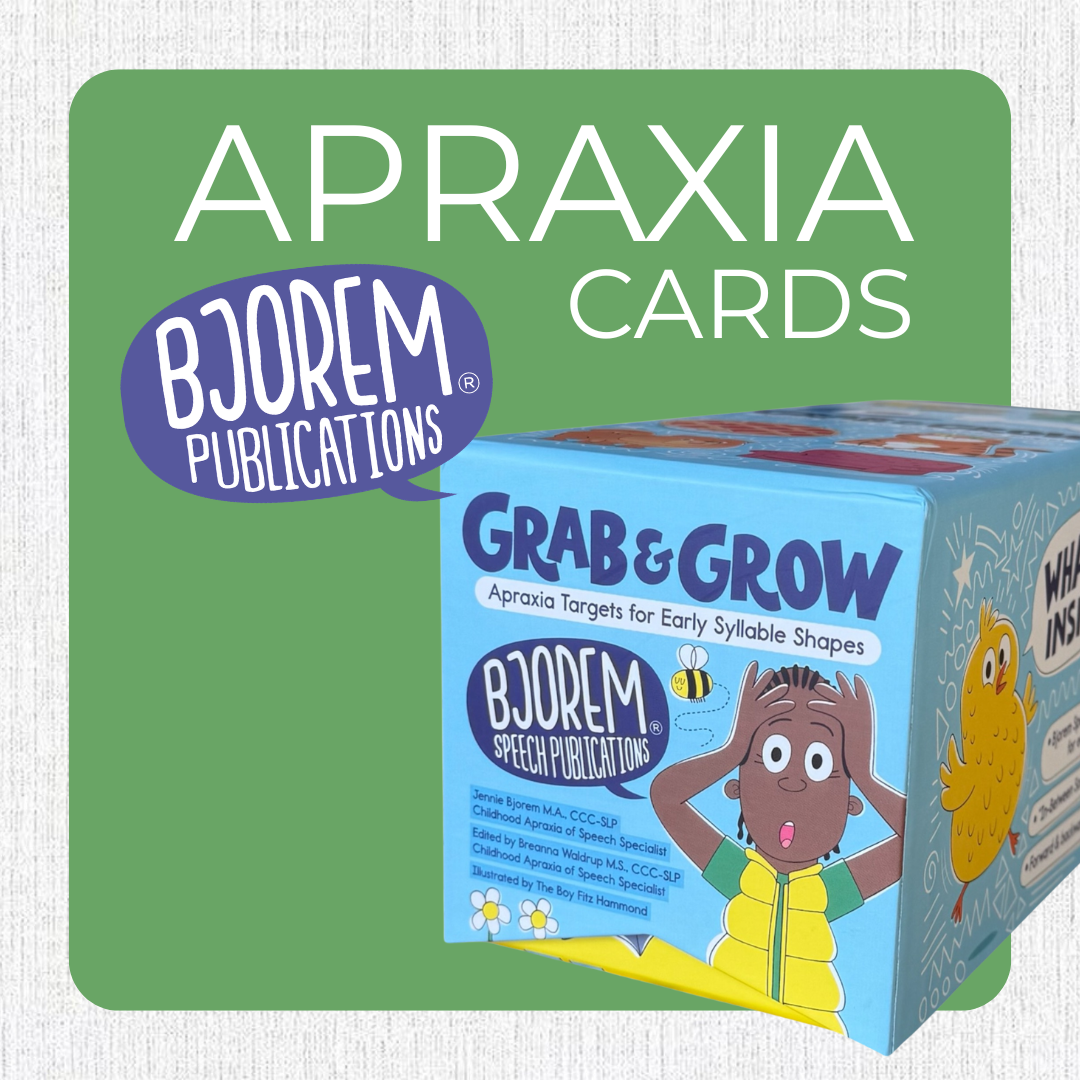
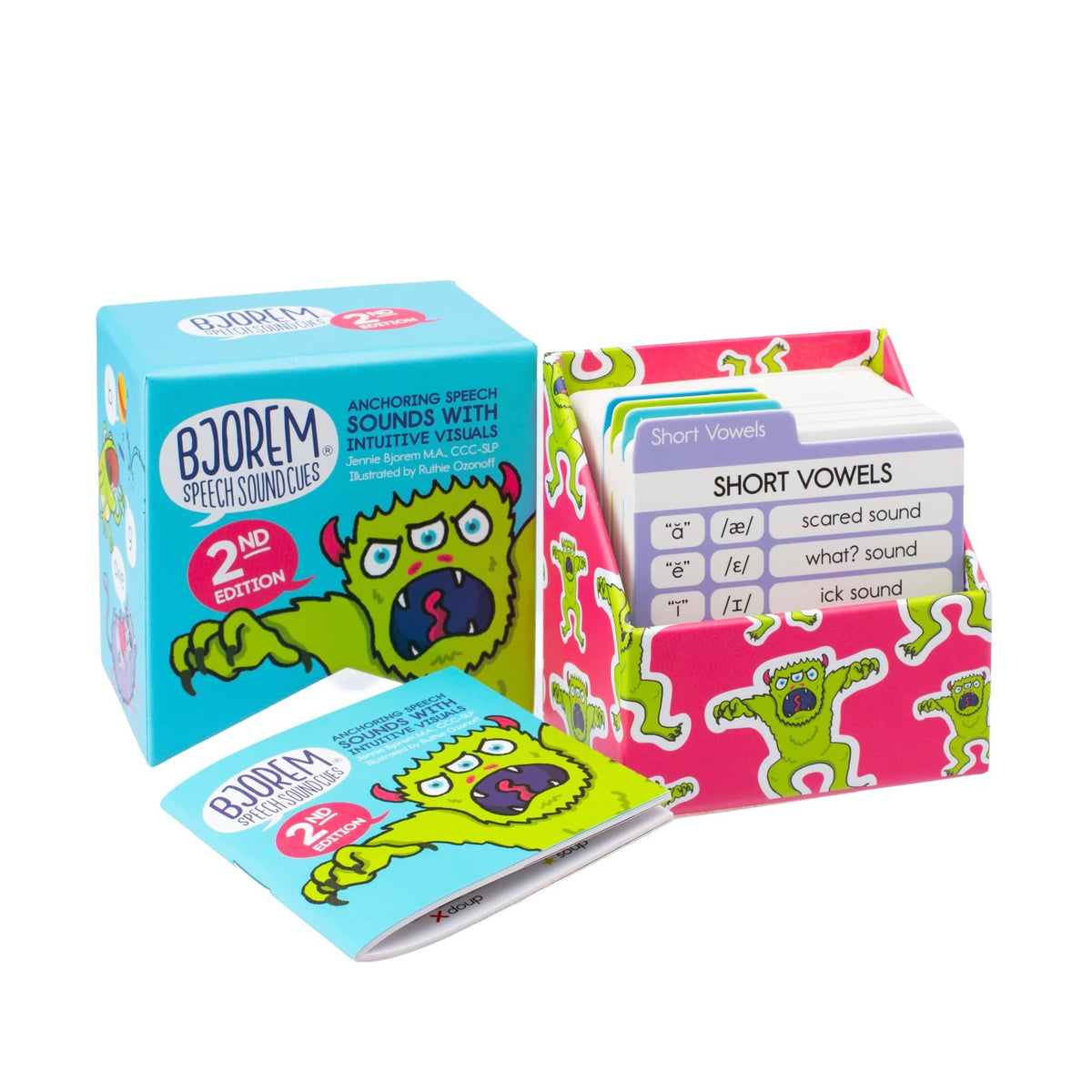
Apraxia Cards That Support Meaningful Practice and Real Confidence
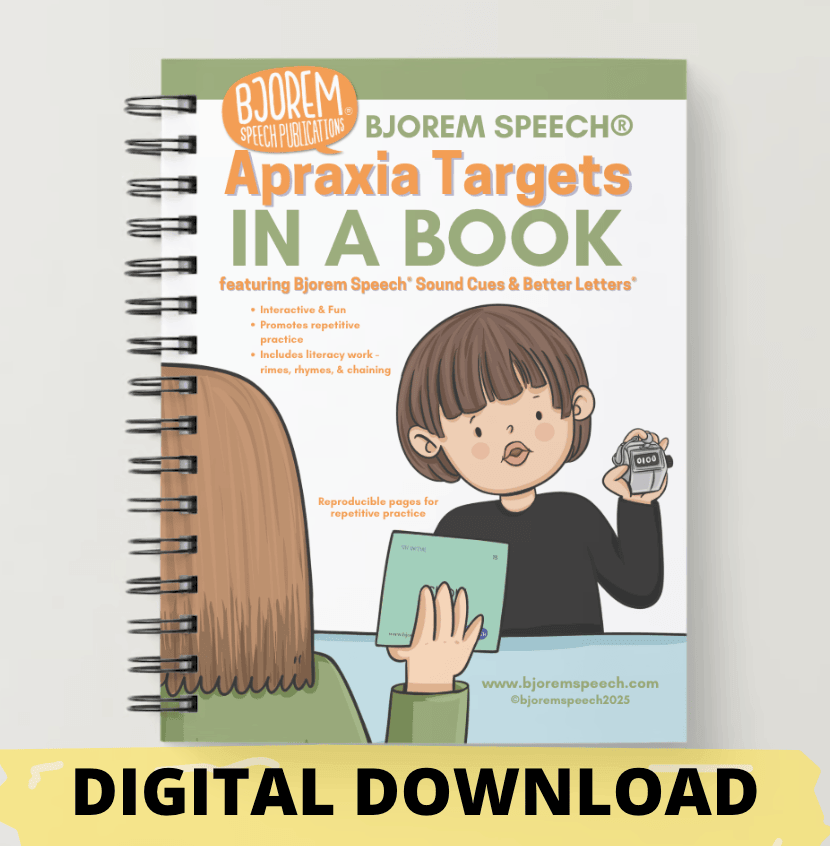
At Bjorem Speech & Literacy, we know childhood apraxia of speech is not simple, and progress rarely follows a straight line. That is why our apraxia cards are built to support consistent, structured practice in a way that still feels encouraging and child-centered. Created by speech language pathologists and shaped through collaboration with educators and illustrators, our resources are designed to help children feel capable as they work on motor planning, sound accuracy, and clearer communication.
We started with a big idea and a small pantry, then grew alongside a community of SLPs, teachers, and families who needed tools that actually work in real sessions. Today, our mission stays the same: empower professionals and caregivers with practical, research-informed materials that help kids feel seen, supported, and successful.
Apraxia Cards Designed by SLPs for Consistent Motor Planning Support
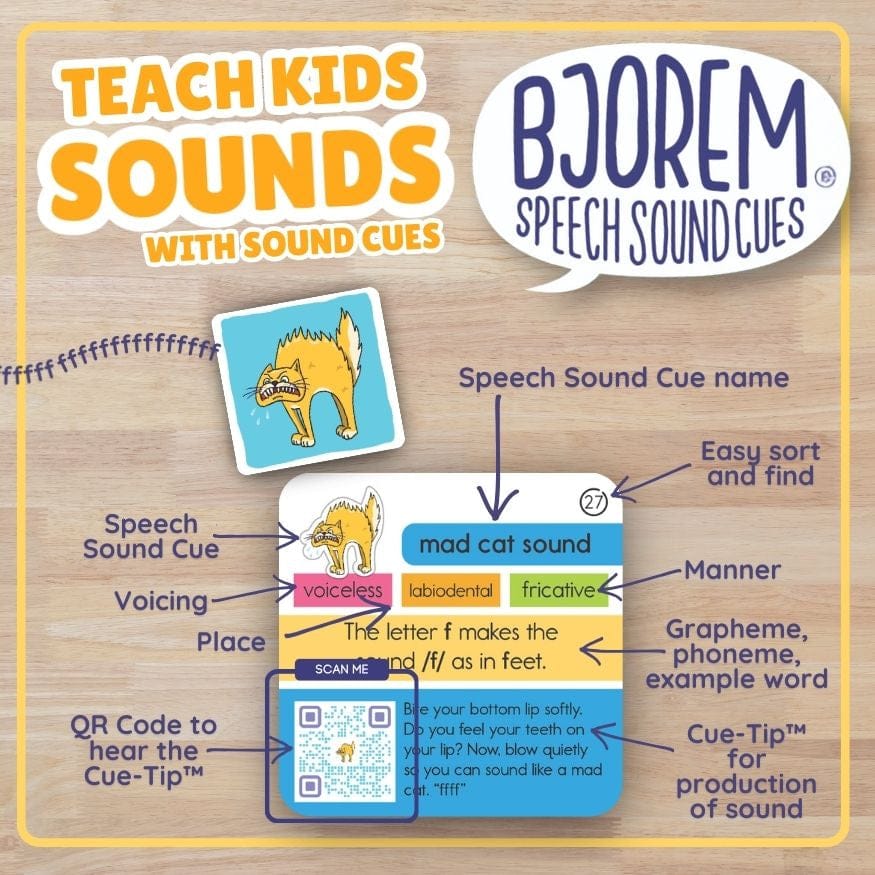
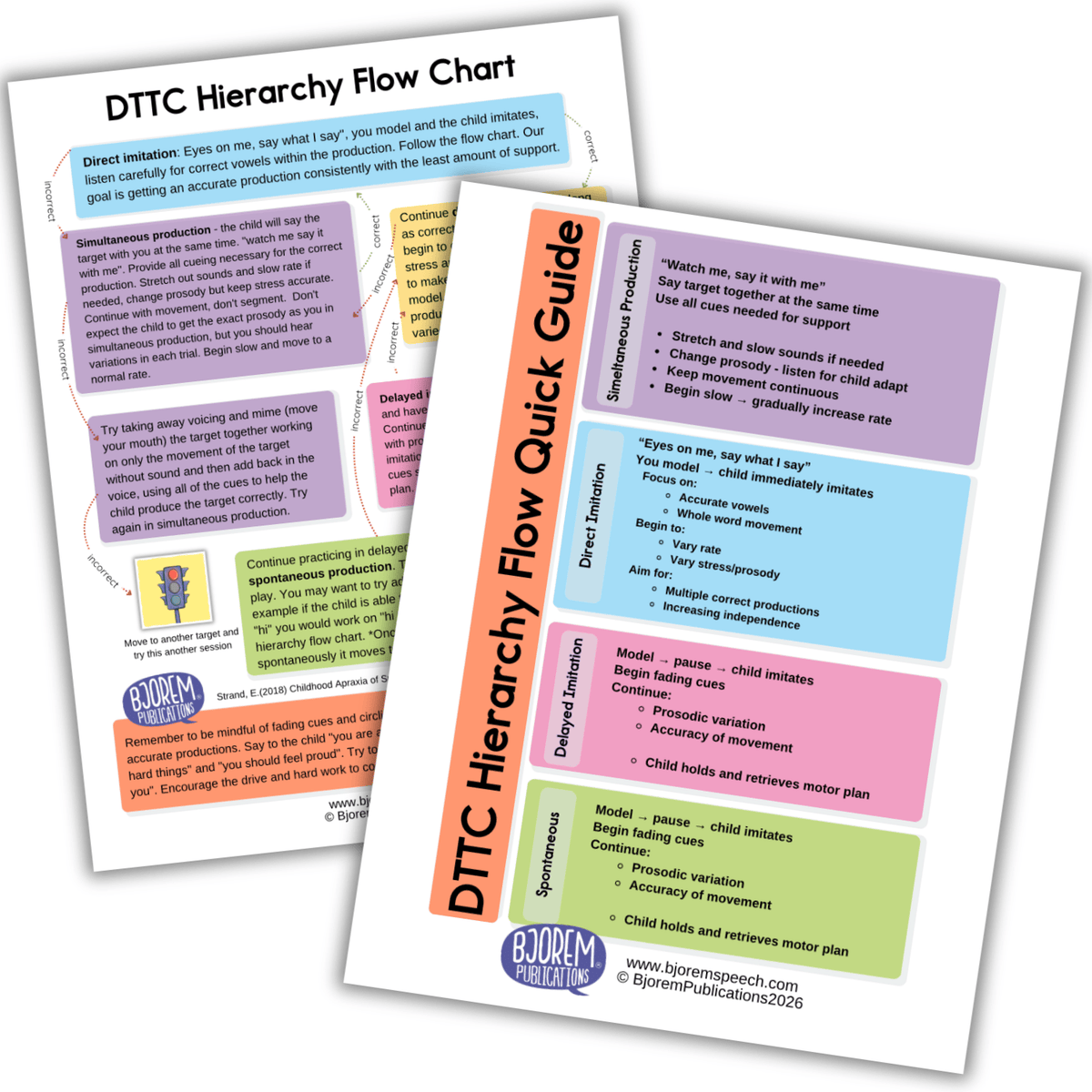
Children with childhood apraxia of speech often benefit from clear cues, repeated practice, and supportive feedback that helps them plan and sequence movements. Our apraxia cards are made to fit that need with visuals and routines that can be repeated across sessions without feeling boring. The goal is not a quick fix. The goal is a steady path forward with tools that help you cue consistently and help the child understand what to do next.
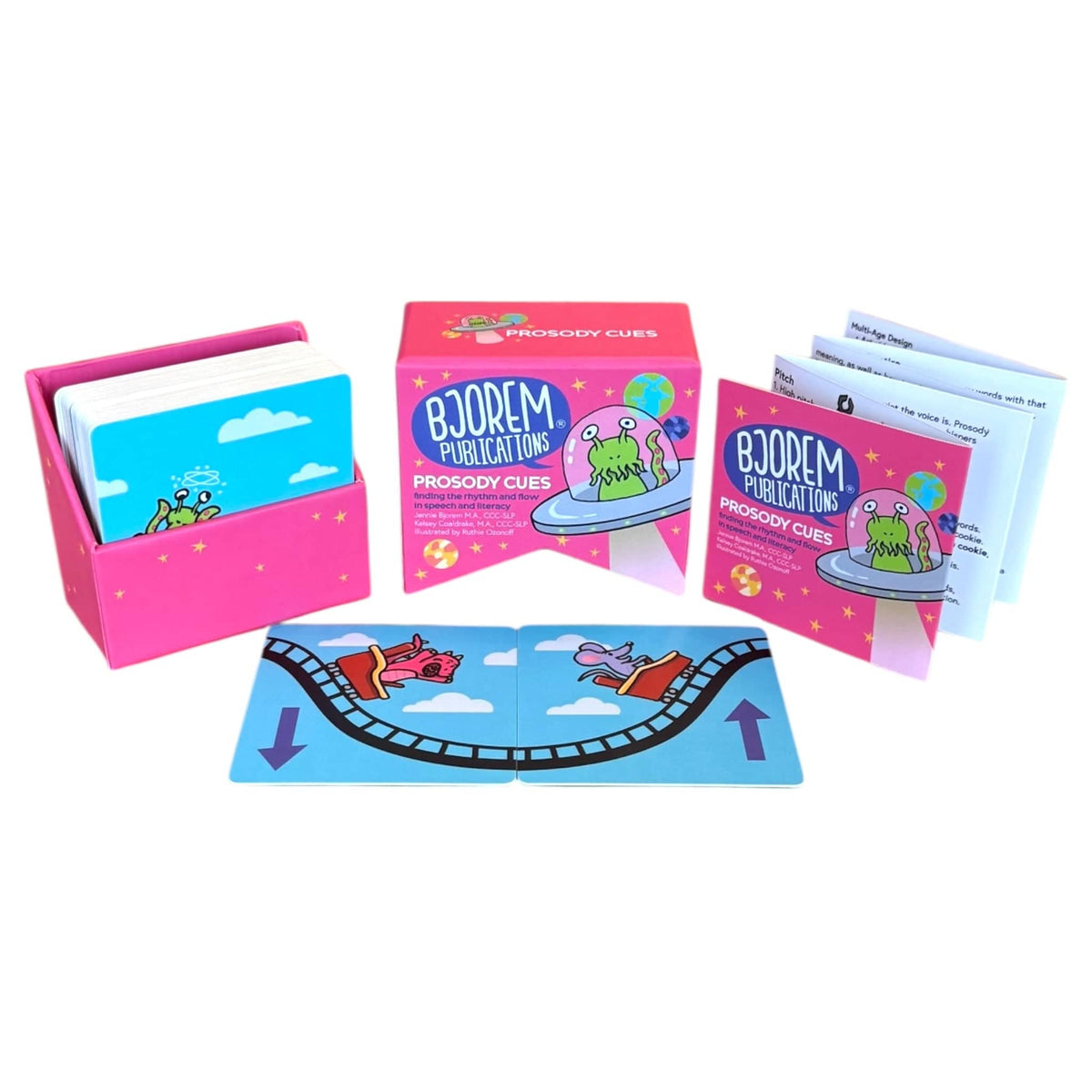
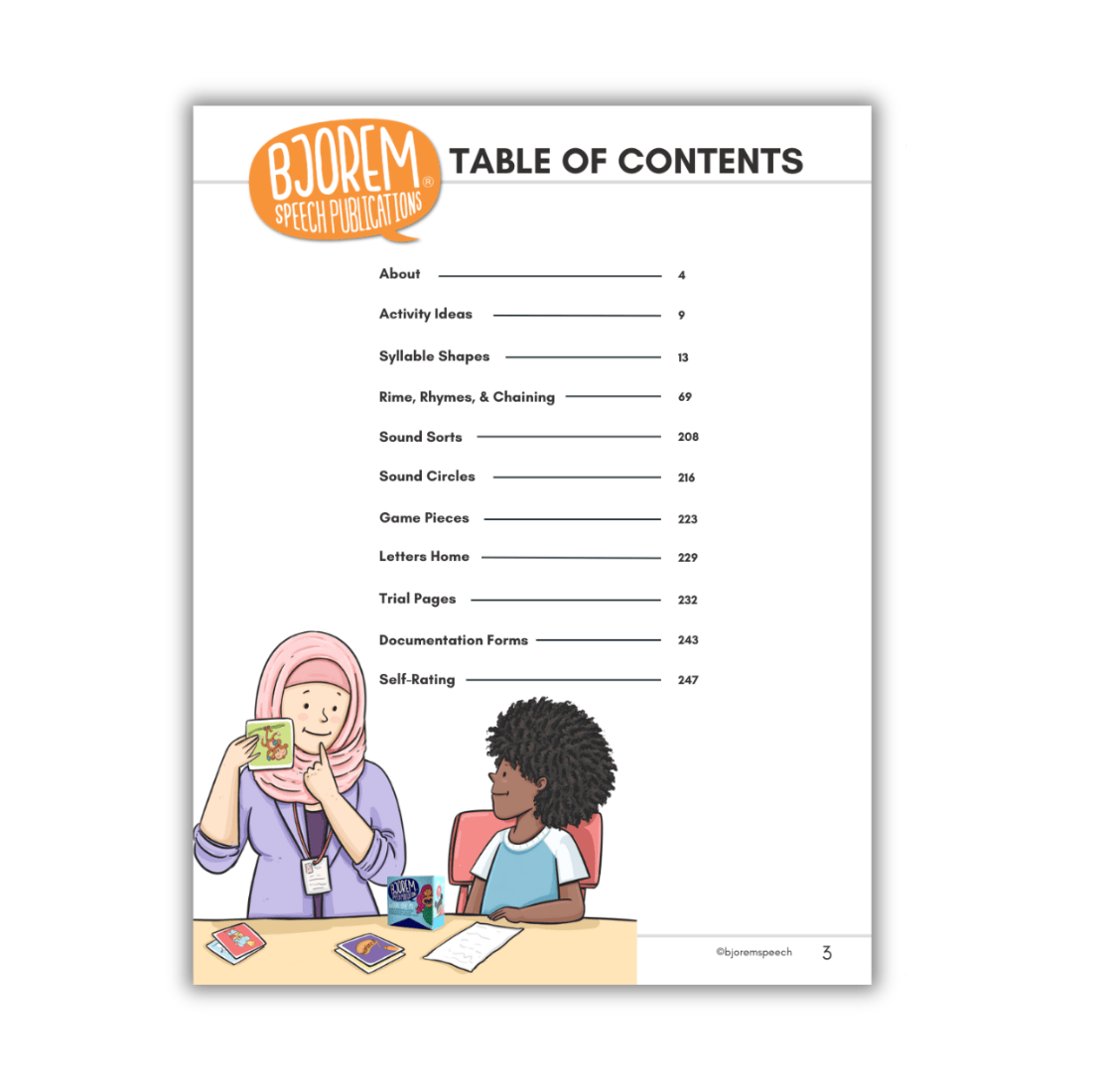
Use these cards to support short practice bursts, careful repetition, and opportunities for success that build confidence. Many clinicians integrate them into play, movement, and functional communication moments so practice feels relevant and motivating. Families can use them at home too, especially when they want to support carryover without guessing how to cue.
Apraxia Cards for Therapy Rooms, Classrooms, and Home Routines
These apraxia cards are made to travel across settings, because children need consistent support wherever communication happens. In the therapy room, they help you establish predictable routines and reinforce targets with clear visual prompts. In classrooms, they can support participation during structured speaking moments, small group work, and early literacy activities that connect sounds to letters. At home, they offer families a simple way to practice skills during everyday routines like book reading, play, or getting ready for school.
- Visual supports that reduce cognitive load and increase clarity
- Consistent routines that support motor planning and sequencing
- Inclusive design that helps children feel represented
- Practical formats that hold up to repeated use
Apraxia Cards That Fit Speech and Literacy Goals Together
Speech and literacy development often overlap, especially when children are working hard to build a strong sound system. Many SLPs and educators use apraxia cards to support motor planning and clearer sound production while also reinforcing early phonemic awareness, sound-letter connections, and functional vocabulary. When children can link what they see, hear, and say, they are better supported in both communication and early reading skills.
Because these tools are designed with real life in mind, you can adjust the pace, reduce demands when needed, and focus on meaningful communication over perfection. Progress is built through practice that feels safe and supportive.
Apraxia Cards Call to Action: Choose Tools You Can Trust
Ready to bring more clarity and consistency into your apraxia sessions? Explore our apraxia cards collection, choose the resources that match your goals, and add your favorites to the cart today.
Support confident communication with tools created by SLPs, grounded in research, and designed to help every child make steady, meaningful progress.