Many parents know reading matters, but figuring out how children actually learn to read can feel overwhelming. We hear questions like, “Should my child know letters already?” or “Are we behind?” all the time at Bjorem Literacy.
The truth is, reading development starts long before children sound out their first words on a page. It begins with talking, listening, playing, and connecting with language every day.
So, what is literacy development in early childhood? In this article, we'll break down what it means, why it matters, and how families can support these important skills at home.
What this article covers:
- What Is Early Literacy Development?
- Benefits of Early Literacy
- How to Support Literacy Development in Early Childhood
- Factors That Can Affect Early Literacy Development
What Is Early Literacy Development?
Early literacy development is the process children go through as they build the foundational skills needed for reading and writing. These skills begin developing in infancy and continue through the preschool and early elementary years.
Early literacy includes learning how language works, recognizing sounds in words, understanding that print carries meaning, building vocabulary, listening to stories, and eventually connecting letters with sounds.
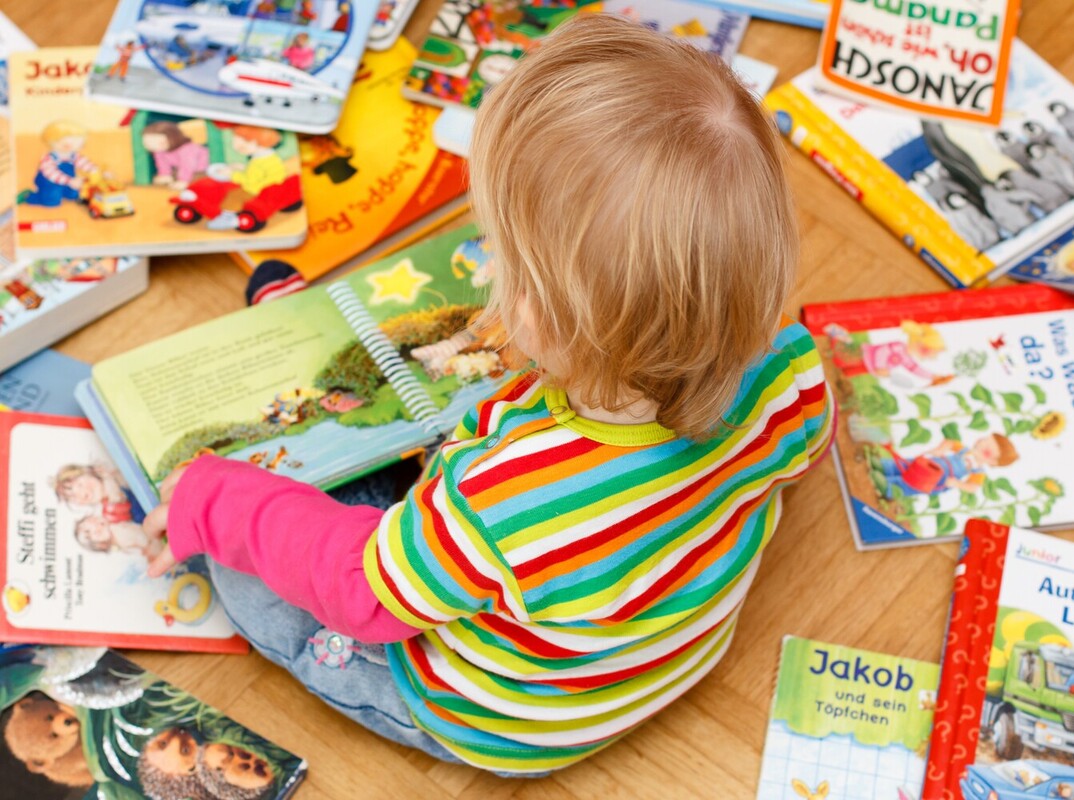
A child who enjoys nursery rhymes, points to pictures in books, pretends to read, or notices signs in the environment is already developing literacy skills. These early experiences matter because the brain is rapidly developing during the first five years of life. Strong early literacy experiences support later academic success, communication skills, and confidence.

Why Is Literacy Development in Early Childhood Important?
Literacy development in early childhood is important because it supports communication, learning, and long-term academic success.
Children build reading skills through early language experiences like talking, listening, singing, and shared reading. These interactions help strengthen vocabulary, comprehension, attention, and critical thinking skills that children use both in and out of the classroom.
At Bjorem Literacy, we often remind families that reading depends heavily on language development. When children develop strong early literacy foundations, they're typically more confident learners, stronger communicators, and better prepared to handle future academic and social challenges.
Benefits of Early Literacy
Early literacy skills support far more than learning how to read words on a page. They help children build communication, confidence, attention, and learning skills that carry into school and everyday life.
1. Stronger Language Skills
Children learn language through interaction. When adults read books, sing songs, and engage in conversations, children hear new vocabulary, sentence structures, and storytelling patterns. Over time, this strengthens both expressive and receptive language skills.
We often see children begin using richer vocabulary simply because they've been exposed to more words during shared reading experiences. Even a few extra minutes of reading each day can create meaningful growth.
2. Better Reading Readiness
Early literacy helps children develop the building blocks needed for formal reading instruction. Skills like phonological awareness, letter recognition, and print awareness help children understand how reading works.
Children who can recognize rhyming words, clap syllables, or identify beginning sounds are developing critical pre-reading abilities. These foundational skills make decoding and reading comprehension much easier later on.

3. Increased Confidence
Children who feel successful with books and language activities are more likely to participate, ask questions, and stay engaged during learning tasks. Confidence matters. A lot.
We've worked with children who initially avoided books because they felt frustrated or unsure. Once literacy activities became playful and achievable, their confidence grew quickly. That confidence often carries over into school participation and communication.
4. Improved Attention and Listening
Listening to stories helps children practice sustained attention, memory, sequencing, and comprehension. Storytime is doing much more than entertaining children. It's strengthening cognitive skills that support classroom learning.
Simple activities like predicting what happens next in a story or retelling events in order can build powerful comprehension skills over time.
5. Lifelong Learning Habits
Children who develop positive experiences with books early on are more likely to enjoy reading as they grow. That matters because strong readers often become more independent learners.
When literacy feels fun instead of stressful, children are more likely to stay curious, motivated, and engaged with learning throughout childhood.
How to Support Literacy Development in Early Childhood
Children build literacy skills through everyday activities like reading, talking, singing, and playing with sounds. Simple routines at home can make a big difference in learning how to promote literacy in early childhood:
1. Read Together Every Day
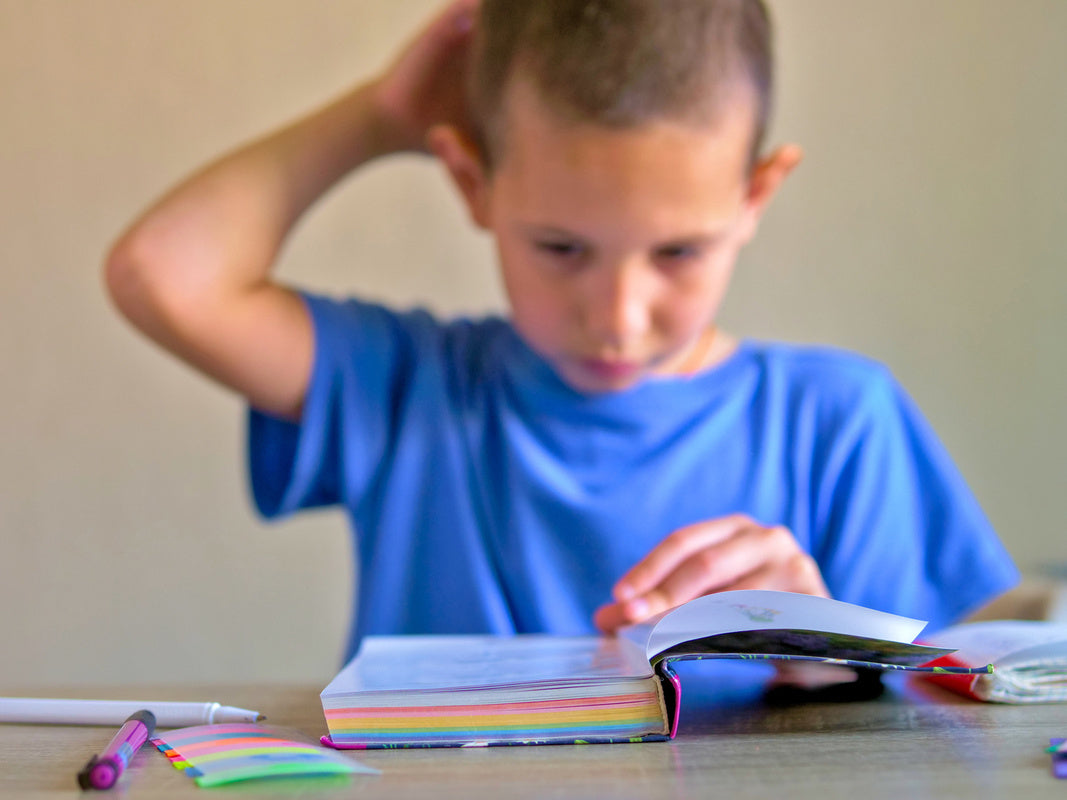
Reading aloud is one of the most effective ways to support literacy development. And no, you don't need to read perfectly or finish every book cover to cover.
Pause to talk about pictures. Ask questions. Let your child turn pages. Read favorite books repeatedly. Repetition actually helps children strengthen language and comprehension skills.
Even short reading sessions count. Consistency matters more than perfection.

2. Talk Throughout the Day
Children learn language through everyday interaction. Narrate routines while cooking dinner, driving to school, or cleaning up toys. Describe what you see, ask open-ended questions, and encourage back-and-forth conversation.
Simple moments become language-building opportunities when children are actively engaged in conversation.
3. Sing Songs and Play With Sounds
Rhyming songs, nursery rhymes, and silly word games help children notice sound patterns in language. These activities strengthen phonological awareness, which is a major predictor of reading success.
We love encouraging families to clap syllables, stretch out sounds, or play “I Spy” with beginning sounds during everyday routines. Kids usually think they're just playing. Meanwhile, they're building essential reading skills.
4. Use Structured Reading and Phonics Support
Many children benefit from explicit, structured reading programs for kids that teach how sounds connect to letters. Phonics for reading helps children learn to decode words instead of simply memorizing them.
At Bjorem Literacy, we're big believers in making phonics engaging and approachable for young learners. Tools like the Bjorem Better Letters With The Laurie Berkner Band Card Deck can help children connect letters and sounds through movement, music, and multisensory learning experiences.
5. Create a Literacy-Rich Environment
Children benefit from seeing print all around them. Keep books accessible. Label common household items. Point out signs, menus, and grocery lists.
Literacy doesn't have to happen only at a desk or during homework time. It can happen naturally throughout the day.
6. Follow Your Child's Interests
Some children love dinosaurs. Others want books about trucks, animals, princesses, or outer space. Use those interests to spark engagement with reading activities.
A child who is emotionally connected to a topic is often much more motivated to participate in literacy experiences.

Factors That Can Affect Early Literacy Development
Every child develops literacy skills at their own pace, and many different factors can influence that growth. Understanding these challenges can help families recognize when a child may need extra support or intervention:
1. Language Delays
Children with speech or language delays may have more difficulty developing literacy skills because reading is heavily connected to oral language abilities.
Difficulty understanding language, learning vocabulary, or recognizing speech sounds can impact reading readiness. When concerns arise, don't wait - evaluate. Early intervention and speech-language support can help children strengthen these foundational skills before reading challenges become more significant.
2. Limited Access to Books and Conversation
Children need frequent exposure to language and literacy experiences. Limited access to books, shared reading, or rich conversation opportunities can affect literacy growth over time.
This doesn't mean families need expensive materials. What matters most is interaction. Talking, storytelling, singing, and reading together consistently can have a huge impact.
3. Hearing or Vision Challenges
Children need to hear sounds clearly and visually access print in order to develop literacy skills effectively. Undiagnosed hearing or vision difficulties can sometimes affect speech, language, and reading development.
If parents notice concerns with listening, sound awareness, or visual attention during reading activities, it's important to seek evaluation and support early.
4. Learning Differences
Some children process language and reading differently. Dyslexia and other learning differences can impact phonological awareness, decoding, and reading fluency.
Early identification is key. The earlier children receive evidence-based support, the better their outcomes tend to be.
5. Emotional and Environmental Stress
Stress, inconsistent routines, and limited learning opportunities can all affect a child's ability to focus, engage, and build literacy skills.
Children learn best when they feel safe and supported. Positive relationships and encouraging learning environments make a real difference.

Conclusion
Early literacy development is about so much more than teaching children to memorize letters or read words on a page. It's about building communication, confidence, curiosity, and connection from the very beginning. With supportive guidance, playful learning, and meaningful language experiences, children can develop strong literacy foundations that support them for years to come.
Whether you're supporting literacy skills at home or in therapy sessions, Bjorem Literacy offers engaging tools designed by speech therapists to make early reading and language development practical, playful, and effective for children.