
When we say “reading changes brains,” we truly mean it. It's not just a feel-good tagline. It's grounded in science. At Bjorem Speech, we have worked with thousands of families navigating early language development and reading challenges.
Parents often ask us, “Is reading really good for my child's brain, especially if speech and language are our main concerns?”
So, is reading good for your brain? The short answer is yes. The deeper answer comes when we look closely at how reading shapes developing brains and why it matters for speech, language, and literacy.
What this article covers:
- Is Reading Good for Your Child's Brain?
- How Does Reading Affect Children's Brain Development?
- How Should You Start Reading With Your Child?
Is Reading Good for Your Child's Brain?
Yes. Reading strongly supports brain development in children from infancy through adolescence. Research shows that reading builds vocabulary, strengthens comprehension, and supports neural networks tied to thinking, learning, and memory.
Children who are read to consistently tend to develop stronger language skills and more advanced literacy foundations. These benefits appear across backgrounds and learning profiles, which makes reading one of the most powerful developmental tools available to families.
How Does Reading Affect Children's Brain Development?
When a child listens to a story or begins decoding words, multiple areas of the brain activate at once. Reading is not passive. It is active brain work. The young brain is highly adaptable and grows in response to experience. Reading taps directly into that adaptability in meaningful ways.
1. Strengthens Language Networks
Reading is important because it exposes children to vocabulary, sentence structures, and language patterns that are often more complex than everyday conversation. After working directly with children, we've seen that this exposure expands word knowledge and improves understanding of grammar and syntax.
Over time, repeated exposure strengthens neural pathways associated with receptive and expressive language. For children in speech therapy, this repeated language input supports articulation, comprehension, and overall communication growth.

2. Builds Sound to Symbol Connections
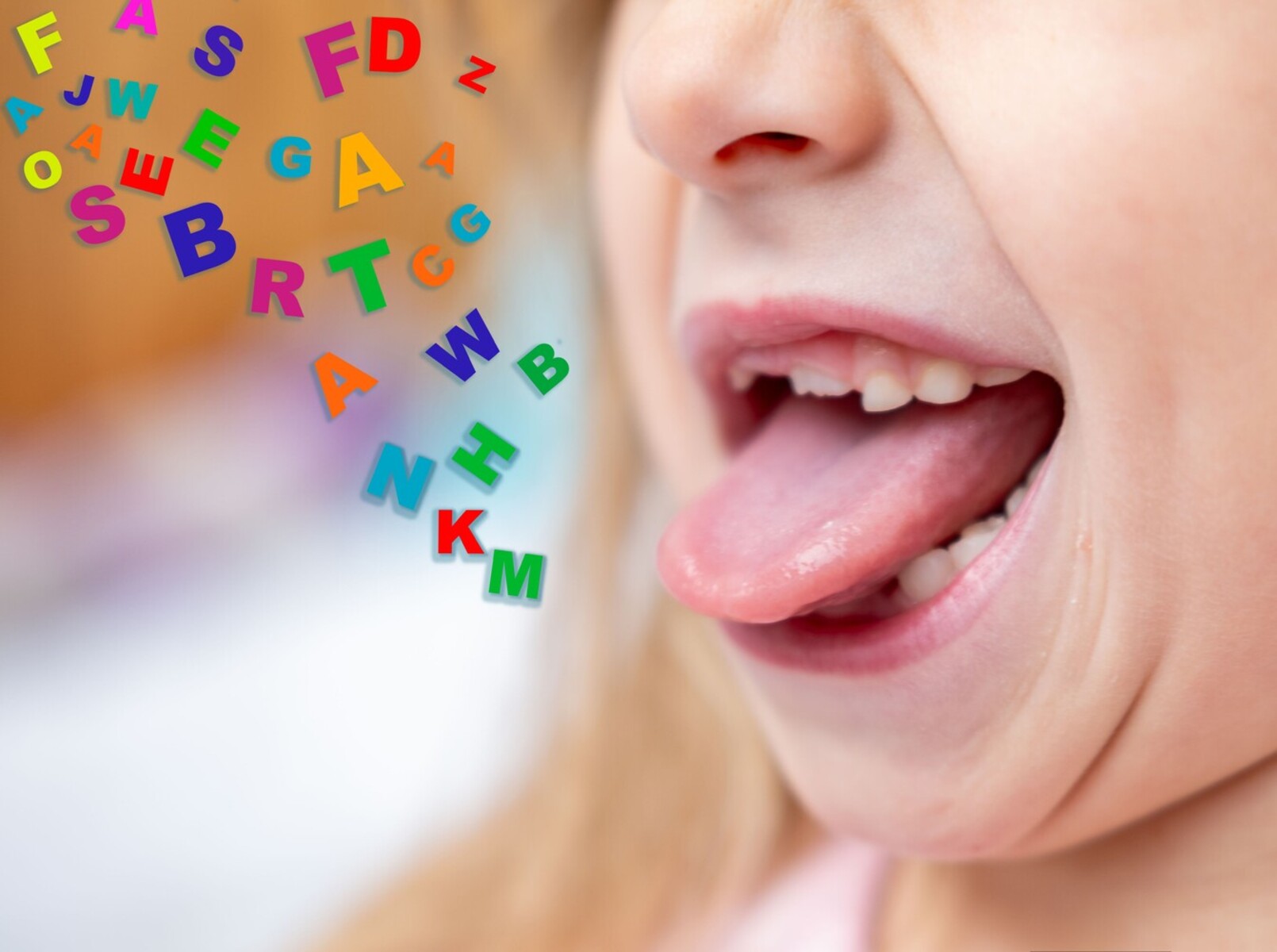
Learning to read requires children to connect letters with sounds and blend those sounds into words. This process physically shapes neural pathways in the brain.
Research shows that as children learn to read, white matter pathways that support language processing become more efficient. That efficiency improves decoding, fluency, and comprehension.
In speech therapy, we focus heavily on sound awareness, and reading reinforces those same foundational skills.
3. Strengthens Memory and Executive Function
Reading requires attention, sequencing, and working memory. A child has to remember what happened at the beginning of a story while processing what is happening now. They make predictions. They track characters. They connect ideas.
One of the biggest benefits of reading books for kids is that these cognitive demands strengthen executive functioning skills that support academic learning across subjects.
4. Increases Brain Connectivity
Reading activates multiple regions of the brain at the same time, including areas responsible for vision, language, memory, and reasoning. As children practice reading, these regions communicate more efficiently with one another. Stronger connectivity means information travels faster and more smoothly across neural networks.
Over time, this improves comprehension, critical thinking, and overall learning capacity. In speech therapy, we often see how improved language processing supports clearer expression and stronger conversational skills.
5. Supports Emotional and Social Development
Stories introduce children to emotions, perspectives, and social situations they may not encounter in daily life. When we pause and ask questions about how a character feels or why they made a choice, we encourage perspective-taking and empathy.
These conversations help children build social language skills and emotional regulation. For many of the children we support, these are essential pieces of communication growth.

6. Improves Attention and Focus
Reading requires sustained attention. A child must focus on text, ignore distractions, and follow a sequence of ideas from beginning to end. That kind of mental stamina strengthens attention control and self-regulation.
These skills are essential not only for reading but also for classroom learning and social interaction. When children build focus through regular reading practice, they are better equipped to engage in structured tasks, listen actively, and participate confidently in communication.
How Should You Start Reading With Your Child?
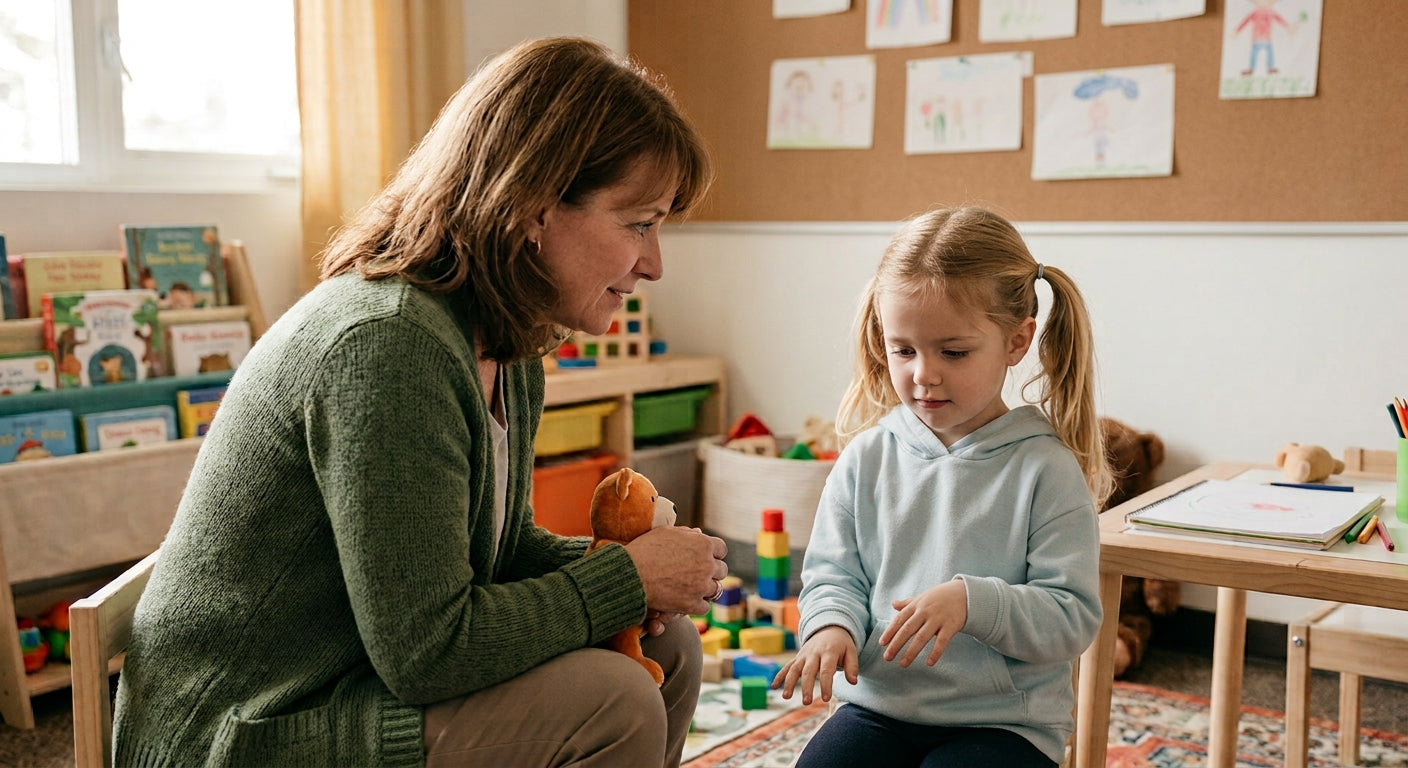
Start early and make it interactive. You don't have to wait until your child can read independently.
Babies benefit from being read to because they are learning the rhythm, patterns, and sounds of language long before they understand the words. The earlier reading becomes part of your routine, the stronger the foundation.
Choose sturdy board books for babies and toddlers. Move into picture books with repetitive phrases and predictable text. As your child grows, follow their interests. Pause to ask questions. Point to pictures. Encourage your child to finish familiar phrases. Reading should feel like a shared conversation, not a performance.
If your child struggles with reading, structured support matters. Phonics-based instruction teaches children the relationship between letters and sounds in a clear, systematic way. This is especially important for children with dyslexia or other reading challenges.
Explicit phonics for reading practice helps build decoding skills and confidence. Dyslexia reading tools and multisensory approaches can make reading more accessible and less frustrating. These tools align with speech therapy goals because they reinforce the same sound and language connections we target in sessions.

Conclusion
Reading is fantastic for your child's brain. It strengthens language, supports learning, and builds the foundation for confident communication. If you're unsure about your child's speech or reading development, remember: Don't wait - evaluate. Early support matters.
Explore our tools at Bjorem Speech, created by experienced speech therapists who understand how reading and language connect. Our resources are designed by speech therapists to help your child grow with confidence at home and in therapy.