We know how overwhelming it can feel when you want to help your child learn to speak and read, especially if you're worried they're not progressing as quickly as you hoped.
At Bjorem Speech, we've spent years creating speech therapy tools and helping families build confident communicators. One habit we always champion is reading books with your child.
Reading isn't just a quiet activity before bedtime. It's a powerful, research-backed way to support speech and language development, strengthen thinking skills, and nurture lifelong learning. In this article, we'll explore the benefits of reading books for kids and why it matters beyond just learning the alphabet.
What this article covers:
Why Is Reading Books Important for Kids?
Reading is important because it gives children repeated exposure to language that they might not hear in everyday conversation. Hearing rich vocabulary and diverse sentence structures helps children build the foundation for understanding and using language effectively.
That's critical for both communication and learning to read independently later on. Research consistently shows that reading aloud exposes children to new words and ways of using language, which supports language development and later success in school.
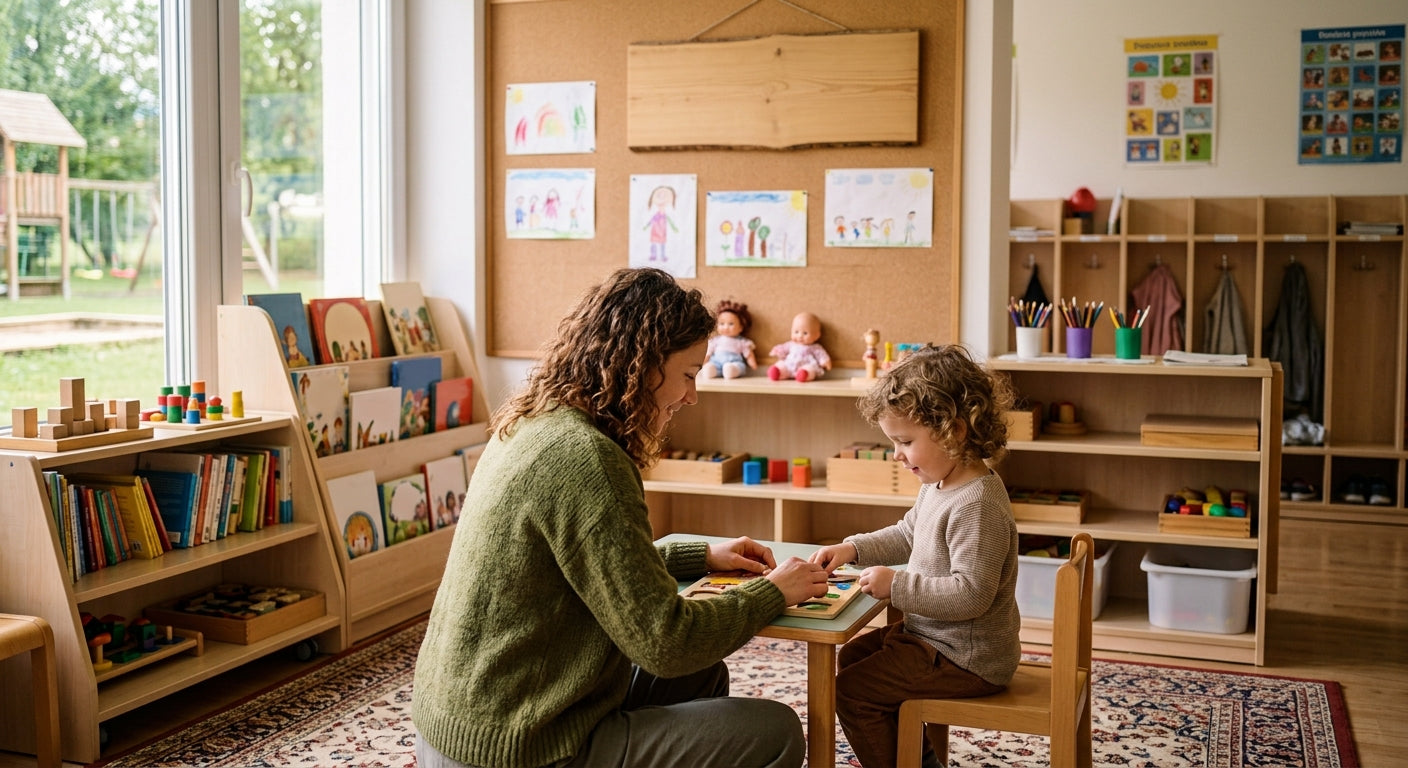
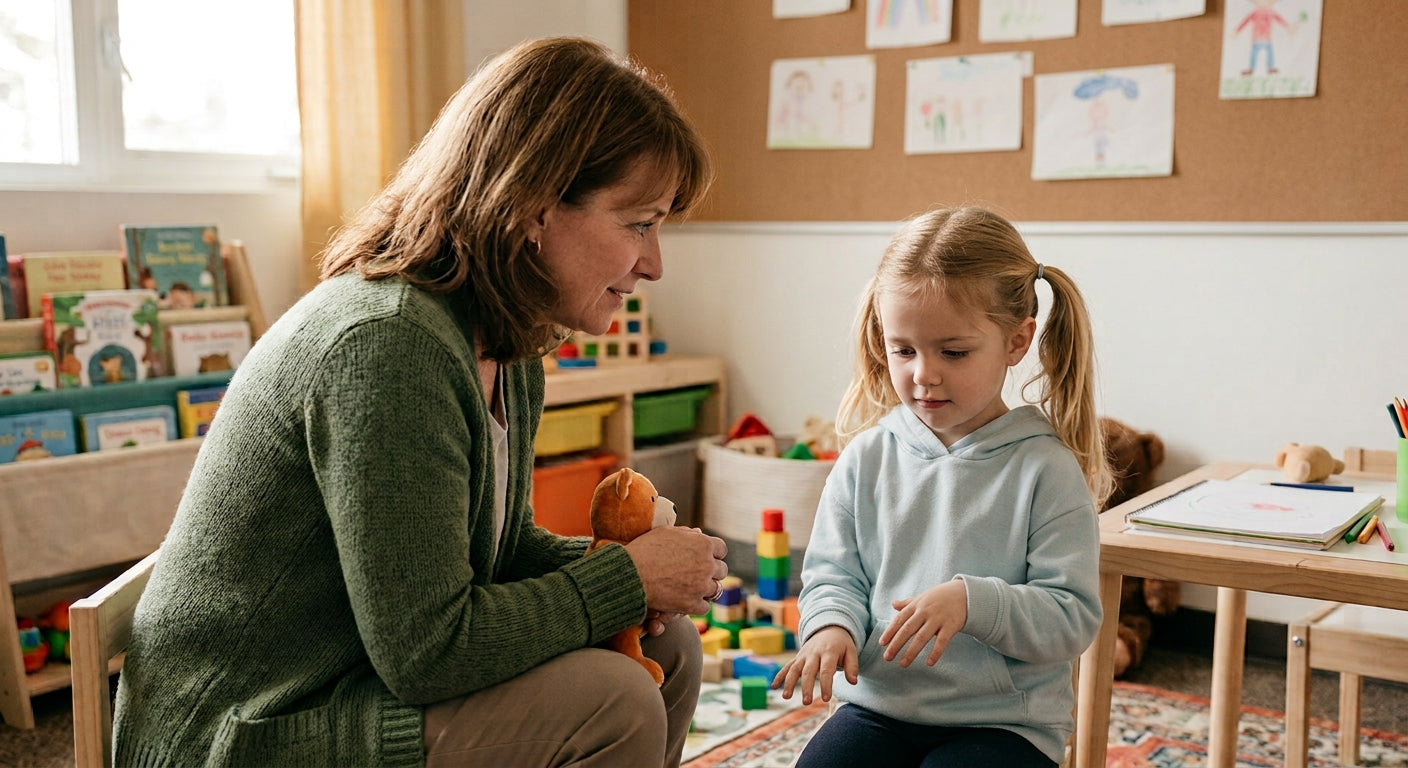
But reading isn't just about words on a page. When adults and children read together and talk about the story, kids start connecting language with meaning, real-world experiences, and emotions.
This shared time also supports emotional growth and connection, which is a key piece of learning that goes hand in hand with speech and language development.

11 Benefits of Reading Books for Kids
Reading together does so much more than help your child recognize letters and words. It builds the speech, language, cognitive, and social foundations they need to communicate clearly and succeed both in and out of the classroom.
1. Builds Strong Vocabulary
Children who are read to regularly hear a far greater number of words than they would in everyday talk. That exposure expands their vocabulary and gives them more tools to express ideas, feelings, and questions.
As speech-language pathologists, we know vocabulary growth strongly predicts later reading comprehension and academic success. When kids know more words, they understand more. And when they understand more, they participate more confidently.
2. Strengthens Language and Communication Skills
Books introduce complex grammar, varied sentence structures, and rich language patterns. This helps children not only recognize new words but also understand how language works, which is a core component of speech and expressive language skills.
Reading gives children a broader language base than they might get from conversation alone. It models how sentences flow, how ideas connect, and how stories are structured.
And if your child is struggling with reading, we're here to help. We offer a variety of dyslexia reading tools and phonics for reading exercises to strengthen your child's abilities.
3. Enhances Listening and Attention
Listening to a story requires sustained focus. Over time, regular reading experiences help children strengthen their attention span and listening skills.
These skills are essential for following instructions, engaging in conversations, and participating in classroom activities. Even short daily reading sessions can make a noticeable difference in a child's ability to attend and respond.

4. Encourages Cognitive and Critical Thinking
As children follow a story, they begin to understand sequences, cause and effect relationships, and character motivations. They start predicting what might happen next. They ask questions. They make connections.
These early thinking skills are foundational for problem-solving and understanding more complex academic concepts later on. This is one of the most positive effects of reading on the brain.
5. Supports Emotional Understanding and Empathy
Books introduce children to emotions, social situations, and perspectives they may not encounter in their everyday lives. Talking about characters' feelings and choices gives kids practice identifying emotions and understanding others.
This directly supports social communication skills, which are often an important focus in speech therapy.
6. Boosts School Readiness and Academic Success
Children who enjoy books and experience language through reading are more prepared for classroom demands.
Early reading supports literacy, comprehension, and background knowledge. These are strong predictors of later academic achievement. When kids enter school already familiar with books and storytelling, they're more comfortable participating and learning.
7. Develops a Love of Learning
When reading is fun and interactive, kids begin to see books as a source of joy, curiosity, and discovery rather than just work. That positive mindset encourages independent reading and lifelong engagement with language. And when children choose to read on their own, their skills grow even faster.
8. Strengthens the Bond Between Adult and Child
Shared reading time is an opportunity to connect emotionally and socially. The rhythm of your voice, the turn of the page, the laughter, or questions all help build trust and make your child feel safe and supported. That connection matters. Children learn best when they feel secure and engaged.

9. Improves Narrative Skills
When children listen to stories, they learn how narratives are organized with a beginning, middle, and end. They begin to understand story elements like characters, setting, problem, and resolution.
This directly supports their ability to retell events, explain experiences, and share personal stories clearly. Strong narrative skills are closely tied to reading comprehension and expressive language development.
10. Expands Background Knowledge
Books introduce children to places, people, concepts, and experiences beyond their immediate environment. This exposure builds background knowledge, which plays a major role in understanding what they read and hear later on. The more a child knows about the world, the easier it is for them to make sense of new information.
In speech therapy, we often see how increased knowledge supports stronger vocabulary use and deeper conversations.
11. Supports Phonological Awareness
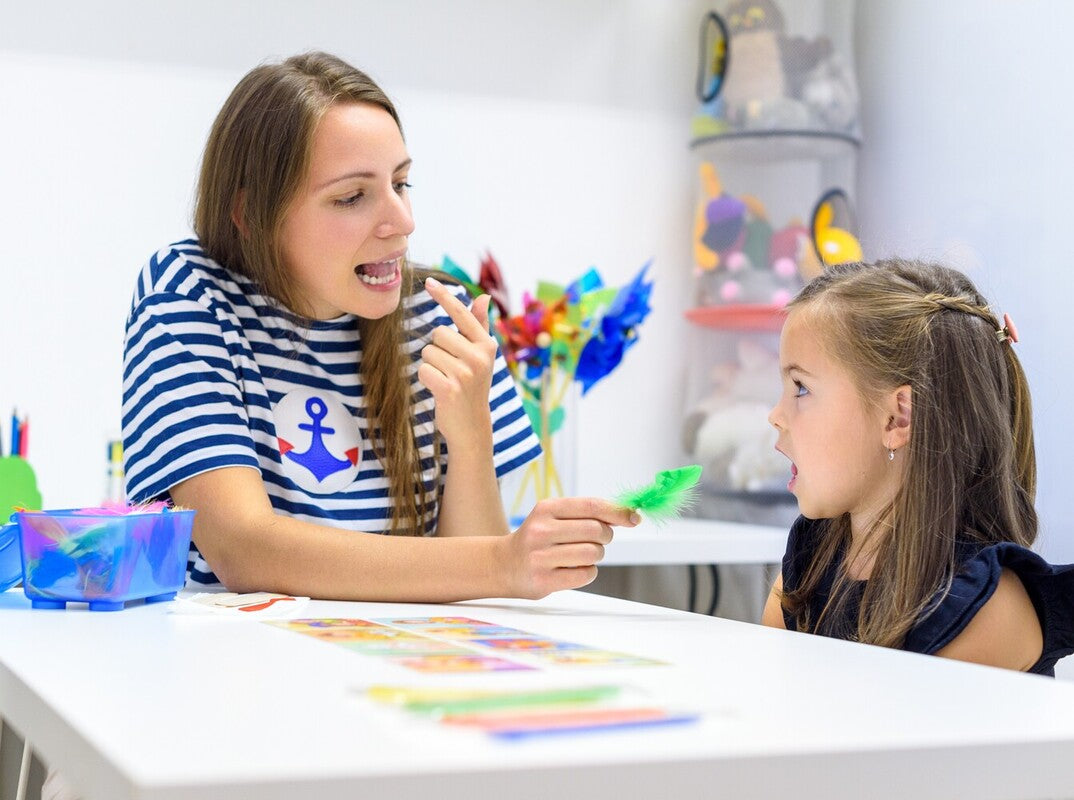
Reading aloud, especially when you emphasize rhymes, syllables, and beginning sounds, helps children develop phonological awareness. This is the ability to hear and manipulate sounds in words, and it's a critical pre-reading skill.
Nursery rhymes, repetitive phrases, and playful sound patterns give children practice listening closely to how words are built. Strong phonological awareness makes learning to decode and spell words much easier as they grow.

Conclusion
Reading books with your child is one of the most impactful ways to support their speech, language, and overall development. It builds vocabulary, strengthens communication skills, supports thinking, and nurtures emotional growth. Most importantly, it creates meaningful moments between you and your child that strengthen connection while building lifelong skills.
If you ever feel unsure about your child's speech or language progress, trust your instincts. Don't wait - evaluate. Early support can make a powerful difference, and partnering with a qualified professional helps ensure your child gets the guidance they need.
At Bjorem Speech, we create practical, research-informed tools designed by speech therapists who understand how children really learn. Explore our resources today and give your child the confidence-building support they deserve.