School-based speech-language pathologists play a critical role in laying the foundation for
early literacy, even if they are not explicitly responsible for reading instruction. This full-day
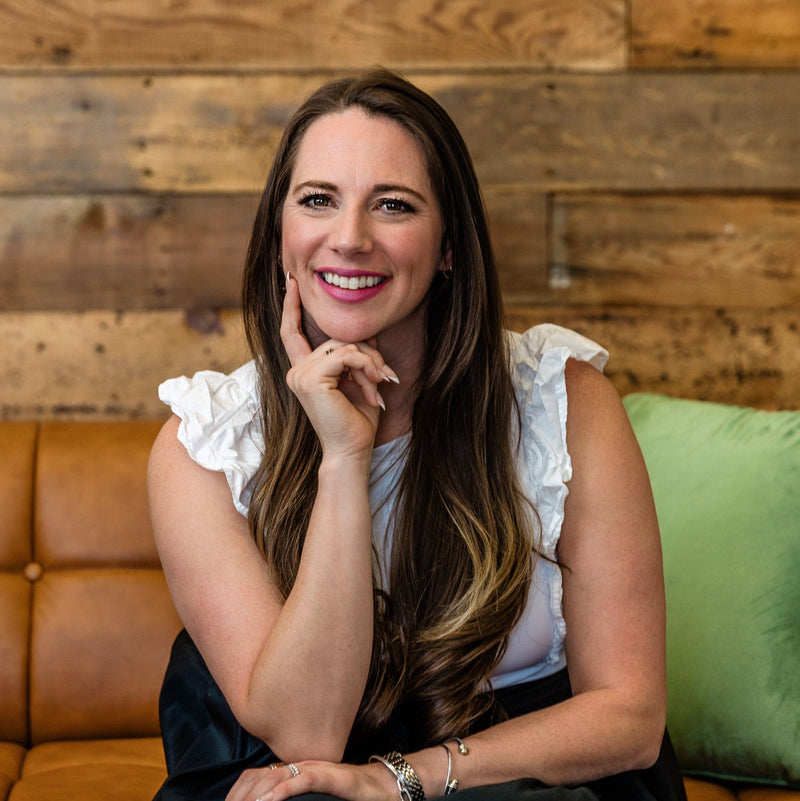
workshop, led by childhood apraxia expert Jennie Bjorem, MA, CCC-SLP, and literacy specialist
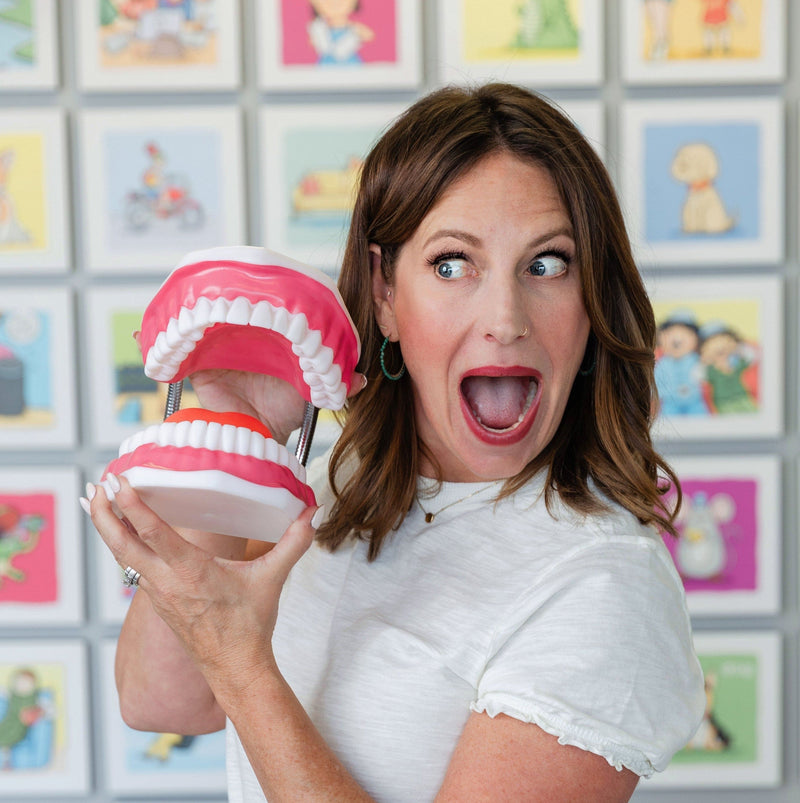
Lauren Kline, M.S., CCC-SLP, A/OGA, C-SLDI shows SLPs exactly how to use the Bjorem Better Letters®, Educator Edition to connect speech sound development with reading, spelling, and writing skills in powerful, practical ways.
This course bridges decades of reading science, speech-to-print methodology, and motor
speech expertise. Participants will learn how to teach letter–sound connections using visual
picture mnemonics, embedded graphemes, and kinesthetic hand cues that make abstract
concepts concrete, especially for children with speech sound disorders, phonological delays,
CAS, dyslexia, and language-based learning difficulties.
Through hands-on practice, demonstration videos, and real therapy examples, SLPs will learn
how to strengthen phonemic awareness and speech sound skills, apply orthographic
facilitation—a research-backed strategy that shows students learn speech sounds more
effectively when they see the written grapheme, and implement Better Letters™ in ways that
align with IEP goals, literacy curriculum, and the Science of Reading.
Whether you are new to literacy integration or looking to refine your speech-to-print
approach, this training will help you confidently use Better Letters™ to target speech sounds
and build the foundations of reading, all within your existing therapy sessions.