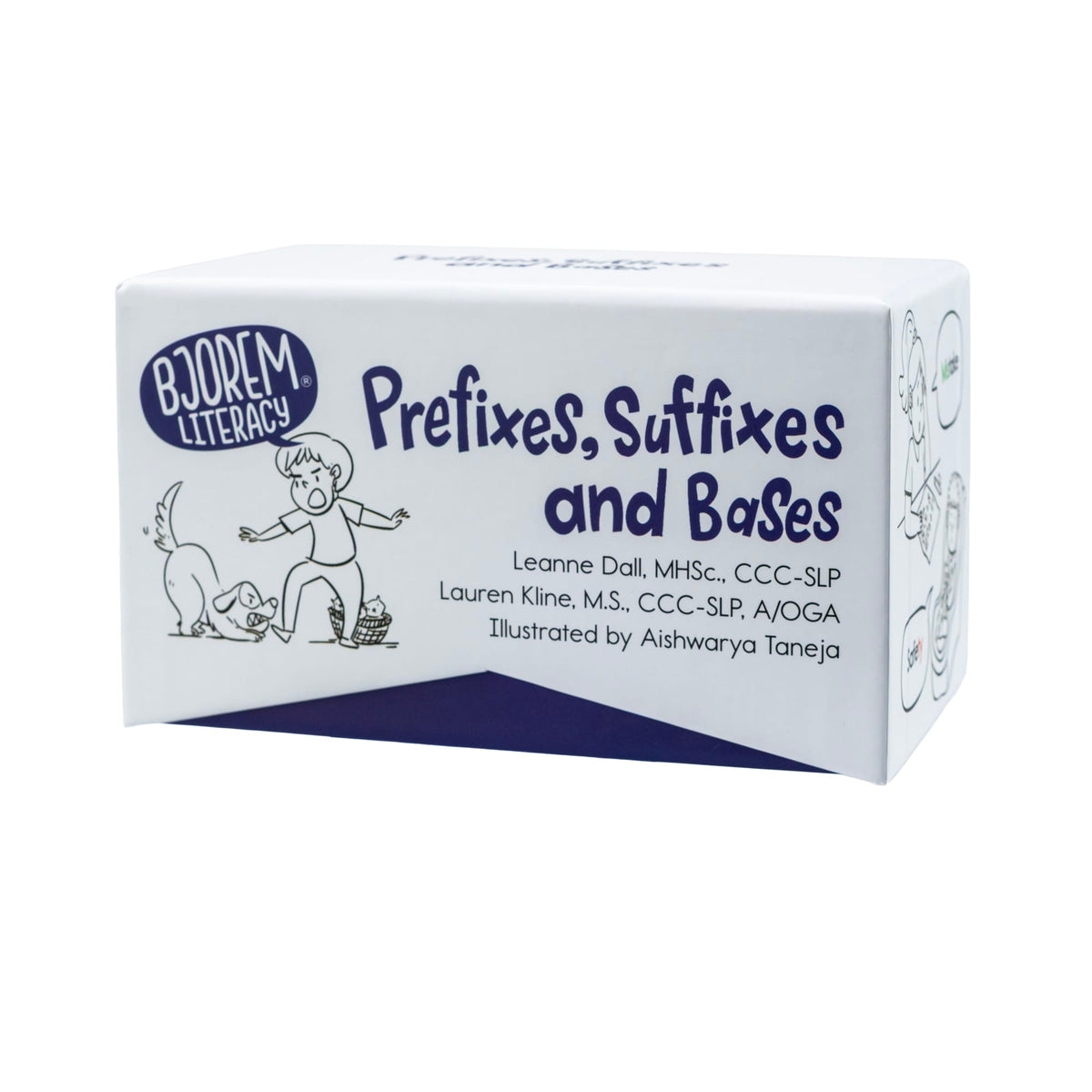
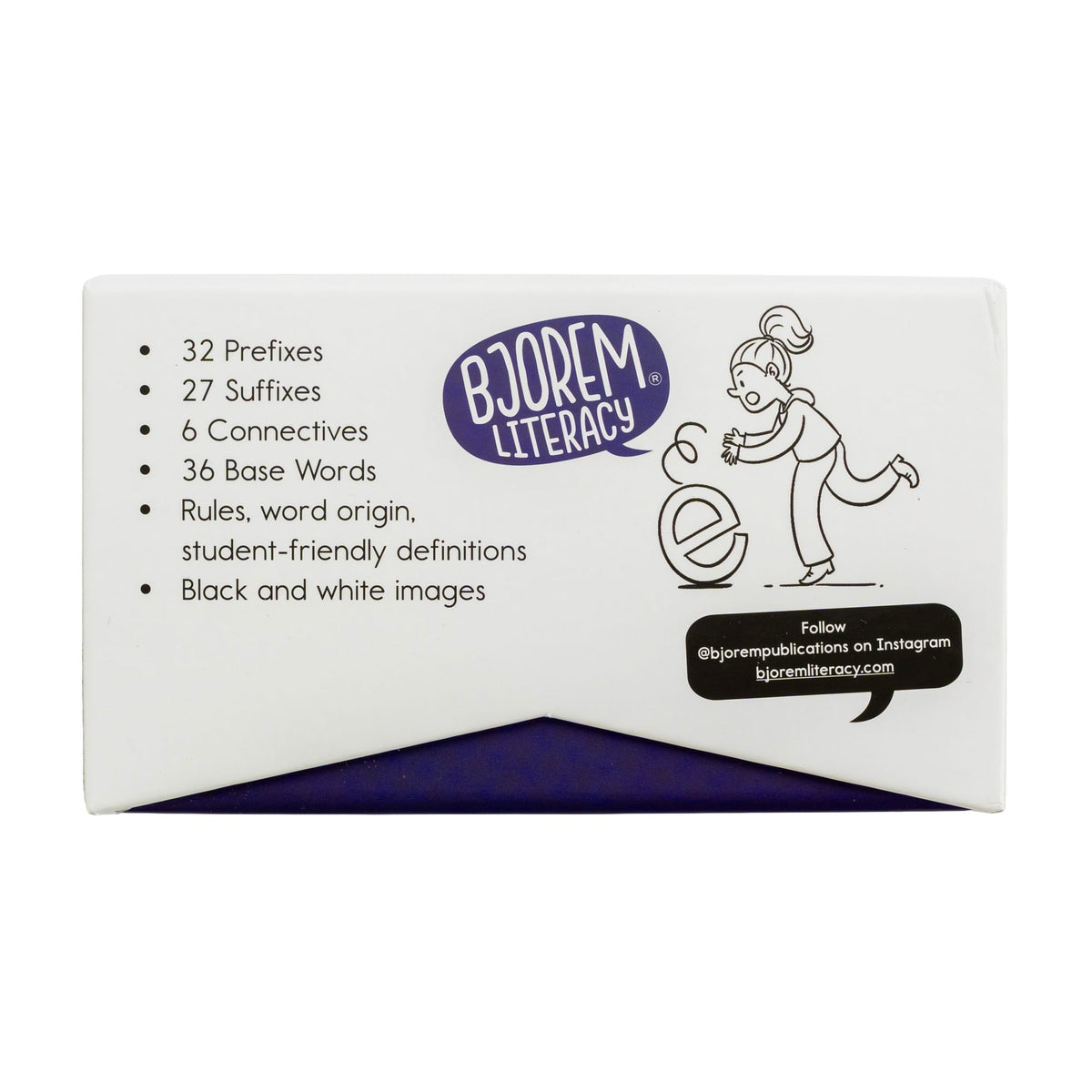
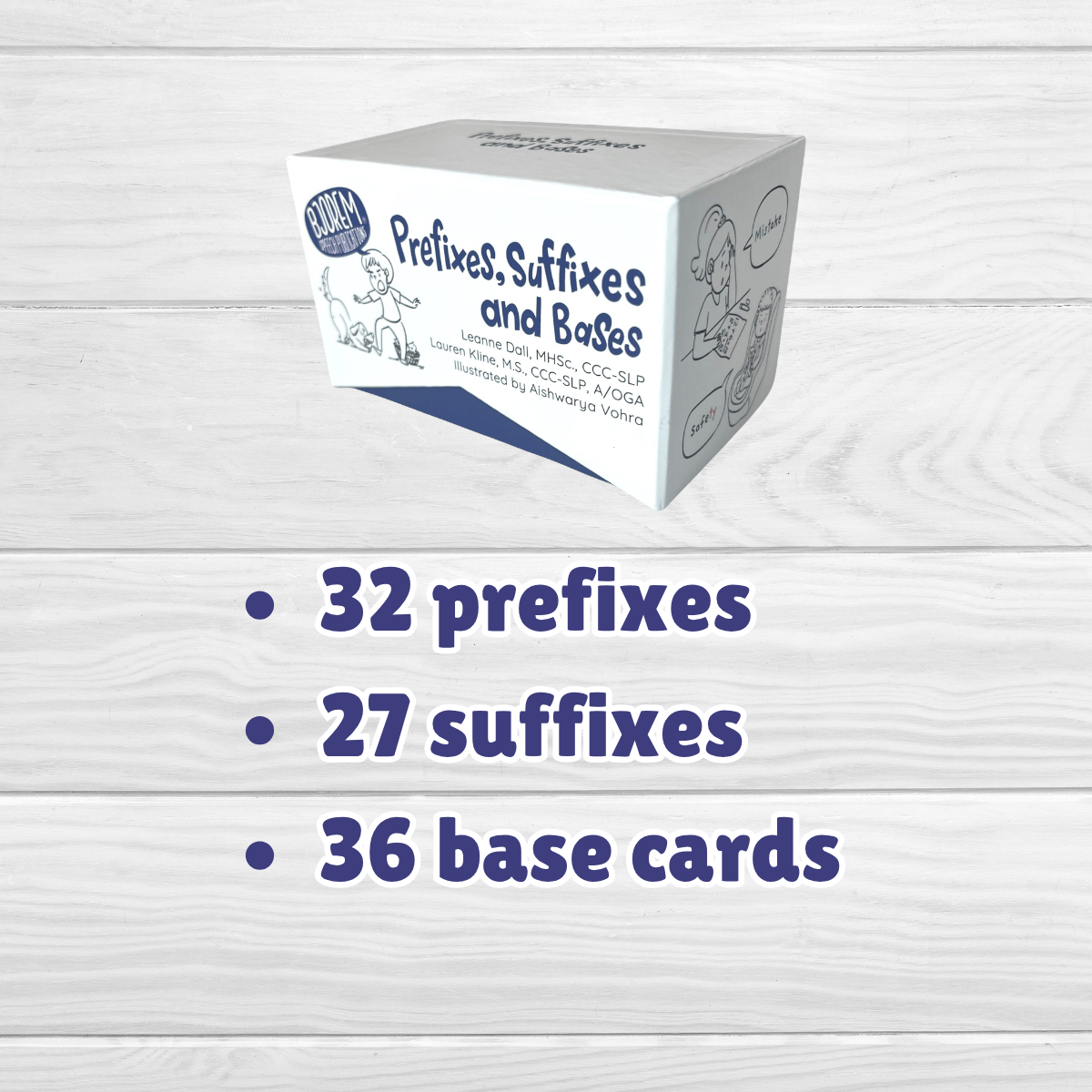
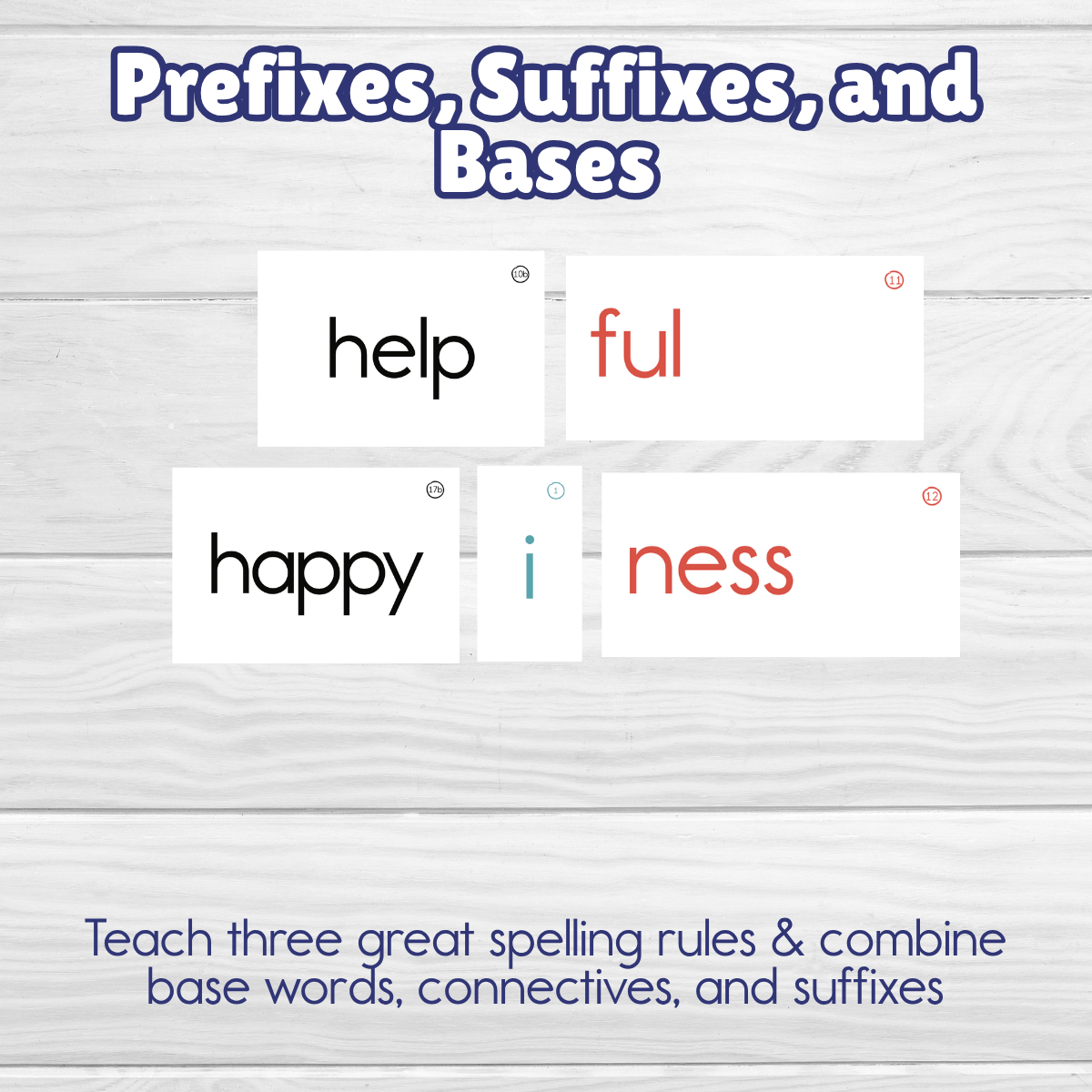

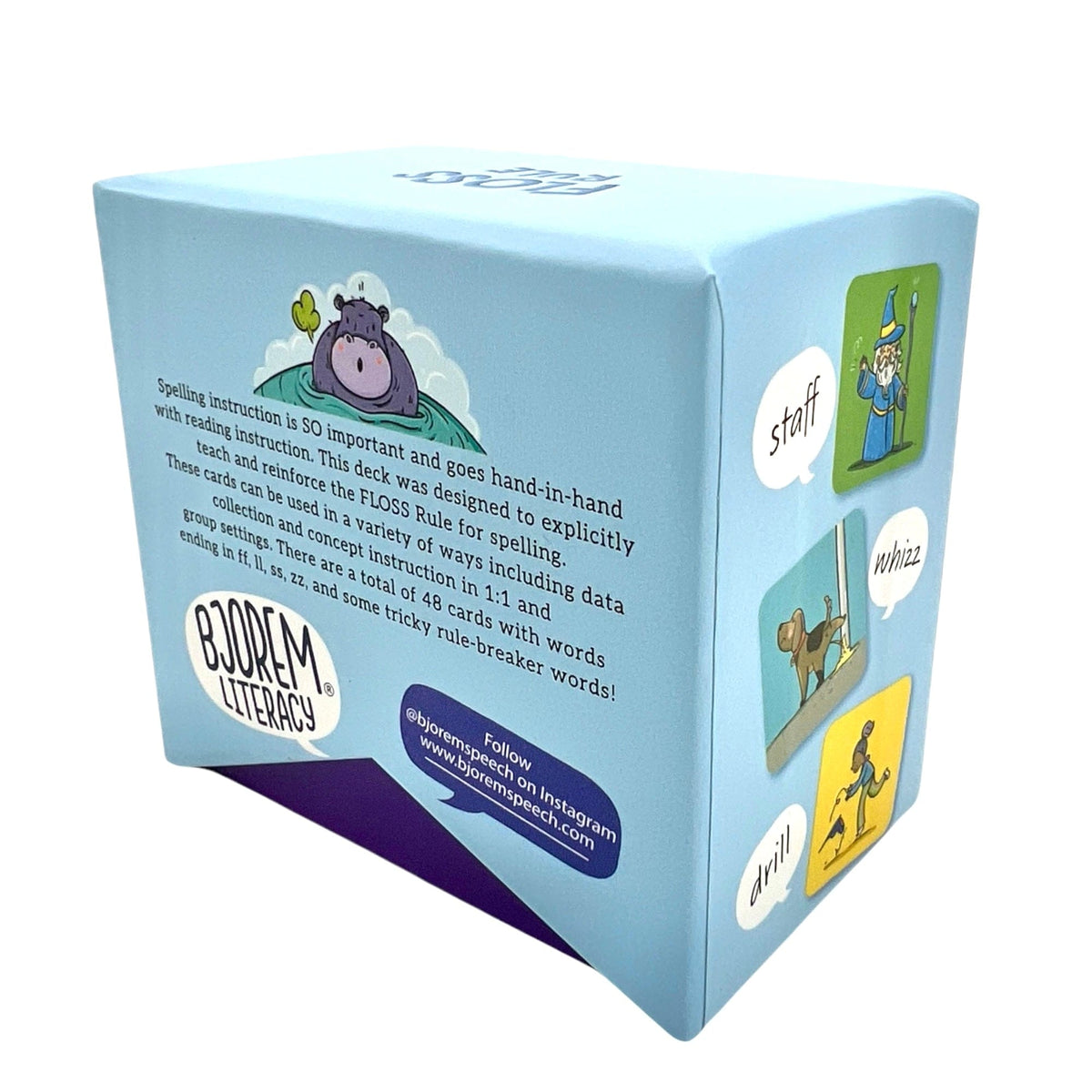
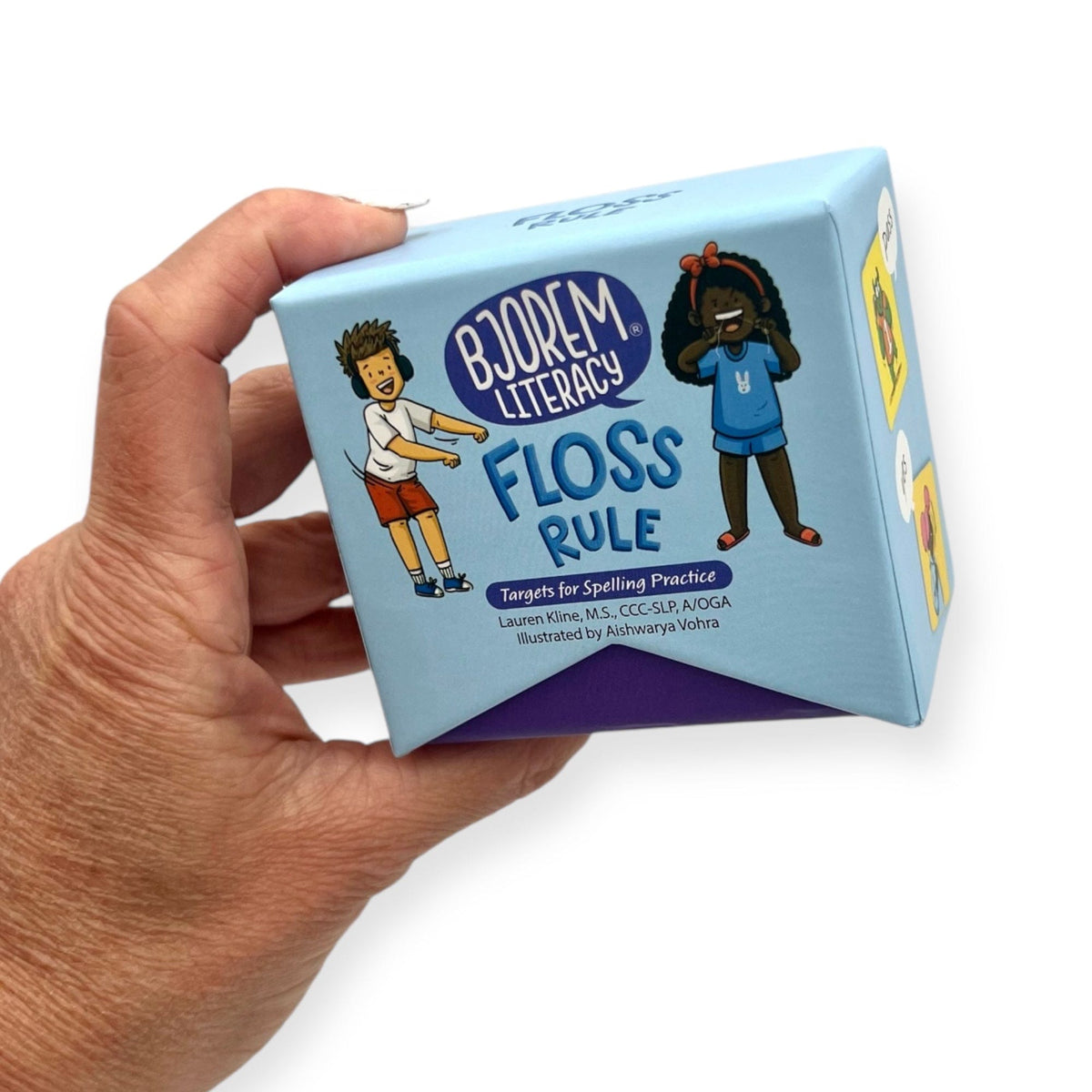
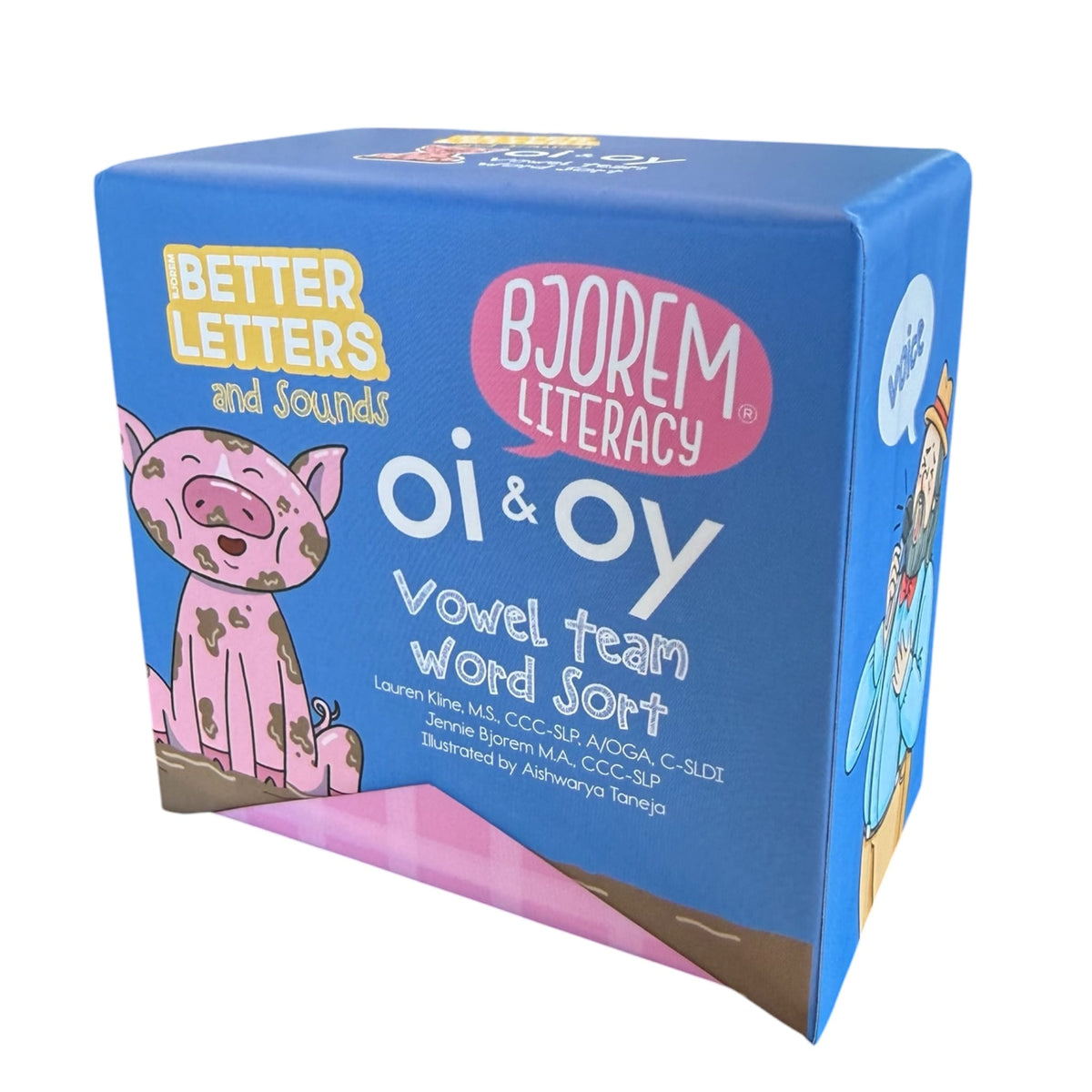
Prefixes, Suffixes and Bases Prefixes, Suffixes & Bases - Bjorem Speech® Literacy & Vocabulary Best Speech Language Therapy Tools
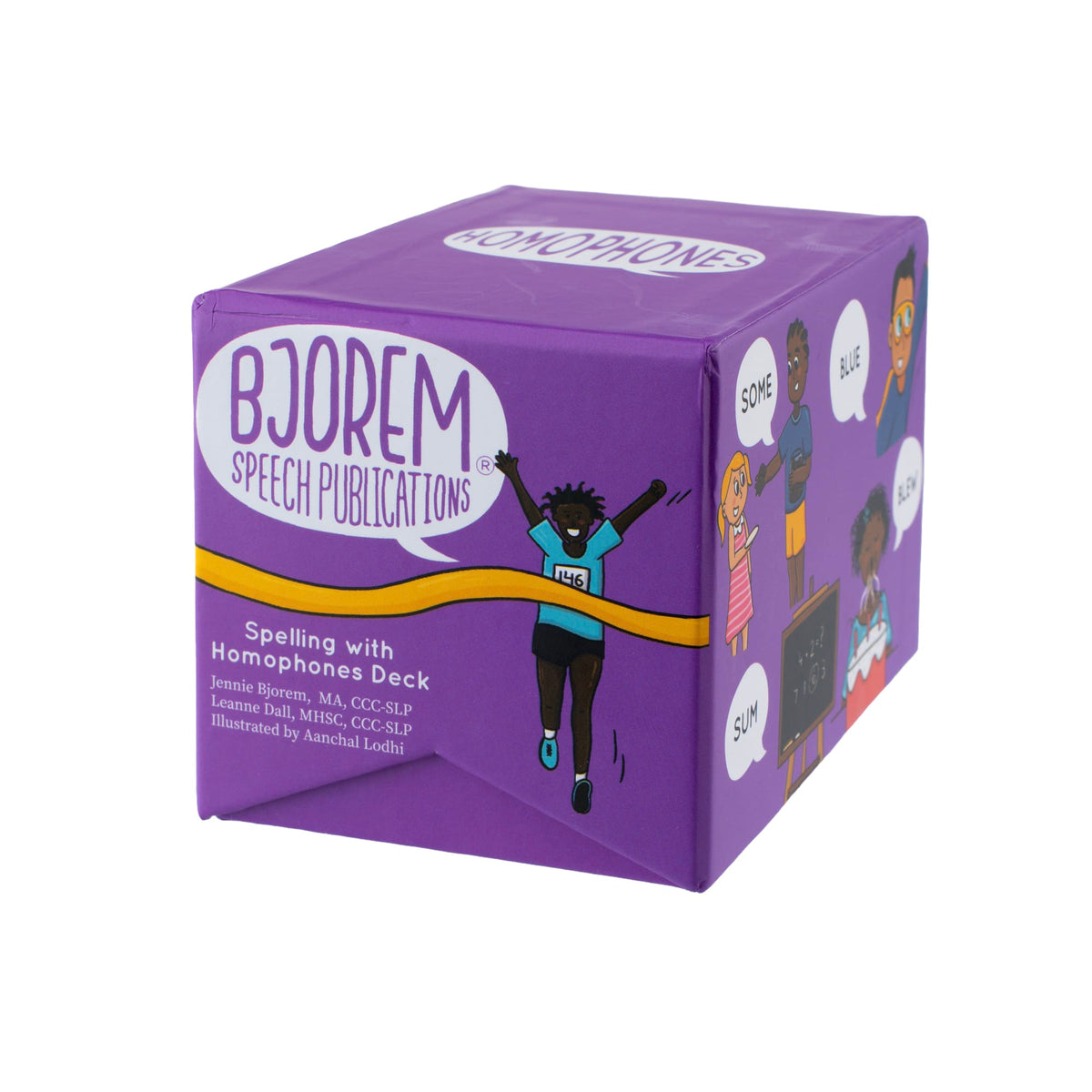
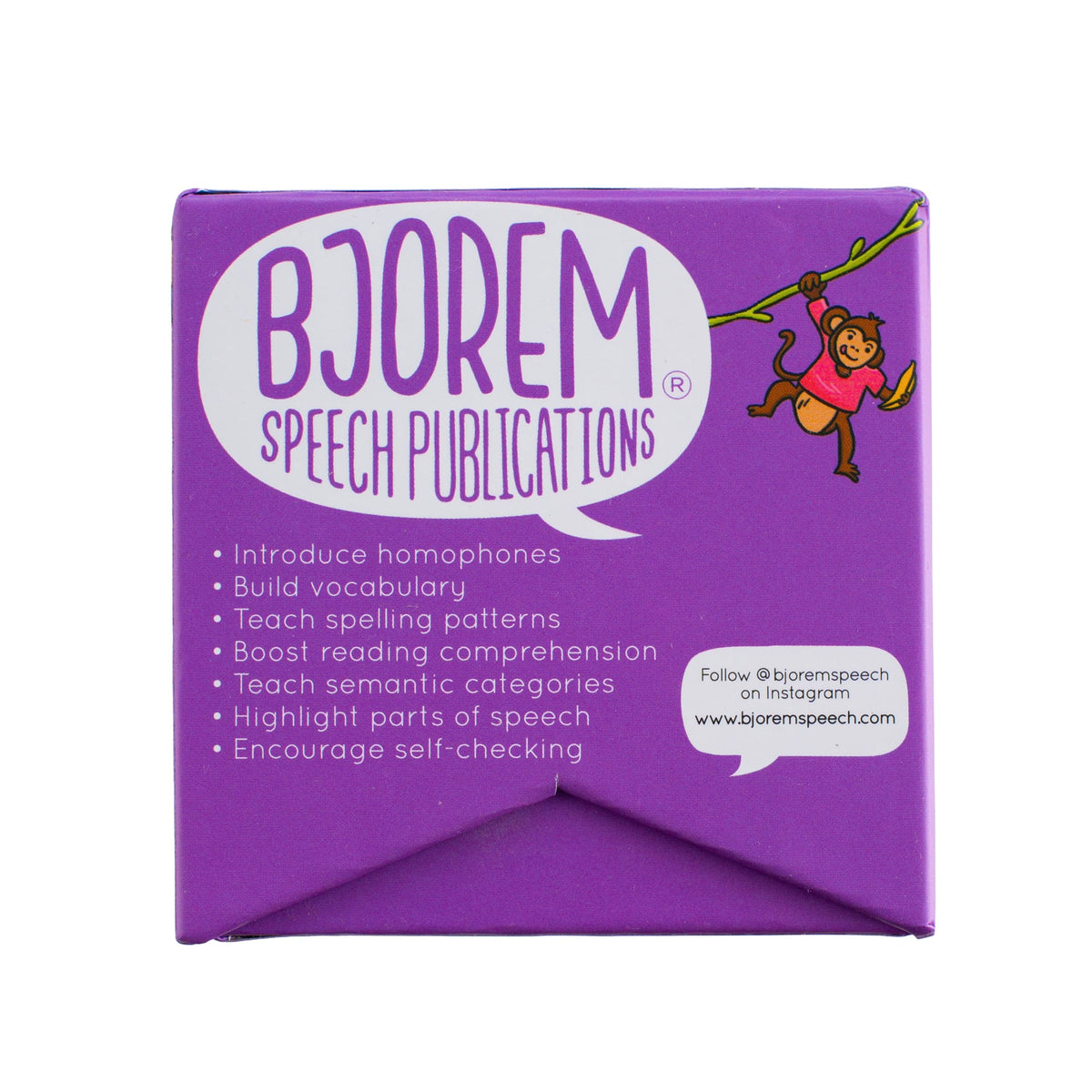
Homophones Bjorem Speech® Homophones - Same Sound Different Meaning Best Speech Language Therapy Tools

Homophones

$30.00
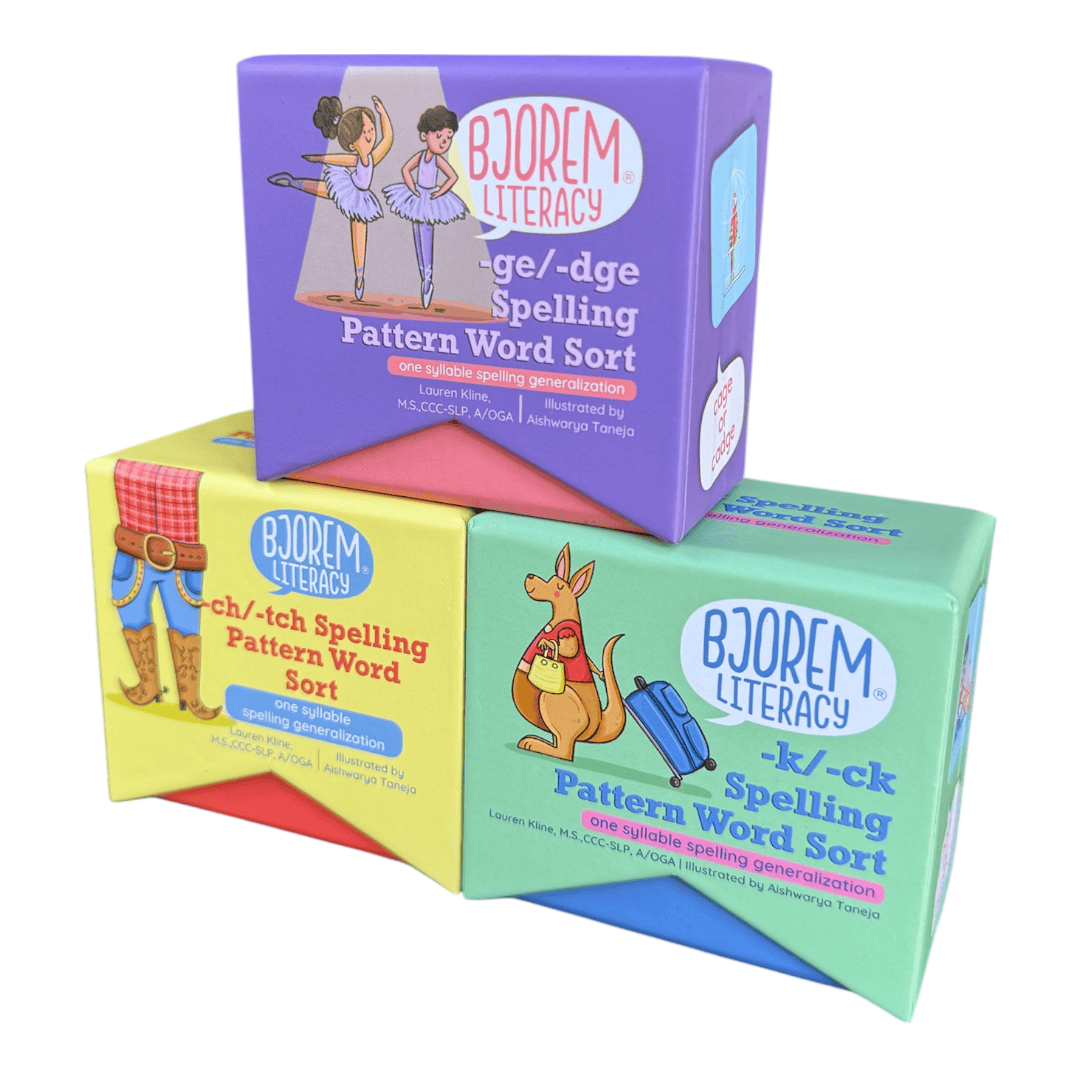
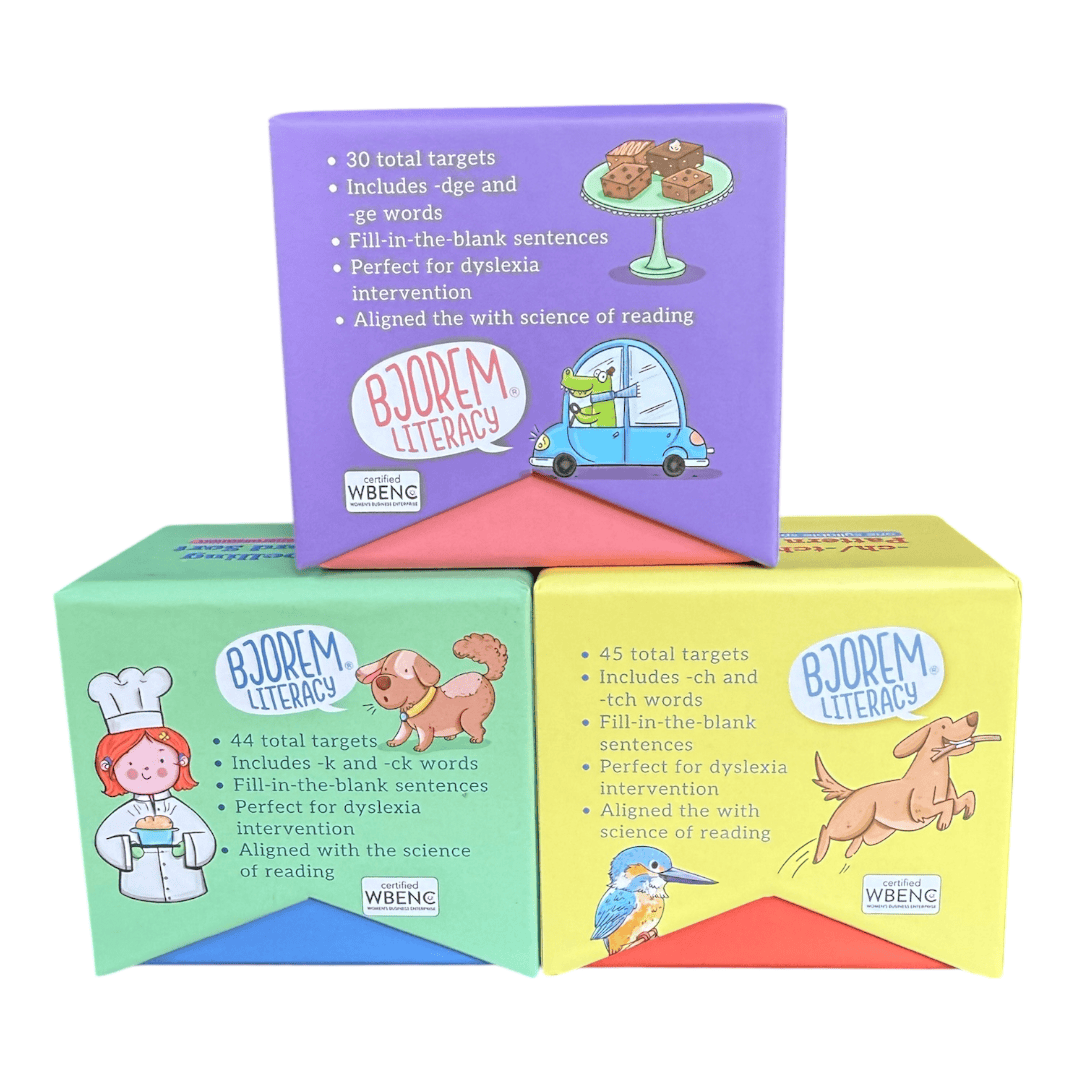
'-ge/dge, -k/-ck, -ch/tch Spelling Sort Bundle Spelling Sort Bundle: Ge, Dge, K, Ck, Ch, Tch Patterns Best Speech Language Therapy Tools
Stacked layers
Bundle

Option

Image in .svg format (icon-new.svg)
New

Arrival

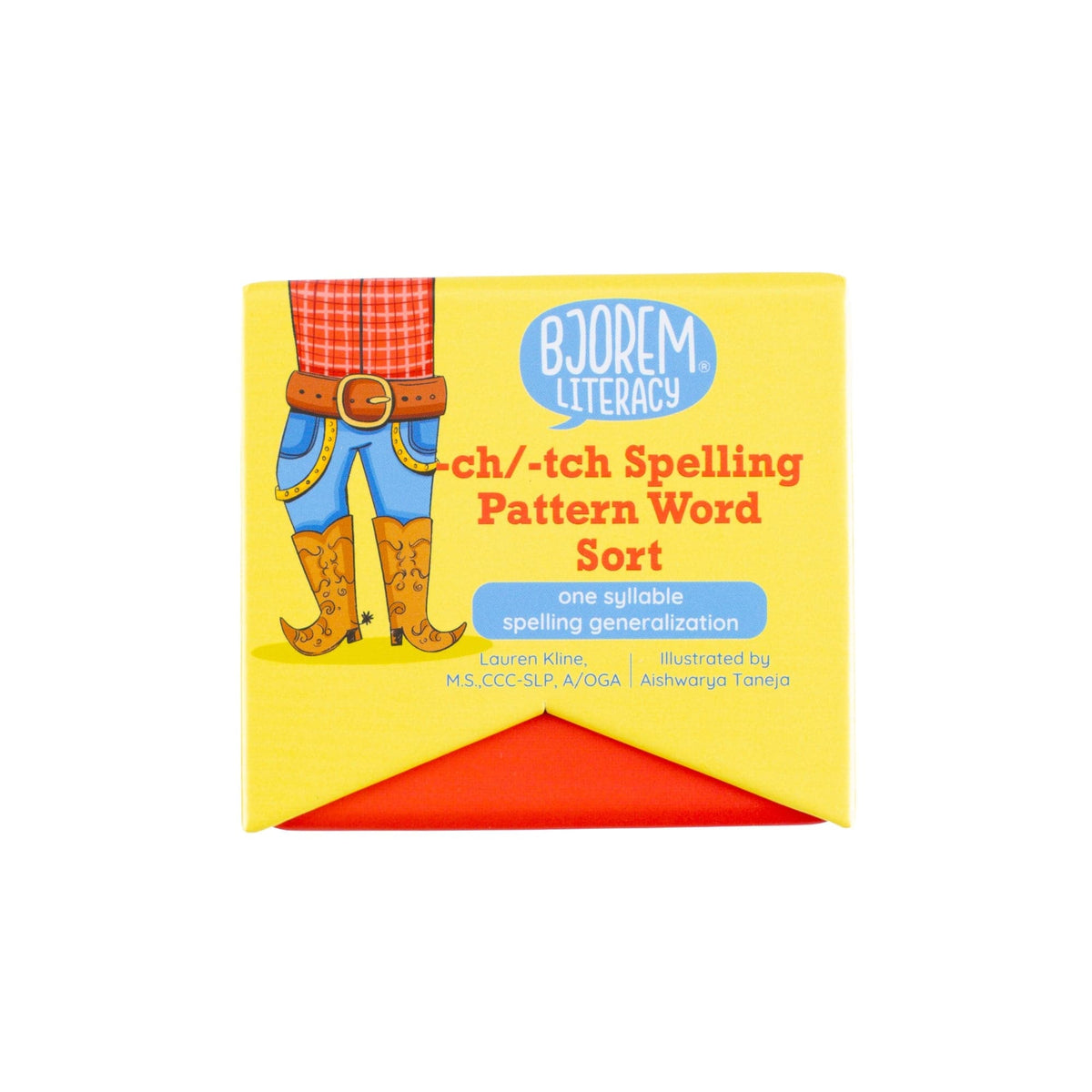
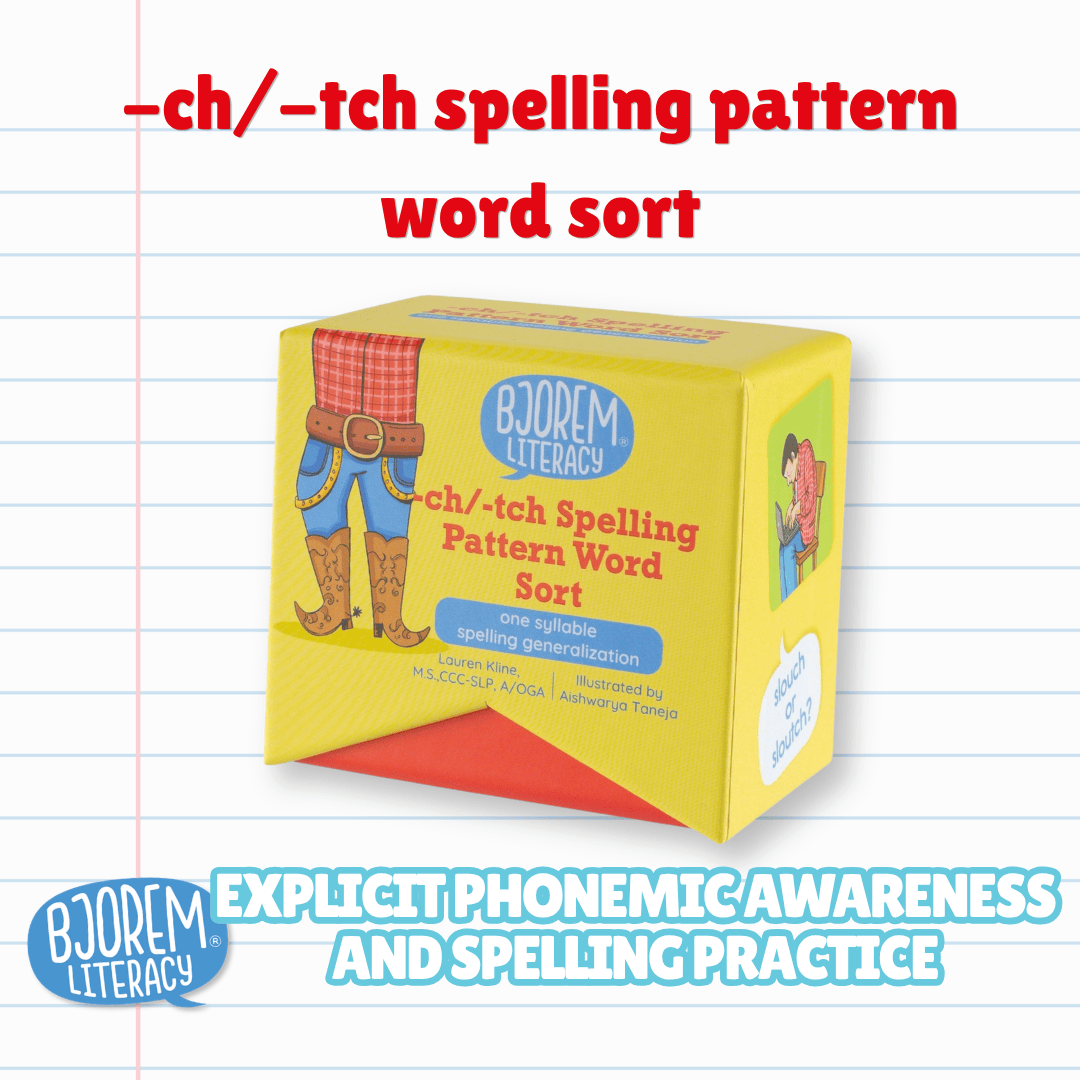
'-ch/-tch Spelling Pattern Word Sort Ch Tch Spelling Pattern Word Sort for Literacy Students Best Speech Language Therapy Tools
Stacked layers
Bundle

Option

Image in .svg format (icon-new.svg)
New

Arrival

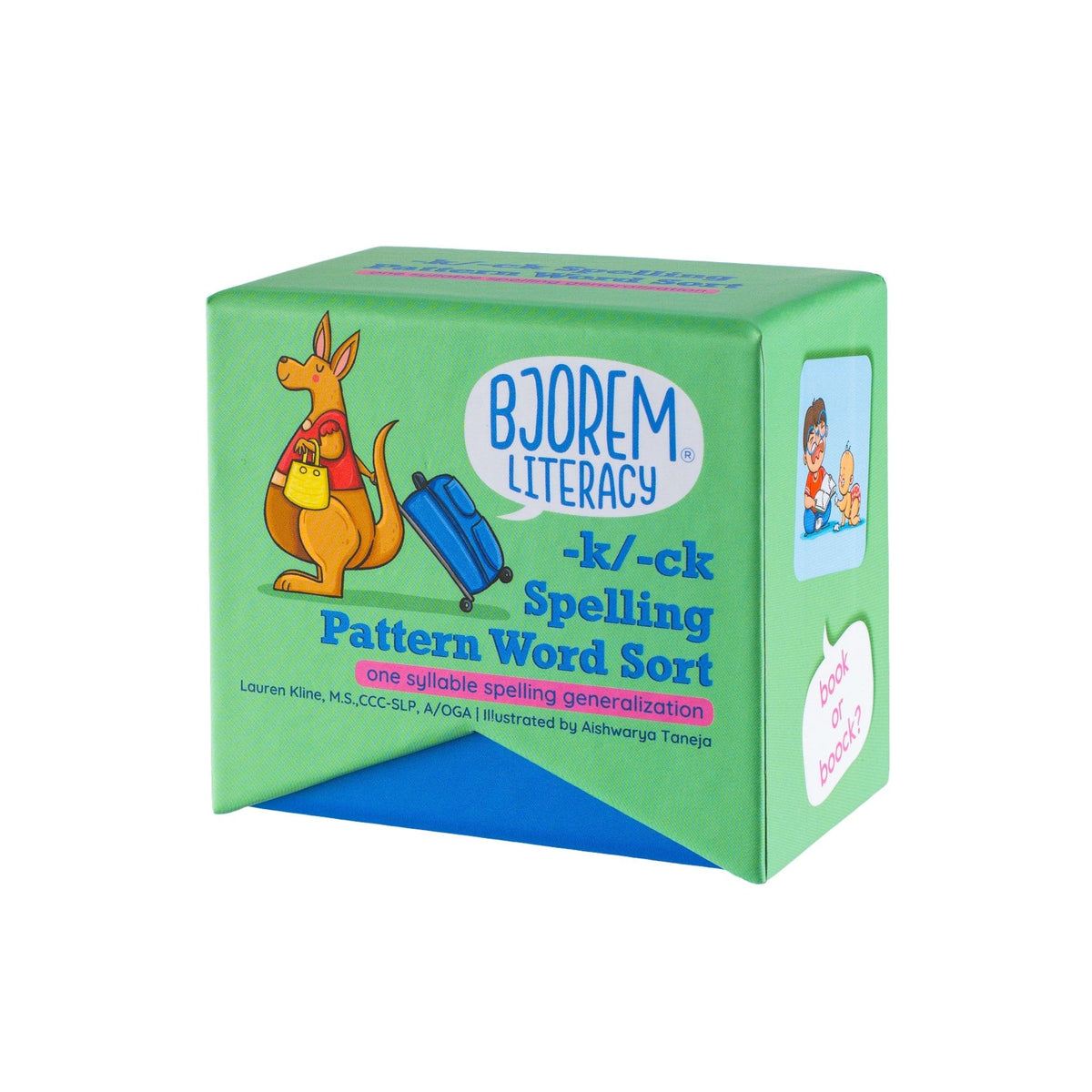
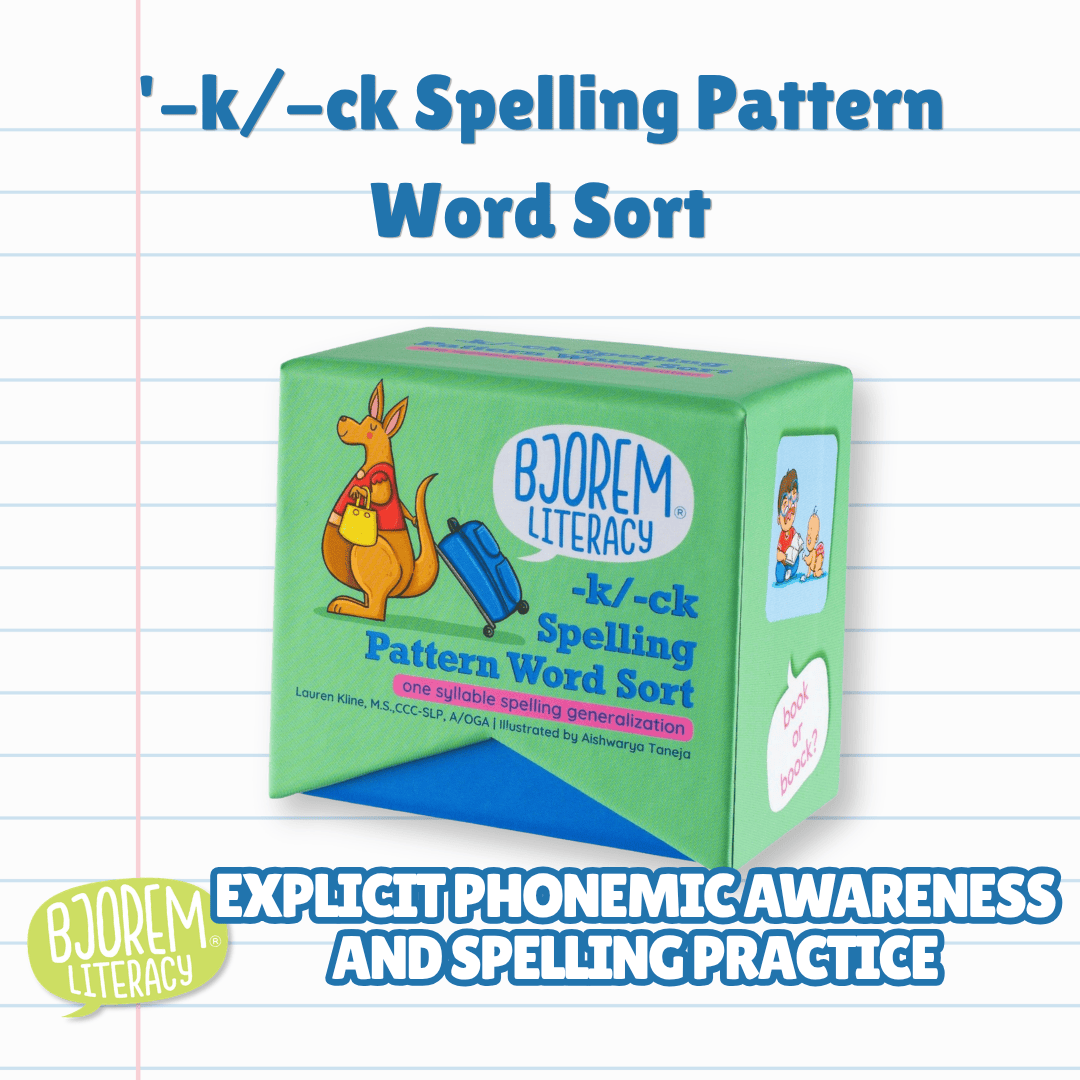
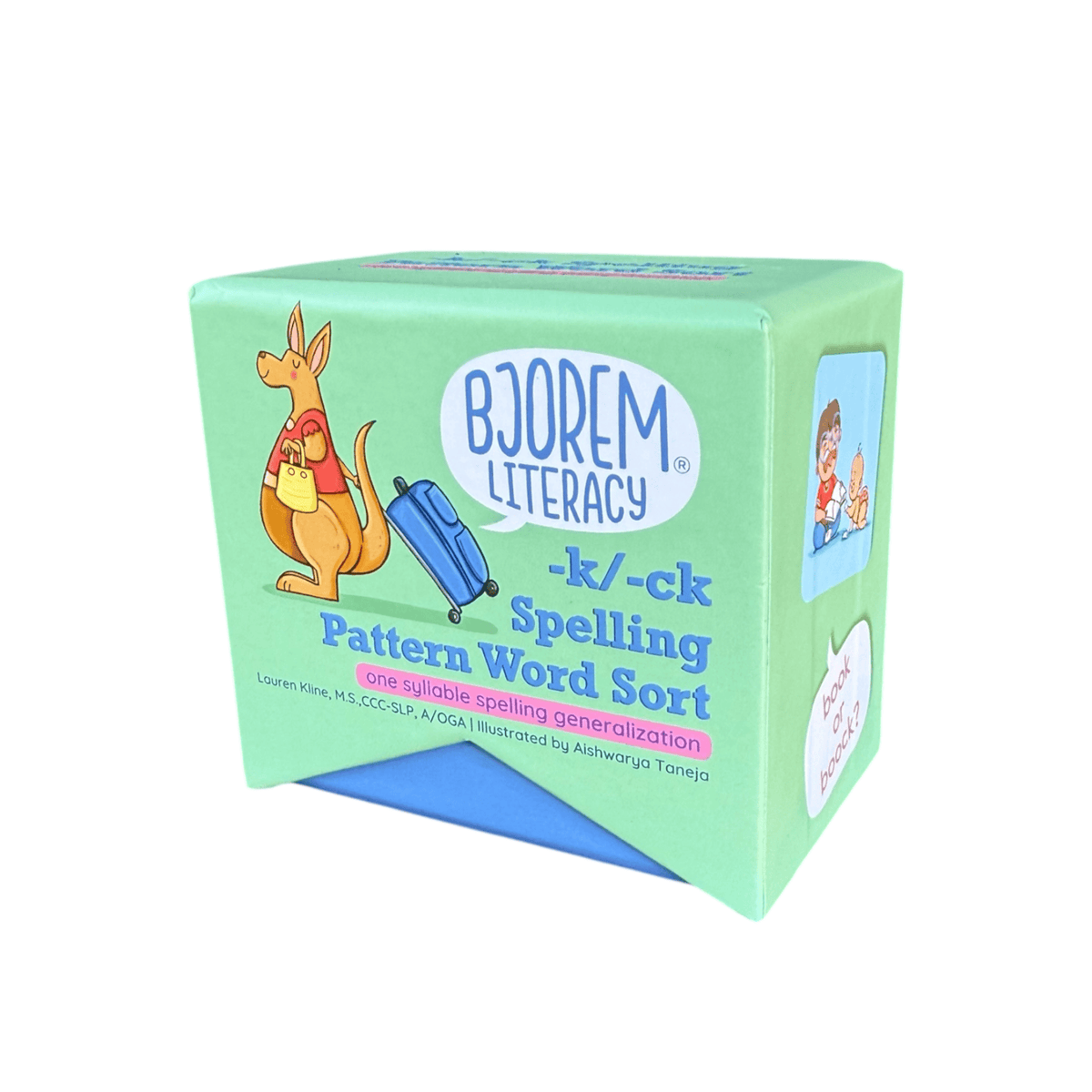
'-k/-ck Spelling Pattern Word Sort ck Spelling Pattern Word Sort for Dyslexia Intervention Best Speech Language Therapy Tools
Stacked layers
Bundle

Option

Image in .svg format (icon-new.svg)
New

Arrival

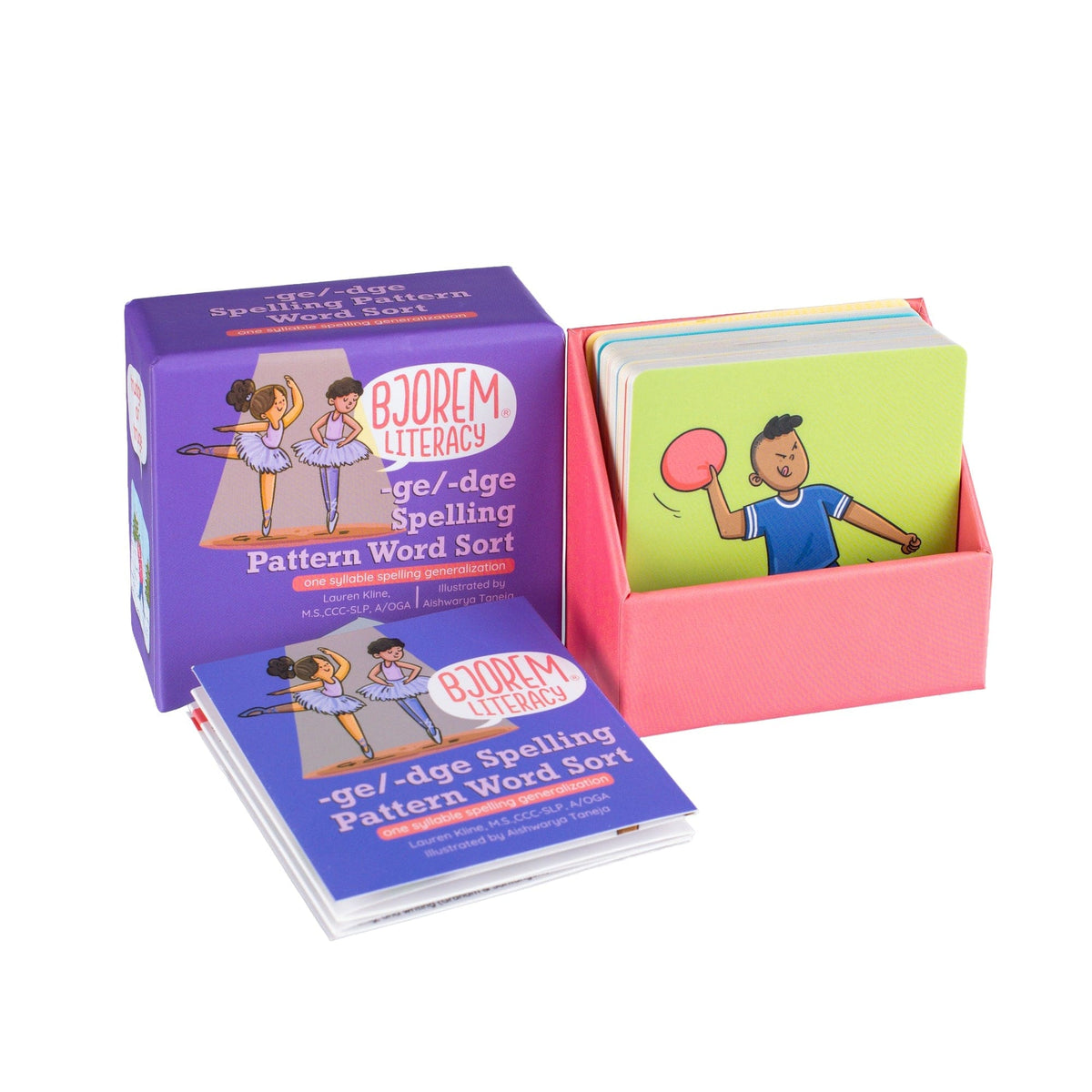
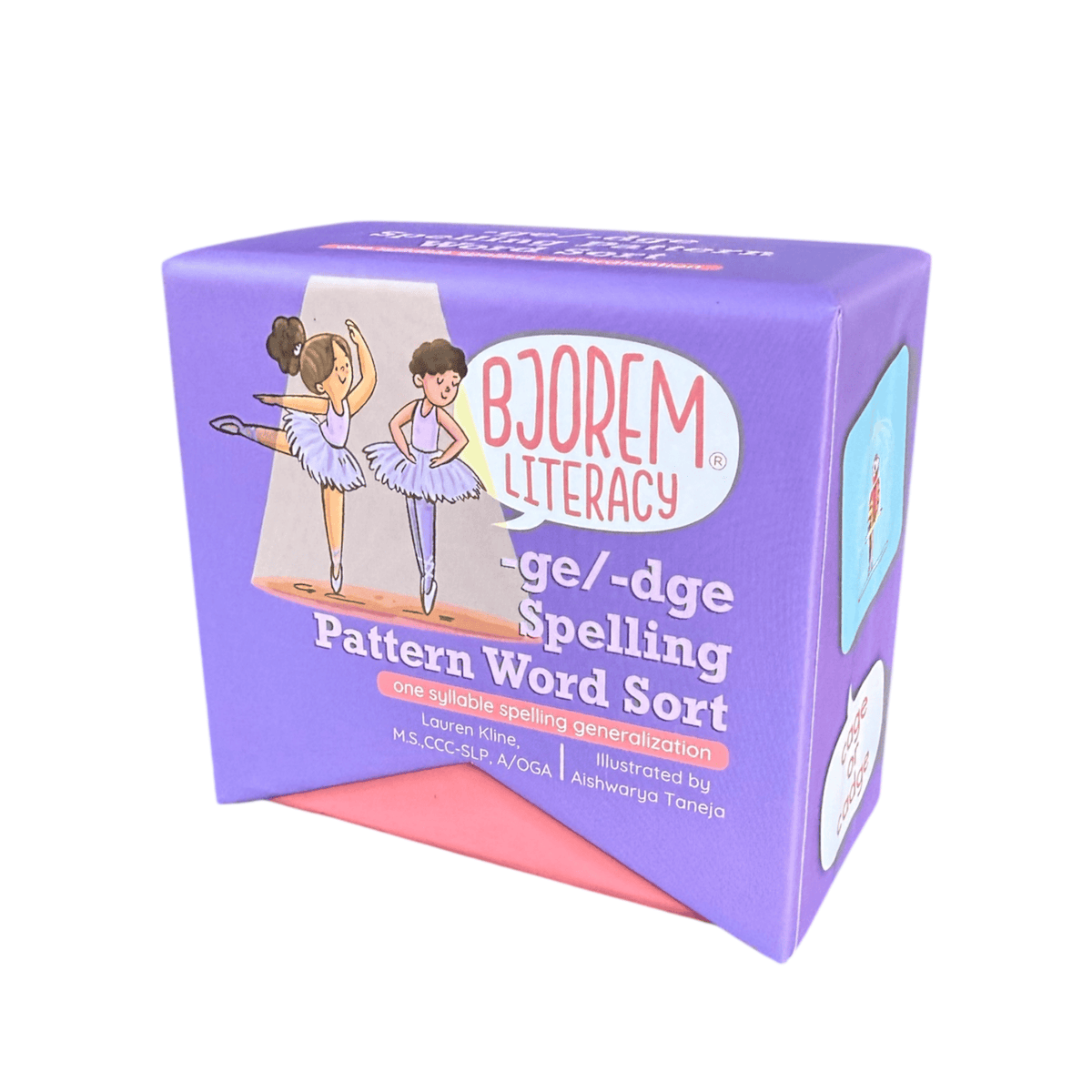
'-ge/-dge Spelling Pattern Word Sort Ge Dge Spelling Pattern Word Sort for Structured Literacy Best Speech Language Therapy Tools
Stacked layers
Bundle

Option

Image in .svg format (icon-new.svg)
New

Arrival

What else do I need to know about Phonics Flashcards?

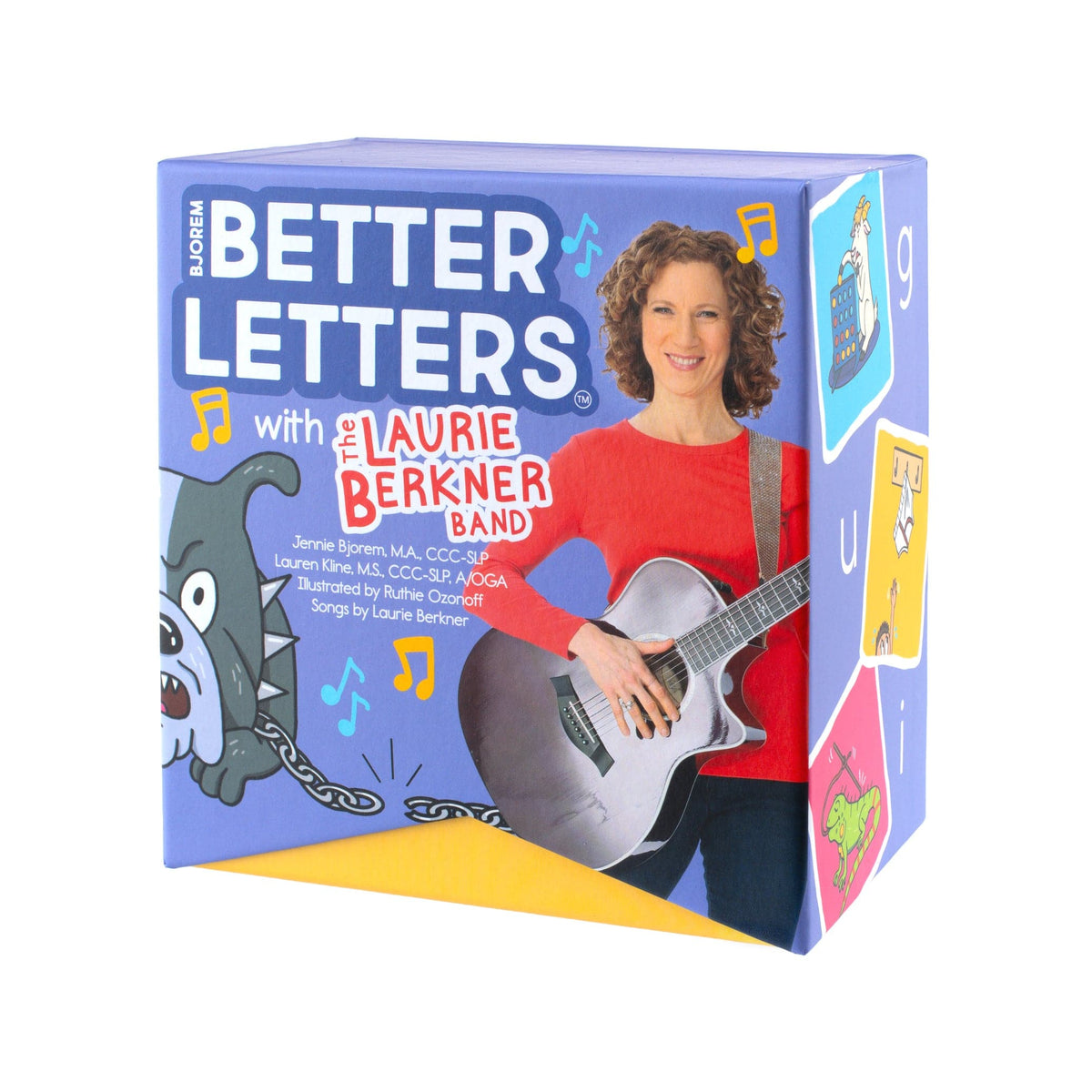
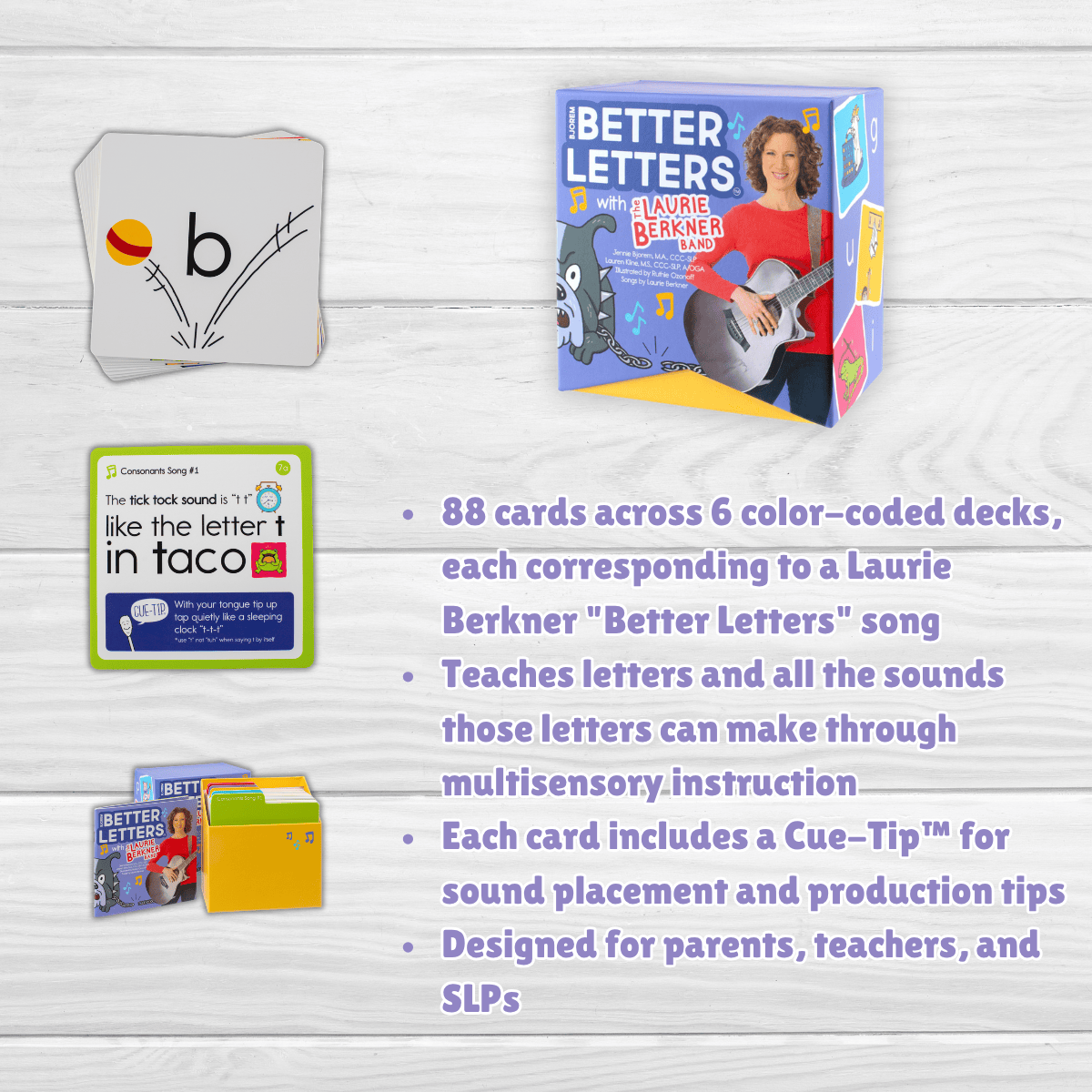
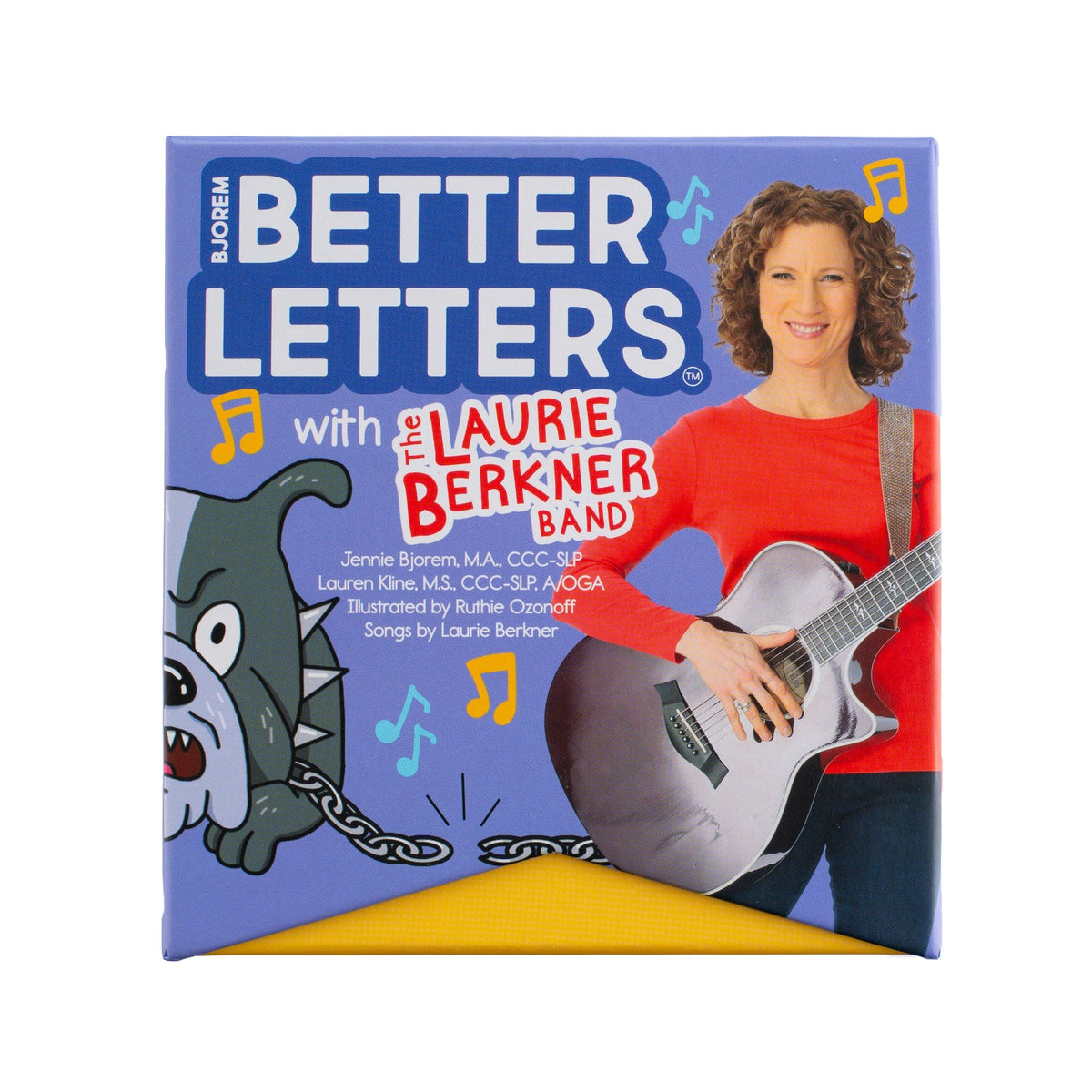
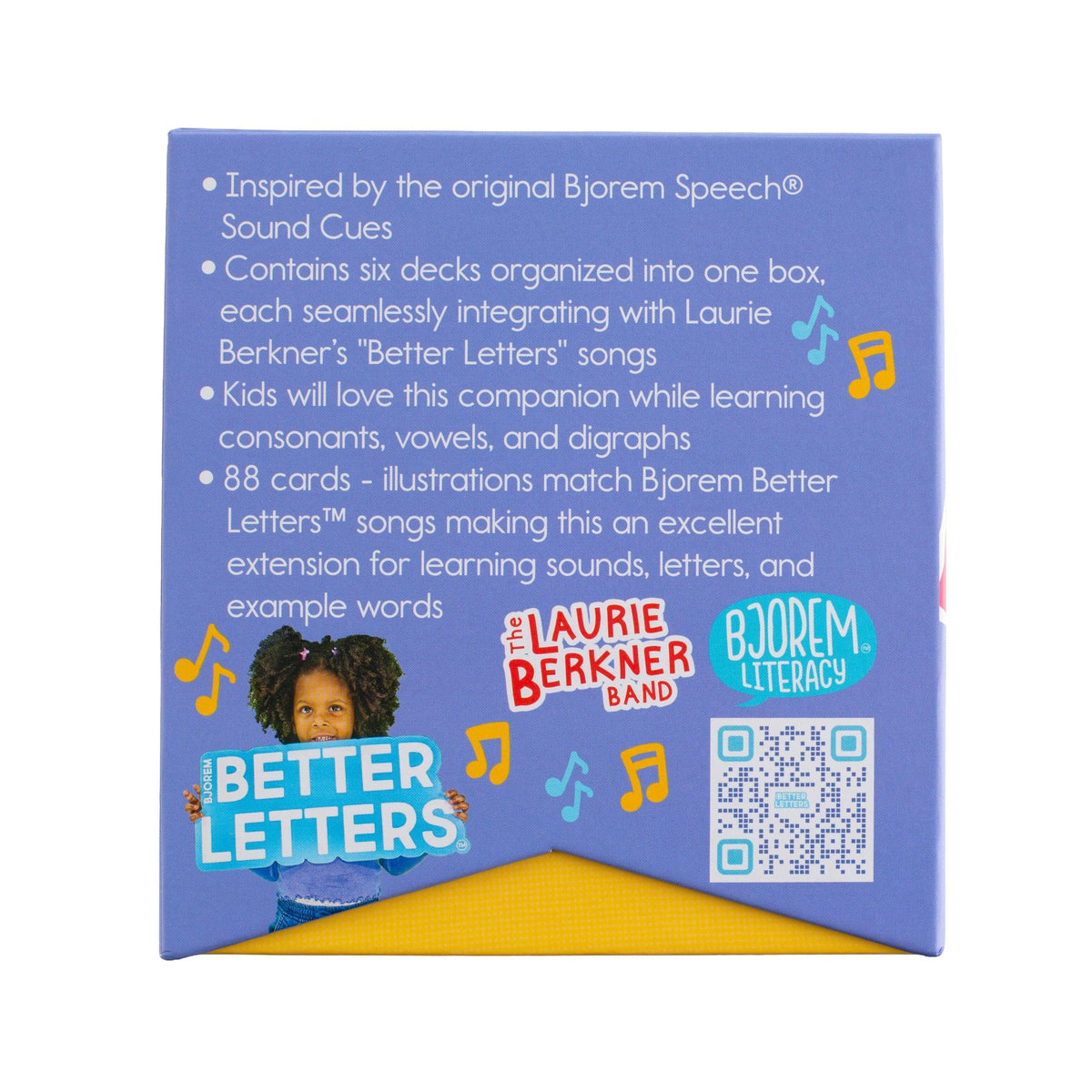
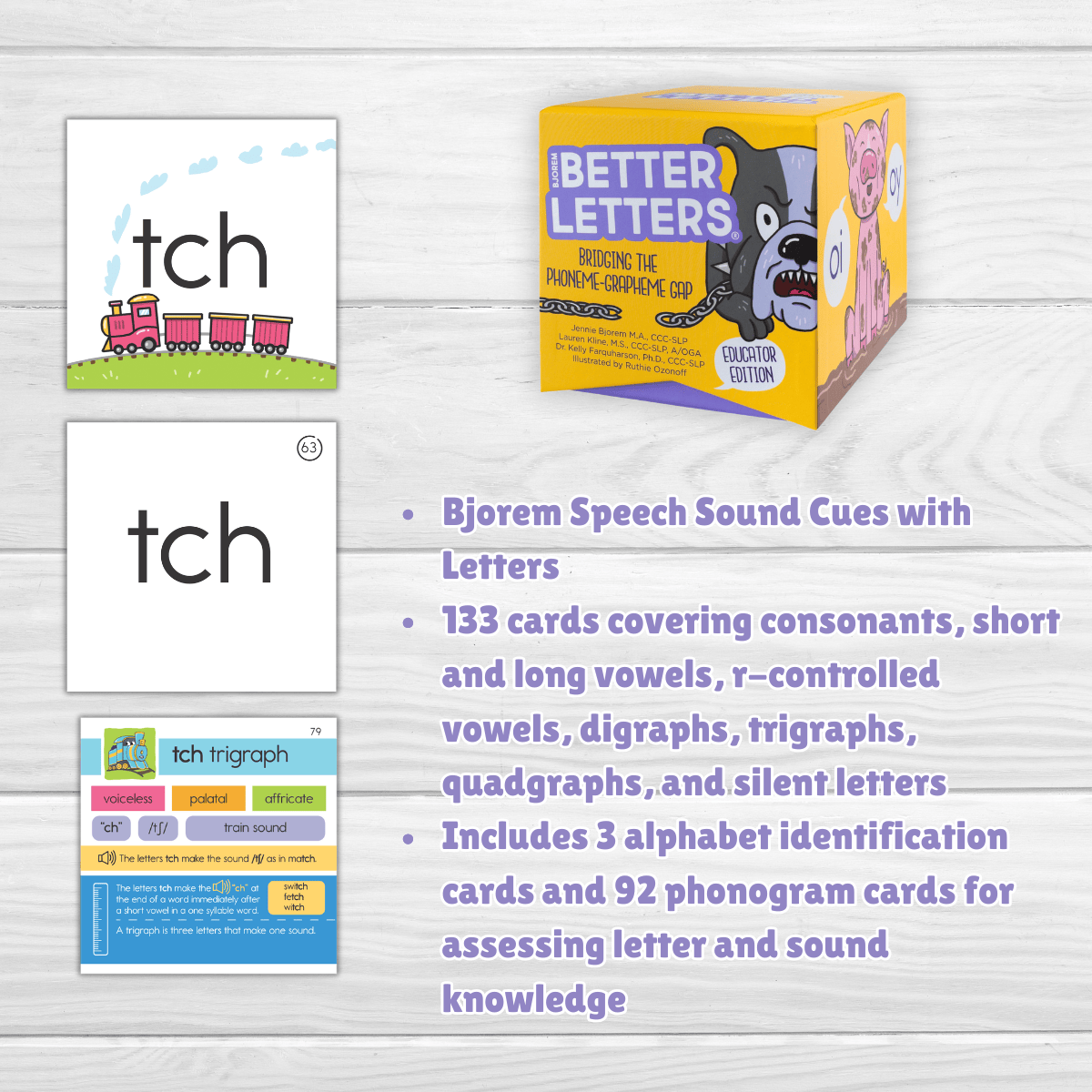
Phonics Flashcards That Make Sounds and Letters Click

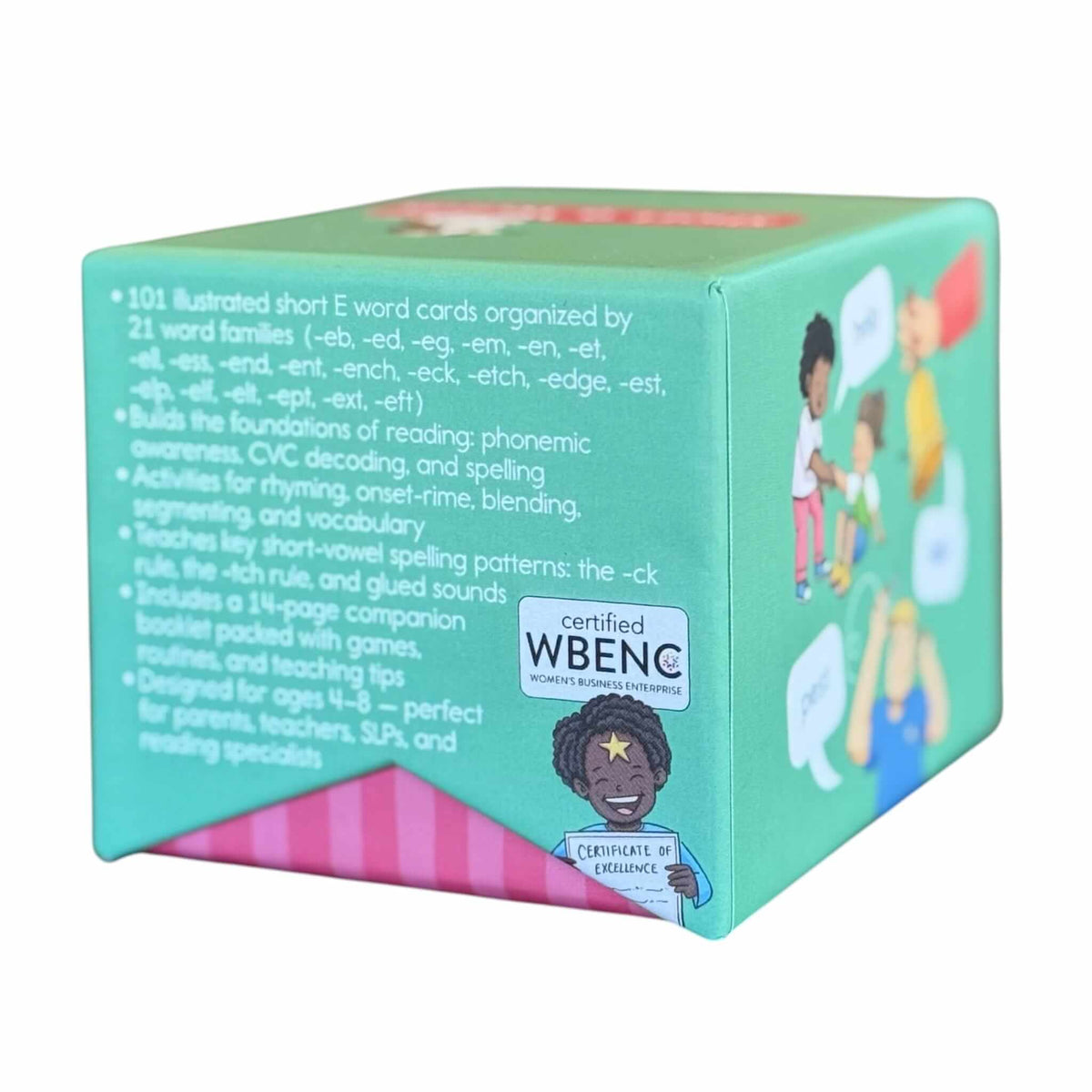
At Bjorem Speech & Literacy, we design tools that help children feel confident as they build early reading skills without turning practice into a battle. Our phonics flashcards are created by speech-language pathologists in collaboration with educators and literacy experts, with inclusive visuals and research-informed routines that work in therapy, classrooms, and at home. When kids can connect what they see (letters) to what they hear and say (sounds), decoding becomes clearer, and progress feels real.

Whether you’re supporting phonemic awareness, letter-sound mapping, or early decoding, these phonics cards make it easier to teach consistently and keep children engaged through short, repeatable practice.

Phonics Cards for Kids Who Need Clear, Repeatable Cues

Many early readers benefit from structure: a simple prompt, a consistent routine, and a quick win they can repeat. Our phonics cards for kids are built for that kind of learning. Use them to model a sound, match it to a letter, practice blending, or reinforce spelling patterns in a way that feels doable, especially for children who struggle with sound awareness or speech production.

For SLPs, these cards can also support the overlap between speech and literacy. When a child is working on sound production, pairing that work with letter-sound knowledge helps reinforce the sound system in a meaningful context. The goal isn’t “perfect” in one session. It’s steady success that builds confidence over time.

Phonics Flash Cards for Classrooms, Therapy Rooms, and Home Practice

Our phonics flash cards are designed for flexible use. Keep a small stack at your table for quick warm-ups, pull a few for a game, or send targeted practice home with a simple routine families can follow. Teachers often use these phonics cards during small groups and literacy centers, while clinicians use them to support intervention goals like blending, segmenting, and sound-letter mapping.

  • Quick drill-play routines that keep kids participating
  • Consistent cueing language across adults and settings
  • Short practice bursts that build automaticity
  • Visual support that helps kids recall and apply sounds

Phonics Flashcards That Support Confidence, Not Pressure

The best phonics flashcards don’t just test kids, they teach. We focus on making practice feel supportive and achievable, so children can take risks, try again, and learn from repetition. If a child freezes when asked to read, a familiar routine with a phonics card can reduce anxiety and help them re-engage. Over time, those small moments add up to stronger decoding, clearer spelling, and a more positive relationship with reading.

Use one card at a time, keep the cue consistent, and celebrate effort. When kids feel successful, they keep practicing, and that’s when skills grow.

Phonics Flashcards Call to Action: Start Building Strong Readers Today

Ready to strengthen sound-letter mapping and early decoding with tools that are easy to use and kid-friendly? 

Explore our phonics flashcards collection, choose the set that fits your learners, and add your favorites to the cart. Bring consistent, confidence-building practice into your day with phonics cards designed to support meaningful progress.


Frequently Asked Questions about Phonics Flash Cards

What are phonics flash cards used for, and how are they different from sight word cards?
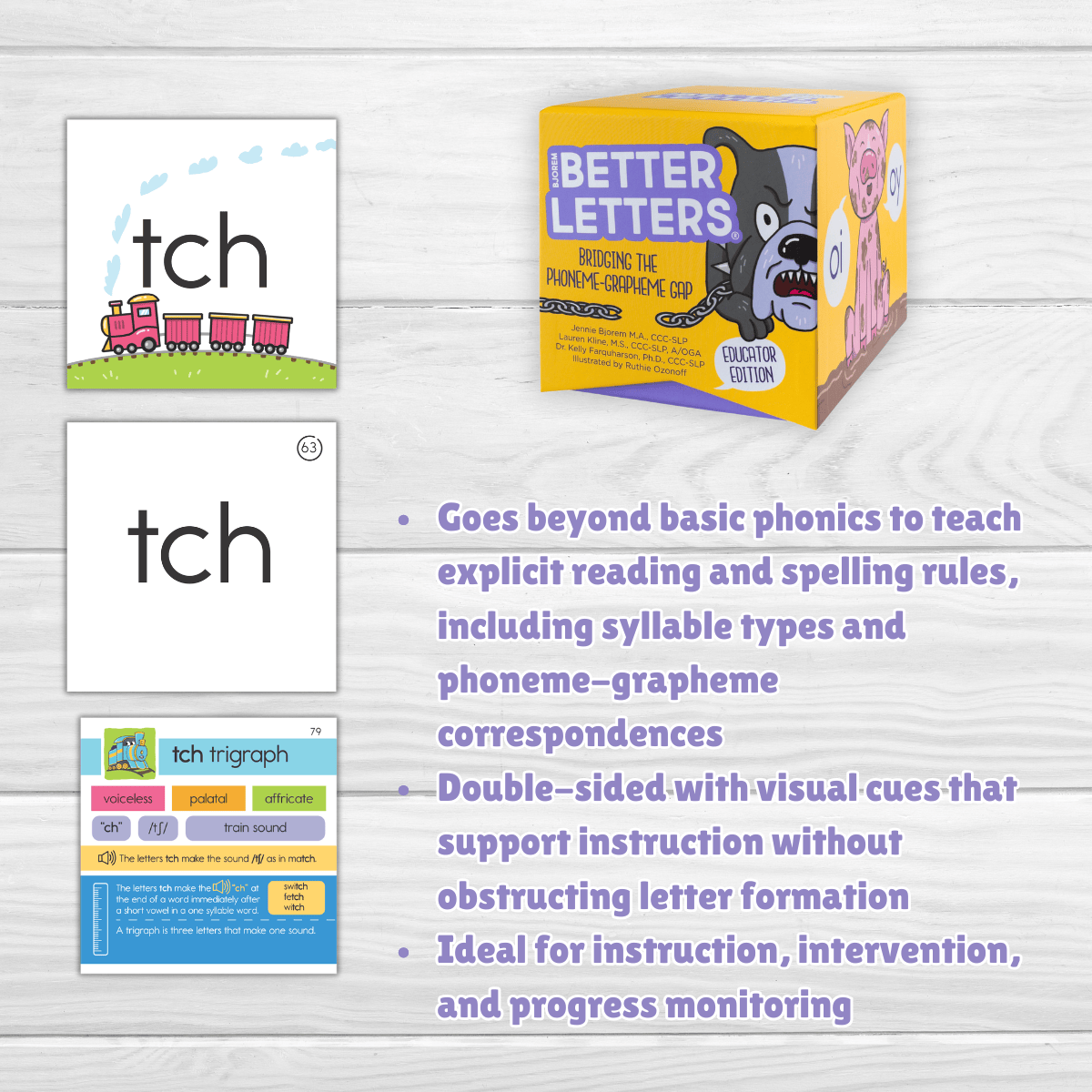
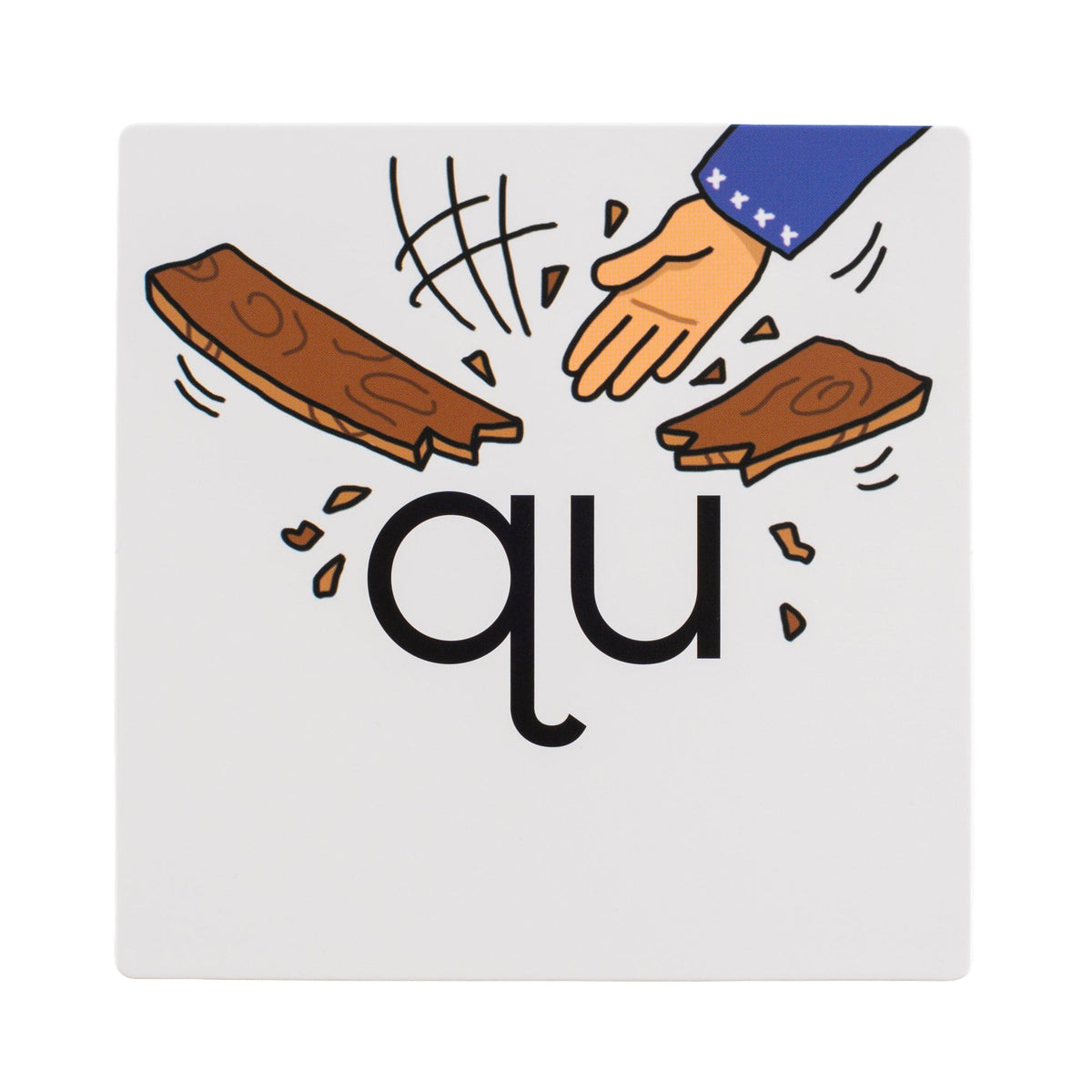
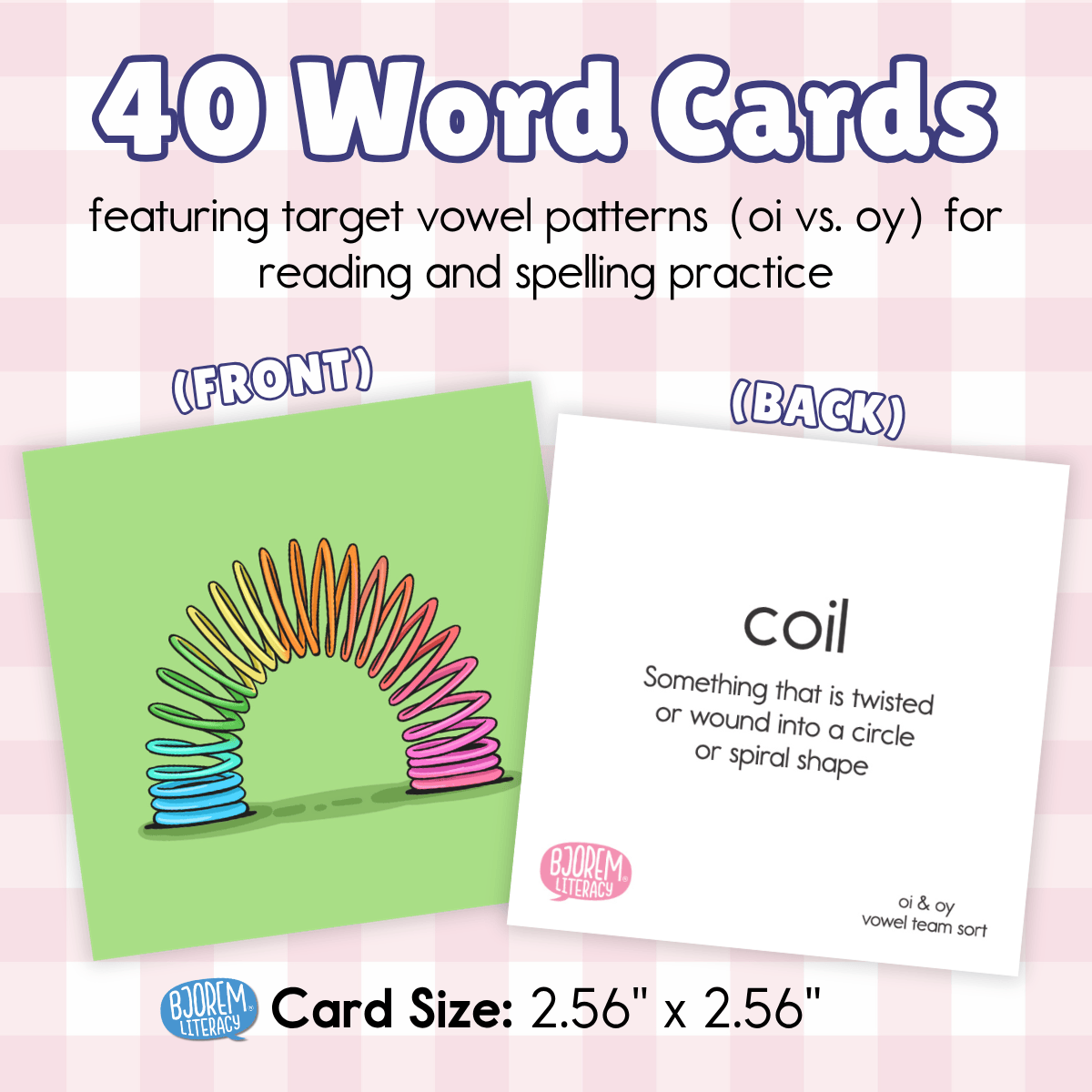
Phonics flash cards teach the relationships between letters or letter patterns and the sounds they make, so a child learns to decode any word, not just the ones they've memorized. Sight word cards, by contrast, ask the child to recognize whole words on sight, which works for a small set of high-frequency words but doesn't scale. The phonics flash cards in our collection cover individual letter sounds, blends, digraphs, vowel teams, and more advanced spelling patterns that show up across English text.
Are phonics flash cards still useful if my child already knows their letters?
Yes, because knowing the names of the letters is different from knowing the sounds they make and how those sounds combine. Many children can recite the alphabet long before they can blend "c-a-t" into a word. Our phonics flash cards bridge that gap by giving children structured practice with sounds, blending, and pattern recognition. They're also a great tool for older readers who need to revisit specific spelling patterns they may have skipped over earlier.
How are Bjorem phonics flash cards different from the ones I can buy at a big-box store?
Most big-box phonics cards focus only on the alphabet and a handful of basic sounds, with limited progression beyond that. Our collection was designed alongside literacy specialists to follow a structured literacy sequence, so each set targets a specific skill set with clean illustrations and clear visual design. The cards are also built on durable PlayProof paper, which makes them practical for classroom small groups or daily home practice without falling apart by week three.
Can phonics flash cards help a child with dyslexia, or do they need something more specialized?
Phonics flash cards can absolutely play a role in supporting a child with dyslexia, especially when they're used alongside an evidence-based program led by a trained therapist. The visual, repetitive, and explicit nature of flash card practice aligns well with what research recommends for dyslexic learners. They are not a complete intervention on their own, but they're a useful piece of the puzzle and a way to extend therapy practice between sessions.
Will my child get tired of phonics flash cards, or are there ways to keep practice fresh?
Honest answer: a stack of flash cards used the same way every day will get stale for any kid. We design our cards to support many activities, not just hold-up-and-name drills. SLPs and teachers use them for memory games, sorting by sound, blending into nonsense words, scavenger hunts, and team-based games. Mixing up the format keeps engagement high while still giving children the repeated exposure they need to lock in those phonics skills.