
Learning to talk is one of the most exciting parts of childhood. It can also be one of the most stressful when things don't seem to “click” the way you expected. Maybe your child is hard to understand, isn't talking much yet, or gets frustrated when words won't come out the way they want. If you're feeling lost, you're not alone.
At Bjorem Speech, we've supported countless families who started with the same question: “Is this normal?”
The goal of speech therapy for kids is simple: help children communicate more clearly and confidently, using strategies that actually fit how they learn. Let's walk through what it is, how it works, and how you can help at home.
What this article covers:
- What Is Speech Therapy for Kids?
- Common Speech and Language Disorders in Kids
- Signs Your Child Might Need Speech Therapy
- Benefits of Speech Therapy for Kids
- What Can Parents Do for Their Kids at Home?
What Is Speech Therapy for Kids?
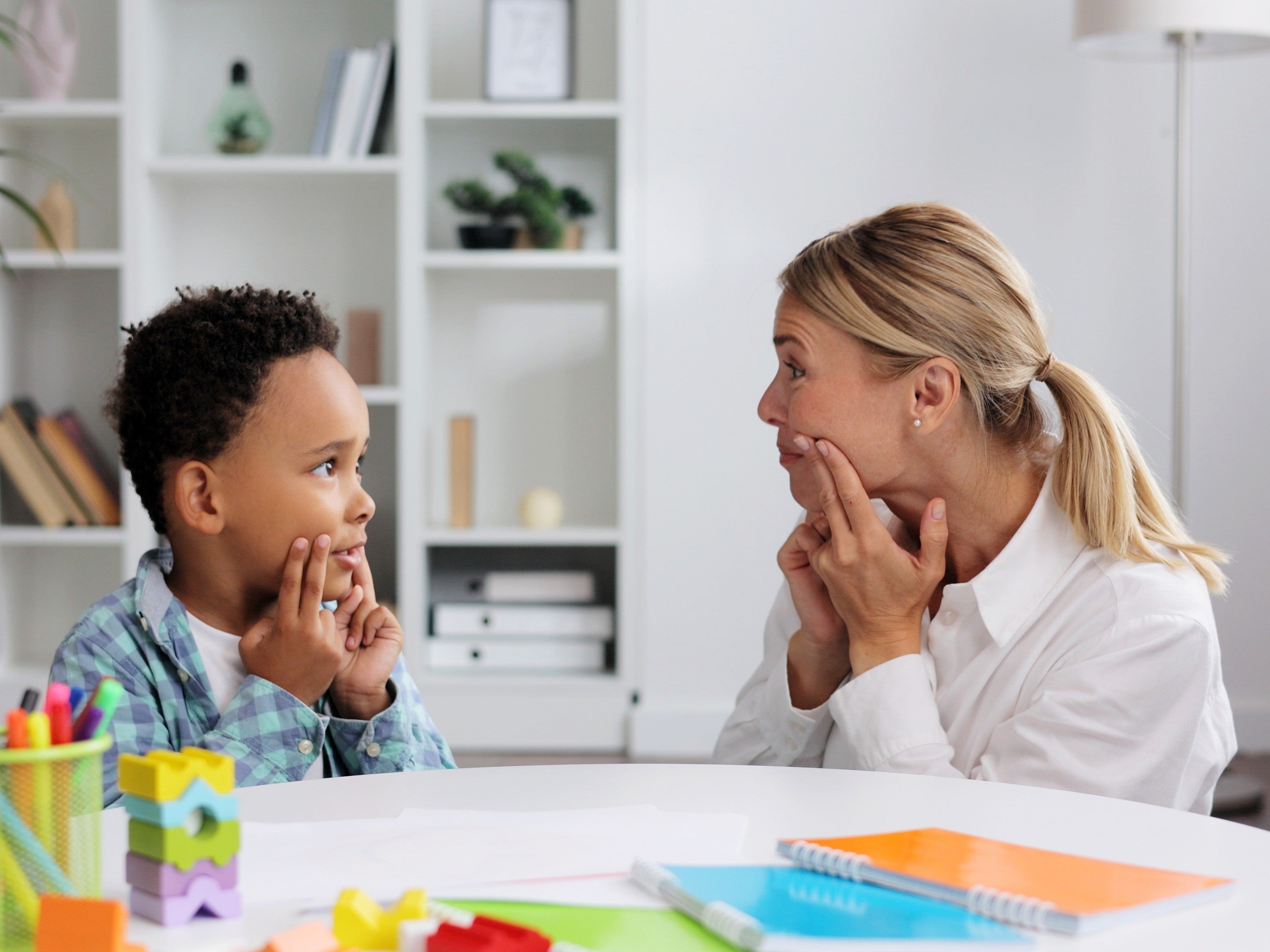
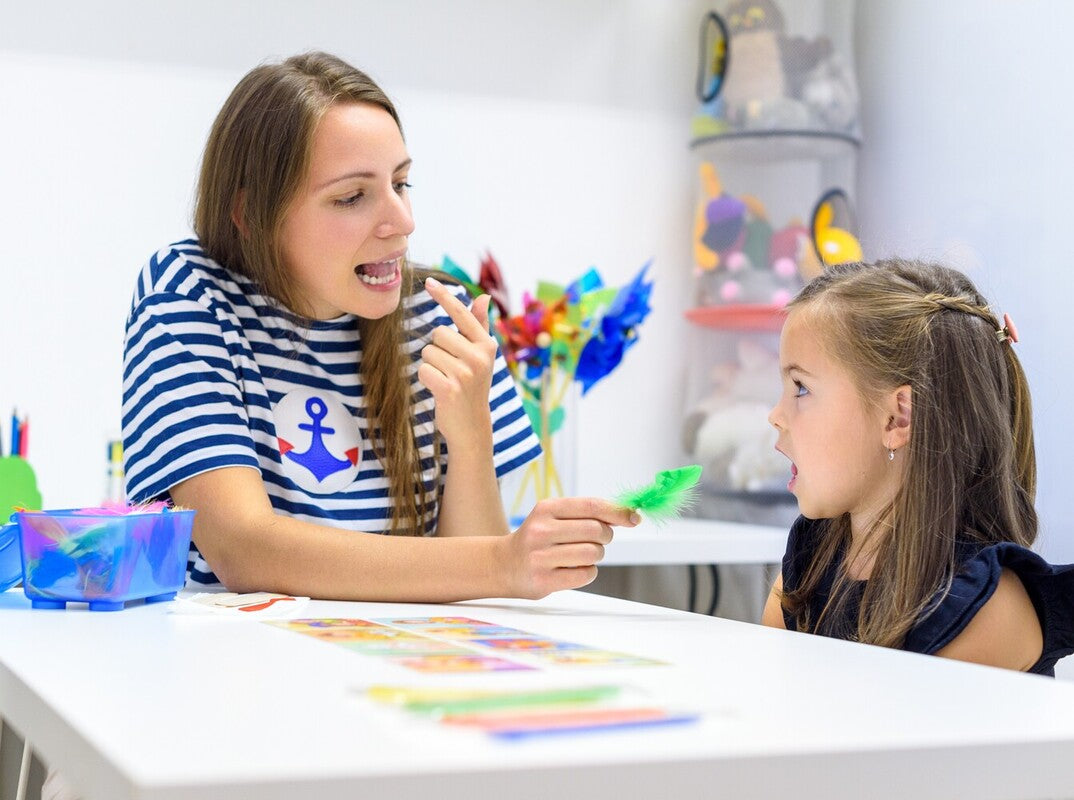
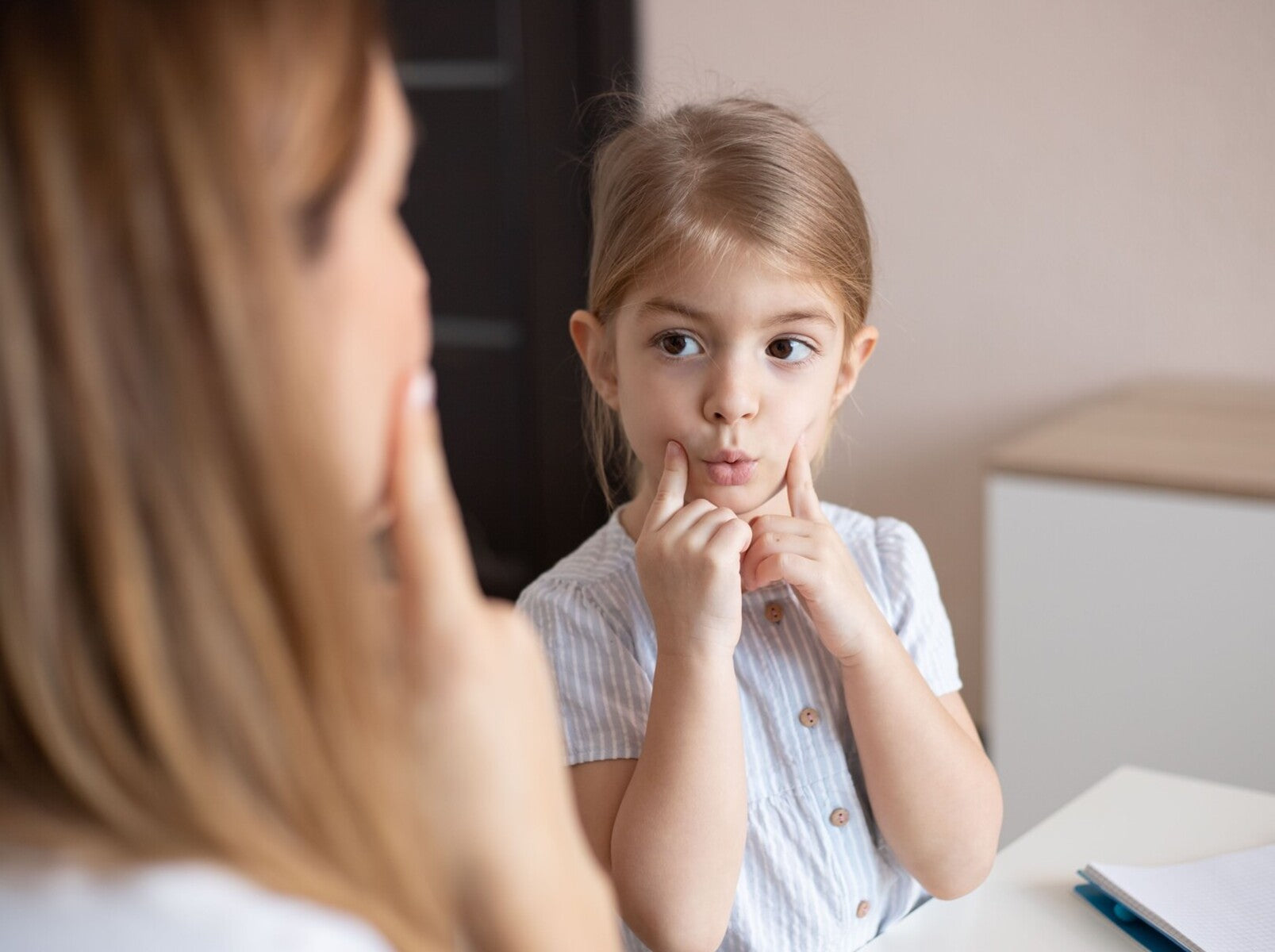
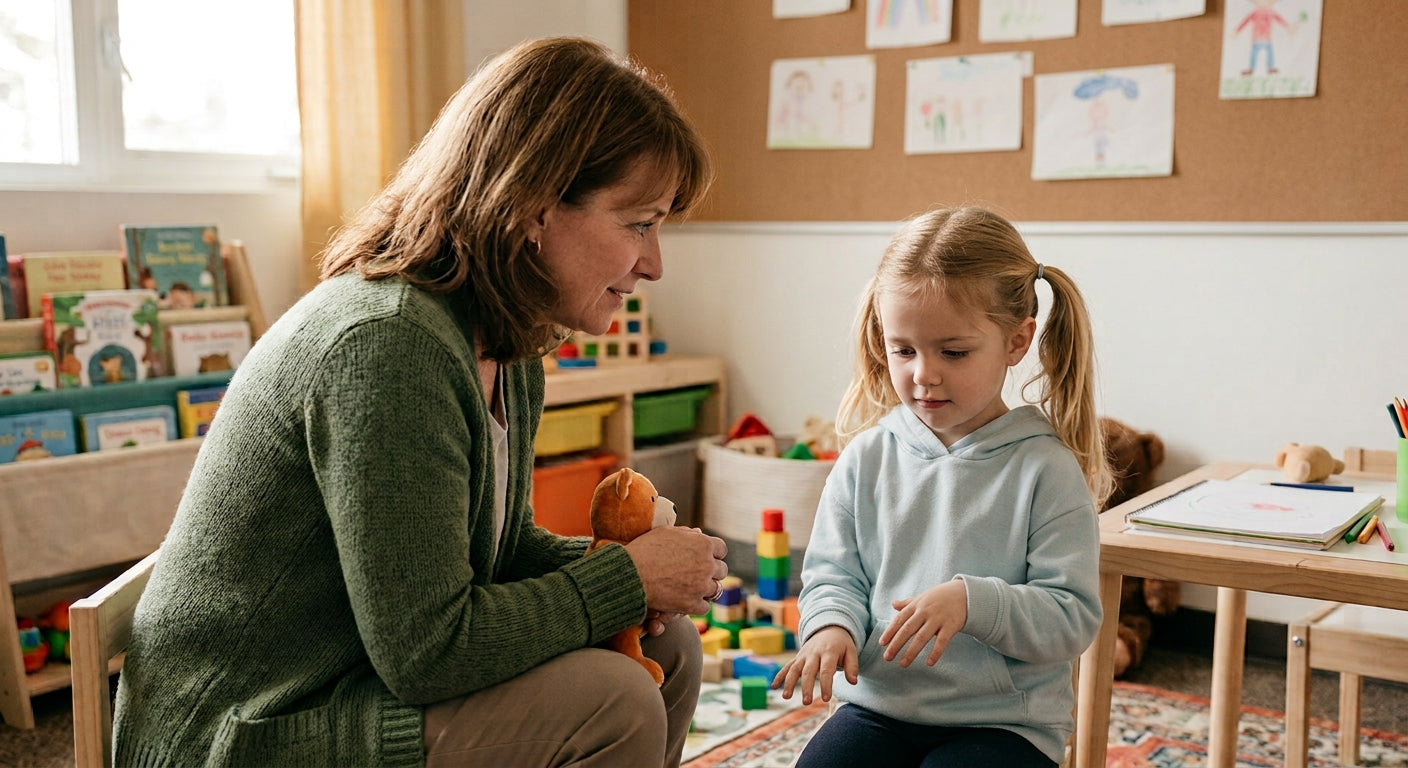
So, what is speech therapy for kids, exactly? Speech therapy for kids is specialized support that helps children communicate more clearly and confidently.
It's provided by a speech-language pathologist (SLP), and it focuses on skills like speaking clearly, understanding language, using words and sentences, and communicating socially.
In simple terms, speech therapy helps kids who are having trouble being understood or understanding others.
Some children need help learning speech sounds. Others need help building vocabulary, forming sentences, or following directions. Some kids need support with fluency, like stuttering. And some need help with social communication, like taking turns in conversation or understanding what someone really means.
Speech therapy isn't about forcing kids to talk a certain way. It's about giving them tools that match how their brain learns best.

How Does Speech Therapy for Kids Work?
Speech therapy works by identifying what's getting in the way of communication and then building those skills step by step through targeted practice.
It usually starts with an evaluation. We listen to how your child speaks, how they understand language, and how they use communication in everyday situations. We also look at how speech and language challenges may be affecting learning, behavior, and confidence.
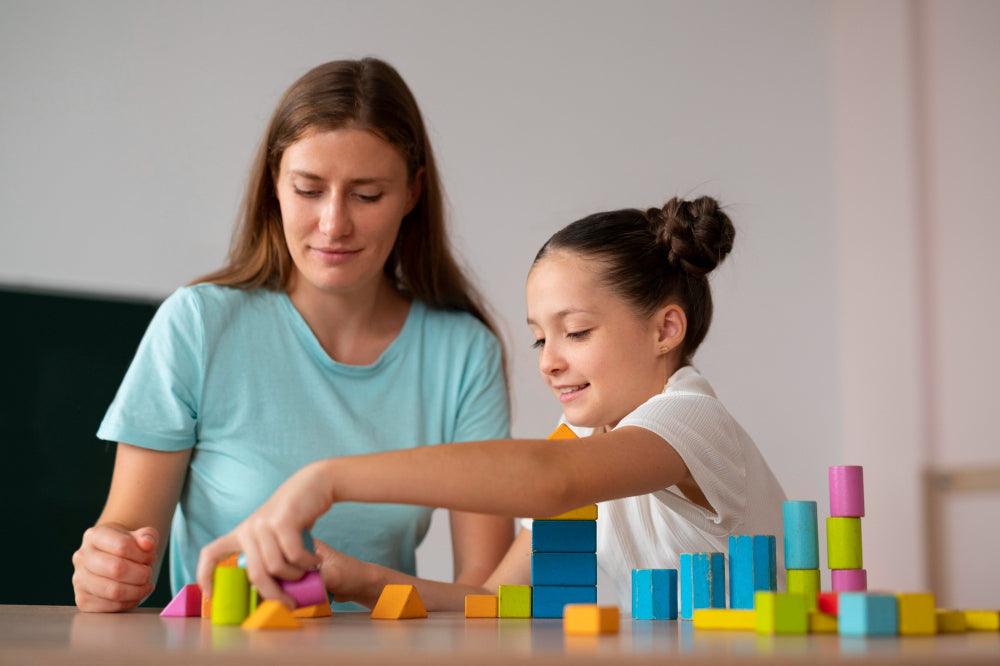
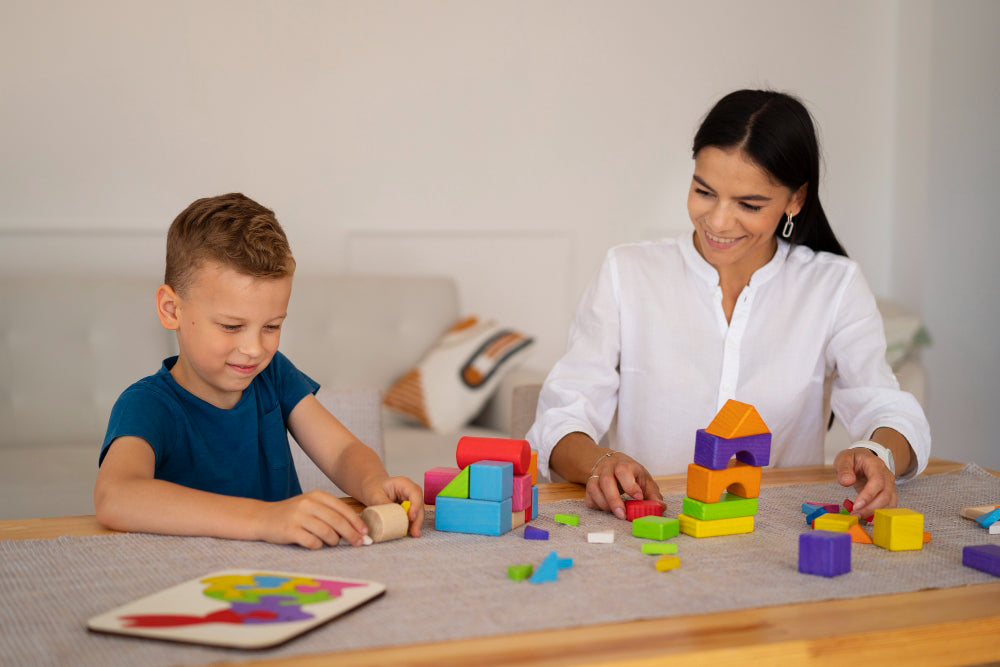
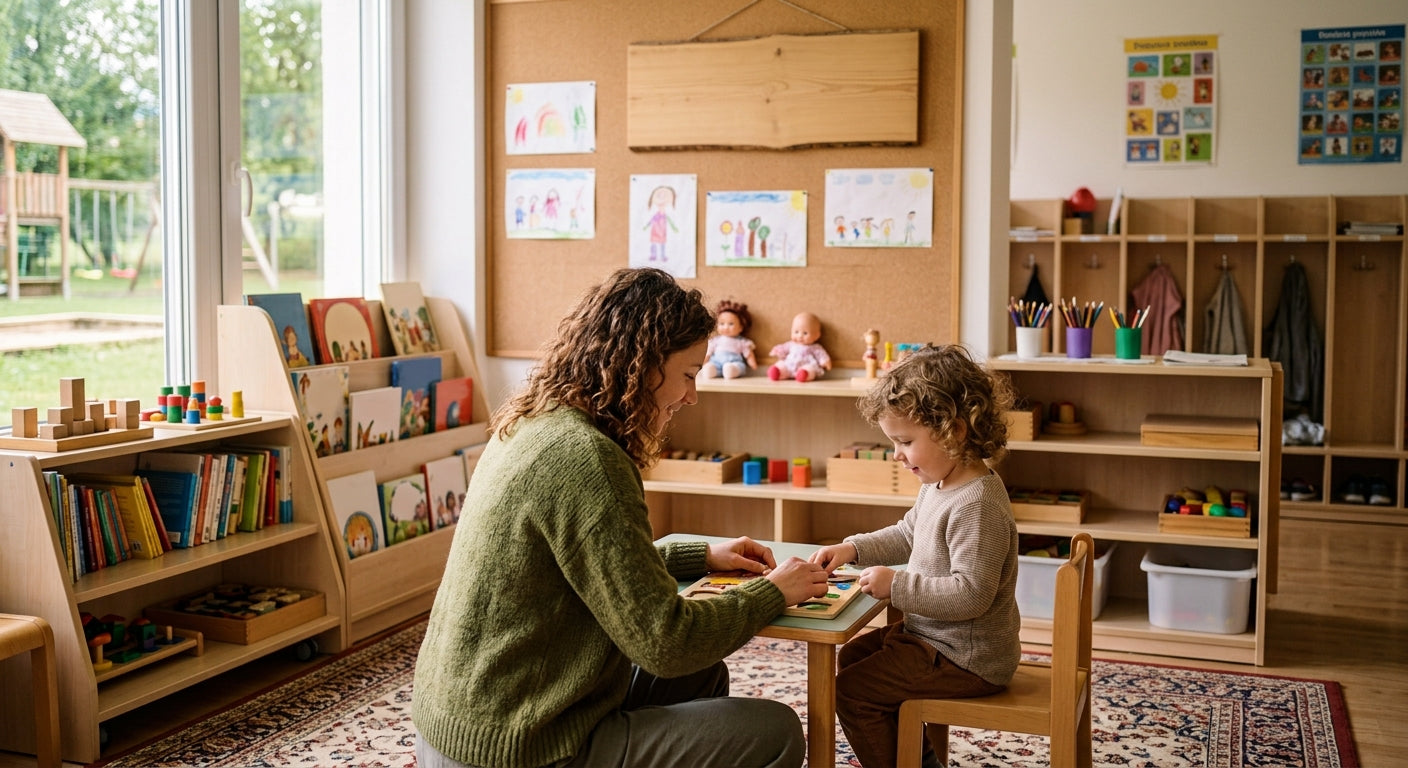
After that, we create a treatment plan with specific goals. Therapy sessions are often play-based for younger kids and more structured for older children, but they should always feel engaging.
Kids learn best when they're motivated, comfortable, and having fun. That's not a bonus. That's the strategy.
And yes, repetition matters. But it shouldn't feel like a drill. It should feel like progress.
Common Speech and Language Disorders in Kids
Kids can struggle with communication in different ways, and it helps to know what you're actually looking at. Here are some of the most common speech and language disorders we see in children:
Speech Sound Disorders
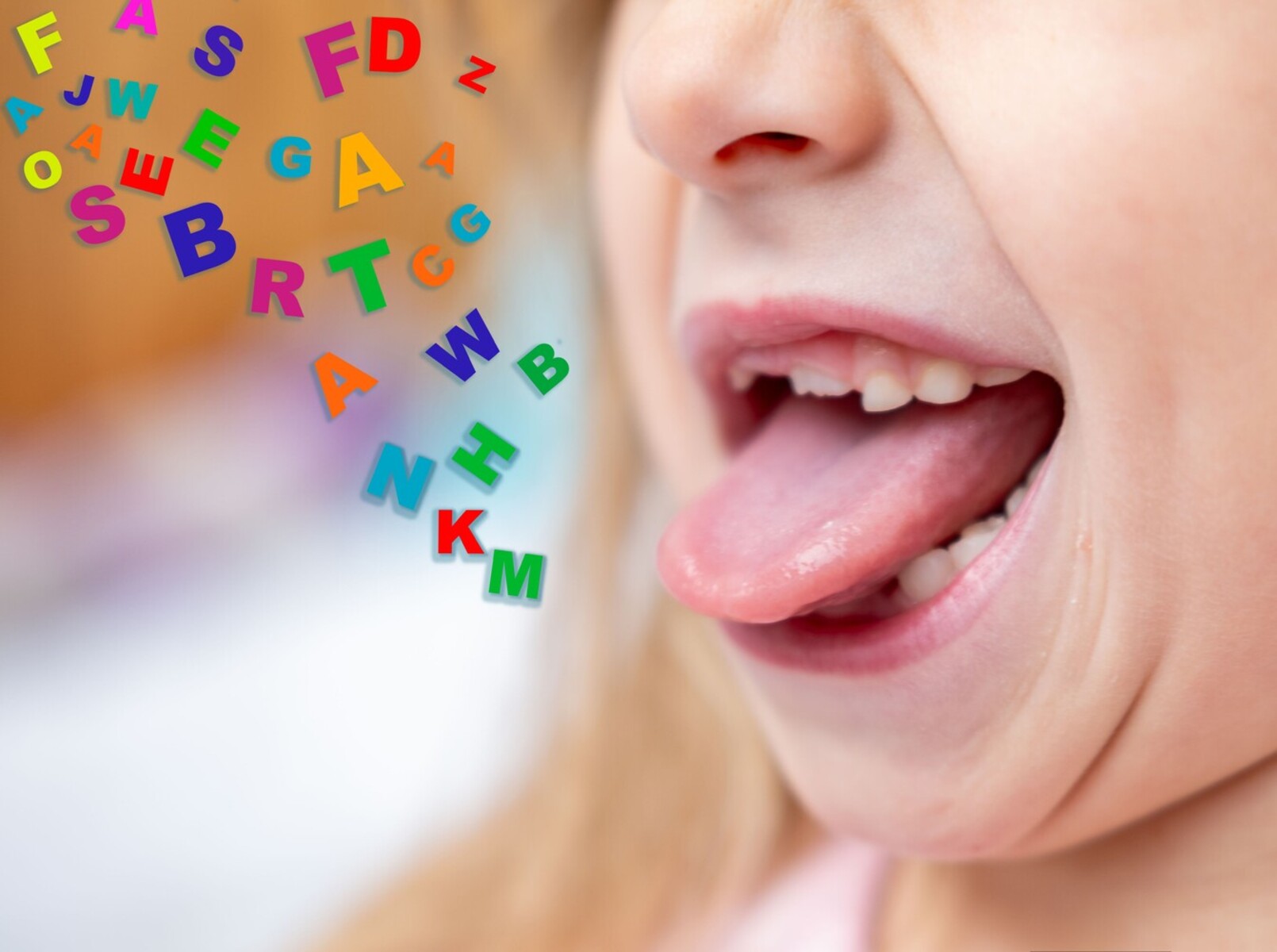
Speech sound disorders happen when a child has trouble producing specific speech sounds clearly. This can include difficulty with individual sounds, like “r” or “s”, or patterns that affect many sounds at once, for example, using “t” for “k”, “tup” for “cup”, or “d” for “g”, and “doe” for “go”.
When speech is hard to understand, kids may repeat themselves often, speak less in group settings, or get frustrated when others don't understand what they mean.

Language Disorders
Language disorders involve difficulty understanding language, using language, or both. A child may struggle to follow directions, learn new words, answer questions, or express ideas clearly.
Language challenges can affect school performance, friendships, and confidence, especially as classroom expectations increase.
Fluency Disorders (Stuttering)
Fluency disorders affect the smooth flow of speech. A child may repeat sounds or words, stretch sounds out, or get “stuck” trying to talk.
Some disfluency can be part of typical development, but persistent stuttering or frustration with speaking is worth addressing early.
Social Communication Challenges
Some children struggle with the social rules of communication. They might interrupt often, miss cues, have trouble staying on topic, or struggle with back-and-forth conversation.
These skills matter. Social language affects friendships, classroom participation, and how comfortable a child feels in groups.
Signs Your Child Might Need Speech Therapy
Parents are usually the first to notice when something feels off. Trust that instinct. You don't need to diagnose anything. You just need to notice patterns.
Here are some signs your child might benefit from speech therapy:
1. Your Child Is Hard to Understand
If people outside the family regularly struggle to understand your child, that's an important clue. It's especially worth noting if your child becomes frustrated when repeating themselves or starts avoiding talking.
Speech clarity should improve steadily over time. If it's not, speech therapy can help.

2. Your Child Isn't Talking Much for Their Age
Every child develops at their own pace, but there are general milestones that help guide us. If your child isn't using words, isn't combining words, or isn't expanding language as expected, an evaluation can provide clarity.
Sometimes kids are “late talkers” who catch up naturally. Sometimes they need support to get things moving. The sooner you know which one it is, the better you'll feel.
3. Your Child Struggles to Follow Directions
If your child has trouble following simple directions, especially ones they've heard many times, it may be a receptive language concern.
Pay attention to whether they understand what you're saying or whether they rely on routines, gestures, or guessing.
4. Your Child Has a Small Vocabulary
Some kids use the same few words over and over. Others rely heavily on pointing, sounds, or gestures when they can't find the words.
A limited vocabulary can affect learning and social interaction. It can also lead to big emotions when communication breaks down.
5. Your Child Gets Frustrated Easily When Communicating
This one shows up a lot. Kids who struggle to communicate may melt down more often, especially during transitions, group activities, or moments when they want something badly.
Frustration doesn't always mean behavior problems. It can mean your child doesn't have the tools yet to express what they need.
6. Your Child Avoids Talking or Social Interaction
Some kids get quiet in group settings. Some avoid answering questions. Others let siblings speak for them.
If your child seems anxious about speaking, avoids eye contact when talking, or withdraws from social interaction, speech therapy can help build confidence and skills at the same time.

Benefits of Speech Therapy for Kids
Speech therapy isn't just about saying sounds correctly. It can change how a child experiences the world. Here are some of the biggest benefits we see:
1. Clearer Speech and Better Understanding
When children learn how to produce sounds more accurately and organize their language, communication becomes smoother. They're understood more often, and they understand others more easily. That reduces stress for everyone.
2. Stronger Confidence
Kids notice when they're not being understood. They notice when others guess wrong. They notice when they're left out of conversations.
When speech and language improve, confidence follows. You'll often see more talking, more storytelling, and more willingness to participate.
3. Better School Success
Speech and language skills support reading, writing, spelling, and comprehension. They also help kids follow classroom directions and express what they know.
Speech therapy can strengthen the foundation that makes learning easier.
4. Improved Social Skills and Friendships
Communication is the heart of connection. Speech therapy helps kids practice turn-taking, asking questions, staying on topic, and repairing communication breakdowns.
Those skills can make playdates, group projects, and friendships feel less stressful.
5. Less Frustration at Home
When kids can communicate their needs clearly, you often see fewer tantrums and fewer power struggles. It's not magic. It's communication.
Want to know more before you commit? Check out our guide on how much is speech therapy for kids.

What Can Parents Do for Their Kids at Home?
You don't need to be an SLP to support speech and language growth. You just need a few smart speech therapy tips for kids and a little consistency:
1. Narrate Your Day
Talk through what you're doing as you go. Keep it natural. You're not giving a lecture. You're giving your child a language model.
Try: “We're washing hands. Soap on. Rub, rub, rub. Rinse. All done.”
This builds vocabulary and sentence structure without pressure.
2. Use Choices to Encourage Words
Instead of asking yes-or-no questions, offer choices that invite a verbal response.
Try: “Do you want apple slices or crackers?”
If your child points, model the words: “Crackers. You want crackers.”
Choices create opportunities for speech in a low-stress way.
3. Expand What Your Child Says
If your child says one word, you can add one or two words to build language.
Child: “Dog.”
You: “Big dog.”
Or: “The dog's running.”
This technique helps kids learn grammar and longer phrases without being corrected.
4. Read Books With Interaction
Reading is one of the best ways to build language. But it works best when it's interactive.
Pause. Point to pictures. Ask simple questions. Let your child finish familiar lines, or fill in the blanks.
Even if they only answer with a sound or gesture, you can model the words. The goal isn't perfect reading. The goal is conversation.

5. Practice Speech Sounds With Visual Cues
For kids working on speech sound clarity, visual cues can be incredibly helpful. They make an abstract sound feel more concrete.
We recommend the BIG BOX of Bjorem Speech Sound Cues because it gives kids clear, kid-friendly visual prompts for different sounds. That can make home practice easier and more effective, especially when your child needs help with sound placement and consistency.
6. Build Turn-Taking Through Simple Games
Turn-taking is a core communication skill. Games that involve “my turn, your turn” build language, patience, and social interaction all at once.
Try rolling a ball back and forth, playing matching games, or doing simple pretend play. Keep the language short and repetitive. Kids learn through rhythm and repetition.
7. Slow Down and Wait
This one feels simple, but it's powerful. After you ask a question or model a phrase, pause. Give your child time to respond. Many kids need extra processing time, especially if language is hard for them.
A little silence can create space for a big moment.
Conclusion
If you're wondering whether speech therapy could help your child, you're already doing something important. You're paying attention. You're showing up. And you're looking for answers instead of guessing in the dark.
Don't wait–evaluate. If you have concerns about your child's speech or language development, seeking an evaluation with a speech-language pathologist is a proactive and supportive step. Early intervention matters, and getting help early will never harm a child, but waiting can mean missing valuable time when the brain is most ready to learn.
Speech therapy for kids is supportive, personalized, and often surprisingly fun. Home strategies can help, too, especially when they're simple, consistent, and pressure-free.
If you're ready to support your child with tools that make practice clearer and more fun, shop Bjorem Speech. Our resources are created by speech therapists and designed to help kids build real communication skills at home and in therapy.