

Helping a child learn to speak and communicate clearly can feel overwhelming. We've seen it countless times at Bjorem Speech. Parents want to help, but they often don't know exactly where to start. That's okay.
Speech development is a journey, and you don't need to have all the answers on day one. With a bit of structure, patience, and built-in fun, you can make speech practice a natural part of everyday life.
In this article, we'll walk you through practical, research-informed speech therapy tips for kids that you can use at home with confidence.
What this article covers:
- 12 Helpful Speech Therapy Tips for Kids That Parents Can Do at Home
- Speech Therapy for Children FAQs
12 Helpful Speech Therapy Tips for Kids That Parents Can Do at Home
Before diving in, it's important to know that children's speech therapy support at home doesn't have to be complicated or time-consuming. It also helps to understand what is speech therapy for kids first.
These tips are designed to fit naturally into your daily routines while giving your child meaningful opportunities to build speech and language skills:
1. Talk Often and Model Clear Speech
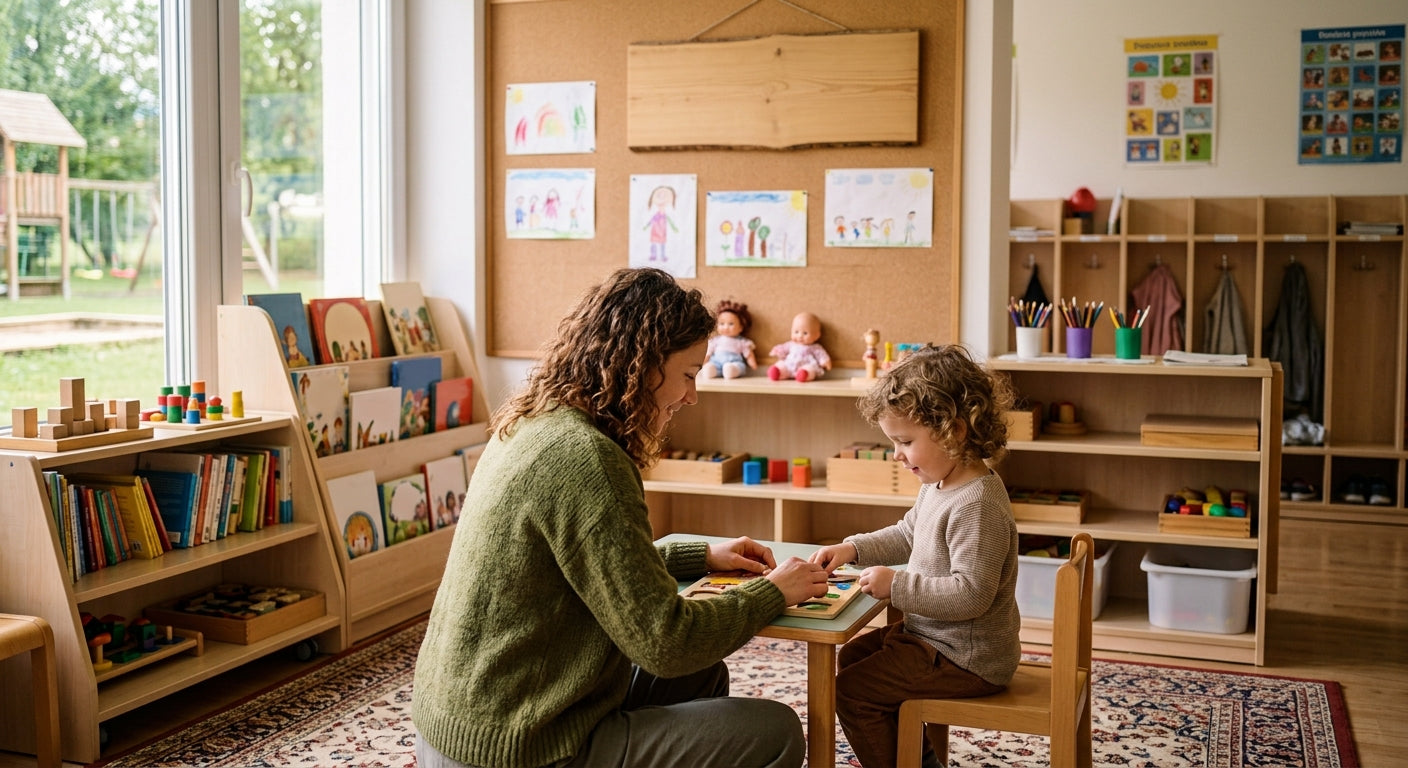
One of the most powerful tools you have is your own voice. Talk to your child throughout the day and describe what you're doing, what you see, and what's happening around you. Use clear, simple language that matches their developmental level.
When children hear consistent, accurate speech models, they're more likely to imitate sounds, words, and sentence patterns over time.

2. Offer Choices to Encourage Speech
Giving choices creates natural opportunities for communication. Instead of asking yes-or-no questions, offer two clear options.
This gently encourages your child to respond verbally rather than pointing or gesturing. It also helps build vocabulary and expressive language skills in a low-pressure way.
3. Keep Speech Practice Fun
Kids learn best when they're engaged and relaxed. Turn speech practice into play by using games, toys, and silly voices when appropriate. Praise effort, not just accuracy.
When children associate speech practice with positive experiences, they're more motivated to keep trying.
4. Use Daily Routines as Practice Time
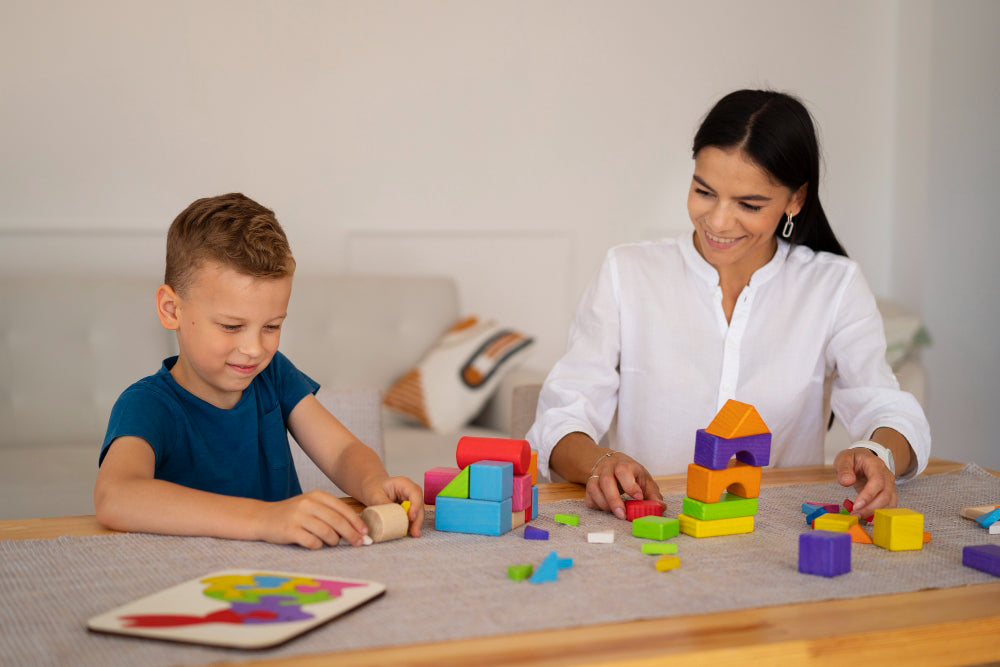
You don't need a separate “therapy hour” at home. Mealtimes, bath time, getting dressed, and bedtime routines are full of natural speech opportunities.
Talk about what you're doing, ask simple questions, and pause to give your child time to respond. These moments build real-world communication skills that carry over into everyday life.
5. Use Visual Supports
Visuals can be incredibly helpful for children who struggle with understanding or expressing language.
Pictures, cue cards, and simple visual schedules support comprehension and reduce frustration. They also give children another way to access language while they're building their verbal skills.
6. Read Together Every Day
Shared reading supports speech and language development in powerful ways. Read slowly, point to pictures, and talk about what's happening in the story.
Encourage your child to label objects, repeat familiar words, or finish simple phrases. The goal isn't to rush through the book. It's to interact and connect through language.

7. Practice Speech Sounds With Visual Cues
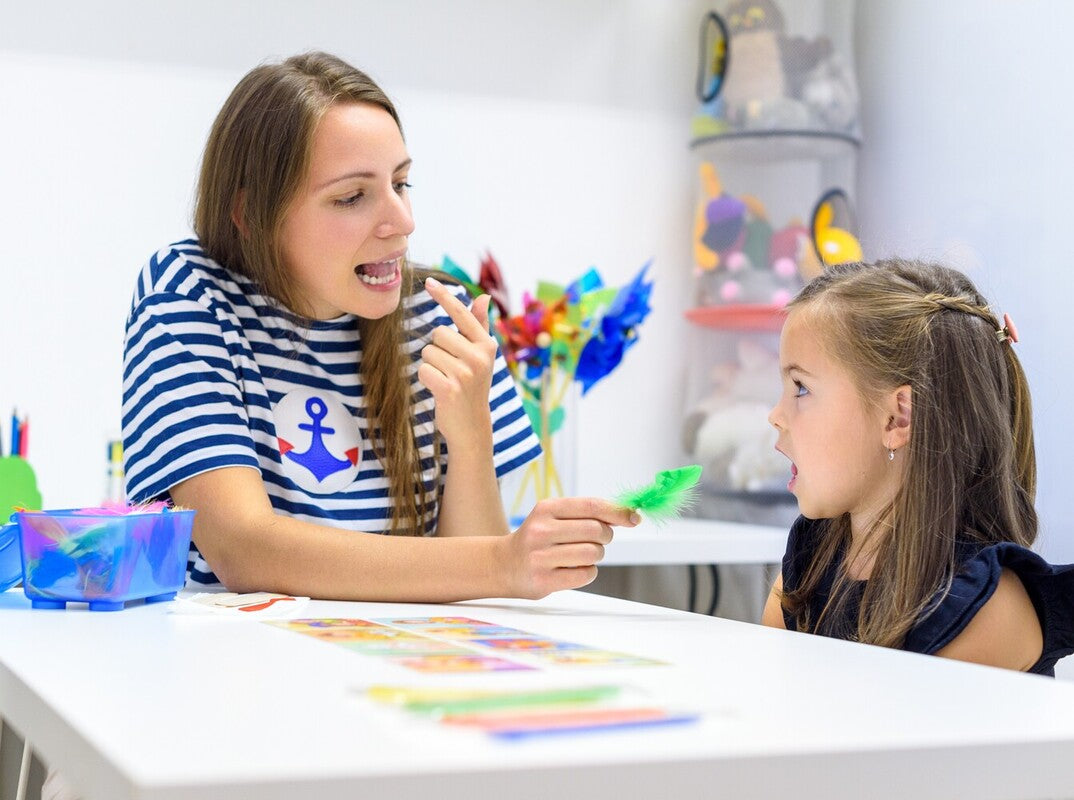
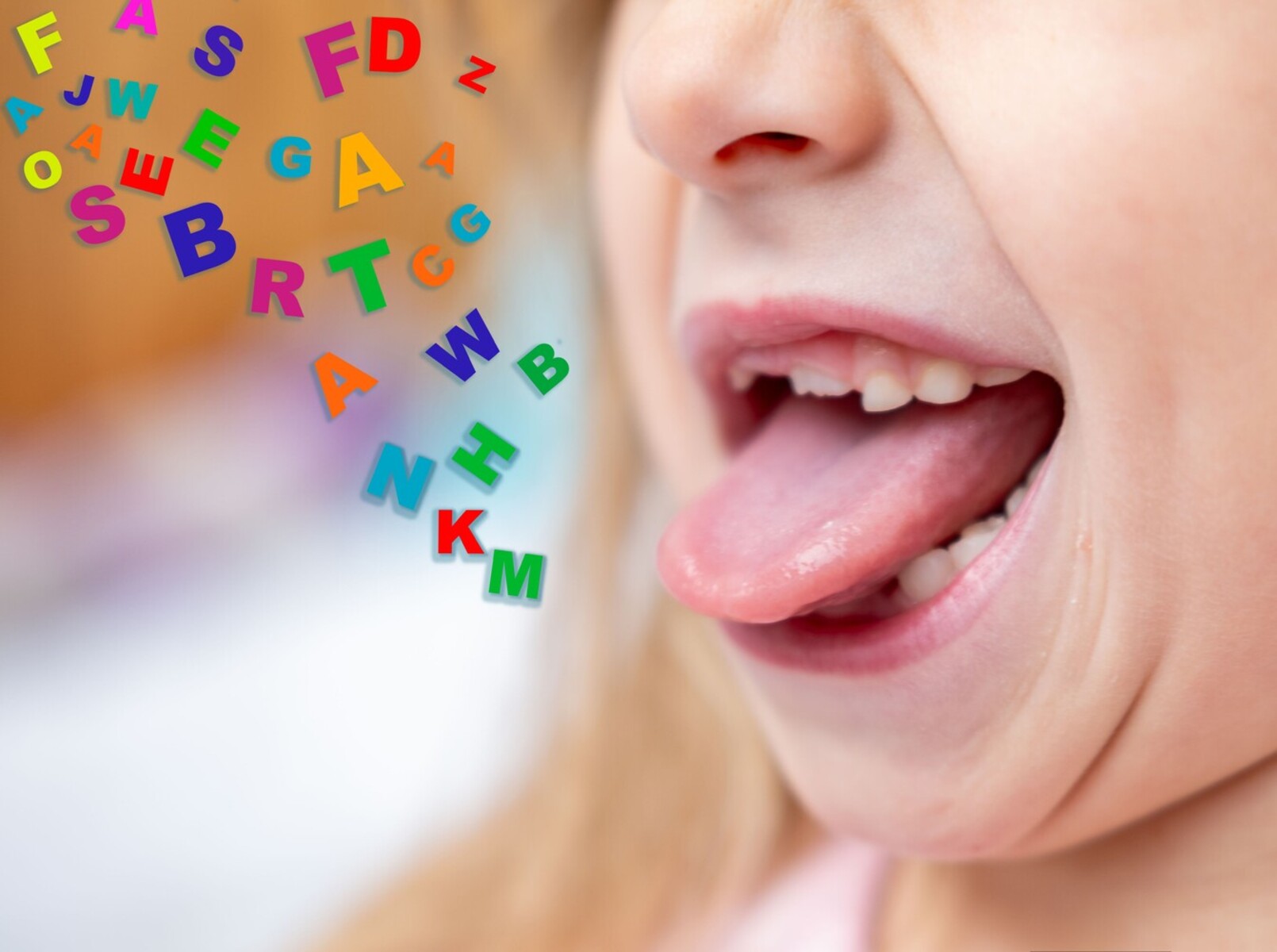
When a child is working on specific speech sounds, visual cues can make a big difference. Many children benefit from seeing a clear visual that helps them understand how a sound is made, not just hearing it. Visual cues give children an extra layer of support as they learn new sounds and improve clarity.
Bjorem Speech Sound Cues and Bjorem Speech Sound Cues – R are designed to anchor speech sounds to environmental sounds children already recognize, making abstract speech sounds more concrete and meaningful. This approach helps sounds “click” for kids because they connect new speech movements to something familiar.
Each card also includes a Cue-Tip™ on the back, offering parents simple guidance on how to model and practice sounds at home, always in collaboration with their child's speech-language pathologist.
8. Use Exclamatory Words and Environmental Sounds to Encourage Sound Imitation and Improve Clarity
When children are learning to talk or practice new words, exclamatory words and environmental sounds are some of the most effective (and most fun) ways to build early speech skills. Sounds like “wow,” “uh-oh,” “beep,” “vroom,” and “pop” are short, motivating, and easy for children to try.
Because they naturally occur during play and daily routines, kids are often more willing to imitate them than longer or more complex words.
Exclamatory words help children practice clear sound production, timing, and imitation without pressure. They also make practice feel like play rather than work.
Bjorem Speech's Exclamatory Words and What Sound? interactive QR Code tools are designed to give parents simple, engaging ways to model sounds, follow their child's interests, and build speech practice into everyday moments like playtime, bath time, or getting dressed.
Parents often share that these tools spark creativity and make it easier to know what to say and how to practice at home.
9. Model Expanded Language
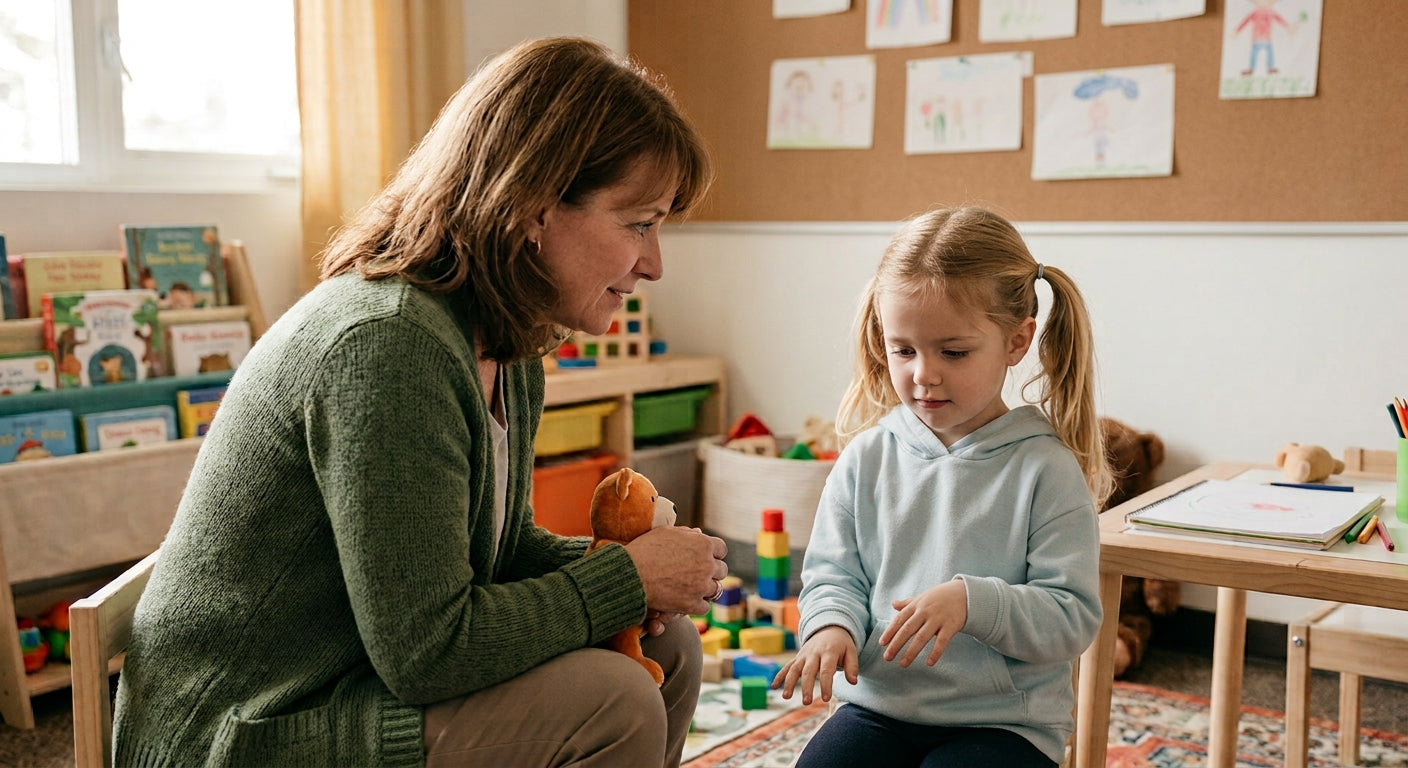
If your child uses short phrases or incomplete sentences, model a slightly longer version instead of correcting them directly. When a child says “car go,” you can respond with “Yes, the car is going fast.” This approach supports language growth while keeping communication positive and encouraging.
10. Celebrate Progress, Big and Small
Speech development doesn't always move in a straight line. Some days will feel easier than others.
Celebrate new sounds, longer phrases, and increased confidence, even if speech isn't perfect yet. Consistent encouragement builds motivation and helps children feel safe taking communication risks.

11. Slow Down and Allow Wait Time
Many children need extra time to process language and plan their responses. After asking a question or making a comment, pause for a few seconds before jumping in.
This wait time gives your child space to attempt a word or phrase on their own and supports stronger expressive language skills over time.
12. Follow Your Child's Lead
Pay attention to what your child is interested in and build language around that. When you talk about what they're already focused on, they're more likely to stay engaged and attempt communication.
This approach keeps practice meaningful and reduces pressure, especially for children who are hesitant talkers.
Want more structured support from a professional? Read our guide on how much is speech therapy for kids to find out more.
Speech Therapy for Children FAQs
How do I know if my child needs speech therapy?
If your child struggles to be understood, uses fewer words than peers, or becomes frustrated when communicating, a speech-language evaluation by a Speech Language Pathologist (SLP) can help clarify next steps. Don't Wait - Evaluate.
How long does it take to see progress in speech therapy?
Progress varies by child and depends on factors like age, consistency, and the nature of the speech challenge. Some children show changes quickly, while others improve gradually over time.
Should I correct my child every time they make a speech error?
Constant correction can discourage communication. It's more effective to model the correct sound or word naturally within your response.

Conclusion
Supporting your child's speech development at home doesn't have to feel intimidating. With consistent interaction, playful practice, and thoughtfully designed tools, you can create a supportive environment that helps your child grow as a communicator.
At Bjorem Speech, we believe parents play a vital role in this journey. When you weave these speech therapy tips for kids into daily life, progress feels more natural and more achievable.
If you have concerns about your child's speech or language, working with a speech-language pathologist is always the first step. Our evidence-based tools are designed by speech therapists to complement therapy, helping families support their child's goals at home alongside professional guidance.