
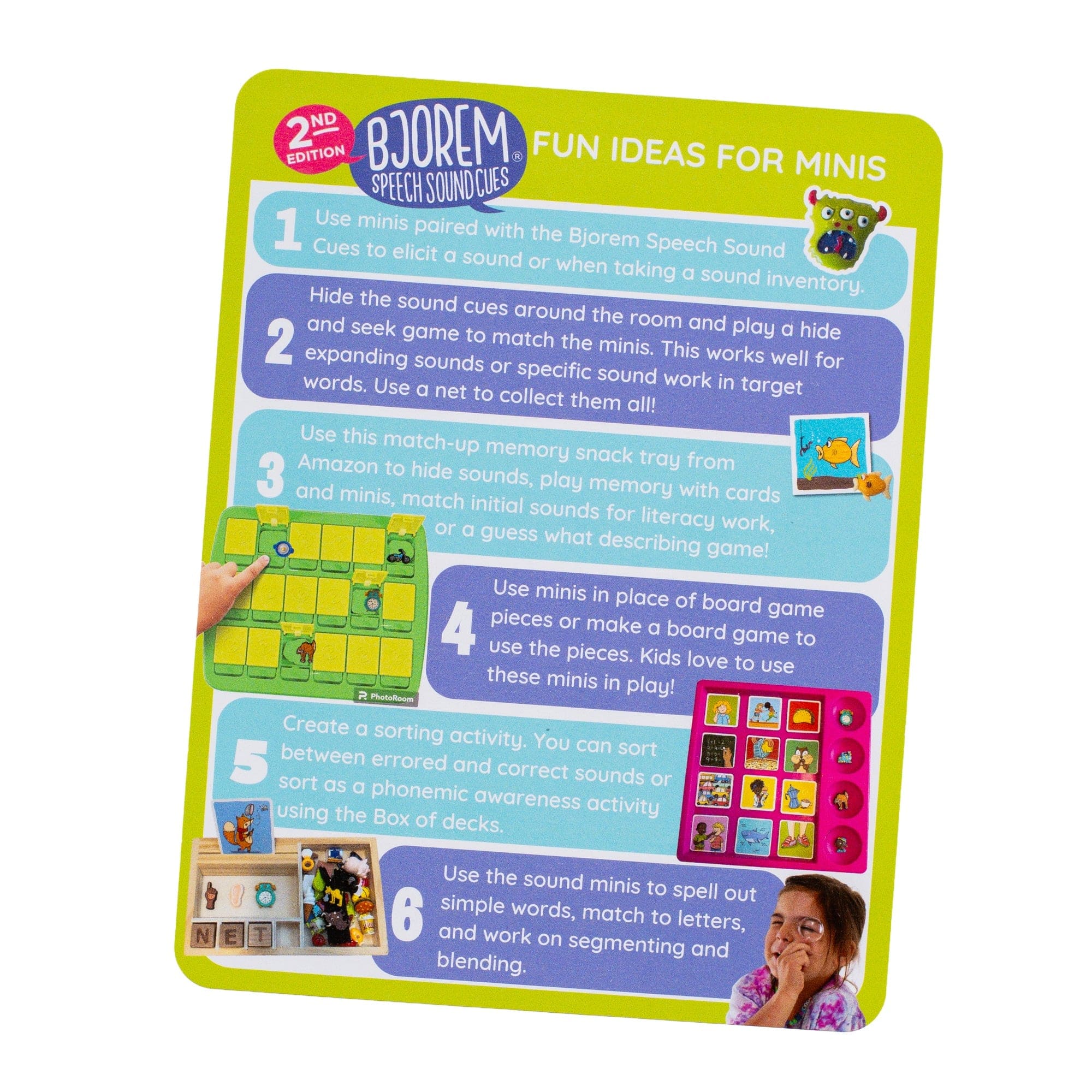
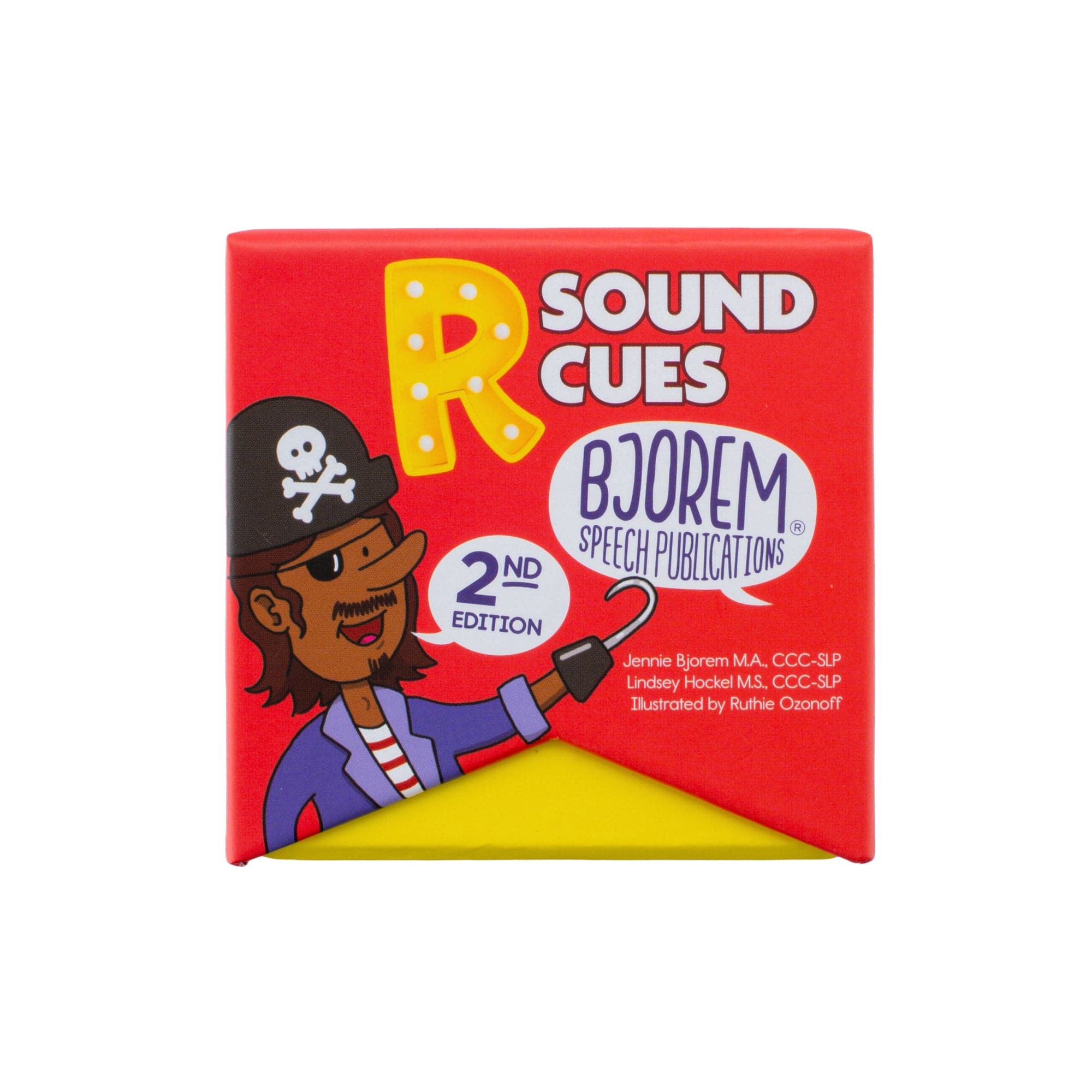
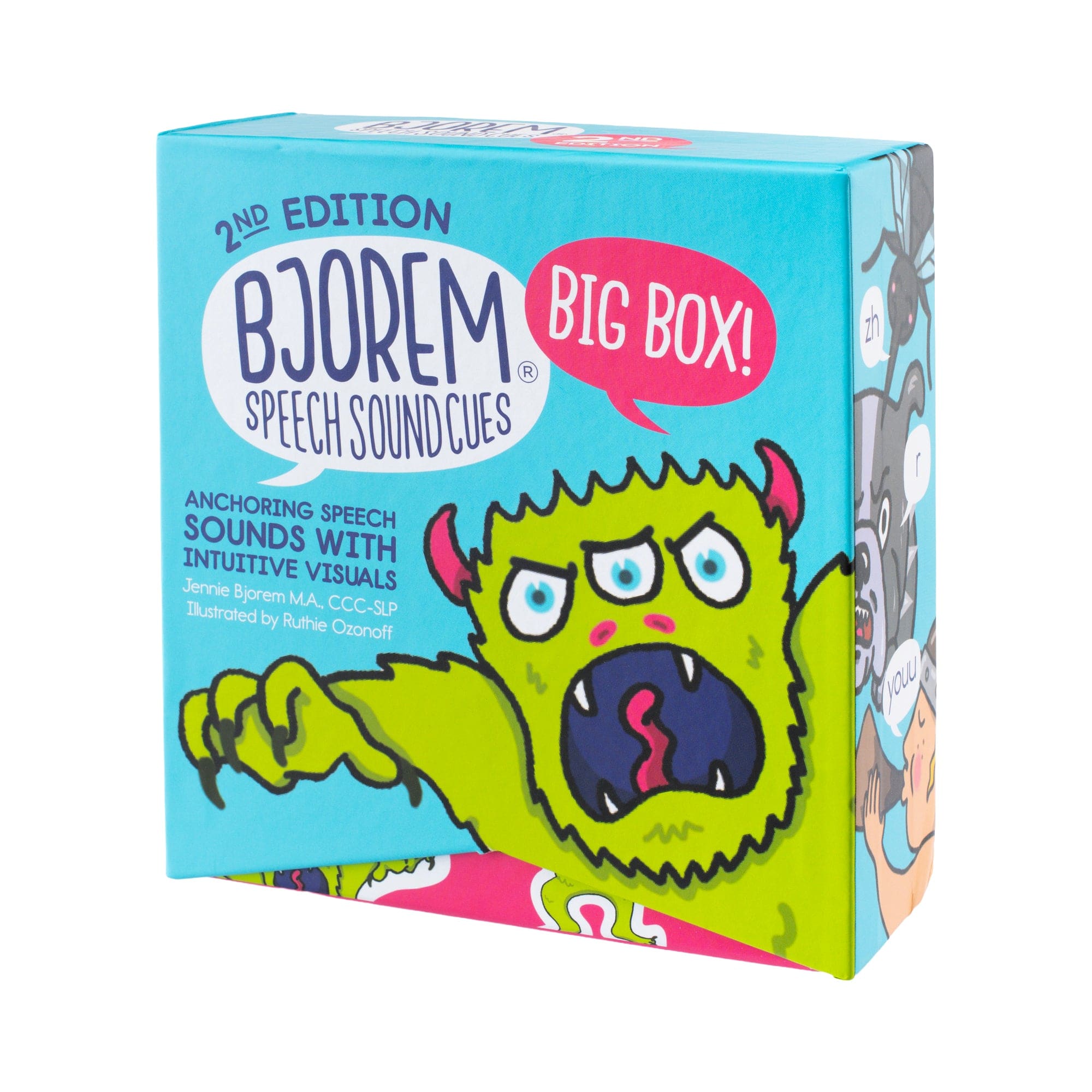
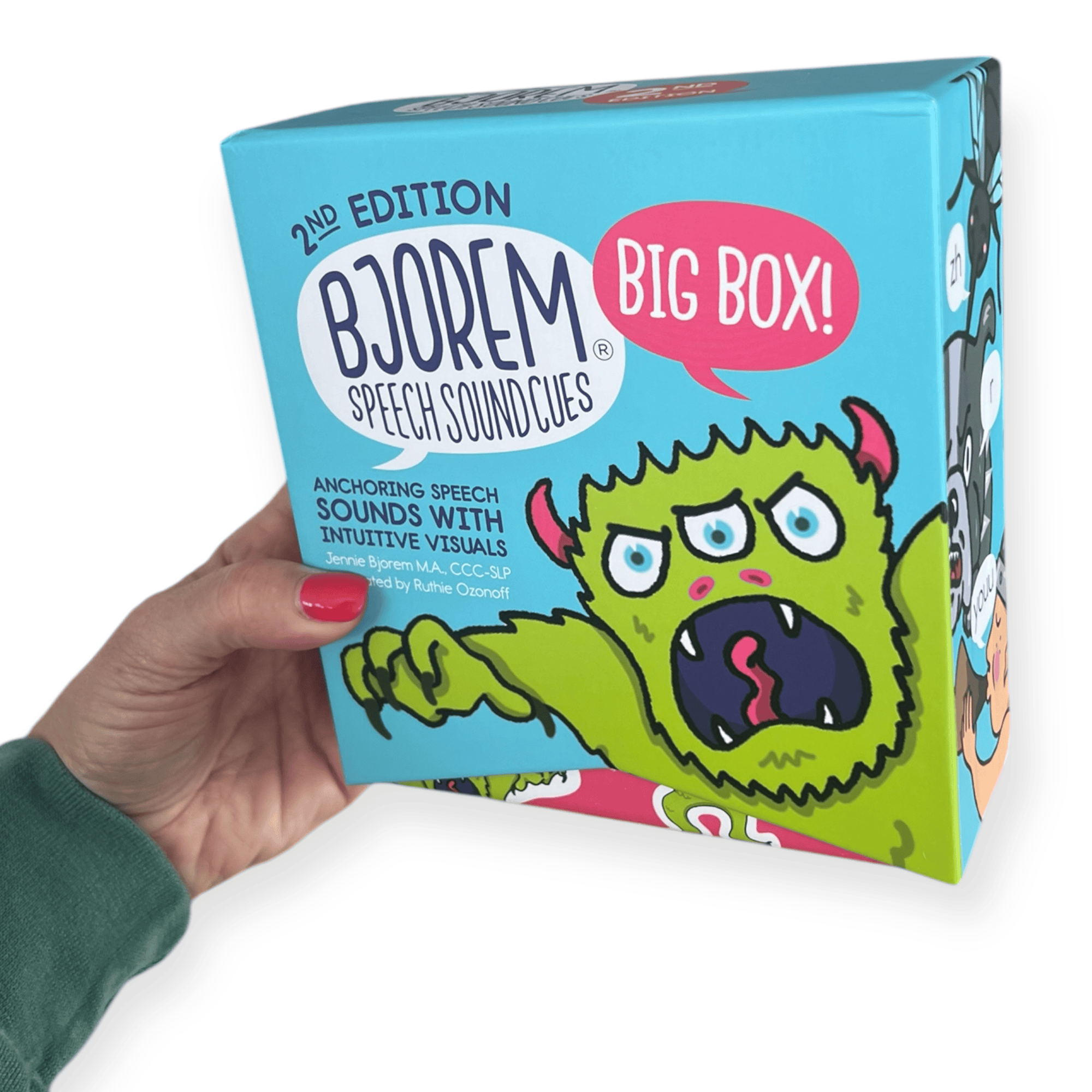




Bjorem PlayProof™ Poster: Bjorem Speech Sound Cues

Item

Arrival
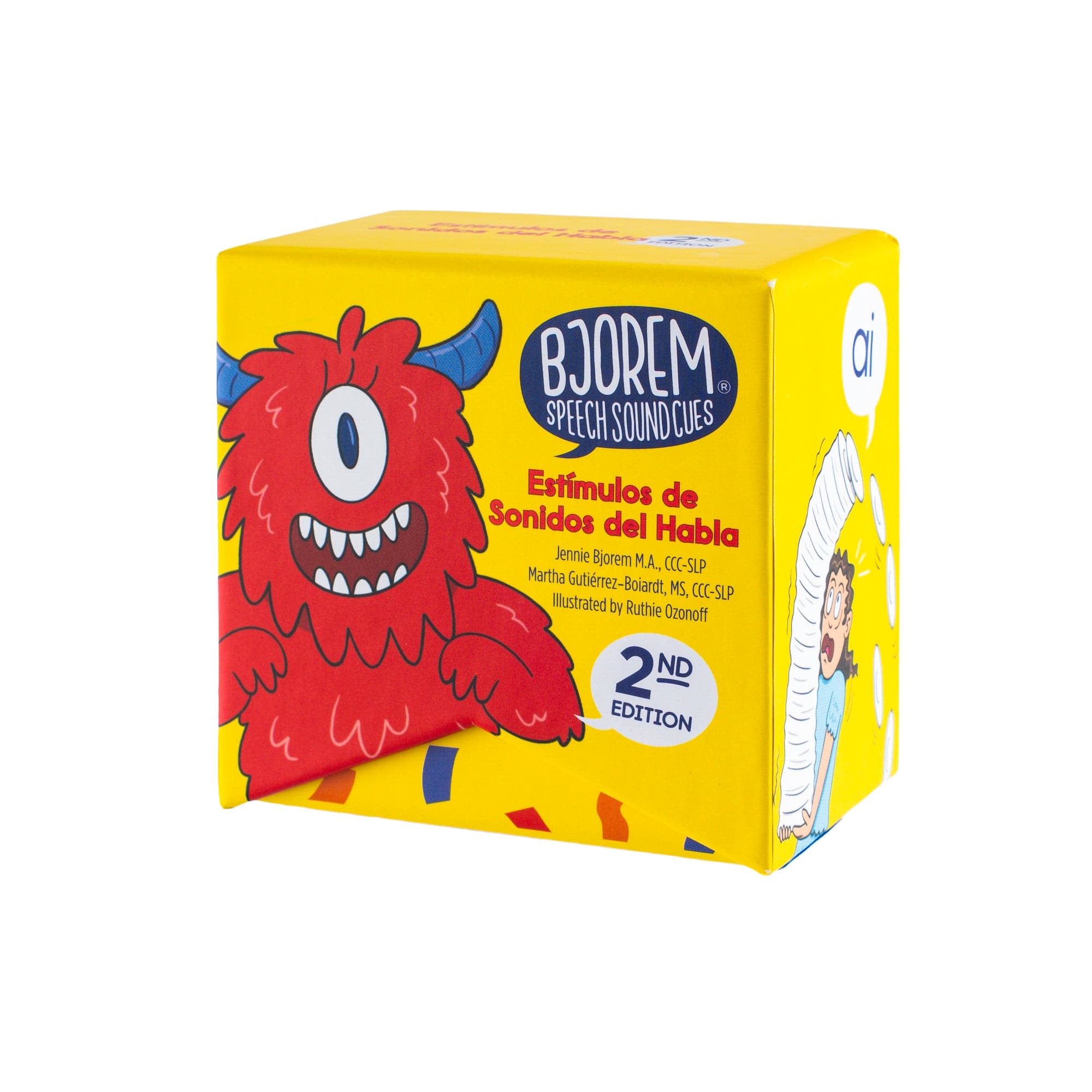
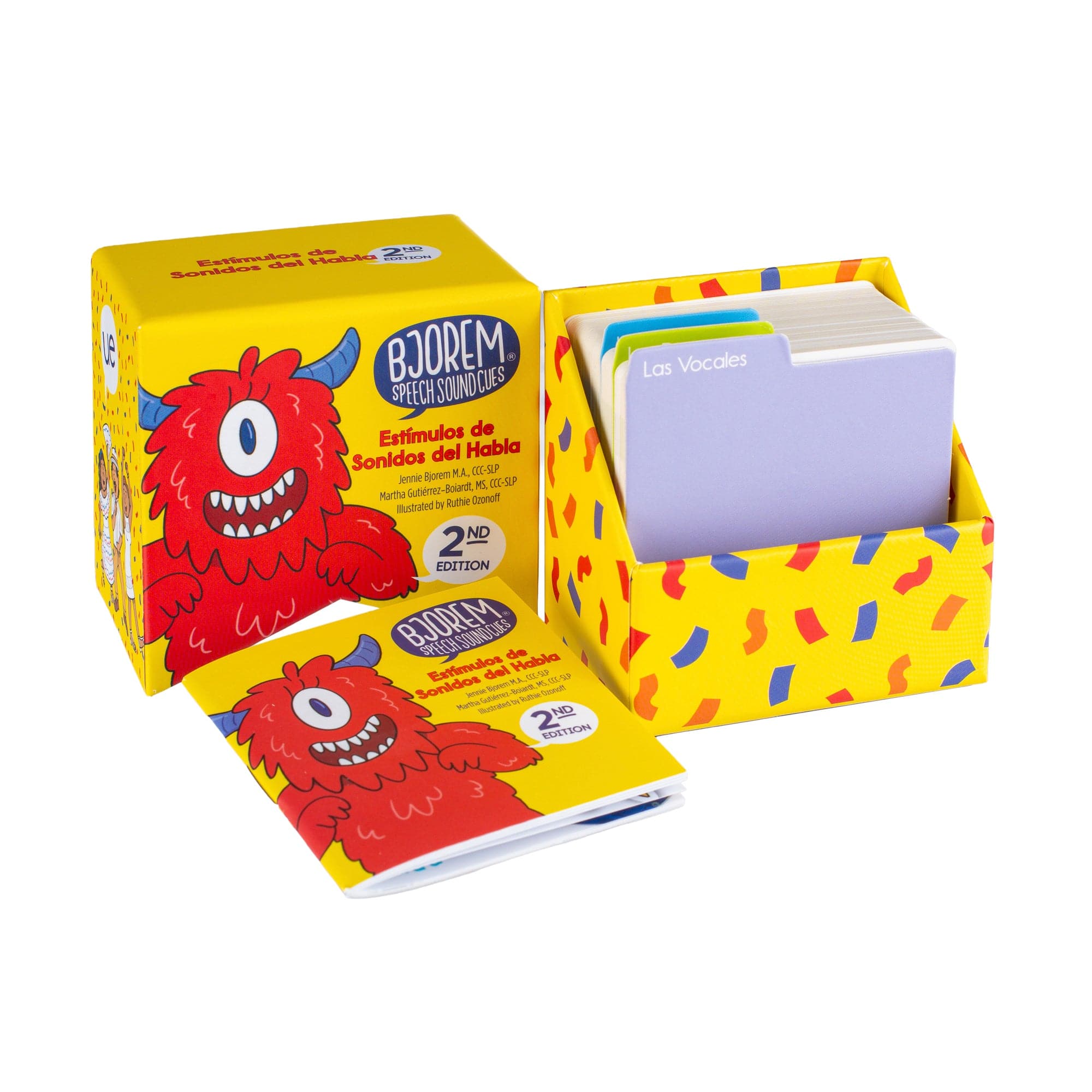
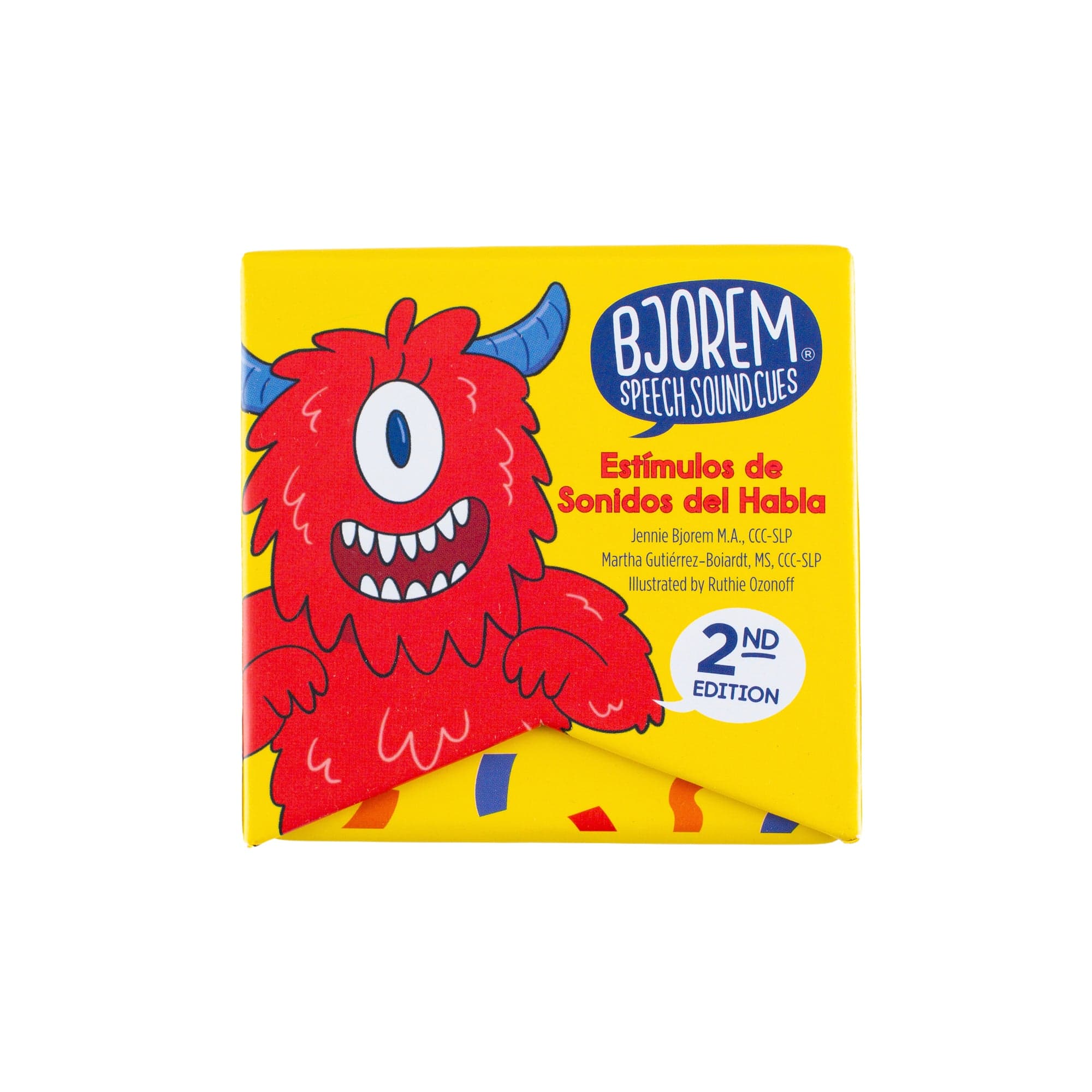
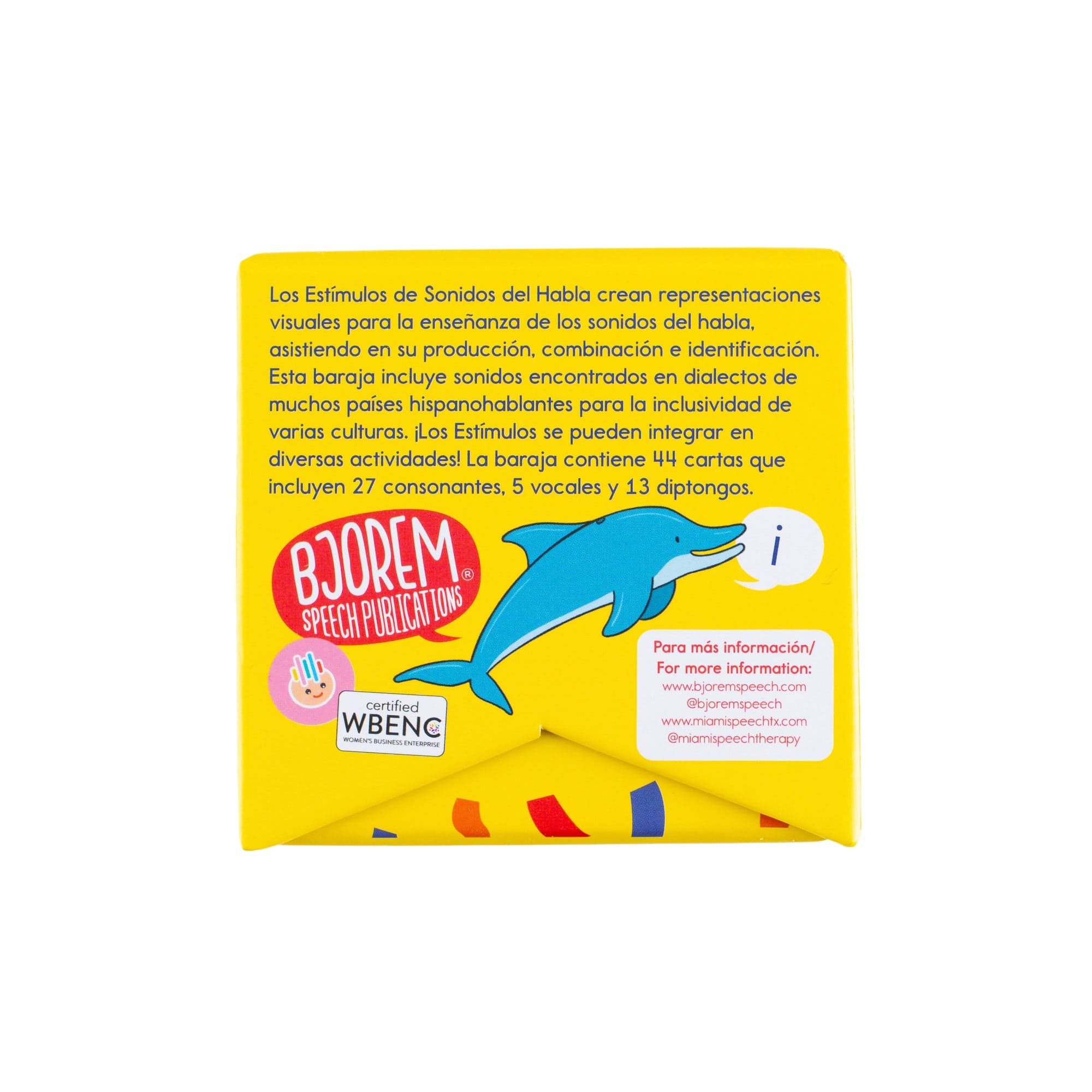
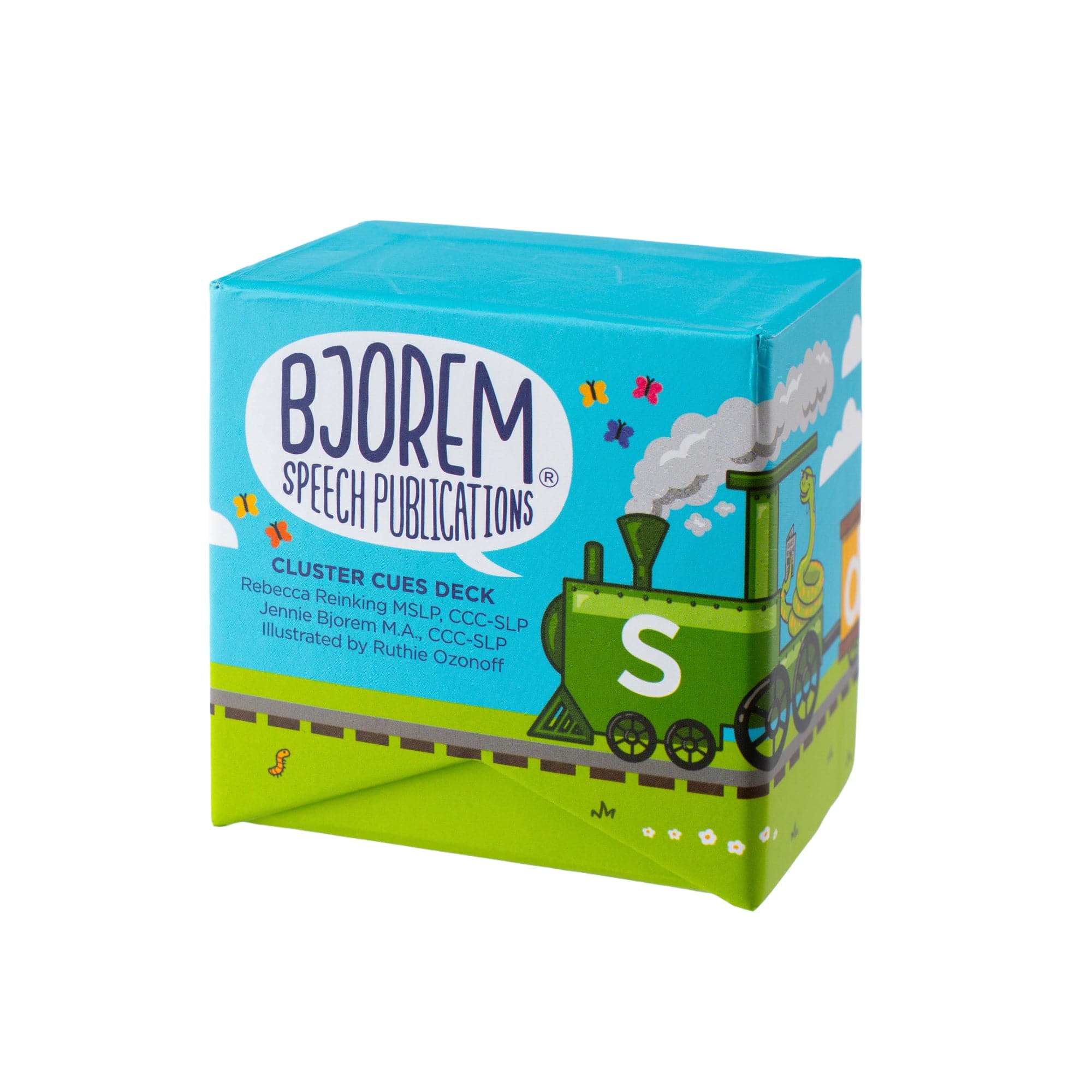
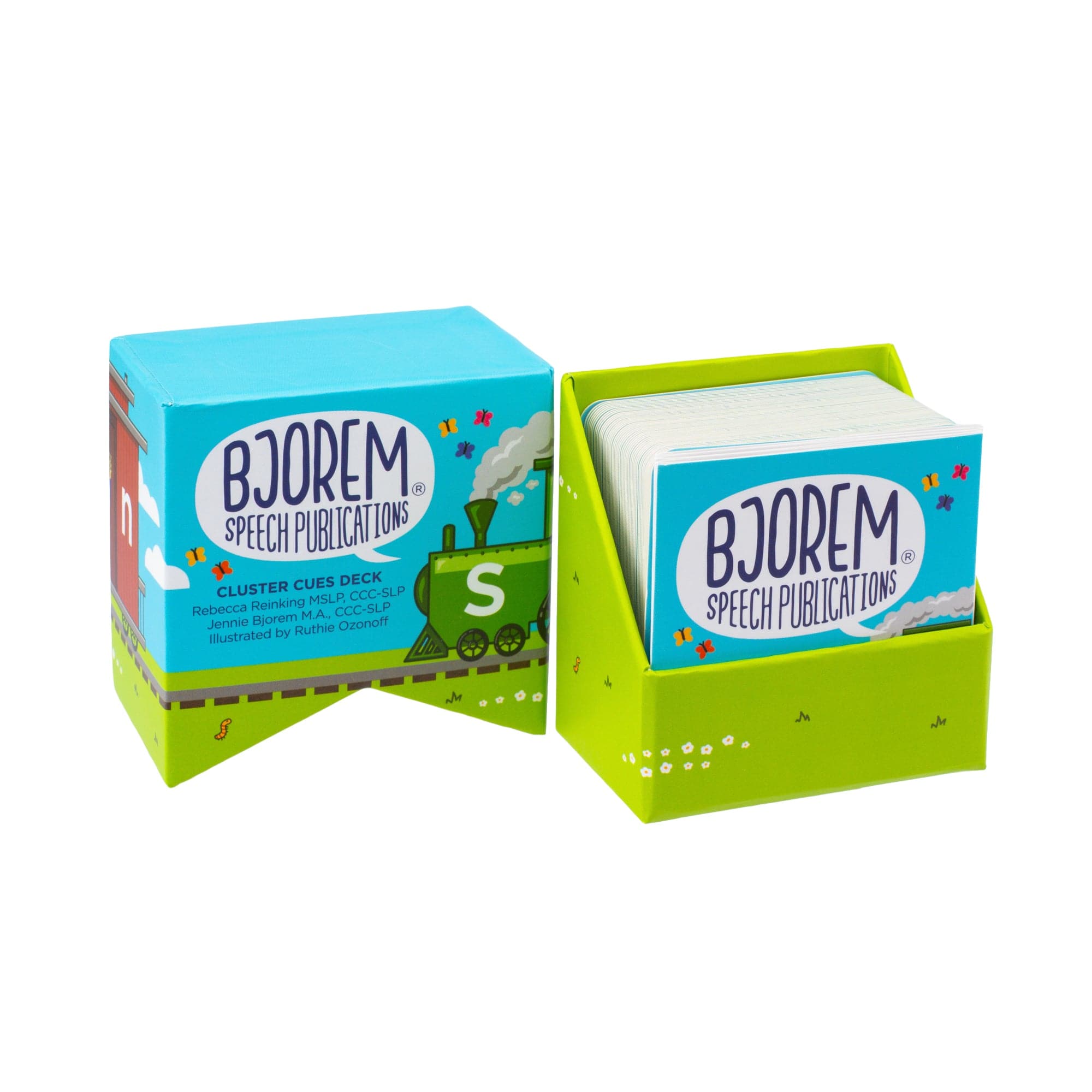
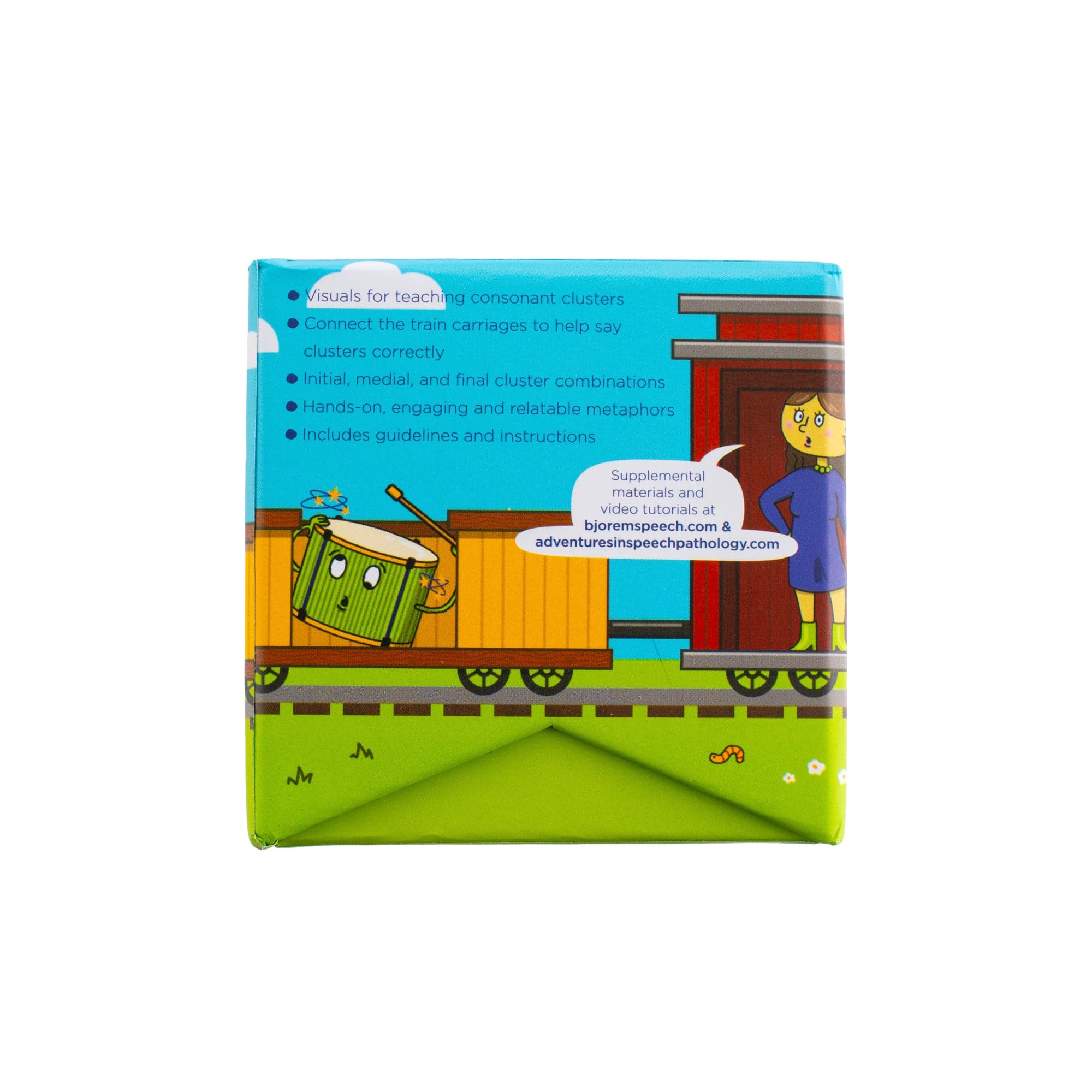


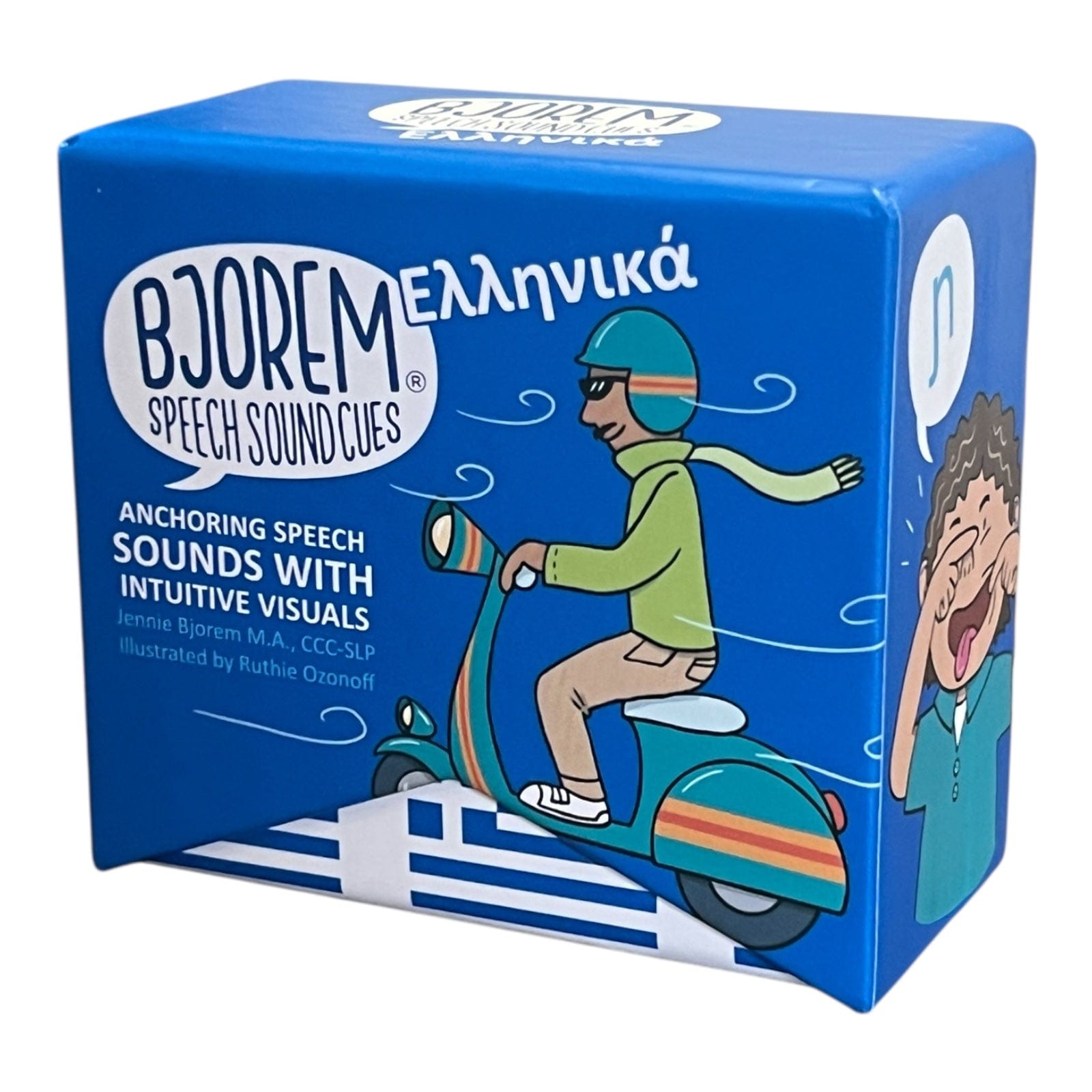
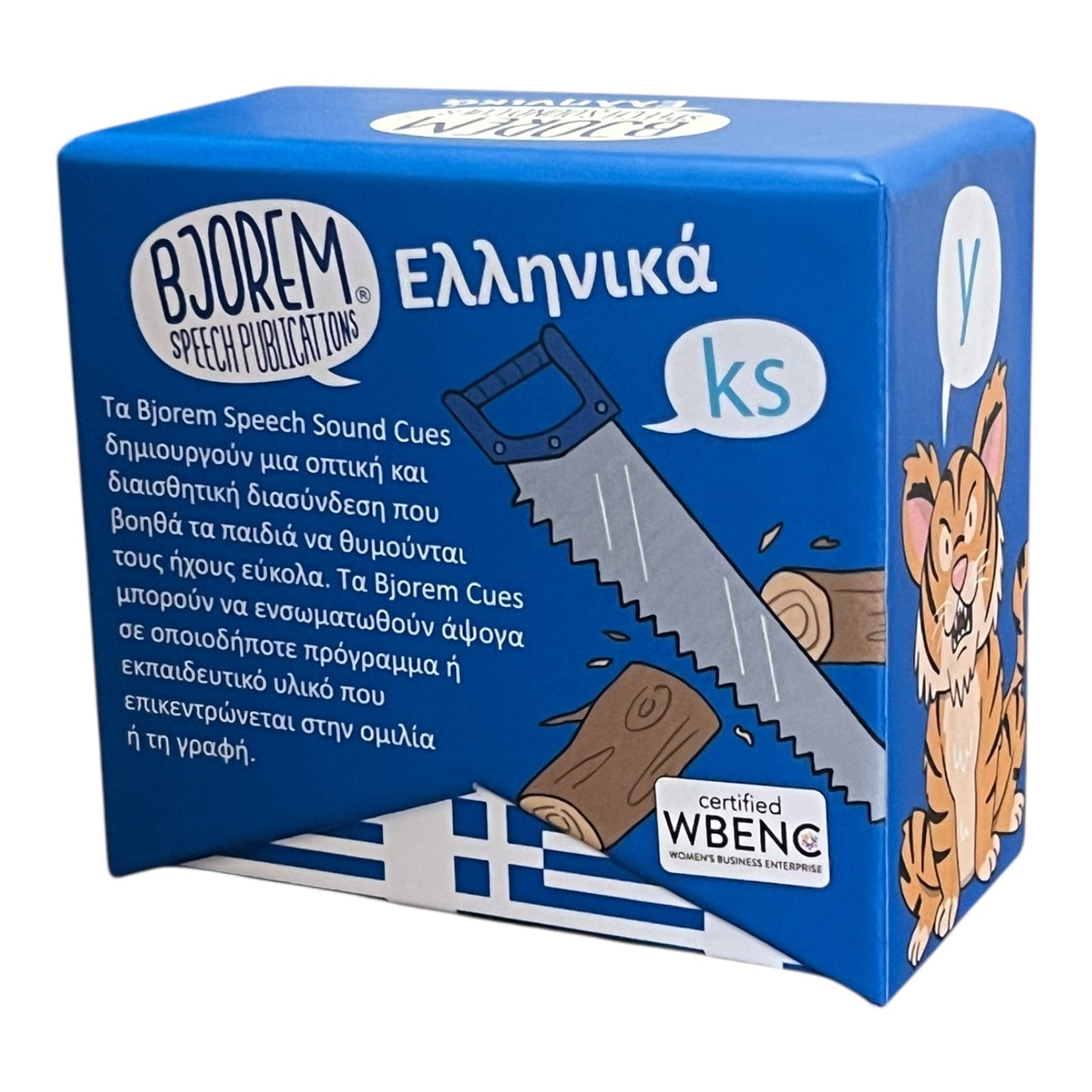
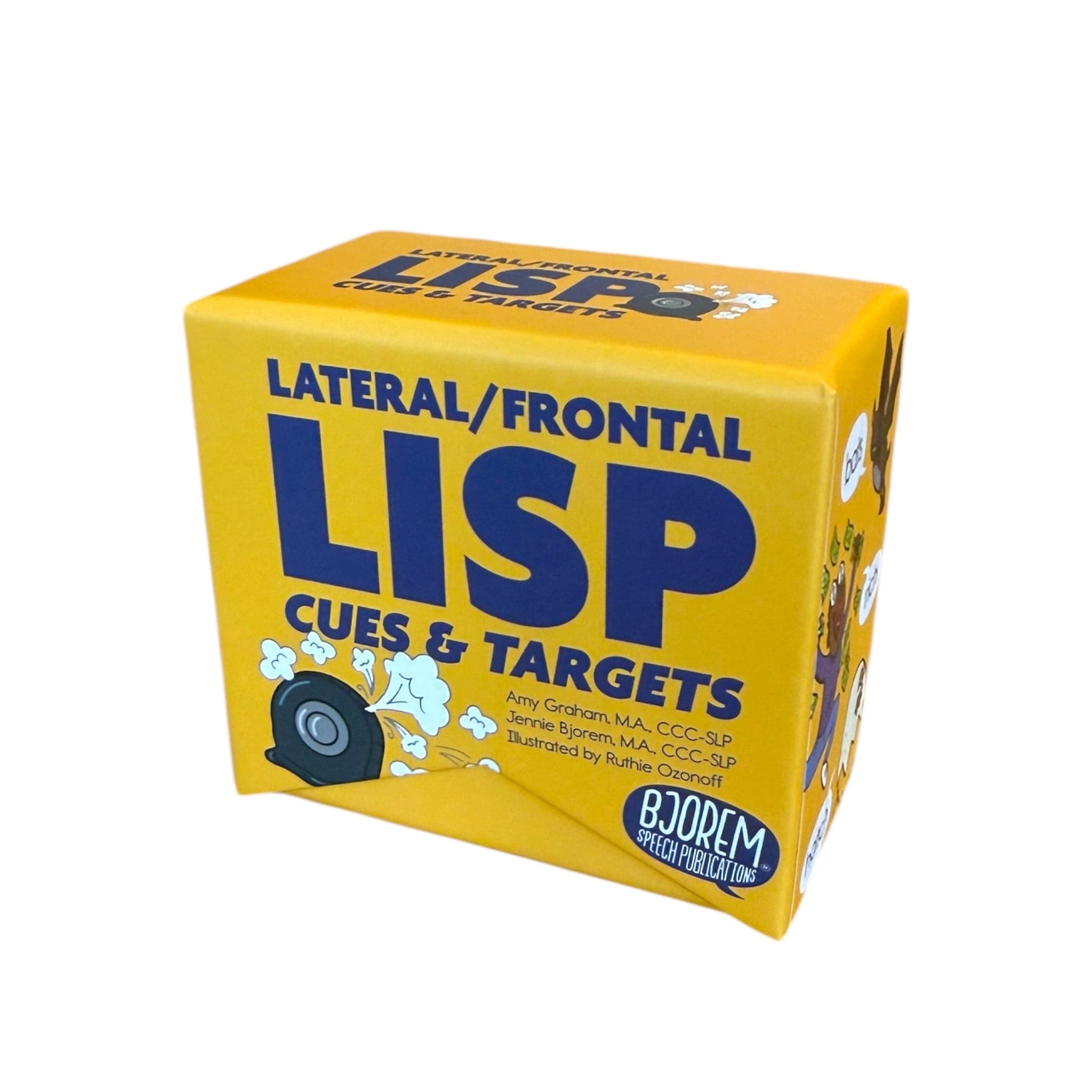
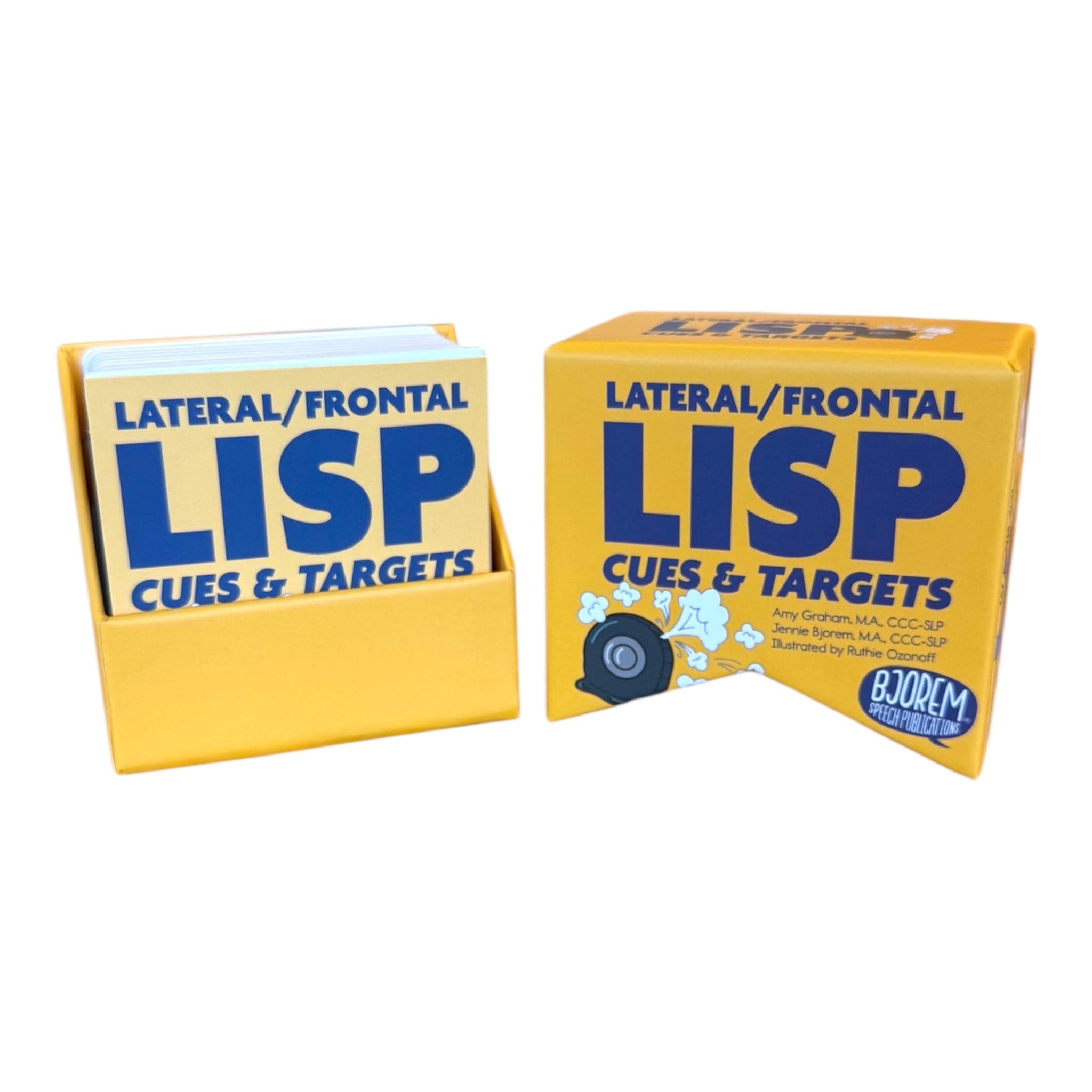
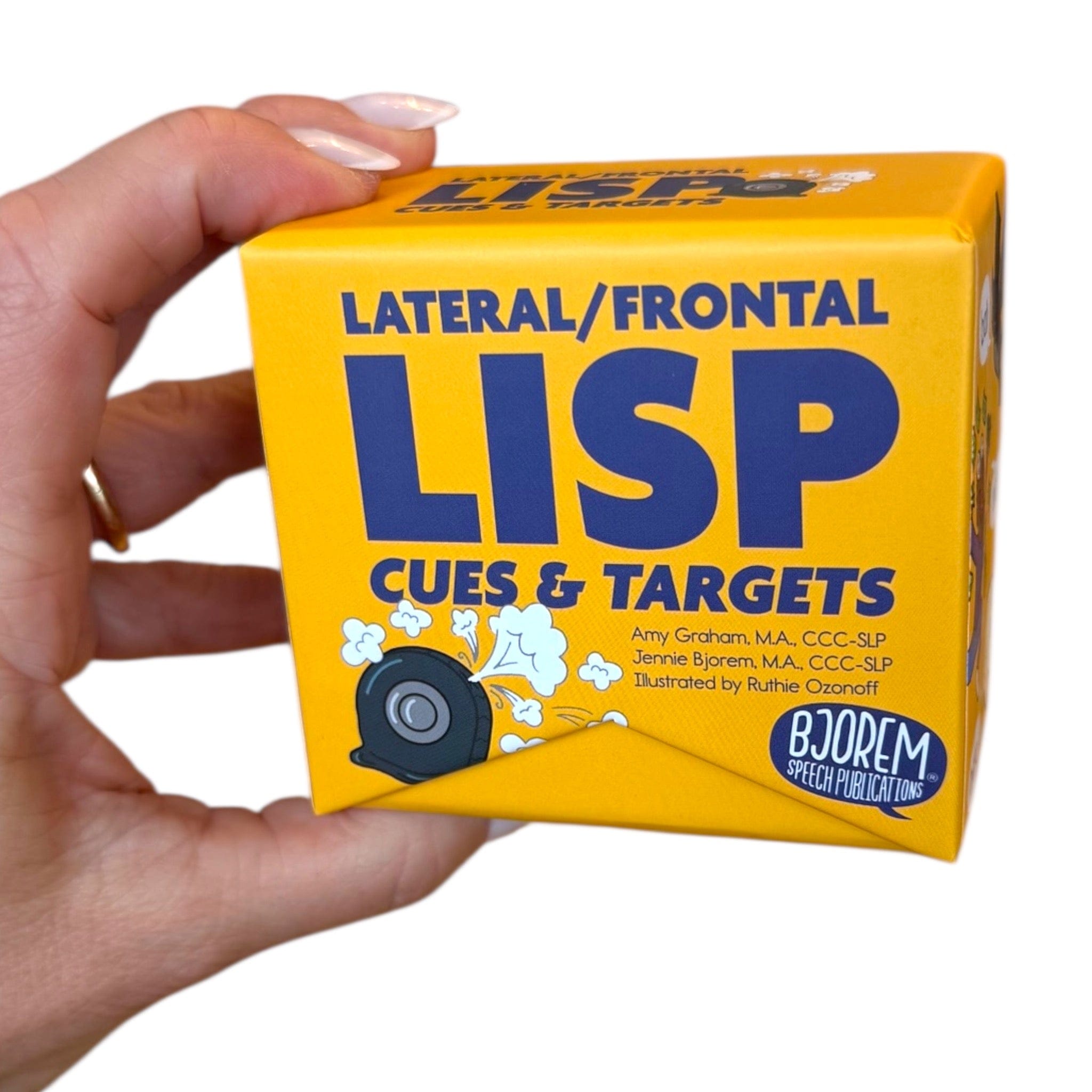
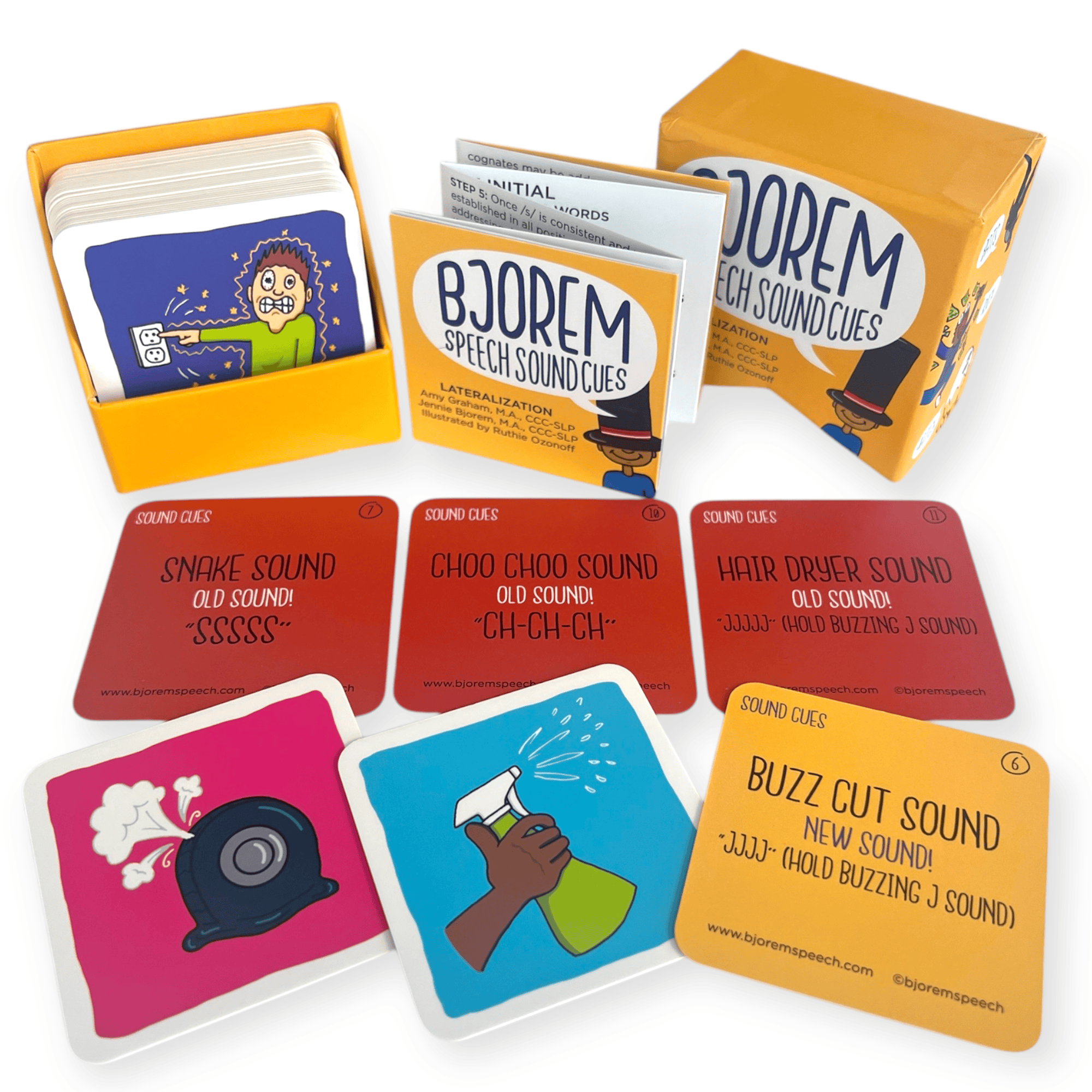
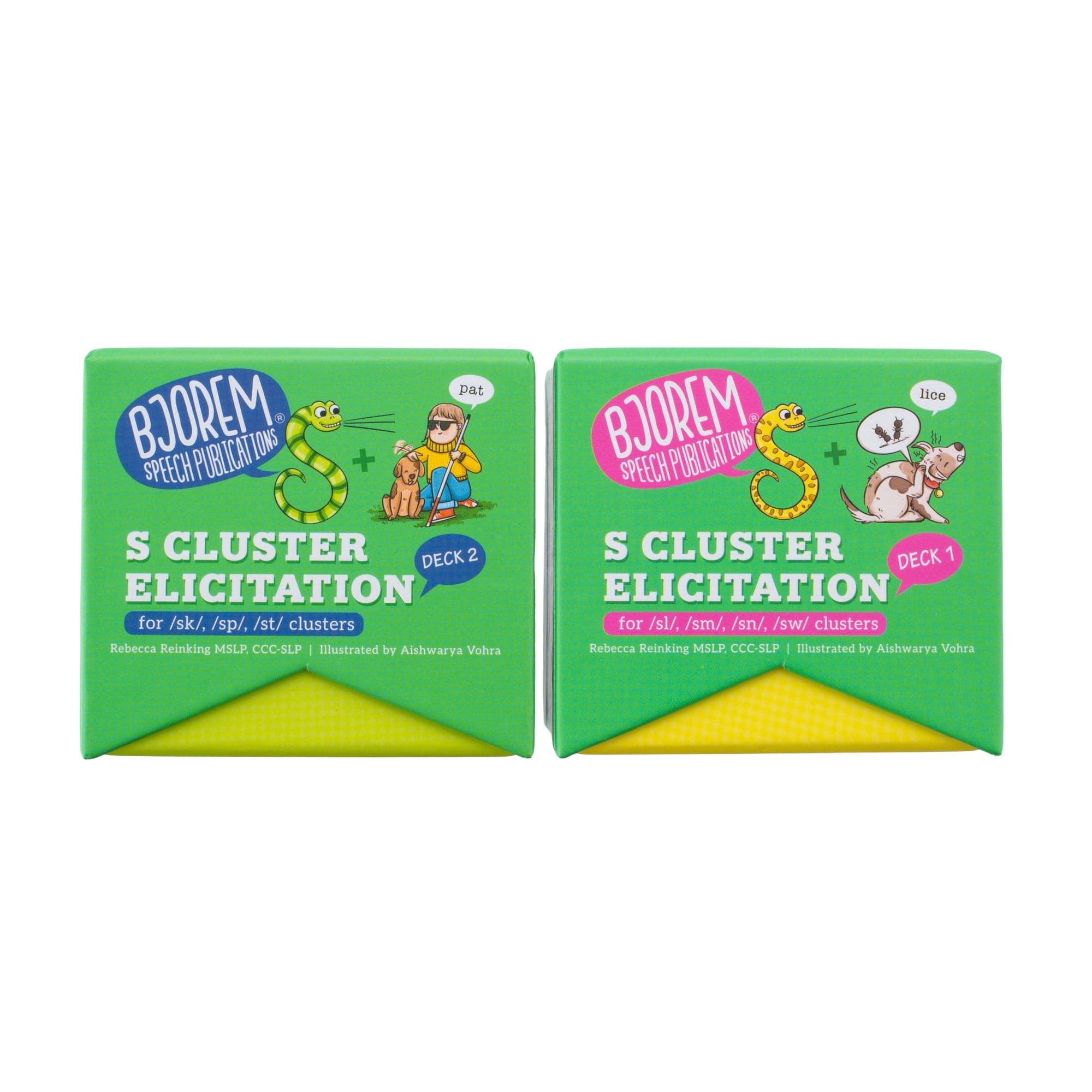
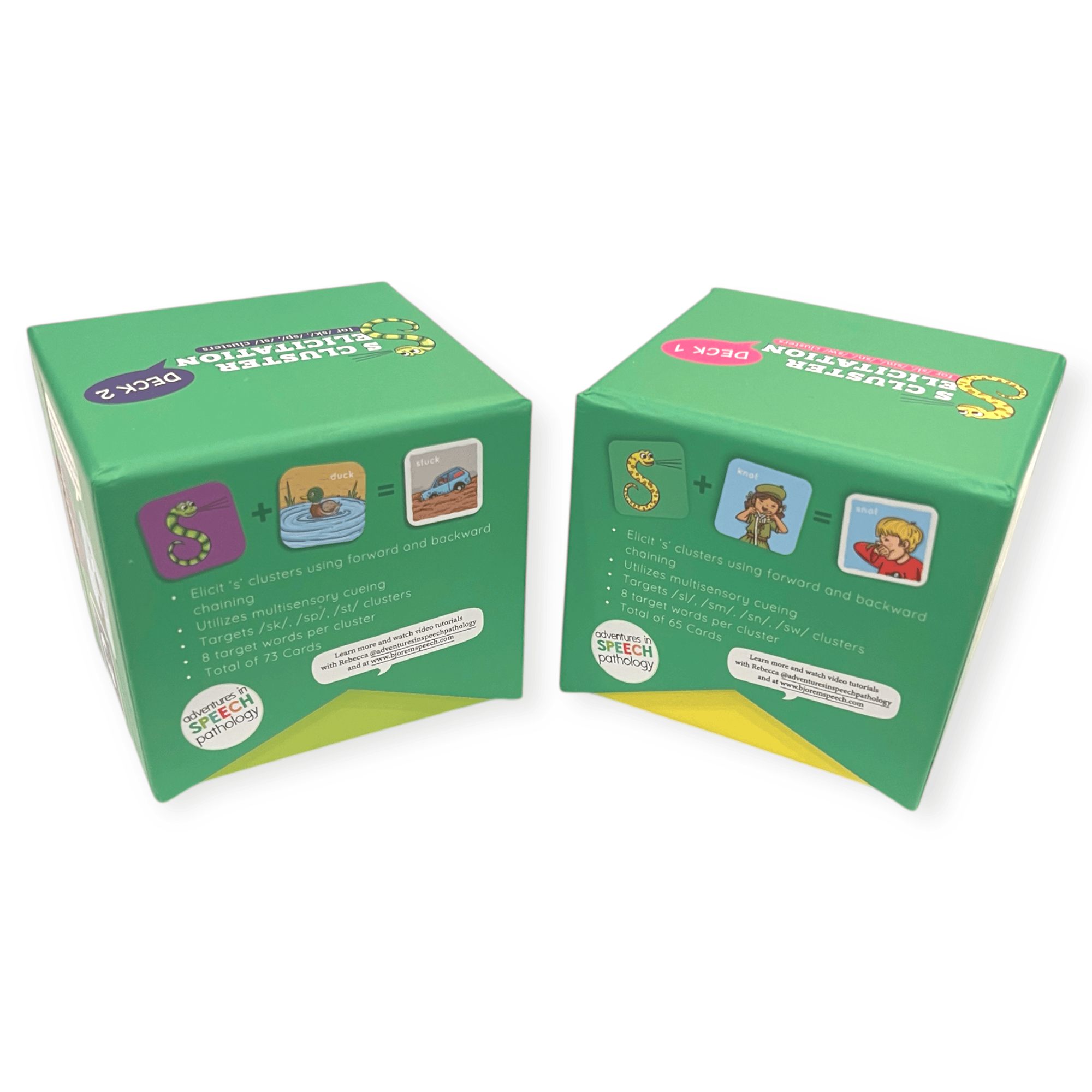
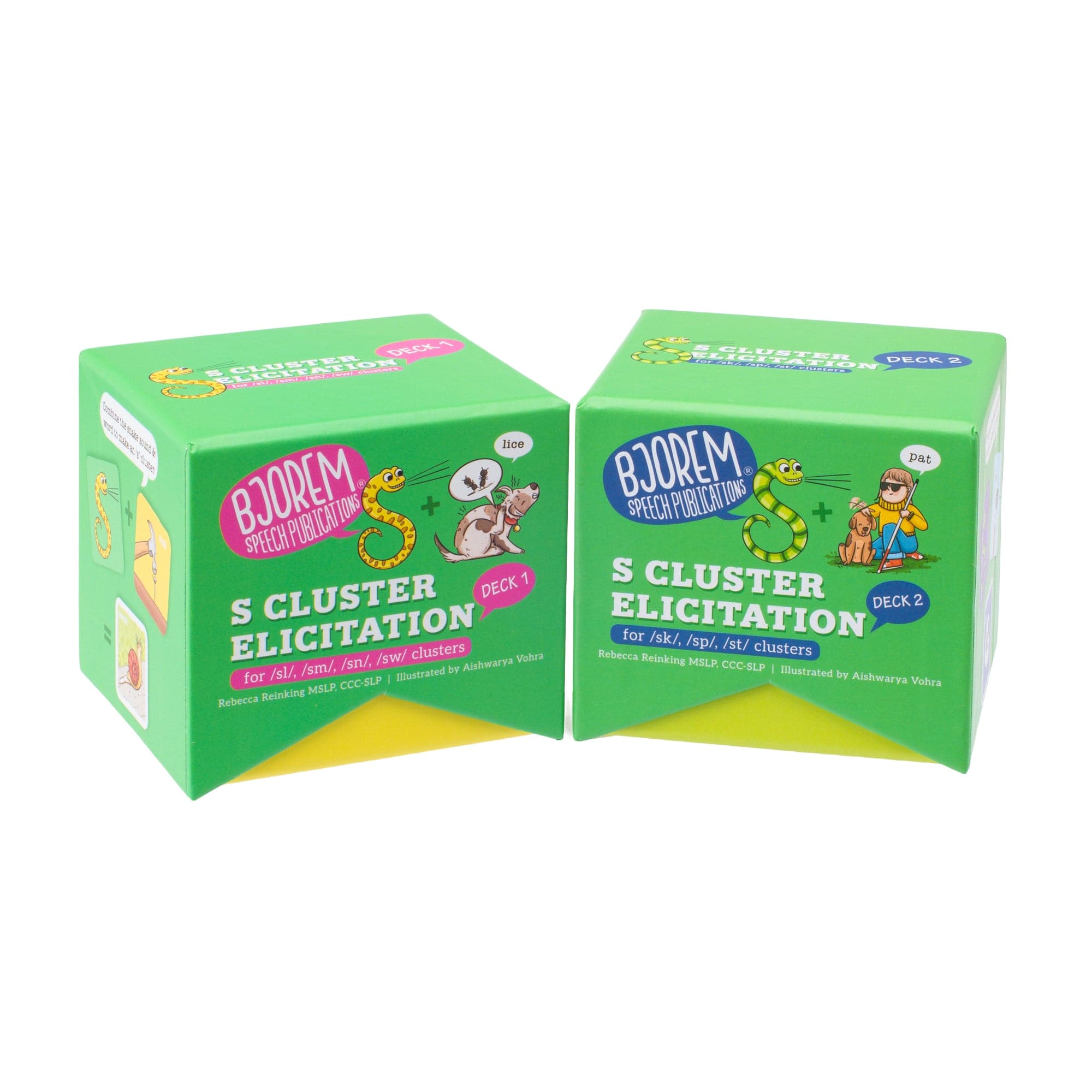
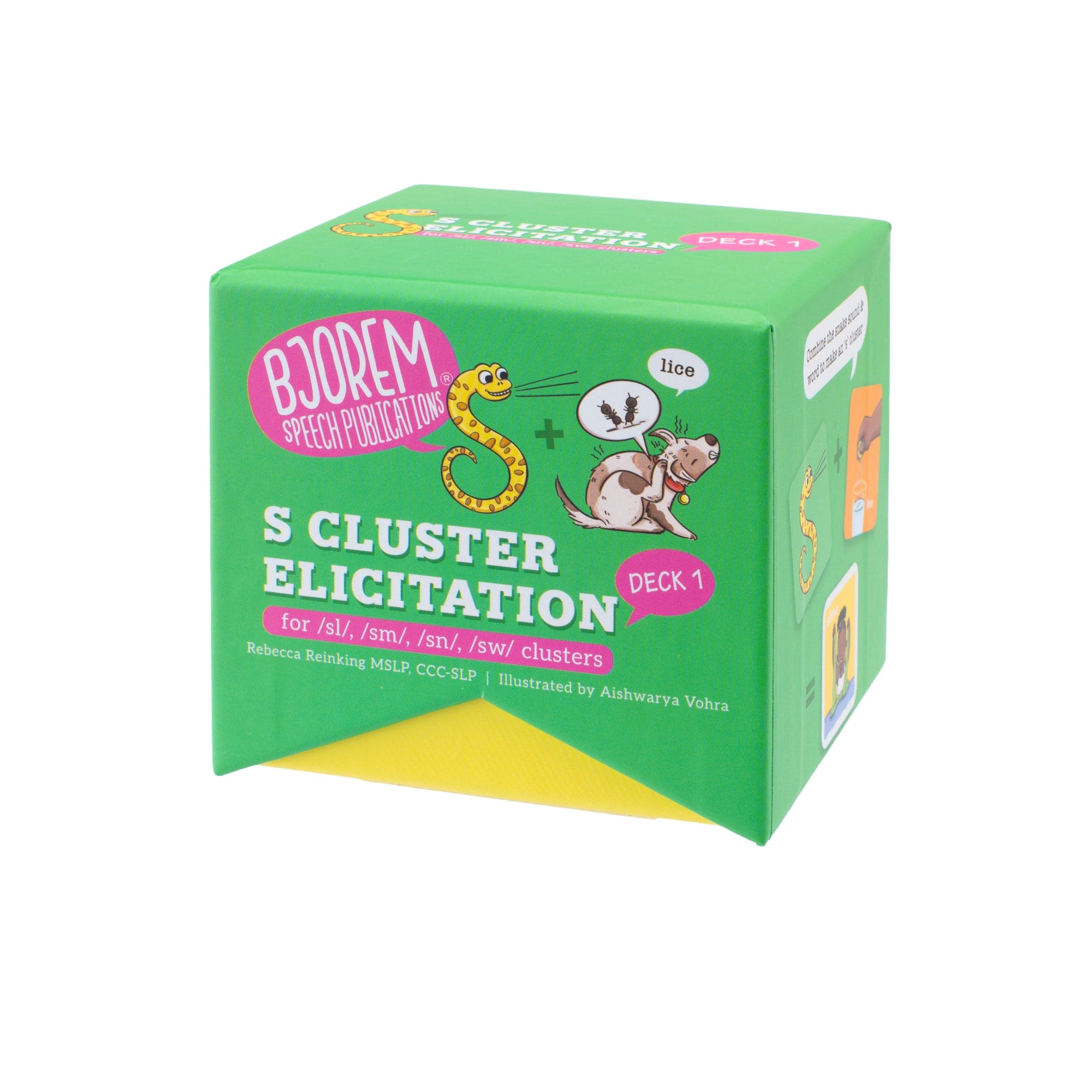
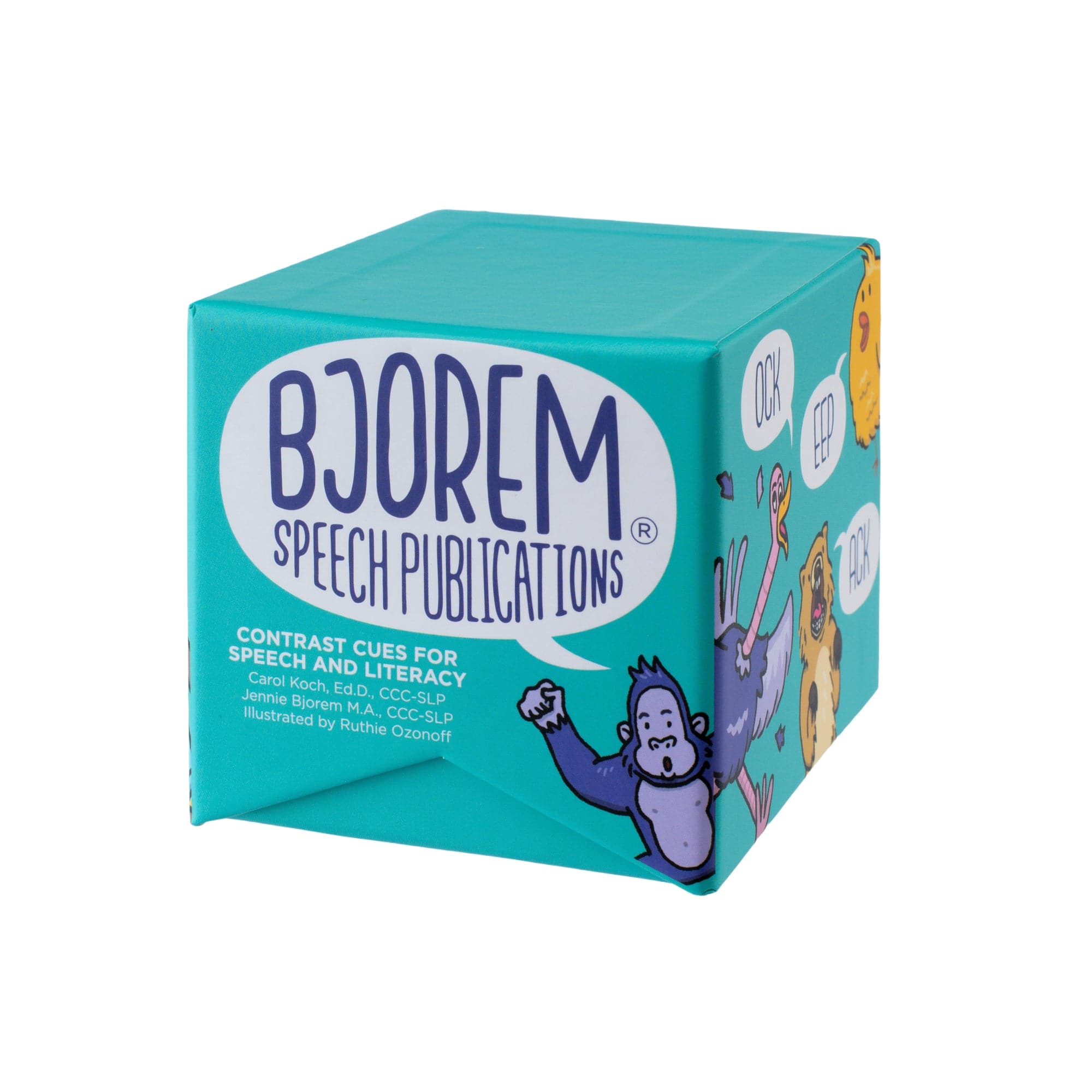
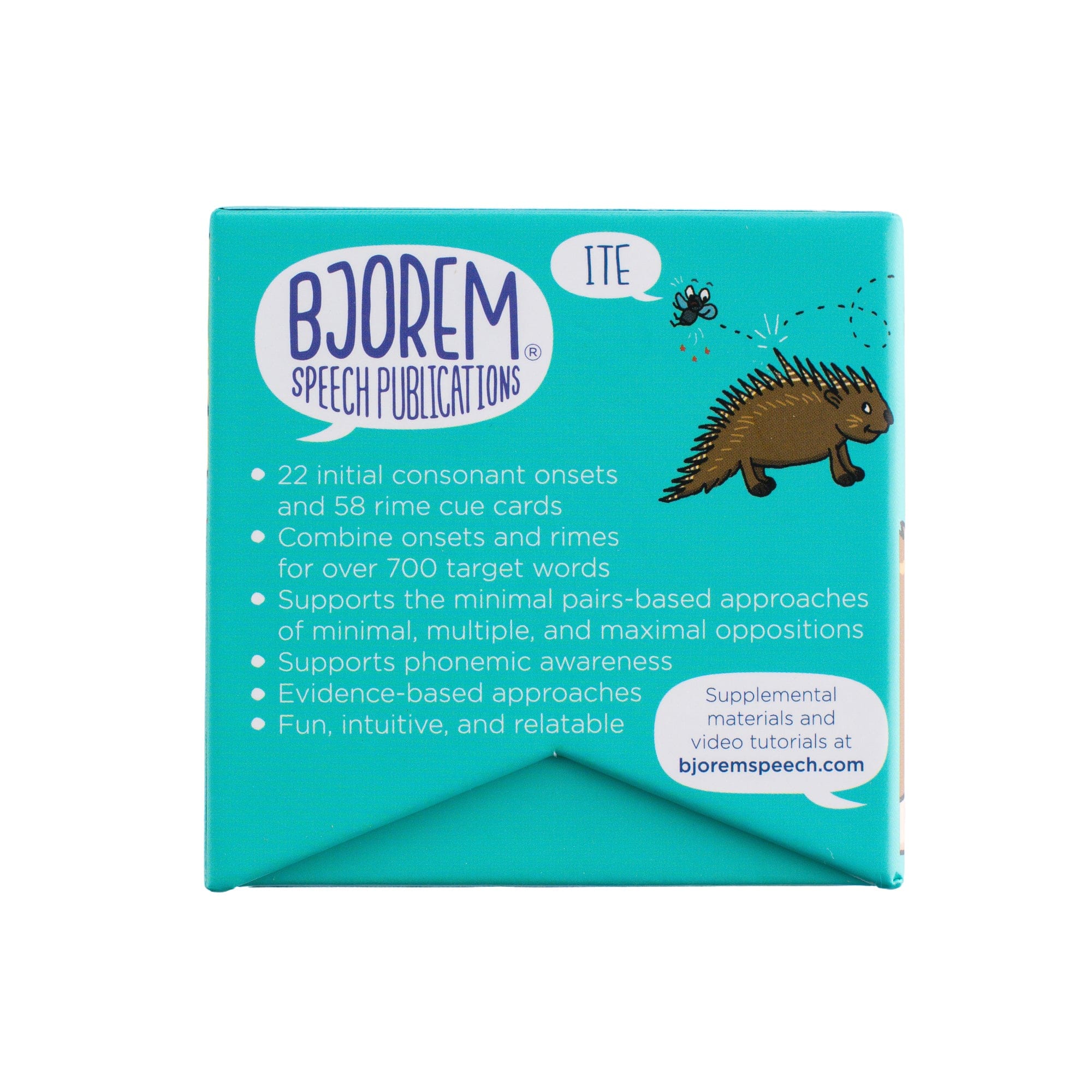
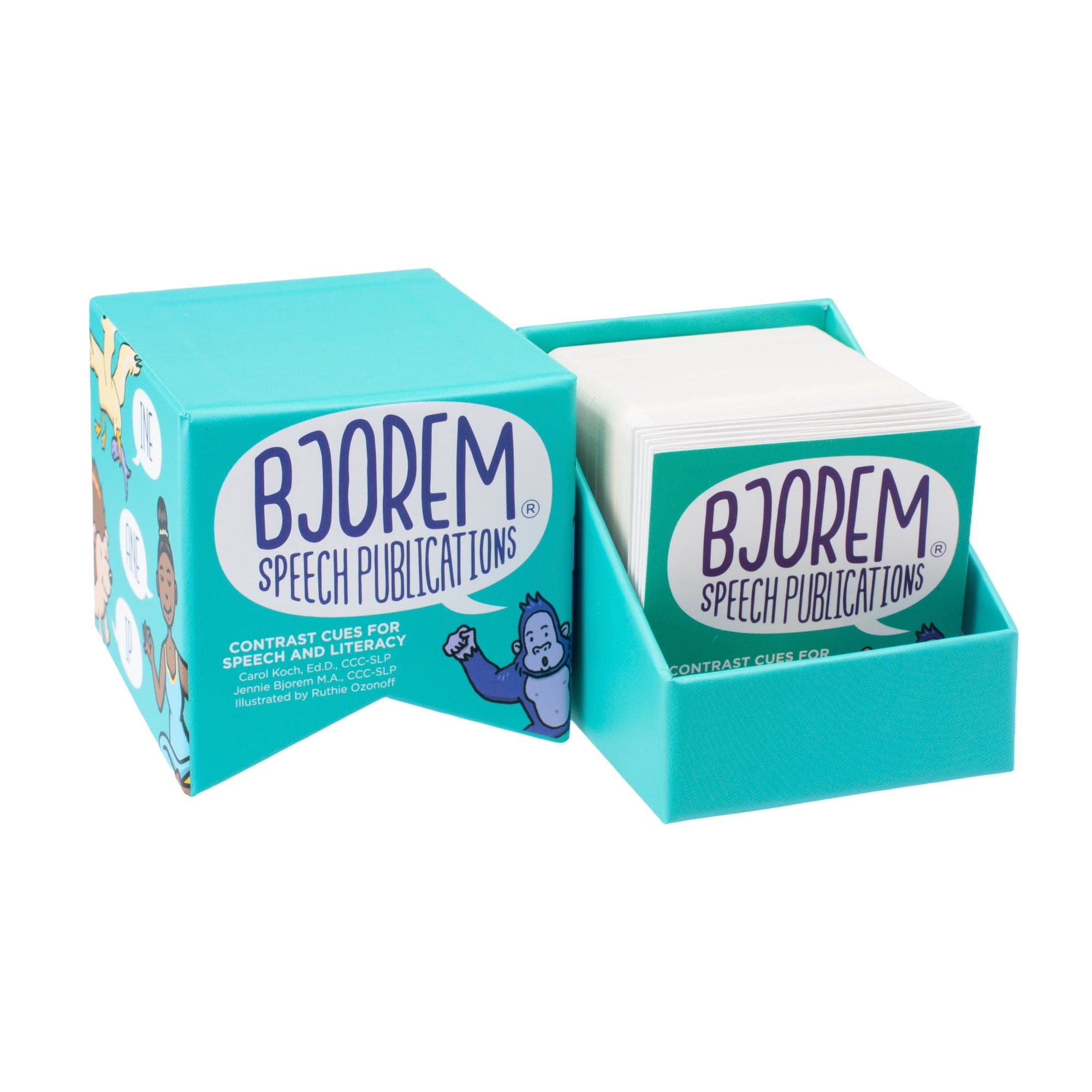
Contrast Cues for Speech & Literacy

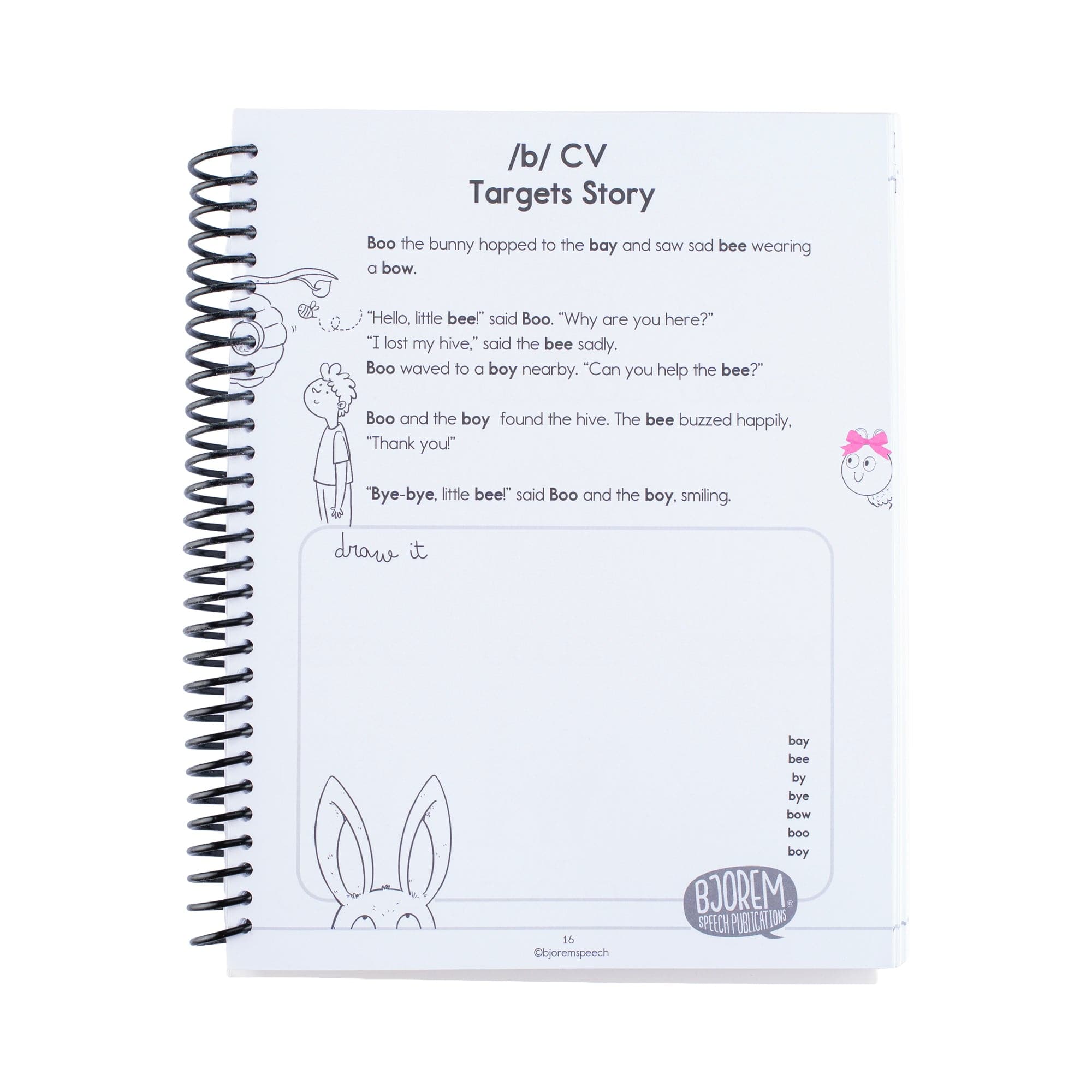
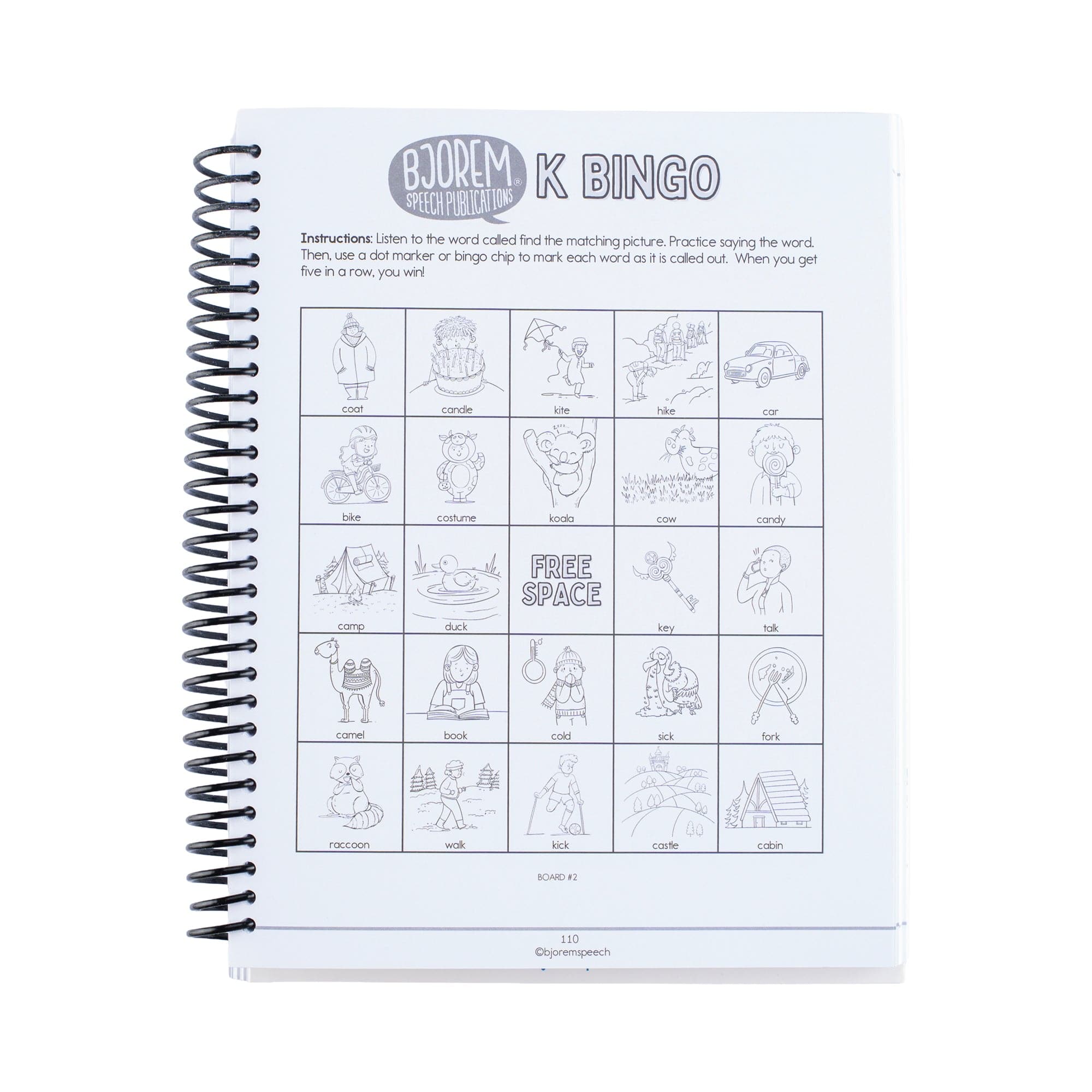
Arrival
Item
What else do I need to know about Sound Cue Cards?
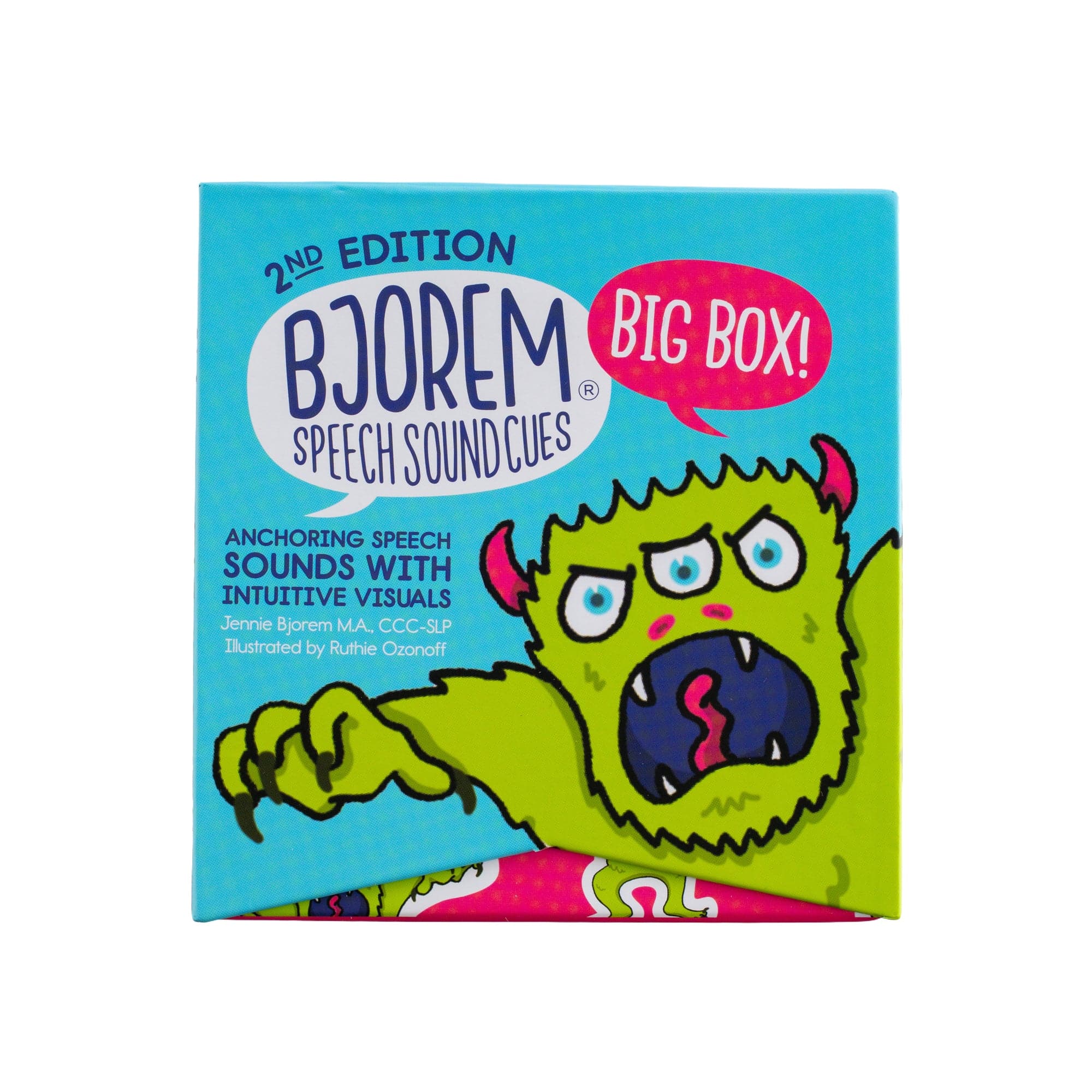
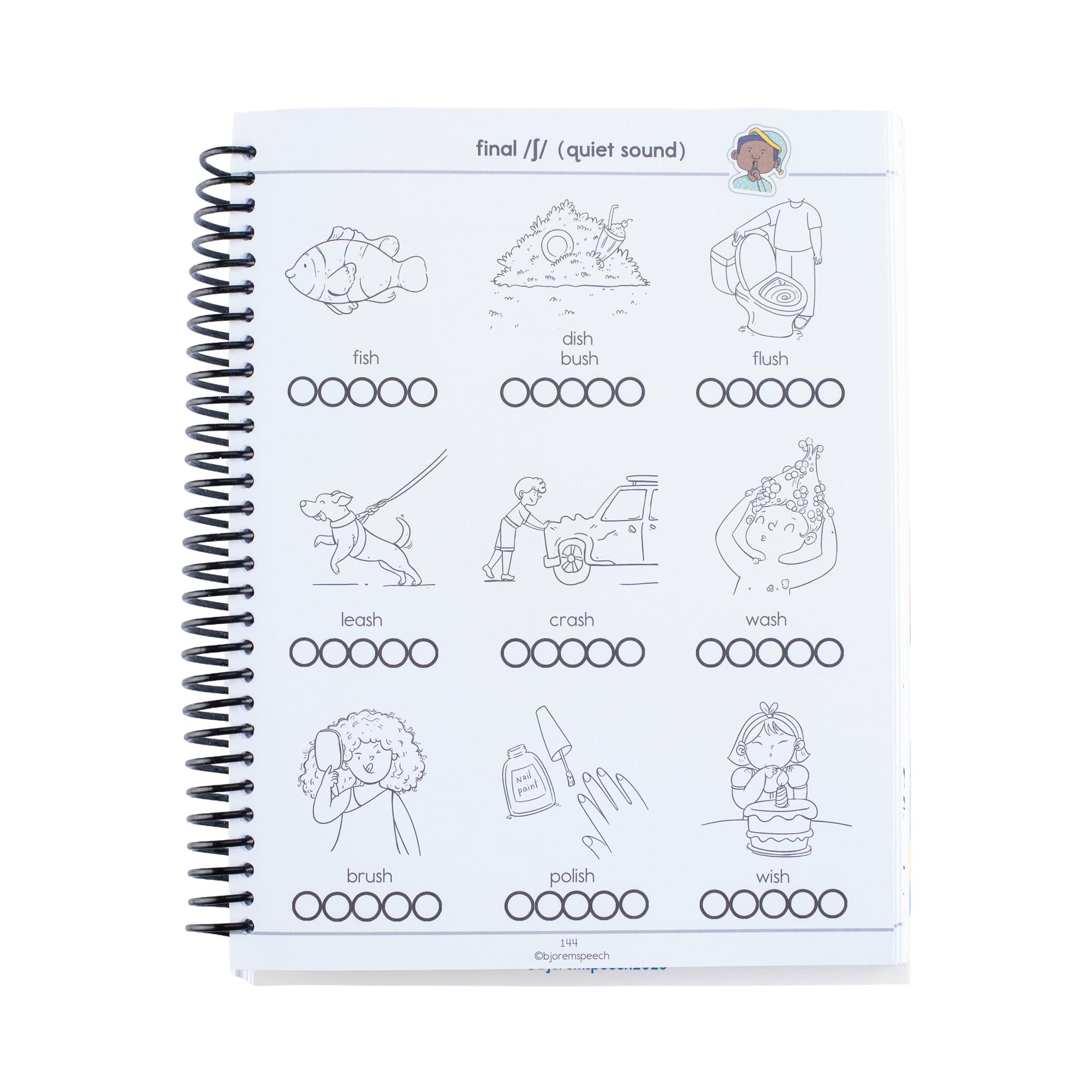
Bjorem Speech Sound Cue Cards for Clearer Speech and Stronger Literacy
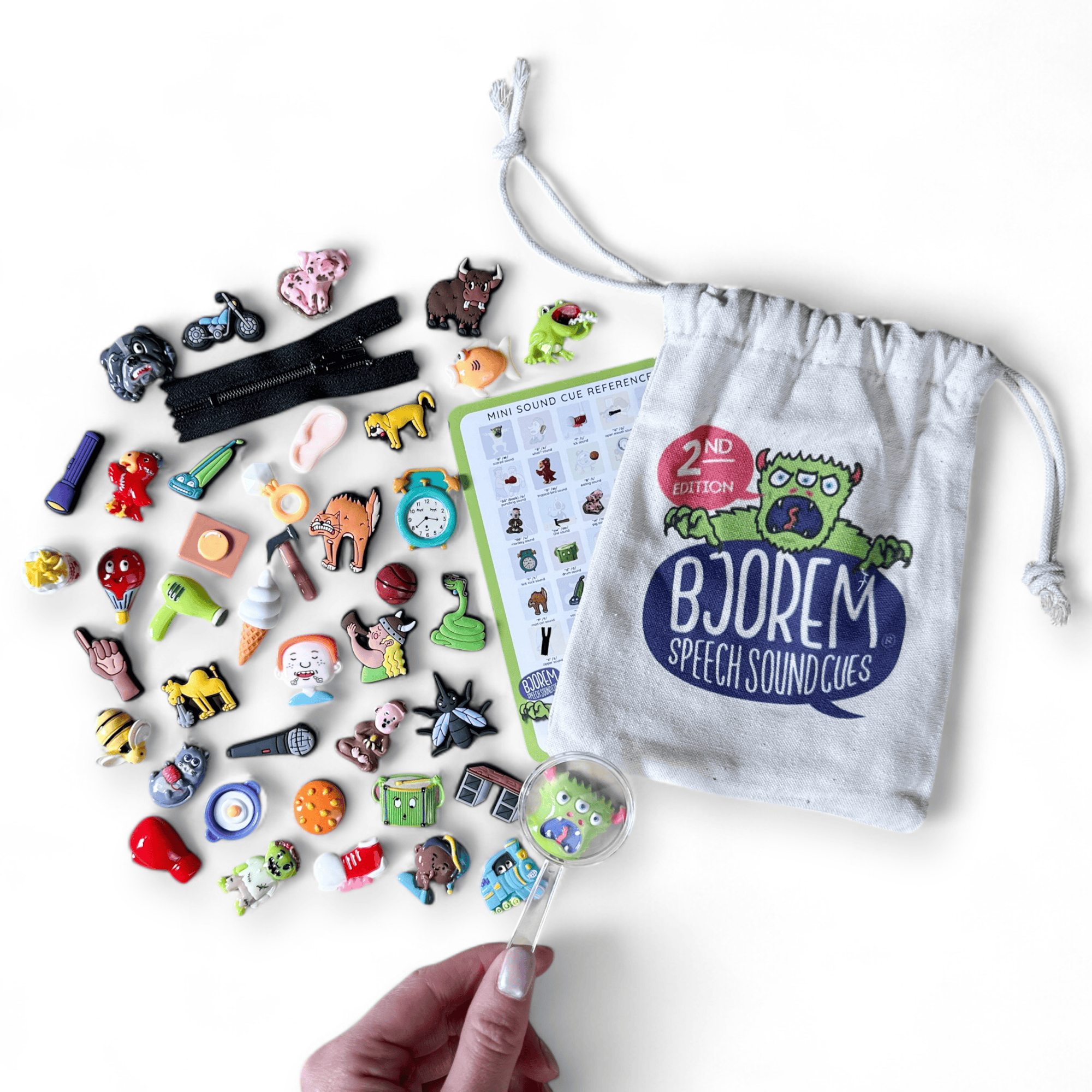
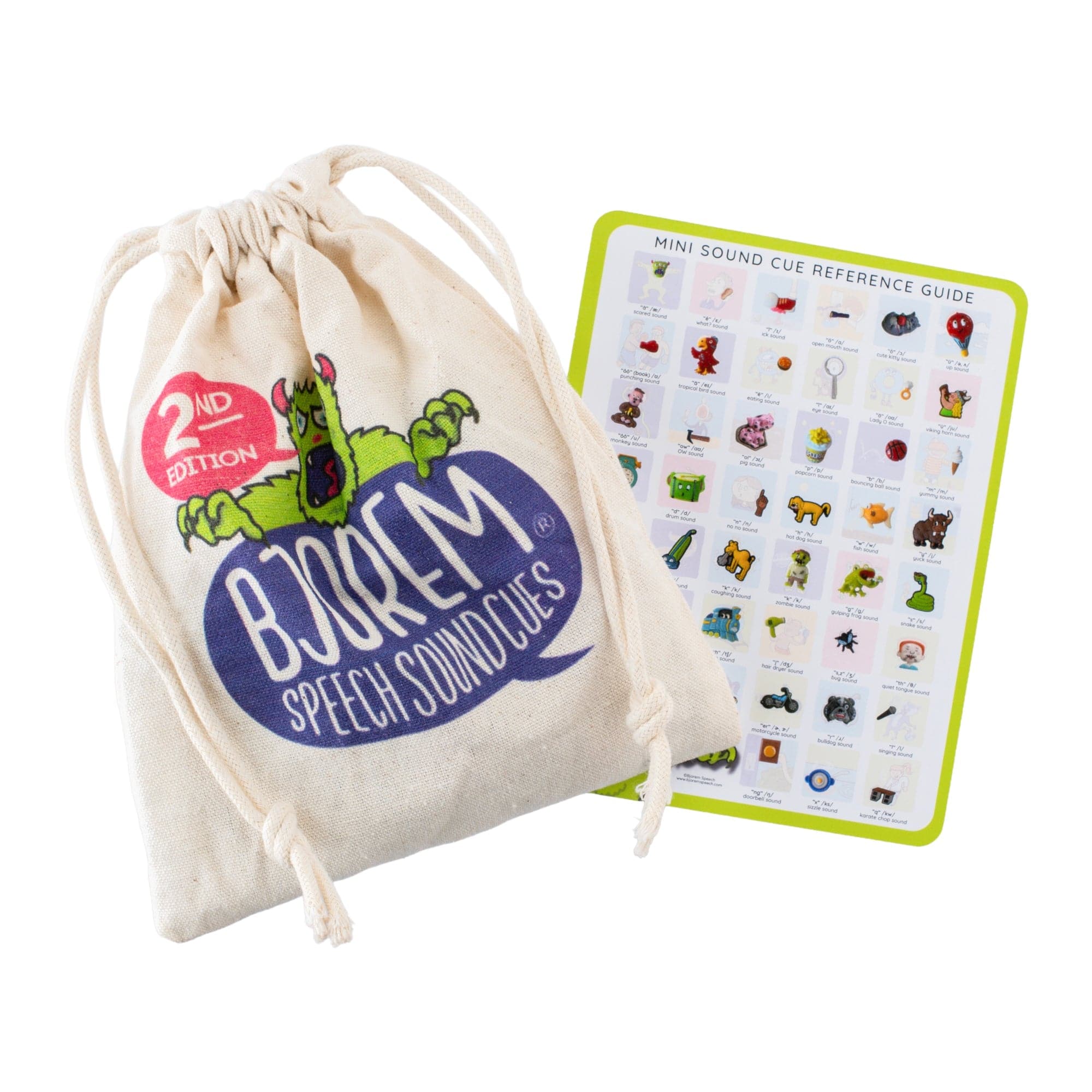
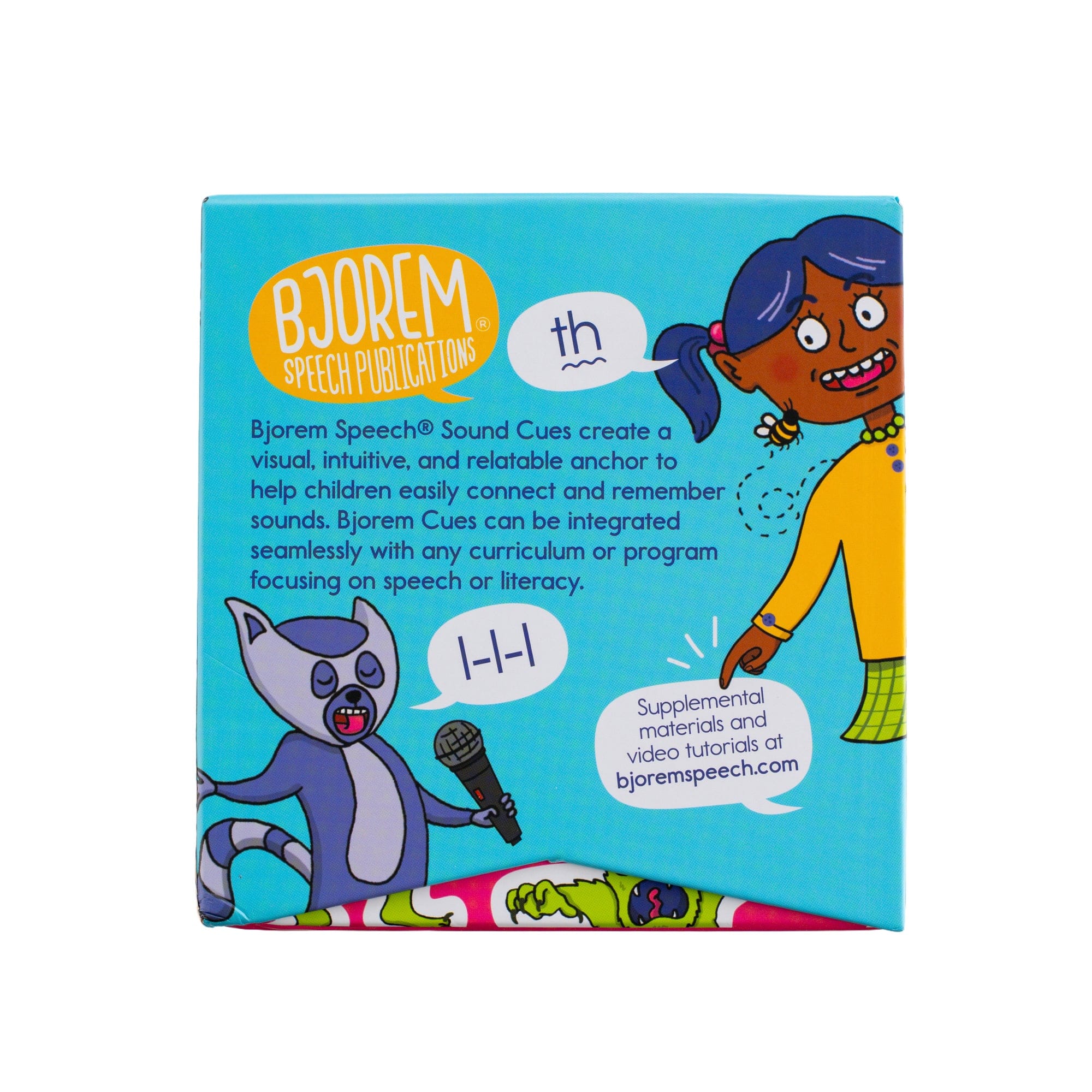
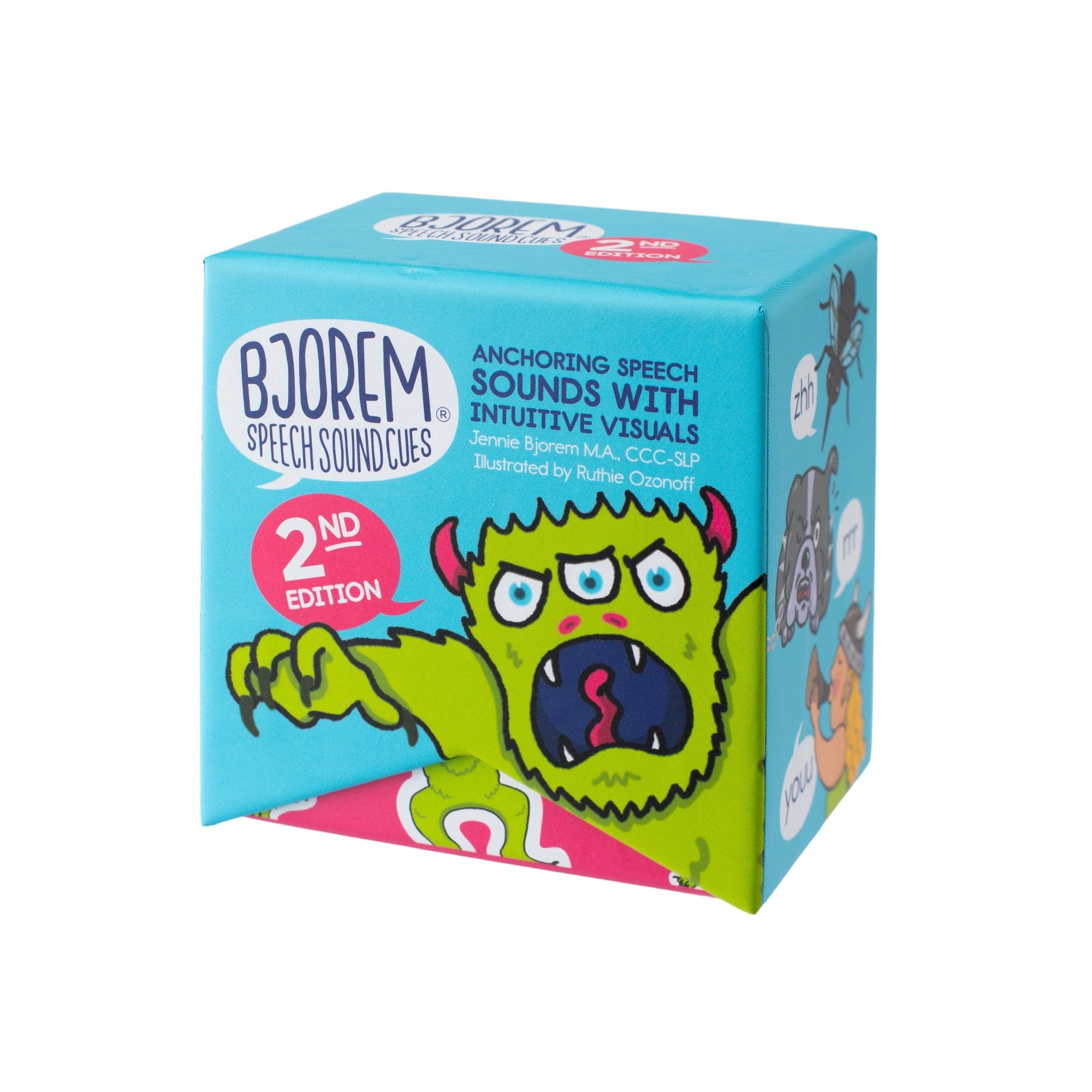
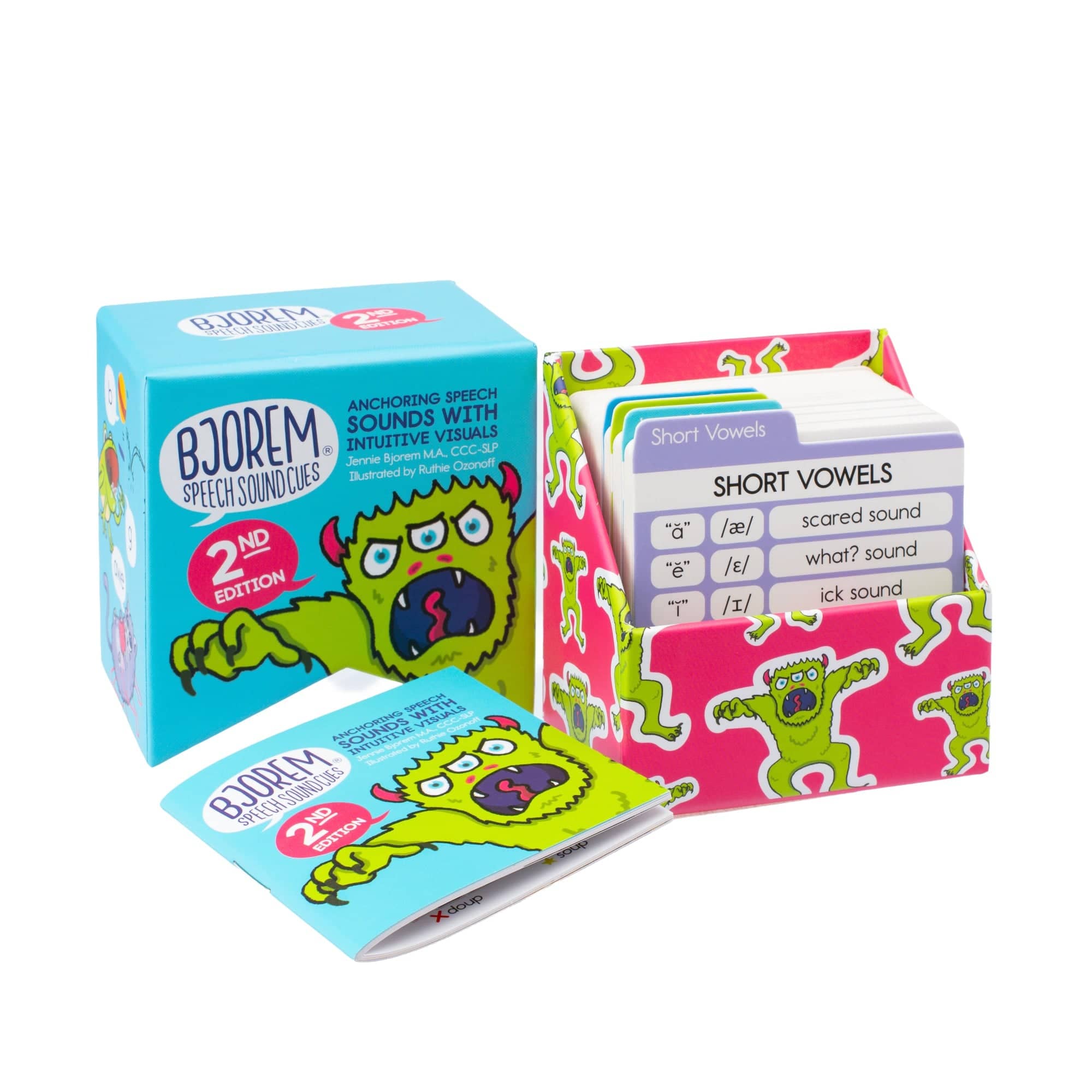
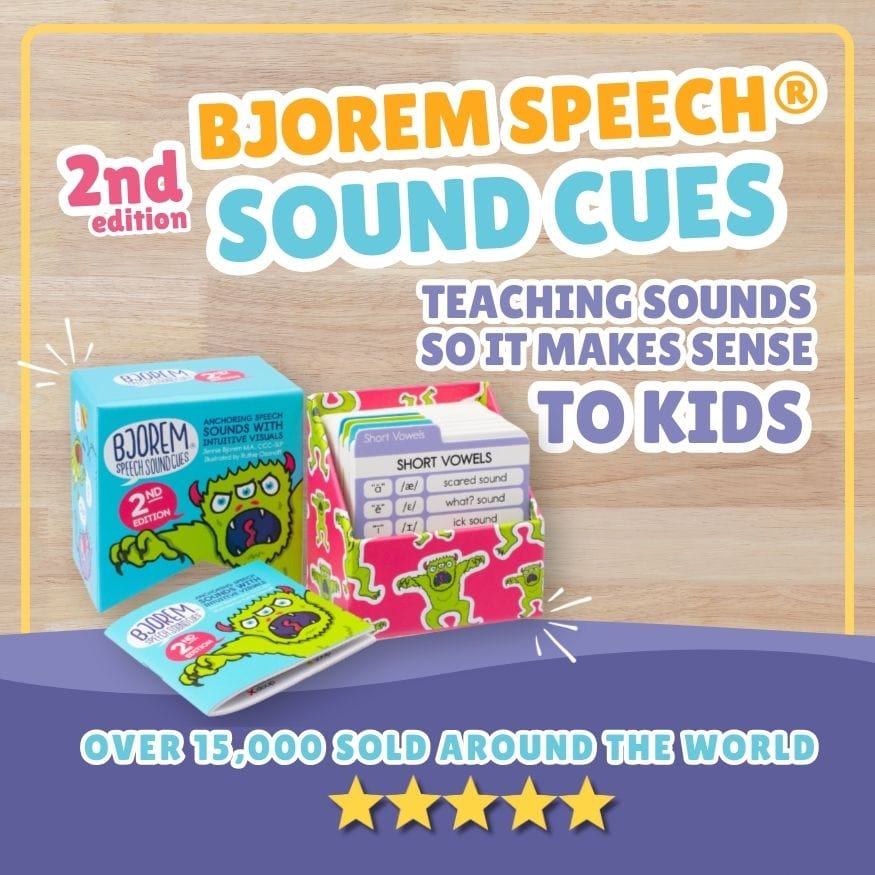
At Bjorem Speech & Literacy, we create tools that make the hardest parts of communication feel more accessible - one sound, one step, one success at a time. Our Bjorem Speech Sound Cue Cards are designed to help children connect speech sounds to meaningful, memorable cues, so practice feels less abstract and more doable. Built by speech-language pathologists and shaped by collaboration with educators, illustrators, and literacy experts, these cards support therapy rooms, classrooms, and home routines with visuals that kids actually want to use.
Whether you’re supporting a child with speech sound disorders, building early phonemic awareness, or strengthening sound-letter mapping for decoding and spelling, this collection brings structure and confidence to your sessions. Our speech cards are research-informed, inclusive, and created to fit real-world therapy - because progress takes time, and kids deserve tools that meet them with clarity and encouragement.
Speech Sound Cue Cards That Make Abstract Sounds Concrete
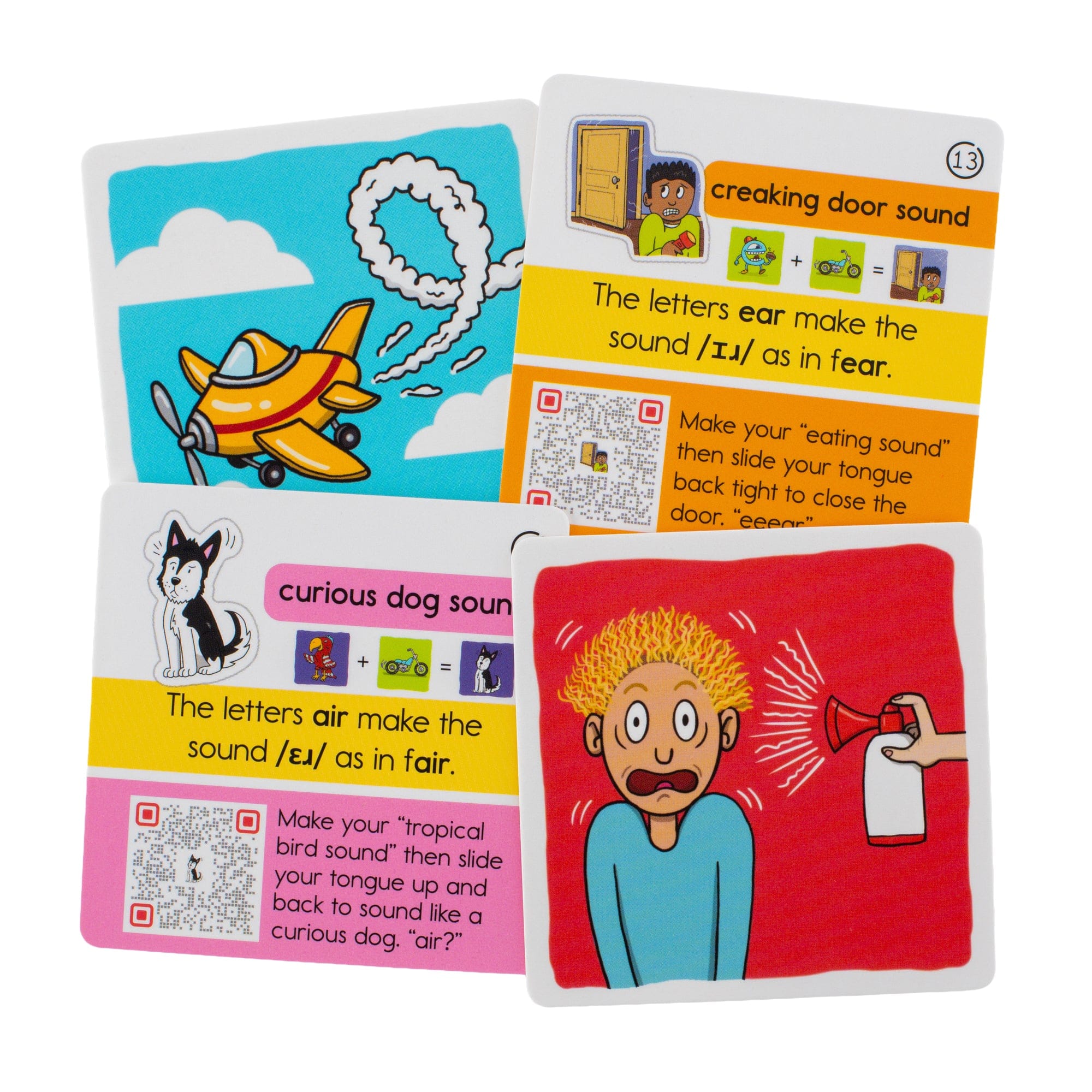
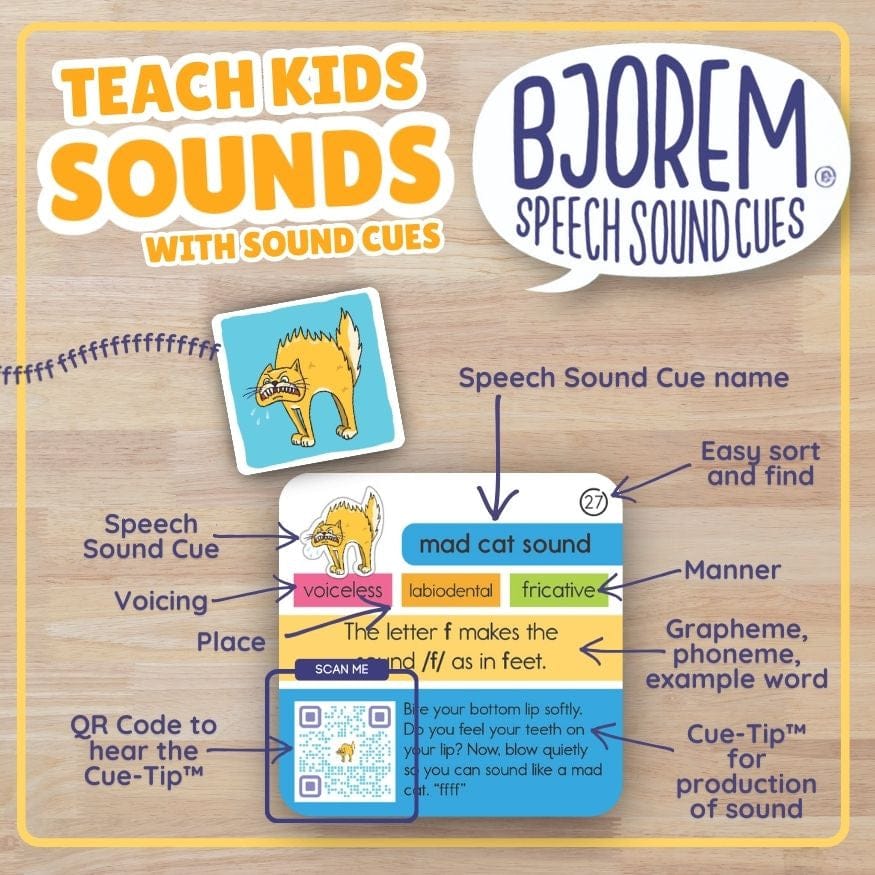
Speech sounds can be tough to “see,” especially for children who need extra support with motor planning, phonological processing, or auditory discrimination. That’s where speech sound cue cards shine. By pairing each phoneme with a relatable visual and a consistent cue, children have a stronger way to recall the target sound and produce it more accurately. Many clinicians use these speech sound visual cue cards as a quick anchor - point, model, repeat, and celebrate small wins.
Families love the simplicity too. Instead of juggling complicated explanations, you can hand over a speech cue card and show exactly how to cue the sound during play, reading, or daily routines. Over time, those repeated cues can help children build confidence and independence.
Bjorem Speech Cue Cards for Functional Practice and Consistent Cueing
Our speech cue cards are made for clinicians who want consistent cueing across sessions and settings. Use them to introduce sounds, support generalization, and reinforce sound-symbol connections in early literacy activities. Many SLPs keep a small stack on hand as go-to speech cue cards for quick prompting during games, book reading, and structured drill-play combinations.
Need a visual that supports mouth placement, airflow, or the “feel” of a sound? Our approach is designed to be clear and child-friendly, and many users pair these with mouth models or mirror work for added feedback. If you’re looking for speech sound mouth cue cards or speech sound visual cue cards that feel modern, inclusive, and easy to teach from, you’re in the right place.
Speech Sound Cue Cards for Toddlers and Early Learners
For early intervention, visuals matter - but they also need to be simple, engaging, and repeatable. Speech sound cue cards for toddlers can help you introduce early sounds through play without overwhelming little learners. Use one card at a time, keep the cue consistent, and build routines around imitation, turn-taking, and playful sound exploration. These sound cue cards are especially helpful when you want a quick, predictable way to model targets in short bursts throughout the session.
Cue Cards for Therapy, Home Practice, and Speech Moments
Kids communicate everywhere so tools should travel well across contexts. Our cue cards can support home programming and classroom carryover, helping adults cue the same sound in the same way. And while our focus is speech and literacy, these visuals can also support communication confidence in structured sharing moments. If you’ve ever wished for cue cards for a speech that help a child remember what to say and how to say it, sound cues can be a surprisingly effective support - especially for students who benefit from clear prompts and predictable routines.
Bjorem Speech Sound Cue Cards - Start Cueing With Confidence
Bring consistent, kid-friendly cueing into your next session with Bjorem Speech Sound Cue Cards. Explore the collection, choose the set that fits your caseload, and start supporting clearer speech and stronger sound-letter connections right away.
Add your favorites to the cart today and give your students a visual they can trust - because the right speech sound cue cards can turn practice into progress.