
Helping children learn to read can feel overwhelming, especially with so much conflicting advice online. The good news is that early literacy doesn't have to involve complicated programs or hours of structured lessons.
At Bjorem Literacy, we've spent years helping children build speech and language skills, and we've seen firsthand that literacy starts with everyday interactions. Conversations, books, songs, play, and storytelling all help children develop the foundation they need for reading success. Small, consistent moments truly make a big impact.
So, let's take a look at how to promote literacy in early childhood.
What this article covers:
What Is Early Literacy?
Early literacy refers to the foundational language and pre-reading skills children develop before they learn to read and write independently. These skills include listening, speaking, recognizing sounds in words, understanding stories, building vocabulary, and noticing print in everyday life. Literacy development begins long before kindergarten through conversations, songs, books, and play.
As SLPs, we often explain that strong spoken language skills create the foundation for successful reading later on. Everyday interactions, even simple ones, help children build the skills needed for future literacy success.
Why Is Early Literacy Important?
Early literacy skills support far more than reading alone and play a major role in a child's overall communication and academic development:
- Strong language skills support future reading success.
- Early literacy helps children build vocabulary and comprehension.
- Listening and attention skills improve through shared reading experiences.
- Confidence grows when children can communicate effectively.
- Storytelling and pretend play encourage creativity and imagination.
- Print awareness helps children understand how books and written language work.
- Positive early experiences with books create lifelong learning habits.
- School readiness improves when children develop foundational literacy skills early.
Want to know more? Check out what is literacy development in early childhood.

How to Support and Promote Early Literacy
Small, intentional interactions throughout the day can make a lasting impact on your child's language, communication, and future reading skills:
1. Turn Daily Routines Into Language Opportunities
Children learn language best through repetition and real-life experiences. Narrate everyday activities like cooking, grocery shopping, or cleaning so your child hears new vocabulary in context. Describe what you see, hear, and do throughout the day. Instead of asking constant questions, make simple comments and pause so your child has time to respond.
These natural back-and-forth interactions strengthen vocabulary, comprehension, and conversational skills. Even quick moments like counting apples or describing the weather help children build the language foundation needed for later reading success.
2. Make Reading Interactive Instead of Perfect
Reading together shouldn't feel rushed or performance-based. Slow down and treat books like conversations rather than tasks to complete. Talk about pictures, predict what might happen next, and let your child retell familiar parts of the story. Use silly voices, facial expressions, and sound effects to keep children engaged.
Repetition is also incredibly valuable, so don't worry if your child asks for the same book every night. Interactive reading helps children understand vocabulary, story structure, emotions, and sequencing while building positive associations with books.
3. Create a Print-Rich Environment at Home
Children need to see that print has meaning in everyday life. You don't need expensive materials to make this happen. Label toy bins, keep books within reach, display calendars or grocery lists, and point out signs while running errands. Encourage your child to notice letters, logos, and words in their environment naturally throughout the day.
Simple activities like spotting familiar signs or helping write a shopping list build print awareness over time. These experiences help children connect written language to real-world communication in meaningful ways.

4. Focus on Sound Awareness Before Memorization
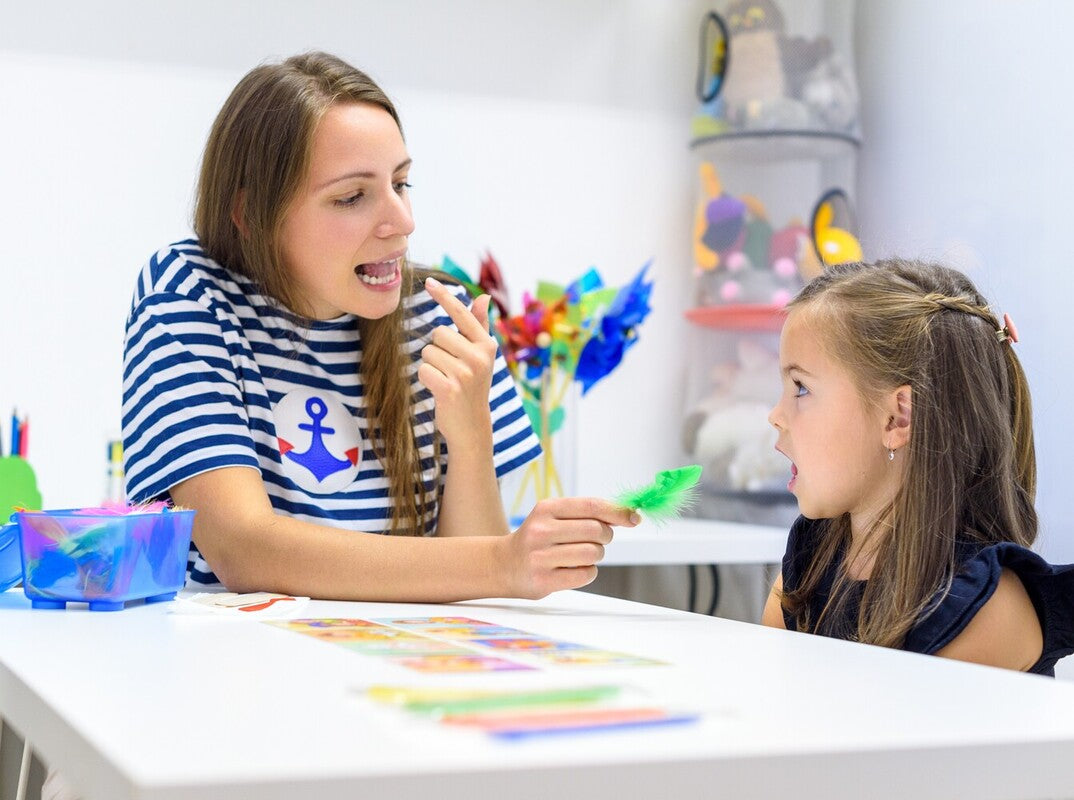
Before children can read words, they need to hear and recognize sounds within language. Play simple rhyming games, clap syllables in names, or stretch out beginning sounds in words during conversation.
Singing nursery rhymes and repeating rhythmic phrases also supports phonological awareness. Once children begin noticing sounds consistently, you can slowly introduce letter-sound connections through playful activities.
We love using hands-on tools like Better Letters from Bjorem Literacy because children can explore sounds and letters in a more engaging, tactile way instead of relying only on memorization drills or flashcards.
5. Encourage Pretend Play and Storytelling
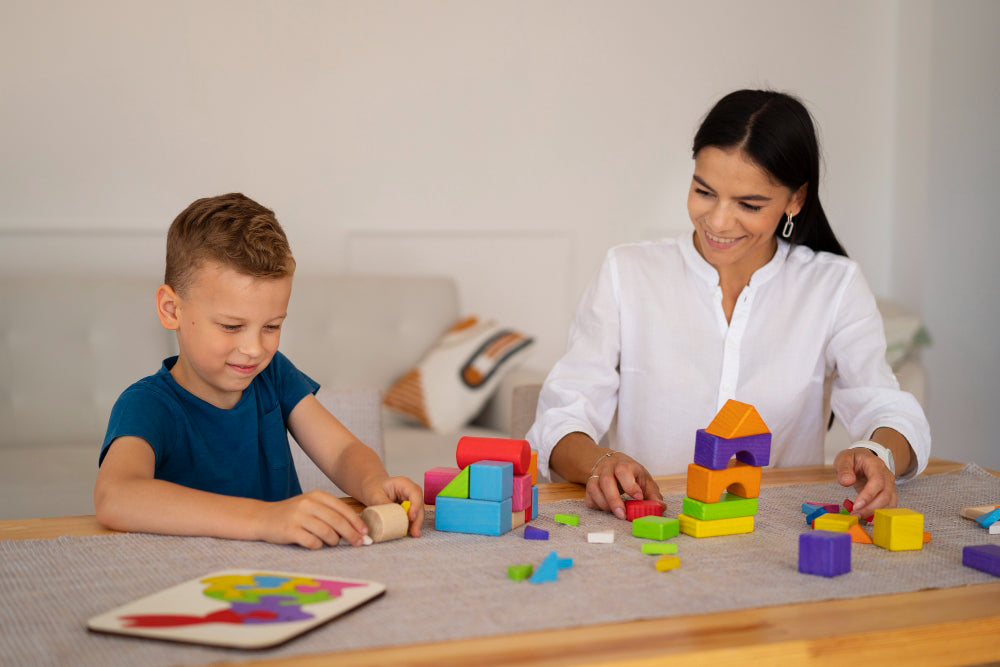
Pretend play helps children develop important literacy skills without feeling like formal learning. When children create stories with dolls, stuffed animals, or action figures, they practice sequencing, vocabulary, and expressive language naturally. Join the play occasionally and expand on your child's ideas without taking over.
You can also encourage storytelling during everyday moments by asking your child to describe what happened at the park or invent a silly ending to a story. These activities strengthen narrative skills, which are closely connected to reading comprehension later on.
6. Use Music and Movement Together
Songs, fingerplays, and movement activities help children remember language patterns more easily. Action songs encourage children to listen carefully, follow directions, and recognize rhythm and repetition in speech.
Singing familiar songs slowly, quickly, loudly, or quietly also helps children notice differences in sounds and pacing. Movement keeps young children engaged, especially those who struggle to sit still during traditional literacy activities.
Whether you're dancing to nursery rhymes or acting out songs together, combining language with movement creates a fun, memorable way to support early literacy development.

7. Build a Consistent Bedtime Literacy Routine
Bedtime is one of the best times to support literacy because children are often calmer and more focused. Create a simple routine that includes reading, conversation, and connection each night. Read a short story, talk about the day, or let your child share something they remember or enjoyed.
Consistency matters more than length, so even 10 minutes can make a difference. Predictable bedtime literacy routines help children build vocabulary and comprehension skills while also creating positive emotional connections with books, storytelling, and language overall.
8. Follow Your Child's Interests
Children are more engaged when literacy activities connect to topics they already love. Instead of forcing books or activities that feel overly educational, lean into your child's interests. Read books about dinosaurs, construction vehicles, animals, cooking, or superheroes if those topics excite them.
Motivation plays a huge role in participation and language growth. A child who eagerly talks about their favorite topic is still building vocabulary, storytelling skills, and comprehension. When literacy feels fun and personal, children are much more likely to stay engaged and develop confidence over time.
Conclusion
Early literacy grows through everyday conversations, play, books, songs, and meaningful connection. Small, consistent interactions help children build the language foundation needed for future reading success.
If you notice speech or reading delays, don't wait - evaluate, since early support can make a lasting difference in a child's confidence and communication skills.
At Bjorem Literacy, our speech therapists create engaging, practical tools that help families support speech, language, and literacy development in fun and approachable ways.