
Getting kids interested in reading can feel overwhelming, especially when books compete with screens, busy schedules, and short attention spans. The good news is that raising a reader doesn't require perfection.
At Bjorem Literacy, we've seen how small, fun changes can make reading feel exciting instead of stressful. When children connect books with fun, curiosity, and success, their confidence grows naturally. The key is creating positive reading experiences that match your child's interests, personality, and developmental stage.
8 Tips to Get Kids Interested in Reading
Helping children enjoy reading doesn't require perfect routines. Often, the most effective strategies are simple, playful, and easy to build into everyday life.
1. Let Your Child Pick the Books
Many struggling or reluctant readers lose interest because adults keep choosing books for them. Kids are much more motivated when they get to follow their own interests. If your child wants books about trucks, sharks, ballet, Minecraft, superheroes, or weird animal facts, lean into it.
We tell families this constantly: reading doesn't have to start with chapter books.
Magazines, joke books, cookbooks, graphic novels, sports stats, maps, and even game instructions are all real reading experiences. What matters most is finding reading material that sparks curiosity and keeps children engaged.
Interest fuels attention. Attention fuels learning.
2. Make Reading Part of Daily Life
Kids thrive on routines. When reading becomes part of everyday life instead of a “special assignment,” it feels natural and low-pressure.
You don't need hour-long reading sessions. Ten minutes count. Five minutes count.
Read before bed. Read while waiting at soccer practice. Read recipes while cooking dinner. Read signs at the grocery store.
Some of the strongest readers we've worked with grew up in homes where reading simply existed all around them.

3. Read Aloud Even After Your Child Can Read
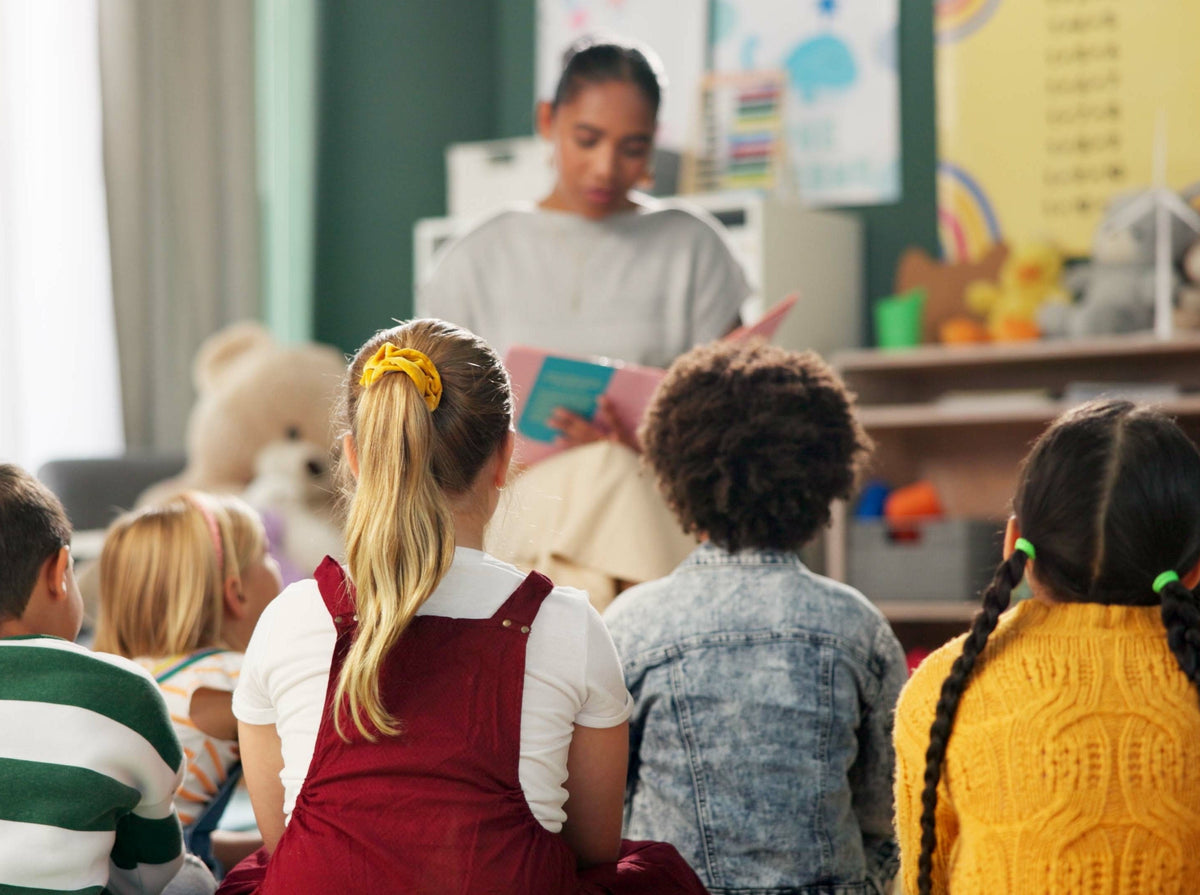
This surprises parents all the time. Once children begin decoding words independently, many families stop reading aloud. But older kids still benefit enormously from hearing books read with expression, excitement, and emotion.
Reading aloud builds vocabulary, listening comprehension, storytelling skills, and background knowledge. It also removes the pressure of decoding, so children can simply enjoy the story.
And let's be honest. Shared laughter over a silly book is powerful.
We've seen hesitant readers become deeply engaged when adults use funny voices, dramatic pauses, or interactive questions while reading together.
4. Create a Cozy Reading Space
Environment matters more than people think. Children are more likely to pick up books when reading feels inviting instead of forced. You don't need an elaborate reading nook from social media. A bean bag, soft blanket, basket of books, and decent lighting can work beautifully.
Some kids focus better while moving. Others like quiet corners. Some want to sprawl upside down on the couch. That's okay.
Reading doesn't have to look a certain way to “count.”
5. Don't Push Books That Are Too Hard
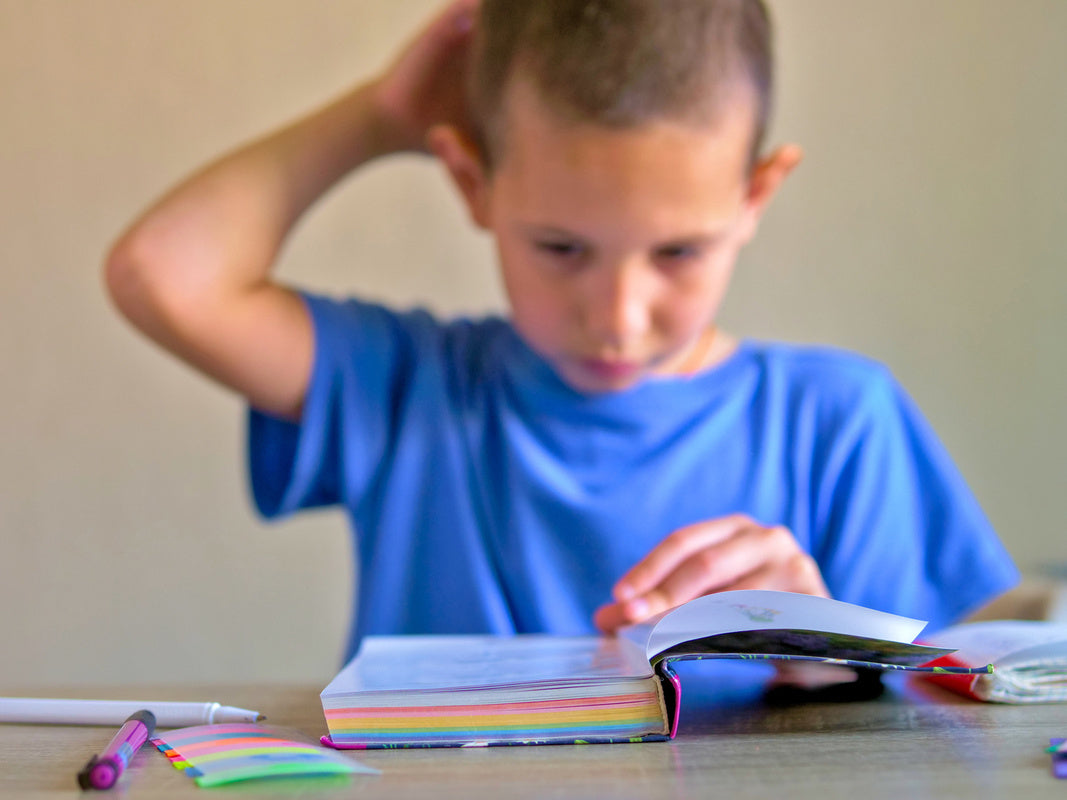
Parents often assume harder books equal better progress. But if a child spends all their energy struggling through every sentence, enjoyment disappears quickly.
Children need “just-right” books that feel manageable while still offering a small challenge.
Confidence is everything.
When children experience success with reading, they're more likely to keep doing it. We want reading to feel achievable, not exhausting.

6. Make Reading Interactive
Passive reading doesn't work for every child. Some kids stay engaged longer when reading includes movement, music, discussion, or hands-on activities. Ask questions while reading, act out scenes, or retell stories using toys and drawings.
At Bjorem Literacy, we love using playful tools to support literacy development. If you're looking for how to improve kids reading, our Bjorem Better Letters with The Laurie Berkner Band Card Deck is a fantastic place to start.
It helps children connect letters and sounds through music and movement, making reading practice feel more engaging and less stressful for emerging readers.
7. Let Your Child See You Reading
Kids notice everything. If children only see adults scrolling through phones or rushing through work emails, they may assume reading is just another school task. But when they see parents genuinely enjoying books, magazines, recipes, or newspapers, reading becomes normalized.
You don't need to stage anything dramatic. Just let your child catch you reading sometimes. That simple modeling matters.
8. Celebrate Progress Without Pressure
Reading growth doesn't happen overnight. Some children learn to love books quickly. Others take longer. Both are normal.
Try celebrating effort instead of focusing only on levels or scores. Maybe your child finished their first graphic novel independently. Maybe they sounded out a tricky word without help. Maybe they willingly picked up a book for five minutes.
Children who feel constantly corrected or compared often begin associating reading with stress. Encouragement builds momentum.

Conclusion
Helping children enjoy reading starts with making books feel approachable, engaging, and pressure-free. At Bjorem Literacy, we believe literacy grows through connection, play, and consistent encouragement. Whether your child loves graphic novels, joke books, or bedtime stories, every positive reading experience matters. Focus on building confidence instead of chasing perfection.
And if you notice signs of speech or reading delays, don't wait - evaluate. Early support can make a meaningful difference in your child's communication and literacy development.
Explore Bjorem Literacy for engaging literacy and speech therapy tools designed by speech therapists to help children build skills through play-based learning and confidence-building activities.