Speech & Language Development
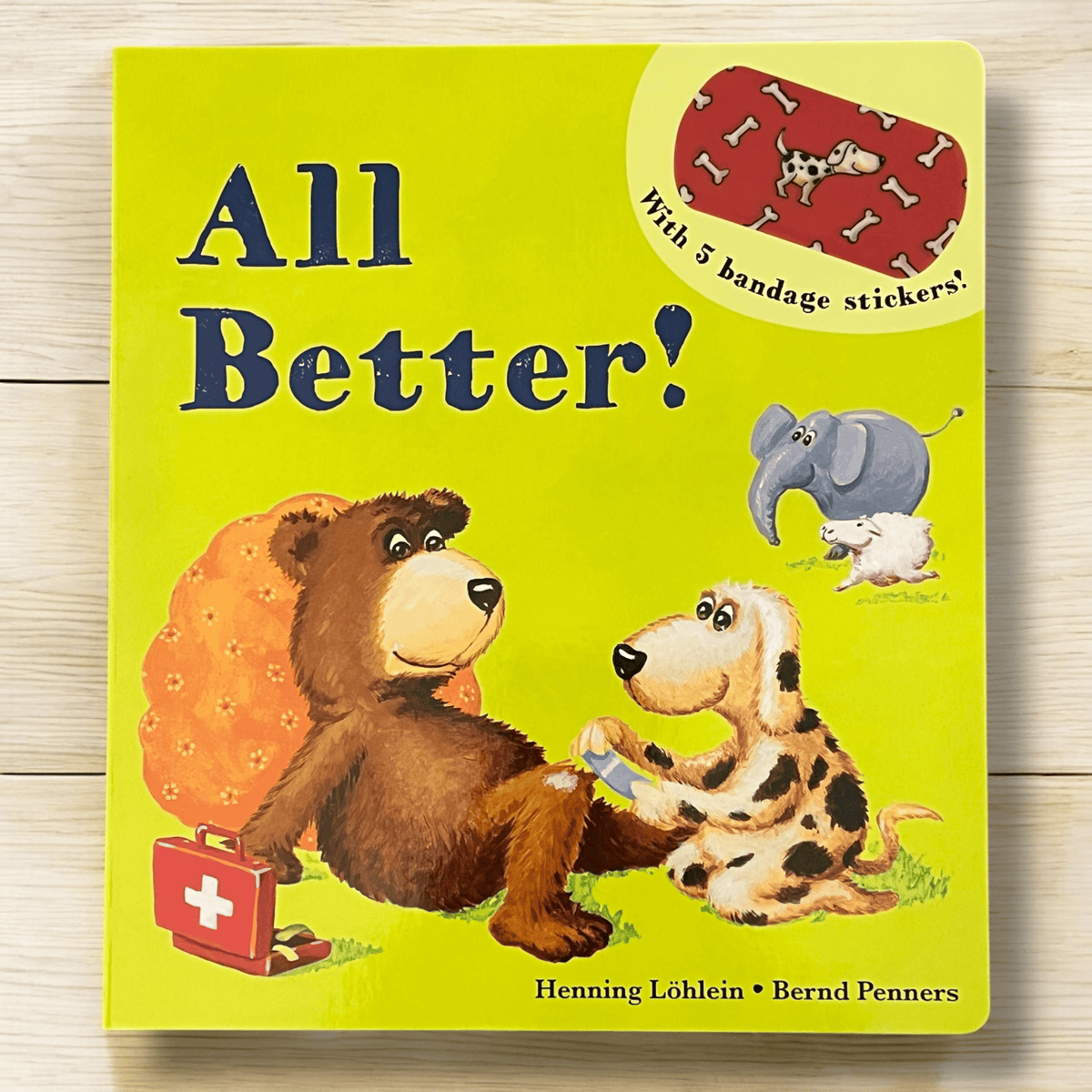
- Expanding Vocabulary: Introduce new words like “hurt,” “bandage,” “fix,” and “better” while discussing each character’s injury.
- Action Words: Use words such as “stick,” “place,” “help,” and “heal” to describe what is happening.
- Sentence Building: Encourage children to describe the characters’ injuries and how they can make them “all better!”
- WH-Questions: Ask questions like:
What happened to the dog?
Who needs a bandage?
Where do we put the bandage?
Social-Emotional Learning
- Empathy & Caretaking: Discuss how the animals feel when they get hurt and how we can help others when they are sad or in pain.
- Role-Playing: Encourage children to act out being a doctor, nurse, or caregiver and pretend to treat their own stuffed animals.
Fine Motor & Sensory Play
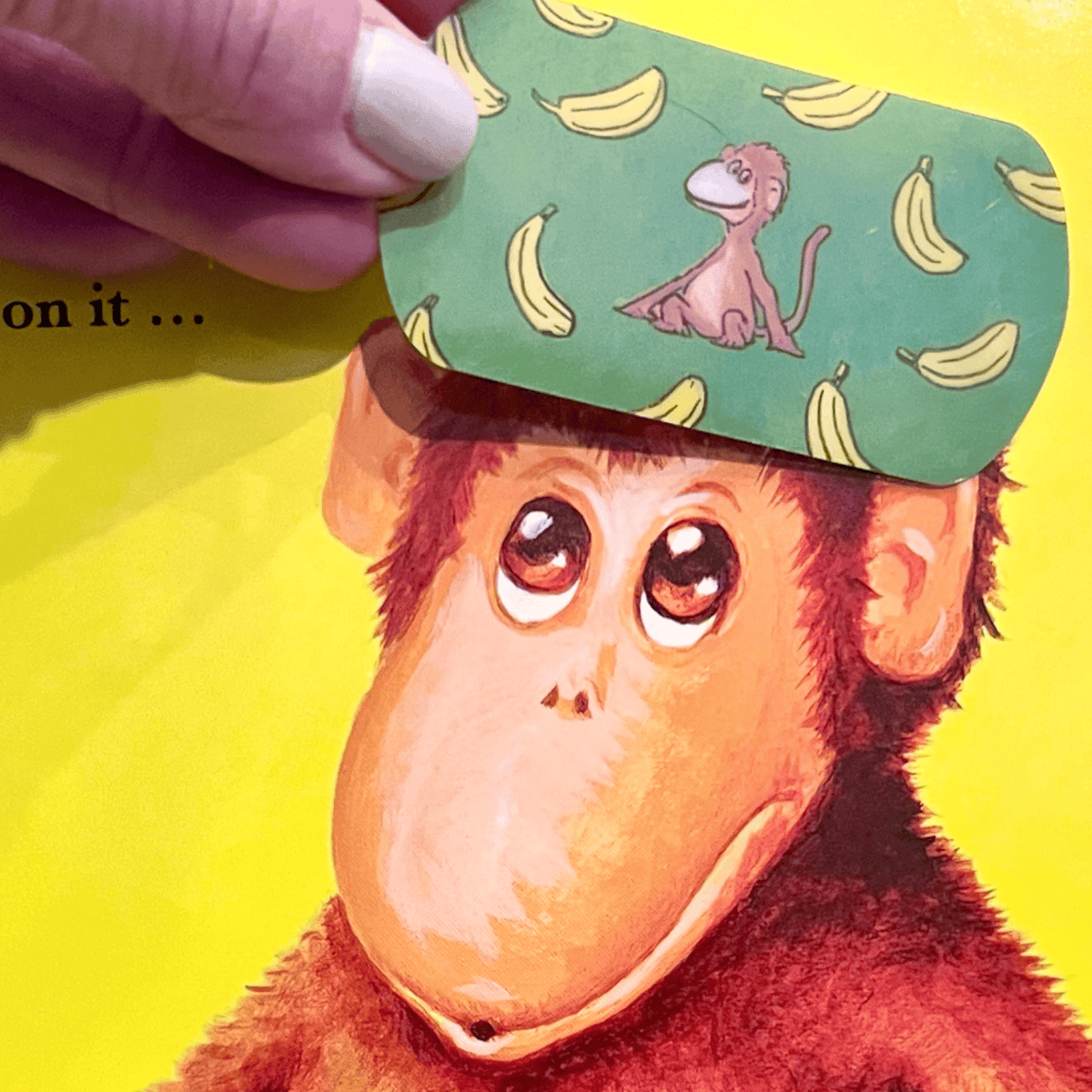
- Sticker Placement: The reusable bandages help strengthen fine motor skills as children peel and place them.
- Sensory Exploration: Let children touch and feel real bandages, comparing textures and discussing their uses.
Gross Motor & Movement Activities
- Pretend Play Bandaging: Provide real or toy bandages so kids can practice wrapping them around dolls or stuffed animals.
- Action & Imitation: Have children act out getting a pretend injury and helping each other “get better” by role-playing.
Multi-Sensory Learning & Creativity
- Crafting Bandages: Have children decorate paper bandages and place them on drawings of animals or people.
- Dramatic Play Corner: Set up a small doctor’s kit with toy stethoscopes, bandages, and play medical tools to extend learning beyond the book.